Transforming your home into a fortress no longer requires a small army of technicians drilling holes and running wires through your walls. The modern DIY security revolution has ushered in an era where comprehensive protection—combining vigilant cameras, perceptive sensors, and ear-piercing sirens—arrives in a single, thoughtfully designed integration kit that you can set up over a weekend. These aren’t the fragmented, plug-and-play gadgets of yesterday; today’s systems orchestrate multiple security layers into a cohesive, intelligent network that rivals professionally installed solutions at a fraction of the cost.
But here’s what most guides won’t tell you: not all integration kits are created equal, and the difference between a system that truly protects your home and one that simply creates notification noise lies in understanding the nuanced interplay between components, connectivity, and compatibility. Whether you’re securing a downtown apartment or a sprawling suburban property, the right kit should grow with your needs, speak fluently with your smart home ecosystem, and provide reliable protection without demanding a PhD in network engineering. Let’s explore what separates exceptional DIY security integration kits from the rest of the pack.
Top 10 DIY Security Kits with Cameras Sensors and Sirens
Detailed Product Reviews
1. PGST Wireless Home Security System, 17-Piece Kit, Outdoor Camera, Phone APP Alert, Door Sensor, Siren, Remote, Motion Detector, Compatible with Alexa (103-D-T53)
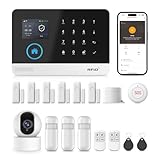
Overview: The PGST Wireless Home Security System arrives as a comprehensive 17-piece kit designed for straightforward DIY installation. This system eliminates monthly fees entirely while providing 24/7 protection through its Smart Life app integration. The package includes an outdoor camera, door sensors, motion detectors, a 120dB siren, remote controls, and full Alexa compatibility. Operating exclusively on 2.4GHz WiFi networks, the system supports expansion up to 99 sensors and five remotes, making it suitable for homes, apartments, and condos of various sizes.
What Makes It Stand Out: The inclusion of an outdoor camera in a sub-$130 kit immediately distinguishes this system from competitors. The 120dB siren delivers formidable deterrence, while the Smart Life app provides seamless remote arming and disarming. Voice control through Alexa adds convenience for hands-free operation. The system’s impressive expandability—supporting nearly 100 sensors—offers exceptional scalability for growing security needs without requiring additional hub purchases.
Value for Money: At $129.19 for 17 components ($6.80 per device), this kit presents remarkable value. Comparable systems with outdoor cameras typically cost $180-$250. The absence of monthly fees means the system pays for itself within 4-6 months compared to subscription-based alternatives. The build quality exceeds expectations for the price point, with reliable wireless connectivity and durable sensor construction.
Strengths and Weaknesses: Strengths include comprehensive kit contents, excellent expandability, no recurring costs, and robust app integration. The 120dB siren provides effective intrusion deterrence. Weaknesses involve 5G network incompatibility, potentially limiting placement options for some users. The outdoor camera’s resolution isn’t specified, which may concern detail-oriented buyers. Battery life documentation could be more transparent.
Bottom Line: This PGST system delivers exceptional value for budget-conscious homeowners seeking comprehensive protection without subscriptions. The outdoor camera inclusion and massive expansion capability make it ideal for those wanting scalable security. While the 2.4GHz-only limitation requires consideration, the overall package outperforms its price class.
2. Alarm System for Home Security,21Pcs DIY Kit Touch Screen Siren Hub with Loud Alarm,SOS Button,Window Alarms, Remotes,Door/Motion Sensors,APP Control,Compatible with Alexa,NO Monthly Fee
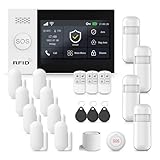
Overview: This 21-piece home security kit elevates the DIY approach with a sophisticated 4.3-inch color touchscreen hub that serves as the system’s command center. Compatible with Smart Life and Tuya apps, it offers dual connectivity through 2.4GHz WiFi and GSM/4G SIM card backup. The system includes window alarms, door sensors, motion detectors, SOS button, remotes, and RFID cards for multiple control methods. With no monthly fees and over 120dB alarm output, it provides professional-grade features at a consumer price point.
What Makes It Stand Out: The touchscreen hub is a game-changer for accessibility, allowing elderly users and children to operate the system without smartphones. The dual-network capability ensures continuous protection even during internet outages—a critical feature competitors often omit. Silent alarm mode provides discreet protection, notifying only designated contacts without alerting intruders. The RFID card access adds a layer of convenience rarely seen in this price range.
Value for Money: At $139.99 for 21 components, the per-device cost under $7 represents outstanding value. The GSM backup functionality alone justifies the premium over basic WiFi-only systems. Compared to professional monitoring services costing $20-40 monthly, this system achieves payback within 4-7 months. The touchscreen hub’s build quality rivals $200+ alternatives.
Strengths and Weaknesses: Strengths include the intuitive touchscreen interface, dual-network reliability, silent alarm option, and versatile control methods. The 120dB+ siren delivers powerful deterrence. Weaknesses include the SIM card requirement for cellular backup (not included) and potential complexity for users preferring minimalist setups. The larger hub requires more wall space than basic models.
Bottom Line: This system excels for families needing accessible, reliable security with cellular backup. The touchscreen hub and silent alarm mode make it particularly suitable for multi-generational households. While slightly pricier than basic kits, the dual-network capability and user-friendly interface justify the investment for those prioritizing uninterrupted protection.
3. Alarm System with Phone APP Alert,DIY WiFi Home Security Alarm System,12pcs Kit Motion Detector,Door Sensor,Remote Control,Siren,Compatible with Alexa Google for Home Villa,for Children Elderly Safety

Overview: This 12-piece security kit delivers dual-network protection at an aggressive price point, combining WiFi and GSM connectivity with a 2.4-inch TFT color display. The system includes an alarm host, PIR motion detector, four door/window sensors, two remotes, two RFID cards, and a 110dB siren. Supporting 100 wireless protection zones and compatible with Alexa and Google Assistant, it offers remarkable scalability for homes, villas, and elderly care applications. The Tuya/Smart Life app integration enables remote management without subscription fees.
What Makes It Stand Out: The dual-network capability at under $66 is virtually unmatched in the market, providing failover protection during power or internet outages. The 2.4-inch color screen offers clear status visualization uncommon in budget systems. Supporting 11 languages makes it accessible for diverse households. The 433MHz wireless frequency ensures reliable sensor communication with minimal interference.
Value for Money: At $6 per device, this kit redefines budget security without sacrificing core features. Comparable dual-network systems cost $120-$180. The lack of monthly fees creates immediate savings, while the 100-zone expandability eliminates future hub replacement costs. Build quality exceeds typical entry-level expectations.
Strengths and Weaknesses: Strengths include exceptional affordability, dual-network reliability, extensive language support, and massive expansion capacity. The included RFID cards add convenient access control. Weaknesses involve the unspecified siren decibel rating (likely lower than premium models) and basic app interface compared to sophisticated alternatives. GSM SIM card costs add ongoing expense. Setup may require more technical comfort than plug-and-play options.
Bottom Line: This system is perfect for cost-conscious buyers wanting cellular backup without premium pricing. Ideal for vacation homes or areas with unreliable internet, its dual-network reliability outweighs minor interface limitations. While not the most elegant solution, its functionality-per-dollar ratio is outstanding for practical security needs.
4. WiFi Door Alarm System, Wireless DIY Smart Home Security System, with Phone APP Alert, 8 Pieces-Kit (Alarm Siren, Door Window Sensor, Remote), Work with Alexa, for House, Apartment, by tolviviov

Overview: The tolviviov WiFi Door Alarm System offers a streamlined 8-piece entry point into smart home security, emphasizing simplicity and affordability. This kit includes an alarm siren, door/window sensors, and remote controls, all managed through smartphone app integration. Operating exclusively on 2.4GHz WiFi networks, it supports expansion up to 20 sensors and five remotes. The system works with Alexa and Google Assistant for voice control, providing essential security features without complexity or monthly fees for apartments and smaller homes.
What Makes It Stand Out: The tolviviov brand focuses on straightforward DIY installation requiring no tools, making it accessible for renters and non-technical users. The system’s 8-hour backup battery provides basic protection during power outages—a feature often omitted in ultra-budget options. The clean, minimalist hub design integrates discreetly into modern apartments without dominating wall space.
Value for Money: At $54.99 for eight components, the per-device cost of $6.87 positions this as a genuine budget contender. While offering fewer sensors than larger kits, it provides core functionality at 60% less than mid-tier alternatives. The absence of subscription fees means break-even occurs within 3-5 months compared to monitored services. However, the limited 20-sensor capacity may require hub replacement for larger homes.
Strengths and Weaknesses: Strengths include dead-simple installation, compact hub design, voice assistant integration, and adequate backup power. The tool-free setup preserves rental deposits. Weaknesses involve the restrictive 20-sensor limit, lack of cellular backup, unspecified siren volume, and minimal advanced features like silent alarms or RFID access. App functionality is basic compared to premium ecosystems.
Bottom Line: This system suits apartment dwellers and first-time security buyers seeking no-fuss protection without financial commitment. While expansion limitations make it unsuitable for larger properties, its simplicity and price point excel for targeted coverage of primary entry points. Consider this a starter system rather than a long-term whole-home solution.
5. KERUI WiFi Home Security Alarm System 8-Piece kit Door Alarm System DIY Siren Door/Window Sensors Remotes Burglar Alarm for House Apartment Office,Compatible with Alexa Google Home

Overview: The KERUI WiFi Home Security Alarm System provides an 8-piece foundation for DIY home protection at an entry-level price point. This kit includes door/window sensors, remotes, and a siren hub controlled via the Tuya Smart app. Operating on 2.4GHz WiFi networks, it supports expansion up to 30 sensors and 20 remotes—more generous than typical budget systems. The 115dB SOS alarm function enables emergency signaling for children and seniors, while Alexa and Google Home integration facilitates voice control. KERUI emphasizes brand ecosystem compatibility for customized system building.
What Makes It Stand Out: The SOS button functionality directly on the remote is a critical safety feature for vulnerable family members, triggering immediate high-decibel alerts and push notifications. Supporting 30 sensors exceeds typical budget limits of 15-20, offering better scalability. KERUI’s explicit cross-compatibility with its own alarm hubs allows advanced users to build hybrid systems. The 115dB output provides substantial deterrence without being excessive for apartment living.
Value for Money: At $49.99, this is among the most affordable reputable security kits available. The per-device cost under $6.25 combined with 30-sensor expandability creates exceptional long-term value. While lacking cellular backup, the price reflects genuine savings rather than severe compromise. The system pays for itself in 2-4 months versus monitored alternatives.
Strengths and Weaknesses: Strengths include the SOS emergency feature, generous expansion capacity, brand ecosystem flexibility, and robust 115dB alarm. The Tuya app provides reliable notifications. Weaknesses involve WiFi-only connectivity (no cellular backup), basic app interface, and limited included sensors requiring additional purchases for comprehensive coverage. Documentation could be more detailed for novice installers.
Bottom Line: This KERUI kit is ideal for families with elderly members or children needing emergency alert capabilities on a tight budget. The SOS function and expansion potential make it more versatile than typical entry-level systems. While not feature-rich, it delivers reliable core security with thoughtful safety additions. Perfect for small homes wanting essential protection with room to grow.
6. Abode 4 Piece Wireless Smart Security System - Works with Apple HomeKit, Z-Wave and Zigbee Devices - Expandable to Protect Your Whole Home - Easy DIY Installation - Optional Professional Monitoring
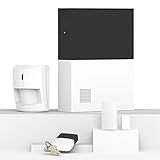
Overview: The Abode 4-Piece Wireless Smart Security System positions itself as a premium, whole-home solution with exceptional smart home integration. This kit includes a central hub with a 93dB siren, backup battery, and ethernet connectivity, plus a motion sensor, key fob, and door/window sensor. Designed for DIY installation, it targets tech-savvy homeowners seeking comprehensive protection that plays nicely with existing smart ecosystems.
What Makes It Stand Out: Abode’s crown jewel is its Apple HomeKit certification—the only security system (DIY or professional) with this official designation. Beyond Apple integration, it functions as a Z-Wave and Zigbee smart home hub, controlling locks, lights, and sensors from various manufacturers. The system works with Alexa, Google Assistant, and Siri, offering unmatched versatility. Expandability is virtually limitless, supporting additional sensors for doors, windows, water leaks, smoke, and CO2 detection. Optional professional monitoring costs just 60 cents daily, providing police, fire, and medical dispatch without long-term contracts.
Value for Money: At $239, Abode sits in the mid-to-high range for DIY systems. However, its multi-protocol hub capability eliminates the need for separate smart home bridges, potentially saving $100+. Compared to SimpliSafe or Ring, Abode offers superior smart home integration, justifying the premium for Apple users and automation enthusiasts who want one system to rule them all.
Strengths and Weaknesses: Strengths include unparalleled smart home compatibility, flexible monitoring options, robust build quality, and ethernet connectivity for reliability. Weaknesses involve a higher upfront cost, potentially overwhelming complexity for beginners, and the need to purchase additional sensors for complete coverage. The 4-piece starter kit may feel limited for larger homes.
Bottom Line: Abode is the ultimate choice for Apple-centric households and smart home power users willing to invest in a scalable, integrated security ecosystem. The premium price delivers genuine value through versatility and reliability.
7. WiFi Door Alarm System, Wireless DIY Smart Home Security System, with Phone APP Alert, 8 Pieces-Kit (Alarm Siren, Door Window Sensor, Remote), Compatible with Alexa, for House, Apartment by tolviviov

Overview: The tolviviov WiFi Door Alarm System offers an 8-piece security kit at a budget-friendly price point, targeting renters and homeowners seeking basic protection without financial commitment. The package includes an alarm siren station, five door/window sensors, and two remote controls. With DIY installation and no subscription requirements, it promises straightforward security for apartments and smaller homes.
What Makes It Stand Out: This system’s primary appeal is its affordability combined with a generous sensor count. At under $60, it provides five entry sensors—more than most competitors at this price. Voice control via Alexa and Google Assistant adds convenience, while the ability to expand up to 20 sensors and 5 remotes offers reasonable scalability. The lack of monthly fees makes it ideal for cost-conscious consumers who want set-it-and-forget-it protection.
Value for Money: At $59.99, this represents exceptional value in the DIY security market. Costing less than a single dinner out, it delivers a complete starter kit without ongoing expenses. While build quality and advanced features can’t match premium brands, the price-to-sensor ratio is unbeatable for those prioritizing coverage over sophistication.
Strengths and Weaknesses: Strengths include unbeatable price, no subscription fees, simple DIY setup, decent expansion capability, and voice assistant compatibility. Weaknesses involve 2.4GHz WiFi limitation (no 5GHz support), a lesser-known brand with uncertain long-term support, basic app functionality, and an alarm station that must remain plugged in with only 8-hour backup battery life.
Bottom Line: Perfect for apartment dwellers and budget-minded users wanting basic, no-frills security without recurring costs. It’s a competent starter system that covers essentials affordably.
8. eufy Security 5-Piece Home Alarm Kit, Home Security System, Keypad, Motion Sensor, 2 Entry Sensors, Home Alarm System, Control from The App, Links with eufyCam, Optional 24/7 Protection

Overview: The eufy Security 5-Piece Home Alarm Kit from Anker’s trusted sub-brand delivers a balanced approach to home security. The kit includes a HomeBase hub, keypad, motion sensor, and two entry sensors. Emphasizing easy installation and no mandatory monthly fees, eufy targets homeowners seeking reliable protection from an established brand without subscription lock-in, though optional monitoring is available.
What Makes It Stand Out: eufy’s primary differentiator is its brand reputation for quality and user-friendly design. The system offers optional 24/7 professional monitoring without requiring it, giving users flexibility. The eufy Security app provides instant alerts and seamless integration with other eufy cameras and devices. Setup takes minutes with included mounts, and the system can link with eufyCam for video verification during alarms.
Value for Money: At $129.99, eufy positions itself as a mid-tier option. While more expensive than budget brands, it offers superior build quality, better app experience, and brand reliability. The absence of forced subscriptions means the total cost of ownership remains low, making it cheaper than Ring or SimpliSafe over time for users who skip monitoring.
Strengths and Weaknesses: Strengths include reputable brand backing, no mandatory fees, easy DIY installation, clean app interface, and optional professional monitoring. Weaknesses involve fewer sensors (only two entry sensors) than competitors at this price, limited third-party smart home integration compared to Abode, and reliance on the eufy ecosystem for best experience.
Bottom Line: eufy is ideal for users valuing brand trust and simplicity over maximum expandability. It’s a solid, subscription-free security foundation that grows with your needs, best suited for small to medium homes.
9. PGST Wireless Home Alarm System 12-Piece Kit, WiFi/4G Alarm System for Home Security with Phone APP Alert (Door Sensors,Alarm Siren, Remote, Motion Detector) for Home, Apartment, Work with Alexa

Overview: The PGST Wireless Home Alarm System 12-Piece Kit offers the most comprehensive sensor package at an aggressive price point. This WiFi/4G-enabled system includes multiple door sensors, an alarm siren, remote controls, and a motion detector, targeting budget-conscious users wanting extensive coverage without monthly fees. It promises DIY installation and smart home integration through the Smart Life app.
What Makes It Stand Out: With twelve components included, PGST delivers unmatched hardware quantity for under $70. The system supports expansion up to 99 sensors and 5 remotes, accommodating even large properties. Dual WiFi/4G connectivity ensures reliability, while the piercing 120dB alarm provides strong deterrence. Alexa voice control integration adds modern convenience to this value-packed offering.
Value for Money: At $69.99, PGST’s value proposition is extraordinary—roughly $6 per device. This is significantly cheaper than purchasing components separately or buying from established brands. For users prioritizing sensor quantity and coverage area over brand recognition, it’s nearly impossible to beat. The lack of subscription fees further enhances long-term value.
Strengths and Weaknesses: Strengths include exceptional sensor count, unbeatable price, massive expandability, loud alarm, and no monthly costs. Weaknesses involve an obscure brand with questionable long-term support, basic app functionality, potential quality control issues, and lack of 5GHz WiFi support. Professional monitoring isn’t mentioned, leaving self-monitoring as the only option.
Bottom Line: PGST is perfect for large homes, rentals, or anyone wanting maximum sensor coverage on a minimal budget. Accept some compromises on polish and support in exchange for comprehensive protection at an unbeatable price.
10. Wyze Home Security Core Kit: Hub, Keypad, Motion Sensor, Entry Sensors (x2); Compatible w/ Wyze Cam, Leak & Climate Sensors; 3 Mo. of 24/7 Professional Monitoring Service Incl., Subscription Required
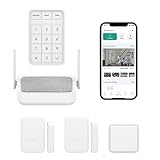
Overview: The Wyze Home Security Core Kit brings the brand’s value-driven approach to professional monitoring. This 5-piece kit includes a hub, keypad, motion sensor, and two entry sensors, plus three months of 24/7 professional monitoring included. Wyze promises agent contact within 5 seconds of alarm triggers, delivering premium service at a budget price point.
What Makes It Stand Out: Wyze’s blistering 5-second response time sets a new standard for DIY security systems. The included three months of professional monitoring ($30 value) lets users test the service risk-free. At $9.99/month thereafter, it’s among the most affordable monitoring plans available. The system easily expands to 100 sensors and integrates with Wyze’s ecosystem of cameras, climate, and leak sensors. The peel-and-stick installation is genuinely effortless.
Value for Money: At $89.99 with three months free monitoring, Wyze undercuts most competitors while offering faster response times. The $9.99 monthly fee is less than half the industry average, making professional monitoring accessible to budget-conscious households. For those wanting monitored security without premium pricing, Wyze delivers exceptional value.
Strengths and Weaknesses: Strengths include lightning-fast response time, affordable monitoring, generous free trial, excellent app experience, and easy expansion. Weaknesses involve mandatory subscription after trial for full value, limited to US markets, ecosystem lock-in with Wyze products, and no Apple HomeKit or Z-Wave/Zigbee support.
Bottom Line: Wyze is the best value for users wanting professional monitoring on a budget. The free trial and unbeatable monthly rate make it a low-risk entry into monitored home security, ideal for the US market.
Understanding DIY Security Integration Kits
What Makes a True Integration Kit?
A genuine DIY security integration kit moves beyond simple bundling. True integration means your cameras, sensors, and sirens communicate through a unified hub using synchronized protocols, triggering coordinated responses. When a door sensor activates at 2 AM, your camera should instantly begin recording to the cloud, your siren should sound with appropriate delay, and your smartphone should receive a single, intelligent alert—not three separate notifications from three different apps. This orchestration requires sophisticated firmware, a robust central hub, and components engineered to work as a system rather than a collection of parts.
The Evolution From Standalone to Integrated Systems
Remember the early days of DIY security when you bought a Wi-Fi camera from one brand, motion sensors from another, and prayed they’d somehow work together? Those fragmented systems created security gaps and app fatigue. Modern integration kits represent a evolutionary leap—engineered ecosystems where each component amplifies the others’ capabilities. This shift mirrors how smartphones replaced separate GPS devices, MP3 players, and digital cameras. The magic isn’t just convenience; it’s the emergent intelligence that arises when your siren’s decibel level automatically adjusts based on which sensors triggered, or when your cameras begin recording at higher resolution only during verified alarm events.
Key Components Every Kit Should Include
Cameras: More Than Just Video Capture
The cameras in integration kits serve as your system’s eyes, but sophisticated models function as environmental sensors too. Look for units with built-in motion detection, sound recognition, and even temperature sensing capabilities. Resolution matters—1080p remains the practical minimum, but don’t obsess over 4K if it compromises low-light performance. More crucial are viewing angle (130+ degrees for comprehensive coverage), weather resistance ratings (IP65 or higher for outdoor units), and processing power. Edge-based AI that can distinguish between a swaying branch and an actual person prevents countless false alarms and reduces cloud dependency.
Sensors: The First Line of Defense
Quality integration kits include a strategic mix of sensor types. Door/window contacts form the perimeter defense, but glass break sensors provide crucial backup for windows left open. Motion detectors should offer pet-immunity settings adjustable by weight—essential for households with animals. Environmental sensors for smoke, CO, and water leaks transform your security system into a comprehensive home protection platform. The best kits use sensors with encrypted signals and anti-jamming technology, preventing tech-savvy intruders from disabling your system with simple RF interference devices.
Sirens: Audible Deterrence Matters
The psychological impact of a 110+ decibel siren should not be underestimated—it’s often enough to send opportunistic burglars running before they grab anything. Integrated sirens do more than make noise; they provide verbal warnings, integrate with entry delay timers, and can be zoned to sound only in specific areas. Look for units with battery backup and cellular connectivity options. Some advanced sirens include built-in strobe lights for visual deterrence and hearing-impaired accessibility, while others can broadcast custom messages or integrate with local emergency services for automated dispatch.
Essential Features to Evaluate Before Buying
Connectivity Protocols: Wi-Fi, Zigbee, Z-Wave, and Beyond
Your kit’s communication backbone determines reliability and expandability. Wi-Fi offers simplicity but can congest your network and fail during internet outages. Zigbee and Z-Wave create mesh networks where each device strengthens the overall signal, maintaining functionality even if one node fails. The most robust kits use hybrid approaches—local mesh for sensor-to-hub communication, Wi-Fi for camera streaming, and cellular as a failover. Pay attention to frequency bands; 2.4GHz penetrates walls better but faces more interference, while 5GHz offers faster speeds for bandwidth-hungry cameras.
Power Options: Battery, Wired, or Hybrid?
Battery-powered systems promise easy installation but require diligent maintenance—imagine your front door sensor dying during a two-week vacation. Wired components eliminate battery anxiety but limit placement flexibility. The sweet spot? Hybrid kits offering both options. Look for sensors with 2+ year battery life and low-battery warnings that integrate into your system’s main dashboard. For cameras, Power over Ethernet (PoE) provides the best of both worlds—single-cable installation with reliable power and data. Solar panel accessories for outdoor cameras can create truly maintenance-free perimeter coverage.
Storage Solutions: Local vs. Cloud
Cloud storage offers convenience and off-site protection, but subscription costs add up and privacy concerns persist. Local storage via SD cards or NAS devices gives you complete control but risks theft of evidence. Premium integration kits provide hybrid storage—continuous local recording with cloud backup of alarm events only. This approach minimizes bandwidth usage while ensuring critical footage survives even if intruders destroy your hub. Calculate long-term costs: a kit with free local storage and optional paid cloud backup often proves more economical over three years than kits requiring mandatory subscriptions.
Smart Home Integration Considerations
Voice Assistant Compatibility
“Alexa, arm my security system” represents the tip of the integration iceberg. True voice assistant integration means your kit exposes security status, individual sensor states, and camera feeds to smart displays. But dig deeper—can you create routines where saying “goodnight” arms the system in stay mode, dims lights, and adjusts the thermostat? Does Google Assistant recognize different security modes (away, stay, night)? Avoid kits with limited IFTTT support or those that treat voice control as a gimmick rather than a core feature.
Third-Party Platform Support
Your security system shouldn’t exist in isolation. The best integration kits offer open APIs and native support for platforms like SmartThings, Hubitat, or Home Assistant. This allows sophisticated automations: your security system disarms automatically when your smart lock recognizes your arrival, or your cameras begin recording when your smart doorbell detects motion. Check for Matter certification—the new universal smart home standard that ensures future compatibility. Kits that lock you into proprietary ecosystems may save time initially but limit your home’s intelligence potential.
Installation and Setup Realities
DIY-Friendly Design Elements
Professional-grade kits respect your time and skill level. Look for systems with pre-paired components that automatically connect to the hub, eliminating tedious manual pairing sequences. Adhesive mounting strips should support both temporary placement testing and permanent installation. The hub should offer guided setup via a well-designed app with augmented reality features showing optimal camera placement. QR code scanning for device registration beats manual serial number entry every time. Some advanced kits include signal strength meters in their apps, helping you find dead zones before final mounting.
Common Installation Pitfalls
Even the best kits fail when installed poorly. Mounting cameras too high creates unhelpful top-down views—position them at 8-9 feet for optimal facial recognition. Sensors on metal doors require spacers to prevent signal interference. Sirens placed in attics or garages won’t deter intruders indoors. Network topology matters too; placing your hub centrally ensures mesh network efficiency. Many DIYers forget to configure entry delays properly—giving yourself 30 seconds to disarm the system while an intruder has the same window to destroy the hub. Test every component in its final position before considering installation complete.
Scalability and Expandability
Planning for Future Growth
Your security needs evolve—today’s studio apartment becomes tomorrow’s family home. Evaluate kits by their maximum device capacity (some hubs support 50+ devices, others just 10). Check if the ecosystem includes specialty sensors like garage door tilt sensors, driveway alarms, or pool gate contacts. The ability to add cameras with different capabilities (pan-tilt-zoom for large areas, fixed for entry points) indicates a mature platform. Consider the manufacturer’s track record—do they regularly release new compatible components, or is the ecosystem stagnant?
Mixing and Matching Components
True integration doesn’t mean lock-in. The best kits allow selective component replacement and third-party device integration. Perhaps you want to keep your existing high-end cameras but add new sensors and a siren. Look for hubs with ONVIF compliance for camera compatibility and support for universal sensor protocols. This flexibility proves crucial when one component fails out of warranty—replacing a single door sensor shouldn’t require buying a whole new kit. Some advanced systems even support virtual devices, letting you integrate IP cameras or sensors from other ecosystems through software bridges.
Monitoring Options: Self vs. Professional
Self-monitoring through smartphone apps offers zero monthly fees and complete control, but demands your constant availability. What happens when you’re in a meeting and miss a critical alert? Professional monitoring provides 24/7 oversight and emergency dispatch, typically costing $15-30 monthly. The sweet spot for many is hybrid monitoring—self-monitoring for minor events (low battery, routine arming/disarming) with optional professional monitoring that activates only during alarm states. Some kits offer on-demand professional monitoring, perfect for vacations. Evaluate cellular backup options; without it, a cut internet line renders both monitoring approaches useless.
Legal and Privacy Implications
Installing cameras that capture your neighbor’s property can violate privacy laws, and audio recording without consent is illegal in many states. Quality integration kits include privacy zones—areas you can mask from recording—and clear indicators when cameras are active. Sirens must comply with local noise ordinances; some jurisdictions prohibit outdoor sirens entirely. If you rent, your lease may require landlord approval for any security modifications. For professional monitoring, verify the company’s licensing in your state and understand their false alarm policies—some municipalities charge hefty fines after repeated false dispatches.
Maintenance and Long-Term Ownership
Proactive System Health Monitoring
The best kits don’t just alert you when something breaks—they predict failures. Look for systems with battery health trending, signal strength history, and automated device health checks. Some hubs run nightly diagnostics, emailing you a weekly system status report. Firmware updates should happen automatically during low-activity hours, with rollback capabilities if issues arise. Consider the long-term support commitment: does the manufacturer provide security patches for older devices, or do they abandon hardware after two years?
Component Lifecycle Management
Sensors typically last 5-7 years before technology advances make replacement worthwhile. Cameras may become obsolete faster as resolution and AI capabilities improve. Plan for this by choosing kits with modular hubs that receive firmware updates rather than requiring complete replacement. Some manufacturers offer trade-in programs or backwards compatibility guarantees. Document your system’s configuration—when you eventually upgrade, having a diagram of sensor locations and automation rules saves hours of reconfiguration.
Troubleshooting Common Issues
Even premium kits encounter problems. Wi-Fi cameras that drop offline often suffer from IP address conflicts—reserving static IPs in your router prevents this. Sensors that trigger false alarms may need sensitivity adjustment or repositioning away from heat sources. If your siren sounds randomly, check for RF interference from baby monitors or garage door openers. Most issues stem from network problems rather than hardware failures. Kits with detailed diagnostic logs and community forums provide faster solutions than those with opaque troubleshooting guides. Keep a backup hub configured and ready—some manufacturers offer hub insurance programs for quick replacement during failures.
Future-Proofing Your Investment
Emerging Technologies to Watch
AI edge processing is evolving rapidly—tomorrow’s cameras will identify specific individuals and detect suspicious behavior patterns. Matter standard adoption will make hub interoperability seamless. Battery technology improvements promise 5-10 year sensor lifespans. 5G connectivity may eliminate the need for home internet entirely. When selecting a kit, prioritize manufacturers actively developing these technologies and offering upgrade paths. A hub with spare processing power and RAM can receive firmware updates enabling new features, extending its useful life by years.
Avoiding Obsolescence Traps
Beware of kits requiring proprietary cloud services that could be discontinued. Open standards and local processing capabilities ensure your system functions even if the manufacturer disappears. Choose hubs that continue operating locally during internet outages, maintaining basic security logic. Consider the company’s financial stability—startups may offer innovative features but risk acquisition or bankruptcy. Established players with proven track records often provide better long-term support, even if their initial feature set seems less flashy.
Frequently Asked Questions
1. How difficult is it to install a DIY security integration kit compared to standalone devices?
Integration kits typically require more initial setup time than standalone devices because you’re configuring a unified system rather than individual gadgets. However, they often prove easier in the long run—one app, one set of automations, and coordinated responses. Most users complete basic installation in 2-4 hours, with another hour for fine-tuning settings. The key difference is upfront planning: integration kits reward thoughtful component placement and network configuration, while standalone devices work (or fail) independently.
2. Can I integrate my existing smart devices with a new security kit?
It depends on the kit’s ecosystem and your existing devices. Kits supporting Matter, Zigbee 3.0, or Z-Wave Plus offer the best compatibility with third-party sensors and lights. For cameras, ONVIF compliance allows integration of many IP cameras. Smart locks from major brands typically work across platforms. Before purchasing, list your current devices and check the kit’s compatibility database. Some integration may require middleware like Home Assistant for advanced automations, but most mainstream smart home devices connect directly to major security hubs.
3. What’s the realistic range for wireless sensors in a typical home?
In ideal conditions—direct line of sight, no interference—Zigbee and Z-Wave sensors can reach 300+ feet. Realistically, in a wood-framed home with drywall, expect 50-100 feet between sensors and the hub or nearest repeater. Brick, concrete, and metal significantly reduce range. Each powered device (smart switches, plugged-in sensors) acts as a repeater, extending the mesh network. Test signal strength at each intended location before permanent mounting. Most quality kits include signal strength tools in their setup apps.
4. How do I prevent false alarms from pets, weather, or delivery drivers?
Modern kits offer multiple false alarm prevention layers. Set motion detector sensitivity based on pet weight (most support 40-80 lb thresholds). Use entry delay zones for main doors, giving you time to disarm. Configure activity zones in cameras to ignore sidewalks or streets. Enable person detection AI to filter animals and shadows. Schedule different sensitivity levels—higher at night, lower during expected delivery hours. Some advanced systems learn your patterns and automatically adjust. Always test new configurations for a week before relying on them for actual security.
5. Is local storage secure, or should I always use cloud backup?
Local storage offers privacy and zero subscription costs but risks theft during a break-in. The best approach combines both: continuous local recording with cloud backup of alarm events only. Store your local hub in a hidden, locked location—not obvious places like the master bedroom closet. Use encrypted NAS devices rather than simple SD cards. If choosing cloud-only storage, verify the provider’s encryption standards and data retention policies. For maximum privacy, some kits support personal cloud storage on your own server or encrypted backup to private cloud accounts.
6. What happens to my security system when the power goes out?
Quality integration kits include multiple failsafes. The hub should have a battery backup lasting 8-24 hours. Sensors on battery power continue functioning normally. Cellular backup (requires subscription) maintains monitoring and notifications. Cameras without battery backup will go offline unless connected to a UPS. For whole-home protection, install your hub and networking equipment on an uninterruptible power supply. Some kits can send low-power alerts and enter energy-saving modes during extended outages, prioritizing essential sensors over non-critical cameras.
7. Can I take my DIY security system with me when I move?
Absolutely—this is a major advantage over hardwired systems. Document all component locations and settings before removal. Save your configuration backup to cloud storage. Remove sensors carefully using heat to soften adhesive (a hairdryer works well). The hub and cameras require minimal reconfiguration at your new location. Most manufacturers allow you to transfer the system to a new address in their app. Be aware that sensor placement will differ in your new home, and you may need additional components for different layouts. Keep original packaging for safe transport.
8. How do I choose between a siren-only system and one with professional monitoring?
This depends on your lifestyle and risk tolerance. Siren-only systems work well in close-knit neighborhoods where neighbors will investigate alarms, or for homeowners who always have their phones nearby. Professional monitoring provides peace of mind during travel, deep sleep, or phone-off situations. Many find hybrid approaches ideal: self-monitor normally, activate professional monitoring during vacations. Consider your local police department’s average response time—if it’s over 15 minutes, a loud siren may deter more effectively than a delayed dispatch. Evaluate false alarm fines in your area; frequent false alarms make professional monitoring expensive.
9. Are DIY security kits vulnerable to hacking or jamming?
Any wireless system faces potential threats, but modern kits include robust protections. Encrypted communication (AES-128 minimum) prevents signal interception. Anti-jamming detection alerts you when interference occurs. Regular firmware updates patch vulnerabilities. For maximum security, choose kits with local processing that function without internet connectivity—this eliminates many remote hacking vectors. Disable unused features like port forwarding and UPnP. Use strong, unique passwords and enable two-factor authentication. While no system is 100% hack-proof, integrated kits from reputable manufacturers are significantly more secure than piecemeal DIY solutions.
10. What should I budget beyond the initial kit purchase?
Plan for hidden costs: optional professional monitoring ($15-30/month), cloud storage subscriptions ($3-10/month per camera), additional sensors ($20-50 each), mounting hardware ($10-30), and potentially a UPS backup ($50-150). Factor in your time—installation, configuration, and learning the system. Some municipalities require alarm permits ($25-50 annually). Set aside 10-15% of your initial investment for replacement batteries and eventual component upgrades. Over five years, a $300 kit with self-monitoring typically costs $400-500 total, while professionally monitored systems run $1,200-1,800 when including monthly fees.