Your grandmother’s velvet-lined jewelry box with its tiny brass key might hold sentimental value, but in an era where sophisticated burglars can identify and bypass traditional locks in under 30 seconds, it’s about as secure as a paper envelope. The modern jewelry collector—whether you’ve invested in heirloom pieces, luxury watches, or bespoke creations—needs security that works smarter, not harder. Hidden smart drawer locks represent a paradigm shift from obvious deterrents to invisible fortresses, combining cutting-edge technology with sophisticated design to protect what matters most while maintaining the aesthetic integrity of your personal space.
Unlike bulky safes that announce their presence or traditional locks that offer minimal resistance, these ingenious devices disappear into your furniture, transforming ordinary drawers into impenetrable vaults. They don’t just lock—they authenticate, monitor, alert, and integrate with your broader security ecosystem. Let’s explore the fascinating world of concealed digital protection and discover what makes these systems the ultimate upgrade for serious jewelry security.
Top 10 Smart Drawer Locks for Jewelry Security
Detailed Product Reviews
1. Drawer Lock eLinkSmart Hidden Cabinet Lock with NFC RFID Card Bluetooth APP Child Safety No Drilling Required for Kitchen Pantry Furniture Cupboard Door Black

Overview: The eLinkSmart Hidden Cabinet Lock delivers sophisticated security for drawers and cabinets without aesthetic compromise. This $29.99 smart lock provides four unlocking methods: RFID cards, smartphone NFC, Apple Watch, and a dedicated app supporting over 1,000 users. The invisible installation requires no drilling, preserving your furniture’s original appearance while protecting personal items from children.
What Makes It Stand Out: The exceptional user capacity of 1,000+ app users makes this ideal for shared spaces or large families. The factory-set unlocked state prevents installation lockouts—a thoughtful feature for DIYers. Two AA batteries deliver 6,000 cycles, with 100 additional uses after low-voltage warnings. High-viscosity double-sided tape provides reliable adhesive mounting, while screw installation offers maximum security for high-traffic cabinets.
Value for Money: At $29.99, this lock offers premium features comparable to $35-40 alternatives. The combination of multiple access methods, high user capacity, and non-destructive installation justifies the investment. For tech-savvy homeowners seeking invisible security without furniture damage, it represents strong competitive value.
Strengths and Weaknesses: Strengths:
- Four convenient unlocking methods including Apple Watch support
- High user capacity (1,000+ users)
- Hidden installation preserves furniture aesthetics
- Dual installation methods (adhesive or screws)
- Low battery alerts with emergency access
Weaknesses:
- Batteries not included
- Requires app registration to activate lock
- May not fit all cabinet thicknesses despite claims
Bottom Line: An excellent choice for families seeking flexible, invisible cabinet security with modern smart features and high user capacity.
2. Dhiedas Smart RFID Drawer Lock, Hidden Digital Electronic Bluetooth RFID Cabinet Drawer Lock for Adults Baby Proofing Teens Liquor Cupboard File
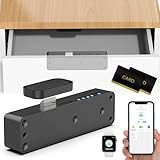
Overview: The Dhiedas Smart RFID Drawer Lock provides comprehensive security at an accessible $26.99 price point. This 4-in-1 system offers app control, RFID cards, NFC, and Apple Watch unlocking without keys. Engineered for discretion, it mounts completely inside cabinets using either 3M adhesive or screws, maintaining your furniture’s pristine appearance while securing sensitive items.
What Makes It Stand Out: Intelligent power management delivers up to 365 days and 6,000 unlocks from two AA batteries. The auto-unlock feature below 10% battery eliminates lockout anxiety entirely. Unlike competitors, it includes double door accessories, providing immediate versatility. Durable construction offers enhanced anti-theft protection while remaining completely hidden from view and tampering.
Value for Money: At $26.99, this undercuts most rivals by $3-5 while delivering superior features. The inclusion of double door accessories, robust 3M adhesive, and comprehensive installation materials eliminates hidden costs. Year-long battery life reduces maintenance expenses, making it more economical than locks requiring frequent battery changes.
Strengths and Weaknesses: Strengths:
- Outstanding battery life (365 days/6,000 cycles)
- Auto-unlock at low battery prevents lockouts
- Includes double door accessories
- 3M high-adhesive mounting option
- Durable, anti-pry construction
Weaknesses:
- App interface may have learning curve
- Adhesive strength depends on surface preparation
- Limited color options
Bottom Line: A budget-friendly, feature-rich smart lock perfect for families wanting reliable, long-lasting cabinet security without permanent furniture modifications.
3. Smart Cabinet Lock, Keyless Bluetooth Safety Lock for Drawer - No Drill Hidden Smart Lock, for Baby - Proofing & Securing Items, Compatible with Drawers and Cabinets
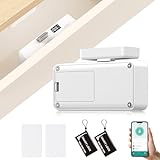
Overview: This $26.99 Smart Cabinet Lock provides keyless convenience through RFID cards, mobile app, and NFC capabilities. Designed for baby-proofing, it secures medicines, liquor, and valuables from children while offering flexible installation via adhesive tape or drilling. Running on three alkaline batteries, it features intelligent power management with audible alerts at 20% and automatic unlocking below 10%.
What Makes It Stand Out: The three-battery configuration potentially extends operational life beyond two-battery alternatives. The proactive alert system buzzes at 20% battery, providing earlier warnings than competitors. Universal compatibility with nightstands, double-door cabinets with baffles, and various furniture types makes it exceptionally versatile. The balance of child safety and adult convenience creates a practical solution for growing families.
Value for Money: Priced competitively at $26.99, this lock matches rivals while offering a different power configuration that may suit some users better. The early warning system at 20% battery provides added peace of mind worth the investment. Core functionality rivals $30-35 alternatives, making it a smart choice for budget-conscious buyers prioritizing battery management.
Strengths and Weaknesses: Strengths:
- Three-battery design for extended life
- Early low battery warning (20% threshold)
- Wide furniture compatibility
- No-drill adhesive installation
- Child-focused safety features
Weaknesses:
- Batteries not included
- No explicit Apple Watch mention
- May require more frequent battery changes than 2-AA models
- App reliability varies by phone model
Bottom Line: A solid, affordably priced smart lock ideal for parents seeking early battery warnings and flexible furniture compatibility.
4. Eseesmart Smart Cabinet Lock, Hidden Magnetic Bluetooth RFID Keyless Drawer Lock, Baby Proofing Child Safety Cabinet Locks for Liquor File Cabinet Cupboard Desk Dresser Adults

Overview: The Eseesmart Smart Cabinet Lock ($29.99) combines sleek design with robust security. This hidden magnetic lock offers app control, RFID cards, NFC, and Apple Watch compatibility. Its newest upgraded narrower design specifically addresses installation challenges in double-layer door panel drawers, maximizing space utilization while maintaining complete invisibility and premium security.
What Makes It Stand Out: The refined narrow profile enables installation in tight spaces where bulkier competitors fail. High-quality materials provide enhanced anti-prying and anti-vandalism protection, offering superior security for sensitive items. The flexible installation system uses high-viscosity double-sided tape ensuring stability across various furniture surfaces. This lock seamlessly integrates advanced security without altering furniture aesthetics or functionality.
Value for Money: While priced at the premium end ($29.99), the specialized narrow design justifies the cost for owners of modern furniture with limited interior space. Enhanced material quality and anti-tampering features provide security comparable to commercial-grade locks costing $40-50. For those with double-layer drawers or premium furniture, the non-destructive installation preserves furniture value, making it a worthwhile investment.
Strengths and Weaknesses: Strengths:
- Narrow design fits tight spaces
- Premium anti-pry construction
- Apple Watch and NFC compatibility
- High-viscosity adhesive option
- Preserves furniture aesthetics
Weaknesses:
- Higher price point
- Battery specifications not detailed
- Limited user capacity information
- May be overkill for simple applications
Bottom Line: Perfect for modern furniture owners needing a slim, secure solution that protects both belongings and furniture investment.
5. Cabinet Lock NFC RFID Card eLinkSmart Slim Hidden Drawer Lock for Child Safety Cupboard Door Liquor File Kitchen Pantry Furniture Double-Layer Drawer No Drilling Required Black

Overview: The eLinkSmart Slim Hidden Drawer Lock ($29.99) refines the brand’s popular design with a narrower profile optimized for double-layer drawers. This versatile lock supports RFID cards, smartphone NFC, Apple Watch, and app-based unlocking for over 1,000 users. Operating on two AAA batteries for approximately 5,000 cycles, it maintains signature hidden installation that preserves furniture aesthetics while providing robust child safety.
What Makes It Stand Out: The slimmed-down form factor directly addresses compatibility issues with contemporary double-layer drawer designs, making it more practical than standard-width locks. The factory-set unlocked state prevents installation lockouts—a thoughtful DIY feature. Supporting over 1,000 users through the eSmartlock app, it excels in shared environments. High-viscosity tape provides reliable adhesive mounting, while screw installation remains an option for maximum security.
Value for Money: At $29.99, this specialized slim design commands a slight premium over generic alternatives but delivers targeted functionality for modern furniture. The 5,000-cycle battery life from AAA batteries offers decent longevity, though slightly less than AA-powered competitors. For those with double-layer drawers, the perfect fit eliminates frustration and potential returns, making it worth the investment over one-size-fits-all solutions.
Strengths and Weaknesses: Strengths:
- Narrow design for double-layer drawers
- High user capacity (1,000+)
- Multiple premium unlock methods
- Dual installation options
- Factory unlocked state prevents lockouts
Weaknesses:
- AAA batteries may need more frequent replacement
- 5,000 cycles less than some competitors
- Batteries not included
- Slim design may limit internal space
Bottom Line: An excellent specialized solution for owners of modern double-layer drawers seeking invisible, high-capacity smart security.
6. SUMNEW Fingerprint Cabinet Lock, Smart Biometric, Fit for Keyless Hidden File Drawer Wardrobe, Child Safety Electric Fingerprint Lock, DIY Wooden Furniture Privacy for Home Office
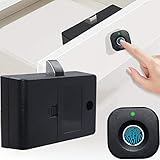
Overview: SUMNEW offers a straightforward fingerprint cabinet lock focused on simplicity and speed. This $25.99 device eliminates keys and apps entirely, using biometric technology to secure drawers, wardrobes, and office furniture. Designed for DIY installation on wooden surfaces, it prioritizes quick access with a 0.5-second response time while maintaining security through automatic relocking.
What Makes It Stand Out: The auto-lock feature is genuinely useful, automatically securing your cabinet after a set period—perfect for forgetful users. The ability to store 20 fingerprints provides flexibility for families or small offices without complexity. Its standalone operation means no smartphone dependence, Wi-Fi connectivity issues, or app updates to worry about.
Value for Money: At $25.99, this lock delivers solid biometric security at an entry-level price. While it lacks smart home integration, it costs significantly less than Bluetooth-enabled alternatives. The omission of batteries and micro-USB cable is inconvenient but standard for this price tier. For users wanting simple, reliable fingerprint access without digital frills, it offers excellent ROI.
Strengths and Weaknesses: Strengths: Lightning-fast 0.5-second unlocking; useful auto-lock function; stores 20 fingerprints; simple operation without apps; USB emergency charging; wide furniture compatibility Weaknesses: AAA batteries and cable not included; no smartphone connectivity; limited to wooden furniture; no unlock history tracking; fingerprint-only access limits sharing options
Bottom Line: Ideal for users seeking straightforward biometric security without app complexity. Perfect for home offices, bedroom wardrobes, or childproofing cabinets where simplicity trumps smart features. Skip if you need remote access or detailed usage logs.
7. BAWOSS Smart Bluetooth Cabinet Locks Hidden,Safety RFID Kid Keyless Drawer Locks for Adults Children Proof,TTlock APP Compatible with Alexa & Google Home Smart Lock Cupboard,No Drilling,NFC,Card,Key

Overview: BAWOSS delivers a feature-rich smart cabinet lock at $29.99, blending RFID, NFC, and Bluetooth connectivity in a hidden design. Compatible with Alexa, Google Home, and the TTlock app, this lock transforms ordinary cabinets into smart storage without drilling. It supports multiple access methods including key cards and smartphone NFC, making it versatile for various security scenarios.
What Makes It Stand Out: The “One Card System” allows a single key card to unlock multiple locks, simplifying key management across your home or office. Its 13.56MHz M1 cards offer superior security compared to cheaper 125kHz systems. The 100-inch Bluetooth range provides ample connectivity for most rooms, while NFC support enables smartphone and smartwatch unlocking.
Value for Money: At $29.99, this lock punches above its weight with smart home integration typically found in pricier models. Competing products with similar feature sets often cost $40-50. The no-drill installation saves additional costs and preserves furniture. However, the requirement for curved cabinets and certain drawer configurations limits its universal appeal.
Strengths and Weaknesses: Strengths: Multiple unlock methods (RFID, NFC, Bluetooth); smart home integration; no-drill installation; one-card multi-lock system; secure 13.56MHz technology; generous Bluetooth range Weaknesses: Not suitable for curved surfaces or double-drawer fronts; limited to 1.5-inch card sensing distance; requires TTlock app; more complex setup than basic locks; battery life not specified
Bottom Line: Excellent choice for tech-savvy users wanting versatile smart cabinet security. Perfect for offices, gyms, or homes needing multiple access methods. Avoid if you have incompatible furniture or prefer simpler fingerprint-only solutions.
8. Anweller Smart Cabinet Lock, Hidden No Drill Adhesive Baby Proofing Child Proof Drawer Locks, Keyless RFID Bluetooth Cabinet Locks for Adults File Kitchen Cupboard Closet Liquor - White
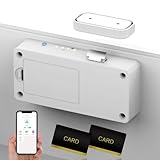
Overview: Anweller’s $29.99 smart cabinet lock offers five unlocking methods through an award-winning design that emphasizes both security and aesthetics. This Mom’s Choice Award winner features invisible adhesive installation, robust zinc alloy construction, and exceptional 365-day battery life. It supports mobile apps, Apple Watch, RFID cards, NFC, and Alexa, making it one of the most versatile options available.
What Makes It Stand Out: The adhesive installation option eliminates drilling entirely while still maintaining 440 lbs of pull tension resistance when combined with screws. This dual-installation approach accommodates renters and homeowners alike. The year-long standby time on two AA batteries is class-leading, addressing a major pain point of smart locks. Winning the Mom’s Choice Award adds credibility for childproofing applications.
Value for Money: At $29.99, this lock offers premium features rivaling $50+ competitors. The five unlock methods, superior materials, and extended battery life create compelling value. While adhesive mounting is convenient, permanent screw installation maximizes security. The award recognition and build quality justify the price point, especially for parents prioritizing child safety.
Strengths and Weaknesses: Strengths: Five versatile unlock methods; drill-free adhesive option; 365-day battery life; 440 lbs tension resistance; Mom’s Choice Award certified; zinc alloy construction; low-battery indicators Weaknesses: White color may not match all décor; adhesive may fail on certain surfaces; more expensive than basic locks; setup complexity for non-tech users; limited to single-door cabinets
Bottom Line: Outstanding all-around performer for families and professionals. Perfect for childproofing, liquor cabinets, or file drawers where both convenience and security matter. The adhesive option makes it renter-friendly, while screw mounting provides maximum protection.
9. Bluetooth Fingerprint Cabinet Lock With Phone/Watch App Unlock, Smart Biometric Keyless Hidden File Drawer Wardrobe Lock, Child Safety Electric DIY Wooden Furniture
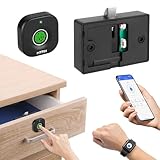
Overview: This $29.99 cabinet lock combines biometric fingerprint scanning with Bluetooth app control and Apple Watch integration, offering three distinct unlocking methods. Designed for DIY installation on wooden cabinets 0.47-0.62 inches thick, it stores 10 fingerprints and provides detailed unlock logs through the TT LOCK app. The inclusion of an emergency USB key adds a critical backup option.
What Makes It Stand Out: Apple Watch support sets this apart, allowing cellular watch users to unlock cabinets without their phone nearby. The unlock history tracking shows who accessed what and when—a valuable feature for offices or parents monitoring children. The 0.5-second fingerprint recognition matches the fastest standalone units while adding smart connectivity benefits.
Value for Money: This hybrid approach delivers fingerprint reliability with smart features at a mid-range price. Pure Bluetooth locks cost similar amounts without biometrics, while fingerprint-only models lack app integration. The emergency USB key and detailed logging provide professional-grade features typically found in commercial systems costing twice as much. Battery life of one year on three AAA batteries is competitive.
Strengths and Weaknesses: Strengths: Three unlock methods including Apple Watch; fingerprint + Bluetooth hybrid; unlock history tracking; emergency USB backup; 0.5-second response; one-year battery life Weaknesses: Limited to 10 fingerprints; wooden cabinets only; specific thickness requirements; AAA batteries not included; GPS watch requires phone proximity; micro-USB cable not included
Bottom Line: Best for Apple ecosystem users wanting both biometric speed and smart tracking. Ideal for home offices or parents needing access logs. Skip if you require more than 10 users or have metal/plastic cabinets.
10. Yale Smart Cabinet Lock - Secure Medicine, Liquor, Cleaning Supply and Other cabinets. Child Proof. Magnet and Key Free Access with Your Phone or Apple Watch

Overview: Yale’s $60.14 smart cabinet lock leverages the brand’s security expertise in a minimalist, app-controlled package. Designed for quick installation in most cabinets and drawers, it focuses on childproofing and securing valuables through smartphone and voice assistant access. The optional Yale Wi-Fi Connect accessory enables remote control and full smart home integration.
What Makes It Stand Out: Yale’s reputation for reliability and security engineering provides peace of mind that generic brands cannot match. The Auto Relock feature ensures cabinets never remain accidentally unlocked—a critical safety function for medicine or liquor storage. Voice assistant integration works seamlessly, and the Yale Access app offers a polished user experience compared to third-party alternatives.
Value for Money: At $60.14, this is the premium option in the cabinet lock category. The price reflects Yale’s brand equity and proven reliability rather than feature quantity. While it lacks biometric scanning and RFID options, it executes core smart lock functions flawlessly. The optional Wi-Fi Connect adds $25-30 more, making total investment substantial. For users prioritizing brand trust over versatility, the premium is justified.
Strengths and Weaknesses: Strengths: Trusted Yale brand and security expertise; reliable Auto Relock function; polished Yale Access app; simple installation; voice assistant integration; professional customer support Weaknesses: Highest price point; no fingerprint or RFID options; Wi-Fi Connect sold separately; limited to 2.4GHz networks; fewer unlock methods than competitors; no battery life specification
Bottom Line: Premium choice for brand-conscious buyers seeking proven reliability. Perfect for securing dangerous items from children with minimal fuss. Worth the investment if you value Yale’s security heritage and plan to add the Wi-Fi Connect. Overkill for users wanting basic lock functionality or multiple access methods.
The Evolution of Jewelry Security: Why Hidden Smart Locks Are Game-Changers
Jewelry security has traditionally forced homeowners into an impossible choice: aesthetic beauty or robust protection. Wall safes compromise room design, while lockboxes under the bed scream “valuables inside.” Hidden smart drawer locks eliminate this compromise entirely. These devices leverage miniaturized components and wireless technology to embed enterprise-level security directly into your existing furniture.
The psychological advantage is profound—thieves can’t bypass what they can’t find. When a lock is invisible, criminals waste precious minutes searching for access points, dramatically increasing their risk of detection. Meanwhile, you gain unprecedented control through smartphone apps, biometric authentication, and real-time monitoring that traditional mechanisms could never provide. This isn’t just an upgrade; it’s a complete reimagining of how we protect personal treasures.
Understanding Hidden Smart Drawer Lock Technology
Biometric Authentication: Fingerprint vs. Facial Recognition
Fingerprint sensors remain the gold standard for hidden drawer locks, offering a near-perfect balance of security and speed. Capacitive scanners read the electrical properties of your skin’s ridges, creating a unique digital template that’s encrypted and stored locally. Premium systems capture multiple angles of your finger, ensuring reliable access even with moisture, minor cuts, or slight positioning variations.
Facial recognition, while more common on phones than drawer locks, is emerging in high-end systems. These use infrared dot projectors to create 3D depth maps of your face, making them resistant to photographs or masks. However, the technology requires precise positioning and adequate lighting, which can be challenging in dimly lit bedrooms. For jewelry drawers, fingerprint authentication typically offers superior reliability and faster access when you’re reaching for a favorite piece before dinner.
RFID and NFC: Tap-to-Unlock Convenience
Radio Frequency Identification provides seamless access through key cards, fobs, or even embedded jewelry pieces. NFC (Near Field Communication) works at extremely short ranges—typically under 4 centimeters—making it ideal for discreet drawer access. You can hide an NFC tag inside a decorative object on your dresser, creating a truly invisible unlock mechanism.
The security lies in encrypted communication protocols. Look for systems using AES-128 encryption or higher, which prevents signal interception and cloning. Some advanced locks support rolling codes, where each authentication generates a unique one-time signal, thwarting even sophisticated relay attacks. This technology shines for users who prefer not to rely on biometric data or smartphone apps.
Bluetooth and Wi-Fi Connectivity Explained
Bluetooth Low Energy (BLE) enables proximity-based unlocking when your phone approaches the drawer. This creates a hands-free experience—imagine your drawer automatically unlocking as you reach for it, then securing itself when you walk away. Effective range typically spans 10-30 feet, adjustable through companion apps.
Wi-Fi connectivity transforms your lock into a connected sentinel. It enables remote access, real-time notifications, and integration with broader smart home platforms. However, Wi-Fi drains battery faster than Bluetooth and introduces potential network vulnerabilities. Premium systems use both: Bluetooth for daily access and Wi-Fi for monitoring and firmware updates, with intelligent power management switching between protocols as needed.
Mechanical Backup: Why Redundancy Matters
Even the most sophisticated electronic system can fail—batteries die, circuits malfunction, software glitches. A concealed mechanical override isn’t a weakness; it’s essential redundancy. The best hidden locks integrate a magnetic key slot or recessed cylinder that’s completely invisible during normal use but accessible with a special tool during emergencies.
This backup should never compromise the primary electronic security. Look for systems where the mechanical override requires dual authentication—perhaps a specific magnetic key pattern plus a hidden button sequence. The mechanism should be pick-resistant and drill-resistant, essentially creating a lock-within-a-lock that maintains security even if electronics are compromised.
Key Features That Define Premium Hidden Smart Locks
Encryption Standards: What Your Lock Should Have
Security begins with data protection. Your lock’s authentication data—fingerprints, access codes, RFID signatures—must be encrypted using military-grade standards. AES-256 encryption represents the current benchmark, rendering brute-force attacks computationally infeasible. Some manufacturers layer additional encryption, scrambling data across multiple memory sectors.
Equally important is secure boot technology, which verifies firmware integrity during startup, preventing malicious code injection. Ask manufacturers about their encryption protocols; reputable companies provide white papers detailing their security architecture. Avoid locks storing biometric data in the cloud—local storage with encryption keeps your most sensitive information under your physical control.
Tamper Alerts and Real-Time Notifications
A lock that silently fails is worthless. Premium systems incorporate accelerometers and vibration sensors that detect physical attacks—drilling, prying, or excessive force. When triggered, these sensors initiate multiple response protocols: audible alarms (if enabled), instant smartphone notifications, and optional integration with home security systems or monitoring services.
The notification system should distinguish between benign events (drawer left slightly ajar) and genuine threats (forced entry attempt). Look for customizable sensitivity settings and the ability to set quiet hours. Some advanced locks photograph the person attempting access using a tiny concealed camera, providing evidence even if the attack is abandoned.
Auto-Lock Functionality and Timeout Settings
Human error compromises more security systems than technical failures. Auto-lock eliminates this variable by automatically securing the drawer after a predetermined interval—typically 10 to 300 seconds. The mechanism should be whisper-quiet, using micro-servo motors that generate less than 30 decibels of sound.
Sophisticated systems offer contextual auto-locking based on time of day or your smartphone’s location. Your jewelry drawer might remain unlocked while your phone is in the bedroom but secure itself automatically when you leave home. This geofencing capability requires careful calibration to prevent accidental lockouts but provides unparalleled peace of mind.
Power Management: Battery Life Expectations
Battery anxiety shouldn’t plague your security system. Quality hidden locks operate for 6-18 months on a single charge, depending on usage frequency and connectivity options. Lithium polymer batteries offer the best performance, maintaining consistent voltage output even when depleted.
Critical features include low-battery warnings delivered weeks before failure, not days. The lock should send notifications at 20% and 10% charge, with an option for email alerts to multiple family members. Some systems incorporate kinetic energy harvesting, generating minute amounts of power each time the drawer opens and closes, theoretically providing perpetual operation. Solar charging through tiny photovoltaic cells represents another emerging solution, though currently less reliable.
Installation Considerations for Jewelry Drawers
Surface-Mounted vs. Mortise Installation
Surface-mounted locks install on the drawer’s interior surface, requiring minimal modification but potentially reducing drawer depth by 1-2 inches. They’re ideal for retrofitting existing furniture and typically install with just a few screws. The trade-off is slightly reduced concealment—the lock body remains visible when the drawer is open.
Mortise installation recesses the lock mechanism into a precisely cut cavity within the drawer front or side. This creates true invisibility but demands professional woodworking skills or custom furniture designed with these locks in mind. The lock becomes completely integrated, with only a tiny sensor window or invisible trigger point visible. For heirloom furniture or high-value collections, mortise installation provides superior security and aesthetics.
Drawer Material Compatibility
Dense hardwoods like oak and maple provide excellent mounting surfaces, offering solid anchor points for lock mechanisms. Softer woods like pine require reinforcement plates to prevent screws from loosening over time. For composite materials like MDF or particle board, specialized anchoring systems using threaded inserts become essential.
Metal drawers, common in modern dressers, present unique challenges. Non-ferrous metals like aluminum require isolation spacers to prevent interference with electromagnetic sensors. Steel drawers can actually enhance security, providing a Faraday cage effect that blocks wireless tampering attempts. Always verify material compatibility with the manufacturer before purchase.
Professional vs. DIY Installation
DIY installation suits tech-savvy homeowners comfortable with precise measurements and basic woodworking. Most quality locks include detailed templates and video tutorials. The process typically takes 1-3 hours and requires standard tools: drill, chisels, screwdrivers, and a level.
Professional installation guarantees optimal performance and preserves furniture warranties. Certified installers understand load distribution, preventing drawer warping that can compromise lock alignment. They can also integrate locks with existing home security systems and ensure proper calibration of sensors. For collections exceeding $50,000 in value, professional installation represents a small fraction of total protection costs.
Design Integration: Keeping Your Lock Truly Hidden
Invisible Placement Strategies
True concealment requires thinking like a magician—diverting attention while hiding mechanisms in plain sight. The most effective placements position sensors behind decorative hardware: a seemingly ornamental pull that doubles as a fingerprint reader, or a carved detail that conceals an NFC antenna. Some systems embed sensors in the drawer’s underside, requiring a specific touch pattern on the bottom lip.
Consider ergonomics alongside concealment. The unlock gesture should feel natural, not contrived. If you must perform an awkward motion to access your jewelry daily, you’ll eventually disable the lock out of frustration. The best designs make security feel effortless, integrating authentication into the natural action of opening the drawer.
Matching Hardware Finishes
Even invisible locks have visible components—perhaps a tiny LED indicator or a micro-USB charging port. Premium manufacturers offer customization options: PVD-coated finishes matching popular hardware colors like brushed nickel, oil-rubbed bronze, or matte black. Some provide paintable covers that can be matched to your exact drawer color using a simple chip sample.
For truly seamless integration, consider locks designed to be covered with veneer or laminate. These systems sit completely flush, allowing you to apply your drawer’s exact surface material over the lock face. When installed correctly, even you might forget where the lock is located—until you need it.
Custom Cabinetry Modifications
Working with a cabinetmaker opens limitless possibilities. Drawers can be designed with false bottoms that conceal entire lock mechanisms, or double-wall construction that hides electronics between layers. Some bespoke solutions integrate locks into drawer slide systems themselves, making the lock indistinguishable from standard hardware.
Consider future-proofing during custom builds. Include conduit channels for wiring (even if using battery power initially), reinforced mounting blocks, and access panels for maintenance. A well-designed custom installation should allow lock replacement or upgrade without destroying the furniture.
Security Levels: Matching Protection to Your Collection’s Value
Insurance Requirements and Smart Locks
Many insurance policies require specific security measures for high-value jewelry. Smart locks can satisfy these requirements, but documentation is crucial. Obtain certificates of analysis (CoA) from manufacturers detailing encryption standards, construction materials, and testing certifications like ANSI/BHMA ratings.
Some insurers now offer premium discounts—typically 5-15%—for homes using certified smart security devices. Maintain detailed records of installation dates, firmware versions, and maintenance logs. In the event of a claim, this documentation proves due diligence. Consider locks with built-in audit trails that log every access attempt, providing immutable records that satisfy even the most stringent underwriters.
Multi-Factor Authentication Options
For collections exceeding six figures, single-factor authentication may prove insufficient. Multi-factor systems require two verification methods: fingerprint plus PIN, RFID plus smartphone proximity, or biometric plus voice command. This layered approach mirrors banking security protocols.
The most sophisticated implementations use contextual authentication—requiring different factors based on time of day, your location, or even heart rate variability from a connected smartwatch. A 2 AM access attempt from an unrecognized device might require three factors, while your regular morning routine needs only one. This adaptive security balances convenience with protection, scaling defenses based on risk assessment.
Audit Trails: Tracking Access History
Every access attempt—successful or failed—should generate a time-stamped log stored in encrypted memory. Premium systems capture authentication method used, duration drawer remained open, and even ambient conditions like temperature or humidity. This data synchronizes to your smartphone app via secure Bluetooth, creating a comprehensive access history.
For households with multiple users, individual profiles allow granular tracking. You’ll know exactly when the housekeeper accessed the drawer versus your spouse. Some systems generate weekly security reports, highlighting unusual patterns like multiple failed attempts or access at odd hours. This forensic capability proves invaluable if pieces go missing or if you simply want to verify that your teen hasn’t borrowed your vintage Rolex.
Smart Home Integration Possibilities
Voice Assistant Compatibility
“Alexa, secure my jewelry drawer.” Voice integration adds convenience but introduces security considerations. Reputable systems require voice PINs or voice recognition profiles before executing commands, preventing unauthorized users from simply shouting through windows. Integration should be optional, not mandatory—your lock must function fully offline if you prefer not to connect it to cloud services.
Consider privacy implications. Voice commands travel through Amazon or Google’s servers, creating potential data trails. The most secure implementations process voice authentication locally using on-device AI, transmitting only encrypted status updates to the cloud. This hybrid approach maintains functionality while minimizing exposure.
Mobile App Features Worth Having
A well-designed companion app transforms your lock from a simple barrier into an intelligent security node. Essential features include remote locking/unlocking (via Wi-Fi), real-time status monitoring, user management, and firmware update capabilities. Premium apps offer geofencing, temporary digital keys for guests, and integration with security cameras.
Beware of apps requiring excessive permissions. A lock app shouldn’t need access to your contacts, photos, or location history. Look for transparent privacy policies and optional features. The best apps work offline for basic functions, requiring connectivity only for advanced features you explicitly enable.
Integration with Existing Security Systems
Standalone locks protect individual drawers, but integration creates a security ecosystem. When your home alarm arms, integrated drawer locks should automatically engage. If a lock detects tampering, it can trigger cameras, activate lights, and alert monitoring services simultaneously.
Look for systems supporting standard protocols like Z-Wave, Zigbee, or Thread. These mesh networks allow devices from different manufacturers to communicate securely. Some high-end locks offer dry contact outputs that interface directly with traditional alarm panels, bridging the gap between old and new security paradigms.
Cost Analysis: Investment vs. Protection Value
Understanding Price Tiers
Entry-level hidden smart locks ($100-250) offer basic biometric or RFID functionality with Bluetooth connectivity. They provide solid security but may lack advanced features like Wi-Fi, tamper alerts, or robust encryption. Battery life typically spans 6-9 months.
Mid-tier options ($250-500) add Wi-Fi, comprehensive audit trails, and better build quality. You’ll find mortise-ready designs, premium materials like stainless steel or titanium components, and more sophisticated apps. These locks suit collections valued between $10,000-50,000.
Premium systems ($500-1,500+) deliver military-grade encryption, multi-factor authentication, custom installation support, and integration with luxury home automation platforms. They often include lifetime warranties, white-glove installation, and dedicated support. For collections exceeding $50,000, this investment represents 1-3% of total value—reasonable insurance against loss.
Hidden Costs to Factor In
The sticker price rarely tells the full story. Professional installation can add $150-400 per lock. Custom cabinetry modifications might cost $500-2,000 depending on complexity. Annual costs include battery replacements ($10-30) and potential subscription fees for cloud services or advanced features ($0-60/year).
Consider opportunity costs too. A lock with poor battery life requiring monthly charging creates ongoing inconvenience. A system with buggy software demands time spent troubleshooting. Factor in these intangible costs when evaluating options. Sometimes spending 20% more upfront saves countless hours and frustrations over the lock’s lifetime.
Warranty and Support Considerations
Standard warranties range from 1-3 years, but premium manufacturers offer 5-10 year coverage on mechanical components and lifetime support for electronic parts. Read warranty terms carefully—some exclude damage from DIY installation or require professional servicing to remain valid.
Evaluate support quality before purchasing. Test the manufacturer’s response time with pre-sales questions. Look for comprehensive online resources: video tutorials, detailed manuals, and active user forums. The best companies provide direct access to engineering teams for complex issues, not just tier-1 support scripts.
Maintenance and Troubleshooting
Battery Replacement Protocols
When that 10% battery warning appears, act promptly. Most locks enter a power-saving mode at 5%, disabling non-essential features while maintaining core security. Replacement procedures vary: some use standard AA batteries, others proprietary rechargeable packs. Keep spare batteries on hand—don’t wait for the warning to order replacements.
For rechargeable systems, understand charging options. USB-C ports offer fastest charging (2-4 hours), while wireless charging pads provide convenience at the cost of speed. Some premium locks support hot-swappable batteries, allowing replacement without any downtime. During power outages, consider locks with external battery contacts, letting you temporarily power the lock with a 9V battery touched to hidden terminals.
Firmware Updates and Security Patches
Like any connected device, smart locks require regular updates to patch vulnerabilities. Reputable manufacturers release updates quarterly, delivered automatically via Wi-Fi or manually through the app. Enable automatic updates but schedule them during low-usage periods—never during vacations when you can’t physically access the drawer if something goes wrong.
Before updating, back up your lock’s configuration and user database. While rare, updates can reset settings to factory defaults. Monitor manufacturer security bulletins. If a critical vulnerability is discovered, update immediately rather than waiting for the scheduled window. Some locks offer beta firmware programs for security researchers, ensuring vulnerabilities are found and fixed before exploitation.
Common Issues and Solutions
Drawer misalignment causes most lock failures. Wood expands and contracts with humidity, potentially preventing the bolt from engaging properly. Seasonal adjustments may be necessary—quality locks include micro-adjustment screws to compensate for these changes without reinstalling.
Sensor degradation occurs over time, especially fingerprint readers exposed to oils and lotions. Clean sensors monthly with isopropyl alcohol and a microfiber cloth. If recognition becomes unreliable, re-enroll your fingerprints, capturing fresh templates. For persistent issues, contact support—reputable manufacturers replace sensors under warranty if they degrade prematurely.
Privacy Concerns with Smart Security Devices
Data Collection and Storage
Your lock knows when you’re home, when you access valuables, and potentially who visits your bedroom. This data proves valuable to advertisers and potentially damaging if breached. Understand exactly what information your lock collects and where it’s stored.
Opt for systems with local-first architecture, where data remains on the device unless you explicitly enable cloud sync. Read privacy policies with a skeptical eye—if a product is free or suspiciously cheap, you’re likely the product. Some manufacturers anonymize data for analytics; others sell it to third parties. The difference matters profoundly.
Offline vs. Cloud-Based Systems
Offline locks offer maximum privacy but limited features. They authenticate users and secure drawers without ever connecting to the internet. You sacrifice remote access and real-time notifications but gain immunity from network-based attacks and data harvesting.
Cloud-based systems provide convenience at the cost of exposure. If you choose this route, ensure the manufacturer uses end-to-end encryption and zero-knowledge architecture, where they cannot access your data even if compelled. Consider a hybrid approach: keep primary locks offline while maintaining one connected lock for remote monitoring of your entire collection.
Guest Access Management
Temporary access for housekeepers, guests, or contractors requires careful consideration. Digital guest keys should be time-limited, expiring automatically after a set duration. Look for systems allowing you to restrict access to specific time windows—perhaps weekdays between 9 AM and 5 PM for cleaning staff.
Never share your primary biometric data. Instead, issue RFID cards or temporary PINs that can be revoked instantly. Premium systems generate unique access codes for each guest, preventing code sharing and allowing you to track who entered when. For high-risk situations, require your approval via smartphone notification before the lock engages, giving you real-time veto power over access attempts.
Frequently Asked Questions
How do hidden smart drawer locks compare to traditional jewelry safes?
Hidden smart locks offer superior concealment and convenience compared to traditional safes. While a safe provides concentrated fire and theft protection, it’s also an obvious target. Smart locks distribute security throughout your home, making it impossible for thieves to locate all your valuables quickly. They also eliminate the daily hassle of spinning combination dials or finding keys. However, most lack fire protection, so consider them complementary to—not replacements for—a safe storing your most irreplaceable pieces.
Can I install a hidden smart lock on antique furniture without damaging it?
Yes, but proceed carefully. Surface-mounted locks minimize permanent modifications, requiring only a few small screw holes that can be filled later. For valuable antiques, consult a furniture conservator before installation. They can create reversible mounting solutions using museum-grade techniques. Some manufacturers offer conservator-approved installation kits specifically designed for period pieces. Document the original condition with photos before any work begins.
What happens if the battery dies while the drawer is locked?
Quality locks include multiple safeguards against this scenario. Most enter a low-power mode weeks before complete failure, sending repeated warnings. If the battery does die, mechanical overrides using magnetic keys or hidden manual releases provide emergency access. Some locks maintain a tiny reserve charge—enough for one final unlock—when the battery reaches critical levels. Always test your override mechanism quarterly to ensure it functions when needed.
Are these locks vulnerable to hacking or electronic bypassing?
Any connected device faces potential hacking risks, but reputable locks employ multiple defense layers. AES-256 encryption, secure boot processes, and local data storage make remote hacking extremely difficult. Bluetooth attacks require proximity (within 30 feet) and sophisticated equipment. The most likely attack vector is social engineering—tricking you into revealing access—rather than technical bypass. Keep firmware updated and disable unnecessary features to minimize exposure.
How many fingerprints can these locks typically store?
Most consumer-grade locks store 20-100 fingerprints, enough for family members and trusted individuals. Premium systems can store 200+ templates and often support multiple fingers per person (index and thumb for each hand). This redundancy proves useful if you injure a finger. For security, delete unused slots regularly and audit stored prints through the management app.
Do hidden smart drawer locks work during power outages?
Yes, battery-powered locks operate independently of home electricity. Wi-Fi features won’t function without internet, but core locking mechanisms remain operational. Some locks include capacitive touch sensors that work without any power, harvesting minute electrical charges from your finger. If you rely on remote monitoring, consider a UPS (uninterruptible power supply) for your router to maintain connectivity during outages.
Can I integrate these locks with my existing home security system?
Many locks offer integration through Z-Wave, Zigbee, or proprietary protocols. Check compatibility before purchasing. Integration typically requires a smart home hub that bridges your lock and security panel. Professional alarm companies can often add drawer locks as additional zones on your system, treating them like door sensors. This allows central monitoring and unified arming/disarming.
What’s the expected lifespan of a hidden smart drawer lock?
Mechanical components typically last 10-15 years with normal use. Electronic modules may become obsolete sooner as technology evolves. Look for modular designs where the electronic core can be replaced without changing the entire lock mechanism. Firmware support from manufacturers typically spans 3-5 years after discontinuation. Budget for replacement every 7-10 years to maintain optimal security and feature compatibility.
How do I clean and maintain the biometric sensors?
Clean fingerprint sensors weekly with a microfiber cloth slightly dampened with isopropyl alcohol. Avoid household cleaners containing ammonia or abrasives. For stubborn residue, use specialized sensor cleaning cards that remove oils without scratching. Never apply liquids directly to the sensor. If recognition degrades, delete and re-enroll your fingerprints. In humid climates, consider locks with sealed sensor assemblies that resist moisture infiltration.
Are there legal considerations for installing hidden locks in rental properties?
Generally, you can install temporary locks in rental units if they don’t cause permanent damage. However, review your lease agreement and consult your landlord before installation. Some jurisdictions require disclosure of security modifications. If you’re renting a furnished unit, written permission is essential. Consider renter-friendly locks that install with adhesive mounts or clamp onto drawer slides without drilling. Always restore the property to original condition when moving out.