That musty smell hitting you every time you descend the basement stairs isn’t just unpleasant—it’s a warning sign. Excess moisture in below-grade spaces creates a cascade of problems, from musty odors and mold growth to structural deterioration and health complications. The good news? Modern humidity control technology has evolved far beyond a simple box fan in the window. Today’s solutions range from intelligent whole-house systems that integrate with your smart home to targeted interventions that address moisture at its source.
Transforming your basement from a damp, unusable cave into a comfortable, healthy living space requires understanding the unique challenges of below-grade environments. Unlike above-ground rooms, basements battle ground moisture, hydrostatic pressure, and limited natural ventilation year-round. The right humidity control system doesn’t just remove moisture—it creates a stable microclimate that protects your home’s foundation, improves indoor air quality throughout your entire house, and expands your usable square footage. Let’s explore the ten most effective systems and strategies that will revolutionize how you manage basement moisture.
Top 10 Humidity Control Systems for Basement Climate
Detailed Product Reviews
1. AC Infinity AIRTITAN T8, Crawlspace Basement Ventilator Fan, with WiFi App-Compatible Temperature Humidity Controller, IP-55 Rated, Exhaust

Overview: The AC Infinity AIRTITAN T8 is a premium ventilation solution engineered for challenging crawlspaces and basements. Delivering 240 CFM of airflow at just 32 dBa, this exhaust fan system combines powerful performance with whisper-quiet operation. The integrated WiFi and Bluetooth controller enables sophisticated programming for temperature, humidity, and VPD (Vapor Pressure Deficit), complete with timers, cycles, and scheduling that adapts to your specific environmental needs.
What Makes It Stand Out: Unlike conventional ventilators, the T8 offers intelligent automation through its companion app, allowing remote monitoring and instant alerts. The IP-55 rating ensures exceptional durability against dust and moisture ingress, while dynamic VPD programming caters to users managing sensitive environments. This level of smart integration is virtually unheard of in residential ventilation at this price point.
Value for Money: At $129, the T8 commands a premium but justifies it through professional-grade features and construction. Commercial ventilators with similar airflow ratings typically cost $150-200 without smart controls. For homeowners battling persistent moisture or musty odors, the proactive management capabilities deliver long-term value that cheaper alternatives cannot match.
Strengths and Weaknesses: Strengths include powerful yet quiet operation, comprehensive app-based controls, robust IP-55 construction, and advanced environmental programming. The 18 x 9 x 1.6-inch backplate requires substantial mounting space, and WiFi setup may challenge less tech-savvy users. The exhaust-only design necessitates separate intake planning for balanced ventilation.
Bottom Line: The AIRTITAN T8 is a worthwhile investment for homeowners needing serious moisture management. Its smart capabilities and durable build provide professional-grade performance that transforms reactive ventilation into proactive environmental control.
2. DIGITEN Humidity Controller Pre-Wired Digital Humidistat with Temperature Display, Dual-Stage Outlet Humidifier /Dehumidifier for Mushroom,Reptile, Greenhouse, Fan, Grow Tent

Overview: The DIGITEN Humidity Controller delivers affordable automated environmental control with its Swiss-imported sensor maintaining 5-99% RH within ±3% accuracy. This dual-stage unit manages both humidification and dehumidification through a straightforward plug-and-play design that eliminates complex programming. The integrated temperature display provides ambient thermal data, though control is limited to humidity only.
What Makes It Stand Out: This controller’s versatility across applications—from mushroom cultivation to reptile habitats—makes it exceptionally adaptable. The pre-wired outlets simplify installation dramatically, while compatibility with any auto-restart device adds convenience. Real-time temperature monitoring provides valuable context for humidity management without adding cost.
Value for Money: At $29.99, this is among the most budget-friendly humidity controllers available. While lacking wireless connectivity, it delivers core accuracy that rivals $60+ units. For hobbyists and small-scale growers, it provides professional-level precision without the premium price tag, making it an ideal entry point into automated climate control.
Strengths and Weaknesses: Strengths include high-precision Swiss sensor, intuitive operation, dual-stage capability, and broad application range. The temperature display is monitor-only, limiting automation potential. It requires compatible equipment with auto-restart functionality, and lacks advanced features like scheduling or data logging. Build quality is functional but not industrial-grade.
Bottom Line: For straightforward, reliable humidity control without breaking the bank, the DIGITEN controller excels. It’s perfect for beginners prioritizing accuracy and simplicity over smart features, delivering dependable performance where it matters most.
3. AC Infinity AIRTITAN T3, Ventilation Exhaust Fan 6" with WiFi Temperature Humidity Controller, EC Motor for Crawl Space, Basement, Garage, Attic, Hydroponics, Grow Rooms

Overview: The AC Infinity AIRTITAN T3 compresses smart ventilation into a compact 6-inch fan suitable for crawlspaces, basements, garages, and hydroponic setups. The energy-efficient EC motor provides targeted airflow while the WiFi-enabled controller manages temperature, humidity, and VPD through customizable timers, cycles, and minimum speed settings. Heavy-duty anodized aluminum construction ensures durability in demanding environments.
What Makes It Stand Out: The T3’s versatility across multiple applications sets it apart, while the EC motor delivers superior energy efficiency versus traditional AC fans. The WiFi app offers the same advanced programming as larger models, including scheduling and speed control, in a footprint that fits tight spaces. IP-55 protection ensures longevity in dusty or humid conditions.
Value for Money: At $89.99, the T3 offers excellent value for small to medium space ventilation. The EC motor’s energy savings offset the initial investment, and the integrated smart controller eliminates the need for separate purchases. Hydroponic growers particularly benefit from this all-in-one solution that would typically cost $120+ when purchased separately.
Strengths and Weaknesses: Strengths include efficient EC motor operation, robust aluminum construction, comprehensive app controls, and IP-55 protection. The 6-inch size may prove insufficient for spaces over 2,000 square feet. App-based setup requires technical comfort, and the exhaust-only design needs separate intake planning for balanced air exchange.
Bottom Line: The AIRTITAN T3 hits the sweet spot for small to medium spaces requiring intelligent ventilation. Its combination of energy efficiency, smart features, and durable construction makes it a top choice for hobbyists and homeowners seeking automated climate management.
4. Inkbird Humidity Controller IHC200 Humidistat Mushroom Greenhouse Pre Wired Outlet Dual Stage Humidifier Dehumidifier.
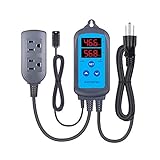
Overview: The Inkbird IHC200 is a specialized humidity controller built for precise environmental management in cultivation settings. With an exceptional control range of 5-99.99% RH and ±3% accuracy, this dual-stage unit automatically switches between humidification and dehumidification modes. The pre-wired design simplifies installation for mushroom growers, greenhouse operators, and reptile enthusiasts who demand reliable moisture control.
What Makes It Stand Out: Inkbird’s established reputation in the growing community provides confidence in long-term reliability. The extreme precision (99.99% RH range) caters to specialized applications requiring meticulous control. Automatic mode switching eliminates manual intervention, while calibration support ensures accuracy maintenance over time—critical features for serious cultivators.
Value for Money: At $41.99, the IHC200 occupies a mid-range price reflecting its specialized focus. While pricier than basic controllers, it offers superior precision and brand reliability that dedicated growers require. It’s considerably less expensive than laboratory-grade alternatives with similar accuracy, making it accessible for advanced hobbyists.
Strengths and Weaknesses: Strengths include exceptional accuracy, trusted brand reputation, automatic mode switching, and calibration capability. It lacks temperature control or monitoring, requiring separate thermal management. There’s no WiFi connectivity or app integration, limiting remote oversight. The basic display is functional but dated compared to modern interfaces.
Bottom Line: For dedicated cultivators needing reliable, precise humidity control, the Inkbird IHC200 is a proven workhorse. It foregoes smart features in favor of accuracy and dependability, making it ideal for applications where consistent performance trumps connectivity.
5. SENSTREE Dual Probe Temperature & Humidity Controller, Independent Sensors for Precise Temperature and Humidity Control, Compatible with Humidifiers, Dehumidifiers, Heating & Cooling Systems

Overview: The SENSTREE controller revolutionizes environmental management through a dual-probe design that separates temperature and humidity sensors for independent monitoring. This innovation allows optimal placement of each sensor in critical zones, ensuring accurate readings where they matter most. The clear LCD simultaneously displays both metrics while controlling humidifiers, dehumidifiers, heaters, and cooling systems across applications from greenhouses to wine cellars.
What Makes It Stand Out: The independent sensor design is a game-changer for environments with varying temperature and humidity gradients. This flexibility ensures readings reflect actual conditions at key locations rather than averaging a single point. Industrial-grade construction and a 12-month warranty demonstrate durability confidence, while out-of-range alerts protect sensitive environments from dangerous fluctuations.
Value for Money: At $44.99, this controller offers remarkable value given its dual-control capability and build quality. Competing units with separate temperature and humidity controls typically cost $60-80. The industrial-grade materials and warranty provide peace of mind that justifies the modest premium over basic single-probe controllers.
Strengths and Weaknesses: Strengths include independent sensor placement, dual-display clarity, broad device compatibility, robust construction, and protective alerts. Initial setup requires thoughtful probe positioning to maximize benefits. It lacks smart connectivity for remote monitoring, and the learning curve is slightly steeper than plug-and-play alternatives. The industrial aesthetic may not suit all home environments.
Bottom Line: The SENSTREE controller excels for users managing complex environments where sensor placement flexibility is crucial. Its dual-probe design and durable build make it a smart investment for serious growers and homeowners needing reliable, independent climate control.
6. AC Infinity AIRTITAN T7, Ventilation Exhaust Fan 12" with WiFi Temperature Humidity Controller, EC Motor for Crawl Spaces, Basements, and Garages

Overview: The AC Infinity AIRTITAN T7 is a premium 12-inch ventilation exhaust fan engineered for demanding crawl space, basement, and garage environments. This intelligent system combines powerful airflow capabilities with smart WiFi-enabled climate control, featuring an energy-efficient EC motor and robust IP-55-rated construction that withstands harsh, humid conditions.
What Makes It Stand Out: The integrated WiFi controller sets this apart from basic exhaust fans, offering dynamic programming for temperature, humidity, and VPD with customizable timers and scheduling. The EC motor delivers superior efficiency and quieter operation compared to traditional AC motors, while the anodized aluminum frame ensures corrosion resistance in moisture-prone spaces. Remote app access provides real-time climate data and automation without requiring physical access to cramped crawl spaces.
Value for Money: At $129, the AIRTITAN T7 commands a premium over basic $50-80 exhaust fans, but justifies the cost through its smart features and build quality. The energy savings from EC motor technology and automated operation can offset the initial investment within 1-2 years. Compared to purchasing separate fan and controller units, this integrated solution saves $30-50 while providing superior coordination between ventilation and climate monitoring.
Strengths and Weaknesses: Strengths include robust IP-55 weather resistance, whisper-quiet EC motor operation, comprehensive app-based controls, and durable aluminum construction. The main weakness is the higher upfront cost that may deter budget-conscious buyers. Installation requires basic electrical knowledge, and WiFi connectivity may be challenging in remote crawl spaces with poor signal strength.
Bottom Line: The AIRTITAN T7 is an excellent investment for homeowners serious about moisture control. Its smart features and durable construction make it ideal for permanent installations where reliability and automation are priorities. For those needing basic ventilation only, cheaper alternatives exist, but none match this unit’s intelligence and efficiency.
7. Crawl Space Humidistat Humidity Controller System - Efficient Moisture Control for Crawl Spaces, Basements and Enclosed Spaces
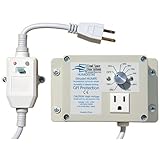
Overview: This dedicated crawl space humidistat system provides targeted moisture control for enclosed spaces where humidity management is critical. Designed specifically for challenging crawl space environments, it offers precise humidity monitoring and automated control to prevent mold, wood rot, and structural damage while maintaining energy efficiency.
What Makes It Stand Out: Unlike generic humidity controllers, this unit is purpose-built for crawl spaces with its compact, space-saving design that fits easily into tight installations. The eco-friendly operation optimizes energy consumption by cycling equipment only when necessary, while the durable construction withstands harsh, damp conditions. The intuitive interface eliminates complexity for homeowners who need set-and-forget operation.
Value for Money: Priced at $99.99, this specialized controller sits in the mid-range between basic $30 units and premium $150+ systems. Its durability and crawl space-specific engineering provide better long-term value than cheaper alternatives that may fail in harsh conditions. The energy-efficient design can reduce electricity costs by 15-25% compared to constantly running dehumidifiers, paying for itself within a few seasons.
Strengths and Weaknesses: Strengths include purpose-built durability, straightforward user interface, compact form factor, and energy-conscious operation. The system excels in reliability for crawl space applications. However, it lacks advanced features like WiFi connectivity or data logging found in newer models. The humidity sensor accuracy, while adequate, may drift over time requiring periodic calibration in critical applications.
Bottom Line: This humidistat is a solid choice for homeowners needing reliable, no-frills moisture control in crawl spaces. It prioritizes durability and simplicity over advanced features, making it perfect for those who want effective automation without technical complexity. Consider this if WiFi and app control aren’t priorities.
8. MEISAIL Humidity Controller Greenhouse Shiitake Mushrooms Humidifying dehumidifier humhumidistat controlleridity Humidity Switch Controller for Grow Ten thygrometer humidistat Controller

Overview: The MEISAIL Humidity Controller is an budget-friendly, dual-function device designed for precise humidity management in specialized growing environments like greenhouses and mushroom cultivation. Despite its confusing product title, this controller delivers reliable performance with Swiss sensor technology and robust 1100W load capacity at an entry-level price point.
What Makes It Stand Out: The integrated blue dual-display provides simultaneous viewing of current and set humidity levels with eye-friendly soft lighting, a feature rarely found in sub-$30 controllers. The Swiss-made sensor chip maintains accuracy within ±2% RH, outperforming many budget competitors. Multiple waterproofing technologies protect the sensor in high-moisture environments, while the high power load capacity supports professional-grade humidifying and dehumidifying equipment.
Value for Money: At $26.99, this represents exceptional value for hobbyists and small-scale growers. Comparable controllers with Swiss sensors typically cost $40-60. The 1100W capacity handles most residential and light commercial equipment, eliminating the need for separate relays. While build quality can’t match $100+ units, the performance-to-price ratio is outstanding for those willing to accept basic functionality without smart features.
Strengths and Weaknesses: Strengths include impressive accuracy for the price, high load capacity, waterproof sensor design, and clear dual displays. The controller performs reliably for mushroom growing and greenhouse applications. Weaknesses include a confusing product description, questionable long-term durability, lack of advanced programming features, and no warranty information. The interface, while functional, requires careful manual reading to master.
Bottom Line: Perfect for budget-conscious growers needing precise humidity control without frills. The MEISAIL controller punches above its weight class in accuracy and power handling. Ideal for mushroom cultivation, seed starting, and small greenhouses where cost matters more than advanced automation. Professional operations should invest in more robust systems.
9. VIVOSUN Humidity Controller, 1200W Dual-Stage Outlet, Pre-Wired Digital Humidistat with Dual LED Displays for Humidifier/Dehumidifier/Fan, Ideal for Greenhouse, Grow Tent, Home-Brewing, Mushroom

Overview: The VIVOSUN Humidity Controller is a feature-rich, dual-stage humidistat that offers professional-grade humidity management for under $30. With independent control for both humidification and dehumidification equipment, this pre-wired unit simplifies climate control across diverse applications from mushroom cultivation to home-brewing and reptile habitats.
What Makes It Stand Out: The dual relay outputs allow simultaneous connection of humidifier and dehumidifier, automatically switching between modes to maintain target humidity—eliminating manual intervention. Comprehensive safety features include visual/audible humidity alarms, sensor fault detection, and compressor delay protection. The 16AWG power cord and 20A relay demonstrate exceptional safety considerations rarely seen at this price point.
Value for Money: At $28.28, this controller delivers premium features that rival $60-80 units. The 1200W capacity handles most residential equipment, while the pre-wired design saves installation time and costs. The combination of dual-stage control, safety alarms, and sharp sensor accuracy provides outstanding value. Energy savings from precise cycling can recover the purchase price within months compared to manually operated systems.
Strengths and Weaknesses: Strengths include dual-stage automation, robust safety protections, easy plug-and-play setup, wide humidity control range, and excellent load capacity. The 5.9ft cord and hanging tab enhance installation flexibility. Weaknesses include limited programming compared to WiFi-enabled models, potential sensor drift over time, and basic LED display aesthetics. The alarm beep may be intrusive in quiet living spaces.
Bottom Line: The VIVOSUN controller is arguably the best value in entry-level humidistats. Its dual-stage capability and safety features make it ideal for serious hobbyists and small commercial operations. Whether growing mushrooms, brewing beer, or maintaining a reptile terrarium, this unit provides reliable automation that rivals more expensive options. Highly recommended for those prioritizing functionality over smart connectivity.
10. Waykar Remote Control for CPG130A Dehumidifier - Digital Humidity & Temperature Control, Adjustable Humidity Level, 32.8ft Cable, Sensitive Sensor, Easy Installation, Includes Accessories
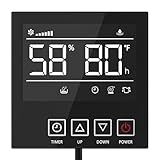
Overview: This dedicated remote control system is specifically engineered for the Waykar CPG130A dehumidifier, transforming it into a more accessible and user-friendly appliance. With an extensive 32.8ft cable and comprehensive status indicators, it eliminates the need to physically access dehumidifiers placed in hard-to-reach crawl spaces, basements, or attics.
What Makes It Stand Out: Unlike universal controllers, this remote is purpose-built for seamless integration with the CPG130A, ensuring perfect compatibility and full feature access. The ultra-sensitive integrated sensor provides rapid environmental feedback, while the extensive indicator light system delivers at-a-glance status for defrost, compressor, pump, tank level, and fan operation. The generous cable length allows convenient monitoring from living spaces.
Value for Money: At $82.60, this accessory represents significant value for CPG130A owners who previously struggled with inaccessible installations. The cost is justified by eliminating the hassle of crawling into tight spaces for adjustments. Compared to replacing an existing dehumidifier with a WiFi-enabled model ($200-400), this remote extends the functionality of current equipment at a fraction of the cost. However, its single-model compatibility limits resale value and utility.
Strengths and Weaknesses: Strengths include plug-and-play installation, comprehensive status monitoring, sensitive sensor accuracy, and quality accessories included. The compact design integrates discreetly into any room. The primary weakness is exclusive compatibility with only one dehumidifier model, making it useless for other brands. The price may seem high for a remote accessory, and the 32.8ft cable could be excessive for smaller installations.
Bottom Line: This remote is an essential upgrade for Waykar CPG130A owners with hard-to-reach installations. It dramatically improves usability and monitoring capabilities while avoiding the cost of replacing functional equipment. If you own the compatible model and struggle with accessibility, this purchase is a no-brainer. For others, look for universal solutions or WiFi-enabled dehumidifiers.
Understanding Basement Humidity: The Hidden Threat
Before investing in any control system, you need to understand what you’re fighting. Basement humidity typically stems from three sources: liquid water intrusion through cracks or porous walls, water vapor diffusion through concrete, and condensation from warm, humid air contacting cool surfaces. The average basement maintains temperatures 10-15 degrees cooler than upstairs areas, creating a perfect storm for moisture accumulation when humid summer air infiltrates the space.
The Science Behind Moisture Accumulation
Concrete, despite appearing solid, is remarkably porous. It can absorb and transmit water vapor from saturated soil surrounding your foundation like a wick. This capillary action, combined with hydrostatic pressure from groundwater, pushes moisture through walls and floors even without visible leaks. When relative humidity exceeds 60%, mold spores activate, dust mites thrive, and wood rot fungi begin breaking down organic materials. Understanding this science helps you select interventions that address root causes rather than just symptoms.
Health Risks and Structural Damage
Chronic basement humidity doesn’t stay contained. Stack effect—the natural upward movement of air in buildings—draws moist basement air into your living spaces, carrying mold spores, mildew odors, and increased humidity loads that force your HVAC system to work harder. Health impacts include aggravated asthma, allergic reactions, and respiratory infections. Structurally, persistent moisture corrodes metal fasteners, rots floor joists, and can compromise foundation integrity through freeze-thaw cycles and efflorescence.
Whole-House Dehumidifiers: Integrated Solutions
Unlike portable units that treat single rooms, whole-house dehumidifiers connect directly to your existing HVAC ductwork, treating every cubic foot of air circulating through your home. These systems excel in humid climates where basements aren’t the only moisture source. Installed by professionals, they typically mount in mechanical rooms or basements and draw air through return ducts, extract moisture, and reheated dry air gets distributed throughout your home.
How Whole-House Systems Work
These units operate on the same refrigeration principle as portable models but with significantly higher capacity—typically 70-150 pints per day. They feature robust compressors, larger coils, and integrated humidistats that communicate with your thermostat. Advanced models include fresh air ventilation dampers that introduce controlled amounts of outdoor air, helping to meet ASHRAE 62.2 ventilation standards while managing moisture loads from both internal and external sources.
Installation Considerations
Professional installation is non-negotiable for whole-house systems. The process involves ductwork modifications, electrical connections (often 220V), drainage line installation, and potentially upgrading your electrical panel. You’ll need adequate space—typically 3x3 feet of clear area—and the unit must be accessible for filter changes and maintenance. Consider noise levels; while quieter than portables, these units still generate 50-60 decibels, similar to a refrigerator.
Maintenance Requirements
Expect to clean or replace filters every 1-3 months, depending on dust levels. Annual professional servicing should include coil cleaning, refrigerant level checks, and drainage system inspection. The condensate pump and drain line require quarterly checks to prevent clogs that could cause water damage. Budget approximately $150-300 annually for professional maintenance, plus filter costs.
Portable Dehumidifiers: Flexible Basement Climate Control
Portable units remain the most popular basement solution for good reason—they’re affordable, require no permanent installation, and you can relocate them as needed. Modern models have evolved dramatically, featuring digital humidistats, continuous drainage options, and energy-efficient compressors that maintain operation down to 41°F. For basements under 1,500 square feet with moderate moisture, a quality portable unit often provides sufficient control.
Capacity Ratings: What Pints Per Day Really Means
Manufacturers rate dehumidifiers by moisture removal capacity at 80°F and 60% relative humidity—conditions rarely found in cool basements. A “50-pint” unit might only extract 30 pints in your 65°F basement. Size your unit based on square footage and moisture severity: slightly damp (60-70% RH) needs 10 pints per 500 sq ft; very damp (70-80% RH) requires 12 pints; wet (80-100% RH) demands 14+ pints per 500 sq ft. Always oversize for basements with laundry equipment or floor drains.
Energy Efficiency and Operating Costs
Look for ENERGY STAR certification, which ensures the unit uses at least 15% less energy than conventional models. Check the Integrated Energy Factor (IEF)—higher numbers indicate better efficiency. A typical 50-pint unit consumes 500-700 watts. At $0.13 per kWh, running 12 hours daily costs $25-35 monthly. Desiccant models, while more efficient at low temperatures, often cost more to operate due to lower moisture removal rates requiring longer run times.
Drainage Options: Manual vs. Continuous
Manual emptying becomes tedious within weeks. Continuous drainage transforms convenience—connect a standard garden hose to the drain port and route it to a floor drain, sump pit, or laundry sink. For basements without gravity drainage, invest in a model with a built-in condensate pump that can push water upward 15+ feet to reach a suitable drain. Some advanced units include internal pumps with 20-foot vertical lift capability, eliminating the need for separate pump installations.
Ventilation Systems: Fresh Air Exchange
Mechanical ventilation addresses humidity by replacing moist basement air with drier outdoor air, but only when outdoor conditions permit. This strategy works exceptionally well in climates with low nighttime humidity or during spring/fall when outdoor air is naturally dry. The key is controlled, measured ventilation—not just opening a window and hoping for the best.
Exhaust Fans: Strategic Air Movement
Installing a high-capacity exhaust fan (200+ CFM) creates negative pressure that pulls moist air out while drawing drier replacement air from upstairs. Position fans opposite your basement access door to create cross-flow. Timer controls or humidistat triggers automate operation, running the fan only when humidity exceeds your setpoint. Avoid oversizing—excessive negative pressure can backdraft combustion appliances and pull soil gases like radon into your home.
Supply Ventilation: Positive Pressure Solutions
Supply ventilation uses a fan to push fresh outdoor air into the basement, creating positive pressure that forces moist air out through cracks and openings. This approach prevents infiltration of soil gases and works well when outdoor air is consistently drier than indoor air. Install a filtered intake to prevent pollen and dust introduction, and include a motorized damper that closes during high outdoor humidity or extreme temperatures to avoid overloading your HVAC system.
Heat Recovery Ventilators (HRVs) for Basements
HRVs transfer heat between outgoing and incoming air streams, recovering 60-80% of energy that would otherwise be lost. In winter, they pre-warm cold incoming air using heat from exhausted basement air. In summer, they pre-cool incoming air. For basement applications, choose an HRV with a defrost cycle to prevent ice formation on heat exchange cores during cold weather operation. These systems require dedicated ductwork but provide the most energy-efficient ventilation solution.
Basement Air Conditioners: Cooling and Dehumidifying
Air conditioning naturally dehumidifies as it cools, making it a dual-purpose solution for finished basements used as living spaces. The cooling coil condenses moisture from air, which drains away while cooled, dry air circulates back into the room. This approach only makes sense if you need cooling—running AC solely for dehumidification is energy-inefficient compared to dedicated dehumidifiers.
Mini-Split Systems: Ductless Efficiency
Ductless mini-splits offer zoning flexibility, allowing you to condition and dehumidify your basement independently from the rest of your home. The indoor wall-mounted unit contains both cooling and heating capabilities, while the outdoor compressor handles heat exchange. Most models include a “dry mode” that prioritizes dehumidification with minimal cooling, perfect for mild, humid days. SEER ratings of 20+ ensure efficient operation, and inverter technology maintains consistent temperatures without the energy-wasting on/off cycling of window units.
Through-the-Wall Units: Space-Saving Options
For basements with limited window access, through-the-wall AC units install permanently in a framed opening. They provide better sealing than window units, reducing air infiltration, and many include heat pumps for year-round temperature management. Choose models with adjustable louvers to direct airflow away from walls and prevent cold spots that could cause condensation. Look for units with “energy saver” modes that cycle the fan with the compressor, reducing electricity consumption by 20-30%.
Desiccant Dehumidifiers: Low-Temperature Performance
Desiccant dehumidifiers use moisture-absorbing materials (typically silica gel) rather than refrigeration coils. A rotating wheel passes humid air through the desiccant, which adsorbs moisture. A heated section of the wheel then releases this moisture into a separate air stream that exhausts outside. This technology excels in cool environments where compressor models lose efficiency, maintaining performance down to 33°F.
When to Choose Desiccant Over Compressor Models
Select desiccant technology for unheated basements, crawl spaces, or any area consistently below 65°F. They’re also ideal for extremely tight spaces since they don’t require clearance for air-cooled condensers. The trade-off is higher energy consumption per pint of water removed—desiccant models use 2-3x more electricity than compressors at moderate temperatures. They also exhaust warm, moist air, which must be ducted outside to avoid reintroducing moisture into your home.
Operational Costs and Noise Levels
Desiccant units consume 500-800 watts continuously, with higher operating temperatures creating more heat output—beneficial in winter but problematic in summer. Noise levels typically range from 45-55 decibels, quieter than most compressors, since they lack the cycling on/off of refrigerant systems. However, the constant hum of the desiccant wheel and regeneration heater can be more noticeable than intermittent compressor operation.
Crawl Space Encapsulation: Preventing Moisture at the Source
While not a “system” in the mechanical sense, encapsulation is arguably the most effective moisture control strategy for crawl spaces and unfinished basements. This process involves sealing all ground moisture sources using heavy-duty vapor barriers, sealing vents, and insulating walls. When combined with a small dehumidifier, encapsulation can reduce moisture loads by 70-80%, making mechanical dehumidification far more efficient.
Vapor Barriers: Material Selection and Installation
Use 10-20 mil reinforced polyethylene vapor barriers, never the 6-mil plastic found at hardware stores. Thicker barriers resist tears during installation and offer better long-term durability. Overlap seams by 12-24 inches and seal with manufacturer-approved tape. Run the barrier up foundation walls at least 6 inches, sealing it to the wall with polyurethane caulk and termination bars. For maximum effectiveness, consider a woven, multi-layer barrier with antimicrobial additives that prevent mold growth on the material itself.
Sealing Techniques for Maximum Effectiveness
Seal all crawl space vents with rigid foam board cut to fit, then seal edges with expanding foam. Install airtight covers on sump pits and seal around plumbing penetrations with hydraulic cement. For basements, apply waterproofing membrane to walls before framing. The goal is creating a semi-conditioned space that shares air with your home’s interior rather than the damp soil outside. This approach also improves energy efficiency by reducing infiltration of unconditioned outdoor air.
Sump Pumps and Drainage Systems: Water Management
Active water management is essential for basements with liquid water intrusion. No dehumidifier can overcome standing water or saturated walls. Interior drainage systems collect water at the perimeter and channel it to a sump pit, where a pump removes it from your home. This approach manages hydrostatic pressure and prevents water from reaching your basement floor.
Primary vs. Battery Backup Systems
Your primary sump pump should handle at least 2,000 gallons per hour at a 10-foot lift. For finished basements, install a battery backup system that activates during power outages—when storms often cause both water infiltration and electrical failures. Modern backup systems use maintenance-free AGM batteries providing 7-10 hours of continuous operation. For maximum protection, consider a water-powered backup pump that uses municipal water pressure to create suction, requiring no electricity but consuming about 1 gallon of tap water for every 2 gallons pumped.
French Drains and Perimeter Systems
Interior French drains install below the basement floor slab along the perimeter. A trench holds perforated pipe embedded in gravel, collecting water that seeps through the wall-floor joint and directing it to the sump pit. The system requires breaking concrete, so it’s best installed during renovations or in unfinished basements. Exterior French drains are more effective but involve excavation around your foundation—costing 3-5x more but providing superior protection by intercepting water before it reaches your walls.
Humidistats and Smart Controls: Precision Management
The best mechanical system performs poorly without accurate control. Humidistats measure relative humidity and cycle equipment on/off at your desired setpoint—typically 45-50% for basements. Basic mechanical humidistats offer ±5% accuracy, while digital models achieve ±2% precision. Placement matters: mount humidistats on interior walls away from direct airflow and heat sources for accurate readings.
Wired vs. Wireless Monitoring
Wired humidistats connect directly to your dehumidifier or HVAC system, offering reliable operation without battery concerns. Wireless sensors provide flexibility to monitor multiple zones, sending data to a central controller or smartphone app. This is invaluable for large basements where humidity varies significantly—place sensors in problem corners, near sump pits, and in storage areas to get a complete picture. Some systems support up to 10 sensors, creating a moisture map of your entire basement.
Integration with Home Automation
Smart dehumidifiers and ventilation systems now integrate with platforms like Alexa, Google Home, and SmartThings. This allows voice control, scheduling based on weather forecasts, and alerts when humidity spikes or tanks need emptying. Advanced systems use IFTTT triggers to activate bathroom exhaust fans, HVAC systems, or even open motorized dampers based on humidity readings. Look for units with API access if you want to create custom automation routines or integrate with home monitoring dashboards.
Natural Ventilation Strategies: Cost-Free Solutions
Sometimes the simplest solutions prove most effective. Natural ventilation uses pressure differentials and temperature gradients to move air without electricity. While unreliable as a primary strategy, it can supplement mechanical systems and provide free dehumidification during ideal conditions. The key is understanding when outdoor air is actually drier than indoor air—measured by dew point, not relative humidity.
Window Placement and Airflow Patterns
Create cross-ventilation by opening windows on opposite walls. For walk-out basements, use the upper window for exhaust and the lower for intake, as warm air rises and will naturally exit the higher opening. Install window wells with covers that can be propped open to allow airflow while keeping rain out. For maximum effect, place a box fan in one window blowing outward, creating negative pressure that pulls fresh air through other openings. Run this setup during dry, breezy days and close everything up by midday before humidity rises.
Seasonal Considerations
Natural ventilation works best in spring and fall when outdoor dew points drop below 55°F. In summer, outdoor air often contains more moisture than your basement air, making ventilation counterproductive. Winter ventilation can help if your basement becomes humid from drying clothes or stored firewood, but limit openings to short periods to avoid freezing pipes. Install a simple digital psychrometer ($20-30) to compare indoor and outdoor dew points before deciding whether to ventilate.
Waterproofing Coatings: Barrier Protection
Interior waterproofing coatings don’t stop water intrusion but manage minor seepage and reduce vapor transmission through walls. Cementitious coatings bond to concrete, filling pores and creating a breathable barrier that allows some moisture vapor to escape while blocking liquid water. They’re best for walls with minor dampness, not active leaks.
Cementitious vs. Bituminous Coatings
Cementitious coatings are water-based, easy to apply with a brush, and can be painted over once cured. They allow walls to “breathe,” reducing the risk of trapped moisture causing spalling. Bituminous (asphalt-based) coatings create a non-breathable barrier that’s more effective at stopping vapor but can trap moisture behind them, potentially worsening freeze-thaw damage. For most basements, cementitious coatings offer the best balance of performance and safety.
Application Best Practices
Apply coatings to bare, clean concrete only. Remove efflorescence with muriatic acid and pressure wash thoroughly. Fill cracks with hydraulic cement first, then apply two coats of waterproofing using a masonry brush. Work the coating into pores vigorously. Test for moisture transmission after curing by taping a 2x2 foot square of plastic sheeting to the wall for 24 hours. If condensation forms behind the plastic, the coating isn’t adequate, and you’ll need to address the water source directly.
Air Purification with Dehumidification: Dual-Function Systems
Modern air quality concerns have driven development of hybrid units that combine dehumidification with multi-stage filtration and air sterilization. These systems address the fact that damp basements harbor not just moisture but also mold spores, dust mite allergens, and volatile organic compounds (VOCs) from stored chemicals. A single unit can replace both a dehumidifier and air purifier, saving space and potentially reducing total energy consumption.
Filtration Technologies
Look for units with true HEPA filtration (99.97% of particles ≥0.3 microns) combined with activated carbon pre-filters that capture odors and VOCs. Some systems add photocatalytic oxidation (PCO) filters that break down organic compounds at the molecular level. The dehumidifier’s airflow (200-300 CFM) provides excellent circulation for filtration, processing your basement’s air volume 3-5 times per hour—far more than typical air purifiers.
UV-C Light Integration
UV-C germicidal lamps installed in the air stream kill airborne mold spores, bacteria, and viruses that pass through the system. This prevents biological growth on the dehumidifier’s own coils, a common problem that reduces efficiency and spreads contaminants. The UV lamp must be properly sized for airflow and requires annual replacement. While effective, UV-C should complement filtration, not replace it, as it only treats air that passes directly past the lamp.
Energy Recovery Ventilators (ERVs): Advanced Climate Management
ERVs represent the pinnacle of ventilation technology, transferring both heat and moisture between air streams. In summer, they remove moisture from incoming fresh air and transfer it to cooler exhaust air, reducing the latent load on your air conditioning. In winter, they humidify dry incoming air using moisture from exhaust air. This moisture transfer capability makes ERVs superior to HRVs in humid climates where you want to ventilate without introducing excessive moisture.
ERV vs. HRV: Making the Right Choice
Choose ERVs for humid climates (summer dew points regularly above 65°F) where moisture recovery is beneficial. HRVs work better in cold, dry climates where preserving indoor humidity is the goal. For basements, ERVs often provide the best year-round solution, managing both winter dryness and summer humidity. The enthalpy exchange core, typically made of polymer or desiccant-coated materials, allows water vapor to pass while blocking air and pollutants.
Climate Zone Considerations
In mixed climates, consider a ventilator with an ERV/HRV switchable core or a bypass mode for shoulder seasons. Some advanced units automatically adjust operation based on outdoor enthalpy (total heat content), maximizing energy savings. For coastal areas with high year-round humidity, pair an ERV with a small dehumidifier to handle moisture loads that ventilation alone can’t manage. In arid regions, an ERV can actually help maintain beneficial basement humidity levels while still providing fresh air exchange.
Professional Assessment: When to Call an Expert
Sometimes DIY solutions aren’t enough. Professional basement waterproofing contractors use sophisticated diagnostic tools to pinpoint moisture sources and quantify airflow patterns. A comprehensive assessment might include infrared thermography to identify thermal bridging and hidden moisture, blower door testing to measure air leakage rates, and calcium chloride tests to determine concrete moisture vapor emission rates.
Diagnostic Tools and Techniques
Professionals use hygrometer data loggers placed throughout your basement for 48-72 hours to track humidity fluctuations and correlate them with outdoor conditions. They may perform a “plastic sheet test” to differentiate between vapor transmission and condensation. For homes with persistent mold, air quality testing identifies specific spore types and concentrations, guiding remediation strategies. Expect to pay $200-500 for a thorough assessment—money well spent before investing thousands in equipment that might not address the actual problem.
Cost-Benefit Analysis of Professional Installation
Professional installation typically costs 2-3x the equipment price but includes warranties, code compliance, and optimized performance. For complex systems like whole-house dehumidifiers, ERVs, or interior drainage, professional installation ensures proper sizing, ductwork design, and integration with existing systems. Many contractors offer performance guarantees—if humidity doesn’t reach target levels, they’ll return to adjust the system at no charge. This assurance is valuable for finished basements where moisture damage would be catastrophic.
DIY Installation vs. Professional Setup: Making the Decision
Your skill level, basement configuration, and system complexity determine whether DIY installation is feasible. Portable dehumidifiers, simple exhaust fans, and waterproofing coatings are well within most homeowners’ capabilities. Whole-house dehumidifiers, ERVs, and drainage systems require electrical work, ductwork modifications, and plumbing connections that often necessitate permits and professional expertise.
Tools and Skills Required
DIY installation of a portable dehumidifier requires only basic hand tools for setting up drainage. Installing a through-wall ventilation fan needs a reciprocating saw, drill, and comfort with framing and weatherproofing. Whole-house systems demand electrical knowledge (220V circuits), sheet metal work for duct transitions, and refrigerant handling certification. Misinstallation can void warranties, create safety hazards, and result in subpar performance that costs more in energy consumption than professional installation would have cost upfront.
Warranty and Code Compliance Issues
Most manufacturers void warranties if equipment isn’t installed by licensed professionals. Local building codes may require permits for electrical circuits, ductwork modifications, or drainage system tie-ins to municipal storm sewers. Improperly installed ERVs or exhaust fans can create backdrafting risks that violate fire codes and endanger your family. Always check local requirements and manufacturer specifications before starting DIY installations. For finished basements, the risk of moisture damage from improper installation far outweighs the savings from doing it yourself.
Frequently Asked Questions
How do I know if my basement humidity is too high?
Condensation on windows, musty odors, visible mold growth, or a persistent feeling of dampness indicate excessive moisture. Use a hygrometer to measure relative humidity—levels consistently above 50% require intervention. For definitive assessment, tape a 2-foot square of plastic to your wall for 24 hours; moisture behind the plastic confirms high humidity.
What’s the ideal humidity level for a basement?
Maintain 45-50% relative humidity year-round. Below 40%, you risk wood shrinkage and static electricity. Above 55%, mold growth accelerates. If you store sensitive items like wine, musical instruments, or electronics, target 45-55% with minimal fluctuations.
Can I use a regular dehumidifier in an unheated basement?
Standard compressor dehumidifiers lose efficiency below 65°F and may freeze up around 41°F. For unheated basements, choose a model with low-temperature operation (down to 33°F) or consider a desiccant dehumidifier that performs consistently regardless of temperature.
How much does it cost to run a dehumidifier continuously?
A typical 50-pint ENERGY STAR unit consumes about 500 watts. At $0.13 per kWh, 24/7 operation costs roughly $45-55 monthly. However, most units cycle on and off, reducing actual costs to $20-35 monthly for moderately damp basements. Desiccant models cost 30-50% more to operate.
Will a dehumidifier eliminate musty smells?
Dehumidifiers remove moisture that causes odors but won’t eliminate existing mold or mildew. You must first clean affected surfaces with a mold-killing solution. Once moisture is controlled below 50% RH, odor-causing microbes become dormant and smells dissipate over 1-2 weeks.
Do I need multiple dehumidifiers for a large basement?
It depends on layout and airflow. Open basements under 2,000 sq ft typically need one properly sized unit. If your basement has separate rooms, closed doors, or significant moisture sources in one area, multiple smaller units provide better distribution. Use hygrometers in each zone to determine if one unit suffices.
How often should I empty my dehumidifier’s tank?
With continuous drainage, never. If using the tank, expect to empty it daily in very damp basements, every 2-3 days in moderately damp conditions. Most units auto-shutoff when full. For vacation homes, always use continuous drainage to prevent overflow and ensure constant operation.
Can humidity control systems help with radon?
Dehumidifiers and ventilation systems that create positive pressure can reduce radon infiltration by limiting soil gas entry. However, they are not radon mitigation systems. If radon levels exceed 4 pCi/L, install a dedicated radon mitigation system with sub-slab depressurization. Some ERVs can be integrated with radon systems for combined air quality management.
What’s the difference between waterproofing and moisture control?
Waterproofing stops liquid water intrusion through cracks and porous walls using sealants, drainage, and exterior membranes. Moisture control manages water vapor in the air using dehumidifiers, ventilation, and vapor barriers. You often need both—waterproofing addresses the source while moisture control manages ambient humidity.
How long do humidity control systems typically last?
Quality portable dehumidifiers last 5-10 years with proper maintenance. Whole-house systems operate 10-15 years. ERVs and HRVs last 15+ years with regular filter changes. Desiccant dehumidifiers often outlast compressors due to fewer mechanical parts, typically 10-12 years. Extend lifespan by maintaining proper drainage, cleaning filters monthly, and annual professional servicing for permanent installations.