Imagine welcoming a family from Tokyo at 11 PM who’ve just landed after a 14-hour flight, only to realize they don’t understand your check-in instructions. Or picture a guest from Madrid trying to explain a maintenance issue that could escalate into a costly repair. These moments define the modern Airbnb experience—where hospitality meets global diversity, and where a language barrier can quickly transform a five-star review into a frustrating misunderstanding for everyone involved.
As short-term rental hosts, we’re not just offering beds and breakfasts anymore; we’re curating experiences for travelers from every corner of the globe. While translation apps on smartphones have their place, they fall short during real-time conversations, hands-free scenarios, or when guests need immediate assistance without fumbling through their luggage. Language-translation voice stations have emerged as dedicated hospitality tools that bridge these gaps seamlessly, turning potential communication breakdowns into opportunities for exceptional service. Let’s explore what makes these devices essential infrastructure for any host serious about international guest satisfaction.
Top 10 Language-Translation Voice Stations for Airbnb Hosts
Detailed Product Reviews
1. SSK Portable Foreign Language Translator, Need Connect Smartphone Bluetooth, Supports 86 Languages Two-Way Instant Translation Voice Language Translator for Travelling Learning and Business

Overview: The SSK translator is a budget-friendly Bluetooth device that transforms your smartphone into a powerful translation hub. Leveraging Google’s robust engine, it delivers 86-language support through a compact, lightweight design that fits in any pocket. This translator requires constant smartphone connectivity via Bluetooth and a dedicated app, making it an accessory rather than a standalone device.
What Makes It Stand Out: This device distinguishes itself through extreme affordability and photo translation capabilities at a sub-$30 price point. It uses Google’s proven translation engine with claimed 98% accuracy for complex sentences. The 120-hour standby time is impressive, and the ability to translate text from images solves real-world travel challenges like reading menus and signs.
Value for Money: At $26.99, it’s the most economical option, but the true cost includes smartphone data usage and battery drain. While significantly cheaper than standalone devices, its dependency on phone connectivity limits reliability in areas with poor signal. For budget-conscious occasional travelers who already pay for data plans, it offers decent value.
Strengths and Weaknesses:
- Ultra-compact and lightweight design
- Google translation engine with high accuracy claims
- Photo translation for real-world text
- No SIM card required
- Requires smartphone and stable internet connection
- Only 3-4 hours continuous use
- Complex setup with different Android installation process
- Cannot function independently
Bottom Line: Ideal for casual travelers who always carry smartphones with reliable data, but unreliable for business or remote travel. Consider this a smartphone accessory, not a true translator replacement.
2. Anfier Language Translator Support 127 Languages Voice Translation Image Translation W09 Wi-Fi Hotspot Connection

Overview: The Anfier W09 positions itself as a premium translation solution with support for 127 languages and dialects. This standalone device connects via Wi-Fi or hotspot, featuring a high-definition screen for visual confirmation. With sub-half-second response times and a lifetime warranty, it targets serious travelers and business professionals who demand reliability.
What Makes It Stand Out: The lifetime warranty provides exceptional peace of mind rarely seen in electronics. Its 127-language coverage exceeds most competitors, while the HD screen offers immediate text confirmation alongside voice output. The camera supports photo translation in 60 languages—among the highest in this category—making it invaluable for navigating foreign environments.
Value for Money: At $79.99, it’s the priciest option but justifies cost through warranty coverage and standalone operation. However, lack of offline functionality means you’re vulnerable in areas without connectivity. For frequent international travelers visiting urban areas with reliable Wi-Fi, the warranty and performance justify the premium.
Strengths and Weaknesses:
- Comprehensive 127-language support
- Lightning-fast <0.5 second translation
- Lifetime warranty coverage
- High-definition screen display
- 60-language photo translation
- No offline translation capability
- Highest price point in comparison
- Requires Wi-Fi/hotspot connection
- Camera protective film must be removed
Bottom Line: Best suited for frequent travelers prioritizing warranty protection and speed over offline independence. Business users will appreciate the reliability, but adventure travelers should consider offline-capable alternatives.
3. XUPURTLK Language Translator Device No WiFi Needed, Two-Way Real Time Voice Translation Device, 144 Languages Online Offline Voice Text Photo Translation for Travel, Business, Learning

Overview: The XUPURTLK translator bridges the gap between budget and premium devices with impressive 144-language support and essential offline functionality. This versatile unit features an 8-megapixel camera and 3.7-inch touchscreen, offering both voice and photo translation. With 6-8 hours of active use and seven-day standby, it’s engineered for extended travel.
What Makes It Stand Out: Offline translation for 16 major languages sets this apart from phone-dependent models. The high-resolution camera and large touchscreen enhance usability, while customizable male/female voice options add personalization. Its 98% accuracy claim combined with offline capability makes it reliable in remote locations.
Value for Money: At $69.99, it occupies the sweet spot between affordability and functionality. Offline capability alone justifies the $40 premium over budget Bluetooth models. For travelers visiting areas with spotty connectivity, this feature prevents communication blackouts that could derail trips.
Strengths and Weaknesses:
- 144-language online support with 16-language offline mode
- 8MP camera with 42-language photo translation
- 6-8 hour battery life with week-long standby
- Male/female voice selection
- 3.7-inch touchscreen interface
- Offline limited to 16 languages
- Mid-range pricing may stretch tight budgets
- Heavier than basic Bluetooth models
Bottom Line: An excellent all-rounder for serious travelers needing offline reliability. The combination of extensive language support and offline backup makes it worth the investment over budget alternatives.
4. Language Translator Portable Instant Translator Device Support WiFi/Hotspot/Offline Two- Way Real Time Online 137 Languages with 2.4Inch Touch Screen Recording Smart Translator(White)

Overview: This feature-rich translator targets business users with unique recording capabilities alongside standard translation functions. Supporting 137 online languages and 12 offline, it combines Google and Microsoft engines for enhanced accuracy. The device records up to 60 minutes of audio for later translation and export, addressing professional documentation needs.
What Makes It Stand Out: The audio recording and export function is a rare feature that transforms conversations into translatable text documents. Dual translation engines potentially improve accuracy, while the 1500mAh battery delivers 8-12 hours of continuous use—longest among competitors. Photo translation covers 45 languages, balancing capability and practicality.
Value for Money: Priced at $59.99, it offers premium features without top-tier pricing. The recording function alone provides value for journalists, researchers, and business professionals. While offline mode is limited to “simple phrases,” the overall feature set exceeds expectations for the price point.
Strengths and Weaknesses:
- Unique 60-minute audio recording and export capability
- Dual Google/Microsoft translation engines
- Excellent 8-12 hour battery life
- 137 online languages with 12 offline
- 45-language photo translation
- Offline mode restricted to basic phrases
- Requires advance downloading of language packs
- Smaller 2.4-inch screen
Bottom Line: Perfect for business professionals and content creators needing conversation documentation. The recording feature and exceptional battery life make it a specialized but valuable tool.
5. Vvikizy AI Translator Machine, AI Language Translator Device, Real Time Voice Translation, BT Interpreter for Travel, Study, Business, with 14 Languages Support

Overview: The Vvikizy AI Translator is the most budget-conscious option, leveraging artificial intelligence for real-time translation across 14 languages. This minimalist device focuses on face-to-face conversation, converting dialogue into text and saving it as TXT documents. At under $21, it prioritizes affordability over extensive language coverage.
What Makes It Stand Out: AI-powered processing and conversation documentation features are surprising at this price point. The ability to save translated conversations as text files benefits students and business users reviewing discussions. Its face-to-face mode facilitates natural bilingual dialogue, while Bluetooth connectivity keeps the design simple and low-cost.
Value for Money: At $20.69, it’s remarkably affordable but severely limited by 14-language support. While cheapest by far, most travelers need broader coverage. The AI processing is commendable, but without offline capability or extensive language options, value depends entirely on your specific language needs.
Strengths and Weaknesses:
- Extremely affordable entry price
- AI-powered translation engine
- Saves conversations as TXT documents
- Face-to-face conversation mode
- Simple Bluetooth connectivity
- Only 14 languages supported
- No offline translation capability
- Limited technical specifications
- Requires smartphone connection
Bottom Line: Only recommended for users needing basic translation in supported languages. Most travelers should invest more for comprehensive coverage, but it’s a viable starter device for language learners on extreme budgets.
6. LICAEVEY Language Translator Device, 138 Languages Real Time, Voice Photo Translation, AI Smart with 3 Inch Touchscreen for Travel Shopping and Communication

Overview: The LICAEVEY Language Translator Device delivers essential translation capabilities at an entry-level price point. Supporting 138 languages through WiFi connectivity, this pocket-sized tool features a 3-inch color touchscreen that displays both spoken and text translations. Designed for travelers and casual users, it offers bidirectional conversion with a claimed 8-hour continuous operation time and 7-day standby from its 1500mAh battery.
What Makes It Stand Out: This device distinguishes itself with unexpected multimedia functionality, doubling as an MP3/MP4 player when equipped with a memory card (up to 32GB, not included). Its independent noise-canceling microphone performs reasonably well in moderately noisy environments like markets or train stations. The interface requires no smartphone app, making it immediately accessible for technophobic users or those wanting to preserve phone battery during long travel days.
Value for Money: At $59.32, this represents one of the most affordable dedicated translation devices available. While it lacks offline capabilities—requiring constant WiFi access—its price is less than a third of premium competitors. For budget-conscious travelers staying in urban areas with reliable WiFi, the cost-performance ratio is compelling, though rural adventurers should consider alternatives with offline support.
Strengths and Weaknesses: Strengths: Extremely budget-friendly; long battery life; simple standalone operation; multimedia playback feature; clear audio output. Weaknesses: No offline translation mode; requires self-provisioned memory card for media features; WiFi dependency limits true portability; smaller screen reduces readability for lengthy translations; 138-language claim depends entirely on connection quality.
Bottom Line: The LICAEVEY is an excellent starter device for occasional travelers prioritizing affordability over advanced features. Its WiFi-only limitation requires careful consideration of your destination’s connectivity, but for city-based tourism and basic communication needs, it delivers remarkable value.
7. Globotok Language Translator Device,Portable Instant Voice Translator for 65 Languages No WiFi Needed,Support 11 Offline Languages and Photo Translation,2 Years Free Global Mobile Data for Travel

Overview: The Globotok G1 positions itself as a mid-range powerhouse with serious travel credentials. Supporting 65 languages and over 120 regional accents, this device includes two years of free global mobile data via built-in e-SIM, eliminating connectivity anxiety. The 4.5-inch HD touchscreen provides excellent visibility, while offline translation for 11 languages offers crucial backup when networks fail.
What Makes It Stand Out: The G1’s standout feature is its comprehensive offline capability, translating 110 language pairs without internet—far exceeding most competitors. The included e-SIM with two years of data removes the hassle of local SIM cards or roaming charges. With translation accuracy reaching 97% for speech recognition and 95% translation accuracy, it delivers near-professional results in under one second, making conversations flow naturally.
Value for Money: Priced at $189, the G1 sits in the middle tier but includes $200+ worth of cellular data, making it effectively free for connected translation. Compared to devices requiring separate data plans or constant WiFi hunting, the total cost of ownership is compelling for frequent international travelers. The one-year warranty adds peace of mind for regular use.
Strengths and Weaknesses: Strengths: Two years free global data; robust offline translation; large, clear screen; fast processing speeds; extensive accent recognition; professional-grade accuracy. Weaknesses: Fewer online languages (65) than budget alternatives; higher upfront cost; e-SIM activation may require setup time; bulky compared to minimalist designs.
Bottom Line: The Globotok G1 excels for serious travelers and business professionals who need reliable translation regardless of location. Its offline prowess and included data plan justify the premium over budget options, making it a smart investment for anyone venturing beyond reliable WiFi zones.
8. [Upgraded] Language Translator Device with Camera Translation Bluetooth Earphones Connection 2.4 Inch Sn 106 Languages Two Voice Translation,White Needed Happy Gift Vision
![[Upgraded] Language Translator Device with Camera Translation Bluetooth Earphones Connection 2.4 Inch Sn 106 Languages Two Voice Translation,White Needed Happy Gift Vision](https://m.media-amazon.com/images/I/51j9mnI3NFL._SL160_.jpg)
Overview: This premium translator targets professional users with advanced features beyond basic language conversion. Supporting 106 languages in two-way voice translation, it sports a 2.4-inch touchscreen and integrates Bluetooth earphone connectivity for private conversations. The 5-megapixel camera with OCR technology enables photo translation across 44 languages, while recording translation captures and converts interviews or meetings.
What Makes It Stand Out: Bluetooth earphone support is a rare feature that allows discreet translation in business settings or noisy environments. The recording translation function transcribes and translates audio files—a valuable tool for journalists, researchers, and students. Its high-definition recording capability with independent noise reduction captures clear audio even in challenging acoustic conditions, enhancing accuracy in loud settings like conferences or airports.
Value for Money: At $239.99, this is the most expensive option in this comparison. The premium is justified for specific professional use cases requiring Bluetooth audio output and recording transcription. However, for casual travelers, the price premium over mid-range devices with similar core translation capabilities may be hard to justify, especially given its smaller screen size relative to cost.
Strengths and Weaknesses: Strengths: Bluetooth earphone compatibility; recording translation feature; 5MP camera with OCR; effective noise cancellation; suitable for professional applications. Weaknesses: Highest price point; only 106 languages; screen smaller than cheaper alternatives; no mention of offline capabilities; limited value for non-professional users.
Bottom Line: This device serves a niche market of business professionals, journalists, and academics who need recording and Bluetooth features. For general travel purposes, more affordable options offer better value, but for specialized professional needs, its unique capabilities are unmatched in this price range.
9. Depisuta Language Translator Device, 138 Online 17 Offline Languages with Photo Translation and Voice Recording for Travel and Business Use

Overview: The Depisuta strikes a compelling balance between comprehensive features and moderate pricing. It supports 138 online languages plus 17 offline languages, making it versatile for varied travel conditions. The device offers photo translation in an impressive 75 languages without internet, while smart recording transcribes 13 languages. Its compact design with 240x320 resolution screen prioritizes portability over display luxury.
What Makes It Stand Out: Exceptional offline photo translation coverage sets this device apart—75 languages without connectivity is market-leading. The smart recording feature with transcription serves students, interviewers, and business meeting participants. Built-in dictionaries and word banks transform it into a learning tool, not just a communication crutch. This dual-purpose approach adds significant value for language learners seeking immersive practice.
Value for Money: At $73.37, the Depisuta delivers premium offline capabilities at a mid-range price. The combination of 17 offline languages, extensive offline photo translation, and recording features typically appears in $150+ devices. For travelers visiting regions with unreliable internet or language learners needing reference tools, it offers outstanding return on investment without flagship pricing.
Strengths and Weaknesses: Strengths: Excellent offline language support; 75-language offline photo translation; recording transcription; built-in dictionaries; highly portable; strong price-to-feature ratio. Weaknesses: Lower screen resolution affects readability; brand recognition may impact support expectations; battery specifications not detailed; interface likely less polished than premium brands.
Bottom Line: The Depisuta is an intelligent choice for value-conscious buyers who refuse to compromise on offline functionality. It excels as a travel companion for off-the-beaten-path destinations and doubles as an effective language learning aid, making it one of the best-balanced options in its class.
10. BGERA Magnetic X3 Language Translator Device – Real-Time 2-Way Translation, 138 Languages, Portable Smart Voice Translator for Travel, Business, Learning, and Shopping. Suitable for iOS and Android
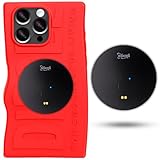
Overview: The BGERA Magnetic X3 leverages cutting-edge AI technology to deliver real-time translation across 138 languages with sub-second response times. Its innovative magnetic design allows attachment to metal surfaces, while dual noise-canceling microphones ensure clarity in chaotic environments. Powered by ChatGPT integration, it supports voice, text, and photo translation with downloadable offline packs and delivers 8 hours of continuous use.
What Makes It Stand Out: The magnetic attachment system is genuinely innovative—mount it to hotel room lamps, restaurant tables, or rental car dashboards for hands-free operation. ChatGPT integration promises more contextual, nuanced translations than traditional engines. Dual microphone array provides superior audio isolation, while the sub-1-second response time creates natural conversation flow. The 72-hour standby time ensures it’s ready whenever needed.
Value for Money: Priced at $79.99, the X3 positions itself as a feature-rich mid-range contender. The magnetic design and ChatGPT integration differentiate it from similarly priced competitors lacking offline modes. While the offline language count isn’t specified, the ability to download packs provides essential backup. This pricing undercuts premium brands while offering comparable core specifications.
Strengths and Weaknesses: Strengths: Innovative magnetic mounting; ChatGPT-powered translations; rapid response time; dual noise-canceling mics; comprehensive offline support; excellent standby battery life. Weaknesses: Magnetic feature may be gimmicky for some users; unspecified number of offline languages; continuous use battery life is average; white color shows wear during travel.
Bottom Line: The BGERA X3 appeals to tech-savvy travelers wanting the latest AI translation technology in a practical form factor. Its magnetic design solves real hands-free needs, while ChatGPT integration suggests superior translation quality. For users wanting innovation without premium pricing, this device hits the sweet spot of modern features and reasonable cost.
Understanding Language-Translation Voice Stations
What These Devices Actually Do
Language-translation voice stations are purpose-built hardware solutions designed for real-time, bidirectional spoken language conversion. Unlike general-purpose smart speakers or smartphone apps, these units prioritize translation accuracy, conversation flow, and hospitality-specific use cases. They listen to spoken words in one language, process the speech through advanced neural machine translation engines, and output natural-sounding speech in the target language—typically within one to two seconds.
How They Differ from Consumer Translation Apps
The key distinction lies in their architectural focus. Consumer apps are designed for individual travelers translating menus or asking directions. Hospitality-grade voice stations, however, are built for shared environments, multi-user scenarios, and continuous operation. They feature far-field microphone arrays that capture speech from across a room, robust speaker systems that cut through ambient noise, and interfaces that don’t require personal device pairing or app downloads from your guests.
Why Translation Technology Matters for Short-Term Rentals
The Direct Impact on Review Scores
Communication clarity directly correlates with review ratings. Guests who struggle to understand house rules, appliance operations, or local recommendations often deduct stars—not because your property lacks quality, but because they felt confused or anxious during their stay. A translation station transforms these friction points into moments of impressive service that guests specifically mention in glowing reviews.
Reducing Host Workload and Interruption
Without on-site translation support, hosts become 24/7 interpreters. Every question about thermostat settings, trash collection schedules, or Wi-Fi passwords becomes a phone call or message requiring your immediate attention. Voice stations empower guests to help themselves and each other, reducing your operational overhead while actually improving response times.
Creating Inclusive Experiences
Accessibility extends beyond physical accommodations. True hospitality means making every guest feel equally welcome regardless of their native language. When a non-English speaking family can fully understand your welcome guide and interact with your smart home features, you’re not just providing convenience—you’re demonstrating respect and cultural awareness that builds loyalty.
Key Features to Evaluate Before Investing
Translation Accuracy and Engine Quality
Not all translation engines are created equal. Look for devices leveraging neural machine translation (NMT) rather than older statistical models. NMT systems understand context, idioms, and colloquialisms far better, producing translations that sound natural rather than robotic. The best stations also incorporate hospitality-specific language models trained on hotel and rental property terminology.
Language Pair Coverage Depth
While many devices advertise “100+ languages,” the real question is which language pairs they support. A device might translate from English to Mandarin beautifully but struggle with Japanese to Spanish conversations. Evaluate based on your actual guest demographics. If 40% of your bookings come from German speakers, ensure robust German-English bidirectional support rather than being impressed by total language counts.
Response Time and Conversation Flow
Translation speed determines whether a device feels like a helpful tool or a frustrating obstacle. Industry-leading stations process and speak translations in under 1.5 seconds. Anything longer disrupts natural conversation rhythm. Test devices for their ability to handle interruptions, mid-sentence corrections, and rapid back-and-forth exchanges—common scenarios when guests ask follow-up questions.
Offline vs. Cloud-Based Translation: Which Model Suits Your Property?
The Reliability Factor of Offline Devices
Offline-capable stations store language packs locally, functioning during internet outages or in properties with unreliable connectivity. This is non-negotiable for rural cabins, international locations with spotty infrastructure, or urban apartments where Wi-Fi can be temperamental. Offline models process translations on-device, ensuring consistent performance regardless of network conditions.
Cloud-Based Advantages in Accuracy and Updates
Cloud-connected devices typically offer superior accuracy because they access continuously updated translation engines and can leverage context from massive datasets. They also receive regular firmware updates and new language additions automatically. However, they become expensive paperweights during internet disruptions, making them risky for hosts who can’t guarantee 99% uptime.
Hybrid Models: The Best of Both Worlds
Premium stations now offer hybrid operation, using offline mode as a fallback while defaulting to cloud processing for optimal accuracy. These devices automatically switch between modes based on connectivity, ensuring uninterrupted service. For most hosts, hybrid represents the ideal balance, though it typically comes at a higher price point.
The Importance of Multi-Turn Conversation Capability
Context Retention Across Exchanges
Basic translators treat each utterance as isolated. Advanced stations maintain conversation context, understanding that when a guest asks “How does the coffee maker work?” and follows up with “What about the grinder?”, the pronoun refers to the previously mentioned topic. This contextual awareness eliminates repetitive explanations and creates fluid, natural interactions.
Handling Clarification Questions
Real conversations involve misunderstandings and clarifications. Quality devices recognize when a guest says “Can you repeat that?” or “I don’t understand” and automatically rephrase or simplify their previous translation. Some even detect confusion in tone and proactively offer alternative phrasings—crucial for explaining complex instructions like hot tub operations or security system arming.
Dialect and Regional Variation Support
Beyond Standard Language Versions
Mexican Spanish differs significantly from Castilian Spanish. Brazilian Portuguese varies from European Portuguese. A guest from Shanghai speaks Mandarin differently than someone from Beijing. High-end translation stations recognize these variations and adjust vocabulary, pronunciation, and formality levels accordingly. This prevents awkward moments where technically correct translations sound foreign or inappropriate to your specific guests.
Slang and Colloquialism Handling
The best devices don’t just translate words—they translate meaning. When a British guest says “I’m knackered” or an Australian mentions “arvo,” superior stations interpret these colloquialisms correctly rather than translating them literally. This capability becomes especially valuable when guests use informal speech to express needs or concerns.
Privacy and Data Security Considerations
Guest Data Protection Requirements
Translation stations process sensitive conversations—guests might discuss personal plans, financial matters, or private concerns. Ensure any device you consider is GDPR-compliant and clearly states how voice data is handled. Look for models with physical mute buttons, LED indicators showing when microphones are active, and explicit policies about data deletion timeframes.
Local Data Processing vs. Cloud Storage
Some premium devices offer on-device processing even in cloud mode, meaning audio is translated locally and only anonymous text data is sent for improvement. Others store full audio recordings. For rental properties, prioritize devices with minimal data retention policies and clear opt-out mechanisms. Your guests should feel comfortable having private conversations without worrying about being recorded.
Integration with Smart Home Ecosystems
Voice-Controlled Property Management
Modern translation stations can integrate with smart locks, thermostats, and lighting systems, allowing guests to control your property in their native language. A guest can say “Make it warmer” in French, and the device both translates the request and executes the thermostat adjustment. This creates a seamless experience where translation and control merge into one intuitive interface.
Custom Command Programming
Advanced hosts can program property-specific commands. Create translations for “Where are extra towels?” that trigger the device to respond with the location and also send a notification to your cleaning staff. Or program “Late checkout request” to automatically check your calendar and respond with availability. This transforms the device from a simple translator into a hospitality automation hub.
Audio Quality and Noise Cancellation Factors
Far-Field Microphone Array Performance
Kitchens with running water, living rooms with TVs, and entryways with street noise—these are real rental environments. Quality stations use beamforming microphone arrays that isolate voices from background noise. Test devices by running a faucet or playing music while speaking commands. The best units maintain accuracy even in challenging acoustic environments.
Speaker Clarity for Diverse Hearing Abilities
Your guests may include elderly travelers or those with hearing impairments. Look for devices with adjustable speech rates, clear enunciation settings, and sufficient volume range without distortion. Some stations offer hearing loop compatibility or visual text displays as supplementary output, ensuring accessibility for all guests.
Battery Life and Power Options for Different Hosting Scenarios
Continuous Operation Requirements
For fixed installations in common areas, plug-in power is standard. But consider scenarios where portability matters: showing guests around the property, outdoor spaces, or emergency situations. Battery-powered models should offer minimum 8-10 hours of active use. Pay attention to standby time—some devices drain quickly even when idle.
Power Failure Backup Systems
Properties in areas prone to outages need translation stations with battery backup that automatically activates during power loss. This isn’t just about convenience; it’s about safety. Guests need to understand emergency procedures, contact information, and evacuation routes even when the electricity is out. A device that dies during a crisis is worse than no device at all.
Durability and Design Aesthetics for Rental Properties
Commercial-Grade Build Quality
Rental properties experience heavy use and occasional abuse. Consumer-grade devices with delicate finishes won’t survive. Look for stations with reinforced corners, spill-resistant designs, and scratch-resistant surfaces. Some hospitality models undergo drop-testing from counter height and feature replaceable outer shells—practical considerations that extend device lifespan significantly.
Design Integration with Interior Decor
A clunky, industrial-looking device clashes with carefully curated Airbnb aesthetics. Premium stations offer interchangeable faceplates, minimalist designs, and compact footprints that blend with various decor styles. Some mount discreetly under counters or integrate into existing smart home hubs, remaining functional without becoming visual focal points.
Cost Analysis: Budgeting for Translation Technology
Initial Investment vs. Long-Term Value
Entry-level stations start around $150, while professional hospitality models exceed $600. Calculate cost per booking: if you host 200 nights annually and the device prevents even three negative reviews that would have cost you future bookings, ROI becomes clear. Factor in potential rating improvements that elevate you to Superhost status, where visibility increases drive 20-30% more bookings.
Subscription Models and Hidden Costs
Many devices require monthly subscriptions for premium features, cloud processing, or language pack updates. A $200 device with a $15 monthly fee costs $380 over one year—nearly double the sticker price. Evaluate total cost of ownership, including potential international data roaming if your property is abroad. Some hosts pass these costs to guests as optional amenities, similar to premium Wi-Fi upgrades.
Bulk Pricing for Multi-Property Hosts
Managing several listings? Negotiate enterprise pricing. Many manufacturers offer 30-40% discounts for hosts purchasing three or more units. Consider standardizing across properties to simplify staff training and create consistent guest experiences. Some providers offer fleet management dashboards where you can monitor all devices, push updates, and track usage analytics centrally.
Implementation Strategies for Hosts
Optimal Placement Throughout Your Property
Strategic positioning maximizes utility. Place one station in the entryway for check-in questions, another in the kitchen for appliance instructions, and a third in living areas for general queries. Avoid bedrooms due to privacy concerns unless guests specifically request them. Mount devices at chest height for easy access and optimal microphone performance.
Creating a Translation-Friendly Environment
Reduce background noise by adding soft furnishings that absorb sound. Provide clear sightlines to the device—don’t hide it behind plants or decor. Include simple visual guides showing which languages the device supports and basic activation phrases. Some hosts place QR codes nearby linking to video tutorials in multiple languages, creating a multi-layered support system.
Training Your Cleaning Staff and Co-Hosts
Basic Operation Protocols
Your team needs to know how to power-cycle devices, recognize error indicators, and perform basic troubleshooting. Create laminated quick-reference cards in your staff’s native language. Schedule quarterly refreshers since firmware updates can change interfaces. Ensure cleaners know to wipe devices with appropriate cloths—touchscreens and microphones require specific care to avoid damage.
Privacy-Respecting Maintenance Practices
Staff should understand when devices are actively listening and respect guest privacy during turnovers. Establish protocols for checking mute button status and reporting suspicious behavior. Some hosts require staff to sign confidentiality agreements acknowledging that translation devices may capture private conversations and that this data is protected.
Measuring ROI and Guest Satisfaction Impact
Tracking Usage Analytics
Advanced stations provide dashboards showing which languages are used most, common query topics, and peak usage times. Use this data to improve your listing descriptions, preemptively address frequent questions, and identify when guests typically need help. If 60% of translation requests occur between 8-10 PM, consider being proactively available during that window.
Review Sentiment Analysis
Monitor review keywords before and after implementation. Track mentions of “communication,” “helpful,” “easy check-in,” and “host responsiveness.” Use translation devices yourself during guest interactions and specifically mention this amenity in your listing. Many guests book specifically because they see you’ve invested in breaking language barriers.
Direct Guest Feedback Collection
Include a brief question in your post-checkout survey: “Did the translation device enhance your stay?” Offer response options in multiple languages using the same translation technology. Guests appreciate being asked and often provide specific suggestions for improvement, like adding particular languages or repositioning devices.
Frequently Asked Questions
How many languages do I realistically need for my Airbnb?
Focus on your top 5-7 guest demographics rather than total language counts. Analyze your booking data from the past year—if 70% of guests speak English, Spanish, French, German, and Mandarin, prioritize devices excelling in those specific pairs. Additional languages are bonus features, but core competency in your primary demographics drives real value.
Will guests feel uncomfortable with a listening device in my property?
Transparency is key. Clearly disclose the device’s presence in your listing description and during check-in. Emphasize privacy features like physical mute buttons and data deletion policies. Position devices only in common areas, never private spaces. Most guests appreciate the effort to communicate more than they worry about privacy, especially when you address concerns proactively.
Can these devices replace my welcome book entirely?
They complement but don’t replace written materials. Translation stations excel at interactive Q&A but shouldn’t be the sole source for critical information like emergency contacts or house rules. Create a hybrid system: a concise visual welcome guide plus translation support for clarifications. This ensures guests have access to information even if the device malfunctions.
What happens if the device makes a translation error?
Even the best systems aren’t perfect. Program your device with a “slow down” or “repeat slowly” command that guests can use when misunderstandings occur. Keep a backup translation app on your phone for verification. Most errors occur with technical terminology, so pre-program common property-specific terms to improve accuracy.
Are there legal considerations for recording guest conversations?
Yes. Laws vary dramatically by jurisdiction. In single-party consent areas, you’re generally compliant if you disclose the device. In two-party consent regions, you may need explicit written permission. Consult local short-term rental regulations and Airbnb’s policies. Many hosts include a brief clause in their rental agreement specifically addressing translation device usage.
How do I handle updates and maintenance across multiple properties?
Choose devices with remote management capabilities. Fleet dashboards let you push updates, change settings, and monitor status from anywhere. Schedule automatic updates during low-occupancy periods. Keep one spare unit per property that you can swap in immediately if a device fails, minimizing guest impact.
Can children use these devices effectively?
Most stations struggle with high-pitched voices and simplified grammar. However, newer models include “child mode” with enhanced speech recognition for younger users and simpler vocabulary output. If you host families frequently, test devices with child speakers before purchasing. Consider placing a device at lower height in family-friendly properties.
What’s the lifespan of a typical translation station?
Commercial-grade devices last 3-5 years with heavy use. Battery performance degrades after 2 years of constant charging cycles. Plan for replacement every 3 years as translation engines evolve dramatically. Budget $150-200 annually as a cost of doing business, similar to Wi-Fi upgrades or linen replacements.
Do I need separate devices for indoor and outdoor spaces?
Outdoor-rated models exist but cost 40-60% more. For most hosts, a portable battery-powered indoor unit that can be temporarily brought outside suffices. If you have a permanent outdoor kitchen or seating area used year-round, invest in a weatherproof model. Otherwise, prioritize indoor placement where 90% of guest interactions occur.
How can I market this amenity to attract more international bookings?
Feature the translation station prominently in your listing photos and description. Use phrases like “Language barriers eliminated” and “Feel at home in any language.” Mention specific languages supported. Collect reviews mentioning the device and pin them to your profile. Consider creating a short video demonstration showing the device in action, which you can embed in your listing description.