A single undetected water leak can unleash thousands of dollars in damage before you even realize there’s a problem. From warped hardwood floors and toxic mold growth to compromised foundations and destroyed heirlooms, water damage ranks among the most common and costly home insurance claims year after year. The good news? Technology has evolved from simple moisture detectors to sophisticated whole-home guardians that don’t just alert you to leaks—they stop them automatically.
Today’s leak and moisture sensors paired with automatic water shut-off valve kits represent a fundamental shift from reactive damage control to proactive home protection. These intelligent systems act as 24/7 sentinels, monitoring everything from subtle drips behind your washing machine to catastrophic pipe bursts while you’re on vacation. But not all systems are created equal, and choosing the right solution requires understanding a complex landscape of features, compatibility issues, and installation considerations that many homeowners overlook until it’s too late.
Top 10 Leak & Moisture Sensors with Automatic Water Shut-Off Valve Kits
Detailed Product Reviews
1. YoLink DIY Automatic Water Leak Detection & Shut-Off Starter Kit, EVO Valve Operator, Wireless Valve Controller, (3) Leak Sensors, Hub
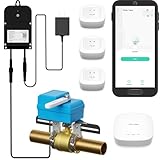
Overview: The YoLink DIY Kit delivers comprehensive leak protection with three sensors, a smart valve controller, EVO manipulator, and hub for $227.99. This system monitors multiple zones simultaneously and automatically shuts off your water supply when leaks are detected, making it ideal for homeowners seeking reliable, whole-property protection without monthly fees.
What Makes It Stand Out: Its Device-to-Device (D2D) technology ensures valves close even during power or internet outages—a critical feature competitors often lack. The LoRa-based system provides an impressive quarter-mile range, letting you place sensors in remote basements or attics. Integration with Alexa, Google Assistant, IFTTT, and Home Assistant adds exceptional flexibility.
Value for Money: At $228, this kit costs less than most insurance deductibles while preventing costly water damage. The inclusion of 30 free monthly SMS alerts across five devices provides immediate value, and the professional-grade LoRa technology typically found in pricier commercial systems makes it a smart long-term investment.
Strengths and Weaknesses: Strengths include unmatched offline reliability, extensive smart home integration, exceptional wireless range, and multi-channel alerts. Weaknesses involve the 5-device SMS limit (though expandable), initial setup complexity for non-tech users, and the hub requirement adding one more component to manage.
Bottom Line: Perfect for tech-savvy homeowners wanting robust, reliable protection that works when everything else fails. The D2D functionality alone justifies the price for those in areas with frequent outages.
2. Zuomeng Washing Machine Water Leak Detector Kit with Dual Power Supply, Precise Sensor, Automatic Shut-Off Hot & Cold Valves 3/4" 90° , Alarm Sound and Alarm Light

Overview: The Zuomeng Washing Machine Kit provides targeted leak protection for $189.99, featuring precise floor sensors that trigger automatic shutoff of both hot and cold water supplies. Designed specifically for laundry rooms, it includes a 90-degree brass valve system, audible alarms, and visual warning lights to prevent appliance-related flooding.
What Makes It Stand Out: Dual power capability (plug-in or 4 AA batteries) ensures continuous operation during outages—a standout feature for this price point. The full-port solid brass valves handle up to 150 PSI with a 40-year lifespan, offering commercial-grade durability. The immediate audio-visual alerts provide instant local warning beyond just shutting the valve.
Value for Money: At $190, it’s cheaper than most plumber call-outs and prevents damage that could cost thousands. The included installation accessories and waterproof tape eliminate extra purchases, while the dual-power redundancy mirrors premium systems costing significantly more.
Strengths and Weaknesses: Strengths include dual-power flexibility, loud audible alarms, bright indicator lights, straightforward DIY installation, and robust brass construction. Weaknesses are its washing-machine-only focus limiting whole-home use, batteries not included, and lack of smart home integration or remote notifications.
Bottom Line: An excellent choice for renters or homeowners primarily concerned with washing machine leaks. The dual-power reliability and local alarms make it ideal for those wanting simple, effective protection without smartphone dependency.
3. YoLink DIY Automatic Water Leak Detection & Shut-Off Starter Kit, Valve Operator, X3 Version Wireless Valve Controller, (4) Leak Sensors, Hub

Overview: YoLink’s premium X3 kit at $359.99 expands protection with four leak sensors, an upgraded X3 valve controller, operator, and hub. This system functions during WiFi, internet, and power outages through YoLink Control D2D pairing, making it the most resilient option for larger properties or smart home enthusiasts building a comprehensive ecosystem.
What Makes It Stand Out: Scalability to 300+ devices per hub with quarter-mile LoRa range supports everything from single-family homes to high-rise condos. The hub serves as a foundation for YoLink’s growing ecosystem—including security, lighting, and climate control—transforming leak protection into a whole-home automation platform. Voice control through Alexa and Google adds convenience.
Value for Money: While $360 represents a premium investment, you get four sensors (versus three in the base kit), superior X3 hardware, and unmatched expandability. For those planning multiple smart home additions, this eliminates the need for separate hubs, saving money long-term compared to buying individual systems.
Strengths and Weaknesses: Strengths include exceptional scalability, offline reliability, industry-leading device capacity, and future-proof smart home integration. Weaknesses involve the highest price point, potential overkill for small apartments, and a steeper learning curve for automation setup.
Bottom Line: Best suited for large homes, multi-unit properties, or serious smart home adopters. If you’re planning beyond leak detection, this kit’s ecosystem approach and expansion capabilities make it worth every penny.
4. E-SDS Water Leak Detector with Shutoff Valve,Sensors and Sounds Alarm,Automatic Water Leak Shut Off Valve System,for Pipes 3/4 NPT,Flood Prevention for Laundry,Water Heaters and More

Overview: The E-SDS Leak Detector offers essential automatic shutoff protection for $109.99, making it the most budget-friendly option in this roundup. The system includes a 3/4-inch NPT brass ball valve, floor sensor with 19.68-foot cable, and manual controls, targeting laundry rooms, water heaters, and other single-appliance locations where simplicity matters most.
What Makes It Stand Out: Vacation mode allows manual water shutoff while traveling—a simple but valuable feature absent in many basic systems. The extensive sensor cable length provides flexibility in placement, and the system handles temperatures up to 100°C (212°F), accommodating hot water applications. Straightforward installation requires no professional help or special tools, making it accessible to everyone.
Value for Money: At $110, this costs less than a single smart home sensor from premium brands, yet delivers core automatic shutoff functionality. For homeowners wanting basic protection without complexity or recurring costs, it delivers undeniable value, though smart features are sacrificed for affordability.
Strengths and Weaknesses: Strengths include unbeatable affordability, simple operation, vacation mode, long sensor cable, and easy DIY installation. Weaknesses are lack of smart integration, no remote notifications, smaller internal port size reducing flow rate, and absence of battery backup.
Bottom Line: Ideal for budget-conscious buyers or as supplemental protection for secondary appliances. While lacking advanced features, it reliably performs its core mission—automatically stopping leaks—at a price anyone can afford.
5. iSpring LS43WL Smart Leak Shut-Off System, Automatic Water Leak Detector with 1 Wired & 1 Wireless Sensor, Whole-Home Water Damage Protection, 1" MNPT + 3/4" FNPT
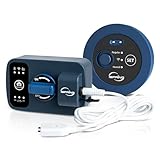
Overview: The iSpring LS43WL protects entire homes by installing at the main water inlet for $156.98. It automatically shuts off water within 20 seconds of detection using one wired and one wireless sensor. The system features dual detection modes and supports both 1-inch MNPT and 3/4-inch FNPT connections, offering whole-home coverage from a single point.
What Makes It Stand Out: Dual sensors with Regular and Humid modes adapt to different environments—preventing false alarms in naturally damp areas like basements while ensuring instant response in dry spaces. The main-line installation stops leaks at the source rather than at individual appliances, providing comprehensive protection even for undetected pipe failures. The 20-second shutoff response is among the fastest available.
Value for Money: At $157, it bridges the gap between basic single-appliance units and premium multi-sensor kits. Whole-home protection from one installation point saves plumbing costs and complexity. The dual-sensor approach with adaptive modes adds sophistication typically found in systems costing twice as much.
Strengths and Weaknesses: Strengths include whole-home source protection, fast 20-second response, adaptive detection modes, flexible pipe connections, and straightforward DIY installation. Weaknesses are limited to two sensors (extras cost more), requirement for constant power connection, and lack of smart home ecosystem integration.
Bottom Line: Excellent for homeowners wanting comprehensive protection without multiple sensors. The main-line approach and adaptive detection make it perfect for those prioritizing whole-home coverage over room-by-room monitoring.
6. Water Leak Detector, Automatic Water Leak Alarm System, with 2X 3/4" NPT Shutoff Valves & 2 Sensors, Flood Prevention for Water Heater Laundry

Overview: This automatic water leak detection system provides dual-valve protection for water heaters and laundry setups. The package includes two brass 3/4" NPT shutoff valves and two sensors, with capacity to expand up to eight sensors total. Designed for 24/7 monitoring, it automatically shuts off water supply when leaks are detected while sounding an audible alarm, providing comprehensive flood prevention for utility rooms.
What Makes It Stand Out: The dual-valve configuration sets this apart from single-valve competitors, allowing protection of two appliances simultaneously. The expandable sensor network supporting up to eight sensors offers comprehensive coverage for larger utility rooms or multiple locations. Brass valve construction ensures durability and longevity, while the straightforward installation process makes it accessible for DIY homeowners without professional plumbing experience.
Value for Money: At $76.14, this system sits in the mid-range price bracket. The inclusion of two valves rather than one provides exceptional value compared to purchasing separate units for multiple appliances. While lacking brand-name recognition of premium options, the feature set rivals systems costing significantly more, making it a smart choice for budget-conscious consumers seeking comprehensive protection.
Strengths and Weaknesses: Strengths include dual-valve design, expandable sensor capacity, brass construction, and easy installation. The 24/7 monitoring capability provides peace of mind. Weaknesses involve the unknown manufacturer reputation, potentially shorter warranty periods than established brands, and basic alarm functionality without smart home integration or advanced diagnostics.
Bottom Line: This dual-valve system is ideal for homeowners needing to protect both a water heater and washing machine simultaneously. The expandable sensor network and solid brass valves make it a practical, cost-effective choice for utility room flood prevention where multiple appliances require monitoring.
7. E-SDS Water Heater Leak Detector with Automatic Water Shut-Off, Sensors and Sounds Alarm, ,Automatic Water Leak Shut Off Valve System for Pipes 1/2in NPT for Laundry, Water Heaters and More

Overview: The E-SDS leak detection system offers automated protection for water heaters and laundry appliances with a single 1/2" NPT brass valve. It includes a generous 19.68-foot sensor cable and features unique vacation mode functionality. The system automatically shuts off water when leaks are detected and provides manual controls for reset and operation, making it suitable for residential and commercial environments.
What Makes It Stand Out: Vacation mode distinguishes this system, allowing users to manually shut off water during extended absences. The exceptionally long sensor cable provides flexible placement options far from the controller. Manual open/close buttons and reset functionality add user control not found in basic models. Hot water compatibility up to 100°C expands application possibilities beyond standard cold-water systems.
Value for Money: Priced at $89.99, this system commands a slight premium over basic models. The vacation mode and extended sensor cable justify the additional cost for frequent travelers. However, the 1/2" NPT size may require adapters for standard 3/4" connections, adding potential installation costs. The noted smaller internal port size also reduces flow rate compared to full-port valves.
Strengths and Weaknesses: Strengths include vacation mode, long sensor cable, manual controls, hot water capability, and audible alarm. The system is versatile for residential and commercial use. Weaknesses are the smaller 1/2" NPT size requiring potential adapters, noted smaller internal port size reducing flow rate, and single-valve limitation compared to dual-valve alternatives.
Bottom Line: Perfect for travelers and second-home owners, the vacation mode and extensive sensor cable make this a smart investment. Ensure your plumbing accommodates 1/2" NPT before purchasing, as adapter requirements may complicate installation.
8. iSpring LS43 Water Leak Detector Alarm System, Automatic Shut-Off Valve and 2 Detection Sensors, Connects Up to 8 Sensor to Prevent Flooding, 3/4" NPT

Overview: iSpring’s LS43 system brings brand-name reliability to leak detection with a 3/4" NPT automatic shut-off valve and two included sensors. Designed for whole-house installation, it connects up to eight sensors and provides instant water shutoff when leaks are detected. The system includes a one-year warranty and lifetime customer support, distinguishing it from generic alternatives.
What Makes It Stand Out: iSpring’s established reputation in water treatment systems lends credibility and reliability. Lifetime customer support is a standout feature rarely offered in this category. The 3/4" NPT full-port valve maintains proper water pressure throughout the house. Whole-house design philosophy ensures comprehensive protection rather than single-appliance focus, making it a true home infrastructure component.
Value for Money: At $149.99, this is a premium-priced option. The cost is justified by brand reputation, warranty coverage, lifetime support, and quality components. While significantly more expensive than no-name alternatives, the peace of mind and customer service access provide long-term value that budget options cannot match. It’s an investment in proven reliability.
Strengths and Weaknesses: Strengths include reputable brand backing, lifetime support, 1-year warranty, standard 3/4" NPT sizing, and expandable sensor network. The system is well-suited for whole-house protection. Weaknesses are the higher price point, inclusion of only two sensors when competitors offer more, and potential overkill for single-appliance installations.
Bottom Line: For homeowners prioritizing brand reliability and comprehensive support, the iSpring LS43 is worth the premium. It’s best suited for whole-house protection rather than isolated appliances, making it ideal for proactive homeowners protecting their entire property.
9. Max Water Leak Detector Automatic Shut-Off Valve – Stop Water Supply When Water Leaks for RO (Reverse Osmosis) and Under Sink Water Filtration System (Leak Detector Shut Off Valve 20 MM Pad)
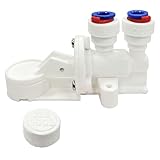
Overview: Max Water offers a compact, specialized leak stop valve designed specifically for under-sink RO systems and water filtration units. This budget-friendly device features quick-connect 1/4" fittings and a moisture-sensitive pad that triggers immediate water shutoff. It’s engineered for point-of-use applications rather than whole-house protection, making it perfect for renters and homeowners with filtration systems.
What Makes It Stand Out: The ultra-low price point makes professional-grade leak protection accessible for under-sink installations. Universal quick-connect fittings ensure compatibility with most RO and filtration systems from major brands. The fast-acting mechanism responds instantly to moisture, preventing small leaks from becoming major damage. Versatile application extends beyond RO to coffee machines, ice makers, and other small appliances.
Value for Money: At $11.25, this represents exceptional value for targeted protection. Whole-house systems cost 7-10 times more but are unnecessary for single-appliance installations. The included mounting screws and detection pad add convenience. Replacement pads are inexpensive compared to the cost of water damage, making this a cost-effective insurance policy.
Strengths and Weaknesses: Strengths include affordability, easy installation, compact size, versatility across multiple small appliances, and quick-connect compatibility. The system is ideal for renters and DIY installations. Weaknesses involve limited flow capacity, unsuitability for high-pressure applications, pad replacement requirements, and lack of audible alarm or smart notifications.
Bottom Line: An essential safeguard for any under-sink RO or filtration system. The Max Water valve provides affordable, reliable protection where it matters most, making it a no-brainer addition to existing installations for peace of mind.
10. 1/4", 3/8", or High Flow Leak Stop Valve, Automatic Water Shut Off Valve, Leak Detector, Leak Protection for Reverse Osmosis to Full Flow Under Sink Water Filters (1/4" 1-Pack)

Overview: Filtration Warehouse delivers a universal leak stop valve compatible with 1/4" and 3/8" water lines, serving RO/DI systems and under-sink filters. This economical device uses a moisture-absorbing pad that expands to shut off water instantly when wet. The adhesive strip mounting enables tool-free installation in seconds, making it accessible for all skill levels.
What Makes It Stand Out: Universal compatibility with major filtration brands sets this apart, working seamlessly with Waterdrop, iSpring, APEC, and dozens more. The quick pad replacement system simplifies reset after activation—simply dry the cage and insert a new pad. Multiple size options accommodate various tubing configurations, while the adhesive mounting eliminates drilling and permanent modifications.
Value for Money: At $11.29, this matches the budget segment while offering broader compatibility than competitors. The ability to work with both 1/4" and 3/8" lines adds versatility. Fast pad replacement reduces long-term maintenance costs, and preventing a single leak pays for the device many times over, delivering outstanding return on investment.
Strengths and Weaknesses: Strengths include universal brand compatibility, multiple size options, adhesive mounting, simple pad replacement, and fast-acting mechanism. The system is perfect for renters. Weaknesses are small-appliance limitation, ongoing pad replacement costs, lack of alarm notification, and potential adhesive failure in humid under-sink environments over time.
Bottom Line: For under-sink filtration system owners, this universal valve offers unmatched compatibility and ease of use. The Filtration Warehouse valve is an inexpensive insurance policy against costly water damage that every filtration system should have.
Understanding Leak Detection and Automatic Shut-Off Systems
How These Systems Work
At their core, these protective systems create a closed loop of continuous monitoring and instant response. Wireless moisture sensors placed throughout your home constantly check for water presence, abnormal humidity levels, and temperature changes that could indicate freezing pipes. When a sensor detects an anomaly, it transmits a signal to a central control hub within milliseconds. The hub then commands the motorized shut-off valve installed on your main water line to close, stopping the flow before the leak becomes a flood. Simultaneously, you receive immediate smartphone notifications detailing which sensor triggered the alert, allowing you to assess the situation in real-time.
The True Cost of Water Damage
The financial argument for installing these systems becomes stark when you examine the numbers. The average water damage insurance claim exceeds $10,000, but that’s just the beginning. You’re also facing deductibles, potential premium increases, and countless expenses insurance won’t cover: temporary housing, lost work time, and the emotional toll of displacement. High-value items like vintage furniture, electronics, and sentimental possessions often can’t be replaced at any price. A comprehensive leak detection system typically costs less than your insurance deductible, making it one of the few home improvements that literally pays for itself after preventing just one incident.
Key Components of a Complete Kit
Smart Sensors vs. Traditional Sensors
The evolution from traditional to smart sensors marks a massive leap in capability. Traditional sensors simply beep when wet, requiring someone to be home to hear them. Modern smart sensors communicate wirelessly, provide specific location data, monitor battery life, and even track temperature and humidity trends. Look for sensors with metal probe feet that detect water from any direction, not just the bottom. The best units include onboard memory that logs detection events, helping you identify recurring issues like condensation cycles or slow-developing pinhole leaks.
The Shut-Off Valve Mechanism
The shut-off valve represents the muscle of your system, and its design significantly impacts reliability. Ball valve mechanisms generally outperform gate valves for this application, providing a more positive seal and longer service life. Pay attention to the valve’s torque rating and motor specifications—a quality unit should close your main water line in 5-10 seconds but also include safety features that prevent it from applying excessive force that could damage your plumbing. Some advanced systems incorporate manual override capabilities, allowing you to operate the valve by hand during power outages or maintenance.
The Control Hub: Your System’s Brain
Don’t underestimate the importance of the control hub’s processing power and memory. This device manages communications between dozens of sensors, executes shut-off commands, stores historical data, and maintains your system’s security protocols. Hubs with local processing capabilities continue functioning even if your internet connection fails—a critical feature during storms when leaks are most likely but connectivity is compromised. Evaluate the hub’s antenna strength and whether it supports mesh networking, which allows sensors to relay signals through each other, extending range across large properties.
Critical Features to Evaluate
Connectivity Options: Wi-Fi, Zigbee, Z-Wave, and More
Your system’s communication protocol affects everything from reliability to smart home integration. Wi-Fi offers straightforward setup and direct internet access but can congest your network and may fail during router issues. Zigbee and Z-Wave create dedicated mesh networks that are more reliable and consume less power, extending sensor battery life to 5-10 years versus 1-2 years for Wi-Fi. Some premium systems use proprietary frequencies that avoid interference entirely. Consider whether the system requires a persistent cloud connection or offers local control—cloud-dependent systems become expensive paperweights when servers go offline.
Power Source Considerations
Power redundancy separates robust systems from risky ones. Battery-only sensors are easier to install but require diligent monitoring. Hardwired sensors with battery backup provide superior reliability, especially for the shut-off valve itself, which should include a rechargeable battery capable of multiple operations during outages. Investigate the system’s power failure behavior—does it default to an open or closed valve position? The safest systems default to closed, preventing water flow when power is lost, though this requires careful consideration for homes with boilers or other water-dependent heating systems.
Sensor Range and Coverage Area
Manufacturers often advertise impressive sensor ranges, but real-world performance varies dramatically based on your home’s construction. Concrete walls, metal appliances, and insulation can reduce effective range by 70% or more. Calculate your needs by measuring the farthest distance from your planned hub location to the most remote sensor location, then add a 50% safety margin. For homes exceeding 4,000 square feet or with outbuildings, prioritize systems with repeater capabilities or multiple hub support. Remember that water tends to accumulate in the lowest points—basements, crawl spaces, and utility rooms—often the most challenging locations for wireless signals.
Response Time: When Seconds Matter
System response time encompasses three phases: detection latency, communication speed, and valve closure time. Premium systems complete the entire cycle in under five seconds, while budget options may take 30 seconds or more. That difference translates to gallons of water saved or lost. Request specific timing data from manufacturers, but also search for independent testing reviews. Some systems advertise “instant” response but slow down significantly when managing multiple sensors or during peak network usage. Look for systems that prioritize leak alerts above all other communications.
Integration with Smart Home Ecosystems
A leak detection system that operates in isolation misses opportunities for comprehensive home protection. Integration with smart thermostats can trigger automatic heating increases when freeze warnings occur. Connection to security systems can flash lights or sound alarms when leaks are detected. Voice assistant integration lets you check system status hands-free while investigating an alert. However, balance convenience against security—each integration point represents a potential vulnerability. The best systems offer granular control, letting you enable specific integrations while keeping critical functions isolated.
Mobile App Functionality and Alerts
The mobile app serves as your primary interface during emergencies, so its design directly impacts your response effectiveness. Evaluate apps based on alert clarity—does it clearly state which sensor triggered and provide a logical name like “Laundry Room - Water Heater”? Look for customizable notification tiers: critical alerts for active leaks, warning alerts for unusual humidity, and informational alerts for maintenance reminders. The ability to add photos of sensor locations within the app proves invaluable during 3 AM emergencies when you’re struggling to remember which sensor is “Bathroom 2 East.”
Installation Considerations
DIY vs. Professional Installation
Installing the shut-off valve on your main water line requires cutting pipe, which intimidates many homeowners. While DIY-friendly push-to-connect valves exist for certain pipe types, most systems benefit from professional installation, especially for copper or galvanized steel plumbing. Professional installation typically includes system configuration, sensor placement consultation, and testing—often worth the $200-500 cost. However, if you’re comfortable with plumbing and have accessible pipework, DIY installation can save money and give you deeper system knowledge for future troubleshooting.
Plumbing Compatibility: What to Check First
Before purchasing any system, identify your main water line’s material, diameter, and accessibility. Most kits accommodate common sizes (3/4" and 1" copper, PEX, and CPVC), but older homes with galvanized steel or non-standard sizes may require adapters. Measure the straight pipe length available for installation—most valves need 6-12 inches of clear pipe. Check for adequate clearance around the pipe for the valve’s motor housing, which can be surprisingly bulky. If your main line enters through a concrete wall or is buried in a tight crawl space, professional installation becomes almost mandatory.
Sensor Placement Strategy
Strategic sensor placement maximizes protection while minimizing costs. Prioritize locations with both high failure probability and high potential damage: water heaters, washing machines, dishwashers, refrigerator ice makers, and under kitchen sinks. Place sensors near but not directly under potential leak sources—water flows downward and outward, so positioning sensors 6-12 inches from appliances captures leaks while keeping the sensor itself dry during normal operation. For basements, create a perimeter defense along foundation walls where water first enters. Don’t forget HVAC condensate pans, sump pump pits, and rarely-accessed crawl spaces where slow leaks can fester for months.
Advanced Features Worth Considering
Temperature Monitoring and Freeze Alerts
Temperature sensors add a crucial layer of protection in cold climates. When temperatures drop near freezing, pipes become vulnerable even without direct water contact. Advanced systems monitor ambient temperature trends, not just current readings, predicting freeze risk before it occurs. Some integrate with your smart thermostat to automatically increase home temperature or open cabinet doors under sinks. The most sophisticated units include pipe-clamp sensors that directly monitor water temperature inside the pipe, providing the earliest possible warning of freezing conditions.
Flow Rate Analysis and Learning Patterns
Cutting-edge systems incorporate ultrasonic flow meters that measure water usage patterns throughout your home. By learning your family’s normal behavior—morning showers, irrigation schedules, dishwasher cycles—these systems can detect anomalies like a continuously running toilet or slow pipe leak that never reaches sensor pads. This “whole-home” detection catches problems in walls or slabs where sensors can’t be placed. Look for systems that distinguish between catastrophic leaks and minor issues, allowing you to set different response thresholds and avoid unnecessary shut-offs from legitimate high-usage events.
Multi-Zone Detection Capabilities
Large homes benefit from zoned systems that can isolate problems without cutting water to the entire house. These advanced setups use multiple valves or a single valve with sophisticated flow analysis to identify which branch line contains the leak. When a basement sensor triggers, the system closes only the basement branch while keeping upstairs bathrooms functional. This granularity requires more complex installation but proves invaluable during repairs, allowing you to continue using most of your home’s water while addressing the specific issue.
Battery Backup Systems
Beyond simple valve operation during outages, comprehensive battery backup strategies maintain full system functionality when the grid goes down. This includes sensor monitoring, hub processing, and alert transmission via cellular networks if Wi-Fi fails. Evaluate backup duration specifications carefully—a system that claims “24-hour backup” may only support the valve itself, not the entire ecosystem. The gold standard includes solar charging capabilities for extended outages and automatic notifications when backup power activates, alerting you to both the power failure and that your system remains vigilant.
Maintenance and Long-Term Reliability
Self-Testing Features
The irony of leak detection systems is that their silent operation can make you forget they exist—until they fail to work when needed. Premium systems include automated self-testing that periodically cycles the valve, checks sensor responsiveness, and verifies communication pathways. These tests occur during low-usage hours (like 3 AM) and send confirmation reports to your app. Some systems test valve operation monthly, moving it slightly to prevent corrosion-related seizing while confirming motor function. This proactive maintenance prevents the common failure mode where a valve sits untouched for years and can’t close when finally needed.
Firmware Updates and Security
Any internet-connected device represents a potential entry point for cyber threats, and a hacked water shut-off system could cause serious mischief. Evaluate manufacturers’ security track records and update policies. Do they provide regular firmware updates? Are security patches promptly issued? The best systems support automatic updates but allow you to schedule installation windows, preventing unexpected shut-offs during critical times. Look for systems with end-to-end encryption, two-factor authentication, and clear privacy policies about data collection. Remember, your system knows when you’re home based on water usage patterns—this data deserves strong protection.
Warranty and Support Considerations
Warranty terms reveal manufacturers’ confidence in their products. Standard warranties range from one to three years, but premium systems offer five to ten years on the valve mechanism itself. More importantly, investigate the support infrastructure. Does the company offer 24/7 emergency technical support? What happens if a sensor fails at 2 AM on a holiday weekend? Some manufacturers provide loaner equipment during repairs or advanced replacement programs. Check online communities and forums for real-world support experiences—companies that respond quickly to forum posts typically offer better phone support too.
Cost Analysis and Value Assessment
Initial Investment vs. Insurance Savings
Complete systems range from $300 for basic kits to $2,500 for whole-home installations with professional setup. While the upfront cost seems significant, many insurance companies offer premium discounts of 5-15% for certified leak detection systems. On a $1,500 annual policy, that’s $75-225 in yearly savings. Over a decade, insurance savings alone can offset the entire system cost. Additionally, some policies waive deductibles for water damage if a certified system was installed and functioning—potentially saving you $1,000 or more in out-of-pocket expenses during a claim.
Subscription Fees: The Hidden Cost
Many modern systems require monthly subscriptions for full functionality, typically $5-15 per month. These fees cover cellular backup, cloud storage of historical data, and advanced features like usage analytics. While seemingly nominal, these costs add $60-180 annually to your total cost of ownership. Some systems offer tiered subscriptions—basic alerts free, advanced analytics paid. Evaluate whether subscription features justify ongoing costs or if a one-time purchase system better suits your budget. Systems with local storage and processing eliminate subscription fees but may lack remote access capabilities when you’re away from home.
Frequently Asked Questions
How many sensors do I actually need for adequate protection?
Most 2,000 square foot homes require 6-10 sensors for comprehensive coverage. Start with high-risk areas: water heater, washing machine, kitchen sink, dishwasher, and each bathroom. Add sensors in basement corners and near HVAC units. It’s more cost-effective to install extra sensors during initial setup than to discover gaps after a leak. Many systems support 20-30 sensors, allowing you to expand protection as your budget permits.
Will these systems work with well water or septic systems?
Yes, but with important caveats. Well systems often have pressure tanks and pumps that create unique flow signatures. Look for systems with adjustable flow analysis parameters to avoid false triggers from normal pump cycling. For septic systems, the shut-off valve protects your home equally well, but ensure sensors aren’t placed where septic backups could damage them. Some advanced systems can distinguish between clean water leaks and sewage issues based on sensor location and flow patterns.
What happens if the system shuts off my water while I’m away?
This scenario highlights the importance of remote accessibility. Quality systems send immediate alerts with specific sensor identification, allowing you to assess the situation through home security cameras or by contacting a neighbor. Many systems include a “vacation mode” that increases sensitivity and provides detailed status reports. If the shut-off was a false alarm, you can remotely reopen the valve through the app. For extended absences, consider systems with professional monitoring services that can dispatch a plumber if needed.
Can I install sensors in inaccessible areas like behind dishwashers?
Absolutely, and these locations often need protection most. Use low-profile sensors designed for tight spaces, and consider sensor cables that allow the main unit to sit in an accessible area while the detection probes tuck into narrow gaps. Some systems offer remote sensor heads connected by thin wires, perfect for sliding under appliances. Just ensure you can access the sensor for battery replacement—use sensors with 5+ year battery life in difficult locations.
Do these systems require constant internet connectivity?
The best systems continue protecting your home during internet outages through local processing. However, you won’t receive remote alerts until connectivity restores. Critical functions—leak detection and valve shut-off—should never depend on cloud services. For maximum reliability, choose systems with cellular backup that send alerts via SMS during internet failures. Some premium systems can store days of data locally and sync when connectivity returns.
How do I prevent false alarms from humidity or condensation?
False alarms represent the most common frustration with these systems. Place sensors on slightly elevated bases to avoid minor condensation. Adjust sensor sensitivity settings based on location—bathrooms may need lower sensitivity than dry basements. Systems with humidity trending can distinguish between sudden leaks and gradual humidity increases. Some advanced sensors use algorithms that require sustained moisture contact for 30-60 seconds before triggering, filtering out brief condensation events.
What maintenance do these systems require beyond battery changes?
Annual maintenance should include manually testing the valve operation, cleaning sensor contacts with isopropyl alcohol, checking for firmware updates, and verifying alert contacts in your app. Test sensors by placing a damp cloth on each one quarterly. Inspect the valve for corrosion or mineral buildup, especially in hard water areas. Some systems benefit from dielectric grease on electrical connections in damp locations. Keep a log of test dates to ensure consistency.
Can these systems integrate with my existing security system?
Many modern systems offer IFTTT integration or direct partnerships with security companies like ADT, Ring, or Vivint. This integration allows leak alerts to trigger security system alarms, flash smart lights, or even unlock smart locks for emergency access. Check compatibility before purchasing, and verify whether integration requires additional hardware bridges. Some security companies offer their own leak detection add-ons, but standalone systems typically provide more comprehensive coverage.
What pipe materials are compatible with automatic shut-off valves?
Most quality valves accommodate copper, PEX, and CPVC through push-to-connect or compression fittings. Galvanized steel pipes require threaded adapters and often professional installation. Some systems offer specialized valves for PVC or polybutylene (though polybutylene should be replaced entirely). Measure your pipe’s outer diameter carefully—PEX and CPVC sizing differs from copper despite similar nominal sizes. When in doubt, consult a plumber before ordering, as returning an installed valve is often impossible.
How do I know if my system is still working properly?
Beyond self-tests, implement a monthly manual verification routine. Most apps include a “system health” dashboard showing battery levels, signal strength, and last communication times. Place a small piece of ice on temperature sensors monthly to verify freeze alerts. Check that valve position indicators in the app match physical reality. Some homeowners place a reminder on their calendar to briefly trigger a sensor with a damp finger quarterly. The peace of mind from regular verification far outweighs the minimal time investment.