Leaving your furry companion home alone can tug at any pet parent’s heartstrings. Whether you’re managing a busy work schedule or enjoying a well-deserved vacation, that nagging worry about what your pet might be up to never quite fades. Are they comfortable? Getting into mischief? Feeling anxious? Modern indoor security cameras have evolved far beyond simple burglary deterrents—they’ve become essential parenting tools for the conscientious pet owner, offering peace of mind and a virtual window into your pet’s world when you can’t be there physically.
Today’s pet-friendly security cameras blend sophisticated surveillance technology with features specifically designed for animal behavior and communication. From AI-powered pet recognition that distinguishes your cat from a swaying houseplant to two-way audio that lets you soothe a nervous pup, these devices transform how we care for our pets remotely. This comprehensive guide explores everything you need to know about selecting the perfect indoor security camera system for your pet-friendly home—no brand bias, no sponsored recommendations, just expert insights to help you make the most informed decision for your unique situation.
Top 10 Indoor Security Cameras for Pet-Friendly Homes
Detailed Product Reviews
1. Cinnado Security Camera Indoor-2K 360° WiFi Cameras for Home Security,Pet/Dog/Baby Camera with Phone app, 2-Way Audio, Night Vision, 24/7 SD Card Storage, Works with Alexa & Google Home (2.4Ghz)-D1

Overview: The Cinnado D1 redefines budget security with 2K resolution and full 360° pan/tilt coverage for just $14.99. This wired indoor camera monitors pets, babies, or elderly family members with crisp detail and comprehensive room visibility. Four invisible 940nm IR lights ensure clear night vision without disruptive glow, while the intuitive app enables remote control from anywhere.
What Makes It Stand Out: Delivering 2K quality under $15 is unprecedented, but the D1 adds a motion-triggered siren that actively deters intruders—rare in this price class. It automatically captures 10-second motion clips saved directly to the app, ensuring you never miss crucial moments. Multi-user sharing accommodates family access, and Alexa/Google integration provides convenient voice control.
Value for Money: Competing 2K pan/tilt cameras typically cost $30-50, making the D1’s sub-$15 price exceptional. The flexible storage options—free 30-day cloud trial or continuous SD recording up to 128GB—avoid subscription lock-in. For single-room security or pet monitoring, this offers professional-grade features at a fraction of market cost.
Strengths and Weaknesses: Pros: Remarkable 2K resolution for price; complete 360° rotation; effective siren deterrent; discreet night vision; broad smart home compatibility. Cons: 2.4GHz WiFi only; wired power restricts placement; SD card not included; no advanced AI detection; brand lacks long-term track record.
Bottom Line: The Cinnado D1 is an unbeatable entry point for indoor security. While it sacrifices wireless convenience and premium brand assurance, its core performance and revolutionary price make it perfect for budget-conscious buyers seeking reliable single-room monitoring.
2. LaView Security Cameras 4pcs, Home Security Camera Indoor 1080P, Wi-Fi Cameras Wired for Pet, Motion Detection, Two-Way Audio, Night Vision, Phone App, Works with Alexa, iOS & Android & Web Access
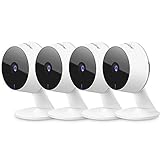
Overview: LaView’s four-camera bundle provides whole-home coverage for $69.99, making it ideal for comprehensive indoor monitoring. Each 1080p wired camera delivers reliable performance with night vision up to 33 feet, motion detection, and two-way audio. The system supports up to nine simultaneous live feeds through the LaView app or web browser, ensuring constant connectivity.
What Makes It Stand Out: The four-camera kit at this price point offers unmatched value for multi-room surveillance. Web browser access distinguishes it from app-only competitors, enabling monitoring from any computer. The ability to share access with 20 people makes it excellent for extended families or small businesses, while noise-canceling audio ensures clear communication.
Value for Money: At roughly $17.50 per camera, this bundle costs less than most single-camera setups. While limited to 1080p, the sheer quantity of cameras for under $70 makes it perfect for covering entry points, living areas, and nurseries simultaneously. The 30-day US-based cloud trial on AWS servers provides secure backup without immediate subscription costs.
Strengths and Weaknesses: Pros: Exceptional multi-camera value; web browser access; supports 9 concurrent streams; generous 20-user sharing; reliable night vision range. Cons: 1080p resolution lags behind 2K trend; fixed field of view (no pan/tilt); 2.4GHz only; wired design limits flexibility; SD cards not included.
Bottom Line: LaView’s four-pack is the pragmatic choice for comprehensive coverage on a budget. It trades premium resolution for quantity, making it ideal for users prioritizing multiple vantage points over single-camera clarity. Perfect for monitoring entire homes or small offices.
3. Kasa Smart Indoor Pan-Tilt Home Security Camera, 1080p HD Dog Camera w/Night Vision, Motion Detection for Baby & Pet Monitor, Cloud & SD Card Storage, Works w/ Alexa & Google Home, 2.4G WiFi (EC71)

Overview: TP-Link’s Kasa EC71 brings intelligent monitoring to the mid-range segment with 1080p resolution and advanced pan/tilt capabilities. The camera’s 360° horizontal and 113° vertical range eliminates blind spots, while patrol mode automatically surveys designated areas at custom intervals. Designed for smart homes, it integrates seamlessly with Alexa and Google Assistant.
What Makes It Stand Out: Patrol mode and motion tracking set the EC71 apart from static cameras, actively following movement rather than merely detecting it. Baby crying detection provides specialized nursery functionality, while person/pet differentiation reduces false alerts. Supporting microSD cards up to 256GB offers double the storage of many competitors, and the Kasa Care cloud service provides optional advanced features.
Value for Money: At $21.98, the EC71 sits in the sweet spot between budget and premium options. While not the cheapest, TP-Link’s reliability and sophisticated features justify the modest premium. The camera’s intelligent detection capabilities rival those of $40+ models, making it a smart investment for users wanting automation without subscription dependency.
Strengths and Weaknesses: Pros: Intelligent motion tracking; customizable patrol mode; baby crying detection; large 256GB SD support; trusted brand ecosystem; clear two-way audio. Cons: 1080p resolution feels dated next to 2K alternatives; 2.4GHz WiFi limitation; cloud features require subscription; pan/tilt motor adds mechanical point of failure.
Bottom Line: The Kasa EC71 excels for users wanting smart features without complexity. Its intelligent tracking and patrol capabilities make it superior to basic pan/tilt cameras, while TP-Link’s ecosystem ensures reliable performance. Best for tech-savvy families prioritizing automation over absolute resolution.
4. Tapo TP-Link 2K Pan/Tilt Indoor Security Camera for Baby Monitor, Pet Camera, Motion Detection & Tracking, 2-Way Audio, Cloud & SD Card Storage, Works w/Alexa & Google Home, Black, C211(2-Pack)

Overview: The Tapo C211 two-pack delivers 2K resolution and intelligent monitoring for just $36.98, representing exceptional value from the trusted TP-Link family. Each camera provides 360° horizontal and 114° vertical coverage with automatic motion tracking and baby crying detection. The system supports massive local storage up to 512GB per camera while maintaining seamless Alexa and Google integration.
What Makes It Stand Out: Offering two 2K cameras under $37 is remarkable, but the C211 adds premium features like motion tracking and baby crying detection without subscription fees. The enormous 512GB SD card support far exceeds typical 128GB limits, enabling months of continuous recording. The two-camera kit perfectly covers main living areas and nurseries without additional purchases.
Value for Money: Competing 2K pan/tilt cameras cost $30+ individually, making this two-pack effectively half price. The inclusion of advanced detection features typically reserved for premium models creates outstanding value. While Tapo Care unlocks cloud benefits, the generous local storage option minimizes ongoing costs, making it economical long-term.
Strengths and Weaknesses: Pros: Dual 2K cameras at budget price; massive 512GB storage capacity; free motion tracking and baby detection; reliable brand backing; easy smart home integration. Cons: Indoor use only; 2.4GHz WiFi restriction; cloud features require paid plan; mechanical pan/tilt may wear over time; SD cards not included.
Bottom Line: The Tapo C211 two-pack dominates the value segment for multi-room monitoring. It combines TP-Link’s reliability with flagship features at an unbeatable price. Perfect for families wanting high-resolution coverage in two key areas without breaking the bank.
5. 2K Cameras for Home Security,Indoor/Outdoor for Baby/Elder/Pet Monitoring with Phone app,Wired Plug&Play,Color Night Vision,2-Way Audio & 24/7 Recording,Support 128G Card ( Not Included),2-Pack

Overview: This versatile two-camera system breaks category barriers with indoor/outdoor capability and color night vision for just $19.99. The IP66 weatherproof rating enables porch or backyard deployment, while 2K resolution ensures detailed monitoring of babies, elders, or pets. True color night vision distinguishes subjects in darkness rather than producing typical grayscale footage, enhancing identification.
What Makes It Stand Out: Outdoor readiness at this price is unprecedented—most weatherproof cameras cost $50+ individually. The color night vision technology provides actionable detail that standard IR cannot match, helping identify clothing colors or vehicle types. A two-year warranty demonstrates manufacturer confidence rarely seen in budget electronics, while the included phone support line offers direct assistance.
Value for Money: Two weatherproof 2K cameras for under $20 defies market logic, delivering professional-grade durability at disposable-camera pricing. While cloud storage details are vague, the 128GB local recording capability provides reliable backup. For users needing exterior monitoring without premium cost, this offers impossible-to-beat value.
Strengths and Weaknesses: Pros: True indoor/outdoor flexibility; color night vision; IP66 weatherproofing; exceptional price; two-year warranty; dedicated phone support. Cons: Unknown brand reliability; limited smart features; 2.4GHz only; vague cloud storage terms; potential glare issues through windows; wired design.
Bottom Line: This no-name twin-pack revolutionizes budget outdoor security. While lacking premium brand assurance and advanced AI, its weatherproofing and color night vision make it ideal for cost-conscious users prioritizing exterior coverage. Perfect for monitoring entryways, yards, or multiple indoor rooms simultaneously.
6. Cloarks 2K Pan/Tilt Security Camera, WiFi Indoor Cameras for Home Security with AI Motion Detection, Pet/Dog/Baby Camera with Phone App, 2-Way Audio, 24/7, Siren, TF/Cloud Storage
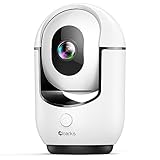
Overview: The Cloarks 2K Pan/Tilt Security Camera offers robust indoor monitoring capabilities at a budget-friendly price point. This wired camera delivers 2K FHD video with color night vision, complemented by 355° horizontal and 90° vertical rotation for comprehensive room coverage. Designed for continuous operation, it keeps watch over babies, pets, or general home security with 24/7 recording options via TF card or cloud storage.
What Makes It Stand Out: The one-click call function distinguishes this camera, enabling direct communication through the device from anywhere via the mobile app—uncommon in sub-$30 cameras. AI-powered motion detection intelligently tracks movement, while the integrated siren provides an active deterrent. Color night vision ensures detailed footage even in darkness, and multi-user sharing allows family members simultaneous access.
Value for Money: At $29.99, this camera delivers premium features typically found in $50+ models. While limited to 2.4GHz WiFi and requiring constant power, the combination of 2K resolution, smart tracking, two-way audio, and the unique call button creates exceptional value for indoor surveillance needs.
Strengths and Weaknesses: Pros include sharp 2K video, effective pan/tilt mechanism, clear color night vision, responsive two-way audio, innovative one-click calling, AI motion detection, and integrated siren. Cons are 2.4GHz WiFi only, mandatory wired connection, and lack of weatherproofing for outdoor deployment.
Bottom Line: An excellent entry-level choice for reliable indoor monitoring with intelligent features. The Cloarks camera covers all essential bases for baby, pet, or home security without straining your budget, making it ideal for first-time security camera buyers.
7. GNCC 2K Security Cameras 4pcs, Home Security Camera Indoor with 360° Motion Detection for Pets/Baby/Dog, Two-Way Audio, Night Vision, 24/7 SD Card Storage, Cloud Storage, Compatible with Alexa
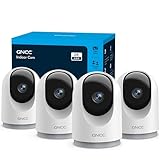
Overview: The GNCC four-camera system provides comprehensive whole-home indoor surveillance at an aggressive price point. Each unit captures 2K FHD video with night vision capabilities, while 355° horizontal and 90° vertical rotation enables thorough room coverage. The system integrates seamlessly through a single app, making it ideal for monitoring pets, children, or elderly family members across multiple rooms simultaneously.
What Makes It Stand Out: Four cameras for under $50 represents unmatched value in the home security market. The system supports multi-device viewing for up to three simultaneous users, works with Alexa and Google Assistant for voice control, and offers flexible storage options including 24/7 SD card recording and cloud backup. Smart motion detection sends instant alerts, keeping you connected to your home environment.
Value for Money: At $49.61 (approximately $12.40 per camera), this kit dramatically undercuts competitors. Comparable individual cameras typically retail for $25-35 each. While SD cards must be purchased separately, the inclusion of smart home integration and multi-user access provides substantial value for whole-home coverage.
Strengths and Weaknesses: Pros include exceptional multi-camera affordability, crisp 2K video quality, responsive pan/tilt functionality, reliable two-way audio, smart home compatibility, flexible storage options, and multi-user support. Cons comprise 2.4GHz WiFi limitation, lack of 5GHz support, no included SD cards, and indoor-only design without weather resistance.
Bottom Line: Perfect for users requiring extensive multi-room coverage on a limited budget. The GNCC four-pack delivers professional-grade surveillance capabilities at a fraction of typical system costs, making it ideal for families needing comprehensive pet or baby monitoring throughout their home.
8. VIMTAG 2.5K Cameras for Home Security, 2.4G& 5G Color Night Vision Security Camera Indoor Outdoor for Baby Pet Dog Cat with Phone APP, Motion Detection 2-Way Audio, Work with Alexa,Cloud, 2 Pack

Overview: The VIMTAG 2-Pack delivers versatile indoor/outdoor security with impressive 2.5K resolution—higher than standard 2K models. These wired cameras feature full-color night vision enhanced by built-in LED lights and IP65 weatherproofing, enabling reliable deployment anywhere from living rooms to driveways. Dual-band WiFi 6 ensures stable connectivity for continuous 24/7 monitoring.
What Makes It Stand Out: The IP65 weatherproof rating combined with dual-band WiFi 6 support sets this apart in the budget category. Advanced smart detection distinguishes between motion, people, and sound up to 33 feet away, providing intelligent alerts rather than generic notifications. The 2.5K resolution captures finer details than competitors, while the two-pack configuration offers immediate multi-area coverage.
Value for Money: At $27.99 for two weatherproof cameras, the value is exceptional. Most outdoor-rated cameras cost $40+ individually. While lacking pan/tilt functionality, the superior resolution, dual-band connectivity, and weather resistance make this an outstanding deal for versatile property surveillance.
Strengths and Weaknesses: Pros include superior 2.5K resolution, dual-band WiFi 6 compatibility, IP65 weatherproofing, excellent color night vision, intelligent motion/people/sound detection, two-way audio, and budget-friendly dual-camera pricing. Cons include absence of pan/tilt capability, limited brand recognition, and minimal documentation about local storage options.
Bottom Line: An outstanding choice for users needing both indoor and outdoor coverage without premium pricing. The VIMTAG cameras deliver higher resolution and better connectivity than most budget alternatives, making them ideal for comprehensive property monitoring in various weather conditions.
9. adorcam Indoor Camera for Home Security: 5G & 2.4G WiFi 2K 360° Pan Tilt Camera with 2 Way Audio Night Vision Phone App Video Surveillance for House Room Apartment Monitoring Baby Nanny Pet Dog Cat

Overview: The adorcam Indoor Camera redefines budget security by packing premium features into an ultra-affordable package. This compact wired unit provides 2K resolution with exceptional 360° horizontal and 100° vertical pan/tilt range, ensuring complete room coverage without blind spots. Dual-band WiFi support delivers reliable connectivity for monitoring apartments, nurseries, or pet areas where comprehensive surveillance is essential.
What Makes It Stand Out: At $18.99, it’s among the most affordable dual-band WiFi cameras available, supporting both 2.4GHz and 5GHz networks. The extensive pan/tilt range surpasses many pricier alternatives, while compatibility with massive 256GB microSD cards enables weeks of continuous recording. A 7-day free cloud trial provides flexibility without forced subscriptions, and multi-user sharing allows family-wide access.
Value for Money: This camera establishes a new benchmark for budget performance. Comparable dual-band pan/tilt cameras typically start at $35+. The combination of advanced connectivity, wide rotation range, generous storage support, and no mandatory subscription creates incredible value for cost-conscious consumers seeking quality monitoring.
Strengths and Weaknesses: Pros feature unbeatable pricing, dual-band WiFi connectivity, exceptional pan/tilt range, large SD card compatibility, clear two-way audio, solid night vision up to 33 feet, and multi-user support. Cons include single-camera packaging, absence of smart home integration, and lesser-known brand status that may raise durability questions.
Bottom Line: The ultimate entry-level option for maximum features with minimum investment. The adorcam camera delivers capabilities normally found in $50+ models, making it perfect for first-time security camera users or those needing supplemental indoor coverage.
10. Security Cameras Indoor, 2K 5G&2.4Ghz WiFi Camera for Security Home with 911 Monitor Alert, 360 PTZ Baby/Pet/Dog Camera AI Search Motion Detection, Color Night Vision, Speaker, US Cloud Storage, 2Pack

Overview: This 2-Pack Security Camera system differentiates itself with emergency-focused features designed for vulnerable users. Beyond standard 2K resolution and 360° PTZ coverage, these cameras integrate a revolutionary 911 alert system that can dispatch emergency services with your location and live footage during critical situations. US-based servers ensure faster response times and enhanced data privacy.
What Makes It Stand Out: The 911 monitoring alert function transforms these cameras into proactive safety devices for elderly residents, children, or medical emergencies. Domestic server infrastructure reduces latency by 30-50% while keeping all data within US borders. AI-powered smart classification automatically categorizes footage by people, vehicles, pets, and alarms, enabling efficient event searching and targeted notifications.
Value for Money: At $39.99 for two cameras with emergency integration, the value is compelling for security-conscious households. Traditional monitored alarm systems cost $20+ monthly, while this provides similar functionality without recurring fees. Note that AI classification requires a subscription, but core emergency features remain accessible.
Strengths and Weaknesses: Pros include revolutionary 911 emergency alerts, dual-band WiFi support, US-based server infrastructure, AI smart search capabilities, color night vision, clear two-way audio, and comprehensive 360° coverage. Cons involve subscription requirement for full AI features, potential false alarm concerns, and limited brand recognition in the market.
Bottom Line: Highly recommended for families with elderly members, children, or those prioritizing emergency response. The 911 integration and domestic data storage provide peace of mind unmatched by competitors, making it worth the modest premium for critical safety situations.
Why Pet-Friendly Indoor Security Cameras Are Essential for Modern Pet Parents
The modern pet-owner relationship has fundamentally shifted. Our animals aren’t just companions; they’re family members whose wellbeing we prioritize with the same vigilance we’d give a child. This emotional investment drives the need for monitoring solutions that do more than record footage—they actively help you parent from afar.
Separation anxiety affects up to 40% of dogs and countless cats, manifesting in destructive behaviors, excessive vocalization, and stress-induced health issues. An indoor camera serves as your digital eyes and ears, allowing you to identify anxiety triggers, monitor stress levels, and intervene appropriately. Beyond anxiety management, these devices catch potential emergencies: a water bowl knocked over on a hot day, access to dangerous household items, or sudden illness symptoms. They also provide invaluable behavioral insights—maybe your “well-behaved” cat has a secret furniture-scratching routine, or your dog spends hours staring at the door waiting for your return. This intelligence helps you create better environments and training strategies.
Understanding the Difference Between Standard Security Cameras and Pet-Specific Models
Not all indoor cameras deserve the “pet-friendly” label, and understanding this distinction prevents costly disappointment. Standard security cameras prioritize human intruder detection and property surveillance. They’re optimized for identifying bipedal motion patterns, often triggering false alarms from pets, and lack features that facilitate animal interaction.
Pet-specific models, by contrast, incorporate algorithms trained on animal movement and behavior. They recognize the difference between a dog stretching and a person walking, reducing notification fatigue significantly. Their audio systems are engineered for the frequency ranges of barks, meows, and whines rather than just human speech. Lens positioning and field-of-view calculations consider typical pet heights and favorite lounging spots. Perhaps most importantly, they include features like treat dispensing, laser pointers, or calming sound playback that transform surveillance into engagement. While you can certainly use a standard camera for basic pet monitoring, you’ll miss the nuanced functionality that makes remote pet parenting genuinely effective.
Key Features That Define a Truly Pet-Friendly Indoor Camera
Before diving into specific technical specifications, let’s establish a master checklist of features that separate exceptional pet cameras from mediocre ones. Prioritize these capabilities during your search:
Core Surveillance Features: High-resolution video (minimum 1080p), reliable night vision, wide dynamic range for varying light conditions, and secure encryption protocols.
Pet-Specific Intelligence: AI-powered pet detection, customizable activity zones that ignore pet areas, sound recognition for barks and distress vocalizations, and behavior pattern learning.
Communication Tools: High-quality two-way audio with noise cancellation, optional pre-recorded message playback, and frequency-optimized speakers that pets can actually hear clearly.
Environmental Monitoring: Temperature and humidity sensors to ensure comfort, air quality indicators for brachycephalic breeds, and integration with smart home climate controls.
Engagement Capabilities: Treat dispensers with portion control, laser toys for cat exercise, automated movement tracking to keep pets in frame, and scheduling functions for routine check-ins.
Storage and Access: Flexible cloud storage plans that don’t delete footage after 24 hours, local SD card backup options, and intuitive mobile apps with multi-user access for family members or pet sitters.
Resolution and Video Quality: Seeing Every Whisker in Crystal Clarity
When monitoring pets, resolution isn’t just about sharpness—it’s about detail recognition that could indicate health or behavioral issues. A camera that captures 1080p at 30 frames per second provides the sweet spot between bandwidth usage and usable footage. This quality lets you spot subtle signs like limping, excessive scratching, or changes in eating habits that lower-resolution cameras might miss.
Beyond Basic Resolution: What Matters More
Frame rate stability proves more critical than raw pixel count. A camera advertising 4K resolution that drops to 15fps during motion becomes useless for capturing energetic puppies. Look for consistent performance specifications and HDR (High Dynamic Range) capabilities, which handle the challenging lighting conditions pets create—like when your cat moves from a sunbeam to a shadowy corner. Digital zoom quality also matters tremendously; optical zoom remains rare in indoor cameras, but premium digital zoom with minimal pixelation helps you inspect that suspicious spot your dog keeps licking without physically repositioning the device.
Night Vision Capabilities: Monitoring Your Pets After Dark
Pets don’t operate on human schedules. Cats are crepuscular, most active during dawn and dusk, while dogs may pace restlessly during nighttime thunderstorms. Effective night vision extends far beyond the basic infrared LEDs found on entry-level cameras.
Infrared vs. Starlight Technology
Standard infrared night vision produces that familiar black-and-white footage, which works adequately but can obscure important details like coat condition or subtle movements. Starlight sensors represent the next evolution, amplifying existing ambient light to produce color footage in near-darkness. This technology reveals whether your pet’s water bowl is empty or if that dark spot on the carpet is a harmless shadow or something requiring immediate attention. For multi-pet households, color night vision helps distinguish between animals when they move quickly through dimly lit rooms.
Consider cameras with adjustable infrared intensity. Overly bright IR can create a “whiteout” effect when pets approach too closely, while adjustable settings let you fine-tune illumination based on room size and reflectivity of surfaces.
Two-Way Audio: The Feature That Lets You Talk to Your Furry Friends
The psychological impact of hearing your voice cannot be overstated for anxious pets. However, not all two-way audio systems are created equal, and poor implementation can actually increase stress rather than alleviate it.
Audio Quality and Frequency Response
Human speech centers around 85-255 Hz, but dogs hear best between 500-2000 Hz, and cats extend even higher. Premium pet cameras optimize their speakers for this broader frequency range, ensuring your pet recognizes your voice timbre rather than a muffled approximation. Microphone quality proves equally important—look for noise cancellation that filters out air conditioner hums and traffic sounds, allowing you to hear soft whimpers or that telltale “I’m about to get sick” gagging noise.
Strategic Audio Use
The best systems allow pre-recorded message scheduling. You might record a calming “Good boy, I’ll be home soon” that plays automatically when the camera detects your dog pacing by the door. Some advanced models even analyze your pet’s vocalization patterns, alerting you when barking exceeds normal duration or when meowing sounds distressed rather than conversational. Avoid cameras with audio lag exceeding two seconds—delayed responses confuse pets and make interaction feel unnatural.
Motion Detection and Smart Alerts: Reducing False Alarms from Pet Activity
Standard motion detection algorithms trigger dozens of daily alerts from pets, rendering the feature useless through notification fatigue. Pet-friendly cameras employ sophisticated filtering that learns normal animal movement patterns while flagging genuinely unusual activity.
Zone-Based Detection Strategies
The ability to create custom activity zones transforms how you receive alerts. You might draw a zone around the kitchen counter where your cat isn’t allowed, while ignoring the living room where your dog has free rein. Advanced systems support multiple zone types—“alert zones” for forbidden areas and “watch zones” for monitoring sleeping or feeding areas without constant notifications.
Sensitivity Calibration
Look for cameras offering multi-level sensitivity adjustments specifically for pet size. A system that lets you set “small pet” mode ignores the movements of your hamster while still catching your Labrador retrieving socks from the laundry basket. Some premium options use 3D motion mapping to distinguish between horizontal movement (pets walking) and vertical movement (humans standing up or doors opening), further refining alert accuracy.
AI-Powered Pet Recognition: The Game-Changing Technology
Artificial intelligence has revolutionized pet monitoring by moving beyond simple motion to actual animal identification and behavior analysis. This technology doesn’t just see movement; it understands context.
Individual Pet Identification
Multi-pet households benefit enormously from cameras that can differentiate between animals. The system learns each pet’s size, movement patterns, and typical locations, allowing you to check specific activity reports for each animal. You might discover your senior cat is using the litter box less frequently while your kitten is surprisingly inactive—both potential health red flags that generic motion alerts would miss.
Behavioral Pattern Learning
The most advanced AI systems establish baseline behaviors over a two-week learning period. After this, they alert you to deviations: increased pacing might indicate pain, reduced water bowl visits could signal illness, or sudden avoidance of favorite spots might suggest environmental stressors. Some systems even recognize specific actions like scratching, chewing, or jumping, letting you address behavioral issues with precise training rather than guesswork.
Field of View and Camera Placement Strategies for Pet Coverage
A camera’s field of view (FOV) determines how much of your pet’s environment you can monitor, but wider isn’t always better. Strategic placement based on your pet’s habits proves more valuable than a 360-degree view of an empty room.
Optimal FOV Specifications
For most pet monitoring scenarios, a 130-160 degree horizontal FOV provides ideal coverage without significant distortion at the edges. Ultra-wide 180-degree lenses often create fish-eye effects that make it hard to judge distances—crucial when determining if your dog is actually touching the forbidden couch or just standing near it.
Placement Psychology
Mount cameras at your pet’s eye level (typically 12-24 inches from the floor) rather than human height for more engaging footage and better facial recognition. Position devices to cover natural traffic patterns: pathways between sleeping areas and food/water stations, entry points to rooms with restrictions, and favorite vantage points like window perches or staircase landings. For anxious pets, avoid pointing cameras directly at crates or safe spaces—this can feel invasive and increase stress.
Storage Options: Cloud vs. Local Storage for Pet Footage
Your pet footage’s storage method impacts everything from video quality to privacy to long-term costs. Each approach carries distinct advantages for pet monitoring scenarios.
Cloud Storage Considerations
Most pet cameras offer cloud storage with tiered subscription plans. Look beyond monthly costs to retention periods—some services delete footage after 24 hours unless you manually save it, which proves useless if you’re on a weekend trip and can’t review footage until Monday. Optimal plans retain 7-30 days of continuous footage, allowing you to spot patterns like increased nighttime activity that single-day clips would miss. Ensure the service uses end-to-end encryption and offers download capabilities for sharing vet-relevant footage.
Local Storage Advantages
SD card slots provide footage security and cost savings, but capacity matters. A 128GB card recording 1080p footage stores approximately 10-14 days of continuous video—sufficient for most pet monitoring needs. The critical feature here is loop recording with event protection; when the card fills, the camera should automatically overwrite oldest footage while preserving clips tagged as important events. Some advanced systems support NAS (Network Attached Storage) integration, letting you build a private cloud that combines local control with remote access benefits.
Privacy Features That Matter When Filming Inside Your Home
Installing cameras in your home creates legitimate privacy concerns that extend beyond hackers to household members, visitors, and even your pets’ comfort. Responsible pet monitoring requires thoughtful privacy controls.
Physical and Digital Privacy Controls
Cameras with motorized privacy shutters provide tangible peace of mind—when you’re home, the lens physically covers itself. For models without shutters, geofencing capabilities that automatically disable recording when your smartphone is nearby offer similar assurance. Ensure the camera supports multiple user permission levels; pet sitters might need live view access but shouldn’t have permission to download footage or change settings.
Data Handling Transparency
Investigate whether the camera company uses footage for AI training. Some services anonymize and utilize customer video to improve algorithms—a practice you might support or oppose. Look for clear privacy policies and the ability to opt-out of data sharing. Cameras processing AI detection locally (on-device) rather than in the cloud offer superior privacy, as raw footage never leaves your home network.
Integration with Smart Home Ecosystems
A pet camera isolated from your other smart devices misses opportunities for automated care and enhanced security. Integration transforms a simple camera into a central hub for pet welfare.
Triggered Automation Scenarios
Imagine your camera detecting your cat approaching the door at dusk—this triggers smart lights to illuminate the pathway, preventing accidents. Or your camera notices your dog pacing anxiously and automatically activates a smart diffuser with calming pheromones. These scenarios require IFTTT (If This Then That) support or native integration with platforms like SmartThings, HomeKit, or Alexa.
Voice Assistant Compatibility
Voice control proves surprisingly useful for pet parents. “Alexa, show me the dog room” instantly pulls up live feed on your Echo Show while you’re cooking dinner. More advanced integrations allow voice-activated treat dispensing or rotation between preset camera positions. Ensure compatibility extends beyond basic on/off commands to include specific pet-focused functions.
Power Options and Battery Life Considerations
Your camera’s power source directly impacts placement flexibility and reliability during outages—critical factors when your pet’s safety depends on continuous monitoring.
Wired vs. Battery Trade-offs
Plug-in cameras offer unlimited operation and typically support higher resolution streaming without battery conservation compromises. However, battery-powered models provide placement freedom essential for covering areas without convenient outlets, like ceiling corners for cat activity zones. The sweet spot for many pet owners is a hybrid model with a built-in rechargeable battery that acts as backup during power failures, ensuring continuous monitoring through storms when pets are often most anxious.
Battery Performance Realities
If choosing battery power, scrutinize manufacturer claims. “Six-month battery life” usually assumes 10-15 minutes of daily live viewing and minimal motion alerts. Active monitoring of a playful puppy might reduce this to 3-4 weeks. Look for cameras with swappable battery packs—keeping a charged spare eliminates downtime. Solar panel accessories, while typically marketed for outdoor use, can work brilliantly for indoor cameras positioned near bright windows, providing trickle charging that extends battery life indefinitely.
Durability and Pet-Proofing Your Camera Investment
Pets, especially young or anxious ones, interact with cameras in ways manufacturers never initially designed for. A “pet-friendly” camera must withstand investigation, bumps, and the occasional territorial spray.
Build Quality Standards
Prioritize cameras with IP65 or higher ratings, indicating dust-tight construction and resistance to water jets—essential if your dog shakes water near the device or your cat decides to knock over a plant while investigating. Weighted, low-center-of-gravity bases prevent tipping from curious nudges, while cable management systems keep power cords out of chewing reach. For cats, consider wall-mountable options that position the camera out of swatting range while maintaining optimal viewing angles.
Temperature and Humidity Resistance
Pets often spend time in areas with extreme conditions—sunrooms, basements, or laundry rooms. Cameras operating reliably from -4°F to 113°F cover these scenarios. Internal condensation from humid environments can fog lenses, so look for models with sealed lens assemblies and anti-fog coatings. Some premium cameras include humidity sensors that alert you when conditions become uncomfortable for brachycephalic breeds or pets with respiratory conditions.
Budget Considerations and Value Proposition
Pet camera pricing spans from $30 budget options to $300+ premium systems, but the true cost includes subscriptions, accessories, and longevity. Understanding value beyond the sticker price prevents expensive mistakes.
Total Cost of Ownership Analysis
A $100 camera requiring a $10/month subscription costs $340 over two years—potentially more than a $250 camera with free basic storage. Calculate your expected ownership period and include accessory costs like mounting hardware, spare batteries, or treat refills. Consider video quality degradation; cheaper cameras often compress footage heavily to reduce cloud storage costs, making it harder to spot health issues that premium models capture clearly.
Feature Prioritization for Your Budget
If limited to $75, prioritize video quality and reliable motion alerts over fancy AI features. A clear 1080p feed with accurate detection provides more value than a 4K camera with buggy pet recognition. In the $150-200 range, expect AI detection and quality two-way audio. Above $200, demand local processing, advanced analytics, and robust smart home integration. Remember, the most expensive camera isn’t necessarily the best—it’s the one whose features align with your specific pet’s needs and your lifestyle.
Installation and Setup Tips for Optimal Pet Monitoring
Even the most advanced camera performs poorly if positioned incorrectly or configured with generic settings. Proper installation requires thinking like your pet while maintaining security best practices.
Height and Angle Optimization
Mount cameras 12-18 inches from the floor for dogs and 24-36 inches for cats, angling slightly downward to capture the floor area where pets spend most time. This low positioning improves facial recognition and makes two-way audio more effective—your voice projects toward your pet rather than over their head. Avoid placing cameras near feeding stations where steam and food particles can obscure lenses; instead, position them to view the approach path, giving you behavioral context around meal times.
Network and Bandwidth Management
Pet cameras constantly upload video, straining home networks. Connect cameras to a 2.4GHz Wi-Fi band for better range through walls, reserving 5GHz for devices requiring high bandwidth like your work laptop. If you experience lag, adjust camera settings to record at 1080p but stream at 720p to your phone, reducing data usage while preserving quality for stored footage. Consider a dedicated guest network for cameras to isolate them from your main devices, enhancing security without impacting performance.
Legal and Ethical Considerations of Indoor Pet Surveillance
While filming your own pets in your home is generally legal, modern surveillance technology raises ethical questions about privacy, consent, and data usage that responsible pet parents should consider.
Consent and Household Privacy
If you share your home with roommates, partners, or regular visitors like dog walkers, informed consent becomes crucial. Transparent communication about camera locations, recording schedules, and who can access footage maintains trust. Some jurisdictions require posting visible notices about surveillance, even in private homes with service workers. For pet sitters, written agreements should explicitly address camera usage to avoid legal complications or uncomfortable situations.
Ethical Pet Monitoring Boundaries
Constant surveillance can subtly change how we interact with pets, potentially reducing trust if they associate your voice with an invisible, watching presence. Ethical use means respecting your pet’s privacy too—disable cameras when home to prevent creating an environment of perpetual observation. Consider whether certain features serve your pet’s needs or merely your curiosity. A camera that helps monitor a diabetic cat’s water intake serves welfare; one that lets you watch your dog sleep for eight hours might cross into unnecessary intrusion. The goal is enhancing care, not replacing trust and independence.
Frequently Asked Questions
1. Will my pet be scared of the camera’s infrared lights or clicking sounds?
Most modern cameras use 940nm infrared LEDs that are invisible to both human and pet eyes, unlike older 850nm models that emit a faint red glow. However, some pets may notice the subtle click of a mechanical IR filter switching at dusk. Place the camera in your pet’s space while powered off for a few days, letting them investigate it as a neutral object. When you activate it, start with audio alerts disabled and gradually introduce features to avoid overwhelming sensitive animals.
2. How much internet bandwidth do I need for reliable pet monitoring?
A single 1080p camera requires 2-4 Mbps upload speed for smooth streaming, while 4K models need 8-10 Mbps. Since upload speed is the bottleneck for most home internet plans, test your connection during peak evening hours. If you have multiple cameras or other upload-heavy devices, consider a plan with at least 10-15 Mbps upload. Most cameras allow quality adjustment—dropping to 720p can halve bandwidth needs while remaining perfectly adequate for checking on your pet.
3. Can pet cameras really distinguish between my cat and dog, or is that just marketing?
True AI-powered pet recognition has become remarkably accurate, with top-tier systems achieving 95%+ accuracy in distinguishing between species and even individual animals. The technology analyzes gait patterns, size proportions, and movement speed. However, accuracy depends on proper camera placement and lighting. It struggles with identical littermates or when animals move through extreme shadows. For most households, it reliably tells the difference between a cat and dog, making activity logs genuinely useful rather than generic motion dumps.
4. What’s the best way to prevent my clever pet from destroying the camera?
Start by securing cables with cord concealers or running them through walls—chewing risk extends beyond the camera itself. For persistent pets, mount cameras 6-7 feet high, angled downward, keeping them out of reach while maintaining good coverage. Wall mounts are more secure than shelves. Some owners successfully “pet-proof” by placing a decoy camera at pet level (an old webcam) while the real device monitors from above. Positive reinforcement training helps too—reward your pet for ignoring the camera after initial curiosity.
5. Are cloud storage subscriptions worth it, or should I stick with local storage?
Cloud storage excels for accessibility—checking footage from anywhere without configuring complex network settings—and for disaster recovery if a fire or theft destroys local storage. It’s worth it if you travel frequently or need to share clips with veterinarians. However, local storage via SD cards offers superior privacy and no monthly fees. The ideal hybrid approach uses local storage for routine monitoring with a minimal cloud plan (around $3-5/month) that only uploads event clips, providing backup without breaking the bank.
6. How do I know if my pet is stressed by being monitored?
Watch for behavioral changes after camera installation: increased avoidance of camera-covered areas, excessive grooming, or agitation when your voice plays through the speaker. Some pets become anxious waiting for your “virtual visits” at predictable times. Mitigate stress by keeping two-way audio sessions brief and unpredictable, disabling status lights that might draw attention, and ensuring cameras aren’t pointed directly at resting areas. If stress signs persist, consider reducing monitoring hours or consulting an animal behaviorist about desensitization training.
7. Can I use indoor pet cameras outdoors on a covered porch for my indoor-outdoor cat?
Most indoor cameras aren’t weatherproofed for temperature fluctuations or humidity, even in covered areas. Condensation from morning dew can seep into cases, and temperature swings beyond operating ranges (typically 32-95°F for indoor models) cause component failure. If you must monitor a porch, look for cameras with IP65 ratings and extended temperature ranges, or install the camera inside pointing through a window (though this disables night vision). Better yet, invest in a dedicated outdoor model with pet-friendly features for these transitional spaces.
8. What’s the realistic lifespan of a pet camera before I should replace it?
Quality pet cameras last 4-6 years with regular firmware updates. The first component to fail is usually the mechanical IR filter (manifesting as poor night vision), followed by Wi-Fi module degradation. Software support matters more than hardware—cameras losing security updates after 2-3 years pose network risks. Plan to replace devices when they stop receiving firmware updates or when new features like improved AI detection would genuinely enhance your pet’s care. Budgeting $40-60 annually for eventual replacement spreads the cost.
9. How do I share camera access with my pet sitter without compromising my privacy?
Use cameras with granular permission settings. Create a temporary account for your sitter with access limited to specific cameras (not bedroom or personal spaces) and restricted to your away dates. Disable recording permissions, allowing only live view and two-way audio. Some systems generate time-limited share links that expire automatically. Always change passwords after the sitting period, and review access logs to confirm the sitter only connected during expected times. Clear communication about camera boundaries builds trust and prevents awkward discoveries.
10. Will a pet camera help with my dog’s separation anxiety, or could it make it worse?
Used correctly, cameras can significantly reduce anxiety by enabling timely interventions. The key is responding appropriately to alerts—if your dog starts pacing, a soothing voice message can prevent escalation to destructive behavior. However, overuse backfires. Constant checking and talking can create dependency, where your dog becomes anxious waiting for your next virtual appearance. Combine camera use with established anxiety treatments like crate training, puzzle toys, and gradual desensitization. Think of the camera as a diagnostic and emergency tool, not a replacement for proper behavioral conditioning.