There’s something deeply satisfying about steeping a cup of tea made from herbs you nurtured from seed to harvest. In our fast-paced world, the ritual of growing medicinal plants has become a powerful act of self-care, connecting us to ancient wisdom while embracing modern convenience. Smart indoor garden kits have transformed this practice from a seasonal hobby into a year-round wellness lifestyle, delivering fresh, potent botanicals right to your kitchen counter regardless of outdoor conditions.
Whether you’re crafting chamomile blends for better sleep, cultivating peppermint for digestive support, or growing echinacea to boost immunity, these intelligent systems remove the guesswork from horticulture. They create perfect microclimates for therapeutic herbs, monitor nutrient levels automatically, and send gentle reminders to your phone when it’s time to harvest. But not all smart gardens are created equal, especially when your goal is maximizing the medicinal properties of your plants rather than just decorative greenery.
Top 10 Smart Indoor Garden Kits for Growing Herbs
Detailed Product Reviews
1. Hydroponics Growing System Indoor Garden: Herb Garden Kit Indoor with LED Grow Light Quiet Smart Water Pump Automatic Timer Healthy Fresh Herbs Vegetables - Hydroponic Planter for Home Kitchen Office
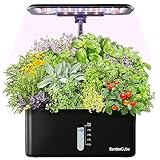
Overview: This entry-level hydroponic system offers an affordable gateway into soilless gardening for home use. With eight growing pods, a 24-watt full-spectrum LED panel, and a 3-liter water reservoir, it provides the essential tools for cultivating herbs and leafy greens year-round. The unit features manual button controls and an automatic 16/8-hour light cycle, making it approachable for complete beginners.
What Makes It Stand Out: The ceramic-core water pump operates below 20 decibels—quieter than a whisper—running every 30 minutes to oxygenate roots efficiently. The LED panel adjusts 180 degrees laterally and reaches 21 inches vertically, accommodating plants at various growth stages while maximizing light coverage. A water shortage indicator eliminates guesswork, and the detachable light pole ensures safe cleaning. The system promises growth rates up to five times faster than soil-based methods.
Value for Money: At $39.98, this represents exceptional value for casual gardeners. It undercuts most competitors by half while delivering core hydroponic benefits. The inclusion of growing baskets, sponges, and nutrients (seeds excluded) means immediate setup without hidden costs. While basic, it outperforms traditional potted herbs long-term, saving money on grocery store produce.
Strengths and Weaknesses: Pros: Budget-friendly; ultra-quiet operation; adjustable height and angle; water level indicator; simple one-touch controls; fast growth claims. Cons: No app connectivity; basic button interface; 3L tank requires frequent refilling; eight-pod capacity limits variety; plastic construction feels less premium; seeds not included.
Bottom Line: Ideal for first-time hydroponic gardeners wanting a low-risk introduction. It delivers reliable performance without complexity, though enthusiasts may outgrow its basic feature set.
2. LetPot LPH-SE Hydroponics Growing System, 12 Pods Smart Herb Garden Kit Indoor, Indoor Garden, APP & WiFi Controlled, with 24W Growing LED, 5.5L Water Tank, Pump System, Automatic Timer

Overview: The LetPot LPH-SE elevates indoor gardening through smartphone integration and premium construction. This 12-pod smart system pairs with a proprietary app for remote management of lighting schedules, growth tracking, and maintenance reminders. The stainless steel exterior and dual-wall resin tank house a true 24-watt full-spectrum LED array, supporting professional-grade cultivation in kitchens or offices.
What Makes It Stand Out: Patented app control allows zero-to-24-hour lighting customization beyond standard cycles, while automated reminders prevent watering lapses. The system records plant growth days and offers two professional modes: vegetative (blue light) and blooming (red light). The 5.5-liter reservoir sustains plants for three weeks, and the LED rod extends to 30 inches—tallest in its class. Lifetime Wi-Fi upgrades and continuous support distinguish LetPot’s service commitment.
Value for Money: Priced at $119.97, this system commands a premium justified by app connectivity, durable materials, and expandability. The stainless steel design and remote hardware updates future-proof the investment. Compared to basic models, it saves time through automation and supports larger harvests with 12 pods, making it cost-effective for serious herb enthusiasts.
Strengths and Weaknesses: Pros: Full app/WiFi control; customizable light schedules; stainless steel durability; 12-pod capacity; large 5.5L tank; professional growth modes; lifetime upgrades. Cons: High price point; requires smartphone for full functionality; app learning curve; overkill for casual users; occupies more counter space.
Bottom Line: Best suited for tech-savvy gardeners seeking maximum control and convenience. The smart features and build quality justify the cost for dedicated indoor farmers.
3. Ahopegarden Hydroponics Growing System Kit Indoor Herb Garden with Grow Light 12 Pods, with LCD Touch Panel Hydroponic Planter, Planting Height Up to 17", Grower Harvest Fresh Veggie Lettuce, Black

Overview: This mid-tier system balances modern aesthetics with practical functionality for urban gardeners. The matte black ABS construction houses 12 growing pods and a 5-liter water tank, controlled via an integrated LCD touchscreen. The 17-inch adjustable LED light pole supports compact spaces while delivering full-spectrum illumination for herbs, lettuce, and small vegetables.
What Makes It Stand Out: The avant-garde vertical design merges minimalist style with urban farming efficiency. Dual light modes adapt to vegetative and flowering stages, while a research-backed 22-hour mode claims to boost flowering by 50% and enhance fruit sweetness. The LCD panel provides one-touch operation without app dependency, and the see-through water window simplifies monitoring. Its space-saving footprint suits apartments and offices.
Value for Money: At $59.99, this system hits the sweet spot between affordability and enhanced features. The 12-pod capacity matches premium models, while the 5L tank reduces maintenance frequency. The touchscreen adds convenience without the complexity of app-based systems, offering 80% of high-end functionality at 50% of the cost.
Strengths and Weaknesses: Pros: Modern, compact design; LCD touchscreen; 12-pod capacity; 5L water tank; dual light modes; affordable mid-range pricing; quiet operation. Cons: 17" maximum height limits taller plants; no smartphone connectivity; ABS plastic less durable than metal; seed starter kit not included.
Bottom Line: Perfect for design-conscious users wanting advanced features without premium prices. It excels in small spaces and delivers reliable, automated growth.
4. Click & Grow Indoor Herb Garden Kit with Grow Light | Smart Garden for Home Kitchen Windowsill | Easier Than Hydroponics Growing System | Vegetable Gardening Starter (3 Basil Pods Included), White

Overview: Click & Grow reimagines indoor gardening with its proprietary “smart soil” technology, eliminating traditional hydroponic complexity. This three-pod system uses pre-seeded biodegradable pods containing nutrients and seeds, requiring only water and electricity. The energy-efficient LED and self-watering mechanism automate the entire process, making it accessible to absolute beginners.
What Makes It Stand Out: The simplicity is unmatched—insert pods, add water, and plug in. No nutrient mixing, pH balancing, or timer programming required. The system offers over 50 pre-seeded varieties plus blank pods for custom planting. Plants remain transplantable to outdoor gardens, extending utility beyond countertop harvesting. The included basil pods provide instant gratification, and the compact white design complements any windowsill.
Value for Money: At $118.69, the initial cost seems high for three pods, but includes three basil pods valued at $10-15. The real value lies in time savings and foolproof operation. Proprietary pods cost $4-5 each, making long-term expenses comparable to premium hydroponic nutrients. It’s ideal for those prioritizing convenience over maximum yield.
Strengths and Weaknesses: Pros: Easiest setup available; includes starter pods; no maintenance; transplantable plants; extensive seed variety; foolproof operation; clean aesthetics. Cons: Expensive per-pod capacity; locked into proprietary pods; limited three-pod space; no customizable controls; slower growth than true hydroponics.
Bottom Line: The ultimate choice for beginners wanting guaranteed success without learning curves. Best for casual cooks growing occasional herbs rather than serious harvests.
5. Misting Hydroponic Growing System Kit 15-Pods Indoor Smart Herb Garden Planter with LCD Touch Panel 6L Large Tank for Herb/Vegetables/Flowers/Fruits,Gardening Gifts for Women Men Beginners-Black

Overview: This system pioneers misting technology to accelerate hydroponic growth dramatically. Supporting 15 simultaneous plants, it features a 6-liter tank, LCD touchscreen, and three specialized LED modes. The intermittent misting spray claims 700% faster growth than soil by delivering oxygen-rich moisture directly to roots, making it the most technologically advanced option in its price range.
What Makes It Stand Out: Advanced misting technology increases dissolved oxygen by 90% and speeds germination by 80%, developing robust root systems unseen in traditional hydroponics. Three smart modes (Seedling, Veg, Bloom) adjust red/blue/white spectrum and timer (12/14/16 hours) for each growth stage. The 15-pod capacity maximizes variety, while the adjustable height reaches 19.7 inches. The ultra-quiet pump and transparent water level indicator enhance user experience.
Value for Money: Priced at $69.99, this offers extraordinary capacity and innovation. The 15-pod count exceeds competitors costing twice as much, and the 6L tank minimizes refills. Misting technology delivers professional-grade results at a hobbyist price, making it the best value for serious home growers seeking maximum output.
Strengths and Weaknesses: Pros: Revolutionary misting technology; 15-pod capacity; massive 6L tank; three smart light modes; LCD touchscreen; adjustable height; quiet operation; excellent price. Cons: Misting system may require more cleaning; no app connectivity; complex for absolute beginners; large footprint; seeds not included.
Bottom Line: Highly recommended for ambitious gardeners wanting cutting-edge technology and maximum yield. The misting innovation and 15-pod capacity make it unbeatable for harvest volume.
6. Homeleafy Hydroponics Growing System Kit, 8 Pods Smart Indoor Herb Garden with WiFi App Control, Seeds Pod Kit,LED Grow Light,Stainless Steel Herbs Planter for Lettuce,Basil,Gardening Gifts

Overview: The Homeleafy Hydroponics Growing System offers an 8-pod smart indoor gardening solution with WiFi app control. This stainless steel unit promises growth up to three times faster than soil methods, making it an attractive entry point for tech-savvy beginners wanting fresh herbs and lettuce year-round without pests or overwatering concerns.
What Makes It Stand Out: The WiFi-enabled app control distinguishes this system, allowing remote adjustments to light schedules, water pump modes, and growth plans. Smart reminders for water and nutrients eliminate guesswork. The food-grade stainless steel construction provides durability and hygiene while adding modern aesthetic appeal to kitchens. Three precise wavelengths with infrared LEDs replicate natural sunlight while maintaining optimal temperature.
Value for Money: At $69.99, this system delivers premium features typically found in higher-priced models. The combination of app connectivity, stainless steel build, and comprehensive starter kit (including sponges, brackets, and germination domes) represents solid value compared to basic non-smart systems. It’s competitively priced against other entry-level smart gardens.
Strengths and Weaknesses: Strengths include intuitive app control, stylish stainless steel design, complete beginner kit, and smart notifications. The three-wavelength LED panel optimizes growth. Weaknesses are the limited 8-pod capacity and absence of height adjustment specifications, which may restrict larger plants. Potential app connectivity issues could frustrate users, and the smaller capacity limits yield for serious gardeners.
Bottom Line: The Homeleafy system excels for tech-oriented beginners prioritizing convenience and design. While not the most expandable option, its smart features and build quality make it a worthwhile investment for hassle-free indoor herb gardening and a thoughtful gift for plant lovers.
7. owltron Smart Hydroponics Growing System Kit,15 Pods Indoor Herb Garden with 36W LED Grow Light & APP Control, Planting Height Up to 30", Quiet Water Pump, Stainless Steel - Ideal Gift for All Ages

Overview: The owltron Smart Hydroponics System is a premium 15-pod indoor garden designed for serious home growers. With a 36W full-spectrum LED and 30-inch extendable height, this stainless steel unit accommodates everything from herbs to fruiting plants, promising five times faster growth than traditional methods with its 5.5L tank and circulation system.
What Makes It Stand Out: The substantial 15-pod capacity and powerful 36W LED set this apart, while the 30-inch adjustable pole supports tall plants like tomatoes and peppers. The ultra-quiet pump (<20 dB) ensures minimal disruption, and the Smart Life app provides comprehensive control over light cycles, 10-level dimming, and growth tracking with dedicated vegetable and flower/fruit modes.
Value for Money: At $129.99, the price reflects its professional-grade features. For families or avid gardeners wanting significant yields, the capacity and power justify the investment. It’s competitively priced against similar high-capacity systems while offering superior height adjustment and quieter operation, making it cost-effective for serious indoor farming.
Strengths and Weaknesses: Strengths include exceptional capacity, powerful full-spectrum LED, impressive 30-inch height range, whisper-quiet pump, and robust app integration. The 5.5L tank reduces maintenance frequency. Weaknesses are the higher price point and larger footprint, which may overwhelm casual users or those with limited space. The complexity might intimidate absolute beginners.
Bottom Line: The owltron system is ideal for dedicated gardeners seeking maximum production and versatility. Its professional features and quiet operation make it perfect for families wanting substantial year-round harvests and educational opportunities for children observing plant growth.
8. URUQ Hydroponics Growing System Garden: 8 Pods Indoor Herb Garden with Grow Light Plants Germination Kit Quiet Automatic Hydroponic Height Adjustable - Gardening Gifts for Women Kitchen

Overview: The URUQ Hydroponics Growing System provides an 8-pod indoor garden with a focus on simplicity and quiet operation. Featuring a 24W LED and adjustable height up to 21 inches, this compact unit fits easily on windowsills or kitchen counters, promising five times faster growth for herbs and vegetables with its smart timer and automatic functions.
What Makes It Stand Out: The 180° adjustable light panel offers unique positioning flexibility, while the whisper-quiet pump (<20 dB) runs every 30 minutes for optimal oxygenation. The water shortage indicator provides peace of mind, and the detachable light pole simplifies cleaning and prevents electrical issues. The 3L tank includes a viewing window for monitoring root growth.
Value for Money: Priced at $69.99, this system competes directly with other entry-level hydroponic kits. While lacking app connectivity, its quiet operation and adjustable angle features offer tangible benefits over basic models, making it a solid mid-range value. The included germination kit adds convenience for immediate startup.
Strengths and Weaknesses: Strengths include ultra-quiet operation, adjustable light angle, easy setup with smart timer (16h on/8h off), detachable pole for safe cleaning, and compact footprint. The water shortage indicator prevents disasters. Weaknesses are the smaller 3L tank requiring more frequent refills, limited 21-inch height restricting taller plants, and absence of app control or advanced customization options.
Bottom Line: The URUQ system suits beginners prioritizing quiet operation and simplicity over smart features. Its adjustable design and reliable performance make it an excellent choice for kitchen herb gardening without tech complications, especially as a gift for home cooks.
9. Click & Grow Indoor Herb Garden Kit with Grow Light | Smart Garden for Home Kitchen Windowsill | Easier Than Hydroponics Growing System | Vegetable Gardening Starter (3 Basil Pods Included), Sage

Overview: The Click & Grow Indoor Herb Garden Kit offers a radically simplified approach to indoor gardening with its proprietary pod system. This 3-pod smart garden uses energy-efficient LED grow lights and self-watering technology, positioning itself as “easier than hydroponics” for absolute beginners seeking fresh herbs without complexity.
What Makes It Stand Out: The proprietary plant pod system eliminates all guesswork—simply drop in pre-seeded pods or use seedless versions for custom planting. The ability to transplant mature plants to outdoor gardens extends value beyond the unit itself. With over 50 pod varieties available, it offers unmatched convenience and flexibility for experimentation.
Value for Money: At $124.95 for just 3 pods, the initial investment is steep. However, for those seeking foolproof operation without learning curves, the premium may be justified. The cost per plant is high, but the success rate and simplicity compensate for gardening novices who might waste money on failed traditional attempts.
Strengths and Weaknesses: Strengths include incredibly simple setup, extensive pre-seeded pod selection, energy-efficient operation, and transplant capability. The self-watering design requires minimal intervention. Weaknesses are the expensive proprietary pod system, limited 3-pod capacity, lack of advanced features like app control or height adjustment, and ongoing pod costs that lock users into the ecosystem.
Bottom Line: The Click & Grow is perfect for those wanting the simplest possible indoor gardening experience. While costly and limited in scale, its foolproof design makes it ideal for beginners or as a gift for non-gardeners who value convenience over capacity and customization.
10. Ahopegarden Hydroponics Growing System kit: 12 Pods Indoor Herb Garden with Smart Environmental Detection - Full Spectrum LED Grow Light for Growing Vegetables,Herbs and Lettuce - Home Gardening

Overview: The Ahopegarden Hydroponics Growing System delivers a 12-pod indoor garden with advanced environmental monitoring at a budget price point. Featuring a 5L tank, dual light modes, and real-time temperature/humidity display, this system offers premium features without the premium cost, promising 300% faster growth than soil planting.
What Makes It Stand Out: The integrated LCD screen displaying real-time temperature and humidity is unique in this price class. Dual full-spectrum LED modes (blue for leafy greens, red for fruiting plants) provide specialized optimization. The ultra-quiet pump (<40 dB) and large 5L tank with transparent indicator enhance user experience and reduce maintenance.
Value for Money: At $69.99, this represents exceptional value. The combination of environmental monitoring, dual light modes, 12-pod capacity, and large tank typically appears in $100+ systems. It’s arguably the best feature-per-dollar ratio in the market, making advanced indoor gardening accessible to budget-conscious buyers.
Strengths and Weaknesses: Strengths include outstanding value, environmental monitoring LCD, dual growth modes, large 5L tank, adjustable height (17.32"), ultra-quiet operation, and 12-pod capacity. The smart timer automates light cycles. Weaknesses are the lack of app connectivity and potential brand reliability questions compared to established competitors. The environmental sensors may require occasional calibration.
Bottom Line: The Ahopegarden system is the value champion for feature-focused gardeners. Its environmental monitoring and dual modes at this price make it an unbeatable choice for those wanting advanced capabilities without breaking the bank, perfect for both beginners and experienced users.
Why Smart Indoor Gardens Revolutionize Herbal Tea Remedies
Traditional herb gardening demands extensive knowledge of soil chemistry, light cycles, and pest management—barriers that discourage many wellness enthusiasts. Smart indoor kits democratize this process by creating laboratory-precision growing conditions in your home. The controlled environment ensures your medicinal herbs develop optimal concentrations of active compounds like essential oils, flavonoids, and terpenes—the very constituents that give chamomile its calming apigenin or peppermint its digestive menthol.
These systems maintain consistency that’s impossible with outdoor growing. Your lemon balm won’t suffer from unexpected frost, and your holy basil won’t lose potency to drought stress. For tea remedies, where therapeutic efficacy depends on plant chemistry, this reliability isn’t just convenient—it’s essential.
Essential Features That Separate Premium Kits from Basics
When evaluating smart indoor gardens for medicinal herbs, look beyond flashy app interfaces. The core components determining your success include full-spectrum LED arrays with customizable intensity, automated nutrient dosing systems, and environmental sensors that track humidity, temperature, and pH levels. Premium models offer separate zones for different herb varieties, recognizing that lavender thrives in drier conditions while lemon verbena prefers consistent moisture.
Water quality monitoring proves crucial for tea herbs, as mineral buildup can affect both plant health and final flavor. Advanced systems include TDS (total dissolved solids) sensors that alert you when it’s time to refresh your reservoir, preventing the subtle off-tastes that compromised water can impart to your therapeutic brews.
LED Grow Light Technology: The Science Behind Healthy Herbs
Not all grow lights nurture medicinal potency equally. Look for systems offering tunable spectrum control, particularly in the blue (400-500nm) and red (600-700nm) ranges. Blue light drives leaf development and essential oil production in herbs like basil and oregano, while red light encourages flowering in chamomile and passionflower. The most sophisticated kits allow you to program light recipes that shift throughout your plants’ growth cycles, mimicking natural seasonal changes that trigger maximum phytochemical production.
Pay attention to Photosynthetic Photon Flux Density (PPFD) values, which measure usable light intensity. Medicinal herbs generally require 200-400 μmol/m²/s for robust growth—significantly higher than what basic salad-green systems provide. Underpowered lighting yields pretty but therapeutically weak plants, like chamomile with diminished apigenin content.
Hydroponic vs. Soil-Based Systems: Which Works Best for Tea Herbs?
Hydroponic systems dominate the smart garden market for good reason: they accelerate growth by 30-50% and eliminate soil-borne diseases. For tea remedies, however, the choice involves nuance. Hydroponically grown herbs often produce higher biomass faster, but some research suggests soil-grown plants develop more complex essential oil profiles due to subtle microbial interactions.
Consider hybrid systems offering both options. Soil modules work beautifully for woody perennials like rosemary and thyme, whose medicinal compounds develop more robustly with mycorrhizal fungi partnerships. Hydroponic inserts excel for fast-cycling herbs like cilantro and parsley that you harvest frequently for fresh tea blends. The flexibility to match growing method to herb type represents a hallmark of truly versatile kits.
Capacity Planning: Right-Sizing Your Medicinal Herb Garden
Your wellness goals should dictate garden size. A single tea drinker focusing on 3-4 core remedies needs different capacity than a family brewing daily therapeutic blends. Most smart gardens specify plant pod counts, but this metric misleads—root space and canopy spread matter more. A six-pod system might support compact herbs like thyme and marjoram, but sprawling plants like mint require dedicated pods with generous spacing.
Calculate based on weekly harvest needs. One chamomile plant yields roughly 2-3 tablespoons of dried flowers per harvest cycle, enough for 8-10 cups of tea. If you drink chamomile nightly, you’ll need multiple plants in staggered growth stages. Premium systems with 12+ pod capacity and adjustable shelf heights accommodate this succession planting strategy.
Compact Countertop Models for Beginners
Entry-level systems (typically 3-6 pods) suit exploratory herbalists perfectly. These units focus on foolproof automation, often including pre-seeded pods with beginner-friendly herbs like mint, basil, and lemon balm. Their limitation isn’t just size—most lack advanced spectrum tuning, which means you sacrifice some medicinal potency for convenience.
The sweet spot for serious tea remedy enthusiasts starts at countertop models with 7-9 pods and minimum 12-inch grow height. These accommodate mature holy basil and lavender plants while offering basic spectrum controls. Look for models with removable water reservoirs for easy cleaning, as algae buildup in smaller systems can quickly compromise herb flavor.
Medium-Scale Systems for Serious Tea Enthusiasts
Dedicated wellness practitioners should consider floor-standing units with 12-24+ pod capacity and multi-tier designs. These systems justify their footprint by enabling true apothecary-level diversity—simultaneously growing digestive herbs (fennel, ginger), nervines (skullcap, passionflower), and immune supporters (echinacea, elderberry) in separate climate zones.
The real advantage lies in harvest scheduling. With ample capacity, you can maintain plants at different growth stages, ensuring continuous fresh material without the boom-bust cycles that plague smaller systems. This matters enormously for tea remedies, where fresh herbs offer different therapeutic profiles than dried material.
Smart Technology Integration: What Your App Should Actually Do
Beware apps that merely serve as digital instruction manuals. Worthwhile smart garden connectivity provides real-time environmental monitoring with historical data tracking, allowing you to correlate growing conditions with harvest quality. The best platforms send predictive alerts: “Your chamomile’s flowering phase begins in 3 days—reduce nitrogen now for optimal essential oil concentration.”
Look for machine learning features that adapt to your home’s microclimate patterns. If your kitchen runs warm in afternoons, the system should automatically adjust water levels to compensate for increased transpiration. Some advanced apps even integrate with wellness tracking platforms, helping you identify which herb batches produce the most noticeable therapeutic effects.
Automated Nutrient Delivery: The Key to Potent Herbs
Medicinal herbs require different nutrition than salad greens. Systems with customizable nutrient profiles let you reduce nitrogen during flowering (boosting essential oils) while increasing potassium for root development in perennials. The most sophisticated kits use EC (electrical conductivity) sensors to measure real-time nutrient uptake, dosing micro-ml amounts rather than dumping weekly fertilizers.
This precision prevents the common problem of “nitrogen-flush” taste in tea herbs, where over-fertilization leaves metallic flavors in leaves. For organic purists, some systems now accommodate living compost teas and organic nutrient solutions, though these require more frequent monitoring to prevent biofilm buildup in pumps.
Climate Control: Mastering Temperature and Humidity for Medicinal Potency
Tea herbs express their full therapeutic range only within specific environmental parameters. Chamomile’s anti-inflammatory compounds peak when daytime temperatures hover around 65-70°F with 50-60% humidity. Lavender’s linalool content (responsible for calming effects) increases under slight water stress combined with warm days and cool nights.
Premium smart gardens feature independent climate zones with heating elements, evaporative humidifiers, and even gentle air circulation fans. This matters profoundly for adaptogenic herbs like ashwagandha and holy basil, which develop stress-protective compounds in response to controlled environmental fluctuations. Basic systems lacking humidity control often produce herbs that look healthy but contain diluted medicinal actives.
Best Herbal Varieties for Therapeutic Tea Blends
Your garden’s therapeutic value depends entirely on plant selection. Focus on species where fresh material significantly outperforms dried commercial options. Lemon balm loses 70% of its rosmarinic acid (the calming compound) within 48 hours of harvest—making it a prime candidate for indoor cultivation. Similarly, fresh peppermint contains substantially more menthol than dried, explaining why homegrown tea feels more potent.
Consider growth habits when planning. Perennial woody herbs (rosemary, sage, thyme) require pruning strategies vastly different from annual flowers (chamomile, calendula). Smart gardens with programmable height adjustments and directional lighting accommodate these differences, training bushy growth patterns that maximize harvestable material.
Calming Herbs for Stress Relief and Sleep
Beyond chamomile, explore less common nervines that thrive indoors. Skullcap (Scutellaria lateriflora) prefers consistently moist conditions perfect for hydroponic systems, delivering potent flavonoids for anxiety relief. Passionflower vines, surprisingly well-suited to tall smart gardens, produce flowers with GABA-modulating compounds that commercial drying often degrades.
Lemon verbena demands precise temperature control but rewards you with leaves containing exceptionally high verbascoside, a compound studied for sleep quality improvement. These specialized herbs justify investing in systems with granular environmental controls, as their medicinal value directly correlates with growing precision.
Digestive and Anti-Inflammatory Powerhouses
Peppermint and spearmint represent gateway herbs, but true digestive support comes from diversity. Fennel’s anethole content increases under bright light conditions, making powerful LED systems worthwhile. Ginger, grown from rhizome sections rather than seeds, requires deeper growing modules—look for systems offering “root crop” inserts.
For anti-inflammatory effects, consider holy basil (Ocimum sanctum) with its eugenol content, or calendula flowers whose flavonoids concentrate when plants experience mild water stress. Smart gardens with “stress programming” can intentionally create these conditions, mimicking the environmental challenges that trigger protective compound production in plants.
Immune-Boosting Varieties for Wellness Support
Echinacea purpurea’s immune-stimulating alkamides peak in roots and flowers grown under specific light-dark cycles. Advanced smart gardens that simulate seasonal photoperiod changes coax these plants into flowering indoors—a feat impossible with static lighting systems. Elderberry bushes require substantial height and root space, making them unsuitable for most countertop units but perfect for modular floor systems.
Astragalus, the adaptogenic root herb prized in Traditional Chinese Medicine, demands 6+ months of growth before harvest. Only smart gardens with durable construction and stable long-term climate control justify this investment. The payoff is access to fresh astragalosides unavailable in any commercial tea.
Growing Mediums: Choosing the Right Foundation
While hydroponic systems use rockwool or peat sponges, soil-based inserts offer advantages for certain medicinal herbs. Coconut coir blends provide excellent drainage for Mediterranean herbs like oregano and thyme, preventing root rot while supporting beneficial microbes. Living soil pods inoculated with mycorrhizae enhance nutrient uptake in calendula and echinacea, potentially increasing medicinal compound production.
Avoid standard potting mixes that contain slow-release fertilizers—these throw off the precise nutrient control smart gardens provide. Instead, opt for the manufacturer’s recommended medium or create custom blends using sterilized compost, perlite, and worm castings in systems that accommodate user-supplied soil.
Maintenance Demystified: Time Investment Reality Check
Smart gardens reduce but don’t eliminate maintenance. Expect to dedicate 15-30 minutes weekly: checking pH and EC levels, pruning to encourage bushy growth, and inspecting leaves for early pest signs (yes, indoor gardens can get aphids). Monthly deep cleans of reservoirs and pump systems prevent biofilm that harbors pathogens affecting herb flavor.
The real time investment comes in harvesting and processing. Medicinal herbs require proper drying (low temperature, darkness) and storage (airtight, away from light) to preserve potency. Factor in this post-harvest workflow when planning garden size—there’s no benefit growing more herbs than you can properly process.
Energy Consumption: Understanding True Operating Costs
A 20-watt compact system running 16 hours daily consumes about 10 kWh monthly—roughly $1.50 in electricity. Larger multi-tier systems with climate control can draw 150+ watts, pushing monthly costs to $10-15. The hidden expense is replacement LED arrays, which degrade after 2-3 years of continuous operation and cost $30-80 depending on system size.
Calculate ROI against organic herb prices. Fresh holy basil retails for $3-4 per small bundle; growing your own pays for a mid-range system within 8-10 months. The value multiplies when considering rare herbs like fresh passionflower or skullcap, which are nearly impossible to purchase commercially.
Budget Considerations: From Entry-Level to Premium Investment
Quality smart gardens for medicinal herbs start around $150 for basic 6-pod models with spectrum control. These suit experimental growers but lack durability for long-term use. The $250-400 range offers the best value: 9-12 pods, reliable apps, and replaceable parts. Premium systems exceeding $600 provide multiple climate zones, professional-grade lighting, and extensive customization.
Avoid budget models under $100 unless they specifically advertise medicinal herb capabilities. These typically use generic lettuce-optimized light spectra that produce visually appealing but therapeutically weak herbs. The initial savings vanish when you realize your homegrown chamomile lacks the potency of even commercial tea bags.
Troubleshooting Common Growing Challenges
Yellowing leaves often signal nutrient lockout from pH imbalance rather than deficiency. Smart gardens with automatic pH adjustment prevent this, but manual systems require weekly testing. Leggy, stretched growth indicates insufficient light intensity—common when overcrowding pods in smaller systems. Follow spacing guidelines strictly; medicinal herbs need room to develop robust essential oil glands.
Bitter or “off” flavors in harvested herbs usually trace to water quality issues. Even with filtered water, mineral accumulation occurs. Flush systems monthly with distilled water and a mild organic acid solution (like diluted lemon juice) to reset mineral balance. Some premium kits include this as an automated maintenance cycle.
Integrating Your Herb Garden into Daily Wellness Rituals
The true value of a smart herb garden emerges when it becomes part of your health routine. Harvest herbs in the morning when essential oil concentrations peak, then process them immediately for evening tea. Create “prescription blends” based on your body’s responses, tracking which growing conditions produce the most effective remedies for your unique constitution.
Advanced practitioners sync harvest schedules with lunar cycles (traditional herbalism holds that leaves are most potent during waxing moons, roots during waning) and seasonal needs—building immune support herbs before flu season, calming herbs during high-stress periods. Your smart garden becomes a living pharmacy, responding dynamically to your wellness journey.
Frequently Asked Questions
How long until I can harvest herbs for tea from a new smart garden?
Most leafy herbs like mint and lemon balm reach harvestable size in 3-4 weeks from seedling stage. Flowering herbs such as chamomile require 6-8 weeks to produce their first blooms. Woody perennials like rosemary need 3-4 months to establish before meaningful harvesting. Smart gardens accelerate growth by 30-50% compared to outdoor gardening, but medicinal potency develops on the plant’s natural timeline.
Can I use my own seeds instead of pre-seeded pods?
Yes, but success depends on system compatibility. Most smart gardens sell “grow anything” kits containing blank sponges or soil inserts. However, medicinal herb seeds often have specific germination requirements (light, temperature stratification) that basic systems don’t accommodate. Check if your kit offers “germination mode” with lower light intensity and higher humidity before investing in rare seeds.
Do smart gardens really produce more potent herbs than store-bought?
Potentially, yes. Commercial herbs are harvested for yield and appearance, often before peak medicinal maturity. Your smart garden allows harvesting at optimal chemical composition—like picking chamomile flowers just as they open when apigenin levels peak. However, this requires learning harvest timing. Simply growing herbs isn’t enough; you must harvest strategically to surpass commercial quality.
What’s the learning curve for someone with no gardening experience?
Smart gardens designed for beginners require minimal horticultural knowledge—just follow app prompts for water and nutrients. However, maximizing medicinal potency demands understanding each herb’s growth habits and harvest timing. Expect 2-3 months to become comfortable with basic operation, and 6-12 months to develop expertise in optimizing for therapeutic compounds.
How do I prevent my indoor herbs from getting pests?
Quarantine new plants for a week before introducing them to your smart garden. Inspect leaves weekly with a magnifying glass, particularly leaf undersides where aphids gather. If pests appear, remove affected leaves immediately and spray plants with diluted neem oil—a safe, organic option that won’t compromise your tea’s safety. Some smart gardens include small fans that deter pests by improving air circulation.
Can I grow multiple herb types in the same system?
Yes, but group them by similar needs. Mediterranean herbs (oregano, thyme, rosemary) prefer drier conditions and less water. Moisture-loving herbs (lemon balm, mint, basil) thrive with consistent hydration. Advanced systems with zone control let you customize conditions per pod, but basic models require strategic grouping. Never mix aggressive spreaders like mint with slower growers—it will dominate resources.
How often should I replace nutrient solution?
Most manufacturers recommend weekly changes, but this wastes nutrients. Better practice: top off water daily to maintain levels, then replace 50% of solution every 2 weeks. Completely flush and replace monthly. If your system monitors EC levels, replace solution when readings drop consistently below target range, indicating nutrient depletion. For medicinal herbs, fresher solution generally yields more potent plants.
Will my herbs lose potency if I don’t harvest immediately?
Yes, significantly. Essential oils evaporate rapidly after harvest—within hours for delicate herbs like lemon balm. For maximum therapeutic value, harvest in the morning after dew dries but before heat peaks. Process immediately: either steep fresh, or dry quickly in darkness at 95-110°F to preserve compounds. Never store fresh herbs in the refrigerator for more than a day; the moisture causes rapid degradation.
Are smart gardens energy-efficient compared to traditional indoor growing setups?
Absolutely. Traditional grow light setups waste energy by illuminating entire rooms and requiring separate timers, fans, and heaters. Smart gardens integrate these functions with precision sensors, using energy only when plants actively need it. LED technology in quality systems converts 80% of electricity to usable light versus 20% in old HPS bulbs. The enclosed design also retains humidity, reducing humidifier energy costs.
Can I grow roots like ginger or turmeric for tea in these systems?
Specialized root crop inserts make this possible in premium systems. Standard pod depths (4-6 inches) suit turmeric but restrict ginger rhizome development. Look for systems offering 8+ inch deep modules or “root extension” accessories. These herbs also require longer growth cycles (8-10 months for mature turmeric), so durability and stable climate control become critical factors in your purchasing decision.