Waking up doesn’t have to feel like a fire drill. For years, we’ve subjected ourselves to jarring beeps and buzzers that yank us from sleep, leaving us groggy and disoriented. But the modern bedroom is undergoing a quiet revolution—one where your alarm clock becomes a wellness device that understands your sleep cycles and greets you with carefully curated music that builds gradually, mimicking natural sunrise rhythms. Spotify Connect integration has emerged as the game-changer in this space, transforming ordinary smart alarm clocks into personalized wake-up experiences that start your day on your terms.
This technology isn’t just about convenience; it’s about reclaiming your mornings. By leveraging Spotify’s vast library and your own playlists, these devices can gradually increase volume, match tempo to your sleep stages, and even sync with other smart home devices to create a holistic morning routine. But not all Spotify Connect alarm clocks are created equal, and navigating the feature landscape requires understanding what truly matters for your specific sleep environment and lifestyle.
Top 10 Smart Alarm Clocks with Spotify Connect
Detailed Product Reviews
1. LEMEGA IR4S Stereo WiFi Internet Radio,FM Digital Radio, Spotify Connect, Bluetooth Speaker, Dual Alarms Clock, 40 Presets, Headphone-Output, Batteries or Mains Powered (Dark Walnut)

Overview: The LEMEGA IR4S delivers exceptional versatility in a compact walnut cabinet, merging internet radio, FM tuning, Spotify Connect, and Bluetooth streaming. This dual-powered unit serves as a comprehensive audio hub for modern households, offering access to over 30,000 global stations and podcasts while functioning as a capable stereo speaker system.
What Makes It Stand Out: The quadruple connectivity approach distinguishes this device. Unlike single-function radios, it seamlessly switches between WiFi streaming, FM broadcasts, Spotify Connect, and Bluetooth input. The dual alarm system with intelligent weekday/weekend scheduling automatically syncs time via internet or FM signals. Battery power option transforms it into a truly portable audio solution rare in this category.
Value for Money: Priced at $79.99, the IR4S dramatically undercuts competitors like the Grace Digital models while delivering 90% of their functionality. You’re essentially getting four devices: an internet radio ($50+ value), FM tuner ($20), Bluetooth speaker ($30), and smart alarm clock ($25). The inclusion of battery power and 40 presets makes this an outstanding budget-conscious choice.
Strengths and Weaknesses: Strengths:
- Four-in-one functionality maximizes utility
- True portability with battery/mains power options
- 40 presets for instant station access
- Automatic time synchronization eliminates manual setting
- Stereo drivers produce room-filling sound
Weaknesses:
- AA battery life may prove limited for extended use
- No integrated voice assistant capabilities
- Initial WiFi setup could challenge some users
- Dark walnut finish limits décor matching options
Bottom Line: An impressive Swiss Army knife of audio devices that punches well above its weight class. Ideal for tech-savvy listeners wanting maximum flexibility without the premium price tag. The IR4S excels as a bedside companion or portable kitchen radio.
2. LEMEGA IR4S WiFi Internet Radio,FM Radio, Podcast, Spotify Connect, Bluetooth Speaker, Dual Alarms Clock, 40 Presets,OKTIV App, Batteries or Mains Powered (Charcoal)

Overview: Essentially identical to its walnut sibling, the charcoal LEMEGA IR4S offers the same impressive feature set in a more neutral finish. This versatile unit combines internet radio, FM tuning, Spotify Connect, and Bluetooth streaming with dual alarm functionality, all powered by either mains or battery.
What Makes It Stand Out: The OKTIV App integration provides streamlined smartphone control, while the charcoal aesthetic suits modern decors better than wood finishes. The core appeal remains its quadruple connectivity: 30,000+ internet stations, traditional FM, Spotify Connect, and Bluetooth. Dual independent alarms with weekend/weekday settings and automatic time synchronization add practical value.
Value for Money: At $79.95, it matches the walnut version’s exceptional value proposition. Competing devices from Grace Digital or Pure cost significantly more for similar features. The four-in-one design eliminates need for separate radio, speaker, and alarm clock purchases, saving both money and counter space.
Strengths and Weaknesses: Strengths:
- Neutral charcoal color blends with any décor
- Comprehensive streaming options in one device
- True portability with dual power sources
- 40 presets for quick station access
- Smartphone app simplifies control
Weaknesses:
- Duplicate Bluetooth feature in listing suggests quality control issues
- Battery life limited with AA cells
- No voice assistant integration
- Setup process may intimidate non-technical users
Bottom Line: Functionally identical to the walnut model but with broader aesthetic appeal. The charcoal finish and app control make this the preferable choice for most buyers. Excellent value for anyone wanting versatile audio without complexity or high cost.
3. Grace Digital Mondo Elite Classic Internet Radio + SiriusXM, Pandora, Spotify Connect, Bluetooth, Wi-Fi, 7-Day Alarm (Walnut)
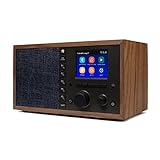
Overview: The Grace Digital Mondo Elite Classic represents the premium tier of internet radios, offering an exhaustive feature set in an elegant walnut cabinet. With access to over 100,000 stations, multi-room capabilities, and voice assistant compatibility, it targets discerning audio enthusiasts.
What Makes It Stand Out: Unprecedented app support includes SiriusXM, Pandora, Amazon Music, and Chromecast built-in, alongside standard Spotify Connect. Multi-room audio grouping and voice assistant control (without privacy-invading microphones) demonstrate thoughtful engineering. The 5-band equalizer and extensive alarm customization show attention to audiophile needs.
Value for Money: At $199.99, it’s double the LEMEGA’s price but delivers triple the functionality. Competing products like the Ocean Digital or Sangean lack multi-room and Chromecast capabilities. For serious radio enthusiasts wanting a centralized audio hub, the premium is justified. Casual users may find it overkill.
Strengths and Weaknesses: Strengths:
- Massive 100,000+ station database
- Multi-room audio synchronization
- Chromecast and UPnP media server support
- Comprehensive 7-day alarm system
- 5-band EQ for sound customization
Weaknesses:
- Premium pricing excludes budget buyers
- Requires separate SiriusXM subscription
- Larger footprint than compact alternatives
- Optional ethernet dongle costs extra
Bottom Line: A feature-packed powerhouse for audio purists and smart home integrators. If you demand multi-room audio, extensive streaming support, and customization, the Mondo Elite Classic justifies its premium price. For casual listening, cheaper options suffice.
4. BIB_WJ Smart Sunrise Alarm Clock with No Signup APP Control & Wake-Up Light, 4 Alarms, White Noise, FM Radio, Wireless Speaker, White
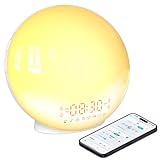
Overview: This budget-friendly smart alarm clock focuses on sleep health with its sunrise simulation and app-controlled convenience. The BIB_WJ combines wake-up light technology, FM radio, white noise generator, and Bluetooth speaker in a sleek white package for under $30.
What Makes It Stand Out: The no-signup app control eliminates frustrating registration processes common with smart devices. Sunrise simulation gradually brightens 10-60 minutes before alarm, while sunset mode helps users fall asleep. Offering 4 alarms, 7 natural sounds, and 11-color mood lighting, it packs surprising versatility into an affordable device.
Value for Money: At $29.98, it dramatically undercuts Philips Wake-up Lights ($100+) while adding FM radio and Bluetooth. Competing smart alarms require account creation and cost twice as much. Though build quality won’t match premium brands, the feature-per-dollar ratio is exceptional for sleep-focused users.
Strengths and Weaknesses: Strengths:
- No-signup app enables instant setup
- Effective sunrise/sunset light therapy
- 4 customizable alarms with natural sounds
- 11-color night light adds versatility
- FM radio and Bluetooth connectivity included
Weaknesses:
- Audio quality limited for music playback
- Build quality reflects budget pricing
- Brand recognition and support unknown
- No internet radio or streaming apps
Bottom Line: An excellent entry-level sleep aid alarm clock that delivers core smart features without complexity or cost. Perfect for bedrooms where gentle waking and light therapy matter more than premium audio. The no-signup approach is refreshingly user-friendly.
5. Amazon Echo Spot (newest model), Great for nightstands, offices and kitchens, Smart alarm clock with Alexa+ Early Access, Glacier White

Overview: Amazon’s redesigned Echo Spot smart alarm clock combines Alexa’s voice intelligence with a vibrant display and surprisingly robust audio. Designed for bedside tables and small spaces, it integrates seamlessly with smart home ecosystems while functioning as a capable clock and music player.
What Makes It Stand Out: Deep Alexa integration enables complex routines, smart home control, and voice commands competitors can’t match. The customizable display shows time, weather, and song titles at a glance. Motion detection triggers automated routines like thermostat adjustment. Early access to new Alexa features ensures cutting-edge capabilities.
Value for Money: At $79.99, it matches the LEMEGA IR4S but exchanges radio tuners for superior voice control. Competing smart displays like the Google Nest Hub cost more with similar features. For Alexa household members, the ecosystem benefits justify the price. Non-Alexa users should consider alternatives.
Strengths and Weaknesses: Strengths:
- Seamless Alexa ecosystem integration
- Motion-triggered routine automation
- Customizable display with useful at-a-glance info
- Robust audio with clear vocals and bass
- Regular feature updates via early access
Weaknesses:
- No built-in internet radio or FM tuner
- Privacy concerns with always-listening device
- Requires Amazon account and WiFi
- Limited audio customization options
Bottom Line: The ideal smart alarm clock for existing Alexa users wanting seamless smart home integration. Its display and audio quality exceed expectations for the price. If you prioritize voice control over traditional radio, the Echo Spot is the clear winner.
6. MS3 Stereo Smart Music System with Internet Radio, FM Digital Radio,Clock Radio,Spotify Connect,Bluetooth Speaker,WiFi Speaker,Headphone-Out,Alarms,Presets,Remote and App Control–Black Oak
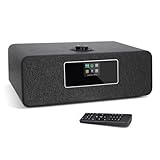
Overview: The MS3 Stereo Smart Music System in Black Oak is a versatile all-in-one audio solution that combines modern streaming capabilities with traditional radio functionality. This compact unit delivers access to over 30,000 internet radio stations, Spotify Connect, FM digital radio, and Bluetooth connectivity, making it suitable for any room in your home where flexible audio options are desired.
What Makes It Stand Out: This system distinguishes itself with comprehensive connectivity options including WiFi streaming for Spotify’s 20 million tracks, one-touch FM preset storage for 20 stations, and dual control via remote or UNDOK app. The integrated USB charging port adds practical value, while dual independent alarms with weekday/weekend scheduling provide exceptional flexibility for modern lifestyles that demand customization.
Value for Money: At $123.49, the MS3 offers impressive functionality that would typically require multiple devices. Competing systems with similar feature sets often exceed $150, making this a cost-effective choice. The combination of internet radio, Spotify Connect, FM tuner, and Bluetooth speaker eliminates the need for separate purchases, consolidating your audio needs into a single, reasonably priced unit.
Strengths and Weaknesses: Strengths include versatile streaming options, convenient USB charging, intuitive app control, and flexible alarm settings. The Black Oak finish provides a contemporary aesthetic. Weaknesses involve potential WiFi dependency for core features and unknown long-term app support quality. The 1A USB port is slower than modern charging standards, which may frustrate users with newer devices.
Bottom Line: The MS3 is an excellent choice for users seeking a unified music system. It successfully bridges traditional radio and modern streaming, offering strong value and functionality for bedrooms, kitchens, or offices. Recommended for those wanting maximum features without premium pricing.
7. MS3 Stereo Smart Music System with Internet Radio, FM Digital Radio,Clock Radio,Spotify Connect,Bluetooth Speaker,WiFi Speaker,Headphone-Out,Alarms,Presets,Remote and App Control–Walnut

Overview: The MS3 Stereo Smart Music System in Walnut finish offers the same robust feature set as its Black Oak counterpart, combining internet radio, Spotify Connect, FM digital radio, and Bluetooth streaming in an attractive wooden cabinet. This unit serves as a comprehensive audio hub for music lovers wanting both traditional and modern listening options without compromising on style or functionality.
What Makes It Stand Out: Beyond its extensive connectivity—30,000+ internet stations, Spotify Connect, and 20 FM presets—the Walnut variant excels in aesthetic appeal. The warm wood grain finish complements classic and contemporary decor alike. The dual alarm system with smart scheduling, remote/UNDOK app control, and USB charging port remain standout functional features that differentiate it from basic clock radios and plastic alternatives.
Value for Money: Priced identically at $123.49, the Walnut version delivers identical technical value with enhanced visual appeal. For those prioritizing interior design, the premium wood finish offers additional worth without extra cost. It undercuts competitors like Grace Digital while providing comparable core functionality, making it an intelligent choice for design-conscious buyers.
Strengths and Weaknesses: Strengths include the elegant walnut cabinet, comprehensive streaming options, user-friendly controls, and practical USB charging. The versatile alarm system adapts to varied schedules. Weaknesses mirror the Black Oak model: reliance on stable WiFi, potential app obsolescence, and modest USB charging speed. The finish may not suit ultra-modern minimalist spaces seeking a sleeker look.
Bottom Line: Choose the Walnut MS3 if you value both functionality and traditional aesthetics. It delivers exceptional versatility for the price while adding warmth to your space. Ideal for living rooms or bedrooms where appearance matters as much as performance and audio quality.
8. Grace Digital Alto Internet Radio + SiriusXM, Pandora, Spotify Connect, Bluetooth, Wi-Fi, 7-Day Alarm (Walnut)

Overview: The Grace Digital Alto Internet Radio represents a premium tier in smart music systems, offering an unparalleled suite of audio options. With access to over 100,000 internet radio stations, built-in apps for SiriusXM, Pandora, Spotify, and Amazon Music, plus Chromecast and multi-room capabilities, this Walnut-finished unit targets serious audiophiles and tech enthusiasts seeking a comprehensive entertainment solution.
What Makes It Stand Out: The Alto’s extensive app ecosystem sets it apart, including iHeartRadio, NPR, Podcasts, and Sleep Sounds. Multi-room audio grouping with Chromecast devices and Google Assistant control provides whole-home integration. Seven individual escalating alarms, a 5-band equalizer, and dual remote options (IR and smartphone app) demonstrate exceptional customization. The large display offers 30 brightness settings for perfect visibility in any lighting condition.
Value for Money: At $179.99, the Alto commands a premium but delivers proportional value. Competing devices with similar app support and multi-room functionality often exceed $200. The inclusion of SiriusXM capability (subscription separate) and Chromecast integration justifies the upcharge for users wanting a centralized, expandable system without purchasing multiple piecemeal components from different brands.
Strengths and Weaknesses: Strengths include vast station selection, robust app support, multi-room synchronization, superior alarm customization, and Grace Digital’s established brand reputation. The Walnut finish is attractive and well-crafted. Weaknesses involve the higher price point, requirement of multiple subscriptions for full functionality, and lack of built-in voice assistant microphone. Some users may find the feature set overwhelming for simple bedside use.
Bottom Line: The Grace Digital Alto is ideal for dedicated music streamers wanting a future-proof, expandable system. Its multi-room capabilities and extensive app support make it worth the premium. Recommended for tech-savvy users who will leverage its full potential and appreciate having virtually every streaming option available in one device.
9. LEMEGA M3P WiFi Internet Radio,FM Digital Radio,Spotify Connect,Bluetooth Speaker,Stereo Sound,Wooden Box,Headphones-Out,AUX-in,40 Presets,Dual Alarms Clock,Remote and OKTIV App Control -Dark Walnut

Overview: The LEMEGA M3P WiFi Internet Radio positions itself as an audiophile-friendly option in the smart music system category. This Dark Walnut unit combines internet radio, Spotify Connect, FM digital radio, and Bluetooth streaming with a focus on superior sound quality through its hand-crafted wooden cabinet and integrated subwoofer, delivering 25 watts of distortion-free audio that fills any room.
What Makes It Stand Out: The M3P’s audio architecture distinguishes it, featuring two front-facing 2.5-inch full-range speakers plus a 4-inch downward-firing subwoofer—rare in this price class. The hand-crafted wooden cabinet and aluminum front plate provide premium aesthetics and acoustic properties. With 40 presets, dual alarms, and OKTIV app control, it balances sophistication with user-friendly operation for discerning listeners.
Value for Money: At $139.99, the M3P bridges the gap between budget all-in-ones and premium systems. The enhanced audio components and build quality justify the $16 premium over the MS3 models. For listeners prioritizing sound fidelity over extensive app ecosystems, this offers better value than the Grace Digital Alto while outperforming basic plastic units that compromise on acoustic performance.
Strengths and Weaknesses: Strengths include excellent stereo sound with genuine bass response, premium materials and construction, 40 station presets, and straightforward functionality. The headphone-out adds private listening convenience. Weaknesses include fewer built-in apps than Grace Digital, reliance on OKTIV app with uncertain long-term support, and no multi-room capability. The subwoofer may be excessive for small bedrooms where space is limited.
Bottom Line: The LEMEGA M3P excels for users wanting superior audio quality without premium pricing. Its wooden construction and subwoofer deliver rich sound that cheaper units cannot match. Perfect for music enthusiasts who value acoustic performance over cutting-edge smart features and prefer a more traditional stereo experience.
10. ROCAM Alarm Clock Radio for Bedrooms with Bluetooth Speaker, Auto-Off Timer, Dimmer, Battery Backup, Loud Alarm Clock for Heavy Sleepers with USB Ports Night

Overview: The ROCAM Alarm Clock Radio is a budget-conscious bedside companion that covers essential functions without unnecessary complexity. This fabric-covered unit provides FM radio, Bluetooth speaker capability, dual USB charging ports, and a large dimmable display for just $23.99, making it an accessible option for bedrooms, dorm rooms, or guest spaces where simplicity and reliability matter most.
What Makes It Stand Out: The ROCAM’s straightforward design emphasizes ease of use with intuitive rotary knobs for time and volume adjustments—eliminating frustrating button-mashing. The large display offers exceptional brightness control from very bright to barely noticeable, crucial for light-sensitive sleepers. Dual USB and Type-C charging ports, battery backup, and 20 FM presets deliver unexpected versatility at this price point.
Value for Money: At $23.99, this represents outstanding value. Competing alarm clocks with Bluetooth and dual charging often cost $35-50. While lacking internet radio and premium audio, it flawlessly executes core functions. The 16-volume settings, auto-off sleep timer, and DST mode provide practical features typically reserved for pricier models, maximizing every dollar spent.
Strengths and Weaknesses: Strengths include affordability, user-friendly controls, excellent display dimmer, reliable battery backup, and modern fabric design. The Bluetooth connectivity works with minimal latency for casual listening. Weaknesses include basic mono sound quality, no internet streaming capabilities, limited alarm tones, and plastic construction that feels less durable than wooden alternatives. The 20 presets require manual setup.
Bottom Line: The ROCAM is perfect for heavy sleepers and minimalists wanting a dependable, no-fuss alarm clock with bonus Bluetooth streaming. It won’t satisfy audiophiles but excels at its intended purpose. Highly recommended for budget-conscious buyers prioritizing function over frills and those needing a reliable wake-up solution with modern conveniences.
Understanding Spotify Connect for Alarm Clocks
How Spotify Connect Works
Spotify Connect operates differently than standard Bluetooth streaming. Instead of routing audio through your phone, the alarm clock itself becomes a Spotify client, connecting directly to Spotify’s servers via Wi-Fi. This means your phone acts merely as a remote control—once you’ve set your wake-up playlist, the clock handles everything independently. The device maintains its own persistent connection to your Spotify account, allowing it to stream even when your phone is off, in another room, or updating overnight.
Advantages Over Bluetooth Streaming
The direct-to-device architecture eliminates the reliability issues that plague Bluetooth connections. You’ll never miss your alarm because your phone’s Bluetooth disconnected or because a notification interrupted your audio stream. Additionally, Spotify Connect delivers higher bitrate audio (up to 320 kbps Ogg Vorbis) compared to the compressed streams typical of Bluetooth, ensuring your morning music sounds crisp and detailed rather than muffled and distant.
The Science Behind Gentle Wake-Ups
Why Your Brain Hates Traditional Alarms
Sudden, loud noises trigger your body’s acute stress response, flooding your system with cortisol and adrenaline before you’re even fully conscious. This “fight or flight” activation can elevate your heart rate by 30-40 beats per minute within seconds, creating that familiar jolt of morning anxiety. Research from sleep laboratories shows this abrupt awakening disrupts REM sleep architecture, leaving you with sleep inertia that can last 1-4 hours.
The Role of Music in Sleep Cycles
Music influences your autonomic nervous system through entrainment—your heart rate and breathing naturally sync to rhythmic patterns. A gentle wake-up sequence starting with 60-80 BPM tracks (matching resting heart rate) and gradually increasing to 100-120 BPM can guide your body through the transition from deep sleep to wakefulness. Spotify Connect alarm clocks can automate this progression, pulling from carefully crafted playlists that respect your circadian biology.
Essential Features to Evaluate
Audio Quality and Speaker Performance
Don’t compromise on sound quality for features. Look for full-range drivers at least 1.5 inches in diameter, housed in acoustic chambers that minimize distortion. Frequency response should extend down to at least 80Hz for adequate bass presence—those low frequencies are crucial for creating a sense of fullness without being jarring. Stereo separation matters more than you might think; even a small soundstage helps create an immersive experience that feels less like an alarm and more like ambient room filling.
Display Technology and Customization
The display can make or break your sleep environment. Auto-dimming OLED or AMOLED screens with lux levels below 1 at minimum brightness prevent melatonin suppression. Seek devices offering customizable color temperature—warmer tones (1800K-2700K) for evening, cooler tones (4000K-5000K) for morning. Some advanced models feature proximity sensors that completely darken the display until you wave your hand, maintaining true darkness while keeping information accessible.
Smart Home Integration Capabilities
True integration goes beyond basic voice commands. Look for Matter or Thread support for future-proof connectivity, and check if the alarm clock can serve as a smart home hub. The ability to trigger “Good Morning” routines that adjust thermostats, start coffee makers, and gradually open smart blinds transforms your wake-up from a single event into an orchestrated experience. IFTTT compatibility opens endless automation possibilities.
Connectivity Options Beyond Wi-Fi
While Wi-Fi 6 support ensures stable streaming, consider backup options. Ethernet ports provide ultimate reliability for permanent installations. NFC tap-to-pair simplifies guest access when friends stay over. Some premium models include built-in cellular connectivity as a failsafe—your alarm will sound even during internet outages, using locally cached Spotify playlists or FM radio backup.
Power Backup Solutions
A smart alarm is useless if a power outage silences it. Internal lithium-ion batteries should provide at least 8 hours of backup power while maintaining all smart features. More importantly, check how gracefully the device handles power transitions—does it maintain Wi-Fi connection during brief flickers? Does it automatically resume Spotify streaming without manual intervention? These details separate reliable options from frustrating ones.
Design Philosophy and Bedroom Aesthetics
Your alarm clock occupies prime bedside real estate. Consider materials that complement your decor—fabric-wrapped units absorb sound reflections and feel warmer than cold plastics. Weight matters; a 2-3 pound device resists accidental knocks. Cable management systems keep charging cords tidy. Some designs feature magnetic attachment systems for wall mounting, freeing up nightstand space while positioning speakers at ear level.
Advanced Functionality
Multi-Room Audio Synchronization
If you live in a multi-person household, whole-home audio coordination becomes crucial. Look for devices supporting Spotify Connect groups that can play synchronized audio across bedrooms, bathrooms, and kitchen. Advanced implementations allow per-room volume offsetting—so your teenager’s room receives a gentler wake-up than your master bedroom, all from the same playlist and timeline.
Sleep Tracking Integration
The most sophisticated alarm clocks now incorporate mmWave radar or infrared sensors for contactless sleep monitoring. These systems detect respiration rate, movement, and even heart rate variability without wearables. When combined with Spotify Connect, they can trigger alarms during light sleep phases within a 30-minute window, then adjust morning playlist tempo based on your actual sleep quality score.
Voice Assistant Compatibility
Native voice assistant integration (not just basic commands) allows complex queries like “Play my ‘Energize’ playlist tomorrow at 6:30 AM with a 15-minute fade-in.” Check if the device supports multiple simultaneous assistants—having both Alexa and Google Assistant available covers all household preferences. Local voice processing ensures your alarm still responds during internet outages.
Automation and Routine Building
The true power emerges when you chain multiple actions. Advanced alarm clocks offer visual routine builders in their apps, letting you create sequences: 6:00 AM—start playing ambient nature sounds at 20% volume; 6:15 AM—gradually increase to 40% while turning on bedside lamp; 6:30 AM—switch to upbeat playlist at 60% while reading today’s calendar events. This granular control turns waking up into a personalized ritual.
Practical Considerations
Setup Complexity and User Experience
A sophisticated feature set means nothing if setup frustrates you. Look for devices with Bluetooth LE provisioning that simplify Wi-Fi password entry. The companion app should offer intuitive onboarding with clear status indicators during Spotify authorization. Some models feature QR code-based setup—scan, authenticate, and you’re configured in under two minutes. Read user reviews focusing specifically on initial setup experiences.
Privacy and Data Security
Your alarm clock knows when you sleep, wake, and what music soothes you. Ensure devices feature hardware-level encryption for stored credentials and local processing of sleep data where possible. Check privacy policies for data retention periods—reputable manufacturers delete sleep analytics after 30 days unless you opt into cloud storage. Physical mute switches for microphones provide tangible privacy assurance.
Troubleshooting Common Connection Issues
Even the best devices encounter hiccups. Spotify Connect can drop due to router QoS settings prioritizing video streaming over audio. Look for devices with diagnostic modes that test Wi-Fi signal strength and Spotify server latency. Some include built-in network analyzers that suggest optimal 5GHz channels. Firmware update frequency indicates manufacturer commitment—monthly updates suggest active issue resolution.
Price Tiers and Value Assessment
Entry-level models ($50-100) offer basic Spotify Connect with decent speakers but limited smart features. Mid-range ($100-200) adds sleep tracking and multi-room audio. Premium ($200-400) includes advanced sensors, hub functionality, and audiophile-grade components. Consider total cost of ownership—devices requiring proprietary subscriptions for full functionality may cost more long-term than higher upfront purchases.
Looking Ahead
Emerging Trends in Smart Alarm Technology
The next generation will likely incorporate generative AI that crafts personalized wake-up soundscapes based on your sleep data, calendar, and even weather forecasts. Matter standard adoption will enable deeper smart home integration. We’re seeing early implementations of haptic feedback systems that gently vibrate your mattress in sync with audio fade-in, creating a multi-sensory experience that could revolutionize how we perceive morning alarms.
Making Your Final Decision
Creating Your Personal Feature Checklist
Before browsing options, prioritize your non-negotiables. Rate importance of audio fidelity vs. display brightness vs. smart home integration. Consider your technical comfort level—some devices offer incredible customization but require patience to master. Think about your bedroom’s specific challenges: Do you need extra-loud backup for deep sleepers? Is partner consideration crucial (headphone jack or under-pillow vibration)? Your perfect alarm clock aligns with your lifestyle, not just a feature list.
Frequently Asked Questions
How does Spotify Connect differ from using my phone’s alarm with Bluetooth?
Spotify Connect creates a direct Wi-Fi connection between the alarm clock and Spotify’s servers, independent of your phone. This eliminates Bluetooth range issues, prevents call/message interruptions, and allows your phone to remain off or in another room. The alarm clock maintains its own persistent Spotify session, making it far more reliable for critical wake-up functions.
Will my alarm still work if the internet goes down overnight?
Premium models include local playlist caching—your selected wake-up playlist downloads to internal storage. During outages, the device plays this cached version. Others fall back to FM radio or standard beeper alarms. Always verify backup behavior in specifications, as this varies significantly between devices.
Can I use Spotify Connect alarm clocks with a free Spotify account?
Most require Spotify Premium for Connect functionality. Free accounts typically don’t support Connect on third-party devices. Some clocks offer limited trials or workarounds, but for reliable daily use, Premium is essentially mandatory. Factor this $10.99/month cost into your decision.
How much data does a Spotify Connect alarm clock use?
Streaming at 320 kbps uses approximately 144MB per hour. A 30-minute gradual wake-up consumes about 72MB. Most devices auto-pause after 1-2 hours, limiting daily usage to under 300MB. For metered connections, look for data-saving modes that cache playlists during off-peak hours.
Do these devices work with other music services?
Many support additional services like Apple Music, Amazon Music, or Tidal, but implementation quality varies. Spotify Connect remains the most seamless due to its native SDK integration. If you use multiple services, verify each is supported natively rather than through problematic Bluetooth bridging.
Can I set different alarms for weekdays and weekends with different playlists?
Advanced models offer unlimited alarm profiles with per-day customization. You can create “Workday Energize” with upbeat tracks starting at 6:00 AM and “Weekend Gentle” with ambient sounds at 8:30 AM. The best interfaces allow drag-and-drop playlist assignment and volume curve editing for each profile.
Will the LED display disrupt my sleep?
Quality devices feature auto-dimming that drops below 1 lux—dimmer than a candle at 10 feet. Look for models with complete display shutoff options that activate via proximity sensor or schedule. Red-spectrum displays are least disruptive to melatonin production compared to blue or white LEDs.
How do I prevent my partner from being disturbed?
Seek devices with headphone jacks, under-pillow vibration pads, or directional audio technology that focuses sound toward your side of the bed. Some advanced models use beamforming speakers to create a “sound zone” above your pillow. Setting a longer fade-in duration (20-30 minutes) also reduces sudden volume spikes.
What’s the typical lifespan of a smart alarm clock?
With proper care, expect 5-7 years of functionality. Battery backup capacity diminishes after 3-4 years. Software support is the limiting factor—manufacturers typically provide firmware updates for 3-5 years post-release. Choose brands with strong track records of long-term support and active user communities.
Can these devices track sleep without wearing anything?
Yes, many premium models use mmWave radar or infrared sensors for contactless monitoring. These detect micro-movements, breathing patterns, and heart rate through bedding. Accuracy approaches 85-90% of medical-grade polysomnography for sleep staging. However, they may struggle with multiple people in bed or very thick mattresses.