Every year, thousands of families face the unthinkable: a child discovering colorful pills that look like candy, a teenager experimenting with prescription opioids, or an elderly parent doubling their dose due to memory lapses. The medicine cabinet, once a simple bathroom fixture, has become one of the most critical security vulnerabilities in modern homes. While traditional child-safety locks might deter a toddler for a few minutes, they crumble against determined teens, visiting guests, or even the cognitive decline of someone struggling with addiction or dementia.
Smart cabinet locks represent a seismic shift in how we protect what’s behind those mirrored doors. These aren’t just digital versions of old-fashioned latches—they’re sophisticated access control systems that bring military-grade security, audit trails, and real-time alerts into your home. Whether you’re safeguarding life-saving medications, managing complex caregiver schedules, or simply seeking peace of mind, understanding the landscape of smart locking technology is no longer optional—it’s essential. Let’s explore what separates a truly transformative solution from a glorified gadget.
Top 10 Smart Cabinet Locks for Medication Security
Detailed Product Reviews
1. Anweller Smart Cabinet Lock, Hidden No Drill Adhesive Baby Proofing Child Proof Drawer Locks, Keyless RFID Bluetooth Cabinet Locks for Adults File Kitchen Cupboard Closet Liquor - Black

Overview: The Anweller Smart Cabinet Lock delivers comprehensive keyless security for households needing both childproofing and adult privacy protection. This black RFID Bluetooth lock installs discreetly inside cabinets and drawers, providing five unlocking methods while preserving furniture aesthetics. Designed for versatility, it accommodates various cabinet types without permanent modification.
What Makes It Stand Out: Five unlocking options—mobile app, Apple Watch, RFID card, NFC, and Alexa—offer exceptional flexibility. The invisible, no-drill installation preserves furniture integrity, while robust zinc alloy construction withstands 440 lbs of pull tension. Its Mom’s Choice Award certification validates child safety credentials, and the remarkable 365-day standby time on two AA batteries eliminates frequent maintenance concerns.
Value for Money: At $29.99, this lock competes aggressively against traditional cabinet locks while offering smart features typically found in higher-priced devices. Dual installation methods (adhesive or screws) provide adaptability across furniture types, making it a cost-effective alternative to professional security installations or multiple single-purpose locks.
Strengths and Weaknesses: Strengths include versatile access methods, award-winning safety certification, extended battery life, and damage-free installation. The high-viscosity adhesive ensures stable mounting, while screw installation offers maximum security. Weaknesses involve potential adhesive degradation over time, complete battery dependence, possible app connectivity issues, and digital security concerns that may not suit traditionalists.
Bottom Line: This Anweller lock excels for families needing reliable childproofing without sacrificing adult convenience. Its blend of security certifications, multiple access methods, and thoughtful design makes it an excellent investment for safeguarding cabinets and drawers throughout the home.
2. eLinkSmart Smart Cabinet Lock, Hidden No Drill Adhesive Magnetic Baby Proofing Child Proof Drawer Locks, Keyless RFID Bluetooth Cabinet Locks for Adults File Kitchen Cupboard Closet Liquor - White

Overview: The eLinkSmart Smart Cabinet Lock provides an identical feature set to its competitors in a clean white finish, offering comprehensive keyless security for cabinets and drawers. Designed for seamless integration into lighter décor, this lock serves both childproofing and adult privacy needs without compromising furniture aesthetics or requiring permanent modifications.
What Makes It Stand Out: Like its counterparts, it boasts five unlocking methods—mobile app, Apple Watch, RFID card, NFC, and Alexa voice control. The invisible installation requires no drilling, preserving your furniture’s integrity. The white color option provides better integration with lighter cabinetry. Its Mom’s Choice Award certification and 440-lb pull tension rating ensure robust child safety, while the 365-day battery standby minimizes maintenance.
Value for Money: Priced at $29.99, it matches competitor pricing while delivering premium smart features. The inclusion of both adhesive and screw mounting options maximizes versatility across different furniture types, representing solid value for tech-savvy families seeking reliable cabinet security without professional installation costs.
Strengths and Weaknesses: Strengths mirror the category leader: versatile access options, certified safety credentials, exceptional battery life, and reversible installation. The white finish offers design flexibility. Weaknesses include reliance on battery power, potential adhesive failure over years of use, app dependency for full functionality, and digital security concerns that may not suit all users.
Bottom Line: This eLinkSmart lock is functionally equivalent to top-tier options at a competitive price. Choose it primarily for aesthetic preference—the white finish integrates beautifully with light-colored furniture while delivering the same robust security and convenience features families require.
3. ETEKJOY RFID Electronic Cabinet Lock Hidden DIY for Wooden Cabinet Locker Drawer Cupboard Box with 5PCS IC Cards/Tags

Overview: The ETEKJOY RFID Electronic Cabinet Lock presents a budget-conscious approach to smart cabinet security, focusing on essential RFID functionality without app connectivity. Designed specifically for wooden furniture under one inch thick, this DIY lock includes five programmable IC cards and offers straightforward protection for drawers, cupboards, and lockers where basic access control suffices.
What Makes It Stand Out: The 13.56MHz IC card technology provides superior sensitivity and security compared to standard 125kHz systems. Its fully programmable nature allows one card to unlock multiple locks, offering convenient master key functionality. The metal latch and mortise mechanism ensures durability, while the low-power alarm prevents unexpected lockouts by keeping the unit unlocked when batteries deplete.
Value for Money: At $14.20, this lock dramatically undercuts Bluetooth-enabled alternatives while delivering reliable RFID security. The included five cards and simple screw installation eliminate additional expenses, making it an exceptional entry point for users wanting basic smart locking without recurring costs or complex setup requirements.
Strengths and Weaknesses: Strengths include affordability, sensitive IC card technology, programmable master key capability, metal construction, and low-power protection. The no-drill screw installation is straightforward. Weaknesses limit its appeal: no smartphone integration, wooden furniture only, requires screwdriver installation, batteries not included, and lacks remote access features that tech-forward users expect.
Bottom Line: Perfect for users seeking simple, reliable cabinet security without frills. The ETEKJOY lock excels in garages, workshops, or offices where basic access control suffices. While it lacks modern smart features, its rock-bottom price and solid RFID performance make it ideal for securing storage on a budget.
4. FORFEND Smart Home Safe | WiFi Safe Box App Lock/Alarm | Voice Command, Kidnap Alarm, Tamper Detect, Frozen Mode, Sub Account| Digital Safe Anti Theft

Overview: The FORFEND Smart Home Safe elevates residential security with professional-grade features in a WiFi-enabled package. This $169.99 safe transcends traditional lockboxes by offering comprehensive monitoring, emergency response capabilities, and unlimited remote access without subscription fees, targeting users serious about protecting valuables, firearms, and sensitive documents.
What Makes It Stand Out: Unlike Bluetooth safes, FORFEND’s WiFi connectivity eliminates distance restrictions, enabling real-time alerts and control from anywhere globally. The sophisticated tamper alarm system triggers instant notifications across multiple channels, while the unique Kidnap Alarm silently alerts family during duress situations. One-tap Frozen Mode provides immediate lockdown, and the absence of monthly fees makes premium features permanently accessible.
Value for Money: While significantly pricier than cabinet locks, it competes favorably with traditional safes offering far fewer features. The lack of subscription costs offsets the initial investment over time, and professional security capabilities justify the premium for users requiring serious protection beyond simple deterrents.
Strengths and Weaknesses: Strengths include unlimited remote access, comprehensive alarm systems, duress protection, emergency lockdown, and zero subscription fees. The multi-channel alert system ensures you’re always informed. Weaknesses involve higher upfront cost, WiFi dependency, potential overkill for casual users, and complexity that may overwhelm those wanting simple security.
Bottom Line: The FORFEND safe is ideal for homeowners prioritizing maximum security and remote monitoring. Its professional features justify the investment for protecting firearms, jewelry, or sensitive documents. If you need a safe that fights back intelligently against tampering and provides peace of mind anywhere, this is your solution.
5. Pothunder Smart Cabinet Lock, 1 1/8" (30mm) Long Cabinet Cam Lock with Fingerprint Bluetooth APP, Digital Keyless Biometric Child Safety Lock for Drawer Cabinets Storage Mailbox

Overview: The Pothunder Smart Cabinet Lock integrates biometric fingerprint technology with Bluetooth app control in a versatile cam lock design. Priced at $34.19, this 1-1/8 inch lock targets users wanting quick, keyless access to drawers and cabinets while maintaining detailed control over who can enter and when, supporting one admin and 500+ general users.
What Makes It Stand Out: The 0.5-second fingerprint unlock provides instant access for up to 20 registered users, while the admin account can remotely authorize general users via the app. Three interchangeable latches accommodate various drawer thicknesses under 30mm, and the rechargeable lithium battery delivers six months of operation. Detailed access logs provide accountability for shared spaces like offices or multi-generational homes.
Value for Money: Positioned between basic RFID locks and premium safes, the Pothunder offers biometric convenience at a reasonable price point. The rechargeable battery eliminates ongoing costs, and multiple latch sizes increase versatility across furniture types, delivering solid value for security-conscious users wanting modern features without premium pricing.
Strengths and Weaknesses: Strengths include rapid fingerprint recognition, extensive user management, rechargeable power, adaptable latches, and comprehensive access tracking. The DIY installation is straightforward. Weaknesses include the 30mm thickness limitation, modest 20-fingerprint capacity compared to commercial alternatives, app dependency for advanced features, and potential fingerprint sensor issues with dirty or wet fingers.
Bottom Line: The Pothunder lock strikes an excellent balance between convenience and security for home offices, bedrooms, or shared living spaces. Its biometric access and detailed user controls make it perfect for securing personal items while allowing temporary access to family or housekeepers. A strong mid-range choice for fingerprint-based security.
6. Yale Smart Cabinet Lock - Secure Medicine, Liquor, Cleaning Supply and Other cabinets. Child Proof. Magnet and Key Free Access with Your Phone or Apple Watch

Overview: The Yale Smart Cabinet Lock brings trusted security brand recognition to childproofing solutions. Designed for quick installation in most cabinets and drawers, this lock secures medicines, liquor, and valuables using your smartphone or Apple Watch. The system integrates with Yale’s ecosystem, offering modern convenience for safety-conscious households seeking professional-grade protection.
What Makes It Stand Out: Yale’s reputation for reliability sets this apart from generic competitors. The Auto Relock feature ensures automatic security, while voice assistant compatibility (with optional Wi-Fi Connect) enables hands-free operation. The seamless Yale Access app provides intuitive control without physical keys or magnets, making it exceptionally user-friendly for non-tech-savvy parents.
Value for Money: At $60.14, you’re paying premium for the Yale brand name and proven reliability. While significantly pricier than alternatives, it offers peace of mind through established security expertise. However, full smart home integration requires a separate Yale Wi-Fi Connect purchase, adding hidden costs that diminish initial value for those wanting remote access.
Strengths and Weaknesses: Strengths include trusted brand heritage, robust app integration, and automatic relocking. Installation is genuinely tool-free and quick. Weaknesses are the high price point, additional cost for Wi-Fi connectivity, and limited unlock methods compared to budget competitors offering RFID and NFC options.
Bottom Line: Ideal for parents prioritizing brand trust over budget. The Yale Smart Cabinet Lock delivers reliable childproofing with premium features, but cost-conscious buyers may find better value elsewhere.
7. BAWOSS Smart Bluetooth Cabinet Locks Hidden,Safety RFID Kid Keyless Drawer Locks for Adults Children Proof,TTlock APP Compatible with Alexa & Google Home Smart Lock Cupboard,No Drilling,NFC,Card,Key

Overview: The BAWOSS Smart Bluetooth Cabinet Lock offers an affordable, versatile security solution for homes and offices. This invisible lock installs without drilling, providing keyless access through RFID cards, NFC-enabled devices, or Bluetooth. Its universal design suits cabinets, drawers, lockers, and even medical carts, making it a flexible choice for various security needs.
What Makes It Stand Out: The innovative “One Card System” allows a single key card to unlock multiple locks, simplifying key management across your property. Using advanced 13.56MHz M1 cards instead of standard 125kHz ID cards enhances security and sensitivity. The 1.5-inch card sensing distance and 100-inch Bluetooth range provide convenient access without compromising safety.
Value for Money: At $29.99, this lock delivers exceptional value. It matches premium features like NFC compatibility and voice assistant integration at half the price of brand-name alternatives. The no-drill installation saves additional costs on tools or professional help, making it an economical choice for securing multiple locations.
Strengths and Weaknesses: Strengths include affordability, versatile mounting options, multi-scene applicability, and advanced RFID technology. The no-drill design preserves furniture integrity. Weaknesses include incompatibility with curved cabinets and double-drawer fronts, potential adhesive durability concerns over time, and a less established brand reputation compared to security giants like Yale.
Bottom Line: A feature-packed budget champion. The BAWOSS lock is perfect for renters and those needing multiple units, offering impressive functionality without the premium price tag.
8. Anweller Smart Cabinet Lock, Hidden No Drill Adhesive Baby Proofing Child Proof Drawer Locks, Keyless RFID Bluetooth Cabinet Locks for Adults File Kitchen Cupboard Closet Liquor - White
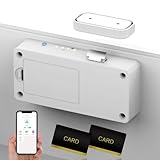
Overview: The Anweller Smart Cabinet Lock combines sophisticated security with childproofing certification in a sleek white design. Offering five unlocking methods including mobile app, Apple Watch, RFID card, NFC, and Alexa, this versatile lock secures cabinets, drawers, and cupboards without drilling. Its Mom’s Choice Award endorsement signals trusted performance for family safety.
What Makes It Stand Out: The 365-day standby time on just two AA batteries is outstanding, delivering approximately 6,000 unlock cycles per charge. The invisible installation preserves furniture aesthetics while handling 440 lbs of pull tension when screwed in. Anti-prying and anti-vandalism features provide commercial-grade security in a residential package.
Value for Money: At $29.99, this lock punches far above its weight class. The combination of extended battery life, multiple access methods, award-winning design, and robust materials rivals locks costing twice as much. Flexible stick-on or screw installation accommodates both renters and homeowners.
Strengths and Weaknesses: Strengths include exceptional battery longevity, five unlock options, Mom’s Choice Award credibility, high-security materials, and versatile installation. The white finish suits most furniture. Weaknesses include potential color mismatch with dark wood tones and reliance on adhesive strength for non-screwed installations, which may vary by surface.
Bottom Line: A top-tier choice for families wanting maximum features at minimum price. The Anweller lock excels in battery life, security, and versatility, making it a smart investment for childproofing or personal security.
9. Eseesmart Smart Cabinet Lock, Hidden Magnetic Bluetooth RFID Keyless Drawer Lock, Baby Proofing Child Safety Cabinet Locks for Liquor File Cabinet Cupboard Desk Dresser Adults

Overview: The Eseesmart Smart Cabinet Lock addresses installation challenges with its narrower, more compact design. This hidden magnetic lock offers multiple access options through app, RFID card, NFC, and Apple Watch, making it ideal for modern households. Specialized engineering allows mounting on double-layer door panel drawers where standard locks simply won’t fit, solving a common furniture compatibility issue.
What Makes It Stand Out: The slim profile solves a common pain point: fitting smart locks on contemporary furniture with limited space. Flexible stick-on or screw installation with high-viscosity tape ensures secure mounting without drilling. The invisible design maintains furniture aesthetics while providing robust anti-prying and anti-vandalism protection that safeguards your privacy effectively.
Value for Money: Priced at $29.99, this lock offers targeted value for those with installation constraints. While feature-similar to competitors, its specialized narrow design prevents costly furniture modifications. The inclusion of both installation methods adds flexibility without additional expense, making it a practical problem-solver.
Strengths and Weaknesses: Strengths include space-saving design, versatile mounting options, discreet aesthetics, and quality materials. The lock handles various furniture types effectively. Weaknesses include fewer unlock methods than some competitors (lacks Alexa integration) and potentially reduced torque capacity due to smaller size. Brand recognition is also limited compared to established names.
Bottom Line: Perfect for challenging installations. The Eseesmart lock is your solution for tight spaces and double-panel drawers, delivering reliable security where other locks simply won’t fit.
10. eLinkSmart Smart Cabinet Lock, Hidden No Drill Adhesive Magnetic Baby Proofing Child Proof Drawer Locks, Keyless RFID Bluetooth Cabinet Locks for Adults File Kitchen Cupboard Closet Liquor - Black
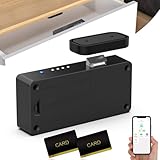
Overview: The eLinkSmart Smart Cabinet Lock delivers premium features in a sleek black finish that blends seamlessly with dark furniture. Offering five unlocking methods—mobile app, Apple Watch, RFID card, NFC, and Alexa—this invisible lock secures cabinets and drawers without drilling. Its award-winning design provides commercial-grade security for homes and offices seeking discreet protection.
What Makes It Stand Out: The black colorway distinguishes it from predominantly white competitors, offering aesthetic coordination with espresso, walnut, or black furniture. Like its counterparts, it handles 440 lbs of pull tension and features anti-prying protection. The 365-day battery life on two AA batteries ensures minimal maintenance with 6,000 unlock cycles, making it exceptionally convenient.
Value for Money: At $29.99, this lock mirrors the exceptional value of similar models while providing a color alternative. The dual installation methods (adhesive or screws) accommodate both renters and homeowners. Battery longevity and five access methods rival products costing significantly more, making it a cost-effective security upgrade for style-conscious buyers.
Strengths and Weaknesses: Strengths include color versatility, extended battery life, multiple unlock options, robust materials, and Mom’s Choice Award credibility. The invisible installation preserves furniture beauty. Weaknesses include identical feature sets to the white version (no differentiation beyond color) and potential adhesive failure on certain surfaces over extended use.
Bottom Line: Choose this lock for dark furniture aesthetics. The eLinkSmart offers the same excellent performance as its white counterpart, letting you match your decor without sacrificing features or security.
The Hidden Dangers of Unsecured Medications
Your medicine cabinet holds more than pills; it holds potential hazards that evolve with your household. Accidental poisoning remains a leading cause of injury for children under six, with prescription medications accounting for a staggering percentage of pediatric toxic exposures. But the risks extend far beyond curious toddlers. Adolescents increasingly source prescription stimulants, benzodiazepines, and painkillers from family medicine cabinets, turning a moment of privacy into a gateway for substance misuse. For aging adults, unsecured medications can lead to dangerous double-dosing or missed doses, especially when multiple caregivers are involved.
The liability implications are equally sobering. Homeowners can face legal consequences if a visitor accesses and misuses unsecured prescriptions. In multi-generational homes, the challenge compounds: you need to protect children from harmful substances while ensuring elderly family members can access their daily medications without frustration. Traditional locks create a binary choice—locked or unlocked—with no nuance for these complex scenarios. Smart locks introduce granular control, transforming your cabinet from a passive storage space into an active participant in household safety.
Understanding Smart Cabinet Lock Technology
At its core, a smart cabinet lock is an electromechanical device that replaces or augments traditional mechanical locking mechanisms with digital authentication and connectivity. Unlike basic keypad locks that simply substitute a key for a code, true smart locks integrate microprocessors, encrypted communication protocols, and sensors that provide feedback about access attempts, battery status, and tampering.
These systems typically fall into two categories: retrofit adapters that attach to existing cabinet hardware, and replacement locks that integrate directly into the door or frame. Retrofit solutions preserve your cabinetry and install in minutes, making them ideal for renters or those hesitant to drill into furniture. Replacement locks offer cleaner aesthetics and often superior security but require permanent modification. Understanding this distinction early in your decision process prevents costly mistakes and ensures compatibility with your specific cabinet style, whether it’s a surface-mounted mirror cabinet or a recessed pharmaceutical-grade storage unit.
Core Features That Separate Premium from Basic
The market floods with devices labeled “smart,” but only a handful earn that designation through meaningful functionality. Premium locks distinguish themselves through hardware durability—look for die-cast zinc or stainless steel construction rather than plastic housings that crack under pressure. Encryption standards matter profoundly: AES-256 encryption for data transmission isn’t overkill; it’s the baseline for protecting access logs that could reveal when you’re home or your medication schedule.
Battery monitoring separates reliable systems from frustrating ones. The best locks provide multi-week low-battery warnings through the app, physical LED indicators, and even email notifications. They also maintain a secure “last-reserve” power state that preserves settings while preventing lockouts. Another premium feature is adaptive learning: advanced biometric sensors that improve recognition accuracy over time by mapping subtle changes in your fingerprint patterns. Basic locks simply fail more frequently as sensors degrade, forcing you to revert to backup access methods.
Authentication Methods: Finding Your Security Sweet Spot
No single authentication method suits every household. The right choice depends on who needs access, their technical comfort, and the specific threats you’re mitigating. Smart cabinet locks typically offer one or more authentication pathways, and understanding the tradeoffs between convenience and security is crucial for making an informed decision.
Biometric Scanners: Fingerprint Technology Deep Dive
Fingerprint recognition offers unparalleled convenience—touch and open in under a second. However, not all biometric sensors perform equally. Optical scanners, the most common in budget devices, capture a 2D image of your fingerprint and are vulnerable to spoofing with lifted prints. Capacitive sensors measure the electrical conductivity of your skin, making them far more resistant to fakery. The gold standard, ultrasonic sensors, create 3D maps of fingerprint ridges and valleys using sound waves, working even with wet or slightly dirty fingers.
Consider enrollment capacity: how many unique fingerprints can the system store? For families, a minimum of 20 prints allows primary users plus caregivers, relatives, and trusted friends. Look for “self-learning” algorithms that update your fingerprint profile with each successful scan, compensating for minor cuts, aging, or seasonal skin changes. Beware of systems that store biometric data in the cloud; premium locks keep this sensitive information encrypted locally on the device, accessible only through secure hardware modules.
PIN Codes and Keypads: Not All Are Created Equal
Keypad entry provides a reliable backup or primary authentication method, but vulnerability varies dramatically. Simple 4-digit codes offer only 10,000 combinations—brute-forceable in minutes without rate limiting. Premium systems require 6-8 digit codes and implement progressive delays: after three failed attempts, the lock forces a 60-second wait, doubling the delay with each subsequent failure.
Virtual password protection is a game-changing feature that prevents “shoulder surfing.” Users can enter random digits before and after their actual code as long as the correct sequence appears consecutively somewhere in the string. For example, if your code is 2847, entering 98284756 still grants access while concealing the true code from observers. Backlit keypads with adjustable timeout settings prevent code detection through wear patterns on frequently pressed buttons—an often-overlooked vulnerability in mechanical and basic electronic locks.
RFID and NFC: Tap-to-Unlock Convenience
Radio-frequency identification (RFID) and near-field communication (NFC) tags offer fast, key-fob-style access perfect for caregivers or family members uncomfortable with smartphones or biometrics. The critical security consideration is tag cloning vulnerability. Basic 125kHz RFID tags transmit unencrypted IDs that can be copied with $20 devices from Amazon. Modern 13.56MHz NFC tags with mutual authentication protocols challenge the reader to prove legitimacy before transmitting data, preventing simple replay attacks.
Look for systems that support tag expiration—useful for temporary caregivers or visiting nurses. The ability to remotely deactivate a lost tag through the app prevents the security nightmare of rekeying an entire system. Some advanced locks even support smartphone NFC emulation, allowing authorized phones to function as tags without opening the app, ideal for quick access during emergencies.
Mobile App Integration: Must-Have Capabilities
The smartphone app serves as your lock’s command center, and its quality directly impacts daily usability. Beyond basic locking and unlocking, demand comprehensive access logs that timestamp every event with user identification and authentication method. These logs should be exportable—crucial for medical compliance documentation or legal protection.
Remote access capabilities require careful scrutiny. True remote operation works from anywhere with internet connectivity, not just within Bluetooth range. However, this convenience introduces security risks if not properly implemented. Look for end-to-end encrypted communication and two-factor authentication for app login. Geofencing features can automatically lock the cabinet when your phone leaves home and unlock as you return, but ensure this uses local device communication rather than constantly tracking your location in the cloud.
Smart Home Integration: Beyond Basic Connectivity
Integration with Alexa, Google Assistant, or Apple HomeKit transforms your medication lock from an isolated device into part of a cohesive safety ecosystem. Voice commands like “Alexa, lock the medicine cabinet” offer hands-free convenience, but require careful privacy configuration. Disable voice PINs that could be overheard, and use voice profiles to prevent unauthorized users from issuing commands.
The real power lies in automation routines. Configure your system to flash smart lights and send urgent notifications if the cabinet opens between midnight and 6 AM. Link lock status to your security system, so opening the medicine cabinet while the alarm is armed triggers immediate video recording. IFTTT (If This Then That) support opens infinite possibilities: automatically log all access to a Google Sheet, or receive a phone call (not just a push notification) if the cabinet remains open longer than two minutes.
Power Solutions: Battery, Hardwired, or Hybrid?
Power management failures cause more lockouts than any other issue. Battery-operated locks dominate the market for installation simplicity, but runtime varies from two months to over a year depending on usage patterns and connectivity options. Lithium AA batteries outperform alkalines in high-drain scenarios and maintain voltage consistency as they deplete, preventing the “low battery but still functional” gray zone that leads to unexpected failures.
Hardwired options, while rarer, provide ultimate reliability for permanent pharmaceutical storage. These connect to your home’s electrical system with battery backup, ensuring continuous operation during outages. The emerging hybrid category uses long-life rechargeable lithium cells that charge via USB-C every 3-6 months, eliminating battery replacement costs and environmental waste. Solar-assisted models exist for brightly lit bathrooms, but their trickle-charge capability often can’t keep pace with heavy use.
Installation Methods: Preserve Your Cabinetry
Your installation choice impacts not just aesthetics but also security and future flexibility. Adhesive-mounted retrofit locks use industrial-strength 3M VHB tape or similar compounds that bond to most surfaces. While renter-friendly, they’re only as secure as the cabinet material—pressboard vanities may delaminate before the adhesive fails, leaving the lock attached to a peeling wood layer. Always clean surfaces with isopropyl alcohol and allow 24-hour curing time before trusting adhesive mounts.
Drilled installations provide permanent, tamper-resistant security but require precise measurements and the right tools. Premium locks include drilling templates and depth stops to prevent punching through cabinet doors. Consider the lock’s backset—the distance from the door edge to the lock center—and ensure your cabinet’s frame depth can accommodate the mechanism. For recessed medicine cabinets, verify the lock body doesn’t interfere with shelving or electrical outlets inside the cavity.
Security Certifications That Actually Matter
In an unregulated market, certifications separate marketing fluff from verified security. Look for ANSI/BHMA Grade 2 certification, which ensures the lock withstands 400,000 cycles and 150 ft-lbs of force—standards borrowed from commercial door hardware. While no specific certification exists for residential medicine cabinet locks yet, these benchmarks provide objective performance metrics.
For electronic components, FCC certification is mandatory but minimal; UL 2900-1 cybersecurity certification is the gold standard, requiring third-party penetration testing and secure software development practices. If storing controlled substances, consider locks compliant with DEA guidelines for Schedule II-V substances, which mandate audit trails and tamper evidence—even for home use, these standards ensure professional-grade security.
Real-Time Monitoring and Alert Systems
Passive logging tells you what happened after the fact; proactive monitoring prevents incidents. Premium systems offer configurable alert thresholds: immediate notification for any access attempt, batched daily summaries, or urgent alerts only for failed authentication or tampering. Tamper detection should include accelerometer sensors that trigger alerts if someone attempts to pry the lock or remove it from the cabinet.
Advanced models integrate with contact sensors to detect if the cabinet door opens without a valid unlock command—indicating a forced entry or mechanical bypass attempt. Some systems even monitor internal temperature and humidity, crucial for medication efficacy, alerting you if bathroom steam showers create conditions that degrade pill stability. The best apps allow custom alert escalation: first a push notification, then an SMS, then an automated phone call to emergency contacts if the cabinet remains unsecured.
Managing Multiple Users and Access Levels
Modern households require nuanced access control, not just a list of authorized users. Look for systems supporting role-based permissions: administrators who can add users and change settings, standard users with time-restricted access, and temporary users with expiration dates. Caregiver schedules are particularly powerful, allowing a home health aide access only during their designated shift window, automatically revoking permissions afterward.
Guest access features generate one-time codes or temporary biometric enrollments that self-destruct after use—perfect for pet sitters or house guests who need occasional access. Some systems offer “escalation access,” where a user can request entry through the app, and an administrator receives a notification to remotely unlock after verifying identity via video call. This balances security with flexibility for unpredictable situations.
Emergency Protocols: When Seconds Count
A lock that secures your medications must never become a barrier during legitimate medical emergencies. Premium systems include multiple redundant access methods: a mechanical override key hidden in a separate location, a master PIN code that works even during electronic failures, and battery terminals on the lock’s exterior where touching a 9V battery provides temporary power for authentication.
Consider locks with “distress unlock” features—entering a specific alternate code silently triggers emergency alerts to designated contacts while still granting access, useful in domestic violence or coercion scenarios. Some systems integrate with medical alert devices, allowing a pendant button press to both call emergency services and unlock the cabinet for first responders. Always test emergency protocols monthly; a lock that’s secure but not accessible when needed is a liability, not a safety device.
Investment Breakdown: Total Cost of Ownership
Sticker price rarely reflects true cost. Budget locks ($30-$60) often use proprietary batteries costing $15 each and requiring replacement every three months. Mid-range options ($80-$150) typically run on standard AAs and include basic app features. Premium locks ($200-$400) justify their price through multi-year battery life, professional-grade encryption, and lifetime firmware updates.
Factor in hidden costs: subscription fees for cloud storage of access logs (some vendors charge $3-$10 monthly), replacement adhesive mounts ($20 each if you move), and smartphone requirements (will you need to upgrade your phone to support the latest Bluetooth standards?). Calculate cost per access over five years: a $250 lock opened twice daily costs about seven cents per use, cheaper than most morning coffees and infinitely less expensive than a single emergency room visit.
Privacy and Compliance Considerations
Your medication lock generates sensitive data—when you access prescriptions, which family members are on medication schedules, potentially even what conditions you’re treating. Reputable manufacturers store this data locally on the lock’s encrypted memory, with app access via direct Bluetooth or Wi-Fi connection. Be wary of systems requiring cloud accounts where your access logs reside on third-party servers, potentially subject to data breaches or subpoena.
If you’re a caregiver managing medications for others, understand your legal obligations. While HIPAA doesn’t typically apply to family caregivers, documenting access through exportable logs demonstrates due diligence if questions arise about medication management. Some locks offer “privacy mode” that temporarily suspends logging for sensitive access—useful when retrieving personal medications you prefer not to document, but consider the security implications carefully.
Long-Term Maintenance and Support
A smart lock is only as reliable as its firmware. Choose manufacturers with proven track records of supporting products for at least five years post-purchase. Check app store reviews for complaints about abandoned apps or compatibility issues with new OS versions. Premium vendors provide automatic over-the-air updates that patch vulnerabilities and add features, while budget options often require manual updates via USB cable—a process most users never complete.
Physical maintenance matters too. Clean biometric sensors weekly with a microfiber cloth to remove oil buildup that degrades recognition accuracy. Lubricate mechanical components annually with dry graphite, not oil-based products that attract dust. Test backup access methods quarterly, and replace batteries on a schedule rather than waiting for low-battery warnings. The best locks include self-diagnostics in their apps, reporting battery health, motor performance, and sensor calibration status before failures occur.
Frequently Asked Questions
1. Can smart cabinet locks be hacked, and how vulnerable are they compared to traditional locks?
Any connected device carries theoretical hacking risk, but premium smart locks employ AES-256 encryption and local data storage that make remote breaches exceptionally difficult—far harder than picking a traditional lock or copying a physical key. The primary vulnerability is weak user passwords; enable two-factor authentication and use unique, complex passwords to eliminate 99% of attack vectors.
2. What happens if the battery dies while the cabinet is locked?
Quality locks provide weeks of low-battery warnings via app, LED, and audible alerts. If ignored, most include external battery terminals where touching a 9V battery provides enough power for one unlock cycle. Always store a backup key separately or memorize the master code, and test these emergency procedures quarterly.
3. Are these locks suitable for renters, or will they damage cabinets?
Adhesive-mounted retrofit locks are specifically designed for renters, using high-strength tape that removes without surface damage when properly installed. Always clean surfaces thoroughly and follow curing times. For maximum protection, consider locks that attach to interior hinges or frames, leaving no visible exterior modifications.
4. How many fingerprints or users can these systems typically store?
Entry-level models store 10-20 fingerprints, while premium systems handle 100+ unique users with multiple authentication methods per person. For family use, prioritize locks with at least 20 fingerprint slots and 50 PIN code slots to accommodate caregivers, relatives, and temporary access without constant management.
5. Will humidity from bathroom showers damage the electronics?
Look for IP65 or higher ingress protection ratings, which guarantee resistance to water jets and condensation. Premium locks include conformal coatings on circuit boards that prevent corrosion. Even so, install locks away from direct shower spray, and consider models with humidity sensors that alert you if internal moisture levels exceed safe thresholds for both electronics and medication stability.
6. Can I control access remotely when I’m traveling?
True remote access requires Wi-Fi connectivity, not just Bluetooth. Ensure your lock supports this and that the manufacturer provides free, secure cloud relay service (avoid subscription-based remote access). Test remote functionality before traveling, and verify that temporary users can still access medications if your internet goes down.
7. What’s the lifespan of these locks before they need replacement?
Mechanical components in ANSI/BHMA Grade 2 certified locks last 400,000+ cycles—over 10 years of twice-daily use. Electronic obsolescence is the bigger concern; choose manufacturers with 5+ year firmware support commitments. Battery contacts and biometric sensors typically show wear first; premium locks use gold-plated contacts and sapphire-coated sensors for longevity.
8. Do these locks work during power outages?
Battery-operated locks function normally during outages. Hardwired models require battery backup systems—verify capacity provides at least 72 hours of operation. Smart features requiring Wi-Fi will be limited to Bluetooth range during outages, but local authentication (fingerprint, PIN) remains fully operational.
9. How do I manage access for emergency medical personnel?
Program a simple 4-digit emergency code and store it in a lockbox or with your medical alert system. Some locks integrate with smart home security systems that automatically unlock when emergency services are dispatched to your address. Provide written instructions in your medication list file and inform trusted neighbors of emergency access procedures.
10. Are there any medications that shouldn’t be stored in locked cabinets due to temperature issues?
Yes. Insulin, certain biologics, and some liquid antibiotics require refrigeration and should never be stored in bathroom medicine cabinets regardless of security. For medications stored in locked cabinets, ensure the lock doesn’t generate heat (some poorly designed models do) and monitor internal temperature. Keep desiccant packs inside to combat humidity, and never store medications above appliances that generate heat.