Remember when video calls felt futuristic? Now they’re as routine as morning coffee, and smart displays have evolved from novelty gadgets into essential household command centers. These versatile screens don’t just facilitate face-to-face conversations across miles—they’re your personal assistants, DJ booths, digital photo frames, and smart home nerve centers all rolled into one sleek package. But with so many options flooding the market, each promising to revolutionize your daily routine, how do you separate genuine innovation from marketing fluff?
The truth is, not all smart displays are created equal. The difference between a device that becomes indispensable and one that gathers dust often comes down to subtle features you might overlook during a quick showroom demo. Whether you’re looking to simplify family check-ins, control your growing collection of smart devices, or just want a more intuitive way to interact with technology, understanding what makes a smart display truly “smart” will save you from buyer’s remorse and compatibility headaches down the road.
Top 10 Smart Displays for Video Calls
Detailed Product Reviews
1. Fiteye Digital Calendar, 15.6" Smart Electronic Wall Calendar with Camera, Touchscreen, Video Calls, Family Planner, Chore Chart & Meal Planner for Family Organization, Wall & Desk Mountable

Overview: The Fiteye Digital Calendar is a 15.6-inch HD touchscreen command center designed for comprehensive family organization. This wall-mountable device integrates scheduling, chore management, meal planning, and photo display into a single, sleek unit. It syncs seamlessly with Google Calendar, iCloud, Outlook, and other major services while offering remote control via mobile app.
What Makes It Stand Out: Unlike conventional smart displays, Fiteye uniquely combines family management tools with a built-in camera for remote home viewing. Interactive chore charts transform daily tasks into engaging teamwork, while the meal planner eliminates the perpetual “what’s for dinner?” dilemma. Color-coded calendars and instant multi-platform synchronization ensure every family member stays informed.
Value for Money: At $299.99, this premium smart display justifies its price by consolidating multiple family organization tools into one device. It effectively replaces paper calendars, standalone chore charts, meal planning apps, and basic security cameras. For busy households seeking centralized digital coordination, the all-in-one functionality offsets the initial investment.
Strengths and Weaknesses: Strengths include a large, vibrant touchscreen; robust calendar integration; flexible wall or desk mounting; and comprehensive family management features. The built-in camera adds security monitoring capabilities. Weaknesses involve a potentially complex initial setup for non-tech-savvy users; privacy considerations with the always-on camera; and dependency on stable Wi-Fi and continuous power.
Bottom Line: The Fiteye Digital Calendar excels as a family command hub. Households juggling multiple schedules will find it streamlines daily operations and enhances coordination, making it a worthwhile investment for digitally-minded families.
2. Smart Frame by ViewClix, The Digital Picture Frame with Video Calling | Share Photos & Videos | Add Captions | Designed for Grandparents | Share from Phone | 1 Month Membership Included, 15.6”

Overview: The ViewClix Smart Frame is a 15.6-inch digital picture frame purpose-built for seniors. It merges effortless photo sharing, simplified video calling, and remote management capabilities in an interface requiring zero training. The device aims to keep elderly family members connected without technology frustration.
What Makes It Stand Out: Its senior-first design philosophy eliminates complexity entirely. The auto-answer video call feature provides hands-free communication, essential for those with limited mobility. Family members can remotely manage all content, settings, and contacts without disturbing the senior user, ensuring seamless operation from afar.
Value for Money: The $299.00 frame includes one month of Premier Membership ($9.95 monthly thereafter). While the subscription adds ongoing expense, it delivers a lifetime warranty with free accident repairs. For families prioritizing senior connectivity, the total cost remains competitive, though long-term ownership expenses accumulate.
Strengths and Weaknesses: Strengths encompass an intuitive senior-friendly interface; powerful remote management; auto-answer calling functionality; and robust family sharing tools. Weaknesses include the mandatory subscription for full features; higher total cost of ownership; limited third-party app support; and reliance on ViewClix’s continued service viability.
Bottom Line: ViewClix is ideal for families seeking hassle-free senior connectivity. The subscription model is justified by premium support and comprehensive warranty coverage, making it a compassionate, practical solution for keeping elderly loved ones engaged.
3. Meta Portal - Smart Video Calling for the Home with 10” Touch Screen Display - White

Overview: Meta Portal is a 10-inch smart video calling device engineered for natural, hands-free communication. Featuring automatic camera framing and enhanced audio, it integrates seamlessly with Messenger and WhatsApp. Its picture frame aesthetic allows discreet placement in any room, blending technology with home décor.
What Makes It Stand Out: Smart Camera technology automatically pans and zooms to keep users centered in frame during movement, creating fluid, natural conversations. Smart Sound isolates voices while reducing background noise. Leveraging existing Meta ecosystems, it connects with billions of users without requiring new service subscriptions or accounts.
Value for Money: At $174.32, it significantly undercuts competitors while delivering superior auto-framing technology. Integration with free Messenger and WhatsApp eliminates monthly fees. For users already within the Meta ecosystem, it provides exceptional value as a dedicated communication hub without recurring costs.
Strengths and Weaknesses: Strengths include intelligent camera tracking; exceptional audio clarity; seamless Meta platform integration; robust privacy controls with physical camera cover; and attractive, compact design. Weaknesses comprise restriction to Meta-owned platforms; absence of built-in organizational tools; smaller screen than family-focused alternatives; and mandatory Facebook/Meta account requirement.
Bottom Line: Meta Portal excels at simplified, high-quality video calling. Households seeking affordable, intelligent communication with automatic framing and existing Meta service integration will find it an excellent privacy-conscious choice.
4. MYPIN Handheld Video Call Smart Indoor Camera, Nanny Baby Pet Camera, 2-Way Video Call 350°Pan for Home Security, Move Tracking, Alarm Push 2K 2.8inch Screen, Night Vision

Overview: The MYPIN Handheld Camera is a portable 2.8-inch video device designed for intra-home communication and monitoring. It delivers 2K resolution, 350° pan capability, and one-button calling targeted at families with elderly members or young children. It serves dual purposes as both security camera and mobile communication tool.
What Makes It Stand Out: Its handheld portability enables mobile video calls throughout the home—a feature absent in stationary devices. The one-button calling mechanism democratizes video communication for users uncomfortable with smartphones. Combined with 2K resolution, night vision, and AI-powered human/crying detection, it functions as a comprehensive monitoring solution.
Value for Money: At $39.99, this device is exceptionally affordable. It merges video calling, security monitoring, and portability at a fraction of competitor pricing. While lacking premium features of larger displays, its versatility and low barrier to entry make it ideal for budget-conscious families needing basic but effective communication and monitoring.
Strengths and Weaknesses: Strengths feature ultra-low cost; unique handheld mobility; simple one-button operation; high-quality 2K video; 360° monitoring with motion tracking; and reliable night vision. Weaknesses involve a small 2.8-inch screen; limited app ecosystem integration; basic construction quality; absence of calendar or photo features; and 2.4GHz Wi-Fi limitation.
Bottom Line: The MYPIN camera suits specific scenarios perfectly: child monitoring, elderly care, and pet watching. Its unbeatable price and portability make it an excellent secondary device or primary solution for families prioritizing affordability and simplicity.
5. Meta Portal - Smart Video Calling for the Home with 10” Touch Screen Display - Black
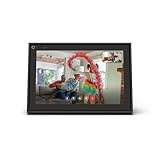
Overview: The black Meta Portal replicates its white counterpart as a 10-inch smart video calling device optimized for home integration. It features identical intelligent camera framing, enhanced audio processing, and seamless Messenger/WhatsApp connectivity in a sleek black finish complementing modern home aesthetics.
What Makes It Stand Out: The Smart Camera automatically tracks movement, maintaining perfect framing without manual intervention. Smart Sound technology enhances voice clarity while suppressing ambient noise. When idle, the picture frame design displays photos, allowing it to serve as décor rather than just technology. It leverages Meta’s massive user base for effortless connectivity.
Value for Money: Priced at $199.99, it commands a modest premium over the white model but remains competitively positioned. The value proposition holds: premium auto-framing, free Meta platform integration, and zero mandatory subscriptions. For users preferring black electronics, the small upcharge is justified for seamless home décor integration.
Strengths and Weaknesses: Strengths include exceptional auto-framing capabilities; superior audio performance; cost-free Messenger/WhatsApp calling; comprehensive privacy controls with physical lens cover; and versatile picture frame functionality. Weaknesses remain platform restriction to Meta services; lack of native organizational applications; smaller display than family-oriented alternatives; and required Meta account.
Bottom Line: The black Meta Portal delivers identical performance to the white version with stylish alternative aesthetics. For Meta ecosystem users seeking intelligent video calling with robust privacy, it’s a premium choice that justifies its price.
6. 7 in 1 Smart Glasses with Camera, 8MP 32GB AI Smart Glasses 1080P Video Glasses with Bluetooth, Chat GPT, Audio & Voice Assistant, Real-time Translation, Sunglasses Lens for Men & Women (Black, S)

Overview: These Kidsreer smart glasses pack an impressive array of features into a surprisingly lightweight 46g frame that resembles regular eyewear. The device combines a 1080P/30FPS camera with AI assistance, Bluetooth connectivity, and real-time translation capabilities. With 32GB of built-in storage and WiFi transmission to a companion app, they’re designed for capturing life moments while providing hands-free digital assistance.
What Makes It Stand Out: The integration of Chat GPT and real-time translation distinguishes this from basic camera glasses. The 7-in-1 functionality—including video recording, voice calls, music playback, and audio recording—creates a versatile wearable ecosystem. The detachable lens system allows conversion to sunglasses, while the 70-hour standby time exceeds many competitors. At 46g, they’re remarkably light for such a feature-dense device.
Value for Money: At $79.99, these dramatically undercut premium smart glasses like Ray-Ban Meta ($299) while offering comparable core features. The inclusion of a 2-year warranty and no subscription fees enhances long-term value. For budget-conscious tech enthusiasts wanting to experiment with smart eyewear, the price point removes significant financial barriers.
Strengths and Weaknesses: Strengths include multi-functionality, lightweight design, replaceable lenses, long standby time, and comprehensive warranty. The 12-minute recording limitation is restrictive, though this extends to 1.5 hours when fully charged. The unknown brand reputation may concern some buyers, and the battery life during active use requires careful management. Privacy-conscious users will appreciate the explicit data authorization requirements.
Bottom Line: These smart glasses offer remarkable bang-for-buck for early adopters and content creators seeking hands-free recording and AI assistance. While battery limitations exist, the feature set and price make them an excellent entry point into smart eyewear. Ideal for travel vlogging, language learning, and everyday convenience.
7. Meta Portal TV - Big Screen Smart Video Calling for Group Calls on Your TV

Overview: Meta Portal TV transforms your television into a smart video calling hub, designed specifically for group conversations and family connections. The device connects to your TV’s HDMI port and uses Messenger or WhatsApp to bring loved ones into your living room at life-size scale. Smart Camera technology automatically adjusts framing, while Smart Sound enhances voice clarity during calls.
What Makes It Stand Out: The whole-room capture capability eliminates the typical “huddle around a laptop” dynamic of group calls. Unlike smartphones or tablets, it’s purpose-built for shared experiences, making it ideal for family gatherings or remote celebrations. The integration with widely-used Meta platforms means most contacts are reachable without requiring them to own Portal hardware.
Value for Money: At $188.99, it occupies a middle ground between basic webcams and full computer setups. For families who video call frequently, the enhanced experience justifies the cost over repurposing existing devices. However, the discontinuation of Meta’s Portal line raises concerns about long-term software support and feature updates.
Strengths and Weaknesses: Strengths include effortless group calling, automatic camera tracking, clear audio processing, and simple privacy controls. The device requires a dedicated TV and power outlet, limiting portability. It’s locked into Meta’s ecosystem, and the Smart Camera occasionally struggles with rapid movement. The lack of future development is a significant drawback for a connected device.
Bottom Line: Portal TV excels at its singular purpose: bringing groups together on the big screen. While discontinued, it remains functional for Messenger/WhatsApp users. Purchase only if you prioritize group video calling and already live within Meta’s ecosystem. For most users, a modern smart TV with built-in calling may be a more future-proof investment.
8. Facebook Portal Mini - Smart Video Calling 8” Touch Screen Display with Alexa - Black
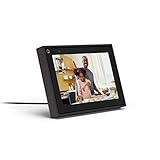
Overview: The Facebook Portal Mini is a compact 8-inch smart display optimized for personal video calling and countertop use. Featuring a touchscreen interface and Alexa built-in, it enables hands-free Messenger and WhatsApp calls while serving as a digital assistant. The Smart Camera automatically pans and zooms to keep you framed, while Smart Sound minimizes background noise for clearer conversations.
What Makes It Stand Out: The combination of dedicated video calling hardware with Alexa integration creates a dual-purpose device that handles communication and smart home control. Its small footprint fits anywhere—kitchen counters, desks, nightstands—making it more versatile than the TV version. The touchscreen enables interactive experiences like story time and AR effects during calls.
Value for Money: Priced at $165.59, it’s slightly cheaper than the Portal TV but faces stiffer competition from generic tablets that offer more functionality. The value proposition hinges entirely on whether you prioritize Meta’s optimized calling experience over the versatility of an iPad or Android tablet. Like its TV sibling, the discontinued status impacts long-term value.
Strengths and Weaknesses: Strengths include excellent call quality, intuitive Smart Camera tracking, encrypted calls, and seamless Alexa integration. The 8-inch screen is ideal for one-on-one conversations but cramped for groups. Weaknesses include ecosystem lock-in, limited non-calling app selection, and uncertain future updates. The hardware feels premium, but the software roadmap is questionable.
Bottom Line: Portal Mini serves users wanting a foolproof, high-quality video calling appliance without tablet complexity. It’s perfect for elderly relatives or as a kitchen communicator. However, given its discontinued status and limited versatility compared to modern tablets, only purchase if you specifically need Meta’s optimized calling experience. Most buyers will find better value in a standard tablet with a stand.
9. MFVLP Smart Watch for Men Women, 1.85’’ AMOLED HD Fitness Watch with 120+ Sports Modes, Bluetooth Call/Heart Rate/Sleep Monitor/Pedometer, Smartwatch for Android iOS, IP68 Waterproof, Black

Overview: This MFVLP smartwatch delivers premium features at a budget price point, featuring a vibrant 1.85-inch AMOLED display and comprehensive health tracking. Weighing just 43 grams with an 8.8mm profile, it includes Bluetooth calling, 24/7 heart rate monitoring, sleep analysis, and blood oxygen measurement. With over 120 sports modes and IP68 waterproofing, it’s designed as an all-day fitness companion.
What Makes It Stand Out: The AMOLED display is exceptional for a $36 device, offering punchy colors and deep blacks typically reserved for watches costing five times more. The extensive sports mode selection (120+) surpasses many flagship competitors. Bluetooth 5.3 enables stable calling directly from the wrist, while the always-on display option provides convenience without excessive battery drain.
Value for Money: At $35.99, this represents extraordinary value. Comparable AMOLED watches with calling capabilities from brands like Amazfit or Huawei start around $100-$150. The feature set—health monitoring, IP68 rating, customizable watch faces, and smartphone notifications—matches devices costing significantly more. It’s an accessible entry point for fitness tracking and basic smartwatch functions.
Strengths and Weaknesses: Strengths include the stunning AMOLED screen, comprehensive health metrics, reliable Bluetooth calling, extensive sports tracking, and impressive waterproofing. The 190+ watch faces offer personalization rarely seen at this price. Weaknesses include the unknown brand’s long-term software support, potentially less accurate sensors than premium brands, and a basic companion app experience. Build quality may not match premium alternatives.
Bottom Line: This is arguably the best budget smartwatch value available. While it won’t replace an Apple Watch or Galaxy Watch for deep ecosystem integration, it delivers 90% of the core experience at 10% of the price. Perfect for fitness beginners, kids, or anyone wanting to test smartwatch utility without financial commitment. The AMOLED display alone justifies the cost.
10. IONETECK 10.1 inch Small Smart Kitchen TV with ATSC Antenna, Touch Screen, Play Store, Calendar, Picture Frame and Video Call, Portable MINI Design for Home, RV, Bedroom, Boat, Truck and Travel
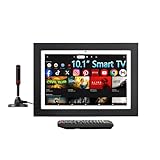
Overview: The IONETECK Smart Kitchen TV is a versatile 10.1-inch Android 14 display designed for compact spaces. It functions as a television (with included ATSC antenna), digital photo frame, calendar, and video calling device. The metal chassis and PCAP touchscreen support both desktop and wall mounting, while 4GB RAM and 64GB storage enable smooth app performance from the pre-installed Play Store.
What Makes It Stand Out: This is a true multi-function display rather than a single-purpose device. The ATSC tuner provides live broadcast TV without internet, while Android 14 offers full app compatibility. The integrated camera and microphone enable video calls while cooking, and the photo frame mode activates when idle. Its portability makes it ideal for RVs, boats, and trucks where space is premium.
Value for Money: At $189, it competes with premium digital photo frames and kitchen displays while offering far more functionality. A dedicated small TV plus a tablet would cost more and create clutter. For RV owners or kitchen users wanting information-at-a-glance, the consolidation of features justifies the price. However, some photo frame features require subscriptions, adding hidden costs.
Strengths and Weaknesses: Strengths include Android 14 with Play Store access, versatile mounting options, true TV functionality, responsive touchscreen, and robust build quality. The 4GB/64GB configuration ensures smooth performance. Weaknesses include the small 10.1-inch screen being impractical as a primary TV, subscription requirements for some features, and limited built-in speaker quality for TV viewing. The niche use case may not suit average consumers.
Bottom Line: This excels as a specialized secondary display for specific environments. It’s perfect for RVs, kitchen counters, or workshop spaces where you need TV, video calls, and smart display functions in one compact package. Don’t purchase expecting a primary television replacement. For its target niche—mobile living and workspace multitasking—it’s a thoughtfully designed, highly functional solution that eliminates multiple device clutter.
Understanding Smart Displays: The Modern Command Center
Smart displays represent the convergence of three powerful technologies: tablet computing, voice assistants, and smart home hubs. Unlike traditional tablets that prioritize portability and app ecosystems, smart displays are designed for stationary, communal use—always on, always listening, and always ready to help. They bridge the gap between purely audio-based assistants and screen-dependent smartphones, offering visual feedback that makes interactions more intuitive and information more digestible.
The magic happens when these devices become invisible parts of your daily rhythm. A well-chosen display anticipates your needs: showing your calendar while you brew coffee, displaying recipe steps when your hands are covered in flour, or flashing a security camera feed when someone rings the doorbell. This ambient computing approach means the best smart displays feel less like gadgets and more like natural extensions of your living space.
Why Video Call Quality Matters More Than You Think
We tolerate mediocre video quality on laptops because they’re multipurpose tools, but smart displays live or die by their communication prowess. Since these devices often serve as family communication hubs—connecting grandparents with grandchildren or remote workers with their home offices—subpar cameras and mics aren’t just annoying, they defeat the purpose.
Camera Specifications That Actually Make a Difference
Don’t get seduced by megapixel counts alone. A 5MP camera with excellent low-light performance and a wide-angle lens often outperforms a 13MP sensor with narrow field-of-view. Look for devices with automatic framing that keeps you centered as you move around the room, and HDR capabilities that prevent you from appearing as a silhouette against bright windows. The sweet spot for most households is a 110-120 degree field of view—wide enough to capture small groups without the fish-eye distortion of ultra-wide lenses.
Audio Clarity: The Forgotten Half of Video Calls
Your display’s microphone array determines whether you’ll be heard clearly or constantly repeating yourself. Beamforming microphones that focus on voice while suppressing background noise are essential, especially in busy households. Echo cancellation prevents feedback loops when multiple people join from the same home. Pay attention to the number of microphones—four to six mics arranged in a circular pattern typically provides 360-degree coverage that picks up voices from anywhere in the room.
Voice Assistant Integration: Beyond Basic Commands
The voice assistant is your display’s soul, transforming it from a passive screen into an interactive partner. Modern assistants understand context, follow multi-step commands, and even detect emotional cues in your voice. But their sophistication varies dramatically between platforms.
Natural Language Processing Capabilities
Today’s leading assistants can handle complex, compound requests like “Show me the front door camera, then turn on the porch lights and play my evening playlist.” This contextual awareness separates premium experiences from frustrating ones. Look for devices that support follow-up questions without requiring repeated wake words—this “conversation mode” makes interactions feel fluid rather than robotic. Some advanced systems even recognize when you’re addressing the display versus other people in the room, reducing accidental triggers.
Multi-User Voice Recognition
In households with multiple people, voice profiles are non-negotiable. A truly smart display recognizes who’s speaking and tailors responses accordingly—showing your calendar when you ask about your day, but your partner’s when they ask. This extends to music preferences, shopping lists, and even contact lists for calls. The setup process should be simple, requiring just a few phrases to train the system, and the recognition should work reliably even with colds, background noise, or growing children whose voices change.
Smart Home Hub Capabilities: Your Digital Butler
The “hub” designation means your display can directly control smart devices without cloud-based intermediaries, resulting in faster response times and functionality during internet outages. But hub capabilities exist on a spectrum, and marketing materials rarely tell the full story.
Protocol Support: Zigbee, Z-Wave, and Matter
A future-proof hub needs more than just Wi-Fi and Bluetooth. Zigbee and Z-Wave support allows direct communication with battery-powered sensors, locks, and switches that form the backbone of robust smart homes. Matter, the new universal standard, ensures compatibility across ecosystems. The most capable displays include Thread radios—a mesh networking protocol that makes device connections more reliable and extends range automatically through other Thread devices in your home.
Device Capacity and Scene Management
Ask not just how many devices a hub supports, but how well it manages them. A display that can connect 200 devices but chokes when running five simultaneous automations isn’t truly capable. Look for systems that let you create complex scenes—like “Movie Night” that dims lights, closes blinds, sets the thermostat, and displays a “Do Not Disturb” message. The interface should make editing these scenes intuitive, and execution should be nearly instantaneous.
Display Quality: Not Just About Resolution
Smart displays serve different visual functions throughout the day—photo frame, information dashboard, entertainment screen—so display quality impacts every interaction. But bigger numbers don’t always mean better experiences.
Screen Size and Viewing Distance
A 10-inch screen works perfectly on a nightstand or kitchen counter where you’re within arm’s reach. For living room placement or wall mounting, 13-15 inches ensures readability from across the room. Consider your primary use case: recipe reading demands crisp text at close range, while video calls benefit from larger faces visible from the sofa. The display’s UI should scale appropriately—tiny touch targets on a large screen are just as frustrating as cramped interfaces on small ones.
Adaptive Brightness and Color Accuracy
Manual brightness adjustments are a deal-breaker. Look for ambient light sensors that not only adjust brightness but also color temperature—cooler during the day, warmer at night—to match your circadian rhythm. Color accuracy matters more than you might think; when your display shows photos from your phone, you want them to look consistent, not oversaturated or washed out. Some premium displays even feature anti-glare coatings that make them usable in bright kitchens without appearing mirror-like.
Privacy and Security: Non-Negotiable Features
A device that’s always listening and watching deserves scrutiny. The difference between a trusted household companion and a creepy surveillance tool lies in transparent privacy controls and physical safeguards.
Physical Camera Shutters and Mute Buttons
Software toggles aren’t enough. A physical camera shutter that physically blocks the lens provides true peace of mind, especially in bedrooms. The shutter should move smoothly and provide clear visual indication of its status. Similarly, a dedicated microphone mute button should be prominently placed and accompanied by an unmistakable LED indicator—preferably red and impossible to ignore. These hardware features should work independently of software, meaning they can’t be overridden by updates or hacks.
Data Encryption and Local Processing
Understand where your data goes. The most privacy-conscious devices process voice commands locally for common tasks, sending only anonymized data to the cloud when necessary. End-to-end encryption for video calls is standard on quality devices, but verify that encryption extends to stored clips and photos. Some displays offer optional “privacy modes” that disable all cloud features while retaining local smart home control—a crucial feature for the security-conscious.
Connectivity: The Backbone of Performance
A smart display is only as good as its connection. Wi-Fi drops and Bluetooth hiccups transform helpful assistants into sources of frustration, especially during important calls.
Wi-Fi Standards and Ethernet Options
Wi-Fi 6 support isn’t just about speed—it’s about handling multiple devices efficiently in crowded airspace. If your router supports Wi-Fi 6E, even better, as the 6GHz band offers interference-free communication. For stationary displays, an Ethernet port provides bulletproof reliability that wireless can’t match. Power-over-Ethernet (PoE) support is a premium feature that eliminates power cords entirely, perfect for clean wall-mount installations.
Bluetooth and Thread Integration
Bluetooth 5.2 or newer ensures stable connections to headphones, speakers, and input devices while consuming less power. Thread border router functionality transforms your display into a mesh network anchor point, improving smart home reliability. The Thread radio should support both router and end-device roles, allowing it to extend the mesh while also connecting directly to Thread devices.
Ecosystem Lock-in: Understanding Platform Compatibility
Your smart display choice influences every subsequent smart home purchase. Switching ecosystems later means replacing not just the display, but potentially dozens of compatible devices.
Cross-Platform Limitations
Most displays prioritize their native ecosystem, offering limited functionality with competitors. A display might show security feeds from its own brand instantly but require clunky workarounds for third-party cameras. Before buying, map out your existing devices and verify compatibility. Some displays offer “works with” programs, but these often mean basic on/off control, not full feature access. The Matter standard is changing this, but implementation varies—verify specific device support rather than trusting generic promises.
Family Account Management
Households need flexible account structures. Can you set up a family account where adults have full access but kids have restricted permissions? Guest modes that let visitors control basics like lights and music without accessing personal calendars or cameras are invaluable. The account setup should support multiple voice profiles tied to different service accounts—so your Spotify, your partner’s Apple Music, and your kid’s Pandora can all coexist on the same device.
Audio Performance for Music and Media
You’ll use your display for more than calls—it’s often the kitchen radio, bedtime podcast player, or impromptu dance party DJ. A device that excels at calls but muddles music leaves capability on the table.
Speaker Configuration and Soundstage
Single-speaker designs suffice for voice feedback, but stereo speakers create a soundstage that fills a room. Look for passive radiators or ported designs that deliver surprising bass from small enclosures. The speakers should be front-firing or side-firing—not rear-firing which gets muffled against walls. Some displays include spatial audio processing that makes podcasts sound like the host is in the room, reducing listener fatigue during long sessions.
Multi-Room Audio Synchronization
If you own multiple smart speakers, your display should integrate seamlessly into whole-home audio groups. Synchronization should be sample-accurate, eliminating the echo effect that plagues poorly implemented systems. Volume control should be unified—raising volume on the display should optionally raise it on grouped speakers too. The best systems let you create persistent groups (“upstairs,” “outside”) that survive reboots and automatically reconnect devices.
Design and Placement Considerations
A smart display’s physical design determines where it fits in your life—literally. The most capable technology fails if it doesn’t suit your space or lifestyle.
Form Factor and Aesthetics
Kitchen displays benefit from wedge shapes that angle the screen upward for countertop viewing, while bedroom models often lie flatter for nightstand use. Materials matter: fabric-covered bases feel warmer and less techy, blending into living rooms, while minimalist designs suit modern kitchens. Consider cable management—displays with channels or clips to hide power cords look infinitely cleaner. Some models offer interchangeable faceplates or stands to match your decor.
Mounting Options and Portability
Wall mounts should support both portrait and landscape orientations, with tilt and swivel for glare reduction. The mounting mechanism must be sturdy enough for frequent adjustments without loosening. For portable use, battery-powered options exist, but runtime varies wildly from 4 to 12 hours. Removable batteries are a plus, letting you swap in a fresh pack during long unplugged sessions. Weight distribution should keep the device stable when touching the screen, even on soft surfaces like beds or sofas.
Software Updates and Longevity
Today’s cutting-edge features become tomorrow’s baseline expectations. A display that stops receiving updates quickly becomes obsolete, even if the hardware remains sound.
Update Frequency and Support Lifespan
Premium manufacturers deliver monthly security patches and quarterly feature updates for at least five years. Check the track record—companies that abandon devices after two years will likely do so again. Public roadmaps showing planned features demonstrate commitment, but be wary of promises that stretch years into the future. Beta programs let you test new features early, but opt-out should be simple if stability suffers.
Beta Features and Developer Support
Open APIs and developer communities extend functionality beyond official features. Displays that support third-party “skills” or “actions” unlock creative uses—like displaying custom dashboards, integrating with niche smart devices, or showing real-time data from home servers. The development environment should be well-documented and not require corporate partnerships to access. Some displays even allow sideloading apps, though this often voids warranties.
Power Consumption and Sustainability
An always-on device impacts your electric bill and environmental footprint more than you might expect. Energy efficiency varies significantly between models with similar capabilities.
Look for displays with ambient mode power consumption under 5 watts—this is the state they’ll be in most of the time. Auto-shutoff features that turn off the screen during scheduled sleep hours save energy without sacrificing convenience. Some devices use solar panels in their stands, maintaining a trickle charge that can eliminate grid power during daylight. Packaging and materials matter too; manufacturers using recycled plastics and offering take-back programs demonstrate environmental responsibility that aligns with the sustainable smart home vision.
Price vs. Value: Making Smart Trade-offs
The most expensive display isn’t always the best fit, and budget options often hide costs in subscription fees or limited lifespans. A $400 display that lasts six years costs less per year than a $150 model replaced every two years.
Mid-range devices ($150-$250) typically hit the sweet spot, offering premium cameras and displays while omitting niche features like PoE or advanced audio processing. Budget options under $100 often rely on cloud processing for everything, making them slower and less private. Premium models over $300 should justify their price with exceptional build quality, cutting-edge protocols like Thread border routing, and guaranteed long-term support. Factor in subscription costs—some features require monthly fees that quickly exceed hardware savings.
Troubleshooting Common Issues
Even the best smart displays encounter problems. Understanding common failure points helps you diagnose issues quickly and determine whether a problem is solvable or requires replacement.
Network Connectivity Problems
Frequent disconnections often stem from band steering on mesh networks, where routers aggressively push devices to 5GHz despite poor signal. Manually setting a 2.4GHz SSID for your display can solve this. IP address conflicts cause intermittent failures too; reserve a static IP in your router settings. If video calls stutter while other devices work fine, the display might be using congested DNS servers—switching to public DNS like 1.1.1.1 in network settings often resolves this.
Voice Recognition Failures
When your display stops responding to wake words, the culprit is usually acoustic interference. Sound reflections from hard surfaces like tile backsplashes confuse microphones; repositioning the device or adding soft furnishings nearby helps. Voice model corruption occurs over time—retraining your voice profile every six months maintains accuracy. If recognition fails only during calls, check for firmware updates; microphone beamforming algorithms frequently improve with patches.
Smart Device Pairing Challenges
Devices that pair easily but later become unresponsive often suffer from weak mesh networks. Adding a powered Zigbee or Thread device between the display and problematic gadget strengthens connections. Factory resets sometimes leave orphaned entries in your hub’s device list; manually removing these ghosts prevents conflicts. When Matter devices fail to pair, ensure your display’s Matter controller is activated—some ship with it disabled by default for security reasons.
Frequently Asked Questions
How do smart displays differ from tablets with voice assistants?
Smart displays are designed for always-on, communal use with optimized microphones for far-field voice pickup and interfaces meant for glanceable information. Tablets prioritize portability and app diversity but lack the deep smart home integration and dedicated hardware features like physical camera shutters.
Can I use a smart display if I have an Android phone and my partner has an iPhone?
Yes, but with caveats. Most displays work with both ecosystems for basic features, but advanced integrations like contact syncing and messaging work best within their native platform. Choose a display based on which ecosystem dominates your smart home devices rather than phone brands.
Will a smart display work during an internet outage?
Limited functionality persists on models with local hub capabilities. You can control Zigbee, Z-Wave, and Thread devices, but voice commands, video calls, and cloud-dependent features stop working. Displays without local hubs become completely non-functional offline.
How much bandwidth do video calls consume on smart displays?
Expect 1-2 Mbps for standard definition and 3-5 Mbps for HD calls. Group calls with multiple participants can use up to 8 Mbps. Displays with efficient codecs like H.265 use about 30% less bandwidth than older H.264 models while maintaining the same quality.
Are smart displays safe for children’s rooms?
With proper parental controls, yes. Look for models with physical camera shutters, dedicated kids’ modes that restrict content, and the ability to disable purchases. Some displays include time limits and activity reports, but always review privacy settings and consider placement to avoid constant surveillance concerns.
Do I need multiple smart displays or can one control my whole house?
One powerful display with strong hub capabilities can control thousands of devices, but multiple displays improve convenience. Place them where you naturally need control—kitchen for recipes, bedroom for alarms, living room for calls. They typically work in concert, not competition.
How long should a smart display last before needing replacement?
Quality displays receive software updates for 5-7 years and remain functional beyond that. However, protocol evolution may make older models less compatible with new devices. Expect to replace displays when they stop receiving security updates or when new must-have protocols emerge.
Can smart displays integrate with professional security systems?
Consumer displays generally don’t replace professional panels but can complement them. Many work with popular brands like Ring, Arlo, and Nest for viewing feeds, but alarm arming/disarming often requires manufacturer-specific keypads. Check for “Works With” compatibility before assuming full integration.
What’s the difference between a smart display and a smart speaker with a screen?
The terms are increasingly interchangeable, but “smart display” typically implies stronger video call capabilities and better screens for media consumption. “Smart speaker with screen” often describes smaller, more affordable devices focused on voice feedback and basic visual information.
Do smart displays listen to all my conversations?
They listen for wake words locally, processing audio on-device until the wake word is detected, then send subsequent audio to cloud servers for interpretation. Reputable brands include indicators when listening/recording and allow you to review and delete voice recordings. Physical mute buttons provide absolute assurance.