There’s something magical about the ritual of espresso—the hiss of steam, the rich aroma filling your kitchen, that first perfect sip that rivals your favorite café. But what if you could capture that magic without the barista training or the $5-a-day habit? Today’s smart espresso machines have evolved from simple appliances into sophisticated brewing companions that learn your preferences, perfect your technique, and deliver café-quality results while you’re still rubbing sleep from your eyes. These aren’t your parents’ clunky coffee makers; they’re connected, intelligent devices that bridge the gap between convenience and craftsmanship.
As home barista culture continues to explode, the technology inside these machines has advanced at breakneck speed. Wi-Fi connectivity, artificial intelligence, and precision engineering now come standard in models across every price point. But with great power comes great confusion—which features actually matter? How much automation is too much? And can a machine truly replicate the nuanced touch of a skilled barista? This guide cuts through the marketing noise to explore what makes these intelligent brewers worth the investment and how to choose one that transforms your morning routine into a daily indulgence.
Top 10 Smart Espresso Machines
Detailed Product Reviews
1. Ninja Luxe Café 3-in-1 Espresso, Drip Coffee and Cold Brew Machine | Integrated Coffee Grinder, Milk Frother, Assisted Tamper & Built-In Espresso Accessory Storage | Stainless Steel | ES601

Overview: The Ninja Luxe Café ES601 redefines home coffee brewing as a comprehensive 3-in-1 system that handles espresso, drip coffee, and cold brew without compromise. This stainless steel powerhouse integrates a precision grinder, intelligent brewing assistance, and automated milk frothing into one sleek package designed for coffee enthusiasts who refuse to settle for single-function machines.
What Makes It Stand Out: Barista Assist Technology is the game-changer, offering customized grind recommendations, weight-based dosing, and real-time temperature and pressure adjustments. Unlike time-based grinding systems, the built-in scale ensures perfect grounds quantity for every drink style. The Dual Froth System simultaneously steams and whisks, delivering four preset textures from silky steamed milk to cold foam without the usual trial-and-error.
Value for Money: At $581.99, this isn’t cheap, but it’s substantially more affordable than purchasing separate high-quality espresso machines, burr grinders, and drip coffee makers. You’re essentially getting three professional-grade appliances with smart automation that eliminates waste and learning curves, making it cost-effective for serious daily users.
Strengths and Weaknesses: Strengths include exceptional versatility, intelligent automation that grows with your skills, a robust 25-setting conical burr grinder, and truly hands-free milk texturing. Weaknesses involve significant counter space requirements, a steep learning curve for coffee novices despite assistance features, and the premium price point that may exceed casual user budgets.
Bottom Line: Perfect for dedicated home baristas seeking café-quality variety without equipment clutter. The ES601 justifies its price through genuine multi-function excellence and intelligent features that produce consistent results across all brewing methods.
2. Ninja Espresso & Coffee Maker & Barista System, 3 Espresso Brew Styles, Single-Serve Coffee & Nespresso Capsule Compatible, Built-in Frother, Espresso, Cappuccino & Latte Maker, Black, CFN601
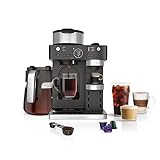
Overview: The Ninja CFN601 bridges the gap between capsule convenience and traditional brewing, offering a rare dual-functionality at a mid-range price point. This black barista system delivers espresso from both Nespresso capsules and coffee grounds while handling single-serve to full carafe drip coffee, making it ideal for households with diverse preferences.
What Makes It Stand Out: True versatility defines this machine—it’s among the few that seamlessly switches between proprietary capsules and fresh grounds without compromise. The 19-bar pressure system ensures authentic espresso extraction with proper crema, while the fold-away frother creates coffeehouse textures without permanent counter intrusion. Nine brew sizes from 1.35 oz espresso to 12-cup carafe accommodate any scenario.
Value for Money: At $239.95, this represents exceptional value. You’re getting Nespresso compatibility (typically a $150+ feature) plus full drip coffee functionality and a capable frother. For users wanting capsule convenience without sacrificing fresh-ground options, it eliminates the need for two separate machines.
Strengths and Weaknesses: Strengths include unmatched brewing flexibility, genuine high-pressure extraction, space-saving design, and straightforward operation. Weaknesses are the lack of an integrated grinder (requiring a separate purchase), primarily plastic construction that may affect durability, and limited espresso customization compared to manual machines.
Bottom Line: An excellent choice for households divided between capsule speed and fresh-ground flavor. The CFN601 delivers versatility and quality that far exceeds its reasonable price tag.
3. CASABREWS CM5418 Espresso Machine 20 Bar, Compact Espresso Maker with Steam Milk Frother, Stainless Steel Coffee Machine with 34oz Removable Water Tank for Cappuccino, Gift for Women or Men, Silver

Overview: The CASABREWS CM5418 proves that authentic espresso doesn’t require a premium price tag. This compact stainless steel machine brings 20-bar professional pressure and manual milk frothing to home kitchens for under $140, making it an accessible entry point for cappuccino and latte lovers testing their barista skills.
What Makes It Stand Out: Delivering genuine 20-bar extraction at this price point is remarkable. The built-in pressure gauge provides visual feedback for dialing in shots—an unexpected professional touch rarely seen in budget machines. Its compact footprint and 34-ounce removable tank make it practical for small spaces, while the powerful steam wand produces capable microfoam for milk-based drinks.
Value for Money: At $139.99, this is among the most affordable true espresso machines available. While you’ll need a separate grinder, the core brewing capability rivals units costing twice as much. For beginners uncertain about investing heavily, it offers authentic espresso experience with minimal financial risk.
Strengths and Weaknesses: Strengths include exceptional affordability, genuine high-pressure brewing, compact attractive design, and surprisingly capable milk frothing. Weaknesses involve the single boiler requiring cooling between brewing and steaming, lack of integrated grinder, and basic temperature stability. The overheating protection mode can interrupt workflow if not managed properly.
Bottom Line: A fantastic starter machine that delivers authentic espresso fundamentals without breaking the bank. Perfect for beginners willing to learn manual techniques while enjoying real barista-quality drinks at home.
4. De’Longhi La Specialista Opera Espresso Machine – Cold Brew & Espresso Maker with Smart Tamping, Burr Grinder, Milk Steam Wand/Frother & 19-Bar Pressure – For Lattes & Cappuccinos

Overview: The De’Longhi La Specialista Opera earned CNN’s Best Espresso Machine of 2025 through Italian engineering that balances professional capability with home usability. This premium system integrates precise grinding, smart tamping, and commercial-grade steaming into a cohesive package for serious enthusiasts who value consistency and craftsmanship.
What Makes It Stand Out: Smart Tamping Technology eliminates the most common beginner error by delivering perfectly level, consistent tamps with a simple lever pull. The commercial-style steam wand heats rapidly and generates proper pressure for silky microfoam essential for latte art—unlike automated systems that sacrifice control. Fifteen grind settings provide ample precision, while the 19-bar Italian pump ensures ideal extraction pressure throughout the entire brewing cycle.
Value for Money: At $699.93, it’s a significant investment, but competitive with other premium Italian machines lacking its integrated features. You’re paying for De’Longhi’s reputation, award-winning performance, and genuine commercial-grade components that typically require separate purchases. For daily espresso drinkers, the consistency and durability justify the cost.
Strengths and Weaknesses: Strengths include exceptional build quality, innovative tamping system, professional steam wand performance, and reliable pressure management. Weaknesses are the premium price, fewer grind settings than some competitors, and substantial counter footprint. The learning curve remains steeper than fully automated machines despite smart features.
Bottom Line: Ideal for dedicated enthusiasts seeking Italian quality with modern conveniences. The Opera delivers professional results that justify its premium positioning for those serious about their daily espresso ritual.
5. Ninja Luxe Café Pro Series, Espresso Machine, Drip Coffee, Cold Brew, Hot Water, Integrated Tamper, Built-in Grinder, Hands-Free Frother for Cappuccinos, Lattes, Americanos, Dairy or Non-Dairy, ES701

Overview: The Ninja Luxe Café Pro ES701 represents the pinnacle of all-in-one coffee innovation, adding a fourth function—an independent hot water system—to the already comprehensive Luxe Café platform. This flagship machine targets uncompromising users who want espresso, drip coffee, cold brew, and Americanos/tea from a single device without sacrificing quality.
What Makes It Stand Out: The Dual Froth System Pro with insulated steam wand and XL milk jug elevates milk texturing to café standards while accommodating two drinks simultaneously. Barista Assist Technology now adapts grind recommendations based on previous brews, creating a learning system that improves over time. The integrated tamper ensures mess-free preparation, while five espresso styles including ristretto and lungo provide unmatched variety.
Value for Money: At $749.95, it’s the most expensive Ninja but still economical compared to separate premium espresso machines, grinders, drip brewers, and kettles. The hot water system eliminates a separate kettle, and the intelligent adaptation features reduce coffee waste. For households wanting maximum capability with minimal clutter, the premium is justified.
Strengths and Weaknesses: Strengths include unparalleled versatility, intelligent grind adaptation, professional-grade frothing, and true 4-in-1 functionality. Weaknesses involve the highest price point in its class, complexity that may overwhelm casual users, and substantial counter space requirements. Some may find the feature set excessive for basic needs.
Bottom Line: The ultimate solution for coffee perfectionists demanding variety, quality, and intelligence in one appliance. If you want everything and have the budget, the ES701 delivers without meaningful compromise.
6. De’Longhi Dinamica Plus Fully Automatic Espresso Machine - Brew Personalized Coffee for up to 4 User Profiles, 24+ Recipes, Built in Grinder & Automatic Milk Steam Wand with 3 Frother Modes
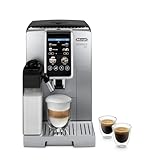
Overview: The De’Longhi Dinamica Plus represents the pinnacle of home coffee automation, transforming your kitchen into a professional café. This fully automatic machine delivers 24 one-touch recipes while storing personalized preferences for four distinct user profiles. The integrated conical burr grinder with 13 settings ensures every beverage starts with freshly ground beans, while the LatteCrema Hot System automatically textures milk to perfection.
What Makes It Stand Out: The 3.5-inch TFT full-touch display elevates user experience with intuitive navigation and vibrant visuals. Its Smart One-Touch system learns your habits, prioritizing frequently selected drinks for instant access. The automatic milk steam wand offers three frothing modes, expertly handling dairy and plant-based alternatives. Four user profiles mean each family member enjoys their perfect cup without reprogramming, making morning routines seamless.
Value for Money: At $1,298, this machine commands a premium but delivers substantial value compared to daily café visits. The combination of grinder, brewer, and automatic milk frother eliminates three separate appliances. When factoring in $5+ per coffee shop beverage, break-even occurs within a year for two-coffee households. Competitors with similar features often exceed $1,500, positioning the Dinamica Plus as a mid-range champion in the super-automatic category.
Strengths and Weaknesses: Strengths include exceptional drink variety, intuitive touchscreen interface, consistent milk frothing quality, and robust user profile system. The 13-grind settings provide excellent customization. Weaknesses involve significant countertop footprint, higher maintenance requirements than simpler machines, and a learning curve for optimal bean selection. The price may deter casual coffee drinkers.
Bottom Line: Ideal for households seeking café-quality beverages with minimal effort. The Dinamica Plus justifies its price through versatility, consistency, and long-term savings.
7. De’Longhi Nespresso Vertuo Plus Coffee and Espresso Maker by De’Longhi, Grey

Overview: The De’Longhi Nespresso Vertuo Plus offers minimalist convenience for coffee lovers prioritizing speed and simplicity. This pod-based system delivers five cup sizes from espresso to Alto through Nespresso’s patented Centrifusion technology. The compact grey unit heats in 25 seconds and automatically shuts off to conserve energy, making it perfect for busy mornings or small spaces where counter real estate is precious.
What Makes It Stand Out: Nespresso’s barcode-reading technology automatically adjusts brewing parameters for each capsule, ensuring optimal extraction without user guesswork. The machine’s versatility spans four cup sizes (5oz, 8oz, single and double espresso), accommodating everything from quick shots to leisurely mugs. The complimentary starter capsule set provides immediate out-of-box satisfaction, while the recycling program addresses environmental concerns associated with pod systems.
Value for Money: At $135.99, this represents exceptional entry-level value. The initial investment is recouped within months compared to coffee shop purchases. While per-capsule costs exceed whole bean coffee, the convenience factor and elimination of grinder/purchasing expenses balance the equation. Competitors like Keurig lack the crema quality and espresso capability, making Vertuo Plus superior for those wanting authentic espresso without complexity.
Strengths and Weaknesses: Strengths include lightning-fast operation, foolproof consistency, minimal cleanup, and space-saving design. The crema quality surpasses expectations for pod coffee. Weaknesses involve ongoing capsule costs, limited customization compared to bean-to-cup machines, and dependency on Nespresso’s ecosystem. Environmental consciousness requires active participation in their recycling program.
Bottom Line: Perfect for convenience seekers and espresso newcomers. Delivers quality coffee with zero learning curve at an accessible price point.
8. Breville Barista Express Espresso Machine BES870XL, Brushed Stainless Steel

Overview: The Breville Barista Express bridges the gap between manual craftsmanship and automated convenience, delivering third-wave specialty coffee through its integrated grinder and precise extraction controls. This all-in-one machine transforms whole beans to espresso in under 60 seconds, featuring dose control grinding and digital temperature control. The brushed stainless steel construction provides professional aesthetics while occupying modest countertop space.
What Makes It Stand Out: Breville’s “4 Keys Formula” optimizes grind size, dose, temperature, and pressure for café-quality results. The integrated precision conical burr grinder delivers fresh grounds directly into the portafilter, eliminating a separate appliance. Digital PID temperature control ensures water stability within +/- 2°F, while low-pressure pre-infusion gradually increases pressure for balanced extraction. The manual steam wand provides barista-level milk texturing control.
Value for Money: Priced at $669.99, the Barista Express offers remarkable value by combining grinder and espresso machine typically costing $800+ separately. The included cleaning kit and promotional coffee bags enhance value. Compared to super-automatics, it sacrifices convenience for superior control and coffee quality. For enthusiasts willing to learn, this machine outperforms competitors at double the price in cup quality.
Strengths and Weaknesses: Strengths include exceptional espresso quality, durable build, precise temperature control, and integrated grinder convenience. The manual steam wand produces superior microfoam. Weaknesses involve a steeper learning curve, requiring grind adjustment and tamping practice. The single boiler demands temperature surfing between brewing and steaming. Maintenance is more hands-on than automatic machines.
Bottom Line: Excellent for aspiring home baristas seeking quality and control without separating grinder and machine budgets. Rewards practice with exceptional espresso.
9. Bosch 800 Series Fully Automatic Espresso and Coffee Machine – 36 Drinks with Coffee World, Cold Brew, Double Cup, Integrated Milk Container, Smart Features, in Stainless Steel TQU60703

Overview: The Bosch 800 Series represents the ultimate smart coffee solution, offering 36 customizable beverages through its expansive Coffee World menu. This fully automatic machine integrates remote brewing via the Home Connect app, allowing users to prepare drinks from anywhere. The stainless steel construction houses advanced features like cold brew capability and double-cup brewing, while the integrated milk container and automated cleaning systems minimize maintenance overhead.
What Makes It Stand Out: Remote brewing through smartphone integration fundamentally changes morning routines, enabling coffee preparation before leaving bed. The cold brew function distinguishes it from most competitors, delivering smooth, low-acid coffee without 24-hour steeping. Ultimate personalization extends beyond strength and size to include aroma adjustments. The Calc’nClean system combines cleaning and descaling into one automated cycle, dramatically reducing maintenance time.
Value for Money: At $2,499, this premium machine targets tech-savvy enthusiasts seeking maximum convenience. The price is justified through smart features, build quality, and beverage variety unmatched by competitors. Break-even occurs faster than expected for households replacing multiple daily coffee shop visits. While expensive, it consolidates grinder, brewer, frother, and cold brew maker, potentially saving money compared to purchasing separate high-end devices.
Strengths and Weaknesses: Strengths include exceptional smart integration, cold brew capability, extensive drink menu, superior build quality, and automated maintenance. The remote brewing feature is genuinely transformative. Weaknesses involve premium pricing, complex initial setup, and potential app dependency. The large footprint may overwhelm smaller kitchens. Repair costs could be substantial given technological complexity.
Bottom Line: Best-in-class for tech enthusiasts wanting maximum variety and convenience. Justifies premium price through innovation and consolidation.
10. De’Longhi Stilosa Manual Espresso Machine, Compact Coffee Maker, 15 Bar Pump Pressure, Manual Milk Frother Steam Wand for Authentic Single & Double Espresso, Lattes & Cappuccinos, Tamper Included
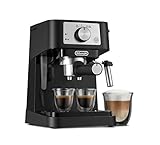
Overview: The De’Longhi Stilosa offers authentic espresso craftsmanship in a compact, budget-friendly package. This manual machine strips away automation to deliver pure barista control, featuring a 15-bar pump and stainless steel boiler for consistent extraction. The included portafilter with single and double filters accommodates various shot preferences, while the manual steam wand provides traditional milk texturing. Its contemporary design fits small countertops without sacrificing performance.
What Makes It Stand Out: At under $100, the Stilosa democratizes authentic espresso-making for beginners and budget-conscious buyers. The 15-bar pump delivers proper extraction pressure typically found in more expensive machines. The stainless steel boiler ensures durability and thermal stability uncommon in this price range. The manual operation teaches fundamental barista skills—grind adjustment, tamping, and milk steaming—that automatic machines obscure.
Value for Money: Priced at $99.93, this represents extraordinary value for entry-level espresso. It requires a separate grinder (adding $50-100), but the total remains under $200—far less than semi-automatic alternatives. The machine pays for itself within weeks for daily espresso drinkers. While lacking convenience features, it produces shots rivaling $300-400 machines when paired with proper technique and fresh beans.
Strengths and Weaknesses: Strengths include unbeatable price, compact footprint, authentic manual control, durable stainless steel boiler, and included accessories. The 15-bar pump performs reliably. Weaknesses involve no built-in grinder, learning curve for beginners, inconsistent results during early use, and limited temperature control. The manual steam wand requires practice to master. Build quality reflects the price point.
Bottom Line: Perfect for espresso newcomers wanting authentic experience without financial commitment. Delivers surprising quality for the price with practice.
What Makes an Espresso Machine “Smart”?
The term “smart” gets thrown around liberally in kitchen appliances, but for espresso machines, it represents a meaningful leap beyond basic programmability. True smart functionality involves connectivity, adaptability, and data-driven precision that elevates your coffee from good to exceptional without requiring years of practice.
Connectivity Features
At its core, a smart espresso machine communicates—either with you, your other devices, or the cloud. Wi-Fi and Bluetooth integration allow you to control brewing parameters from your smartphone, schedule your morning shot before your feet hit the floor, and receive notifications when your coffee is ready. Some systems even track your usage patterns, automatically ordering beans when you’re running low or reminding you when it’s time for maintenance.
Learning Capabilities
The most advanced models employ machine learning algorithms that analyze your brewing habits and adjust accordingly. They remember that you prefer a slightly longer extraction on weekends, or that you like your cappuccino extra hot on winter mornings. This adaptive intelligence means the machine gets better at serving your perfect cup the longer you own it.
Automation vs. Control
Smart doesn’t always mean fully automatic. The best machines strike a delicate balance, automating tedious tasks like temperature surfing and pressure profiling while leaving creative control in your hands. They handle the science so you can focus on the art—adjusting grind size, experimenting with ratios, and developing your palate.
The Evolution from Manual to Smart Espresso
Understanding where we came from helps appreciate just how revolutionary today’s technology truly is. The journey from lever-operated beasts to app-controlled marvels spans decades of innovation.
A Brief History
Traditional espresso machines required significant skill—baristas manually controlled pressure, monitored temperature fluctuations, and developed an intuitive feel for extraction timing. Semi-automatic machines introduced electric pumps and thermostats, making consistent shots more accessible. Fully automatic models added integrated grinders and one-touch brewing. Smart machines represent the fourth wave: they don’t just automate; they optimize.
Why Smart Features Matter Today
Modern life demands convenience without compromise. We’re more coffee-educated than ever, with access to specialty roasters and brewing tutorials, yet our schedules leave little room for trial and error. Smart technology bridges this gap, offering guided mastery that fits into hectic mornings. It democratizes café-quality espresso, making it achievable for busy parents, remote workers, and anyone who values both excellence and efficiency.
Key Smart Features to Look For
Not all smart features are created equal. Some genuinely enhance your coffee experience; others are flashy gimmicks that add cost without value. Here’s what deserves your attention.
Wi-Fi and App Integration
A robust companion app serves as your command center and coffee journal. Look for apps that allow you to adjust temperature in single-degree increments, modify pre-infusion time, save multiple drink profiles, and track your extraction data over time. The best interfaces offer both simple presets for beginners and advanced manual controls for tinkerers.
Voice Assistant Compatibility
“Alexa, start my morning espresso” might seem frivolous until you’re juggling breakfast prep and a conference call. Voice integration shines in hands-busy moments, letting you initiate brewing, check maintenance status, or adjust settings without touching your phone. Ensure compatibility with your existing smart home ecosystem.
Programmable User Profiles
Households with multiple coffee drinkers need machines that recognize individual preferences. Quality smart espresso makers store distinct profiles for each user—your partner’s ristretto, your teenager’s sugary latte, your own cortado. One tap (or voice command) summons their perfect drink, not yours.
Remote Brewing Capabilities
True remote brewing means starting the machine from your bedroom, office, or even your car. But beware: the machine still needs you to load the portafilter and position your cup. The real value lies in pre-heating the boiler, grinding beans, and preparing the system so it’s ready the moment you are.
Maintenance Alerts and Self-Cleaning
Smart diagnostics prevent costly repairs and ensure consistent quality. Look for machines that monitor water hardness, track shot counts since last descaling, detect scale buildup, and walk you through cleaning cycles with animated guides. Some even feature automated backflushing and steam wand purging.
Understanding Your Coffee Preferences First
Before falling in love with flashy features, conduct an honest assessment of your coffee habits. The smartest machine is the one aligned with your actual needs, not imagined ones.
Milk-Based vs. Straight Espresso Drinks
If lattes and cappuccinos dominate your order history, prioritize advanced milk frothing technology and dual boilers for simultaneous brewing and steaming. Pure espresso purists should focus on pressure profiling, temperature stability, and pre-infusion customization. Machines excel at different specialties—match the tool to the task.
Roast Profiles and Grind Settings
Dark roasts extract differently than light, fruity single origins. Smart machines with adjustable pressure curves and temperature profiling let you highlight each bean’s best characteristics. Ensure the grinder (built-in or paired) offers micro-adjustments and can be controlled through the same smart interface for seamless recipe adjustments.
Volume and Frequency Considerations
A household pulling 10-15 shots daily needs commercial-grade components and robust water filtration. Occasional weekend baristas can prioritize convenience features over industrial durability. Smart usage tracking helps here, providing data on your actual consumption to inform maintenance schedules and bean ordering.
Grinder Integration: The Foundation of Great Espresso
Even the smartest machine can’t compensate for poorly ground coffee. The grinder is non-negotiable, and smart integration between grinder and brewer marks the difference between good and exceptional.
Built-in vs. Separate Grinders
Built-in grinders offer convenience and space savings, with smart models automatically adjusting grind size based on extraction time feedback. Separate grinders provide upgrade flexibility and often deliver superior consistency, especially at premium price points. Smart connectivity between standalone grinder and machine allows them to communicate—if the shot runs fast, the grinder automatically tightens its setting for the next dose.
Smart Grinding Features
Look for grind-by-weight functionality with load cells that dose to the exact gram, eliminating guesswork. Some systems use AI to analyze bean density and adjust grinding parameters accordingly. Integration with your app should let you save grind settings for specific beans and roast dates, creating a library of recipes that evolve as beans age.
Pressure and Temperature Control: The Science Behind the Perfect Shot
Espresso extraction is chemistry, and smart machines give you a PhD-level lab in your kitchen. Understanding these technical elements helps you appreciate what you’re paying for.
PID Controllers Explained
Proportional-Integral-Derivative controllers sound intimidating but are essential for temperature stability. Unlike simple thermostats that swing 10-20°F, PID systems maintain water temperature within 1-2°F of your target. Smart PIDs learn how your usage patterns affect temperature recovery and preemptively adjust heating cycles, ensuring consistent shots even during morning rushes.
Pressure Profiling Benefits
Traditional machines deliver constant 9-bar pressure throughout extraction. Smart machines can vary pressure—starting low for gentle pre-infusion, ramping up for full extraction, then tapering off to prevent bitterness. This manipulation unlocks flavor notes impossible to achieve otherwise. The best systems let you design pressure curves in the app and save them as presets for different coffees.
Milk Frothing Technology in Smart Machines
Texture matters as much as taste with milk-based drinks. Smart frothing technology removes the guesswork from creating microfoam that would make a latte artist proud.
Automatic vs. Manual Steam Wands
Automatic systems with temperature sensors and flow meters produce consistent foam at the touch of a button, perfect for beginners. Manual wands with smart assistance—like real-time temperature displays and pressure guidance—help you develop proper technique while preventing common mistakes like scalding milk. The sweet spot? A hybrid approach that offers both.
Temperature and Texture Sensors
Advanced machines use infrared sensors to monitor milk temperature in real-time, automatically shutting off steam at the precise moment. Some even analyze milk texture through acoustic sensors, adjusting steam pressure to create everything from silky flat whites to dense cappuccino foam. These sensors feed data back to your app, helping you refine your technique shot by shot.
Build Quality and Longevity Considerations
Smart features are worthless if the machine breaks down after a year. Commercial-grade construction ensures your investment lasts through thousands of shots.
Materials That Matter
Brass and stainless steel boilers outlast aluminum versions and provide better temperature stability. Metal bodies absorb vibration and maintain internal temperature better than plastic. Touchscreens should be capacitive glass, not resistive plastic that cracks and scratches. Check that smart components like sensors and circuit boards are replaceable—technology evolves, but the chassis should endure.
Boiler Types and Performance
Single boilers require temperature surfing between brewing and steaming. Heat exchangers allow simultaneous functions but need cooling flushes. Dual boilers offer true independence but consume more energy. Smart machines optimize each system—learning your routine to preheat efficiently, reducing energy waste by 30-40% through predictive heating.
Space and Kitchen Integration
Your espresso machine becomes a kitchen centerpiece. Smart design considers not just counter space but how the machine fits your lifestyle.
Countertop Footprint
Measure twice, buy once. Account for cup clearance (especially if you use travel mugs), bean hopper height with the lid open, and space to remove the water reservoir. Smart machines with front-access water tanks and drip trays offer more placement flexibility. Consider ventilation—machines need breathing room to prevent overheating.
Water Line Connections
Direct plumbing eliminates reservoir refilling but requires professional installation and a water filtration system. Smart plumbed machines monitor incoming water pressure and quality, alerting you to issues before they affect taste. For reservoir machines, look for smart low-water alerts that prevent you from starting a shot you can’t finish.
Aesthetic Considerations
These machines live on your counter 24/7. Smart displays should be readable in bright morning light but dim automatically at night. App interfaces should match the machine’s physical design language—clean and minimal for modern kitchens, classic and detailed for traditional spaces. Color options beyond stainless steel help the machine blend or stand out as desired.
The Learning Curve: From Beginner to Home Barista
Smart machines should grow with you, not limit you to beginner mode forever. The best designs offer multiple learning pathways.
Skill Development Features
Guided modes walk you through each step—grinding, tamping, extracting—providing real-time feedback on timing and technique. As you improve, these guides fade into the background, revealing advanced controls. Some apps include video tutorials, community forums, and even virtual barista consultations that connect you with professionals for personalized advice.
Guided Brewing Modes
Start with one-touch presets that automatically adjust all parameters. Progress to “cruise control” modes where you control one variable (like grind size) while the machine handles the rest. Graduate to full manual mode with smart monitoring—data overlays show extraction time, pressure, and temperature, helping you understand cause and effect without wasting coffee on failed experiments.
Maintenance and Upkeep in Smart Machines
The smartest machine is one that maintains itself. Automated care features protect your investment and ensure every shot tastes as good as the first.
Descaling and Cleaning Cycles
Smart water hardness tests calibrate descaling reminders to your actual conditions, not arbitrary schedules. Machines walk you through the process step-by-step, sometimes even ordering descaling solution automatically. Look for automatic backflushing programs that clean the group head with the press of a button, using precise water pulses to remove coffee oils without harsh chemicals.
Filter Systems and Water Quality
Built-in water filtration with smart monitors tracks filter life based on actual usage and water quality, not just time. Some machines connect to smart water testers, analyzing your tap water and recommending optimal filter settings. Remember: great espresso is 98% water. A machine that treats water intelligently is worth its weight in gold.
Software Updates and Support
Your machine should improve over time. Regular firmware updates add features, refine algorithms, and patch bugs. Check the manufacturer’s track record—do they support machines for five years or five months? Community forums and responsive customer service indicate a brand invested in long-term satisfaction, not just initial sales.
Price vs. Value: Investing Wisely
Smart espresso machines range from a few hundred to several thousand dollars. Understanding the value proposition at each tier prevents overspending or underbuying.
Entry-Level Smart Features
Sub-$500 machines offer basic app connectivity and programmable shots. They’ll make decent espresso but lack pressure profiling, precise temperature control, and durable internals. Perfect for curious beginners who want convenience without committing to the hobby. The smart features here focus on simplicity—one-touch ordering, basic scheduling, and usage tracking.
Premium Capabilities
$1,000-$2,500 machines deliver true smart integration: pressure profiling, PID temperature control, user profiles, and advanced diagnostics. This is the sweet spot for serious home baristas. You’re paying for precision engineering and software that genuinely enhances coffee quality, not just gimmicks. The value compounds over years of daily use.
Total Cost of Ownership
Factor in ongoing expenses: water filters ($50-100/year), descaling solution ($20-40/year), replacement parts like group head gaskets and steam wand tips ($50-100 annually), and of course, coffee beans. Smart machines that optimize efficiency and provide preventive maintenance alerts can reduce these costs by 20-30% compared to manual models that reveal problems only when shots start tasting off.
Common Pitfalls to Avoid
Even the smartest buyers make mistakes. Here are the traps that turn excitement into buyer’s remorse.
Overbuying Features You Won’t Use
That AI-powered roast profile analyzer sounds amazing, but will you actually use it? Be honest about your commitment level. A machine with 50 customizable parameters overwhelms casual users, leading to frustration and neglected features. Start with capabilities you’ll use daily, not ones that sound impressive in marketing copy.
Ignoring Water Quality
Smart machines are precision instruments that scale and corrode just like dumb ones—maybe faster, given their complexity. Skipping water filtration voids warranties and destroys internal components. Always budget for proper filtration and softening, especially in hard water areas. Smart monitors help, but they can’t fix bad water chemistry.
Underestimating Maintenance
The app might remind you to descale, but you still have to do the work. Smart self-cleaning features reduce effort but don’t eliminate it. Plan on 15-30 minutes weekly for proper maintenance. Machines that promise “zero maintenance” are lying. Factor this time into your decision—otherwise, your smart investment becomes an expensive paperweight.
Creating Your Home Café Experience
A smart machine is the centerpiece, but the full café experience requires thoughtful integration into your kitchen ritual.
Complementary Accessories
Smart scales that sync with your machine track extraction yield in real-time, automatically adjusting grind settings. Temperature-controlled mugs keep drinks at your perfect sipping temperature. Apps that integrate with your calendar can pre-heat the machine before your morning meeting. Think ecosystem, not just appliance.
Workflow Optimization
Place your grinder to the left of the machine (most people are right-handed and hold the portafilter in their left). Position the water source within easy reach. Use smart plugs to schedule pre-heating based on your alarm time. The best smart machines learn your routine, but optimal placement amplifies their convenience.
Coffee Bean Selection
Smart machines deserve smart beans. Use apps from specialty roasters that provide optimal brewing parameters for each coffee—parameters you can input directly into your machine. Some roasters partner with machine manufacturers, creating QR codes on bags that automatically load recipes into your app. Freshness matters; smart storage containers with CO2 valves and humidity monitors keep beans at peak flavor.
Future Trends in Smart Espresso Technology
The current generation of smart machines is impressive, but the horizon holds even more exciting developments that will further blur the line between home and professional café.
AI and Machine Learning
Next-generation machines will analyze extraction data from thousands of users, identifying optimal parameters for specific bean varieties and roast levels. They’ll use computer vision to assess puck preparation quality, providing visual feedback on tamping technique. Predictive maintenance will forecast component failures before they happen, scheduling service appointments automatically.
Sustainability Features
Smart power management will learn your usage patterns to minimize energy consumption, potentially saving $50-100 annually in electricity costs. Machines will track water usage and waste, suggesting more efficient recipes. Some manufacturers are exploring bean-to-cup carbon footprint tracking, connecting you with carbon-neutral roasters directly through the app.
Community and Social Features
Imagine sharing your perfect Ethiopian single-origin recipe with friends, who can load it onto their machines with one tap. Leaderboards for latte art, virtual coffee tastings hosted through machine networks, and integration with coffee subscription services that auto-adjust your grind settings when new beans arrive. The smart espresso machine becomes a social platform, connecting home baristas worldwide.
Frequently Asked Questions
How difficult is it to learn to use a smart espresso machine compared to a traditional model?
Smart machines significantly flatten the learning curve by automating complex variables like temperature and pressure while providing guided feedback. Most users produce drinkable espresso within their first few attempts and café-quality shots within two weeks, compared to months of practice with traditional machines. The key is starting with guided modes and gradually taking manual control as your confidence grows.
Do smart espresso machines work without Wi-Fi or if the app is down?
Yes, all smart machines function as standalone appliances without connectivity. You lose remote control, data tracking, and some automated features, but core brewing functionality remains intact. Think of smart features as enhancements, not requirements. However, some advanced pressure profiling may require app access to adjust, so check if critical settings can be modified directly on the machine.
Are smart espresso machines more prone to breaking because of their complexity?
Quality smart machines use commercial-grade components for critical functions (pumps, boilers, group heads) with smart features layered on top. The electronics are typically separate from the hydraulic system, so a failed Wi-Fi chip doesn’t brick the machine. In fact, smart diagnostics often prevent failures by alerting you to issues early. Choose reputable brands with proven track records and replaceable electronic modules.
How much money can I realistically save by making café drinks at home?
The average café espresso drink costs $4-6. A home shot costs $0.50-1.00 in beans and milk. If you replace five café visits weekly, you’ll save roughly $1,000-1,300 annually. A $1,500 smart machine pays for itself in 15 months. Factor in milk, maintenance, and the occasional upgrade, and most owners break even in 18-24 months while enjoying superior convenience and customization.
What’s the most important smart feature for a beginner?
Pre-infusion and pressure profiling automation. These features, impossible to replicate manually without extensive skill, dramatically improve shot quality and forgiveness. They compensate for minor tamping inconsistencies and help extract balanced flavors even from imperfect technique. A machine that automatically adjusts these parameters while you focus on grind and dose will produce better results faster than any other single feature.
Can I use pre-ground coffee in a smart espresso machine with a built-in grinder?
Technically yes, but it’s strongly discouraged. Smart machines calibrate their brewing parameters based on fresh grinding. Pre-ground coffee stale within minutes and creates inconsistent extraction, making the machine’s smart features work against you. If you must use pre-ground, disable any grind-time automation and treat it as a manual process. The intelligence works best with whole beans.
How often do smart espresso machines receive software updates, and are they free?
Reputable manufacturers release updates 2-4 times annually, adding features and refining algorithms. These are universally free during the warranty period and typically for several years beyond. Some premium brands support machines for 5-7 years. Avoid brands with a history of abandoning older models. Check user forums for update frequency before purchasing, as this indicates ongoing support.
Is a dual boiler necessary for a smart espresso machine?
Not strictly necessary, but highly recommended for milk drink lovers. Smart single-boiler machines use predictive heating to minimize wait time between brewing and steaming, but there’s still a delay. Heat exchangers offer a middle ground. For households making multiple milk drinks in succession, dual boilers with smart power management provide the best experience without excessive energy waste.
What’s the ideal water pressure for a plumbed smart espresso machine?
Most machines require 2-4 bar incoming pressure, regulated down to 9 bars for extraction. Smart plumbed machines monitor this automatically and alert you to pressure drops that indicate clogged filters or municipal supply issues. They’ll also detect pressure spikes that could damage internal components. If your home pressure is too high, you’ll need an external regulator; too low, and the machine may struggle to fill its boiler efficiently.
Can smart espresso machines really tell when beans are getting stale?
Indirectly, yes. They track extraction times and flow rates, comparing them to your baseline for a particular bean. As beans age and degas, shots run faster. The machine notices this trend and can suggest grinding finer or increasing dose. Some advanced models integrate with roast date tracking apps, providing explicit freshness alerts. While they can’t smell the beans, their data-driven approach achieves similar results, prompting you to adjust parameters before you even taste the degradation.