If your electricity bill makes you wince every month, your laundry room might be the sneaky culprit you’ve overlooked. Traditional dryers are notorious energy vampires, consuming as much power as a refrigerator and washing machine combined. But there’s a revolutionary technology quietly transforming how we dry clothes—one that uses up to 50% less energy while being gentler on your favorite fabrics. Heat-pump dryers aren’t just another appliance upgrade; they’re a fundamental rethinking of laundry physics that puts money back in your pocket from day one.
While the upfront investment might raise an eyebrow, the math tells a compelling story. With energy costs climbing and utility companies offering generous rebates for efficient appliances, these intelligent machines often pay for themselves within three to five years. More importantly, they represent a shift toward appliances that work smarter, not harder, using closed-loop systems and artificial intelligence to optimize every single load. Whether you’re a sustainability enthusiast or simply tired of utility bill shock, understanding what makes these dryers tick will help you make a decision that benefits both your wallet and the environment for years to come.
Top 10 Smart Heat-Pump Dryers
Detailed Product Reviews
1. LG 24 in. W 4.2 Cu. Ft. Ventless Stackable Compact Smart Electric Dryer in White with Dual Inverter HeatPump Technology

Overview: The LG 24-inch ventless dryer packs 4.2 cubic feet of capacity into a compact footprint perfect for apartments and closets. Featuring Dual Inverter HeatPump technology, this smart appliance delivers energy-efficient drying without requiring external venting, making installation remarkably flexible. The modern white finish and stackable design pair seamlessly with LG’s matching washers, creating a space-saving laundry solution that doesn’t compromise on performance.
What Makes It Stand Out: LG’s Dual Inverter HeatPump system stands as the centerpiece, recirculating air to slash energy consumption while maintaining precise temperature control. The Wi‑Fi Smart Control via LG ThinQ app transforms laundry management, allowing remote cycle starts, monitoring, and notifications on your smartphone. With 14 specialized dryer programs and Sensor Dry technology that automatically adjusts time based on moisture levels, this dryer offers tailored care for everything from delicates to heavy towels.
Value for Money: At $1,398, this dryer commands a premium price, but delivers commensurate value. The advanced heat pump system significantly reduces utility bills over time, while ventless installation eliminates costly ductwork. Compared to conventional compact dryers, the energy savings and smart features justify the investment for those prioritizing efficiency and convenience.
Strengths and Weaknesses: Strengths include exceptional energy efficiency, flexible ventless installation, comprehensive smart features, and precise sensor drying. The compact size fits tight spaces while still handling substantial loads. Weaknesses center on the high upfront cost and capacity limitations compared to full-size models. The smart features require a stable Wi‑Fi connection, and optimal stacking requires pairing with a compatible LG washer.
Bottom Line: This LG dryer excels for urban dwellers and space-conscious homeowners seeking premium performance. If your budget allows, the energy savings, smart capabilities, and installation flexibility make it a worthwhile investment for compact living.
2. GE Profile PFQ97HSPVDS 28 Inch Smart Front Load Washer/Dryer Combo with 4.8 cu.ft. Capacity, 12 Wash Cycles, 14 Dryer Cycles
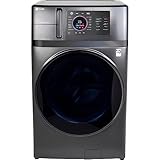
Overview: The GE Profile PFQ97HSPVDS redefines laundry convenience as a 28-inch smart front-load washer/dryer combo, eliminating the need for separate appliances. With 4.8 cubic feet of capacity, this all-in-one unit handles both washing and drying in a single ventless footprint. The sleek design integrates seamlessly into tight spaces, offering 12 wash cycles and 14 dryer cycles for comprehensive fabric care without compromising on modern aesthetics.
What Makes It Stand Out: The all-in-one functionality stands as the primary differentiator, performing complete laundry cycles from wash to dry without user intervention. GE’s Fast Airflow Drying System leverages ventless heat pump technology to deliver efficient drying without external ducting. Smart connectivity enables remote monitoring and control, while the generous 4.8 cu ft capacity surpasses most compact alternatives, accommodating larger loads in a single cycle.
Value for Money: At $1,929, this unit represents a significant investment, yet delivers unique value for space-constrained environments. Purchasing separate washer and dryer units with comparable capacity and features would approach this price point while consuming twice the floor space. The ventless design further reduces installation costs, making it financially sensible for apartment dwellers and small homes.
Strengths and Weaknesses: Strengths include unparalleled space efficiency, eliminating laundry transfer between machines, and robust smart features. The ventless heat pump system ensures flexible installation anywhere with water and power. Weaknesses include inherently longer total cycle times compared to separate units, and the risk that a single malfunction disables both washing and drying functions. The premium price may exceed budgets despite space savings.
Bottom Line: Perfect for urban apartments, tiny homes, or secondary laundry locations where space is non-negotiable. If you can accommodate the price and extended cycle times, this all-in-one delivers exceptional convenience and performance in a single, sophisticated package.
3. Midea MLE25H7BWW Heat Pump, Ventless Front Load Dryer Stackable Washing Machine, Energy Efficient and Space Saving, 4.4 Cu.ft, White

Overview: The Midea MLE25H7BWW brings heat pump efficiency to the budget-conscious consumer at just $899. This 24-inch ventless front-load dryer offers 4.4 cubic feet capacity in a stackable design perfect for apartments and tight laundry spaces. Operating on 240V power, it delivers energy-efficient drying at lower temperatures, making it gentler on fabrics while eliminating the need for complex venting installations.
What Makes It Stand Out: Remarkable affordability makes this dryer accessible without sacrificing core heat pump benefits. The humidity sensor automatically adjusts drying time to prevent over-drying, while the Wrinkle Care feature provides 90 minutes of intermittent tumbling to minimize ironing needs. ENERGY STAR qualification ensures it meets strict federal efficiency guidelines, promising measurable utility savings. The ventless design allows placement virtually anywhere with proper electrical service.
Value for Money: Exceptional value defines this Midea model, costing $300-$500 less than comparable heat pump dryers. The 28% energy reduction compared to conventional dryers translates to ongoing savings, while ventless installation eliminates expensive ductwork. Though the power cord must be purchased separately, the total investment remains substantially lower than premium competitors, making advanced drying technology accessible to more households.
Strengths and Weaknesses: Strengths include outstanding affordability, genuine heat pump efficiency, automatic humidity sensing, and flexible ventless installation. The Wrinkle Care function adds practical value, while ENERGY STAR certification guarantees performance standards. Weaknesses include Midea’s lesser brand recognition in North America, potential service network limitations, and the separate power cord purchase requirement. The interface may feel less refined than premium alternatives.
Bottom Line: An unbeatable entry point into heat pump drying technology. If you prioritize budget and efficiency over brand prestige, this dryer delivers impressive performance and features that belie its affordable price tag.
4. Samsung 4.0 Cu Ft Heat Pump Dryer, Compact Clothes Drying Machine, Stackable for Small Spaces w/Sensor Dry, 12 Preset Cycles, 40 Minute Express Dry, DV25B6900HW/A2, White
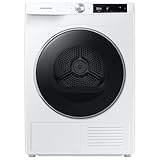
Overview: Samsung’s 4.0 cubic foot heat pump dryer balances compact design with innovative drying technology at $1,169. This ventless, stackable unit fits seamlessly into small spaces while delivering energy-efficient performance through heat pump innovation. With 12 preset cycles and Sensor Dry technology, it provides versatile fabric care without requiring external venting, making it ideal for apartments, condos, and secondary laundry areas.
What Makes It Stand Out: The 40-minute Express Cycle distinguishes this dryer, delivering dry clothes for small 2-pound loads when time is critical. Samsung’s Smart Care diagnostic system enables smartphone troubleshooting, simplifying maintenance without service calls. Heat pump technology recycles air to maximize efficiency while protecting fabrics from excessive heat. The Sensor Dry system automatically optimizes time and temperature, preventing damage and energy waste.
Value for Money: Positioned in the mid-range segment, this Samsung dryer offers strong value through brand reliability and smart features. The $1,169 price reflects Samsung’s established service network and build quality while remaining competitive with similar-spec models. Energy savings from heat pump operation offset the premium over conventional dryers, and ventless installation reduces setup costs.
Strengths and Weaknesses: Strengths include the rapid express cycle, intuitive smart diagnostics, proven Samsung reliability, and efficient sensor drying. The compact footprint enables flexible placement, while 12 cycles cover diverse fabric needs. Weaknesses include the modest 4.0 cu ft capacity, which may challenge larger households, and a price point higher than budget alternatives. Some users may find the smart features unnecessary complexity.
Bottom Line: A dependable choice for tech-savvy users wanting Samsung quality in a compact package. The express cycle and smart diagnostics add genuine convenience, making it worth the moderate premium over entry-level options.
5. Techomey 4.4 Cu.Ft Ventless Heat Pump Clothes Dryer, 24" Compact 120/240V Electric Front Load Drying Machine, Stackable for Small Spaces, Apartment, White

Overview: The Techomey 4.4 cubic foot ventless heat pump dryer targets bargain hunters at just $849, offering compact laundry solutions for small spaces. This 24-inch unit operates on 120/240V power and stacks neatly with similarly-sized washers. Designed for apartments and confined areas, it handles diverse fabrics from wool to baby clothes while eliminating complex venting requirements.
What Makes It Stand Out: Unparalleled affordability meets impressive feature count with 16 drying cycles, surpassing many premium competitors. Smart Sensor Dry technology automatically pauses when clothes reach optimal dryness, preventing fabric damage. The manufacturer claims a remarkable 66.7% energy reduction through heat recirculation, while maintaining temperatures below 50°C for delicate fabric protection. Dual voltage flexibility simplifies installation in various electrical configurations.
Value for Money: At $849, this dryer undercuts most heat pump competitors by hundreds of dollars while offering more cycles and comparable capacity. The potential energy savings and ventless installation benefits create compelling long-term value. However, the unknown brand reputation requires buyers to weigh upfront savings against potential reliability risks and service availability.
Strengths and Weaknesses: Strengths include extraordinary pricing, extensive cycle options, dual voltage compatibility, and genuine ventless convenience. The sensor technology and energy claims suggest solid engineering. Weaknesses involve Techomey’s unproven brand track record, mandatory water tank emptying after each use, and the need for power adapters with 3-prong outlets. Documentation and customer support may not match established brands.
Bottom Line: A feature-rich budget option perfect for cost-conscious buyers willing to accept brand uncertainty. If you’re comfortable with potential service challenges, this dryer delivers capabilities that defy its modest price point.
6. 5.0 cu. ft. Mega Capacity Smart Front Load Electric All-in-One Washer Dryer Combo with TurboWash360 WiFi in Black Steel

Overview: This LG all-in-one washer dryer combo redefines laundry convenience for space-constrained living. Combining washing and drying in a single 5.0 cubic foot unit, it eliminates the need to transfer loads between machines. Operating on a standard 120-volt outlet, this ventless system is purpose-built for apartments, condos, and homes where traditional laundry setups are impractical. The sleek black steel finish adds modern aesthetic appeal while the ENERGY STAR certification promises efficient operation.
What Makes It Stand Out: The 120V plug-in convenience is a game-changer, requiring no special electrical work. The ventless drying system offers installation flexibility without external venting. LG’s TurboWash360 technology delivers accelerated cleaning performance, while the ThinQ app integration enables remote monitoring, cycle notifications, and downloadable wash programs. The all-in-one design means you can start a load in the morning and return to clean, dry clothes without intervention.
Value for Money: At $1,735, this premium appliance costs more than separate units but delivers unparalleled convenience. Traditional washer-dryer pairs require 240V outlets and venting, often adding $500+ in installation costs. For renters or those in older buildings, this eliminates renovation expenses. The ENERGY STAR rating reduces utility bills, offsetting the initial investment over time.
Strengths and Weaknesses: Pros: Space-saving design; 120V compatibility; ventless flexibility; smart connectivity; energy efficient. Cons: Longer total cycle times than separate units; smaller capacity than full-size pairs; clothes may emerge slightly damp on heavy loads; premium pricing.
Bottom Line: Perfect for urban dwellers and space-challenged homes, this LG combo justifies its price through installation savings and convenience. Accept the trade-off in speed for the freedom of all-in-one operation.
7. Smart Toilet+Macerator Pump System, Tankless Upflush Macerating Toilet with Bidet Built-in, Heated Dryer Warm Water, Remote Control, 4 Inlets Sewage Pump for Basement, Laundry, Sink Shower Grey Water

Overview: This integrated smart toilet and macerator pump system solves basement bathroom challenges without costly plumbing renovations. The industrial-grade macerator grinds waste and pumps it vertically up to 23 feet or horizontally 230 feet, making below-grade installations feasible. The unit combines modern bidet functionality with powerful waste management, creating a complete basement bathroom solution that connects to existing drains.
What Makes It Stand Out: The copper pump construction offers superior corrosion resistance and durability compared to plastic alternatives. Four inlet connections allow integration with shower, sink, and laundry greywater, creating a comprehensive basement drainage system. The 2-year warranty exceeds industry standards, while US-based 24/7 support provides peace of mind. Smart features include a heated seat, instant warm water wash, warm air dryer, and automatic deodorization.
Value for Money: Priced at $1,298, this system avoids $5,000-$15,000 in traditional plumbing excavation and pipe installation costs. The all-in-one design eliminates separate toilet and pump purchases. While premium-priced compared to standard toilets, the savings on plumbing work and added smart comfort features justify the investment for basement applications.
Strengths and Weaknesses: Pros: Eliminates major plumbing work; powerful copper macerator; multiple fixture connections; comprehensive smart features; excellent warranty. Cons: Complex installation requiring professional help; macerator noise during operation; higher maintenance than standard toilets; significant upfront cost.
Bottom Line: An excellent solution for basement bathrooms where traditional plumbing is impractical. The robust construction and extensive warranty make it worth the premium for the right application.
8. KoolMore 24" Electric Ventless Heat Pump Dryer, 4.4 Cu. Ft., For Small Home or Apartment, Stackable Unit, Wrinkle Prevention with Sensor Dry Technology, 16 Drying Cycles [White] [240V] (FLD-5CWHP)
![KoolMore 24" Electric Ventless Heat Pump Dryer, 4.4 Cu. Ft., For Small Home or Apartment, Stackable Unit, Wrinkle Prevention with Sensor Dry Technology, 16 Drying Cycles [White] [240V] (FLD-5CWHP)](https://m.media-amazon.com/images/I/41KRowuKmiL._SL160_.jpg)
Overview: The KoolMore ventless heat pump dryer brings energy-efficient drying to compact living spaces. This 4.4 cubic foot unit operates without external venting, making it ideal for apartments, RVs, and small homes where traditional dryers cannot be installed. The 24-inch width maximizes space efficiency while offering 16 specialized drying cycles for various fabric types.
What Makes It Stand Out: Heat pump technology extracts and recycles heat, using up to 50% less energy than conventional condenser dryers. The Smart Sensor Dry technology automatically detects moisture levels, preventing over-drying and reducing wrinkles. The stackable design pairs perfectly with matching KoolMore washers, while the zinc-coated drum ensures optimal heat distribution and durability. Wrinkle prevention features keep clothes looking fresh.
Value for Money: At $1,378, this dryer sits in the mid-range for heat pump models. While more expensive than basic vented dryers, the ENERGY STAR rating delivers utility bill savings that recover costs within 2-3 years. Avoiding vent installation saves $200-$500, adding value for renters and condo owners. The durability features promise a longer lifespan than budget alternatives.
Strengths and Weaknesses: Pros: Ventless installation flexibility; exceptional energy efficiency; precise sensor drying; space-saving design; stackable configuration. Cons: Requires 240V outlet; longer drying times than vented models; smaller capacity limits bulky items; premium price over conventional dryers.
Bottom Line: A smart investment for small-space dwellers prioritizing energy savings and installation flexibility. Accept longer dry times for the benefits of ventless operation and reduced utility costs.
9. Smart Toilet with 750PRO Macerator Pump for Basement Upflush Macerating System, Tankless Bidet Toilet with Heated Dryer Warm Water, Remote Control, 3 Inlets Grinder Pump for Waste Water Disposal

Overview: This smart toilet system with 750PRO macerator pump offers enhanced waste management capabilities for challenging installations. The upgraded pump achieves 36 feet of vertical lift and 360 feet horizontal reach, outperforming standard macerators. Designed for basements and below-grade bathrooms, it eliminates the need for extensive plumbing work while providing luxury bidet features and reliable waste disposal.
What Makes It Stand Out: The 750PRO macerator’s stainless steel housing resists corrosion and jamming better than copper or plastic alternatives. The power flush system includes a built-in water tank and assisted pump, ensuring reliable performance in low-pressure situations while using only 1.06 gallons per flush. The super cyclone siphon flush maintains bowl cleanliness with nano-glaze technology. Three inlet connections accommodate bathroom fixtures.
Value for Money: At $989, this system undercuts competitors while offering superior pump specifications. The water-efficient flush reduces utility costs, and the robust stainless steel construction promises lower maintenance expenses. Avoiding traditional plumbing renovations saves thousands, making this an economical choice for basement bathroom additions.
Strengths and Weaknesses: Pros: Superior pump performance; stainless steel durability; water-efficient power flush; comprehensive smart features; lower price point. Cons: Fewer inlet connections than some competitors; installation complexity; macerator noise; requires electrical connection.
Bottom Line: An excellent value proposition for basement bathrooms, offering best-in-class pump performance and smart features at a competitive price. The stainless steel construction and water efficiency make it a wise long-term investment.
10. 5.0 cu. ft. Washer 7.8 cu. ft. Dual Inverter Heat Pump Ventless Dryer Electric Laundry Center in Black Steel

Overview: This stacked laundry center pairs a 5.0 cubic foot washer with a massive 7.8 cubic foot dual inverter heat pump ventless dryer in a space-efficient vertical configuration. The black steel finish delivers a premium aesthetic while the ventless dryer eliminates external ducting requirements. Designed for those needing full-size capacity without side-by-side footprint, this unit maximizes laundry capability in minimal floor space.
What Makes It Stand Out: The dryer capacity significantly exceeds typical laundry centers, accommodating large loads and bulky items like comforters. Dual inverter heat pump technology provides exceptional energy efficiency while maintaining precise temperature control. The ventless design offers installation flexibility, and the free-standing configuration simplifies setup. The black steel finish resists fingerprints and matches modern appliance aesthetics.
Value for Money: At $2,697, this premium laundry center commands a high price but delivers substantial capacity in a compact footprint. Separate units with similar specs would cost $2,000-$2,500 plus installation expenses. The ventless dryer avoids costly ductwork, adding value. For urban homes with premium space constraints, the capacity-to-footprint ratio justifies the investment.
Strengths and Weaknesses: Pros: Massive dryer capacity; space-saving vertical design; advanced heat pump efficiency; ventless flexibility; premium finish. Cons: High initial cost; limited feature details provided; potential complexity if repairs needed; may require professional installation.
Bottom Line: Ideal for households needing maximum drying capacity in minimal space. The large dryer and ventless design justify the premium for space-constrained homes, though the sparse feature details warrant further investigation before purchase.
Why Heat-Pump Dryers Are Revolutionizing Laundry Energy Efficiency
The laundry industry has been ripe for disruption, and heat-pump technology delivers exactly that. Unlike conventional dryers that blast clothes with scorching air and vent it outside—wasting all that heat energy—heat-pump dryers recycle the same air in a closed system. This fundamental difference in operation is what unlocks those dramatic energy savings you’ve heard about.
How Heat-Pump Technology Actually Works
At its core, a heat-pump dryer functions like a reverse air conditioner. It uses a refrigerant cycle to extract moisture from laundry at relatively low temperatures, typically between 120-140°F compared to the 170-190°F of traditional models. The process starts with a compressor pressurizing refrigerant, which then travels through a heat exchanger to warm the drying air. This warm air circulates through the drum, absorbing moisture from your clothes. The humid air then passes through an evaporator coil, where the moisture condenses into water that’s either drained or collected. The now-dry air gets reheated and the cycle repeats.
This closed-loop system is the secret sauce. Instead of continuously heating cold room air and expelling it, the dryer preserves and reuses thermal energy. The compressor does require electricity, but modern inverter-driven compressors adjust their speed precisely to the load’s needs, avoiding the energy-wasting on/off cycling of conventional heating elements.
The Science Behind Energy Savings
The energy efficiency comes from two principles: heat recycling and lower operating temperatures. For every unit of electricity consumed, a heat-pump dryer can move three to four units of heat energy—a coefficient of performance (COP) that traditional resistive heating can never match. Lower temperatures also mean less heat loss through the dryer walls and less energy wasted warming up the machine itself. Your clothes experience less thermal stress, which translates to longer garment life—a hidden savings that rarely shows up in energy calculators but matters significantly to your clothing budget.
Understanding Energy Ratings: What Those Labels Really Mean
Energy labels can feel like cryptic government documents designed to confuse rather than clarify. But decoding them is essential for making an informed purchase that actually delivers on its efficiency promises.
Deciphering kWh Consumption Figures
The most important number on an energy label is the annual kilowatt-hour consumption, typically based on 160 drying cycles of cotton loads. A conventional vented dryer might consume 800-900 kWh annually, while an efficient heat-pump model can drop that to 200-300 kWh. But here’s what manufacturers don’t always highlight: these figures assume optimal conditions—perfect installation, regular maintenance, and appropriate load sizes. Real-world usage often increases consumption by 15-25%, so always factor in a buffer when calculating potential savings.
The Real-World Impact on Your Utility Bills
To translate kWh into dollars, multiply by your electricity rate. At the national average of $0.14 per kWh, a conventional dryer costs roughly $112-126 annually to operate, while a heat-pump model runs just $28-42. That’s a $70-90 yearly saving per year. In regions with higher electricity rates or time-of-use pricing where you can run the dryer during off-peak hours, the savings multiply. Some smart models can even be programmed to automatically run when electricity is cheapest, amplifying your cost reduction without any effort on your part.
Key Features That Maximize Energy Savings
Not all heat-pump dryers are created equal. Certain technologies separate the merely efficient from the truly exceptional performers.
Sensor Drying Technology
Modern heat-pump dryers employ multiple sensors—moisture, temperature, and even conductivity sensors—that work in concert to detect exactly when clothes are dry. This prevents the single biggest waste of energy: over-drying. Basic models might use a simple moisture sensor, but advanced units feature precision sensors that can detect dryness levels within 1-2% accuracy. Some even adjust for fabric type automatically, recognizing that towels need different treatment than delicates.
Variable Speed Inverter Motors
The compressor is the heart of a heat-pump dryer, and inverter technology allows it to operate at variable speeds rather than simply on or off. During the initial drying phase, it might run at 80% capacity, then gradually taper to 30% as clothes approach dryness. This modulation saves energy and reduces wear on components. The same technology applies to the drum motor, allowing gentler tumbling for delicate items and more aggressive turning for heavy loads—optimizing both energy use and fabric care.
Smart Connectivity and Adaptive Learning
Wi-Fi connectivity isn’t just a gimmick when it comes to efficiency. Smart dryers can download new cycle algorithms, adjust to changing environmental conditions, and learn your usage patterns. Some models track your most common load types and automatically suggest the most efficient cycle. They can also alert you when the heat exchanger needs cleaning—a critical maintenance task that, if neglected, can increase energy consumption by 20-30%.
Heat Exchanger Efficiency
The heat exchanger’s design significantly impacts performance. Look for models with large surface area exchangers and anti-corrosion coatings. Some advanced units feature self-cleaning exchangers that automatically flush away lint buildup during the cycle. This not only maintains efficiency but also extends the time between manual cleanings—a task many users neglect, unknowingly driving up their energy bills.
Capacity Considerations: Right-Sizing Your Dryer
Bigger isn’t always better when it comes to energy efficiency. The relationship between dryer capacity and your actual laundry needs directly impacts operating costs.
Matching Dryer Capacity to Washer Size
The golden rule: your dryer should have roughly double the capacity of your washing machine. If you have a 4.5 cubic foot washer, aim for a 9 cubic foot dryer. This 2:1 ratio allows clothes to tumble freely with adequate airflow, which is crucial for heat-pump efficiency. Overstuffing a dryer forces it to run longer cycles, negating the energy savings you paid for. Underloading wastes energy per garment. Some smart dryers can detect load size and adjust cycle time accordingly, but they can’t overcome physics—proper capacity matching remains your responsibility.
The Energy Cost of Underloading
Running three small loads instead of two properly sized loads wastes approximately 30% more energy. The dryer uses almost as much energy to heat itself up and establish the refrigerant cycle for a small load as it does for a full one. Many users don’t realize that adding a few dry towels to a small, damp load can actually improve efficiency by increasing the total mass and improving tumbling dynamics. Some advanced models have a “half-load” setting that optimizes the refrigerant cycle for smaller volumes, but this feature is still rare.
Installation Requirements That Affect Efficiency
A poorly installed heat-pump dryer can consume 25-40% more energy than a properly installed one. The installation environment matters more than with traditional dryers.
Ventilation Needs (or Lack Thereof)
One major advantage of heat-pump dryers is that most don’t require external venting. However, they still need adequate room ventilation. The dryer expels cool, slightly humid air from the evaporator, and if this air can’t dissipate, the room temperature drops, forcing the dryer to work harder. Ideally, install in a room of at least 100 square feet with a door that can be left ajar during operation. For closet installations, ensure there’s a louvered door and at least 12 square inches of passive ventilation.
Electrical Specifications
Most heat-pump dryers require a 240-volt outlet, but some compact models run on 120 volts. The key is circuit amperage. While conventional dryers often need 30 amps, many heat-pump models operate efficiently on 15-20 amp circuits. This can be a significant advantage if you’re installing in a location without heavy-duty wiring. However, voltage fluctuations in your home can impact the inverter compressor’s efficiency. Consider a voltage regulator if your area experiences frequent brownouts or surges.
Spatial Considerations for Optimal Performance
Heat-pump dryers need space to breathe. Maintain at least 1 inch of clearance on all sides and 4-6 inches behind the unit for proper airflow. Stacking a dryer on a washer can affect efficiency if the washer vibrates excessively, potentially jostling sensors. Some manufacturers design stacking kits that include vibration dampeners specifically for this reason. Also consider ambient temperature—these dryers perform best in rooms between 50-85°F. Colder rooms reduce efficiency, while hotter rooms can trigger thermal protection shutdowns.
Maintenance Habits That Preserve Energy Efficiency
Your heat-pump dryer is a precision instrument, not a brute-force machine. Neglecting maintenance is like never changing your car’s oil—it’ll work for a while, then performance plummets.
Cleaning the Heat Exchanger
The heat exchanger needs cleaning every 1-3 months depending on usage. Lint bypassing the primary filter coats the exchanger fins, acting as insulation that forces the compressor to work harder. Cleaning typically involves running water through the exchanger or using a soft brush. Some users make the mistake of using compressed air, which can damage the delicate fins. The difference between a clean and dirty exchanger can be 30-40% in energy consumption. Set a recurring calendar reminder—this is non-negotiable for efficiency.
Filter Maintenance Protocols
Most heat-pump dryers have two filters: a primary lint filter and a secondary fine-mesh filter. Clean the primary filter after every load—no exceptions. The secondary filter, located near the heat exchanger, needs weekly attention. Some advanced models have filter sensors that detect airflow restriction, but don’t rely solely on these. Wash filters with warm soapy water monthly to remove fabric softener residue that can create an invisible film, reducing airflow by up to 15%.
When to Call a Professional
If you notice cycles taking 30% longer than when the dryer was new, or if the exterior feels unusually hot, it’s time for professional service. The refrigerant charge might be low, or the compressor could be failing. Attempting DIY repairs on the sealed refrigerant system is illegal without EPA certification. Annual professional maintenance, costing $100-150, can preserve efficiency and catch issues before they become $500 problems.
Smart Features That Go Beyond Basic Connectivity
The “smart” in smart dryers means more than remote start from your phone. True intelligence lies in autonomous optimization.
AI-Powered Cycle Optimization
Advanced models use machine learning to analyze load composition, weight distribution, and moisture content, then adjust the drying algorithm in real-time. They might extend the low-heat phase for synthetics or increase airflow for towels. Over time, the dryer learns that you always wash mixed loads on Saturdays and pre-optimizes the cycle. This can improve efficiency by 5-10% beyond what standard sensors achieve.
Energy Monitoring and Reporting
Real-time energy tracking lets you see exactly how much each cycle costs. Some apps provide monthly reports comparing your usage to similar households and suggesting behavioral changes. You might discover that switching from “normal” to “eco” mode saves $0.35 per load—a small amount that adds up to $50+ annually. These insights turn abstract efficiency ratings into tangible, actionable data.
Integration With Home Energy Systems
The most forward-thinking dryers can communicate with home energy management systems and solar panels. They’ll automatically start when solar production peaks or when your battery system has excess capacity. During grid emergencies, they can pause non-essential cycles. This vehicle-to-grid-style thinking transforms your dryer from a passive appliance into an active participant in home energy optimization.
Cycle Selection Strategies for Maximum Savings
The cycle you choose impacts energy consumption as much as the dryer’s inherent efficiency. Strategic selection is a learned skill.
Eco Modes vs. Standard Cycles
Eco modes typically extend cycle time by 30-50% while using 20-30% less energy. They achieve this by running the compressor at lower capacity and extending the tumbling phase. For everyday loads, eco mode is optimal. However, for heavily soiled items or when you need speed, standard cycles are more efficient than running an eco cycle twice. Some smart dryers automatically suggest the most efficient mode based on your time constraints.
Temperature Selection Impact
Lower temperatures save energy but require longer times. A 20°F reduction in drying temperature can cut energy use by 15% but extend the cycle by 25 minutes. For most fabrics, the energy savings outweigh the time cost. Reserve high-heat cycles for items that specifically need it, like heavy cotton towels once a month to maintain fluffiness. Delicate and permanent press cycles often run at heat-pump-ideal temperatures anyway, making them unexpectedly efficient choices.
Custom Program Benefits
Creating custom programs for your most common loads—say, “kids’ soccer uniforms” or “work shirts”—allows you to fine-tune temperature, moisture target, and tumbling patterns. Once you’ve dialed in the perfect settings, you eliminate the guesswork and wasted energy of over-drying. Some dryers allow you to share these custom programs with family members via app, ensuring everyone uses the most efficient settings.
The True Cost of Ownership: Beyond Purchase Price
The sticker price tells only a fraction of the story. A comprehensive cost analysis reveals the real financial impact over the appliance’s lifetime.
Calculating Payback Period
To determine true payback, subtract any rebates from the purchase price, then divide by annual energy savings. A $1,200 heat-pump dryer with a $300 rebate costs $900 net. If it saves $75 annually versus a conventional model, payback occurs in 12 years. But factor in garment longevity savings—conservatively $30-50 annually from less fabric damage—and payback drops to 7-8 years. Most heat-pump dryers last 12-15 years, meaning you’ll enjoy 5-7 years of pure savings.
Rebates and Incentives
Utility companies and governments offer substantial rebates, often $200-500, for Energy Star certified heat-pump dryers. Some regions provide additional incentives for smart models that can participate in demand-response programs. Check the Database of State Incentives for Renewables & Efficiency (DSIRE) and your utility’s website. High-efficiency dryers sometimes qualify for federal tax credits under energy efficiency improvement categories. These incentives can reduce payback periods by 30-50%.
Longevity and Repair Costs
Heat-pump dryers typically last 2-3 years longer than conventional models because they operate at lower temperatures, reducing component stress. However, when they do need repairs, costs can be higher—compressor replacement might run $400-600 versus $150-250 for a conventional heating element. The key is preventative maintenance. A well-maintained heat-pump dryer has lower lifetime costs despite higher individual repair bills, simply because major failures are rarer.
Environmental Impact: More Than Just Lower Bills
The benefits extend beyond your monthly utility statement. These appliances represent a meaningful reduction in household carbon emissions.
Carbon Footprint Reduction
An average household using a conventional dryer generates 500-600 pounds of CO2 annually from electricity consumption. Switching to a heat-pump model cuts this to 150-200 pounds—a reduction equivalent to not driving your car for a month. If your electricity comes from renewable sources, the carbon footprint drops nearly to zero. As the grid becomes greener, your heat-pump dryer automatically becomes more environmentally friendly without any change in operation.
Water Usage Considerations
Heat-pump dryers extract moisture that must go somewhere. Most models collect it in a reservoir you empty manually, while others can be plumbed to drain directly. While this water isn’t potable, it’s perfect for watering plants or other gray-water uses. Some eco-conscious users save 200-300 gallons annually by repurposing this water. The dryer itself uses no water, unlike some washer-dryer combos that consume water for drying.
Recyclability and Sustainable Manufacturing
Leading manufacturers now design heat-pump dryers with end-of-life recycling in mind. Look for models with high percentages of recyclable materials—some exceed 90% by weight. The refrigerants used are increasingly low-global-warming-potential (GWP) fluids like R290 (propane) with GWP of 3 compared to older R134a with GWP of 1,430. Manufacturing processes are also improving, with some factories using renewable energy and closed-loop water systems, reducing the embodied carbon of the appliance itself.
Common Misconceptions About Heat-Pump Dryers
Myths and half-truths surround these appliances, often preventing people from making a switch that would benefit them enormously.
The “Takes Too Long” Myth
Yes, cycles are typically 30-50% longer than conventional dryers. A standard load might take 90 minutes instead of 60. But this comparison misses the point: heat-pump dryers run unattended. You’re not standing there waiting. The relevant metric is energy per load, not time per load. Many users find they prefer the gentler, longer cycles because clothes come out less wrinkled and with less static. Plus, smart models can run overnight during off-peak hours, making cycle length irrelevant to your daily routine.
Upfront Cost vs. Long-Term Value
The price gap between conventional and heat-pump dryers has narrowed to $300-500 for comparable capacities. When you factor in rebates and the fact that these dryers typically last longer, the true cost difference is often under $200. Spread over a 12-year lifespan, that’s less than $1.50 per month. The energy savings alone typically exceed $5-7 monthly. The math is overwhelmingly favorable, yet sticker shock keeps many buyers from doing the calculation.
Performance in Humid Climates
Ironically, heat-pump dryers often perform better in humid climates than conventional models. Because they don’t draw in humid outside air, they’re not fighting against ambient moisture. The closed system maintains consistent performance regardless of weather. The only caveat: the expelled cool air can make a small laundry room feel damp, so ventilation becomes more important, not less.
Advanced Technologies on the Horizon
The heat-pump dryer evolution is accelerating, with several breakthrough technologies nearing mainstream adoption.
Dual Heat-Pump Systems
Premium models are beginning to feature dual compressors and heat exchangers—one for initial high-moisture removal, another for final precision drying. This approach can cut cycle times by 25-30% while maintaining energy efficiency. It’s like having a sports car that sprints when needed but cruises efficiently for the long haul. Expect this technology to become standard in high-end models within 2-3 years.
Solar Integration Possibilities
With the rise of home solar and battery storage, dryers are being designed to act as thermal batteries themselves. Some experimental models can pre-heat an insulated reservoir during peak solar production, then use that stored heat for evening drying cycles. This effectively provides solar-powered drying even when the sun isn’t shining, potentially reducing grid electricity use by 70-80%.
Next-Generation Refrigerants
The industry is transitioning to natural refrigerants like propane (R290) and isobutane (R600a) with ultra-low global warming potential. These refrigerants also have better thermodynamic properties, potentially improving efficiency by 5-10% while being environmentally benign. The challenge is flammability, requiring redesigned safety systems. The first mass-market models using these refrigerants are already appearing in Europe and should reach North America within a year.
Troubleshooting Efficiency Loss
Even the best dryer loses efficiency over time if problems aren’t addressed promptly. Knowing the warning signs helps you maintain peak performance.
Signs Your Dryer Isn’t Running Optimally
If your dryer suddenly takes 25% longer to dry the same loads, something is wrong. Check the filters and heat exchanger first. Unusual noises from the compressor, excessive vibration, or the exterior feeling hot to the touch all indicate efficiency loss. Many smart dryers will alert you to performance degradation through their apps, sometimes before you notice symptoms. Don’t ignore these warnings—a small problem fixed early prevents a major efficiency drain.
Common User Errors That Waste Energy
The biggest mistake is mixing heavy and light fabrics in the same load. The dryer continues running until the heaviest items are dry, over-drying lighter pieces. Another error is using fabric softener sheets, which coat sensors and reduce their accuracy. Overloading is obvious, but underloading is just as wasteful. Also, failing to shake out items before loading creates clumps that dry unevenly, forcing extended cycles.
When Efficiency Drops Over Time
After 5-7 years, even well-maintained dryers can lose 10-15% efficiency due to refrigerant slowly leaking past seals or compressor wear. Professional servicing can often restore 80-90% of original performance through refrigerant recharge and component adjustment. If efficiency drops more than 20%, compare repair costs to replacement. Newer models are so much more efficient that upgrading sometimes makes more financial sense than repairing a 7-year-old unit.
Making the Switch: Transitioning From Vented or Condenser Models
Upgrading requires more than just plugging in a new machine. Understanding the transition helps you avoid surprises.
What to Expect During Adaptation
Your first few cycles will feel strange. The lower temperatures mean clothes come out feeling cooler and slightly damper than you’re used to—this is normal. They’re actually at the correct moisture level (typically 2-3% residual moisture) but your perception needs recalibration. Trust the sensors, not your hands. Most users adapt within two weeks and come to prefer the results, especially noticing less shrinkage and fabric damage.
Disposal of Your Old Appliance
Many retailers offer free haul-away of old dryers. If not, contact your local waste management authority—many have special collection days for appliances. Some components contain valuable metals and refrigerants that require proper recycling. A few regions even offer small rebates ($25-50) for recycling old appliances responsibly. Never vent a heat-pump dryer through an old dryer vent; this defeats the efficiency purpose and can cause moisture damage.
Electrical Upgrades You Might Need
If you’re switching from a gas dryer, you’ll need a 240-volt outlet installed—typically $200-400 by a licensed electrician. If replacing an electric dryer, the existing outlet usually works, but verify amperage requirements. Some new heat-pump dryers can share a 20-amp circuit with a washer, potentially saving you from running a new dedicated line. Always have an electrician verify your home’s electrical capacity, especially in older houses.
Frequently Asked Questions
How much can I realistically save per year with a heat-pump dryer?
Most households save $70-120 annually on electricity, depending on local rates and usage. Families doing 8+ loads weekly often save $150+. Add $30-50 in reduced clothing replacement costs from less fabric damage, and total annual savings typically reach $100-200.
Do heat-pump dryers work well in cold garages or basements?
Performance drops significantly below 50°F. The refrigerant becomes less efficient, and cycle times can double. If you must install in a cold space, consider models with built-in ambient temperature compensation or add supplemental heating to keep the room above 55°F. Never install where temperatures drop below freezing.
Are heat-pump dryers noisier than conventional models?
They’re actually quieter during operation—typically 60-62 decibels versus 65-70 for conventional dryers. However, they run longer, so total noise exposure time increases. The compressor makes a low hum similar to a refrigerator, which some find more pleasant than the roar of a heating element.
Can I vent a heat-pump dryer outside for better performance?
Absolutely not. Venting defeats the closed-loop system, causing the dryer to draw in unconditioned air and work much harder. It would use more energy than a conventional dryer. Heat-pump dryers are designed to be ventless; embrace this feature rather than fighting it.
How often should I really clean the heat exchanger?
For average use (4-5 loads weekly), clean monthly. Heavy users (daily loads) should clean every three weeks. Even if your model has a self-cleaning feature, manually inspect the exchanger every six months. A clogged exchanger is the number one cause of efficiency loss.
Will a heat-pump dryer increase my home’s humidity?
It releases cool, slightly humid air into the room—about 1-2 cups of water per load. In most homes, this is negligible. In small, poorly ventilated laundry rooms, you might notice increased humidity. Install a small exhaust fan or dehumidifier if this becomes an issue, or choose a model that can be plumbed to drain condensate directly.
Do I need special detergent or fabric softener?
No special detergent, but avoid liquid fabric softeners and dryer sheets. They leave residues that coat sensors and reduce efficiency. Use wool dryer balls instead—they separate clothes, reduce static, and are reusable for years. If you must use softener, switch to a fabric softener ball that dispenses during the wash cycle, not the dry cycle.
How long do heat-pump dryers typically last?
With proper maintenance, 12-15 years is common—2-3 years longer than conventional dryers. The lower operating temperatures reduce thermal stress on components. The compressor is the most expensive part, but modern inverter compressors are designed for 20,000+ operating hours, equivalent to 15 years of normal use.
Can I dry all fabrics in a heat-pump dryer?
Yes, and actually you can dry more delicate fabrics safely. The lower temperatures are gentler than conventional dryers, making them ideal for wool, silk, and activewear that might be damaged by high heat. Always check garment labels, but you’ll find fewer “hang dry only” instructions when switching to a heat-pump dryer.
Are there any tax credits or rebates available?
Many utilities offer $200-500 rebates. Check energystar.gov for federal tax credits, which can be up to 30% of the cost (capped at specific amounts) under energy efficiency improvement categories. Some states have additional incentives. The Inflation Reduction Act expanded eligibility, making many heat-pump dryers qualify for significant credits. Always save your receipt and Energy Star certification documentation.