Your prized acoustic guitar has survived decades of gigs, studio sessions, and late-night songwriting marathons. But unbeknownst to you, the real threat isn’t a broken string or a chipped finish—it’s the invisible moisture war raging inside its case every single day. Wood is a living, breathing material that never stops reacting to its environment, and when humidity swings wildly, your instrument pays the price through cracked bridges, lifted bracing, and necks that suddenly won’t stay in tune. Smart humidity trackers have revolutionized how we protect these wooden investments, transforming guesswork into data-driven precision. These compact guardians don’t just measure moisture levels; they become your instrument’s early warning system, alerting you to dangerous conditions before the first telltale crack appears.
Understanding how to choose and use these devices effectively separates casual players from true instrument stewards. Whether you’re protecting a vintage Martin, a modern Taylor, or a hand-built classical guitar, the right humidity monitoring strategy can add decades to your instrument’s life. Let’s explore everything you need to know about selecting and maximizing smart humidity trackers for your guitar cases.
Top 10 Smart Humidity Trackers for Guitar Cases
Detailed Product Reviews
1. MusicNomad HONE - Guitar Hygrometer - Humidity & Temperature Monitor (MN312)

Overview:
The MusicNomad HONE MN312 is a specialized hygrometer designed specifically for guitarists who need precise environmental monitoring. Unlike humidity packs, this device clips directly onto your strings and provides real-time data about your instrument’s surroundings. It measures humidity and temperature every 20 seconds, displaying readings on a clear LCD screen. The unit tracks maximum and minimum ranges and includes a visual safe zone indicator, helping you maintain optimal conditions between 45-55% relative humidity. A standout feature is its compatibility with MusicNomad’s Humitar system—the HONE can replace the standard lid for integrated monitoring. Powered by a long-lasting AG13 battery, it offers both Fahrenheit and Celsius readings.
What Makes It Stand Out:
The string-mounting design eliminates guesswork about conditions inside your case, providing more accurate readings than room-based monitors. The integration with the Humitar system creates a streamlined solution, and the 20-second measurement interval ensures you’re always informed of rapid environmental changes.
Value for Money:
At $19.99, the HONE sits in the mid-range for instrument-specific hygrometers. While cheaper generic options exist, the guitar-focused features and reliable accuracy justify the price for serious musicians.
Strengths and Weaknesses:
Pros include precise monitoring, convenient clip-on design, Humitar compatibility, and clear display. The main drawback is that it’s only a monitor—you’ll need separate humidification products. The battery requires occasional replacement.
Bottom Line:
The MusicNomad HONE is an excellent monitoring tool for guitarists serious about instrument care. It won’t humidify your guitar, but it provides the critical data needed to protect your investment.
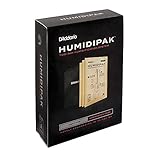
2. D’Addario Guitar Humidifier Kit - Humidipak Restore Kit - Automatic Guitar Humidification Conditioning System - Safely Rehydrate Guitar and Case
Overview:
The D’Addario Humidipak Restore Kit offers a professional-grade solution for rescuing dried-out guitars and cases. Designed specifically for instruments suffering from neglect or winter damage, this system safely reintroduces moisture without risk of over-humidification. The kit uses two-way humidity control technology to automatically dispense or absorb purified water vapor, maintaining a stable 45-50% relative humidity level. Unlike traditional sponge humidifiers that require constant monitoring, these packets work independently once placed in your case. The “Restore” designation indicates it’s formulated for initial rehydration rather than just maintenance, making it ideal for instruments showing signs of dryness like fret sprout or top sinking.
What Makes It Stand Out:
D’Addario’s reputation for quality instrument accessories lends confidence, and the specifically tailored restoration formula works faster than standard maintenance packs. The automatic two-way system eliminates user error and prevents the catastrophic damage that can occur with over-humidification.
Value for Money:
At $25.99, this kit costs more than basic humidity packs but less than professional rehydration services. For a valuable instrument showing dryness, it’s a worthwhile investment that could prevent costly repairs.
Strengths and Weaknesses:
Pros include safe automatic operation, trusted brand name, effective restoration capability, and no maintenance required. Cons are the higher price point and that it’s designed for restoration, not long-term maintenance (though it can be used that way).
Bottom Line:
For guitars needing rescue from dry conditions, the D’Addario Restore Kit is a safe, effective, and reasonably priced solution that takes the anxiety out of rehydration.
3. Humidi-Cure 49% 2-Way Humidity Packs, Moisture Absorbers for Wooden Instruments & Guitar, Humidity Packets with Individual sealed bag to Prevent Cracks & Dryness(60Gram Each, 1 Pack)
Overview:
The Humidi-Cure 49% 2-Way Humidity Pack provides single-pack convenience for musicians seeking precision humidity control. This 60-gram packet uses a US-patented fiber formula with breathable film to maintain a stable 49% relative humidity (±2% precision) inside your instrument case. The pack activates instantly upon opening and works three times faster than traditional humidification methods, reaching target humidity quickly. Each packet lasts between three to six months depending on climate and case seal quality. Designed for all wooden instruments—including guitars, violins, ukuleles, and clarinets—these packs both release and absorb moisture as needed, preventing both dryness and over-humidification.
What Makes It Stand Out:
The patented fiber technology and ±2% precision control offer professional-grade protection typically found in more expensive systems. The rapid activation is particularly valuable for musicians in volatile climates or those needing immediate protection.
Value for Money:
At $6.99 for a single pack, this represents an affordable entry point into two-way humidity control. It allows you to test the system or maintain one instrument without committing to a multi-pack purchase.
Strengths and Weaknesses:
Pros include fast activation, precise humidity control, long lifespan, and universal instrument compatibility. The main weakness is that a single pack may be insufficient for larger cases or extremely dry environments, and the per-pack cost is higher than bulk options.
Bottom Line:
The Humidi-Cure single pack is perfect for musicians wanting to try two-way humidity control or maintain a single instrument economically, offering premium features at an accessible price point.
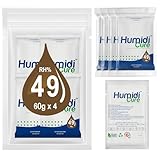
4. Humidi-Cure 49% 2-Way Humidity Packs, Moisture Absorbers for Wooden Instruments & Guitar, Humidity Packets with Individual sealed bag to Prevent Cracks & Dryness(60Gram Each, 4 Pack)
Overview:
The Humidi-Cure 4-Pack delivers the same premium humidity control as the single pack but with substantial bulk savings. Each 60-gram packet maintains a precise 49% relative humidity (±2% accuracy) using the patented fiber formula that works three times faster than conventional methods. The four-pack configuration provides enough supply for multiple instruments or extended maintenance—lasting up to two years for a single guitar depending on climate conditions. These packs automatically adjust moisture levels in both directions, protecting against cracking from dryness and damage from excess humidity. Suitable for all wooden instruments, the system requires no maintenance beyond periodic replacement.
What Makes It Stand Out:
The multi-pack value proposition is compelling, reducing the per-pack cost significantly while ensuring you always have replacements on hand. The consistent performance across all four packets makes this ideal for collectors or teachers maintaining several instruments.
Value for Money:
At $18.99 for four packs, the cost drops to approximately $4.75 per pack—nearly 30% savings compared to individual purchases. For serious musicians or those with multiple instruments, this represents excellent long-term value.
Strengths and Weaknesses:
Pros include significant cost savings, convenient backup supply, fast-acting formula, and precise control. The only real drawback is the higher upfront investment, and you’ll need storage space for unused packs.
Bottom Line:
The Humidi-Cure 4-Pack is the smart choice for dedicated musicians or multi-instrument owners, offering premium humidity control with substantial savings and the convenience of always having spares available.
5. Wisesorb 8g 49% Two-Way Humidity Packs for Wooden Instrument, 15 Pack Size 8 for Music Instrument Cases, Hydration Humidity Humidifier Moisture Control Packets Individually Wrapped

Overview:
The Wisesorb 15-Pack offers an economical bulk solution for humidity control with a unique powder-based formula. Each 8-gram packet maintains 45-50% relative humidity using silica, salts, and water in powder form, which eliminates the risk of liquid leakage even when fully saturated. The smaller size allows for flexible placement and is ideal for ukuleles, violins, or multiple small compartments within a guitar case. With fifteen individually wrapped packets, this package provides enough supply for over a year of continuous use across several instruments. The two-way control system automatically releases or absorbs moisture as environmental conditions change.
What Makes It Stand Out:
The powder formula is genuinely innovative, addressing the primary concern with gel-based packs: potential leakage. The sheer quantity at this price point makes it accessible for students, teachers, or collectors managing many instruments.
Value for Money:
At $9.99 for fifteen packets, this is the most cost-effective option reviewed, costing less than $0.67 per pack. However, the smaller 8-gram size means you may need 2-3 packs for a full-size guitar case.
Strengths and Weaknesses:
Pros include unbeatable price, leak-proof powder design, flexible sizing, and ample quantity. Cons are the smaller capacity requiring multiple packs per instrument, and the brand is less established than competitors.
Bottom Line:
Wisesorb’s bulk pack is perfect for budget-conscious musicians or those with many instruments, offering reliable two-way humidity control at a fraction of the cost, provided you use enough packets per case.
6. Wireless Thermometer Hygrometer for iPhone/Android, Smart Bluetooth Humidity Temperature Sensor with Alarm and Data Storage for Green House Guitar Camera Storage Humidor Incubator Monitor
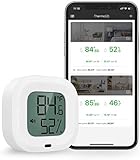
Overview: This versatile Bluetooth sensor delivers precise environmental monitoring for guitar storage and beyond. At $15.99, it transforms your smartphone into a powerful climate tracking station using the free SENSOR BLUE app. The compact device monitors temperature and humidity remotely up to 35 meters, making it ideal for instrument cases, greenhouses, or storage areas where conditions matter.
What Makes It Stand Out: The Sensirion sensor achieves impressive accuracy—±0.5℃ temperature and ±5% humidity—with one-second refresh rates. It stores 100 days of data (recorded every 10 minutes) and exports to CSV format for free. The ability to connect 100 sensors to one device creates a comprehensive monitoring network, while the CR2477 battery provides a full year of operation.
Value for Money: This sensor dramatically undercuts WiFi alternatives while delivering professional-grade accuracy. The DIY replaceable battery eliminates proprietary replacement costs, and the multi-sensor capability means one phone can monitor an entire collection. For guitarists needing basic case monitoring, it offers laboratory precision at a fraction of traditional hygrometer costs.
Strengths and Weaknesses: Strengths include exceptional accuracy, robust data logging, long battery life, and versatile mounting options with magnetic stickers. The Bluetooth 5.0 chip provides reliable connectivity within range. Weaknesses are the Bluetooth limitation itself—obstacles reduce range significantly, and you must be within proximity to receive alerts. It lacks standalone WiFi monitoring, requiring your phone as a bridge.
Bottom Line: An excellent entry-level monitoring solution for musicians who keep their instruments at home. While not suitable for remote monitoring without phone proximity, its accuracy and data features make it a smart investment for protecting valuable instruments on a budget.
7. Oasis Guitar Case Humidifier OH-6

Overview: The Oasis OH-6 represents traditional, no-frills guitar case humidification. At $24.95, this American-made device delivers moisture directly inside your instrument’s body through a simple, time-tested design. It attaches to your case interior and uses distilled water to combat dry-season damage like cracking and warping.
What Makes It Stand Out: The steel clip and attachment strip offer versatile mounting options inside any case, while the included 10cc syringe provides precise water-filling control—eliminating guesswork and spills. Unlike electronic systems, this purely mechanical solution requires no batteries or apps, working silently and reliably. The “Made in USA” label assures quality construction and materials.
Value for Money: While pricier than basic sponge humidifiers, the OH-6’s durable construction and precise filling system justify the cost. There are no ongoing expenses beyond distilled water, and the robust clip system prevents damage to case interiors. For musicians preferring manual control over digital complexity, this offers proven effectiveness without subscription fees or battery replacements.
Strengths and Weaknesses: Strengths include foolproof operation, zero electronic failure points, precise water measurement, and secure attachment. It’s lightweight and won’t damage finishes. Weaknesses are the manual monitoring requirement—there’s no automatic shutoff or alert system. Users must remember to check and refill regularly, and over-humidification is possible without hygrometer verification. It humidifies only, without temperature monitoring.
Bottom Line: Perfect for traditionalists who want reliable, straightforward humidification without technology. Pair it with a separate hygrometer for best results. It’s a durable, effective solution for maintaining instruments during winter months, provided you’re diligent about maintenance checks.
8. Chehery Guitar Display Case for Electric & Acoustic Guitars - Humidity Control Cabinet with Hygrometer & Humidifier | Glass Door Showcase for Collectible & Vintage Guitars | 45-60% RH Stability

Overview: This $1,099 climate-controlled display cabinet elevates guitar storage into museum-quality preservation. Designed for serious collectors, it maintains optimal 45-60% RH while showcasing 1-3 instruments behind 270° tempered glass. The integrated system eliminates separate humidifiers and monitoring devices, offering a single solution for both display and protection.
What Makes It Stand Out: The intelligent humidity control system automatically maintains the critical 45-60% range, preventing wood damage without manual intervention. The stunning 270° visibility displays instruments from nearly every angle while keeping them sealed from environmental fluctuations. Adjustable shelves accommodate electric, acoustic, and ukulele collections, while the lockable door and anti-tip base provide security for valuable investments.
Value for Money: While expensive, it combines three purchases: premium display case, active humidity control, and monitoring system. For vintage guitars worth thousands, this protection is cost-effective insurance. Music shops and serious collectors benefit most, as the auto-humidification saves daily maintenance time. Compared to purchasing separate components of similar quality, the integrated design offers reasonable value despite the premium price.
Strengths and Weaknesses: Strengths include professional-grade climate control, exceptional display visibility, robust steel construction, scratch-proof interior padding, and hassle-free automatic operation. The LED digital panel provides instant feedback. Weaknesses are the substantial price barrier, large physical footprint, and necessity of continuous power. It’s excessive for casual players with one instrument and represents over-engineering for budget guitars.
Bottom Line: An investment-grade solution for collectors and professionals safeguarding high-value instruments. If you own vintage or collectible guitars worth protecting, this case delivers peace of mind with stunning presentation. For hobbyists, more affordable monitoring and humidification options suffice.
9. Klaro Valet - Smart Humidity & Temperature Hygrometer Sensor, App Notifications with Guided Seasoning, WiFi Bridge & Digital Display for 24/7 Remote Monitoring - Gunmetal Finish (iOS & Android App)

Overview: The Klaro Valet brings true IoT connectivity to humidity monitoring at $49.99. Unlike Bluetooth-only sensors, its included WiFi Bridge enables 24/7 remote monitoring from anywhere, making it ideal for guitar collectors who travel. The gunmetal-finished device pairs with a polished app to deliver real-time alerts and environmental insights for preservation.
What Makes It Stand Out: The guided seasoning process walks users through optimal setup, while push notifications immediately alert you to dangerous fluctuations—no manual checking required. With ±0.5°F temperature and ±3% humidity accuracy, it surpasses many competitors. The system tracks patterns hourly, daily, weekly, and monthly, helping optimize storage conditions over time.
Value for Money: While double the price of basic Bluetooth sensors, the WiFi Bridge eliminates range limitations, offering genuine remote peace of mind. For those with valuable collections, instant alerts can prevent catastrophic damage. The one-time purchase includes the bridge, undercutting subscription-based monitoring services. Data export and analysis features provide professional insights without ongoing fees.
Strengths and Weaknesses: Strengths include true remote access, exceptional accuracy, guided setup, elegant design, and dual installation options for any humidor or case. The notification system is reliable and immediate. Weaknesses involve some advanced data features requiring Klaro membership, and the cigar-focused marketing may confuse guitarists. The WiFi Bridge adds a setup step, and it’s overkill for single-instrument owners who never travel.
Bottom Line: Outstanding for serious collectors needing remote monitoring capabilities. If you want to check your guitar’s environment while on tour or vacation, this delivers. For home-only use, cheaper Bluetooth options suffice, but the peace of mind justifies the premium for frequent travelers.
10. Guitar Violin Thermometer Hygrometer, Alloy Meter Temperature and Humidity Meter Thermometer for Violin Guitar Case Instrument Care (Gold)

Overview: This $10.72 analog-style meter offers fundamental climate monitoring for instrument cases. With its gold alloy frame and compact round design, it provides basic temperature and humidity readings without batteries or apps. It measures humidity from 20-100% and temperature from -25~55℃, displaying both Celsius and Fahrenheit.
What Makes It Stand Out: The purely mechanical operation means zero maintenance beyond occasional calibration. Its delicate appearance and instrument-specific design make it aesthetically pleasing inside cases. The dual-unit temperature display accommodates any user’s preference, and the compact size occupies minimal space while providing at-a-glance readings.
Value for Money: At this price point, it’s nearly disposable compared to digital alternatives. For students or casual players with inexpensive instruments, it delivers baseline awareness without financial strain. However, the low cost reflects basic functionality—there are no alerts, data logging, or remote capabilities. It serves as a simple visual reference rather than a comprehensive monitoring system.
Strengths and Weaknesses: Strengths include absolute simplicity, no power requirements, attractive design, and the lowest possible price. It’s lightweight and won’t damage finishes. Weaknesses are significant: analog mechanisms typically offer only ±10% humidity accuracy (far less than digital), no alert system, and readings require opening the case. The device can drift out of calibration over time, providing false security. There’s no data tracking to identify trends.
Bottom Line: A functional placeholder for those with extremely limited budgets. While better than no monitoring at all, its accuracy limitations make it unsuitable for valuable instruments. Invest $5-10 more in a digital sensor for reliable protection. Consider this only for beginner instruments where approximate readings suffice.
The Science Behind Wood Warping and Humidity
Why Guitars Are Vulnerable
Guitars represent a perfect storm of humidity sensitivity. Unlike solid furniture, they’re constructed from thin, precisely carved wood pieces under constant tension from strings. The soundboard might be just 2.5mm thick in places, making it incredibly responsive to moisture changes. When humidity drops below 40% relative humidity (RH), wood releases moisture and contracts, causing the top to sink and potentially crack along the grain. Conversely, humidity above 60% causes swelling, leading to bridge lifting, fret sprout, and glue joint failure. This continuous expansion-contraction cycle creates cumulative damage that often appears suddenly but has been building for months.
The Ideal Humidity Range
The sweet spot for acoustic guitars lives between 45-55% RH, though most instruments tolerate 40-60% without immediate risk. Electric guitars with solid bodies are more forgiving but still suffer from neck warping and hardware corrosion outside this range. Smart trackers help you maintain this narrow window by providing minute-by-minute data rather than occasional spot checks. The key isn’t just hitting the target—it’s minimizing rapid fluctuations that shock the wood’s cellular structure.
How Smart Humidity Trackers Work
Core Sensor Technology
Modern humidity trackers rely on capacitive or resistive polymer sensors that change electrical properties as moisture levels shift. Capacitive sensors offer superior long-term stability and accuracy within ±2% RH, making them the preferred choice for instrument protection. These micro-electromechanical systems (MEMS) sample ambient conditions every few seconds, feeding data to onboard processors that filter out noise and calculate meaningful trends. The best devices also incorporate temperature compensation algorithms, since RH readings shift dramatically with temperature changes—a critical feature when your guitar case moves from a chilly car trunk to a warm venue.
Data Logging Capabilities
What distinguishes “smart” trackers from basic hygrometers is their memory. Quality devices store weeks or months of historical data, creating a humidity profile of your guitar’s environment. This logging reveals patterns invisible to casual observation—like how your home’s RH plummets every afternoon when the HVAC cycles on, or how case humidity lags behind room conditions by 6-8 hours. Advanced units sample every minute but report hourly averages to conserve battery while capturing meaningful trends.
Essential Features to Look For
Accuracy and Precision Specifications
When evaluating trackers, accuracy matters more than features. Look for devices specifying ±2% RH accuracy or better, with resolution to 0.1% increments. Precision—the device’s ability to repeat the same reading under identical conditions—is equally crucial. A tracker that bounces between 45% and 50% without actual environmental change provides anxiety, not actionable data. Check for specifications mentioning “long-term drift” rates; quality sensors drift less than 0.5% RH annually.
Battery Life Considerations
Nothing defeats the purpose of continuous monitoring like a dead battery. Quality smart trackers run 6-12 months on a single coin cell battery, while power-hungry Wi-Fi models might need recharging every 30-60 days. Consider your maintenance habits: if you’re unlikely to remember annual battery changes, prioritize devices with 12+ month life or USB-rechargeable options with clear low-battery warnings. Some premium models enter deep sleep modes, waking only to take readings and sync data, stretching battery life to 18 months.
Wireless Connectivity Options
Bluetooth Low Energy (BLE) dominates guitar case applications due to its minimal power draw and phone-based monitoring. BLE devices typically sync automatically when you’re within 30 feet, perfect for checking conditions without opening the case. Wi-Fi models offer remote monitoring from anywhere—useful for touring musicians or collectors with instruments in multiple locations—but consume more power and require stable network connections. Some hybrid devices use BLE for regular updates and Wi-Fi for alerts when conditions become critical.
Understanding Sensor Types
Digital Hygrometers vs. Analog
While vintage-style analog hygrometers have charm, their mechanical hair-based sensors lack the precision for instrument protection. They typically offer ±5-7% accuracy and can’t log data or send alerts. Digital sensors provide the granularity needed to catch subtle trends—a rise from 48% to 54% over three days might signal an impending problem that an analog unit would miss entirely. Digital devices also eliminate parallax reading errors and provide objective numbers for tracking over time.
Multi-Sensor Environmental Monitors
The most effective guitar case monitors measure more than just humidity. Three-in-one devices tracking temperature, humidity, and dew point give you the complete picture. Dew point calculations help you understand condensation risk—crucial when moving instruments between climates. Some advanced units add barometric pressure sensors, which can predict weather changes that affect indoor humidity. While not essential, these additional data streams help you anticipate problems before sensors even detect them.
Connectivity and Smart Features
Bluetooth vs. Wi-Fi: Making the Right Choice
Your lifestyle dictates the best connectivity. Bluetooth-only devices work perfectly for players who keep their primary instrument at home and check it daily. The connection remains secure and private, with no cloud dependencies. Wi-Fi excels for collectors, touring musicians, or those with instruments in storage units, offering alerts even when you’re across the country. However, Wi-Fi models often require subscription services for full functionality and can disconnect from networks during router updates. Consider a Bluetooth device with optional Wi-Fi bridge accessories for maximum flexibility.
App Integration and Alert Customization
The companion app transforms raw data into actionable intelligence. Look for apps allowing custom alert thresholds—not just high/low warnings, but rate-of-change alerts (e.g., “humidity dropped 10% in 2 hours”). Quality apps provide trend graphs spanning months, exportable data for insurance documentation, and the ability to monitor multiple instruments simultaneously. Some integrate with smart home platforms, automatically triggering room humidifiers when case humidity drops. Avoid apps requiring constant location access or those with poor reviews mentioning connectivity drops.
Power and Battery Management
Battery Types and Performance Metrics
Coin cell batteries (CR2032) dominate compact trackers due to their 220mAh capacity and 2-3 year shelf life. They’re inexpensive and readily available but require manual replacement. Lithium-polymer rechargeable batteries offer convenience but typically last only 3-5 years before capacity degrades permanently. Some innovative devices use tiny solar panels harvesting case interior light, achieving indefinite operation in well-lit rooms. For gigging musicians, USB-C rechargeable models with pass-through monitoring ensure you never lose data during battery swaps.
Low-Power Indicators and Fail-Safes
Sophisticated trackers don’t just die silently. They’ll send repeated low-battery alerts for 2-3 weeks before shutting down. Premium models enter a “watchdog mode” when power is critically low—stopping data logging but continuing to monitor thresholds, sending one final alert if humidity enters dangerous territory. This ensures you never miss catastrophic events even with a depleted battery. Check if devices retain historical data during battery changes; quality units use non-volatile memory that preserves logs indefinitely.
Calibration: Ensuring Long-Term Accuracy
Why Calibration Matters More Than You Think
Even the best sensors drift over time due to contamination and aging. A tracker reading 48% when actual humidity is 52% provides false security while your guitar slowly dries out. Annual calibration is non-negotiable for serious instrument protection. Most manufacturers recommend calibration using the salt test method, which creates known humidity environments (75% RH using sodium chloride, 33% RH using magnesium chloride). Some high-end devices feature automatic calibration routines using built-in reference sensors, while others require manual offset adjustments in the app.
DIY Calibration Methods
The two-point salt test remains the gold standard for home calibration. Seal your tracker in a bag with a bottle cap containing table salt and a few drops of water—this creates a stable 75% RH environment after 12 hours. Note the reading, then repeat with a magnesium chloride solution for 33% RH. Calculate the offset and scaling error, then adjust in the app or mentally compensate. For a quick sanity check, place the tracker in a sealed bag with a damp (not wet) sponge for 2 hours—it should read near 95-100% RH. Never calibrate using outdoor weather reports, which can be 5-10% off from your actual indoor conditions.
Placement Strategies for Maximum Effectiveness
Inside the Case vs. Room Monitoring
Case-mounted trackers provide the only meaningful data for your instrument. Room hygrometers can mislead by 15-20% RH compared to case conditions, especially with foam-padded cases that buffer humidity changes. Place the tracker in the accessory compartment or clip it to the case lining near the headstock—avoid direct contact with the instrument or damp humidifiers. For multiple guitars, position trackers in cases representing different storage locations (basement vs. bedroom) rather than buying one per instrument, unless each faces unique conditions.
Avoiding Common Placement Mistakes
Never place a tracker directly on top of a soundhole humidifier—the localized moisture will skew readings dramatically. Keep devices away from case walls where temperature fluctuations are extreme. Ensure the sensor’s ventilation ports remain unobstructed; a tracker buried under a polishing cloth measures micro-climate, not case conditions. For players using in-case humidification systems, position the tracker at the opposite end of the case to monitor overall balance rather than humidifier output.
Data Interpretation and Action Thresholds
Understanding Humidity Fluctuations
Raw numbers tell only part of the story. A case that holds steady at 47% RH for days is safer than one oscillating between 45% and 55% every 12 hours. Calculate your case’s “humidity inertia”—the time lag between room changes and case response. Quality apps show this through smoothing algorithms. Pay attention to daily cycles; normal RH might swing 3-5% naturally, but 10%+ swings indicate poor case sealing or extreme external conditions requiring intervention.
Setting Custom Alert Parameters
Default alerts (typically 40% low, 60% high) are starting points, not gospel. If your guitar was built in a humid climate, it might thrive at 58% RH, while arid-climate instruments prefer 42%. Set “warning” alerts at your personal thresholds and “critical” alerts 3-5% beyond that. More importantly, enable rate-of-change alerts—if humidity drops more than 5% in one hour, you need immediate notification regardless of absolute values. This catches case openings, humidifier failures, or HVAC malfunctions before they damage wood.
Integration with Climate Control Systems
Smart Home Compatibility
Advanced trackers serve as triggers for whole-room humidity management. Devices integrating with HomeKit, Alexa, or SmartThings can automatically activate humidifiers when case humidity drops below your threshold. This creates a feedback loop where your guitar case becomes the control point for the entire room, ensuring more stable conditions than wall-mounted thermostats alone. Set up routines that pause humidification when case humidity reaches 55% to prevent over-saturation and mold growth in your music room.
Automated Humidification Systems
Some premium case humidifiers now include built-in trackers that modulate output based on real-time readings. These closed-loop systems add moisture only when needed, preventing the over-humidification common with passive sponge units. They typically maintain case humidity within ±2% of your target, far tighter than manual methods. Look for systems with separate humidifier and sensor units to avoid moisture damaging the electronics, and ensure they fail-safe to “off” rather than “full on” if connectivity drops.
Price Points and Value Considerations
Budget-Friendly Options Under $30
Entry-level smart trackers sacrifice advanced features but maintain core accuracy. These Bluetooth-only devices typically offer 6-month battery life, basic apps with simple graphs, and ±3% accuracy. They lack calibration adjustments and multi-device dashboards but provide reliable alerts. Perfect for players with one or two guitars who check conditions manually each morning. The value proposition is clear: one prevented crack pays for 20+ trackers.
Premium Features Worth the Investment
$50-100 trackers justify their cost through Wi-Fi connectivity, industrial-grade sensors (±1.5% accuracy), 12+ month battery life, and robust data export capabilities. They often include temperature compensation across -20°C to 60°C ranges, essential for touring musicians. Some feature “share access,” allowing your guitar tech to monitor conditions remotely. For instruments worth thousands, this 2-5% investment in protection is negligible. The peace of mind from knowing your ‘59 Les Paul is safe while you’re on tour is priceless.
Maintenance and Longevity
Cleaning and Physical Care
Dust and oils from your hands can clog sensor ports, causing slow response times and drift. Clean your tracker monthly with a dry, soft-bristled brush—never use compressed air, which can force debris into the sensor chamber. If the device gets wet, remove the battery immediately and let it air dry for 48 hours before reassembly. Store spare trackers in sealed bags with desiccant packs to keep sensors fresh during off-seasons.
Firmware Updates and App Evolution
Manufacturers improve algorithms and fix bugs through firmware updates. Enable automatic updates but verify them during stable periods—never update firmware right before a tour or when storing valuable instruments. App updates can change alert behaviors or data presentation, so review release notes. Some companies sunset older devices through forced obsolescence; choose brands with 5+ year track records of supporting legacy products. Export your historical data quarterly as CSV files to preserve records regardless of app changes.
Common Mistakes Guitar Owners Make
Ignoring Seasonal Patterns
Many players set alerts once and forget them, missing gradual seasonal drift. Your winter heating season might require lower alert thresholds (38% low warning) because dry air makes maintaining 45% RH impossible without industrial humidification. Conversely, summer’s natural humidity might let you raise thresholds to 50-58%. Review your 90-day trend graphs quarterly and adjust alerts seasonally. This prevents alert fatigue while maintaining protection.
Relying on Single Data Points
A reading of 52% RH means nothing without context. Was it 52% all day or did it just spike from 40%? Did temperature rise 15°F, causing RH to drop despite unchanged absolute moisture? Always interpret humidity alongside temperature and trend data. A stable 48% RH at 70°F is perfect; the same 48% at 85°F indicates dangerously low absolute moisture content. Quality apps display both RH and “humidity deficit”—the amount of water vapor needed to reach ideal conditions.
When to Take Action: Intervention Strategies
Emergency Humidity Control
When your tracker alerts you to 35% RH, act immediately but intelligently. Don’t just throw a wet sponge in the case—that creates localized over-humidification and risks water damage. Instead, place the entire case (with guitar and tracker inside) in a bathroom with a hot shower running for 20 minutes. The gentle humidity rise is safe and controlled. For severe dryness, seal the case in a large plastic tub with a bowl of water and a small fan, raising humidity 5% per hour until reaching target levels. Never exceed 10% RH increase per hour to avoid shocking the wood.
Long-Term Environmental Management
Single-digit humidity readings for weeks require permanent solutions, not case hacks. Install a whole-room humidifier with a built-in humidistat, sized for your music room’s square footage. Seal windows and doors to reduce infiltration of dry outdoor air. Consider a dedicated music room if you own multiple instruments—controlling one room to 45-50% RH year-round is more practical than managing five separate cases. Use your tracker’s data to right-size equipment; if your room holds 40% RH minimum, you need a larger humidifier, not more case humidifiers.
Frequently Asked Questions
How accurate do I really need my humidity tracker to be for guitar protection?
Aim for ±2% RH accuracy or better. While ±3-5% might seem acceptable, that margin of error could mean the difference between thinking you’re at a safe 42% when you’re actually at a damaging 37%. For instruments valued over $2,000, the extra precision is worth the modest price premium. Remember that accuracy degrades over time, so budget for annual calibration or device replacement every 2-3 years.
Can I use one tracker for multiple guitars if they stay in the same room?
You can monitor room conditions with one device, but each case develops its own microclimate. A single room tracker might read 45% RH while the case containing your Martin reads 38% due to different case seals or proximity to heating vents. For true protection, use one tracker per case, or at minimum, rotate a single tracker between cases weekly to profile each instrument’s unique environment.
What’s the difference between relative humidity and absolute humidity, and which should I track?
Relative humidity (RH) is what matters for wood—it’s the moisture content relative to temperature. Absolute humidity (grams of water per cubic meter) is less relevant because wood responds to moisture relative to what the air can hold at that temperature. Your tracker should display RH as the primary metric, but advanced apps also show dew point, which helps predict condensation risks when moving instruments between environments.
How often should I calibrate my humidity tracker?
Calibrate at least annually, or immediately if you notice suspicious readings. If your case humidity suddenly reads 10% different from your home hygrometer, don’t assume the home unit is wrong. Perform a salt test to verify. For touring musicians exposing trackers to varied climates, calibrate every 6 months. Devices subjected to extreme temperatures or condensation events need immediate verification.
Will Bluetooth connectivity drain my phone’s battery?
Modern Bluetooth Low Energy (BLE) trackers consume negligible phone power—typically less than 1% per day. The tracker broadcasts data periodically; your phone listens passively. Wi-Fi models are more demanding, as they maintain constant connections. Disable background app refresh for the tracker’s app if you’re concerned, and only open it manually to sync data. Most phones handle dozens of BLE devices simultaneously without noticeable battery impact.
Can humidity trackers prevent all guitar damage?
No device prevents damage—only proper humidity management does. Trackers are diagnostic tools, not treatment. They alert you to problems but can’t fix them. You still need humidifiers, dehumidifiers, or climate control systems. Think of trackers as smoke detectors: essential for early warning but useless without a fire extinguisher. The most common failure is receiving alerts but not acting on them promptly.
What’s the ideal sampling frequency for a guitar case tracker?
Every 1-5 minutes is optimal. More frequent sampling wastes battery without providing actionable data—wood responds slowly to humidity changes, so readings every 10 seconds are overkill. Hourly sampling misses rapid events like case openings or HVAC cycles. Quality devices sample every minute but log hourly averages, giving you both granular detail and long-term trends without storage bloat.
Should I monitor temperature too, or just humidity?
Absolutely monitor temperature. Temperature directly affects RH readings and wood stress. A 10°F temperature drop can raise RH by 3-4% without any moisture change, potentially causing condensation. More importantly, rapid temperature changes cause wood expansion/contraction independent of humidity. The ideal tracker treats temperature and humidity as intertwined parameters, alerting you to dangerous combinations like high humidity with high heat (mold risk) or low humidity with cold (cracking risk).
How do I know if my tracker’s alerts are false alarms?
Verify suspicious alerts before panicking. Open the case, visually inspect the instrument, and place a second hygrometer inside for 30 minutes. If readings differ by more than 3% RH, perform a salt test on both devices. False alarms often indicate sensor contamination, low battery voltage affecting readings, or placement issues (like being too close to a soundhole humidifier). If alerts occur only during specific times (e.g., 2 AM), investigate HVAC cycles rather than the tracker itself.
Are Wi-Fi trackers safe from hacking? Could someone access my guitar data?
Reputable brands encrypt data end-to-end, making breaches unlikely. Your humidity readings aren’t valuable to hackers, but network access could be. Choose devices with separate “device networks” that don’t expose your main Wi-Fi password. Disable remote access features you don’t use, and regularly update firmware. For maximum security, Bluetooth-only devices offer complete air-gapping—no data leaves your physical presence unless you manually export it.