The opioid crisis has touched nearly every American community, transforming medicine cabinets into potential danger zones and turning well-meaning pain management into a tightrope walk between relief and risk. If you’re among the millions prescribed opioid medications for legitimate medical reasons, you already understand this paradox: you need easy access to your medication, yet every dose left unsecured represents a potential tragedy waiting to happen. Traditional lockboxes offer basic protection, but they can’t distinguish between you, a curious teenager, or someone struggling with substance use disorder.
Enter smart medication dispensers—the intersection of pharmaceutical security and digital innovation. These aren’t your grandmother’s pill organizers with a simple latch. Modern locking dispensers combine biometric authentication, real-time monitoring, and intelligent access controls to create a fortress around your medication while keeping it readily available for legitimate use. Whether you’re managing post-surgical pain, chronic conditions, or caring for a loved one, understanding what makes these devices truly secure is your first line of defense in responsible opioid stewardship.
Top 10 Smart Medication Dispensers for Opioids
Detailed Product Reviews
1. Adamson TimelyMed Smart Pill Dispenser with Alarm - WiFi App Monitoring - 28-Day Automatic Medicine Dispenser for Elderly & Alzheimer’s Care - Lock Key - New Version
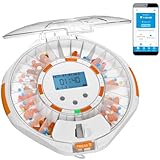
Overview: The Adamson TimelyMed offers a practical solution for medication management at an accessible price point. This WiFi-enabled dispenser supports both 2.4GHz and 5GHz networks, providing reliable connectivity without Bluetooth’s range limitations. Designed specifically for elderly and Alzheimer’s patients, it combines audio-visual reminders with comprehensive app-based monitoring for up to 28 days of medication.
What Makes It Stand Out: Dual-band WiFi connectivity sets this apart from budget Bluetooth alternatives, ensuring caregivers can monitor adherence from anywhere globally. The inclusion of nine interchangeable dosage rings allows precise customization for various medication regimens. The lock-and-key mechanism provides essential safety, preventing unauthorized access by children or confused patients. The free companion app offers real-time notifications when doses are due, taken, or missed, plus lid-opening detection.
Value for Money: At $79.97, this dispenser delivers premium remote monitoring features typically found in higher-priced models. The absence of subscription fees enhances long-term value, while dual-band WiFi future-proofs the investment. Compared to basic pill organizers, the remote oversight capability justifies the cost for families managing care from a distance.
Strengths and Weaknesses: Strengths include reliable WiFi connectivity, straightforward app setup, robust security lock, and multi-user caregiver access. The device accommodates hearing and visual impairments with dual alert types. Weaknesses include lack of fingerprint authentication, unspecified battery life details, and no mention of arthritis-friendly access features. The design appears more functional than ergonomic.
Bottom Line: The Adamson TimelyMed excels as an affordable entry into serious medication management technology. For caregivers needing dependable remote monitoring without premium pricing, it’s an excellent choice. While it lacks some advanced security features, its core functionality and connectivity make it ideal for Alzheimer’s and elderly care scenarios where oversight is critical.
2. Colorwing® 2025 Smart Pill Dispenser for Seniors - 31-Slot Automatic Medication Organizer with Bluetooth Alarms, Fingerprint & Mechanical Dual Lock, Daily Timed Dispenser (Elderly-Friendly Design)

Overview: The Colorwing 2025 positions itself as a security-focused solution with its innovative dual-lock system. This 31-slot dispenser prioritizes preventing accidental overdoses through biometric and mechanical safeguards. The patented one-touch, press-release mechanism specifically addresses arthritis and mobility challenges, while Bluetooth 5.0 enables wireless management without complex networking.
What Makes It Stand Out: The fingerprint scanner combined with a physical key creates an industry-leading security system that blocks both impulsive access and schedule overrides. Custom voice recording capability delivers personalized reminders, proven to increase adherence by 92% according to manufacturer data. The 1200mAh rechargeable battery provides 30+ days of operation, eliminating frequent charging hassles. Seven reversible dose rings offer flexibility for weekly or monthly scheduling.
Value for Money: Priced at $129.97, this mid-range dispenser justifies its cost through superior security features and senior-centric design. The long-lasting battery and premium materials add value, though Bluetooth limitations reduce remote monitoring effectiveness compared to WiFi models. For households prioritizing overdose prevention, the dual-lock system alone warrants the investment.
Strengths and Weaknesses: Major strengths include fingerprint authentication, arthritis-friendly access, voice customization, extended battery life, and robust build quality. The 31-slot capacity exceeds most competitors. Weaknesses center on Bluetooth-only connectivity, which restricts caregiver monitoring to proximity range. The app lacks true remote access, and setup may challenge less tech-savvy users.
Bottom Line: The Colorwing 2025 is the top choice for families managing dementia patients or those at risk of medication misuse. Its security features are unmatched in this price tier. However, caregivers needing remote monitoring should consider WiFi alternatives. For in-home safety and independence, it’s an exceptional investment that balances protection with accessibility.
3. JULOS Bluetooth Automatic Pill Dispenser with Sound/Light/App Alerts for Seniors, Locked 28-Day Medication Organizer, up to 9 Alarms/Day, Pill Dispenser for Vitamins & Supplements & More, Clear Lid
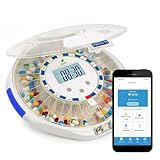
Overview: JULOS delivers a solid Bluetooth-enabled medication management system that emphasizes capacity and multi-sensory alerts. This 28-day organizer targets seniors with its high-contrast LCD display and minimal-strength retrieval mechanism. The SmartLife app integration provides local monitoring without subscription costs, while nine dosing rings accommodate complex medication schedules.
What Makes It Stand Out: The 672-pill capacity (30% larger than standard dispensers) reduces refill frequency for users managing multiple prescriptions. The 360° LED halo provides visual cues from any angle, flashing for 30 minutes until retrieval—ideal for dementia patients. Three beep patterns with adjustable volume levels serve both hearing-impaired and noise-sensitive environments. The locking cover with smooth-sliding window balances security with arthritis-friendly operation.
Value for Money: At $79.99, this dispenser offers excellent capacity and alert customization for the price. It matches competitors’ feature sets while providing superior pill storage volume. The lifetime premium app access adds significant value. However, Bluetooth limitations mean it’s best suited for in-home use rather than remote caregiving scenarios.
Strengths and Weaknesses: Strengths include massive pill capacity, flexible alert configurations, senior-friendly latch design, clear lid for visual checks, and no subscription fees. The SmartLife app is widely compatible and user-friendly. Weaknesses include Bluetooth range restrictions, lack of biometric security, and no WiFi option for remote monitoring. Battery life details are not prominently specified.
Bottom Line: The JULOS Bluetooth dispenser excels for seniors living independently or with nearby caregivers. Its large capacity and thoughtful alert system make it ideal for complex medication regimens. While not suitable for long-distance monitoring, it provides excellent in-home medication management value. Choose this for capacity and accessibility over advanced connectivity.
4. JULOS Smart WiFi Automatic Pill Dispenser with Audio/Visual/APP Alerts for Elderly & Alzheimers Care, 28-Day Medication Organizer with Lock key, Up to 9 Alarms/Day for Medication & Vitamins, Clear Lid

Overview: JULOS upgrades its proven design with dual-band WiFi connectivity for true remote monitoring. This 28-day dispenser maintains the high-capacity format (672 pills) while adding global app access through the SmartLife platform. Tailored for Alzheimer’s and elderly care, it includes accessibility features like a built-in magnifier and high-contrast display to support users with visual impairments.
What Makes It Stand Out: Dual-band WiFi (2.4GHz & 5GHz) ensures reliable connectivity without Bluetooth’s range constraints, enabling caregivers to monitor adherence worldwide. The integrated magnifier helps users read small pill labels, a unique practical touch. The large LCD screen displays time, alarm status, and WiFi connectivity clearly. Nine interchangeable dosing rings provide scheduling flexibility for various medication cycles.
Value for Money: At $139.99, this represents the premium tier of 28-day dispensers. The WiFi capability and enhanced accessibility features justify the $60 premium over its Bluetooth sibling. For families managing care remotely, the ability to verify dose completion and receive real-time notifications provides substantial peace of mind that outweighs the cost difference.
Strengths and Weaknesses: Strengths include robust WiFi connectivity, large pill capacity, magnifier tool, clear high-contrast display, secure locking mechanism, and comprehensive app monitoring. The transparent lid allows quick visual inventory checks. Weaknesses include premium pricing without biometric security, potential complexity for technophobic seniors, and no voice reminder customization. The design is functional but less elegant than some competitors.
Bottom Line: The JULOS WiFi dispenser is ideal for long-distance caregivers needing reliable remote oversight. Its accessibility features and large capacity serve complex medication needs well. While expensive, it delivers professional-grade monitoring capabilities. If remote verification is essential, this justifies its premium price. For simpler needs, the Bluetooth version offers better value.
5. VEXA VitaMate Pro 21 Smart Pill Dispenser with Automatic Rotation, Rising Pill Containers, Sound & Light Alerts, App-Controlled Medication Reminder and Tracker for Tablets, Capsules & Supplements
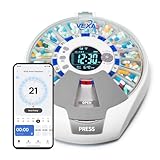
Overview: The VEXA VitaMate Pro 21 represents the cutting edge of automated medication management with its motorized rotation and rising pod system. This premium device targets users with complex, high-frequency dosing schedules through 21 independent compartments and up to 21 daily alarms. The proprietary VEXA app, powered by Tuya cloud infrastructure, delivers a polished, ad-free experience with enterprise-grade privacy protections.
What Makes It Stand Out: Patented automation physically rotates and elevates the correct dose at scheduled times, eliminating user error in compartment selection. This hardware-software synchronization is unmatched in consumer dispensers. The triple-alert system combines high-decibel buzzer, flashing LED, and 2.36-inch HD display for redundant notification. Family sharing features allow multiple caregivers to monitor the same device, creating a fail-safe support network.
Value for Money: At $197.99, this is the most expensive option but justifies its premium through genuine innovation. The automation technology and professional-grade app experience differentiate it from basic reminder boxes. For users requiring precise, frequent dosing or those with severe cognitive impairment, the error-proofing features provide value that transcends price considerations.
Strengths and Weaknesses: Strengths include revolutionary automation, high alarm capacity, superior app interface, CCPA-compliant data privacy, US-based technical support, and one-year warranty. The rising pod design offers effortless access. Weaknesses include the highest price point, limited 21-compartment capacity versus 28/31 alternatives, and potential over-complexity for users with simple once-daily regimens. The premium features may be unnecessary for basic needs.
Bottom Line: The VEXA VitaMate Pro 21 is the professional’s choice for managing intricate medication schedules or caring for patients with severe cognitive decline. Its automation eliminates selection errors entirely. While over-engineered for basic use, it sets the standard for sophisticated medication management. Invest in this only if you require its advanced features; otherwise, simpler models offer better value.
6. Windtrace Automatic Pill Dispenser for Elderly, Electronic Monthly Pill Organizer with Alarm & Light, 28 Day Smart Lock Medication Dispenser, Timed Pill Dispenser Machine for Prescriptions & Vitamins

Overview: The Windtrace Automatic Pill Dispenser offers a robust solution for seniors managing complex medication schedules. This 28-day organizer combines audio-visual alerts with a user-friendly design to prevent missed or double doses. With six customizable dosage rings and large compartments, it accommodates various prescription regimens while maintaining simplicity for elderly users and their caregivers.
What Makes It Stand Out: This dispenser excels with its loud alarm and bright flashing blue light system that ensures notifications are noticed even by those with hearing or vision impairments. The easy-to-read LCD display and smooth sliding retrieval window demonstrate thoughtful senior-centric engineering. Six interchangeable dosage rings provide exceptional flexibility, allowing customization from daily to monthly schedules without complex programming.
Value for Money: At $79.99, this device sits in the mid-range price bracket for automatic dispensers. It delivers excellent value by combining high capacity (28 compartments) with sophisticated reminder systems typically found in pricier models. Compared to basic pill boxes or smartphone apps, it justifies its cost through physical organization and reliable alerts that don’t require technical literacy.
Strengths and Weaknesses: Strengths:
- Large 28-compartment capacity reduces refill frequency
- Dual audio-visual alerts accommodate sensory impairments
- Six dosage rings offer scheduling flexibility
- Senior-friendly lid mechanism and retrieval window
- Food-grade materials with transparent monitoring lid
Weaknesses:
- Lacks WiFi connectivity for remote monitoring
- Alarm volume may be too intense for sensitive users
- Battery dependency requires regular maintenance
- No lock feature mentioned for medication security
Bottom Line: The Windtrace dispenser is ideal for independent seniors who need reliable reminders without technological complexity. While it lacks smart features, its straightforward design and effective alert system make it a trustworthy medication management companion.
7. Windtrace Automatic Pill Dispenser for Elderly, Electronic Pill Organizer with Alarm & Light, 28 Day Smart Timed Medication Dispenser, Timed Pill Dispenser Machine for Prescriptions & Vitamins
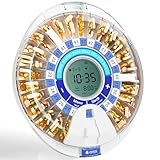
Overview: This Windtrace Automatic Pill Dispenser provides comprehensive medication management for elderly users through a 28-day electronic organizer. Designed to simplify complex dosing schedules, it delivers audio-visual alerts while maintaining accessibility for seniors with arthritis or limited dexterity. The system supports one to six daily doses, making it adaptable for various prescription needs.
What Makes It Stand Out: The dispenser distinguishes itself with a removable tray system featuring 28 large compartments that accommodate multiple pills per slot. Its bright flashing blue light and loud alarm create an unmissable notification system, while the transparent lid enables effortless visual monitoring. The inclusion of six dosage rings allows precise customization for daily, weekly, or monthly medication cycles.
Value for Money: Priced at $79.99, this unit offers competitive value in the non-connected dispenser market. It bridges the gap between basic pill organizers and expensive smart devices, providing automated reminders without recurring fees or complicated setup. The food-grade materials and durable construction suggest long-term reliability that justifies the initial investment.
Strengths and Weaknesses: Strengths:
- Generous compartment size fits multiple pills
- Flexible scheduling with six dosage rings
- User-friendly for seniors with mobility issues
- Clear LCD display with time visibility
- Minimal refill frequency due to 28-day capacity
Weaknesses:
- No remote monitoring capabilities
- Fixed alarm tone may not suit all preferences
- Requires manual programming at setup
- Limited security features for controlled substances
Bottom Line: For caregivers seeking a dependable, low-tech solution for medication adherence, this Windtrace model delivers essential functionality without overwhelming users. It’s particularly suited for seniors living independently who benefit from structured reminders.
8. Med-Q Digital Pill Box with Alarms – Pill Organizer with Flashing Lights & Beeping Reminders – Monthly Pill Dispenser for Seniors, Dementia, Alzheimer’s, Medication & Vitamin Management

Overview: The Med-Q Digital Pill Box addresses medication adherence for seniors with cognitive challenges through persistent dual-alert technology. This 14-compartment organizer provides AM/PM dosing flexibility for up to two weeks, making it suitable for those requiring closer monitoring. Its design specifically targets dementia and Alzheimer’s patients with escalating reminders that don’t quit until medications are taken.
What Makes It Stand Out: Med-Q’s cascading alarm system starts soft and repeats every 25-30 minutes until compliance, preventing dangerous missed doses. The bright LED flash combined with beeping audio creates redundant notification pathways for impaired users. Removable compartments with finger tabs enhance portability, while the flexible 7-14 day capacity adapts to changing prescription routines without reprogramming.
Value for Money: At $78.00, this device is slightly more affordable than 28-day alternatives while offering specialized features for cognitive impairment. The persistent reminder system provides clinical-grade adherence support that can prevent costly medical complications from missed medications, offering substantial return on investment for families managing dementia care.
Strengths and Weaknesses: Strengths:
- Persistent escalating alarms improve compliance
- Portable removable compartments
- Specifically designed for cognitive impairment
- Easy-open tabs for arthritic hands
- No complex programming required
Weaknesses:
- Only 14 compartments limit complex regimens
- Smaller capacity requires more frequent refilling
- No lock mechanism for medication security
- Lacks remote monitoring for caregivers
- Alarm repetition may cause agitation in some users
Bottom Line: The Med-Q is an excellent choice for families managing dementia or Alzheimer’s care where persistent reminders are critical. While capacity is limited, its specialized alert system makes it invaluable for preventing medication errors in cognitively impaired individuals.
9. JULOS Smart WiFi Automatic Pill Dispenser w/Sound/Light Alerts for Seniors, Mobile App Remote Monitoring, 28-Day Medication Organizer, Up to 9 Alarms/Day, Lock Key for Supplements & More, Clear Lid

Overview: The JULOS Smart WiFi Dispenser represents the next generation of medication management, combining 28-day capacity with sophisticated app-based remote monitoring. This device serves seniors with chronic conditions while providing caregivers real-time adherence data through the SmartLife app. Supporting up to nine daily alarms and dual-band WiFi, it accommodates complex medication regimens requiring precise timing.
What Makes It Stand Out: Remote monitoring capabilities set this dispenser apart, allowing family members worldwide to verify medication intake and receive notifications. The lockable cover with two keys prevents unauthorized access, crucial for households with children or cognitively impaired adults. A built-in magnifier aids label reading, while 28 compartments hold up to 672 pills—30% more than standard dispensers.
Value for Money: At $139.99, this premium device justifies its price through WiFi connectivity and remote oversight features that provide peace of mind impossible with traditional dispensers. For families managing Alzheimer’s, dementia, or complex polypharmacy, the ability to monitor adherence remotely can prevent hospitalizations, making it a worthwhile healthcare investment.
Strengths and Weaknesses: Strengths:
- WiFi-enabled remote monitoring via SmartLife app
- Secure lockable cover with two keys
- High-capacity compartments (up to 672 pills)
- Nine customizable daily alarms
- Dual-band WiFi (2.4GHz & 5GHz) ensures reliable connectivity
- Built-in magnifier for easy label reading
Weaknesses:
- Highest price point in the comparison
- Requires WiFi and smartphone comfort
- App dependency may concern less tech-savvy users
- More complex setup than non-smart alternatives
Bottom Line: For tech-comfortable families needing remote medication oversight, the JULOS dispenser is unmatched. Its security features and high capacity make it ideal for complex regimens, though the premium price and technological requirements may not suit everyone.
10. KLIM Smart Pill Dispenser with Alarm - WiFi Monitoring App - 28-Day Automatic Medicine Dispenser for Elderly & Alzheimer’s Care - Lock Key - New Version

Overview: The KLIM Smart Pill Dispenser delivers WiFi-connected medication management at an unexpectedly accessible price point. This 28-day automatic dispenser combines audio-visual reminders with comprehensive app-based monitoring, offering caregivers remote oversight capabilities typically reserved for premium models. Designed for elderly and Alzheimer’s patients, it includes security features and flexible scheduling in a user-friendly package.
What Makes It Stand Out: KLIM distinguishes itself as the most affordable WiFi-enabled dispenser while maintaining robust features like remote lid monitoring and dose confirmation. The free app supports multiple caregivers, creating a collaborative care network. Nine dosage rings provide exceptional scheduling flexibility, and the locking mechanism with two keys ensures medication safety in multi-person households.
Value for Money: At $69.97, this device disrupts the market by offering smart features at a price comparable to non-connected models. It eliminates the cost barrier to remote monitoring, providing families with peace of mind without premium pricing. The inclusion of dual-band WiFi and comprehensive app functionality represents exceptional value for budget-conscious caregivers.
Strengths and Weaknesses: Strengths:
- Most affordable WiFi-enabled dispenser available
- Remote monitoring with global app access
- Lock feature with two keys for security
- Nine dosage rings for complex schedules
- Dual-band WiFi (2.4 & 5.0 GHz) for reliable connection
- Multi-caregiver app support
Weaknesses:
- Newer brand with limited track record
- App reliability may need validation over time
- Setup requires basic smartphone proficiency
- Fewer customer reviews than established competitors
Bottom Line: The KLIM Smart Dispenser is the value champion for families wanting remote medication monitoring without breaking the bank. While brand longevity is unproven, its feature set and price point make it an compelling entry point into smart medication management.
Understanding the Opioid Crisis and the Critical Need for Secure Storage
The statistics paint a sobering picture: over 70% of people who misuse prescription pain relievers obtain them from friends or relatives, often straight from the family medicine cabinet. This isn’t just about illicit drug seekers—unsupervised access creates opportunities for experimentation, accidental ingestion, and gradual dependency. For households with adolescents, recovering individuals, or elderly patients with cognitive decline, an unsecured bottle of hydrocodone represents an unacceptable risk.
Secure storage transcends simple theft prevention. It’s about creating accountable systems where every pill is tracked, every access is logged, and every attempt to circumvent security triggers an immediate response. The psychological impact matters too—when medication is treated with the same security protocols as other controlled substances, it reinforces its proper role as medicine, not a casual convenience.
What Exactly Are Smart Medication Dispensers?
Smart medication dispensers represent a quantum leap from traditional lockboxes or weekly pill organizers. These devices are essentially miniature pharmaceutical vaults equipped with microprocessors, connectivity modules, and sophisticated locking mechanisms. They serve as gatekeepers between your medication and the outside world, ensuring that only authorized individuals can access specific doses at predetermined times.
Core Functionality Beyond Simple Locking
The “smart” designation means these devices do more than just lock and unlock. They maintain detailed access logs, send real-time alerts to caregivers, integrate with smartphone apps, and some can even communicate directly with pharmacies or healthcare providers. Think of them as having a vigilant pharmacist watching your medication 24/7—one who never sleeps, never forgets, and immediately reports any suspicious activity.
The Technology Behind Secure Opioid Management
At their heart, these devices combine mechanical security with digital intelligence. Hardened steel locking bolts prevent physical breach attempts, while accelerometers detect if someone tries to move or tamper with the unit. Internal sensors track when compartments are opened, and encrypted communication chips ensure that alerts and data remain private. The most advanced units employ blockchain-style audit trails that cannot be altered, creating legally admissible records if needed.
Essential Security Features That Actually Matter
Not all locking mechanisms are created equal, and marketing hype often obscures critical weaknesses. When evaluating a dispenser for opioid security, prioritize features that address real-world threat scenarios rather than flashy but impractical innovations.
Locking Mechanisms: Electronic vs. Biometric
Electronic locks using PIN codes offer decent security but suffer from a fundamental flaw: codes can be shared, observed, or coerced. Biometric systems—particularly fingerprint scanners—tie access directly to identity. Look for capacitive fingerprint sensors that detect blood flow (preventing use of lifted prints) and multi-factor authentication that requires both a fingerprint and a PIN for high-risk medications. Some advanced systems now incorporate facial recognition with liveness detection, ensuring someone can’t use a photograph to gain access.
Tamper Detection and Alert Systems
A truly secure dispenser knows when it’s under attack. Internal accelerometers should trigger alerts if the device is moved, shaken, or dropped. Light sensors inside compartments detect unauthorized openings, even if the main lock is somehow bypassed. The best systems differentiate between types of tampering—a gentle movement might send a low-priority notification, while drilling attempts trigger immediate emergency alerts to multiple contacts.
Physical Construction and Anti-Theft Design
Look for dispensers built from aircraft-grade aluminum or reinforced polycarbonate with steel internal locking bars. The device should be heavy enough to deter grab-and-run theft (ideally over 5 pounds) and include provisions for bolting to furniture or walls. Hinges should be concealed and internally mounted, preventing simple pry-bar attacks. Water and fire resistance ensure medication remains safe during household emergencies.
Access Control: Who Can Get to Your Medication?
The most sophisticated lock in the world fails if access protocols are poorly designed. Modern dispensers offer granular control over who can access what medication, when, and under what circumstances.
Multi-User Authentication Protocols
In households with multiple caregivers, you need tiered access levels. A spouse might have full administrative rights, while a home health aide can only access specific compartments during scheduled shifts. The system should support at least five distinct user profiles, each with customizable permissions. Temporary access codes for visiting nurses or emergency situations should expire automatically after a set time period.
Remote Access Management for Caregivers
For long-distance caregivers, remote management capabilities prove invaluable. Through secure portals, you can unlock compartments in real-time during video calls, verify medication adherence through timestamped photos, and receive alerts if doses are missed. This feature transforms the dispenser from a simple safe into a comprehensive medication management platform.
Connectivity and Real-Time Monitoring Capabilities
A disconnected dispenser is a blind dispenser. Connectivity ensures that critical events don’t go unnoticed and creates accountability through continuous monitoring.
Cellular vs. Wi-Fi: Which Connection Works Best?
Wi-Fi connectivity offers faster data transfer and lower operational costs but fails during power outages or network issues. Cellular connections (particularly LTE-M networks designed for IoT devices) maintain functionality even when internet service is disrupted, though they typically require monthly subscription fees. The gold standard is dual-connectivity: Wi-Fi for daily operations with automatic cellular failover during outages.
Alert Types and Notification Systems
Comprehensive alert systems go beyond simple “access granted” messages. They should notify caregivers of missed doses, early access attempts (potentially indicating misuse), low battery levels, and calibration errors. Customizable escalation protocols ensure that if a primary caregiver doesn’t respond within a set timeframe, secondary contacts receive increasingly urgent notifications. Integration with smart home systems can trigger audible alarms or flash lights during unauthorized access attempts.
Practical Considerations for Everyday Use
Security features mean little if the device is too cumbersome for daily use. The ideal dispenser balances fortress-level protection with practical functionality.
Capacity, Size, and Medication Organization
Opioid prescriptions often involve multiple medications with different schedules. Look for dispensers with at least 10 separate compartments, each holding 30+ pills. Clear labeling systems and color-coded compartments reduce confusion for patients with cognitive issues. Some advanced models feature RFID-tagged bottles that the dispenser automatically recognizes, updating inventory counts without manual input.
Battery Life, Backup Power, and Reliability
A dispenser that fails to open due to dead batteries creates a medical emergency. Lithium-ion batteries should provide at least 30 days of operation between charges, with clear low-battery warnings starting at 20% capacity. Backup power options—whether a physical key override (stored separately) or an emergency USB-C charging port—ensure you can always access critical medication. During power outages, internal battery backup should maintain full security features for at least 72 hours.
User Experience: Balancing Security with Accessibility
The most secure device in the world becomes useless if the legitimate user can’t operate it consistently. This is particularly crucial for elderly patients, those with arthritis, or individuals managing pain that affects dexterity.
Interface Design for Patients with Limited Dexterity
Large, tactile buttons with audible feedback accommodate users with neuropathy or vision impairments. Touchscreens should offer high-contrast modes and adjustable font sizes. The physical act of retrieving medication should require minimal force—spring-loaded compartments that present pills directly to the user eliminate the need for pinching or grasping small objects.
Voice Integration and Hands-Free Operation
Voice-activated access through Alexa or Google Home allows patients with mobility limitations to request medication without reaching the device. However, this convenience introduces security risks. The best implementations require voice recognition training (not just any voice can unlock) and combine voice commands with a secondary authentication factor, like a wearable Bluetooth beacon that must be within range.
Integration with Healthcare Ecosystems
Standalone devices create data silos. True medication management requires integration with the broader healthcare infrastructure.
E-Prescribing and Pharmacy Connectivity
Advanced dispensers can receive electronic prescriptions directly from physicians, automatically programming dosing schedules without manual entry. Pharmacy integration enables automatic refill requests when inventory runs low and can block access to recalled medications through remote updates. This closed-loop system eliminates transcription errors and ensures the dispenser always reflects current prescriptions.
Data Sharing with Physicians and Care Teams
HIPAA-compliant data portals allow physicians to monitor adherence patterns, identifying potential issues before they escalate. If a patient consistently accesses opioids early, this data triggers clinical interventions. Conversely, if medication isn’t being taken as prescribed, doctors can address concerns about inadequate pain control. This objective data proves far more reliable than patient self-reporting.
Cost Analysis and Insurance Navigation
The financial investment in a smart dispenser ranges from $200 to over $800, with monthly connectivity fees adding $10-$30. This cost barrier prevents many who need these devices most from accessing them.
Upfront Investment vs. Long-Term Value
Consider the broader cost context: a single emergency room visit due to accidental ingestion can exceed $3,000. The legal liability from diverted medication can reach tens of thousands. When framed as insurance against catastrophe, the investment becomes more palatable. Many manufacturers offer payment plans or subscription models that spread costs over time.
Exploring Coverage Options and Assistance Programs
While most insurance plans don’t explicitly cover smart dispensers, they may qualify as Durable Medical Equipment (DME) with proper documentation. Prior authorization from a physician citing medical necessity dramatically improves approval odds. Medicare Advantage plans are increasingly recognizing these devices as preventive care. Patient assistance programs from manufacturers and non-profits like the National Safety Council can reduce out-of-pocket costs by 50-75% for qualifying individuals.
Legal Compliance and Regulatory Standards
Storing controlled substances carries legal responsibilities beyond simple theft prevention. Your dispenser choice can impact liability and regulatory compliance.
DEA Guidelines and State-Specific Requirements
While the DEA doesn’t mandate specific storage devices for Schedule II prescriptions, they require “adequate safeguards” to prevent diversion. Courts have consistently ruled that simply hiding medication in a drawer doesn’t meet this standard. Some states, particularly those with Prescription Drug Monitoring Programs (PDMPs), are beginning to recommend or require time-locking devices for high-dose opioid prescriptions. Always verify your state’s specific regulations.
HIPAA Considerations for Connected Devices
Any device transmitting protected health information (PHI) must be HIPAA-compliant. This means end-to-end encryption, secure cloud storage with Business Associate Agreements, and the ability to export or delete data upon request. Be wary of budget devices that transmit data over unencrypted channels or store information on servers outside the US.
Installation, Setup, and Ongoing Maintenance
A poorly installed secure device is barely secure at all. Proper implementation requires attention to detail and ongoing vigilance.
Professional Installation vs. DIY Setup
While most dispensers are designed for DIY installation, professional setup ensures optimal placement and proper anchoring. Security professionals can identify vulnerabilities—like installing near ground-floor windows or in easily accessible rooms—that you might overlook. Some manufacturers partner with locksmiths or home security companies to offer certified installation services.
Software Updates and Security Patches
Like any connected device, smart dispensers require regular updates to patch security vulnerabilities. Automatic updates are convenient but can fail at critical moments. The best systems notify users of pending updates and allow scheduling during low-risk periods. Always verify that updates don’t reset user permissions or wipe access logs—a critical flaw in some early-generation devices.
Complementary Strategies for Opioid Safety
No single device provides complete protection. Smart dispensers work best as part of a comprehensive medication safety strategy.
Combine your dispenser with proper disposal methods—like DEA-approved take-back programs or drug deactivation pouches—to eliminate leftover medication risks. Regular inventory audits, even with automated systems, catch discrepancies early. Family education about the dangers of sharing medication and the importance of security creates a culture of safety that technology alone cannot achieve. Consider pairing your dispenser with naloxone rescue kits and ensuring all household members know their location and use.
Frequently Asked Questions
1. Can emergency responders access my medication if I’m unconscious?
Most premium dispensers include emergency override protocols. You can designate first responders as emergency contacts in the system, allowing them to request one-time access codes through a 24/7 hotline. Some devices integrate with smart home systems that automatically unlock during 911 calls. Always register your device with local EMS and provide backup access information to trusted neighbors.
2. What happens if the device malfunctions and I can’t access my pain medication?
Reputable manufacturers provide 24/7 technical support with remote troubleshooting capabilities. Physical key overrides should be stored in a separate location—consider a safety deposit box or with your attorney. For critical medications, maintain a 3-day emergency supply in a separate, traditional lockbox as backup. Document all malfunctions, as this data supports warranty claims and potential insurance reimbursement for missed doses.
3. Are these devices really tamper-proof, or can a determined thief break into them?
No device is completely tamper-proof, but quality dispensers are tamper-resistant enough to deter opportunistic theft and slow down determined criminals. They’ll withstand attacks from common household tools for 15-30 minutes—long enough for alerts to be sent and authorities notified. Professional thieves targeting high-quantity prescriptions will likely bypass the dispenser entirely, making overall home security equally important.
4. How difficult are these devices for elderly patients with arthritis or dementia?
Modern dispensers offer accessibility modes specifically designed for users with physical or cognitive limitations. Large-button interfaces, voice guidance, and automatic pill presentation reduce dexterity requirements. For dementia patients, caregivers receive alerts for any deviation from schedule, and some devices can be set to only dispense when a caregiver is present via video call. However, severe cognitive impairment may require a supervised medication administration model rather than independent access.
5. Will my health insurance cover the cost of a smart medication dispenser?
Coverage is expanding but remains inconsistent. Medicare Part D plans increasingly cover these devices as “medication therapy management tools” when prescribed for chronic pain or substance use disorder recovery. Private insurance requires prior authorization with documented medical necessity. Your physician must submit a Letter of Medical Necessity citing your specific risk factors. Appeal denials aggressively—many insurers initially reject claims but approve upon appeal with additional documentation.
6. Can I travel with a smart medication dispenser?
Travel models exist that are TSA-compliant and FAA-approved for carry-on luggage. These smaller units maintain core security features while meeting airline regulations. Before traveling, notify the device manufacturer to prevent location-based security triggers. Carry documentation from your physician explaining the medical necessity of both the medication and the dispenser. For extended trips, consider shipping your primary dispenser to your destination rather than risking loss or theft during transit.
7. How do I prevent my children or tech-savvy teens from hacking the device?
Choose devices with end-to-end encryption and no known CVE (Common Vulnerabilities and Exposures) listings. Disable Bluetooth discovery mode and use hidden Wi-Fi networks. Most importantly, enable all tamper alerts—even minor vibration alerts can indicate someone is attempting to access the device’s circuit board. Regularly audit access logs for anomalies. Remember, the most effective security combines technology with open family communication about medication dangers.
8. What data does the dispenser collect, and who can see it?
Standard data includes access timestamps, user identities, missed doses, and tamper attempts. Premium devices also track medication inventory levels and environmental conditions. This data is visible to you, designated caregivers, and optionally your healthcare team through HIPAA-compliant portals. Manufacturers should provide clear privacy policies stating they never sell data to third parties. You maintain the right to export or delete your data at any time.
9. How often do I need to charge or maintain the device?
Most units operate 30-45 days on a single charge with daily use. Charging takes 4-6 hours, so schedule this during low-risk periods (like when you’re home and pain is well-controlled). Monthly maintenance includes wiping fingerprint sensors with alcohol pads, checking compartment springs for pill dust buildup, and testing backup power systems. Annual professional calibration ensures biometric sensors maintain accuracy, especially important for users whose fingerprints may change due to medical conditions.
10. Are there any medications that shouldn’t be stored in smart dispensers?
Medications requiring refrigeration, liquids, and rapidly dissolving sublingual tablets may not be suitable for standard compartments. Extremely large pills or those requiring specialized packaging might not fit. Medications with critical “take as needed” dosing (like nitroglycerin for chest pain) shouldn’t be locked where access delays could be dangerous. Always consult your pharmacist about storage requirements, and consider hybrid solutions: smart dispensers for scheduled opioids, with immediate-access lockboxes for rescue medications.