When the skies open up and monsoon rains begin their relentless drumbeat against your windows, your outdoor electronics face their ultimate test. That festive string of lights, the indispensable water pump, or your carefully curated garden irrigation system—all become vulnerable casualties of moisture, humidity, and unexpected power surges. Smart outdoor plugs promise to keep you in control without stepping into the downpour, but finding ones that genuinely survive the season without draining your wallet feels like searching for a dry spot during a typhoon. The good news? You don’t need to spend a fortune to get reliable, weather-resistant smart control. For under $40, you can secure devices engineered specifically to laugh in the face of lashing rain—if you know exactly what features separate the pretenders from the true storm warriors.
Top 10 Smart Outdoor Plugs for Monsoon Season
Detailed Product Reviews
1. Kasa Outdoor Smart Plug, Smart Home Wi-Fi Outlet with 2 Sockets, IP64 Weather Resistance, Compatible with Alexa, Google Home & IFTTT, No Hub Required, ETL Certified(EP40), Black

Overview: The Kasa EP40 is a robust dual-outlet outdoor smart plug designed for comprehensive outdoor device management. With individual control over both AC sockets and IP64 weather resistance, this plug transforms patio lighting, pool equipment, and holiday decorations into a cohesive smart ecosystem. The ETL certification and trusted Kasa brand backing provide confidence for permanent outdoor installation.
What Makes It Stand Out: Independent control of two outlets sets this apart from single-socket alternatives, allowing simultaneous management of different devices at 15A/1875W each. The IP64 rating offers superior dust and water splash protection, while the 300-foot Wi-Fi range ensures reliable connectivity across large properties. The sunrise/sunset offset scheduling is particularly clever, automatically adjusting to seasonal light changes. IFTTT compatibility enables advanced automation scenarios beyond basic scheduling.
Value for Money: At $23.49, the EP40 sits in the mid-range for dual-outlet outdoor plugs. The price premium over single-outlet models is justified by genuine dual-control capability and superior weatherproofing. Compared to buying two separate smart plugs, it’s more cost-effective and space-efficient. The two-year warranty and 6-million-user brand trust add tangible value.
Strengths and Weaknesses: Strengths: True independent outlet control; excellent IP64 weather resistance; exceptional 300ft Wi-Fi range; intelligent sunrise/sunset scheduling; IFTTT integration; reliable Kasa ecosystem. Weaknesses: 2.4GHz Wi-Fi only; requires Kasa app installation; slightly pricier than budget alternatives; bulky design may block adjacent outlets.
Bottom Line: The Kasa EP40 is an excellent investment for homeowners needing reliable, independent control of two outdoor devices. Its weather resistance and advanced scheduling make it ideal for permanent installations like landscape lighting and pool pumps.
2. Kasa Outdoor Smart Plug, Smart Home Wi-Fi Outlet Timer, Max Load 15A/1875W, IP64 Weather Resistance, Compatible with Alexa, Google Home & SmartThings, No Hub Required, ETL Certified(KP401)

Overview: The Kasa KP401 offers a streamlined, single-outlet solution for outdoor smart control at an accessible price point. This compact plug brings the reliability of TP-Link’s Kasa ecosystem to individual outdoor devices like porch lights, water features, or holiday decorations. Its IP64 rating and robust 15A capacity handle demanding appliances while maintaining a simple, focused feature set.
What Makes It Stand Out: As the most affordable Kasa outdoor option, it democratizes quality smart home control without sacrificing core functionality. The 300-foot Wi-Fi range matches premium models, ensuring stable connections across sprawling yards. SmartThings compatibility is a notable advantage over some competitors, integrating seamlessly with Samsung’s ecosystem. The sunrise/sunset offset timer provides sophisticated automation typically found in pricier units.
Value for Money: At $13.23, this represents exceptional value for controlling a single device. It’s nearly half the price of dual-outlet alternatives while retaining the same IP64 protection and scheduling intelligence. For users who don’t need dual control, there’s no better entry point into reliable outdoor automation. The two-year warranty and Kasa’s reputation make this a low-risk purchase.
Strengths and Weaknesses: Strengths: Highly affordable; IP64 weather resistance; impressive 300ft Wi-Fi range; SmartThings compatibility; intelligent scheduling; trusted brand reliability. Weaknesses: Only one controllable outlet; 2.4GHz Wi-Fi limitation; no HomeKit support; requires Kasa app; single device limits expansion.
Bottom Line: The KP401 is perfect for budget-conscious buyers needing reliable single-device outdoor control. Its weather resistance and smart scheduling punch far above its price class, making it ideal for targeted applications like security lighting or fountain pumps.
3. Kasa Apple HomeKit Outdoor Smart Plug, 2 Sockets, IP64 Weather Resistance for Outdoor String Lights, Compatible with Siri, Alexa & Google Home, Long Wi-Fi Range, 2.4G Wi-Fi Only, ETL Certified (EP40A)

Overview: The Kasa EP40A bridges the gap between Apple’s walled garden and the broader smart home world. This dual-outlet outdoor plug uniquely offers native Apple HomeKit support alongside Alexa and Google compatibility. Designed for string lights and outdoor appliances, it provides independent control of both sockets with robust IP64 weather protection and extended Wi-Fi coverage.
What Makes It Stand Out: HomeKit integration is the headline feature, allowing Siri voice commands and native iOS control without workarounds. The dual independent outlets deliver 15A each, making it versatile for complex setups. The 300-foot Wi-Fi range ensures reliable operation across large outdoor spaces. Unlike many HomeKit devices, it doesn’t abandon other ecosystems, maintaining Alexa and Google support for multi-platform households.
Value for Money: Priced at $18.93, it strategically positions itself between single-outlet and premium dual-outlet models. For Apple households, the HomeKit compatibility alone justifies the modest premium over the KP401. It avoids the $50+ pricing of pure HomeKit alternatives while delivering dual control. The requirement of an Apple TV or HomePod for remote access is a hidden cost to consider.
Strengths and Weaknesses: Strengths: Native HomeKit support; dual independent control; IP64 weather rating; 300ft Wi-Fi range; multi-platform flexibility; ideal for string lights. Weaknesses: Requires Apple hub for remote access; 2.4GHz only; Kasa app necessary for full features; slightly less intuitive for non-Apple users.
Bottom Line: The EP40A is the go-to choice for Apple-centric homes needing outdoor smart control. Its ecosystem flexibility future-proofs your setup, making it worth every penny for iOS users who want reliable, independent dual-outlet control.
4. EIGHTREE Outdoor Smart Plug Waterproof IP44, Smart Outlet Plug with 2 Independently Controlled Outlets, Compatible with Alexa and Google Assistant, Voice & Remote Control, Timer&Schedule, 2.4GHz Only
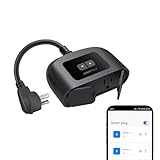
Overview: The EIGHTREE outdoor smart plug positions itself as the budget-conscious choice for dual-outlet control. Offering independent socket management at a compelling price, it covers the essential smart features for outdoor automation. While the IP44 rating indicates splash resistance rather than heavy-duty sealing, it’s suitable for covered patios, porches, and protected outdoor installations where extreme weather exposure is minimal.
What Makes It Stand Out: This is the most affordable dual-outlet option in the comparison, undercutting major brands while retaining independent control. The 300-foot Wi-Fi range competes with premium models, ensuring connectivity across typical residential properties. Compatibility with Alexa, Google, and SmartThings provides ecosystem flexibility rarely seen at this price point. The straightforward feature set focuses on core scheduling and voice control without unnecessary complexity.
Value for Money: At $16.99, the value proposition is clear: dual-outlet control for the price of a single premium plug. The IP44 rating is the obvious trade-off, making this ideal for covered locations rather than direct exposure. For users with protected outdoor spaces, it delivers 90% of the functionality at 70% of the cost. The unknown brand longevity is the primary risk versus established competitors.
Strengths and Weaknesses: Strengths: Cheapest dual-outlet option; independent socket control; 300ft Wi-Fi range; multi-platform support; simple setup. Weaknesses: IP44 rating (not IP64); less robust weather sealing; unknown brand reliability; 2.4GHz only; limited advanced features.
Bottom Line: The EIGHTREE plug is a smart buy for covered outdoor areas where budget is paramount. However, for direct rain exposure or critical applications, spending more on IP64-rated alternatives provides worthwhile peace of mind and durability.
5. Amazon Basics Outdoor Smart Plug with 2 Individually Controlled Outlets, Works with Alexa Only, 2.4 GHz Wi-Fi, No Hub Required, Black

Overview: The Amazon Basics outdoor smart plug embraces ecosystem lock-in for seamless Alexa integration. This dual-outlet device eliminates third-party apps entirely, operating exclusively through the Alexa app for setup, control, and scheduling. Designed for Alexa purists, it simplifies the smart home experience by removing compatibility complexity, though at the cost of ecosystem flexibility. The black housing blends discreetly into outdoor environments.
What Makes It Stand Out: The zero-touch setup and Alexa-exclusive design create the most frictionless experience for Amazon ecosystem users. No additional apps, skills, or accounts required—everything runs through Alexa. The dual independent outlets provide granular control, while grouping features allow whole-yard automation. Amazon’s simplified onboarding process, including pre-linking during checkout, represents the easiest entry point for non-technical users.
Value for Money: At $23.99, it’s priced alongside the Kasa EP40 but offers less ecosystem flexibility. The value derives entirely from Alexa integration depth. For households committed to Alexa, the streamlined experience justifies the price. However, multi-platform users will find better value elsewhere. The Amazon brand ensures reliable support and firmware updates, mitigating some lock-in concerns.
Strengths and Weaknesses: Strengths: Effortless Alexa setup; no third-party apps; dual independent control; reliable Amazon support; straightforward scheduling. Weaknesses: Alexa ONLY (no Google/HomeKit); 2.4GHz limitation; limited ecosystem flexibility; requires Alexa app; no advanced automation.
Bottom Line: This plug is perfect for Alexa-exclusive households prioritizing simplicity over flexibility. If you live in Alexa’s ecosystem and want hassle-free outdoor control, it’s ideal. Otherwise, the Kasa alternatives offer better versatility for similar money.
6. Kasa Matter Smart Outdoor Plug, Dual Outlet, IP64 Weather Resistance, Works with Apple HomeKit, Amazon Alexa, Google Home, SmartThings, 15A/1800W Max, ETL Certified, 2.4G Wi-Fi Only, EP40M

Overview: The Kasa EP40M brings Matter protocol support to outdoor smart plugs, enabling seamless integration across Apple HomeKit, Amazon Alexa, Google Home, and SmartThings. This dual-outlet device controls two devices independently, ideal for landscape lighting, holiday decorations, or pool equipment. With IP64 weather resistance and an operating range from -4°F to 122°F, it withstands challenging outdoor conditions year-round.
What Makes It Stand Out: Matter compatibility future-proofs your smart home investment and eliminates ecosystem lock-in. Unlike platform-limited competitors, this plug works natively with all major systems without workarounds. Customized schedules for each outlet add flexibility, while voice control lets you operate devices hands-free during yard work or entertaining.
Value for Money: At $21.78, the EP40M delivers exceptional value for a Matter-certified device. Similar cross-platform competitors cost $30-40, making this an affordable Matter ecosystem entry point. The dual-outlet design effectively provides two smart plugs for the price of one, maximizing your multi-device investment.
Strengths and Weaknesses: Strengths include Matter protocol support, true cross-platform compatibility, independent dual-outlet control, robust IP64 weatherproofing, and scheduling. Weaknesses are limited to 2.4GHz Wi-Fi only (no 5GHz) and requiring the Kasa app for advanced features beyond basic platform control. The 1800W max load is slightly lower than some alternatives.
Bottom Line: The Kasa EP40M is an outstanding choice for building a future-ready smart home. Its Matter certification ensures broad compatibility, while dual outlets and competitive pricing make it immediately practical. Despite minor limitations, it’s arguably the best value in outdoor smart plugs today.
7. meross Outdoor Smart Plug Compatible with Apple HomeKit, Siri, Alexa, Google Assistant and SmartThings, Waterproof Outdoor Outlet, Remote & Voice Control, Timer, FCC and ETL Certified

Overview: The meross Outdoor Smart Plug targets Apple-centric households with native HomeKit certification and broad platform support. This dual-outlet plug works with Siri, Alexa, Google Assistant, and SmartThings, powered by a Mediatek IoT chipset promising extended range and stability. With IP44 weatherproofing and independent socket control, it’s designed for gardens, patio lighting, and seasonal decorations.
What Makes It Stand Out: HomeKit native support offers seamless Siri integration and secure end-to-end encryption through Apple Home. The Mediatek chipset delivers superior connection reliability, reducing frustrating offline scenarios. Sunrise and sunset scheduling adds intelligent automation that adjusts seasonally, while fire-retardant housing and overload protection provide peace of mind for high-draw appliances like electric grills.
Value for Money: Priced at $25.99, this sits in the mid-range. While $4 more than the Kasa Matter plug, it offers dedicated HomeKit optimization that Apple users will appreciate. Enhanced connectivity and safety certifications justify the premium over budget alternatives, though Matter devices offer better future-proofing at similar prices.
Strengths and Weaknesses: Strengths include excellent HomeKit integration, reliable Mediatek connectivity, independent outlet control, sunrise/sunset scheduling, and robust safety certifications. Weaknesses include IP44 rating (lower than some competitors), requiring an Apple TV or HomePod for remote HomeKit access, and slightly higher price without Matter support.
Bottom Line: For Apple HomeKit households prioritizing seamless integration and reliability, the meross plug is compelling. Its connectivity performance and safety features are excellent, though the lack of Matter support and modest IP rating may give future-focused buyers pause. Ideal for those already invested in the Apple ecosystem.
8. ELEGRP PQR20 Outdoor Smart Plug Waterproof IP66, WiFi Plug with 2 Individually Sockets, Compatible with Alexa & Google Assistant, Smart Outdoor Outlet for String Lights, UL Certified, 1 Pack, Black

Overview: The ELEGRP PQR20 prioritizes maximum weather protection with an impressive IP66 rating, making it ideal for extreme outdoor conditions. This dual-outlet smart plug supports Alexa and Google Assistant through the ELEGRP app, offering independent socket management for devices like pond pumps, string lights, and landscape lighting. Operating from -20°C to 50°C with UV-resistant housing, it’s engineered for durability.
What Makes It Stand Out: The IP66 waterproof rating provides superior protection against heavy rain and dust compared to IP44 alternatives, enabling deployment in exposed locations where lesser plugs would fail. The advertised 300-foot Wi-Fi range in open space is another differentiator, ensuring connectivity across large properties. Independent control buttons on the unit provide manual override convenience without app dependency.
Value for Money: At $26.99, this commands a premium for enhanced protection. For users in harsh climates or coastal areas, the IP66 rating justifies the extra cost over IP44 models. However, the lack of HomeKit support and Matter compatibility limits its appeal for multi-platform households, making it a specialized rather than universal solution.
Strengths and Weaknesses: Strengths include exceptional IP66 weatherproofing, UL certification, long-range Wi-Fi, independent outlet control, and manual buttons. Weaknesses are limited to Alexa/Google only (no HomeKit/SmartThings), 2.4GHz Wi-Fi restriction, highest price among dual-outlet options, and a less established brand ecosystem.
Bottom Line: Choose the ELEGRP PQR20 when weatherproofing is paramount. Its IP66 rating outperforms most competitors, making it perfect for harsh environments. However, platform-limited compatibility and premium pricing make it a niche choice. For Alexa/Google users in extreme climates, it’s worth the investment; others may find better value elsewhere.
9. SURAIELEC Outdoor Smart Plug, WiFi Power Stake Light Timer with 6 Outlet, 6FT Extension Cord, Electrical Weatherproof for Patio Lights, Christmas Decorations, Compatible with Alexa/Google Assistant
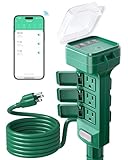
Overview: The SURAIELEC Power Stake revolutionizes outdoor smart control by offering six outlets in a single weatherproof unit, complete with a 6-foot extension cord and ground stake. Designed for holiday lighting and landscape installations, this heavy-duty timer supports Alexa and Google Assistant through the Tuya Smart Life app. With a 15-amp fused circuit breaker and rugged SJTW cord, it prioritizes safety for multi-device setups.
What Makes It Stand Out: Six independently controllable outlets on a stake design is unique, eliminating the need for multiple smart plugs and extension cords. The astronomical timer automatically adjusts to sunrise/sunset times, perfect for seasonal decorations. Overload protection with a physical fuse adds a critical safety layer often missing from smart plugs, automatically cutting power during electrical faults to protect expensive lighting installations.
Value for Money: At $29.99, this offers excellent value despite being the highest-priced option. Six outlets would typically cost $60-80 if purchased individually, plus the cost of extension cords and timers. For Christmas displays or elaborate landscape lighting, the convenience and consolidated control justify every penny through consolidation savings.
Strengths and Weaknesses: Strengths include six outlets, stake design with 6ft cord, overload protection, astronomical timer, and weatherproof construction. Weaknesses include bulkiness limiting placement flexibility, Alexa/Google only (no HomeKit), and unspecified IP rating. The green cord color may clash with some aesthetics.
Bottom Line: For holiday enthusiasts and landscape lighting professionals, the SURAIELEC is unbeatable. The six-outlet design and safety features make it purpose-built for complex outdoor installations. While not ideal for single-device control, it excels at managing multiple lights and decorations. If you need to control several outdoor devices from one point, this is your best choice.
10. TAYMATIC 5GHz &2.4 GHz Outdoor Smart WiFi Plug Outlet,IP44,15 Amps,One Grounded Outlet, Wireless Remote, Alexa Smart Plugs and Google Home Assistant, ETL Listed,Black(1 Pack)

Overview: The TAYMATIC smart plug distinguishes itself with dual-band Wi-Fi support, accepting both 5GHz and 2.4GHz connections—a rarity in smart home devices. This single-outlet plug offers robust 15-amp capacity for heavy-duty appliances like pumps, heaters, and power tools. With IP44 weather resistance and ETL certification, it provides reliable control for outdoor equipment through Alexa and Google Assistant integration.
What Makes It Stand Out: 5GHz Wi-Fi compatibility solves connectivity issues in congested 2.4GHz environments, reducing interference and improving responsiveness. This is invaluable for users with modern mesh networks or those struggling with 2.4GHz-only device connections. The heavy-duty 1875W resistive/1000W tungsten rating accommodates high-power devices that would overwhelm lesser plugs, while the compact design fits tight outdoor spaces.
Value for Money: Priced at $21.99, this delivers strong value for dual-band connectivity. Comparable dual-band smart plugs are scarce and typically cost $30+. While single-outlet limitations reduce flexibility, the premium networking capability and heavy-duty capacity justify the price for specific use cases like powering pool equipment or workshop tools.
Strengths and Weaknesses: Strengths include dual-band Wi-Fi (5GHz/2.4GHz), heavy-duty power handling, compact design, ETL certification, and competitive pricing. Weaknesses include only one outlet, IP44 rating (modest protection), no HomeKit support, and limited scheduling features compared to multi-outlet alternatives.
Bottom Line: The TAYMATIC is the go-to solution for users frustrated by 2.4GHz-only limitations. Its dual-band support is genuinely unique and solves real connectivity problems. While the single outlet restricts versatility, it’s perfect for controlling one high-power device reliably. If you need robust Wi-Fi performance more than multiple outlets, this is your plug.
Understanding IP Ratings: Your First Line of Defense
That cryptic “IP” code printed on outdoor devices isn’t marketing fluff—it’s your roadmap to survival. Ingress Protection ratings represent internationally standardized testing that measures how effectively an enclosure blocks foreign bodies, with the second digit specifically measuring water resistance. During monsoon season, this number becomes more critical than any app feature or voice control capability.
What IP65, IP66, and IP67 Actually Mean
An IP65 rating ensures protection against low-pressure water jets from any direction, making it suitable for heavy rain exposure. IP66 takes this further, surviving powerful water jets—think pressure washer intensity. IP67 adds temporary immersion protection up to one meter for 30 minutes, which covers you during flash floods or when water pools around your outlet. For monsoon conditions, IP65 represents your baseline, but IP66 provides that extra confidence margin when wind-driven rain attacks horizontally.
Why IP44 Isn’t Enough for Monsoon Season
Many budget “weather-resistant” plugs carry IP44 ratings, which only protect against splashing water. During a proper monsoon, rain doesn’t politely splash—it assaults. Horizontal rain, wind-driven mist, and water pooling at the base of walls will breach IP44 defenses within days. The four-digit difference between IP44 and IP65 represents an exponential leap in protection, not a minor upgrade. Your forty dollars should absolutely buy you at least IP65 protection.
The $40 Price Point: What to Realistically Expect
Let’s be honest about what sub-$40 pricing means in the smart home market. You’re operating in the budget tier, but that doesn’t mean compromising on core weather resistance. It means making strategic choices about premium features while demanding non-negotiable protection standards.
Budget vs. Premium: Where to Compromise
At this price, expect to sacrifice advanced energy monitoring granularity, metal housings, or ultra-long Wi-Fi range. You should never compromise on IP rating, basic surge protection, or UL/ETL certification. Premium models above $40 might offer dual outlets with independent control, power usage graphs, or Matter protocol support. Your mission is finding which of those features you can live without while maintaining rock-solid reliability when cyclones come calling.
Hidden Costs to Watch Out For
That attractive $29.99 price tag can balloon quickly. Some manufacturers require proprietary hubs for full functionality, instantly doubling your investment. Others limit scheduling features behind subscription paywalls. Check whether the app is truly free, if firmware updates remain free for life, and whether you’ll need to purchase separate weatherproof covers. The true cost of ownership extends beyond the purchase price.
Critical Features for Monsoon-Ready Smart Plugs
Beyond the IP rating, specific design elements determine whether your smart plug becomes a reliable workhorse or an expensive paperweight after the first storm.
Weather-Resistant Housing Materials
Look for UV-stabilized polycarbonate or ABS plastic housings. These materials resist becoming brittle after months of sun exposure followed by soaking rains. Avoid anything with visible seams along the top surface—water finds those seams and works its way inside through capillary action. The best designs use ultrasonic welding or silicone gaskets at every junction point.
Sealed Outlet Covers and Gaskets
The plug sockets themselves need individual covers with silicone seals that compress when closed. These covers should latch positively with an audible click, not just loosely flip closed. During monsoon season, you’ll frequently plug and unplug devices, and a cover that doesn’t seal perfectly each time is a failure waiting to happen. Some designs feature sliding covers that automatically seal when nothing’s plugged in—a brilliant detail that prevents moisture ingress during inactive periods.
Surge Protection Capabilities
Monsoon storms bring lightning, and lightning brings power surges that can fry sensitive smart home electronics. Your outdoor plug needs built-in surge protection rated at least 1000 joules, though 2000+ joules is ideal for storm-prone regions. Check the clamping voltage too—lower numbers (330V) mean faster response to surges. This feature alone can save you from replacing the entire unit after a nearby strike.
Temperature and Humidity Tolerance
Most consumers overlook operating temperature ranges, but monsoon season brings humidity that can cause internal condensation. Quality plugs specify operating humidity ranges up to 80-90% relative humidity. The temperature range should extend from at least -4°F to 122°F (-20°C to 50°C) to handle the temperature swings between scorching pre-storm heat and cool post-downpour conditions.
Smart Home Integration: Protocols That Matter
Your weather-resistant plug needs to communicate reliably through walls while storms rage outside. The protocol choice affects everything from response time to future-proofing.
Wi-Fi vs. Hub-Based Systems
Wi-Fi plugs offer simplicity—no additional hardware needed—but they can strain your router when deployed outdoors where signal strength wavers. Hub-based systems using Zigbee or Z-Wave create mesh networks where each device strengthens the whole system, crucial for backyard installations far from your router. For under $40, you’ll primarily find Wi-Fi models, but verify they support 2.4GHz bands, which penetrate walls better than 5GHz.
Matter and Thread: The New Standards
Matter represents the smart home industry’s attempt to create universal compatibility, while Thread provides low-power mesh networking. As of 2024, finding Matter-certified outdoor plugs under $40 is rare but becoming possible. These devices promise better reliability and future compatibility. If you find one, prioritize it—your investment will stay relevant longer as the industry consolidates around these standards.
Voice Assistant Compatibility
Alexa and Google Assistant integration is table stakes at this price point. Apple HomeKit support is less common but worth seeking if you’re in that ecosystem. More important than brand compatibility is local control capability—can the plug respond to voice commands even when internet service is disrupted by storm damage? The best budget options maintain local network control for basic on/off functions during outages.
Installation Best Practices for Wet Conditions
Even the most robust smart plug fails when installed incorrectly. Monsoon installation demands specific techniques that differ from dry-climate setups.
Proper Mounting Height and Positioning
Mount your smart plug at least 12 inches above ground level—18 inches is better. This prevents water pooling around the base from reaching the housing. Position the unit vertically with the outlets facing downward or sideways, never upward. Downward-facing outlets allow water to drip away rather than collect in the socket cavities. Avoid locations directly under drip lines from roofs or trees.
GFCI Considerations
Your outdoor smart plug must connect to a GFCI-protected circuit. In many jurisdictions, this is code, but it’s critical safety regardless. The smart plug’s electronics can interfere with GFCI functionality, causing nuisance tripping. Look for plugs specifically labeled “GFCI-compatible” or “low-leakage design.” If your GFCI trips repeatedly after installation, the plug’s internal filtering may be inadequate—a sign of poor engineering.
Extension Cord Safety
During monsoon season, extension cords become additional failure points. If you must use one, choose a heavy-duty cord with built-in moisture seals where it connects to the smart plug. Better yet, select a smart plug with an integrated short cord (6-12 inches) that moves the smart electronics away from the wall outlet, reducing moisture exposure at the most vulnerable connection point.
Power and Performance Metrics
Understanding electrical specifications prevents overloaded circuits and ensures your devices actually work when plugged in.
Amperage and Wattage Limits
Most budget smart plugs max out at 10-15 amps. Calculate your load carefully—pool pumps, heavy-duty bug zappers, and powerful floodlights can exceed these limits. For monsoon applications, you might run dehumidifiers or emergency pumps, which draw significant current. Always leave a 20% safety margin below the rated maximum. A 15-amp plug should never continuously run more than 12 amps.
Dual Outlet vs. Single Outlet Designs
Dual-outlet plugs offer more connectivity but often share a single amperage limit across both outlets. Independent control of each outlet is a premium feature rarely found under $40, but it’s worth seeking. More importantly, dual-outlet designs have more seams and potential leak points. Single-outlet models often achieve better IP ratings because they’re simpler to seal effectively.
App Features That Enhance Weather Resistance
The smartphone app isn’t just for convenience—it’s your remote diagnostic tool when you don’t want to venture into the storm.
Scheduling During Storm Predictions
Advanced apps integrate with weather services to automatically pause schedules when storms approach. This prevents unnecessary operation during dangerous conditions and saves energy. Look for IFTTT integration or native weather-based triggers. The ability to create “storm mode” scenes that shut down non-essential outdoor devices with one tap is invaluable when you see dark clouds gathering.
Power Usage Monitoring
Basic energy monitoring helps diagnose issues before they become failures. A sudden drop in power draw might indicate water infiltration causing a short. An unexpected spike could mean your pump is working overtime due to flooding. While granular data is a premium feature, even basic on/off power reporting provides crucial diagnostic information during extreme weather.
Automation Based on Weather APIs
The best budget apps connect to free weather APIs to trigger automations. You can program your landscape lighting to turn off automatically when wind speeds exceed safe levels, or your fountain pump to disable during lightning alerts. This transforms your smart plug from a simple remote switch into an intelligent weather-responsive system.
Durability Factors Beyond Water Resistance
Water is just one enemy. Monsoon season subjects outdoor electronics to a cocktail of destructive forces.
UV Protection for Longevity
That intense pre-monsoon sun bakes plastic housings, making them brittle before the first rain even falls. UV inhibitors in the plastic formulation prevent this degradation. Quality manufacturers specify “UV-resistant” or “UV-stabilized” in their materials list. Unchecked UV damage leads to micro-cracks that become water highways during the first storm.
Corrosion-Resistant Contacts
Inside the plug, brass or copper contacts face constant humidity. Look for gold-plated or nickel-plated contacts that resist corrosion. Some premium budget models even apply dielectric grease to contacts at the factory. Corroded contacts create resistance, which generates heat, which degrades seals—a failure cascade that starts invisible and ends with a dead device.
Troubleshooting Common Monsoon Issues
Even bulletproof devices encounter problems. Knowing how to diagnose issues remotely saves you from dangerous outdoor excursions during active storms.
When Your Plug Goes Offline
Heavy rain can saturate the air with moisture, affecting Wi-Fi propagation. If your plug drops offline during storms but works fine in dry weather, the issue is likely signal attenuation, not device failure. Check your router’s placement and consider a Wi-Fi extender rated for outdoor use. Some plugs feature “offline mode” where they remember their last state and continue schedules without cloud connectivity—this is a lifesaver during extended outages.
Dealing with Condensation Buildup
Internal condensation occurs when humid air enters during the day and cools at night. Quality plugs include internal desiccant packs or breathable membranes that equalize pressure without letting water in. If you suspect condensation, use the app’s power monitoring to watch for erratic behavior. Some users successfully place silicone gel packets inside the housing (without interfering with contacts) as a DIY solution, though this voids warranties.
Safety Certifications to Look For
Certifications represent third-party verification that manufacturer claims aren’t just marketing spin. They matter even more when you’re trusting a $35 device with electrical safety in wet conditions.
ETL, UL, and CE Marks Explained
UL (Underwriters Laboratories) and ETL (originally Edison Testing Laboratories) marks indicate North American safety testing. For outdoor use, look specifically for “UL Listed” rather than “UL Recognized”—the former means the complete product was tested, not just components. CE marking indicates European conformity but is less rigorous for our purposes. TÜV Rheinland and CSA certifications also indicate thorough testing. A plug lacking these marks might be fine, but you’re trusting the manufacturer entirely with your safety.
Frequently Asked Questions
Can I leave my smart outdoor plug plugged in all monsoon season, or should I bring it inside during heavy storms?
Quality IP66 or IP67 rated plugs are designed for continuous outdoor exposure. Bringing them inside introduces more wear on seals and connections than leaving them be. However, if you’re expecting extreme conditions beyond the rated protection—like hurricane-force winds or flooding exceeding your mounting height—disconnecting and storing is prudent. For normal monsoon rains, leave them installed.
Will my smart outdoor plug work during a power outage?
The plug itself requires power to operate its smart features. During an outage, it cannot turn connected devices on or off remotely. However, some models include a “power-on state” setting that determines whether devices return to on, off, or their previous state when electricity is restored—crucial for preventing equipment from all turning on simultaneously and tripping breakers.
How do I know if my outdoor plug’s seal is still good after a year of use?
Perform a visual inspection before monsoon season. Look for cracks in the housing, degraded gasket material, or covers that no longer latch firmly. For a functional test, spray it lightly with a hose while a device is plugged in and monitor for any power fluctuations through the app. Better yet, some advanced users use a non-contact moisture meter around seals after heavy rain to detect infiltration before it causes failure.
Can I plug a smart outdoor plug into another smart plug or timer?
Daisy-chaining smart devices is technically possible but creates multiple failure points and can confuse automation routines. More importantly, the cumulative standby power consumption becomes significant. For monsoon reliability, connect your weather-resistant plug directly to a GFCI outlet. If you need timer functionality, use the smart plug’s built-in scheduling instead of adding another device.
What’s the difference between “weather-resistant” and “weatherproof” in product descriptions?
“Waterproof” suggests complete water immunity—a claim almost no device can truly make. “Weather-resistant” is more honest, indicating protection against normal weather conditions. For monsoon use, ignore marketing terms and verify the specific IP rating. A product marketed as “weatherproof” but only rated IP44 will fail, while an honestly “weather-resistant” IP66 device will thrive.
Will extreme humidity affect my smart plug’s Wi-Fi connection?
Humidity itself doesn’t block Wi-Fi signals, but the heavy, moisture-laden air during monsoons can slightly attenuate signal strength. The bigger issue is water infiltration into the plug’s antenna area. Quality designs seal the electronics compartment completely, including the antenna section. If you experience connectivity drops only during rain, your plug’s seals may be compromised, or you need a Wi-Fi extender closer to the outdoor installation.
How many smart outdoor plugs can I safely run on one circuit?
Calculate based on total amperage, not device count. A standard 15-amp circuit should run no more than 12 amps continuously. If each plug runs a 2-amp device, six plugs is your safe maximum. Remember that smart plugs themselves consume a small amount of power (typically 0.5-1.5 watts) even when off. During monsoon season, when you might run dehumidifiers or pumps, be extra conservative with load calculations.
Can I use smart outdoor plugs for holiday lights during monsoon season?
Absolutely, and they’re ideal for this application. Program light schedules to automatically turn off during storms using weather API integration. The ability to remotely disable decorations during high winds prevents damage and safety hazards. Just ensure your total light wattage stays below 80% of the plug’s rated capacity, and use outdoor-rated extension cords with proper seals where they connect.
What should I do if water gets inside my smart plug?
Immediately disconnect power at the breaker—never touch the plug itself. Once safe, remove it from the outlet and open the housing if possible (this usually voids warranty, but safety comes first). Dry thoroughly with compressed air and desiccant for at least 48 hours. Inspect for corrosion. If you see any green or white powder on contacts, replace the unit. Water-damaged electronics can work temporarily then fail catastrophically later.
Are there any insurance implications if a smart outdoor plug causes damage during a storm?
Your homeowner’s insurance typically covers electrical fire damage regardless of device type, but using non-UL-listed devices can complicate claims. Document your installation with photos showing proper mounting height, GFCI protection, and that you followed manufacturer specifications. Save receipts and product specifications showing IP ratings and certifications. Some insurers now offer smart home discounts—ask if your weather-resistant outdoor plugs qualify as risk mitigation devices.