Gone are the days of discovering mystery leftovers in the back of your fridge or making emergency grocery runs because you forgot the milk—again. Today’s smart refrigerators have evolved from simple iceboxes into sophisticated kitchen command centers that fundamentally transform how we manage our groceries, reduce food waste, and streamline meal planning. These intelligent appliances leverage cutting-edge AI, computer vision, and IoT connectivity to create a seamless bridge between your kitchen and the rest of your digital life.
But not all smart fridges are created equal, and the difference between a gimmicky gadget and a genuinely transformative appliance lies in understanding which features actually matter for your household’s unique needs. Whether you’re a tech enthusiast eager to automate every aspect of home management or a busy parent looking to cut down on food waste and simplify shopping trips, this comprehensive guide will walk you through everything you need to know before investing in this game-changing kitchen technology.
Top 10 Smart Refrigerators
Detailed Product Reviews
1. Samsung RF29DB9900QD 29 Cu. Ft. Stainless 4-Door French Door Smart Refrigerator

Overview: The Samsung RF29DB9900QD delivers 29 cubic feet of premium refrigeration in a versatile 4-door French door configuration. This smart refrigerator connects to your home network for remote monitoring and control through the SmartThings app. The stainless steel exterior houses a flexible interior with a convertible middle drawer that can switch between fridge and freezer modes, adapting to your storage needs throughout the year.
What Makes It Stand Out: The dedicated Beverage Center provides quick access to drinks without opening the main compartments, reducing temperature fluctuations. Power Cool and Power Freeze functions rapidly chill groceries and freeze items, perfect for preserving food safety after shopping trips. Tempered glass spill-proof shelves contain messes while supporting heavy items, and the smart integration enables energy usage tracking and temperature adjustments from anywhere.
Value for Money: At $3,589, this model positions itself in the premium tier but offers competitive value for its capacity and feature set. Comparable 4-door smart refrigerators from other brands often exceed $4,000. The energy efficiency and build quality suggest long-term reliability that helps justify the initial investment for families needing maximum storage.
Strengths and Weaknesses: Strengths include generous 29 cu. ft. capacity, flexible 4-door design, effective Beverage Center, rapid cooling functions, and reliable smart connectivity. The finish resists smudging well. Weaknesses include the substantial price tag, large kitchen footprint, and occasionally glitchy app performance. The ice maker can be noisy during active cycles.
Bottom Line: Ideal for large households or home chefs requiring smart features and flexible storage. If your budget and space accommodate it, this Samsung delivers premium performance and convenience that justifies its price point.
2. 27 cu. ft. Side by Side Smart Refrigerator w/InstaView and Craft Ice in PrintProof Stainless Steel
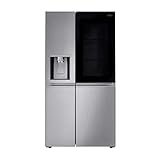
Overview: This 27 cubic foot side-by-side refrigerator brings LG’s premium innovations to a more accessible price segment. The InstaView panel lets you knock twice to illuminate the interior without opening the door, while the built-in Craft Ice maker produces slow-melting spherical ice automatically. PrintProof stainless steel resists fingerprints and smudges, maintaining a clean appearance with minimal maintenance in busy household environments.
What Makes It Stand Out: The combination of InstaView and Craft Ice at this price point is remarkable, as these features typically command premiums of $800+ on other models. The side-by-side configuration provides excellent organization with vertical freezer and refrigerator compartments. Smart Wi-Fi connectivity enables remote diagnostics, temperature control, and energy monitoring through the LG ThinQ app, adding convenience and peace of mind.
Value for Money: At $1,696, this refrigerator represents outstanding value. Competitors with similar feature sets regularly retail above $2,500. You’re getting genuine LG innovations without the luxury price tag, making this an intelligent choice for tech-savvy buyers who want premium features while remaining budget-conscious. The energy efficiency further enhances long-term value.
Strengths and Weaknesses: Strengths include innovative InstaView window, specialized Craft Ice production, fingerprint-resistant finish, excellent value proposition, and organized side-by-side layout. Weaknesses include smaller freezer capacity compared to French door models, occasionally noisy ice maker operation, and water dispenser positioning that some users find awkward. The ice production rate is modest.
Bottom Line: This model hits the sweet spot between innovation and affordability. If you want LG’s signature features without the premium price and prefer side-by-side styling, this refrigerator deserves your serious consideration.
3. 23 cu. ft. Smart wi-fi Enabled InstaView™ Door-in-Door® Counter-Depth Refrigerator with Craft Ice™ Maker

Overview: This 23 cubic foot counter-depth French door refrigerator delivers a built-in aesthetic that integrates seamlessly with kitchen cabinetry. The Wi-Fi enabled model features LG’s InstaView Door-in-Door technology, allowing you to see inside without opening the main compartment. Dual ice makers produce both standard cubes and slow-melting Craft Ice spheres, while Smart Cooling technology maintains optimal humidity and temperature levels throughout.
What Makes It Stand Out: The Dual Ice Makers represent a significant advantage, offering ice variety without sacrificing freezer space entirely. The Door-in-Door feature provides quick access to frequently used items, reducing cold air loss by up to 47%. Counter-depth design creates a custom, high-end look that sits flush with countertops, transforming your kitchen’s appearance without requiring expensive built-in appliance renovation.
Value for Money: At $4,089, this luxury appliance commands a premium price justified by its counter-depth design and dual ice maker system. While expensive, it competes with true built-in models costing $6,000 or more. For homeowners prioritizing kitchen aesthetics and premium features, the price aligns with market expectations and delivers genuine design value.
Strengths and Weaknesses: Strengths include beautiful counter-depth integration, versatile dual ice makers, Door-in-Door convenience, quiet operation, and effective Smart Cooling. The interior layout maximizes space efficiently. Weaknesses include premium pricing, reduced depth compared to standard models limiting large item storage, and Craft Ice maker’s slower production rate. The ice system consumes significant freezer real estate.
Bottom Line: Perfect for design-conscious homeowners wanting built-in appearance without built-in cost. If you entertain frequently and value ice variety alongside aesthetics, this premium refrigerator fulfills its promises.
4. Midea MRF29D6AST 29.3 Cu. Ft. Stainless 3-Door French Door Smart Refrigerator

Overview: The Midea MRF29D6AST challenges market expectations by offering 29.3 cubic feet of capacity in a three-door French door configuration at an entry-level price point. This standard-depth refrigerator provides family-sized storage with practical smart features. The fingerprint-resistant stainless steel finish maintains a clean appearance, while LED interior lighting provides bright, energy-efficient illumination throughout the spacious compartments.
What Makes It Stand Out: The Dual Ice Maker with external water and ice dispenser is extraordinary at this price, typically found on models costing twice as much. The generous 29.3 cubic foot capacity rivals premium brands while significantly undercutting their prices. Fingerprint resistance is usually reserved for luxury models. This three-door design simplifies access while maintaining energy efficiency and provides excellent value.
Value for Money: At $1,299, this Midea refrigerator arguably offers the best value in its class. You’re getting nearly 30 cubic feet, dual ice makers, and smart connectivity for less than half the cost of comparable Samsung or LG models. While Midea lacks the brand prestige of Korean competitors, the feature-to-price ratio is unmatched for budget-conscious shoppers needing maximum storage capacity.
Strengths and Weaknesses: Strengths include exceptional capacity for price, dual ice maker functionality, fingerprint-resistant finish, quiet compressor operation, and practical interior layout. Weaknesses include basic smart features compared to premium brands, standard-depth protrusion into kitchen space, and less refined interior materials. Long-term reliability data remains limited for Midea in the US market.
Bottom Line: For large families requiring maximum storage on a tight budget, this Midea delivers. It sacrifices some refinement but provides core functionality and capacity that competitors charge far more to obtain.
5. 23 cu. ft. Smart wi-fi Enabled InstaView™ Door-in-Door® Counter-Depth Refrigerator with Craft Ice™ Maker
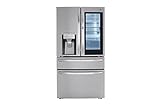
Overview: The LG LRMVC2306S is a 23 cubic foot counter-depth 4-door French door refrigerator that embodies modern kitchen luxury. This model features InstaView Door-in-Door technology and an automated Craft Ice maker in a sleek package that sits flush with cabinetry. The four-door design provides exceptional organization with a dedicated middle drawer offering flexible temperature settings for beverages, deli items, or wine storage.
What Makes It Stand Out: The 4-door configuration offers superior organization compared to traditional 3-door models, with a customizable middle drawer that adapts to your needs. InstaView technology lets you see inside without opening the door, reducing cold air loss. The Craft Ice maker produces spherical ice automatically. Counter-depth design provides a built-in aesthetic for a fraction of true built-in appliance costs.
Value for Money: At $3,578, this LG commands a premium but undercuts many comparable luxury models. You’re investing in 4-door flexibility, counter-depth design, and LG’s signature features. While not inexpensive, it’s priced fairly against similar Samsung and KitchenAid models. The investment makes sense for kitchen renovations prioritizing aesthetics and organizational versatility.
Strengths and Weaknesses: Strengths include premium 4-door design, InstaView convenience, Craft Ice production, beautiful counter-depth integration, and flexible middle drawer. The refrigerator operates quietly and efficiently. Weaknesses include high price point, smaller capacity due to counter-depth limitations, and ice maker space consumption. Some users report the Door-in-Door seal may wear over extended use.
Bottom Line: An excellent choice for design-focused homeowners wanting maximum flexibility and premium features. If your budget supports it and you value organization alongside aesthetics, this LG remains a top contender in the luxury refrigerator market.
6. Samsung RF90F23AECE 23 Cu. Ft. Black Counter-Depth 4-Door French Door Smart Refrigerator

Overview: The Samsung RF90F23AECE represents the intersection of kitchen appliance and smart home technology. This 23 cubic foot counter-depth French door refrigerator integrates Samsung’s signature Family Hub system, transforming the traditional fridge into a digital command center. The sleek black stainless finish complements modern kitchens while maintaining a built-in look that appeals to design-conscious homeowners.
What Makes It Stand Out: The Family Hub touchscreen is the star attraction, enabling meal planning, grocery ordering, photo sharing, and smart home control directly from the refrigerator door. Wi-Fi connectivity ensures remote monitoring and control via smartphone, while Twin Cooling Plus technology maintains separate humidity levels in fridge and freezer compartments, preventing odor transfer and preserving food freshness longer than conventional systems.
Value for Money: At $3,599, this refrigerator commands a premium price tag. However, for tech-forward households, the integrated smart features replace multiple devices and services. Compared to purchasing a standard high-end refrigerator plus a tablet and smart home hub separately, the value proposition becomes clearer, though traditional buyers may find the cost harder to justify for features they might not fully utilize.
Strengths and Weaknesses: Strengths include cutting-edge smart integration, excellent food preservation technology, and sophisticated aesthetics. The counter-depth design provides a built-in appearance. Weaknesses involve complexity for non-tech-savvy users, potential software obsolescence, and a price point that excludes budget-conscious buyers. The 23 cubic foot capacity may feel limited for large families relative to cost.
Bottom Line: This refrigerator suits tech enthusiasts and early adopters who prioritize connectivity and digital kitchen management. Families comfortable with smart home ecosystems will appreciate its multifunctionality, though those seeking simple, reliable cooling should consider less complex alternatives.
7. Kenmore 36" Side-by-Side Refrigerator with Freezer - Accela Chill, Water & Ice Dispenser, Adjustable Glass Shelves, ENERGY STAR Certified, 20 cu. ft. Capacity - Fingerprint Resistant Stainless Steel

Overview: The Kenmore 36-inch side-by-side refrigerator delivers practical functionality in a fingerprint-resistant stainless steel package. With 20 cubic feet of counter-depth storage, this ENERGY STAR certified appliance balances space efficiency with family-friendly features, making it an accessible upgrade for most kitchens without the premium price of luxury brands.
What Makes It Stand Out: The Accela Chill function rapidly cools groceries to preserve freshness, while the multi-flow air system ensures consistent temperatures throughout. The edge-to-edge glass shelves maximize storage flexibility, and the integrated water and ice dispenser with filtration provides daily convenience. The fingerprint-resistant finish maintains a clean appearance in busy households with minimal maintenance.
Value for Money: Priced at $1,594, this Kenmore offers exceptional mid-range value. It includes premium features like rapid chilling and consistent air circulation typically found in higher-priced models. The ENERGY STAR certification promises long-term utility savings, while the counter-depth design provides a built-in look without custom installation costs, positioning it as a smart financial choice for practical buyers.
Strengths and Weaknesses: Strengths include rapid cooling technology, efficient temperature management, flexible shelving, and fingerprint resistance. The water and ice dispenser adds daily convenience. Weaknesses are inherent to side-by-side design—narrow freezer space limits storage of wide items, and 20 cubic feet may prove insufficient for larger families. The brand lacks the prestige of some competitors.
Bottom Line: This Kenmore excels as a practical, feature-rich refrigerator for budget-conscious families prioritizing function over flashy technology. It offers reliable performance and useful amenities at a competitive price point, making it ideal for those wanting modern conveniences without breaking the bank.
8. Cafe CVE28DP4NW2 27.8 cu. ft. Smart 4-Door French Door Refrigerator in Matte White, Fingerprint Resistant and ENERGY STAR
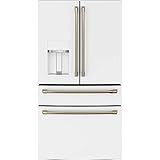
Overview: The Cafe CVE28DP4NW2 redefines premium refrigeration with its striking matte white finish and innovative 27.8 cubic foot interior. This smart 4-door French door refrigerator targets discerning home chefs who demand both aesthetic sophistication and functional flexibility, blending luxury design with practical technology for the modern kitchen.
What Makes It Stand Out: The convertible drawer with soft freeze (23-42°F) offers unprecedented flexibility for everything from gelato to fresh meat. The LED light wall creates exceptional visibility across the entire fresh food section. AutoFill technology uses sensors to dispense precise water amounts automatically. Dual humidity-controlled bins provide specialized environments for different produce types, while the full-width tray accommodates oversized items like gourmet pizzas.
Value for Money: At $3,549, this Cafe model sits in the luxury tier, yet delivers unique features competitors lack. The convertible drawer essentially provides a third temperature zone, justifying the premium for serious cooks. While expensive, the combination of smart functionality, flexible storage, and designer finish offers reasonable value compared to similarly priced but less innovative alternatives from traditional luxury brands.
Strengths and Weaknesses: Strengths include versatile temperature zones, superior lighting, intelligent water dispensing, and sophisticated humidity management. The matte white finish provides a distinctive aesthetic. Weaknesses include the high price point, potential difficulty matching other kitchen elements, and complexity that may overwhelm casual users. The finish may require special cleaning care to maintain its appearance.
Bottom Line: Perfect for culinary enthusiasts and design-conscious homeowners, this Cafe refrigerator justifies its premium through genuine innovation. Those who utilize the convertible drawer and humidity zones will find exceptional value, while casual users might not fully leverage its capabilities and should consider simpler options.
9. KoolMore 30-Inch and 18.5 cu. ft. Counter Depth French Door Refrigerator with Three Doors and Deep Freezer in Stainless-Steel (KM-RERFDSS-18C)

Overview: The KoolMore 30-inch French door refrigerator offers counter-depth styling and 18.5 cubic feet of capacity at an accessible price point. This stainless-steel model targets budget-conscious buyers seeking modern French door aesthetics without premium brand pricing, delivering essential features in an attractive package that fits contemporary kitchens.
What Makes It Stand Out: Remarkable affordability defines this model—it’s among the least expensive counter-depth French door refrigerators available. The double-flow cooling system with digital temperature control ensures consistent cooling, while humidity-controlled crispers maintain produce freshness. Six door bins and adjustable glass shelving provide flexible organization in a footprint that aligns with standard countertops for a seamless look.
Value for Money: At $1,389, the value proposition is compelling. Comparable name-brand counter-depth French door models typically cost $500-800 more. While lacking smart features or premium finishes, it delivers core refrigeration functions and modern styling. For renters, first-time homeowners, or budget remodels, it offers significant savings without sacrificing essential performance or aesthetic appeal.
Strengths and Weaknesses: Strengths include exceptional affordability, counter-depth design, adequate storage configuration, and modern stainless appearance. The double-flow cooling system performs reliably. Weaknesses involve lower brand recognition, limited advanced features, smaller capacity (18.5 cu ft), and potentially less durable components than premium competitors. The freezer drawers may feel less robust than higher-end models.
Bottom Line: An excellent entry-level option for those prioritizing style and budget over brand prestige. The KoolMore suits practical buyers wanting French door functionality without financial strain, though those seeking long-term investment or advanced features should consider mid-tier alternatives with stronger warranty support.
10. Cafe CVE28DP3ND1 27.8 cu. ft. Smart 4-Door French Door Refrigerator in Matte Black, Fingerprint Resistant and ENERGY STAR

Overview: The Cafe CVE28DP3ND1 delivers the same exceptional functionality as its matte white counterpart in a sophisticated matte black finish. This 27.8 cubic foot smart 4-door French door refrigerator combines luxury aesthetics with innovative features for homeowners seeking a statement appliance that performs as impressively as it looks in their modern kitchen.
What Makes It Stand Out: The convertible drawer with soft freeze (23-42°F) provides a third temperature zone unmatched by standard refrigerators. The LED light wall illuminates the entire fresh food section uniformly. AutoFill technology automatically dispenses precise water amounts. Dual humidity-controlled bins create separate environments for different produce, while the full-width tray accommodates oversized frozen items like pizza boxes with ease.
Value for Money: Priced at $3,599, this model matches its white sibling in the premium tier. The matte black finish currently trends in high-end kitchen design, potentially adding resale value. The innovative storage solutions and smart capabilities justify the cost for users who will leverage the flexible temperature zones, though casual cooks may find simpler models more economical for their needs.
Strengths and Weaknesses: Strengths include versatile convertible drawer, exceptional lighting, intelligent water dispensing, sophisticated humidity management, and striking matte black aesthetic. Weaknesses center on the premium price, complexity of features, and potential for the dark finish to show dust or fingerprints despite claims of resistance. The learning curve may challenge some users less familiar with smart appliances.
Bottom Line: Ideal for design-forward households and serious home cooks who value flexibility and style. The Cafe matte black refrigerator earns its premium price through genuine innovation and stunning aesthetics, making it a worthwhile investment for those who will maximize its unique capabilities and appreciate its bold visual statement.
What Makes a Refrigerator “Smart”?
The term “smart” gets thrown around liberally in appliance marketing, but true smart refrigeration goes far beyond a basic Wi-Fi connection. At its core, a smart refrigerator is an appliance that uses connectivity and artificial intelligence to proactively manage food storage, provide actionable insights about your inventory, and integrate with broader smart home ecosystems. These refrigerators collect data through internal sensors, cameras, and user inputs, then process that information to help you make better decisions about shopping, cooking, and food preservation.
Core Connectivity Features
Every smart refrigerator should include robust Wi-Fi connectivity as a baseline, but the quality of that connection matters significantly. Look for appliances that support dual-band Wi-Fi (2.4GHz and 5GHz) for more reliable performance in kitchens where signal interference from microwaves and other appliances is common. Bluetooth connectivity serves as a useful backup for close-range interactions, particularly when you’re loading groceries and want to quickly update inventory without relying on cloud services. The most advanced models also include NFC (Near Field Communication) for instant pairing with smartphones and rapid data transfer.
AI-Powered Intelligence
The real differentiator between basic connected fridges and truly intelligent ones lies in their AI capabilities. Modern smart refrigerators employ machine learning algorithms that study your family’s consumption patterns over time. They learn which items you restock weekly, which seasonal ingredients you buy during holidays, and even predict when you’re likely to run out of staples like butter or eggs. This predictive capability transforms the fridge from a passive storage unit into an active participant in your household management, sending timely reminders before you actually need something rather than after you’ve already run out.
How Smart Refrigerators Revolutionize Grocery Management
The impact of smart refrigeration on grocery management extends far beyond simple inventory lists. These appliances fundamentally restructure the relationship between your kitchen, your shopping habits, and your meal planning workflow. By automating the tedious aspects of food tracking, they free up mental bandwidth for more creative culinary pursuits while simultaneously reducing the environmental and financial costs of food waste.
Automated Inventory Tracking
The cornerstone of grocery management transformation is automated inventory tracking. Using a combination of internal cameras and weight sensors, smart refrigerators can detect when items are added or removed. Computer vision technology identifies products by their packaging, even recognizing different brands and varieties of the same product. Some advanced models feature door-mounted barcode scanners that let you log items as you put them away, while others use pressure-sensitive shelves to track quantity changes automatically. This creates a dynamic, real-time inventory that you can access from anywhere via smartphone app—no more wondering if you have enough cheese while standing in the dairy aisle.
Expiration Date Monitoring
Perhaps the most practical feature for reducing food waste is automated expiration tracking. Smart fridges use optical character recognition (OCR) to read “best by” dates when you scan items or when cameras capture them entering the fridge. The system then creates a chronological database of expiration dates, sending push notifications to your phone when items approach their use-by dates. More sophisticated systems integrate this data with recipe databases, suggesting meals that prioritize ingredients nearing expiration. This proactive approach can reduce household food waste by up to 30% according to recent consumer studies.
Digital Shopping Lists
Smart refrigerators elevate the humble shopping list from a scrap of paper to an intelligent, collaborative tool. As the fridge tracks inventory depletion, it automatically populates your shopping list with items you’re running low on. These lists sync across family members’ devices, allowing everyone to contribute and check off items in real-time. Integration with voice assistants means you can add items hands-free while cooking. The most advanced systems even categorize items by store layout, creating an optimized shopping route that saves time and prevents backtracking through the supermarket.
Essential Features to Look For
When evaluating smart refrigerators, certain features separate transformative appliances from expensive gimmicks. Understanding these capabilities helps you prioritize what matters most for your specific grocery management challenges and avoid paying for flashy features you’ll never use.
Internal Cameras and Computer Vision
Camera quality and placement dramatically affect inventory accuracy. Look for models with multiple high-resolution cameras positioned at different heights and angles to minimize blind spots. Wide-angle lenses capture more of the interior, while infrared sensors help cameras see clearly even when the fridge is full. The best systems take photos automatically when doors close and use computer vision to identify new items versus items simply being rearranged. Consider whether the camera feed is accessible in real-time or only through periodic snapshots, as this affects your ability to check inventory remotely.
Voice Assistant Integration
Seamless voice control turns your fridge into a hands-free kitchen assistant. Deep integration with platforms like Amazon Alexa, Google Assistant, or Apple Siri allows you to add items to shopping lists, set expiration reminders, and even ask recipe questions without touching the appliance. Check whether the integration is native or requires third-party skills, as native integration typically offers faster response times and more reliable performance. Multi-user voice recognition ensures that each family member’s requests are properly attributed and tracked.
Touchscreen Displays
The touchscreen serves as your fridge’s command center, but size and placement matter enormously. Displays ranging from 21 to 29 inches dominate the market, with larger screens offering better recipe viewing and family calendar visibility. However, consider whether a massive screen will dominate your kitchen aesthetically. Resolution should be at least 1080p for crisp text and food photography. Look for anti-fingerprint coatings and water resistance ratings, as kitchen environments are notoriously messy. The best displays work with gloved hands and offer customizable widgets so you can prioritize the information most relevant to your household.
Temperature and Humidity Zones
Smart temperature management goes beyond basic digital thermostats. Advanced models feature multiple independent cooling zones with precise humidity control for different food types. Look for dedicated produce drawers with ethylene gas absorption technology that extends fruit and vegetable life by up to 40%. Meat and fish compartments should maintain temperatures just above freezing without actually freezing the product. Some fridges offer convertible zones that switch between fridge and freezer modes based on your seasonal needs—perfect for holiday meal prep or summer entertaining.
Energy Efficiency Ratings
Smart features consume additional power, making energy efficiency more critical than ever. Prioritize models with Energy Star certification and look for actual kilowatt-hour consumption figures rather than just letter grades. Inverter compressors adjust cooling output incrementally rather than cycling on and off, reducing energy use by up to 30%. Smart eco-modes learn your usage patterns and automatically enter low-power states during periods of inactivity, such as overnight. Some utilities offer rebates for smart appliances that can communicate with the grid to reduce consumption during peak demand hours.
Understanding the Technology Behind Smart Fridges
Demystifying the underlying technology helps you make informed decisions and set realistic expectations about performance and longevity. The most impressive features rely on complex systems working in harmony.
Computer Vision and Image Recognition
Modern smart refrigerators use convolutional neural networks (CNNs) trained on millions of product images to identify items with over 95% accuracy. These systems don’t just recognize packaging—they can distinguish between organic and conventional produce, identify different cuts of meat, and even detect ripeness levels in fruits. The technology struggles with opaque containers and homemade leftovers, which is why hybrid systems that combine visual data with manual input options provide the best user experience. Processing happens both locally on the appliance and in the cloud, with edge computing reducing latency for time-sensitive tasks.
Machine Learning Algorithms
The AI that powers predictive grocery management relies on recurrent neural networks (RNNs) that analyze temporal patterns in your consumption. These algorithms track not just what you buy, but when you buy it, how quickly you use it, and even seasonal variations. Over a 6-8 week learning period, the system builds a personalized consumption model for your household. The most sophisticated implementations use federated learning, where the appliance improves its predictions by learning from aggregated, anonymized data across thousands of households without compromising individual privacy.
IoT Integration and Cloud Connectivity
Your smart fridge doesn’t operate in isolation—it’s a node in your broader Internet of Things ecosystem. Secure cloud connectivity enables remote access, software updates, and data backup. Look for appliances that use end-to-end encryption and offer transparency about data retention policies. The best platforms provide open APIs that allow integration with third-party apps for meal planning, nutrition tracking, and even smart home energy management systems. Consider whether the manufacturer has a track record of supporting older models with updates, as an unsupported smart fridge quickly becomes just an expensive regular refrigerator.
Grocery Management Features Deep Dive
Beyond the basics, advanced grocery management capabilities can dramatically impact your daily routine. Understanding these nuanced features helps you identify which models offer genuine utility versus marketing fluff.
Barcode Scanning and Manual Entry Options
While computer vision handles most packaged goods, barcode scanning provides 100% accuracy for items the camera might miss. Door-mounted scanners let you quickly log items before putting them away, while some models feature handheld scanners that dock magnetically to the fridge exterior. For farmers market produce or leftovers, voice entry and manual typing should be intuitive options. The best systems learn from manual entries, improving their ability to recognize similar items in the future. Look for batch scanning capabilities that let you log multiple items rapidly during a big grocery haul.
Recipe Suggestions Based on Inventory
This feature transforms meal planning from a chore into a creative adventure. Advanced systems analyze your current inventory, cross-reference it with databases of thousands of recipes, and suggest meals you can make without additional shopping. The best implementations filter suggestions by dietary restrictions, cooking time, and family preferences learned over time. Integration with video tutorials and step-by-step guided cooking turns your fridge into a cooking coach. Some systems even generate shopping lists for recipes you bookmark, automatically adding only the items you don’t already have.
Integration with Grocery Delivery Services
True grocery management automation requires seamless integration with delivery platforms. Top-tier smart fridges connect directly with services like Instacart, Amazon Fresh, or Walmart Grocery, allowing you to order missing items with a single tap on the touchscreen or voice command. The best systems maintain your preferred brands and quantities, apply digital coupons automatically, and can schedule deliveries for times when you’re home to receive them. Some even coordinate with smart locks to provide temporary access codes for contactless delivery directly into your garage fridge.
Family Calendar and Meal Planning Tools
The refrigerator has always been the family’s information hub, and smart displays extend this tradition digitally. Shared calendars sync with individual family members’ phones, displaying everyone’s schedules alongside meal plans. You can drag recipes onto specific days, automatically generating prep reminders and defrost notifications. Some systems integrate with school lunch menus, suggesting dinner recipes that complement what kids ate at lunch. The best implementations allow meal plan sharing with extended family or caregivers, ensuring everyone stays informed about dietary needs and schedules.
Size, Configuration, and Kitchen Integration
A smart refrigerator represents a significant physical investment in your kitchen space. Proper sizing and configuration ensure the technology enhances rather than disrupts your kitchen workflow.
Measuring Your Space Correctly
Smart refrigerators often require more clearance than traditional models due to ventilation needs for the additional electronics. Measure not just the width, height, and depth of your opening, but also account for door swing radius, handle protrusion, and ventilation gaps. Most manufacturers recommend at least 1 inch of clearance on top and sides, plus 2 inches behind the unit. Consider whether you’ll need to remove doors or handles to get the appliance into your kitchen—some smart fridges have non-removable displays that complicate delivery. Don’t forget to measure hallway widths and doorways between your entryway and kitchen.
French Door vs. Side-by-Side vs. Bottom Freezer
Configuration affects both storage efficiency and smart feature accessibility. French door models offer the best combination of wide refrigerator space and smart display visibility, with the main screen typically mounted on the upper right door. Side-by-side designs provide easier freezer access but can make wide items like pizza boxes challenging to store. Bottom freezer configurations keep the smart display at eye level but require bending for frozen foods. Consider your family’s eating habits—if you access fresh produce more frequently than frozen items, a bottom freezer with a prominent smart display might be ideal. Some manufacturers offer convertible compartments that switch between fridge and freezer, providing flexibility for entertaining or seasonal needs.
Panel-Ready Options for Seamless Design
For design-conscious homeowners, panel-ready smart refrigerators accept custom cabinet fronts that make the appliance virtually disappear into your kitchen cabinetry. This approach maintains the aesthetic integrity of high-end kitchen designs while still providing all the smart functionality. Keep in mind that panel-ready models typically cost 20-30% more and may have slightly reduced camera angles due to the custom door thickness. Ensure your cabinet maker understands the ventilation requirements and can create panels that don’t interfere with Wi-Fi signals or touchscreen accessibility.
Installation and Setup Considerations
The smartest refrigerator in the world becomes a frustrating paperweight without proper installation and setup. These technical considerations often get overlooked until it’s too late.
Wi-Fi Requirements and Network Security
Smart refrigerators require stable, always-on internet connections, making them one of the few appliances that demand enterprise-grade Wi-Fi reliability in your home. A dedicated 2.4GHz network often provides better range and penetration through kitchen walls than 5GHz, though dual-band support is ideal. Consider a mesh Wi-Fi system if your kitchen is far from your router. From a security standpoint, create a separate IoT network that isolates smart appliances from computers and phones containing sensitive data. Enable WPA3 encryption if your router supports it, and never use public Wi-Fi networks for your smart fridge.
App Compatibility and Ecosystem Lock-in
Before purchasing, download the manufacturer’s app and test its interface. The best apps work seamlessly on both iOS and Android, offering identical functionality across platforms. Consider whether the fridge integrates with your existing smart home ecosystem—mixing Amazon, Google, and Apple platforms can create frustrating fragmentation. Some manufacturers require proprietary hubs or subscriptions for full functionality, while others embrace open standards like Matter and Thread. Research the company’s history of app updates and feature additions; a vibrant developer community suggests long-term support and innovation.
Initial Calibration and Learning Period
Plan for a 6-8 week calibration period where the refrigerator learns your household’s patterns. During this time, you’ll need to manually verify inventory accuracy, correct misidentified items, and establish baseline consumption rates. The best systems gamify this process, offering achievements or efficiency scores as you train the AI. Set realistic expectations—the first few weeks will require more interaction, not less, as you teach the system. Schedule time for family training sessions so everyone understands how to properly log items and respond to notifications.
Privacy and Security Concerns
Connecting your refrigerator to the internet introduces legitimate privacy considerations that deserve careful attention. Understanding these risks empowers you to make informed trade-offs between convenience and data security.
Data Collection Practices
Smart refrigerators collect an astonishing amount of data: what you eat, when you eat it, your shopping patterns, even dietary restrictions and health goals inferred from your food choices. Reputable manufacturers provide clear privacy policies explaining what data is collected, how it’s used, and whether it’s sold to third parties. Look for companies that offer data anonymization options and allow you to opt out of marketing data sharing. Be particularly cautious about models that require cloud accounts with vague terms of service—your grocery list shouldn’t become a marketing profile.
Securing Your Smart Appliance
Treat your smart refrigerator like any other network-connected device. Change default passwords immediately during setup, enable two-factor authentication for the associated app, and regularly update firmware. Some security-conscious users place their smart appliances behind network firewalls that restrict outbound data transmission to known, necessary endpoints. Periodically audit which third-party apps have access to your fridge data and revoke permissions for services you no longer use. Consider whether you really need remote camera access—disabling this feature eliminates a significant potential attack vector.
Cost Analysis and Value Proposition
Smart refrigerators command premium prices, but their value proposition extends beyond sticker shock when you consider total cost of ownership and lifestyle benefits.
Upfront Investment vs. Long-Term Savings
Expect to pay 40-60% more for a smart refrigerator compared to a comparable non-smart model. However, calculate potential savings from reduced food waste—American households waste approximately $1,500 worth of food annually, and smart fridges can cut this by a third. Factor in time saved from fewer emergency grocery runs and more efficient meal planning. For busy professionals, the time savings alone might justify the premium. Some insurance companies offer discounts for smart appliances that can detect and alert you to power outages or temperature fluctuations, preventing costly food spoilage claims.
Subscription Fees and Hidden Costs
Beware of subscription models that lock core features behind paywalls. While some premium services like advanced nutrition analysis or integration with specific diet plans might warrant optional subscriptions, basic inventory management should be free for the life of the appliance. Ask specifically about software update policies—will you receive new features for free, or will major updates require payment? Consider extended warranties that cover not just mechanical failures but also electronic components and software support, as a failed touchscreen can cost nearly as much as a new fridge to replace.
Maintenance and Troubleshooting
Like any complex technology, smart refrigerators require ongoing maintenance to perform optimally. Understanding common issues and their solutions prevents frustration and extends the appliance’s useful life.
Software Updates and Support Lifecycles
Inquire about the manufacturer’s software support commitment. The best brands guarantee security updates for at least 7-10 years and major feature updates for 3-5 years. Automatic updates should happen during low-usage hours, but you should have the option to schedule them manually. Some manufacturers sunset older models prematurely, effectively bricking smart features. Look for companies with a proven track record of supporting decade-old appliances, and read user forums to see how quickly bugs get addressed. Open-source firmware options provide a safety net if official support ends.
Common Issues and DIY Solutions
Camera fogging is the most frequent complaint—ensure your model has internal anti-fog coatings or small fans that circulate air across lenses. If the touchscreen becomes unresponsive, a hard reset (usually holding the power button for 10 seconds) often resolves temporary glitches. Wi-Fi connectivity issues can often be solved by assigning the fridge a static IP address in your router settings. Keep a written log of error codes and their resolutions; this helps technicians diagnose problems faster and can reveal patterns that indicate impending component failures. Most manufacturers maintain online knowledge bases with video tutorials for common fixes.
Frequently Asked Questions
How long does it take for a smart refrigerator to learn my shopping habits?
Most smart refrigerators require a 6-8 week learning period to accurately predict your consumption patterns and provide reliable automated shopping lists. During this calibration phase, you’ll need to manually verify inventory and correct misidentified items. The system becomes significantly more accurate after processing data from 3-4 major grocery shopping cycles.
Can smart refrigerators identify unpackaged produce or leftovers?
Current computer vision technology struggles with unpackaged items and opaque containers. Most systems require manual entry for produce, leftovers, and bulk items. However, they learn from these manual entries and improve recognition over time. The best approach is a hybrid system that combines camera identification with voice or barcode scanning for complete accuracy.
Do smart refrigerators work without an internet connection?
Basic cooling functions operate normally without Wi-Fi, but all smart features—including inventory tracking, remote camera access, and automatic shopping lists—require internet connectivity. Some models cache limited data locally for short periods, but you’ll lose real-time synchronization and AI-powered suggestions during outages. Consider a backup internet solution if you live in an area with unreliable service.
Are smart refrigerators more expensive to repair than traditional models?
Yes, repairs typically cost 30-50% more due to specialized electronic components and the need for technicians trained in both appliance repair and software diagnostics. Extended warranties are strongly recommended. However, many issues can be resolved through software updates or remote diagnostics, potentially saving on service calls.
How secure is the camera feed from my smart refrigerator?
Reputable manufacturers use end-to-end encryption for camera feeds and store footage in secure cloud servers. However, no system is completely immune to hacking. For maximum security, choose models that process images locally and only transmit metadata to the cloud. Disable remote camera access if you don’t need it, and always use strong, unique passwords with two-factor authentication.
Can multiple family members access and control the smart fridge?
Yes, most systems support multiple user profiles with customizable permission levels. Parents can have full administrative access while kids might only add items to shopping lists. Changes sync across all devices in real-time, and some systems use facial recognition or voice identification to automatically attribute actions to specific family members.
Will a smart refrigerator help me save money on groceries?
Households typically reduce food waste by 25-35% after adopting smart refrigeration, translating to $400-600 in annual savings for the average family. Additional savings come from fewer impulse purchases, optimized meal planning, and reduced gas costs from fewer emergency shopping trips. Most users report break-even on the premium price within 3-4 years.
How often do smart refrigerators receive software updates?
Security patches roll out monthly, while major feature updates typically arrive quarterly. Manufacturers committed to long-term support release significant new capabilities 2-3 times per year. Automatic updates usually occur during overnight hours, but you can schedule them manually. Always install updates promptly to ensure optimal performance and security.
Can I integrate my smart fridge with other smart home devices?
Most smart refrigerators work with major platforms like Amazon Alexa, Google Home, and Apple HomeKit, allowing integration with lights, thermostats, and security systems. Advanced setups can trigger routines like “grocery mode” that unlocks the front door and turns on entryway lights when you arrive home with bags. Check for Matter certification, which ensures broad compatibility across emerging smart home standards.
What happens if the manufacturer stops supporting my smart refrigerator?
Without software updates, smart features gradually become less reliable as cloud services shut down and app compatibility breaks. Some features may continue working locally, but AI-powered predictions and remote access typically stop functioning. Research manufacturers’ historical support timelines before buying, and consider models with open APIs that community developers can maintain if official support ends. Extended warranties that include software support provide additional protection.