If you’ve ever felt like you’re fighting a losing battle against pet hair that seems to regenerate within hours of vacuuming, you’re not alone. Pet owners collectively spend hundreds of hours each year managing the endless cascade of fur, dander, and tracked-in debris that comes with sharing our homes with beloved companions. The revolution isn’t just in robot vacuums themselves—it’s in the self-emptying bases that transform these devices from helpful gadgets into truly autonomous cleaning partners. For pet households, where traditional robot vacuums fill up after a single cleaning cycle, self-emptying technology means your device can tackle multiple sessions across several days without you touching a dustbin. This isn’t just convenience; it’s a fundamental shift in maintaining consistently clean floors while reclaiming your time and sanity.
Understanding what makes these systems effective for pet-specific challenges requires looking beyond marketing claims. The intersection of suction power, tangle-resistant engineering, and intelligent navigation creates a cleaning ecosystem that addresses the unique biology of pet messes. From seasonal shedding storms to microscopic allergens that trigger reactions, the right self-emptying robot vacuum becomes an invisible household manager that works while you sleep, work, or simply enjoy your pets without constantly reaching for the handheld vacuum.
Top 10 Smart Robot Vacuums for Pet Owners
Detailed Product Reviews
1. eufy C10 Robot Vacuum Self Emptying, 8 Weeks Hands Free, Advanced Smart Mapping with LiDAR Navigation, 2.85-Inch Slim Design, Powerful Suction, Edge Expansion Brush for Pet Hair, Carpet Detection

Overview: The eufy C10 Robot Vacuum offers a compelling self-emptying solution at $206.99, targeting pet owners and busy households. With 4,000Pa suction power and a unique CornerRover Arm, this slim 2.85-inch robot promises thorough cleaning even in tight spaces. The LiDAR navigation enables smart mapping for customized cleaning schedules.
What Makes It Stand Out: The extendable side brush mechanism is genuinely innovative, reaching into corners where pet hair typically accumulates. Its ultra-slim profile allows access under low furniture that bulkier robots cannot reach. The 60-day dust bag capacity means you can go two months without maintenance, while the LiDAR system creates efficient cleaning paths rather than random bumping.
Value for Money: At under $210, the C10 punches above its weight. Competitors with similar self-emptying features typically cost $300+. While the 60-day capacity is slightly less than some premium models, it’s more than adequate for most homes. The combination of strong suction, smart navigation, and specialized corner cleaning makes it a mid-range price with near-premium features.
Strengths and Weaknesses: Pros: Exceptionally slim design; innovative corner-cleaning arm; strong 4,000Pa suction; effective LiDAR navigation; affordable self-emptying; good for pet hair. Cons: 60-day capacity less than some rivals; eufy brand lacks iRobot’s ecosystem; no mopping function; dust bag replacements add ongoing cost.
Bottom Line: The eufy C10 is an excellent choice for pet owners struggling with hair in corners and under furniture. Its unique arm design and slim profile solve real pain points, making it one of the best value self-emptying robots available.
2. Kilgone Robot Vacuum for Pet Hair, 2-in-1 Vacuum & Mop Combo with Tangle-Free Suction & Smart 3D Avoidance, App/Wi-Fi/Alexa, Ultra-Slim & Quiet, Self-Charging for Hard Floors and Low-Pile Carpet

Overview: The Kilgone Robot Vacuum and Mop Combo delivers impressive features for just $98.99, making it the most budget-friendly option in this lineup. Designed specifically for pet households, it combines 2300Pa suction with a 230mL mopping system, offering 2-in-1 cleaning for hard floors and low-pile carpets.
What Makes It Stand Out: This robot’s ultra-quiet 65dB operation is remarkable—you can run it at night without disturbing pets or family. The tangle-free suction system directly addresses pet hair wrapping issues, while the Zig-Zag navigation covers 30% more area than random-pattern bots. Voice control via Google Assistant and smartphone app adds convenience rarely seen at this price point.
Value for Money: At under $100, the Kilgone is exceptional value. It’s nearly impossible to find a robot with both vacuuming and mopping, smart navigation, and app control at this price. While suction is lower than premium models, it’s sufficient for daily maintenance cleaning. The trade-offs are reasonable for budget-conscious buyers.
Strengths and Weaknesses: Pros: Extremely affordable; quiet operation; 2-in-1 vacuum/mop; tangle-free design; app and voice control; good battery life (2 hours). Cons: Not suitable for dark floors; requires 2.4GHz WiFi; lower 2300Pa suction; Zig-Zag navigation less precise than LiDAR; no self-emptying.
Bottom Line: The Kilgone is perfect for apartment dwellers and budget-conscious pet owners with hard floors. If you can live without self-emptying and have light-colored flooring, it delivers features that cost twice as much elsewhere.
3. iRobot Roomba 104 Vac Robot Vacuum - Intense Power-Lifting Suction, Smart & Fast Home Mapping, Ideal for Pet Hair, LiDAR Navigation, Multi-Surface Cleaning, Cleans in Neat Rows, Self-Charging

Overview: The iRobot Roomba 104 Vac represents the entry-level smart mapping option from the industry’s most trusted brand at $249.99. It focuses purely on vacuuming with 70X more suction power than the 600 series, using LiDAR navigation to clean methodically in neat rows rather than random patterns.
What Makes It Stand Out: iRobot’s ClearView LiDAR mapping is exceptionally precise, creating detailed home maps quickly and enabling targeted room cleaning. The 3-stage cleaning system with specialized edge-sweeping brush delivers consistent results. The Roomba Home App provides intuitive controls, time estimates, and filter life monitoring—features refined through years of user feedback.
Value for Money: At $250, you’re paying a premium for the iRobot brand and ecosystem. While suction power and navigation are excellent, the lack of self-emptying or mopping capabilities makes it less versatile than similarly priced alternatives. However, for those prioritizing reliability and software polish over features, it’s a solid investment.
Strengths and Weaknesses: Pros: Superior LiDAR navigation; trusted brand reputation; methodical row cleaning; excellent app experience; strong suction; spot cleaning mode. Cons: No self-emptying station; no mopping function; more expensive than some feature-rich competitors; dust bin requires frequent manual emptying.
Bottom Line: Choose the Roomba 104 Vac if you want proven reliability and don’t mind manual maintenance. It’s ideal for iRobot loyalists seeking smart mapping without the complexity of hybrid mop functions, though feature-hungry shoppers may find better value elsewhere.
4. Robot Vacuum and Mop Combo, Robot Vacuum Self-Emptying with 11500Pa Suction, 70-Day Capacity, Fast Home Mapping, LiDAR Navigation, Smart Obstacle Avoidance, Ideal for Pet Hair, Carpet, Hard Floor

Overview: The D13S MAX is a premium powerhouse priced at $709.99, designed for those who refuse to compromise. This 3-in-1 robot vacuums, sweeps, and mops simultaneously with an astonishing 11500Pa suction—nearly triple most competitors. The massive 70-day capacity self-emptying station redefines hands-free convenience.
What Makes It Stand Out: The 11500Pa suction is in a class of its own, capable of extracting deeply embedded pet hair and debris from thick carpets. The simultaneous vacuum-mop-sweep operation saves enormous time, while precision LiDAR mapping with no-go zones offers complete control. Carpet Auto-Boost and edge cleaning ensure no surface is neglected.
Value for Money: This is undeniably expensive, but the feature set justifies the price for large homes or pet-heavy households. When you factor in the cost of separate high-end vacuum and mop robots plus a self-emptying station, the premium becomes more palatable. It’s overkill for small apartments but invaluable for busy families wanting maximum automation.
Strengths and Weaknesses: Pros: Unmatched 11500Pa suction; true 3-in-1 operation; 70-day capacity; advanced LiDAR navigation; carpet detection and boost; comprehensive accessory kit. Cons: Very high price point; may be excessive for small spaces; complex features require learning curve; replacement bags and filters are costly.
Bottom Line: The D13S MAX is the ultimate set-it-and-forget-it solution for large homes with pets and mixed flooring. If budget isn’t a concern and you want the most capable robot available, this is your answer.
5. iRobot Roomba 104 2in1 Vacuum & Mop Robot - Self-Empties for 75 Days, Intense Power-Lifting Suction, Vacuums All Floors, Ideal for Pet Hair, LiDAR Smart Navigation Mapping, Mops Hard Floors
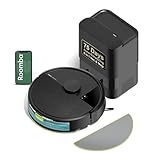
Overview: The iRobot Roomba 104 2in1 combines the brand’s trusted navigation with hybrid cleaning at $299.99. It vacuums with 70X suction power and mops hard floors, while automatically avoiding carpets during mopping cycles. The 75-day self-emptying capacity adds genuine convenience to the iRobot ecosystem.
What Makes It Stand Out: Unlike many hybrids that drag wet mops over carpets, the Roomba 104 intelligently detects and avoids rugs while mopping—a game-changer for mixed-floor homes. The ClearView LiDAR mapping remains class-leading, and the 75-day capacity exceeds most competitors. The ability to choose vacuum-only, mop-only, or combo modes provides flexibility competitors lack.
Value for Money: At $300, this hits a sweet spot. You get iRobot’s superior software, self-emptying convenience, and hybrid cleaning for less than buying separate devices. While suction isn’t as extreme as the D13S MAX, it’s more than adequate for daily cleaning. The premium over the non-mopping Roomba 104 is justified for the added versatility.
Strengths and Weaknesses: Pros: Intelligent carpet avoidance; trusted iRobot navigation; 75-day self-emptying; flexible cleaning modes; excellent app; strong suction. Cons: Mopping function less robust than dedicated mops; higher price than some alternatives; microfiber pads require regular washing; limited water tank capacity.
Bottom Line: The Roomba 104 2in1 is the smartest choice for iRobot fans wanting maximum versatility without the D13S MAX price tag. Its carpet-aware mopping solves a major hybrid robot flaw, making it ideal for homes with mixed flooring.
6. Lefant M210P Robot Vacuum Cleaner, 4000pa Suction, 200 Mins Runtime, Super Thin, Quiet, Self-Charging, Ideal for Pet Owners, Multi Surface Cleaning, APP/WiFi/Alexa Control, Gray

Overview: The Lefant M210P positions itself as an evolutionary upgrade from its predecessor, delivering robust cleaning capabilities at an entry-level price point. With 4,000Pa suction power and an impressive 200-minute runtime, this super-slim robot (just 2.99 inches high) targets budget-conscious pet owners seeking automated floor maintenance without premium cost. The device offers six cleaning modes accessible via app or voice control, making it a versatile option for apartments and smaller homes.
What Makes It Stand Out: This model’s exceptional battery life distinguishes it from competitors in the sub-$100 category, while its tangle-free brush system directly addresses pet hair challenges. The Freemove 3.0 anti-collision technology uses upgraded infrared sensors rather than basic bump navigation, providing smarter obstacle avoidance than typical budget robots. Its ultra-thin profile accesses spaces most competitors can’t reach, cleaning effectively under low-clearance furniture where pet hair accumulates.
Value for Money: At $94.93, the M210P delivers features typically found in $150+ models. The 200-minute runtime alone exceeds many premium vacuums, while the pet-specific design eliminates costly maintenance issues like brush tangling. Compared to basic random-navigation models at similar prices, the multiple cleaning modes and app control represent significant upgrades. You’re essentially getting mid-tier functionality for budget-tier investment.
Strengths and Weaknesses: Pros: Outstanding 200-minute battery life; Ultra-slim 2.99-inch design; Pet-optimized tangle-free system; Six cleaning modes; Alexa/Google integration; Exceptional price. Cons: Infrared navigation less precise than LiDAR; No mapping capability; 2.4GHz WiFi limitation; Zigzag mode ineffective on carpets; Smaller dustbin requires frequent emptying.
Bottom Line: The Lefant M210P is ideal for pet owners in small to medium spaces who prioritize runtime and affordability over advanced mapping. While it lacks sophisticated navigation, its cleaning performance and pet-specific features make it the best value proposition under $100. Perfect for first-time robot vacuum buyers or as a secondary unit for specific rooms.
7. Shark Matrix Plus Robot Vacuum and Mop, Sonic Mopping, Home Mapping, Clean Edge, for Pet Hair, for Carpets and Hard Floor, UR2650WS

Overview: The Shark Matrix Plus is a premium hybrid cleaner that vacuums and mops simultaneously while maintaining itself autonomously. At $349.99, it targets homeowners wanting comprehensive floor care with minimal intervention. Combining Matrix Clean precision, sonic mopping, and a self-emptying HEPA-filtered base, it positions itself as a top-tier contender for multi-surface homes with pets, delivering whole-home cleaning in a single device.
What Makes It Stand Out: Sonic mopping technology vibrates at high frequencies to scrub stubborn stains while vacuuming—a rarity in premium models. The Matrix Clean system uses a grid-based multi-pass approach, delivering 30% better carpet cleaning than single-pass competitors. CleanEdge Detect employs targeted air blasts for 50% improved corner cleaning. The bagless self-emptying base holds 30 days of debris with true HEPA filtration, eliminating bag costs and allergen concerns.
Value for Money: While expensive, the $349.99 price is justified when considering separate high-end vacuum and mopping robots would cost $500+. Compared to similar self-emptying hybrids like iRobot’s Roomba Combo j7+ at $800+, Shark delivers comparable automation at less than half the cost. The bagless design saves $50-100 annually in replacement bags, making it economical long-term despite the upfront investment.
Strengths and Weaknesses: Pros: Simultaneous sonic mopping and vacuuming; Matrix Clean multi-pass system; True HEPA filtration; CleanEdge technology; Bagless self-emptying base; Recharge & Resume capability. Cons: Premium price point; Mopping less effective on heavy grout stains; Larger base requires more storage space; Louder operation during self-emptying; Limited to Shark’s ecosystem.
Bottom Line: The Shark Matrix Plus suits busy households with mixed flooring who demand maximum automation. Its sonic mopping and superior edge cleaning justify the investment for pet owners and allergy sufferers. While pricey, it eliminates manual vacuuming and mopping entirely. Choose this for comprehensive cleaning without compromising features or air quality.
8. AZQQ Robot Vacuum and Mop, Robot Vacuum Cleaner, 2.87" Ultra Slim, with Wi-Fi/App/Alexa, Smart Navigation, Perfect for Pet Hair, Hard Floors and Low-Pile Carpets

Overview: The AZQQ Robot Vacuum and Mop carves its niche as an ultra-slim 3-in-1 cleaning solution for space-constrained homes. At $168.99, this 2.87-inch tall device targets apartment dwellers and those with low-clearance furniture who refuse to compromise on smart features. With 4,000Pa suction and Wi-Fi connectivity, it promises comprehensive cleaning for pet hair on hard floors and low-pile carpets without the premium price tag of major brands.
What Makes It Stand Out: Its razor-thin 2.87-inch profile is among the slimmest in the category, accessing areas where standard 3.5-inch robots cannot reach. The tangle-free suction inlet design specifically addresses pet hair management without brush maintenance. Multiple cleaning modes (Auto, Edge, Spot, Manual) provide flexibility typically reserved for higher-priced models. The Tuya Smart app integration offers robust scheduling and manual control without locking users into a proprietary ecosystem.
Value for Money: At $168.99, the AZQQ undercuts established brands’ slim models by $100-150 while matching their suction power. The 3-in-1 vacuum and mop functionality eliminates purchasing separate devices. Compared to Eufy’s slim offerings at $250+, AZQQ delivers comparable cleaning capabilities and smart features at a significant discount. The trade-off is brand recognition and potentially less refined navigation algorithms, making it a calculated risk for budget-savvy buyers.
Strengths and Weaknesses: Pros: Exceptionally slim 2.87-inch design; Strong 4,000Pa suction; 3-in-1 vacuum and mop; Tangle-free pet hair system; Wi-Fi/app/Alexa control; Competitive pricing. Cons: Lesser-known brand reliability uncertain; Smart navigation less advanced than LiDAR; Smaller dustbin capacity; Limited customer support network; App experience may lack polish.
Bottom Line: The AZQQ suits renters and homeowners with furniture clearance issues who want smart features on a budget. Its ultra-slim design solves a specific problem that premium brands often ignore. While brand reputation is unproven, the feature set and suction power make it a compelling value. Purchase if profile height is your primary constraint and you’re comfortable with a newer brand.
9. Bagotte Robot Vacuum and Mop, Robotic Vacuum with Mapping,Self Emptying Station for 90 Days, 5000Pa Suction, LiDAR Navigation, No-Go Zones,Wi-Fi/App/Alexa Control, for Carpet, Hard Floors and Carpets

Overview: The Bagotte Robot Vacuum disrupts the mid-range market by offering premium self-emptying and LiDAR navigation at just $199.99. This feature-rich cleaner targets tech-savvy homeowners who want maximum automation without premium brand pricing. With 5,000Pa suction and a 90-day capacity base, it promises comprehensive cleaning across all floor types while minimizing maintenance. The LiDAR mapping with No-Go Zones positions it as a sophisticated navigator typically found in $400+ models.
What Makes It Stand Out: The 90-day self-emptying capacity quadruples the industry standard of 30 days, dramatically reducing maintenance frequency. Advanced 360° LiDAR mapping creates precise home layouts 70% faster than traditional systems, enabling efficient cleaning paths and No-Go Zones through the app. At 5,000Pa suction, it outperforms many premium robots. The sealed bag system prevents dust cloud exposure during disposal, addressing a common complaint with bagless bases.
Value for Money: This represents exceptional value—comparable self-emptying LiDAR robots from Roborock or Ecovacs cost $350-500. The 90-day capacity alone justifies the price premium over non-self-emptying models. You’re getting flagship navigation and suction with minimal brand markup. The $199.99 price point essentially removes the “premium feature tax,” making advanced automation accessible to budget-conscious buyers unwilling to sacrifice capability.
Strengths and Weaknesses: Pros: 90-day self-emptying capacity; True LiDAR navigation with No-Go Zones; Powerful 5,000Pa suction; Sealed bag disposal system; Comprehensive app control; Aggressive pricing. Cons: Brand recognition limited; Bag replacements add ongoing cost; App reliability unproven at scale; Customer support infrastructure uncertain; May lack firmware refinement of established competitors.
Bottom Line: The Bagotte is perfect for those prioritizing features over brand name. Its 90-day capacity and LiDAR navigation solve real pain points at an unbeatable price. If you’re comfortable with a lesser-known manufacturer, this offers premium automation that rivals $500 robots. Ideal for busy households wanting maximum convenience with minimal emptying and precise control over cleaning zones.
10. Tikom Robot Vacuum and Mop Combo, 6000Pa Automatic Robotic Vacuum Cleaner, Smart Mapping, 150 Min Max, Ideal for Pet Hair, Hardfloors, Carpets, Home(L8000 Pro)
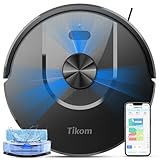
Overview: The Tikom L8000 Pro delivers flagship-level suction power at a mid-range price of $199.99. With an industry-leading 6,000Pa suction and advanced LiDAR navigation, this robot targets performance-focused users who want maximum cleaning power without paying premium brand premiums. The 2-in-1 vacuum and mop combo offers multi-map storage for up to five floor plans, making it ideal for multi-level homes with pets and varied flooring types.
What Makes It Stand Out: The 6,000Pa suction exceeds even premium competitors, automatically boosting on carpets for deep cleaning. Operating at just 45dB in quiet mode, it’s among the quietest high-performance robots available. The ability to store five maps surpasses most competitors limited to 2-3 maps, benefiting duplex or multi-story homeowners. The 1.5x larger dustbin and water tank reduce interruption frequency during whole-home cleaning cycles.
Value for Money: At $199.99, the L8000 Pro undercuts Roborock and Ecovacs models with similar suction by $150-200. You’re getting premium power and LiDAR navigation without the brand tax. The multi-map feature typically commands $300+ price tags. While runtime is moderate at 150 minutes, the auto-recharge and resume functionality ensures completion. This represents one of the best performance-to-price ratios in the robot vacuum market.
Strengths and Weaknesses: Pros: Class-leading 6,000Pa suction; Whisper-quiet 45dB operation; LiDAR navigation with 5-map storage; Automatic carpet boost; Large dustbin/water tank; Strong value proposition. Cons: 150-minute runtime shorter than some rivals; No self-emptying base; Brand less established than competitors; App ecosystem maturity uncertain; Customer support track record limited.
Bottom Line: The Tikom L8000 Pro is ideal for performance-driven buyers who prioritize suction power and quiet operation. Its multi-map storage makes it perfect for multi-level homes. While it lacks self-emptying convenience, the raw cleaning power and smart navigation rival robots twice its price. Choose this for heavily soiled floors or pet-heavy households where suction strength matters most.
Why Self-Empty Bases Transform Pet-Friendly Homes
The magic of self-emptying technology lies in its ability to break the manual emptying cycle that renders standard robot vacuums impractical for serious pet owners. When a robot vacuum cleans a home with one or more shedding pets, its internal dustbin often reaches capacity within 20-30 minutes. This means the device returns to its dock after cleaning just a few rooms, requiring you to manually empty it before the next cycle can begin. Self-emptying bases eliminate this bottleneck by transferring debris into a sealed bag after each cleaning session, effectively giving your robot unlimited capacity to continue its work.
Understanding the Self-Emptying Mechanism
Most self-emptying systems use powerful suction to pull debris from the robot’s dustbin into a disposable or reusable bag housed in the charging dock. This transfer typically takes 10-20 seconds and occurs automatically when the robot docks. For pet owners, this means several days’ worth of fur, litter, and dander can accumulate in the base before you need to intervene. The sealed bag system also prevents the cloud of allergens that often escapes when emptying a traditional dustbin—a crucial benefit for households with allergy sufferers.
Real-World Benefits for Pet Owners
In multi-pet homes, the volume of debris often exceeds what manufacturers advertise for non-pet environments. A German Shepherd can produce enough shed hair in a week to fill a standard robot dustbin three times over. Self-emptying bases handle this volume gracefully, allowing you to schedule daily cleanings during shedding season without becoming a slave to the device. The psychological benefit is equally significant: instead of seeing a full dustbin as a reminder of endless chores, you replace a sealed bag every few weeks, making pet ownership feel less overwhelming.
Suction Power: The Non-Negotiable Foundation
When evaluating robot vacuums for pet hair, suction power isn’t just a number—it’s the difference between superficially pushing fur around and actually extracting it from deep within carpet fibers. Pet hair has a remarkable ability to weave itself into textiles, clinging with static electricity and natural oils. Weak suction leaves behind the root layer of hair that continues to accumulate and eventually requires manual extraction.
Measuring Suction: What Those Numbers Actually Mean
Manufacturers typically list suction in Pascals (Pa), with premium models ranging from 2,500 to 8,000 Pa. For pet owners, 4,000 Pa represents the minimum effective threshold for homes with carpet and moderate shedding. However, raw suction only tells part of the story. Airflow design, brush agitation, and seal quality against floors collectively determine real-world performance. A robot with 5,000 Pa but poor brush contact might underperform a 3,500 Pa model with optimized engineering. Look for specifications that mention “consistent suction” rather than peak numbers, as pet hair removal requires sustained performance across entire cleaning sessions.
Brush Systems: Your First Line of Defense Against Tangles
The brush roll is where most robot vacuums fail pet owners. Traditional bristle brushes act like Velcro for pet hair, wrapping tightly around the axle and requiring frequent cutting and pulling to maintain performance. This maintenance nightmare defeats the purpose of an autonomous cleaning system.
Rubber Extractors vs. Bristle Brushes
Modern pet-focused designs use rubber extractors—flexible, finned rollers that create a whipping action to pull hair into the suction channel without allowing it to wrap. These extractors can handle weeks of shedding before requiring cleaning, and when they do need attention, hair slides off easily without tools. Some advanced systems even include self-cleaning mechanisms that actively remove wrapped hair during the emptying cycle. If you have long-haired pets or multiple animals, avoid any model that doesn’t explicitly feature anti-tangle rubber brushes.
Side Brush Considerations
Side brushes sweep debris from corners and edges into the robot’s path, but they become notorious for winding up pet hair. Look for designs with short, firm bristles and slower rotation speeds that agitate without grabbing. Some premium systems use silicone-tipped side brushes that resist hair wrapping while still effectively cleaning along baseboards. The placement matters too—robots with side brushes positioned higher off the ground tend to pick up less hair and require less frequent detangling.
Filtration Technology: Capturing Dander and Allergens
Pet dander consists of microscopic skin flakes that trigger allergic reactions and asthma. Standard filters capture visible debris but allow these tiny particles to recirculate into your home’s air. For pet owners, filtration isn’t a luxury feature—it’s a health necessity.
HEPA Filters and Pet Allergies
True HEPA filters capture 99.97% of particles down to 0.3 microns, effectively trapping dander, dust mite waste, and pollen that rides in on your pets’ fur. In self-emptying systems, filtration occurs at two points: within the robot itself and at the base station. The most effective designs use multi-stage filtration with a HEPA filter in the robot to protect the motor, and another in the base to prevent dust from escaping during the emptying process. Some systems even seal the dust bag with a cap during removal, creating a hygienic disposal process that doesn’t release captured allergens back into your breathing space.
Navigation and Mapping: Strategic Fur Patrol
Random-bouncing robots might eventually cover your floors, but they lack the intelligence to address pet-specific challenges like concentrated hair zones, litter box perimeters, and feeding areas. Smart navigation transforms your robot from a simple sweeper into a strategic cleaning partner.
AI-Powered Obstacle Detection for Pet Toys and Accidents
The latest navigation systems use AI cameras and sensors to recognize and avoid pet toys, water bowls, and even pet waste—preventing the nightmare scenario of smearing accidents across your entire home. This technology learns the difference between a sock and a cat toy, between a shadow and a pile of kibble. For homes with puppies or senior pets prone to accidents, this feature isn’t just convenient; it’s essential. Look for systems that specifically mention “pet waste avoidance” or “object recognition” rather than generic obstacle detection.
Virtual Boundaries and No-Go Zones
Advanced mapping allows you to create invisible barriers around pet beds, food stations, and delicate areas without physical accessories. During shedding season, you can designate high-traffic zones for more frequent cleaning while keeping the robot away from areas where your pets feel secure. The best systems let you schedule different zone cleaning on different days—perhaps daily vacuuming of the living room where your dog naps, but only weekly passes through the spare room where the cat tree stands.
Dust Bag Capacity Planning for Your Specific Pets
Manufacturers advertise base station capacities in terms of days or weeks, but these numbers assume non-pet households. Pet owners need to calculate real-world capacity based on their specific animals, flooring types, and seasonal shedding patterns.
Calculating Bag Changes Based on Pet Type and Count
A single short-haired cat might allow a standard bag to last 30 days, while three Siberian Huskies could fill the same bag in under a week. The calculation depends on shedding volume, but also on whether your pets track in outdoor debris. Long-haired breeds release more total hair weight even if the individual strands are less noticeable. Dust bags typically hold 2-4 liters of debris, with each full robot dustbin holding about 0.4 liters. If your robot needs to empty twice per cleaning cycle, a 2-liter bag fills after just 2-3 cycles. During spring shedding, expect to change bags 2-3 times more frequently than in winter.
Smart Features That Actually Matter for Pet Owners
While app control and voice commands are standard, certain smart features provide disproportionate value in pet households. The key is distinguishing between gimmicks and genuinely useful automation.
Scheduling Around Shedding Cycles
The most valuable smart feature is flexible scheduling that adapts to your pets’ routines and seasonal changes. Rather than a simple daily timer, look for systems that allow you to create different schedules for different zones, increase frequency during shedding season, and pause cleaning when you’re home with anxious pets. Some advanced models even integrate with weather data, automatically increasing cleaning frequency on rainy days when pets track in more mud and debris.
Integration with Pet Cameras and Smart Homes
Integration with smart home ecosystems allows your robot to coordinate with air purifiers, triggering enhanced cleaning when air quality sensors detect elevated dander levels. Pet camera integration lets you manually start a cleaning cycle via your camera’s app when you spot a mess while away from home. This ecosystem approach transforms individual devices into a comprehensive pet home management system.
Maintenance Routines to Maximize Performance
Even the best self-emptying robot vacuums require periodic maintenance, but the frequency and difficulty vary dramatically between designs. Understanding the full maintenance picture prevents buyer’s remorse when you discover hidden cleaning requirements.
Seasonal Deep-Cleaning Protocols
During heavy shedding periods, plan to clean the robot’s sensors, brushes, and wheels weekly to maintain optimal performance. Hair wraps around wheel axles and clogs optical sensors, reducing navigation accuracy. The emptying chute between the robot and base can become clogged with compacted fur, requiring monthly inspection. Choose designs with tool-free access to critical components—models requiring screwdrivers for routine cleaning quickly become frustrating. The best systems include maintenance reminders in their apps that are calibrated for pet households, alerting you to check brushes after a certain number of hours rather than generic time intervals.
Battery Performance in High-Traffic Pet Homes
Pet debris demands more from robot vacuums than standard dust, requiring longer run times and more frequent recharging. A robot that cleans efficiently but can’t complete your home in one cycle creates gaps in coverage that become obvious hair accumulation zones.
Recharge & Resume Functionality
The recharge and resume feature is non-negotiable for pet owners. When battery runs low, the robot returns to its base, recharges, then continues cleaning exactly where it left off. In pet homes, this often means multiple cycles per cleaning session. Look for systems that remember multiple floor maps if you have a multi-story home, as carrying the base between floors defeats the convenience factor. Battery capacity of at least 5,000 mAh typically provides 90-120 minutes of runtime, enough for 1,500-2,000 square feet before recharging.
Noise Levels: Keeping Your Pets Calm During Cleaning
The emptying process itself generates significant noise—often louder than the vacuuming—which can startle pets and create negative associations with the device. Understanding acoustic profiles helps maintain household harmony.
Acoustic Management Strategies
Premium self-emptying bases operate at 70-80 decibels during emptying, comparable to a garbage disposal. This sudden loud noise can frighten anxious dogs or cats. Look for models offering “quiet empty” modes that extend the transfer time to reduce noise, or schedule emptying during times when pets are outdoors or in another part of the home. Some bases allow you to disable automatic emptying, letting the robot dock silently and transferring debris only during scheduled “quiet hours” when your pets are less likely to be disturbed.
Total Cost of Ownership: Beyond the Sticker Price
The initial purchase price tells only a fraction of the story for pet owners, who face ongoing costs for replacement bags, filters, and brushes that accumulate faster than in non-pet homes.
Calculating Long-Term Operating Expenses
Dust bags typically cost $2-5 each and last 30-60 days in non-pet homes, but pet owners often need replacements every 10-20 days. Over three years, bag costs can exceed $200. HEPA filters require replacement every 2-3 months in pet households, adding another $30-50 annually. Rubber extractors last longer than bristle brushes but still need replacement yearly at $20-40 per set. When comparing models, calculate the three-year total cost including these consumables. Sometimes a more expensive robot with reusable bags and washable filters proves more economical long-term than a budget model with proprietary, expensive consumables.
Frequently Asked Questions
How often do I really need to change the dust bag with multiple pets?
With two medium-to-large shedding dogs, expect to replace a standard 2-liter dust bag every 7-10 days during peak shedding seasons, and every 2-3 weeks during low-shedding periods. Cats typically extend this to 3-4 weeks due to their self-grooming habits reducing loose hair on floors. Always monitor the app notifications, but visually check the bag monthly as compacted pet hair can trigger premature “full” warnings.
Will a robot vacuum with a self-empty base handle cat litter effectively?
Yes, but success depends on litter type and brush design. Clumping clay litter vacuums easily, but lightweight crystal or paper litters can scatter. Choose a model with strong side brushes that direct litter inward rather than outward, and set no-go zones within 2-3 feet of the litter box to prevent tracking. The self-emptying base is particularly valuable here, as litter quickly fills standard dustbins.
Do self-emptying robot vacuums help with pet allergies?
Significantly. The combination of HEPA filtration and sealed bag disposal prevents the allergen cloud that occurs when manually emptying traditional vacuums. For maximum benefit, run the robot daily to capture dander before it settles into upholstery, and ensure your model has true HEPA filtration (not “HEPA-like” or “HEPA-style”) at both the robot and base station levels.
How do I prevent my dog from being scared of the emptying noise?
Introduce the robot gradually by running it without the emptying function for the first week, letting your dog acclimate to the quieter vacuuming sound. Use treats to create positive associations, and schedule the first few automatic emptyings when your dog is outside or in a different room. Many modern bases offer “quiet mode” settings that reduce noise by extending the emptying duration—activate this during the adjustment period.
Are rubber extractors really better than bristle brushes for long-haired cats?
Absolutely. Long cat hair wraps around bristle brush axles within 2-3 cleaning cycles, requiring manual cutting and removal. Rubber extractors resist wrapping through their flexible, finned design that flexes as hair approaches. In homes with long-haired cats, rubber extractors reduce maintenance from daily to monthly, making the difference between a useful tool and a frustrating toy.
Can robot vacuums avoid pet waste and vomit?
Premium models with AI cameras and object recognition can identify and avoid pet waste with 95%+ accuracy, but no system is foolproof. For puppies or senior pets still having accidents, supervise the first dozen cleaning cycles to verify avoidance. Some manufacturers specifically train their AI on pet waste images, so look for this explicit feature rather than generic obstacle avoidance if this is a primary concern.
What’s the ideal cleaning schedule for a home with seasonal shedding?
During heavy shedding (spring and fall), schedule daily cleaning of high-traffic zones where your pets spend most of their time, with full-home cleaning 3-4 times weekly. In low-shedding periods, reduce to 3-4 full cleanings weekly. The beauty of self-emptying bases is that increased frequency doesn’t increase your workload—the robot handles the extra sessions autonomously.
Do I still need a traditional vacuum with a robot and self-empty base?
For most pet owners, a robot vacuum with self-empty base handles 85-90% of daily maintenance, but you’ll still want a traditional vacuum for stairs, upholstery, and deep carpet cleaning every 4-6 weeks. Think of the robot as your daily maintenance crew and your traditional vacuum as the monthly deep-cleaning specialist—together they eliminate the constant battle with pet hair.
How long do HEPA filters really last in homes with multiple pets?
Plan to replace HEPA filters every 6-8 weeks in multi-pet homes, compared to the 3-6 month rating for non-pet households. Visual inspection helps—if the filter appears gray or clogged before the recommended interval, replace it. Using washable pre-filters can extend HEPA life by capturing larger debris first, reducing the load on the primary filter.
Are self-emptying bases worth the extra cost for single-pet homes?
Even with one pet, self-emptying bases typically pay for themselves within 6-12 months through time savings and consistent cleaning. Single cats or small dogs produce enough debris to fill a robot dustbin every 1-2 cycles, meaning you’d empty a standard robot 3-4 times weekly. The base reduces this to a 30-second bag change every 3-4 weeks, making consistent cleaning effortless rather than another chore to remember.