Between soccer practice, last-minute work calls, and that eternal “what’s for dinner?” question looming at 5 PM, modern life demands kitchen solutions that work smarter, not harder. Smart slow cookers and multi-cookers have evolved from simple countertop appliances into sophisticated culinary assistants that can transform raw ingredients into restaurant-quality meals while you’re tackling your to-do list. These time-saving powerhouses don’t just cook your food—they strategize, adapt, and optimize your entire meal preparation workflow, giving you back the precious evening hours that used to be lost to frantic cooking sessions.
Understanding what separates a truly time-saving smart cooker from a basic programmable model can mean the difference between a device that revolutionizes your routine and one that becomes an expensive paperweight. Whether you’re a meal prep enthusiast looking to batch-cook entire weeks or a busy parent who needs dinner ready when you walk through the door, the right combination of features, capacity, and connectivity can shave hours off your weekly kitchen time. Let’s explore the technology, features, and strategies that make these appliances indispensable time-saving tools.
Top 10 Smart Slow Cookers
Detailed Product Reviews
1. Crock-Pot 7-Quart Slow Cooker, Portable Programmable with Timer, Locking Lid, Stainless Steel; an Essential Kitchen Appliance, Perfect for Families and Gatherings
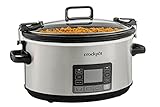
Overview: The Crock-Pot 7-Quart Slow Cooker modernizes the classic appliance with programmable precision and travel-friendly design. This stainless steel workhorse serves 7+ people, making it ideal for families and gatherings. The MyTime technology and locking lid system elevate it beyond basic slow cookers, promising perfectly timed meals and spill-free transport.
What Makes It Stand Out: MyTime technology intelligently adjusts cooking cycles to deliver food exactly when scheduled, eliminating overcooked meals. The travel-proof locking lid creates a superior seal that prevents leaks during transport—a genuine game-changer for potlucks. The flat digital control screen offers intuitive scheduling, while the 7-quart capacity handles large roasts and batches with ease.
Value for Money: At $109.99, this sits in the mid-range for programmable slow cookers. While pricier than basic models, the MyTime feature and superior portability justify the cost. Comparable units with locking lids often exceed $120, making this a solid value for frequent entertainers. The auto-adjustment cooking cycle ensures consistent results, protecting your food investment.
Strengths and Weaknesses: Pros: Intelligent MyTime programming, excellent leak-proof lid, generous capacity, intuitive digital controls, portable design. Cons: Limited to slow cooking only (no searing), larger footprint requires storage space, stainless steel shows fingerprints, price may be steep for occasional users who don’t need transport features.
Bottom Line: This Crock-Pot excels for families who value convenience and portability. If you regularly transport meals or need precise timing, it’s worth every penny. For basic slow cooking without travel needs, simpler models suffice, but the MyTime feature and locking lid make this a standout choice for active households.
2. Ninja® 12-in-1 PossibleCooker™ PLUS | 8.5-qt - Sous Vide & Proof Multi-Cooker | Slow Cooker, Dutch Oven & More | Glass Lid & Integrated Spoon | Nonstick | Oven Safe Pot to 500°F | Black | MC1010

Overview: The Ninja 12-in-1 PossibleCooker PLUS is a versatile 8.5-quart multi-cooker that consolidates a dozen kitchen tools into one powerful appliance. From slow cooking to sous vide, this unit functions as a Dutch oven, sauté pan, and more. The integrated spoon and glass lid add convenience to its impressive repertoire, serving up to 20 people.
What Makes It Stand Out: Triple Fusion Heat Technology combines bottom, side, and steam heat to cook up to 30% faster than conventional ovens. The ability to sear proteins and sauté vegetables directly in the pot eliminates stovetop transfers entirely. With 12 functions including proofing and sous vide, it replaces numerous appliances while the 8.5-quart capacity entertains large crowds effortlessly.
Value for Money: At $129.99, this multi-cooker delivers exceptional versatility. Replacing 12 separate appliances would cost $300-500, making it economically brilliant. The oven-safe pot to 500°F provides premium features at a mid-range price. For entertainers needing multiple cooking methods, this outperforms single-function cookers and justifies every dollar through consolidation.
Strengths and Weaknesses: Pros: 12 cooking functions, Triple Fusion Heat for faster cooking, sears directly in pot, oven-safe to 500°F, massive 8.5-quart capacity, integrated spoon storage. Cons: Learning curve for multiple functions, large size demands counter/storage space, nonstick coating longevity concerns, no app connectivity, may overwhelm occasional cooks.
Bottom Line: Perfect for entertainers and kitchen minimalists, this Ninja replaces multiple appliances without compromise. The searing capability and faster cooking times are genuine advantages. If you need maximum versatility in one pot, this is your best bet under $150. Occasional cooks may find it overwhelming, but ambitious home chefs will appreciate its capabilities.
3. CHEF iQ Smart Pressure Cooker with WiFi and Built-in Scale - Easy-to-Use 10-in-1 Multicooker with 500+ Guided Recipes - Rice Cooker, Slow Cooker, Instant Meals for Foodies - 6 Quart - Family Size

Overview: The CHEF iQ Smart Pressure Cooker is a WiFi-enabled 6-quart multi-cooker that elevates one-pot cooking through technology integration. With a built-in scale, auto pressure release, and 500+ guided recipes via app, this appliance targets tech-savvy foodies seeking precision. The family-sized capacity handles everyday meals while the app provides culinary guidance.
What Makes It Stand Out: The built-in scale with four smart sensors eliminates measuring cups, calculating exact liquid requirements automatically. Auto pressure release enhances safety with three methods (quick, pulse, natural). The CHEF iQ app provides video-guided recipes that send precise parameters directly to the cooker, creating a seamless, guess-free cooking experience with hundreds of presets.
Value for Money: At $199.99, this is a premium investment. While expensive compared to basic pressure cookers, the WiFi connectivity, built-in scale, and guided recipe library add significant value. Comparable smart cookers often lack integrated scales, justifying the price for tech enthusiasts. The 10-in-1 functionality and app ecosystem deliver strong ROI for users who embrace the digital features.
Strengths and Weaknesses: Pros: Built-in scale for precision, WiFi/Bluetooth connectivity, 500+ guided video recipes, auto pressure release for safety, 10-in-1 functionality, app integration. Cons: Highest price point, requires app for full functionality, smaller 6-quart capacity limits large gatherings, learning curve for tech features, WiFi dependency may frustrate traditional cooks.
Bottom Line: Ideal for tech-forward cooks who value precision and guidance. The scale and app integration genuinely simplify cooking, but only if you’ll use them. Traditional cooks may find connectivity unnecessary. For foodies seeking a digital sous-chef experience, it’s worth the premium. Otherwise, simpler multi-cookers offer better value without the tech overhead.
4. Ninja MC1001 Foodi PossibleCooker PRO 8.5 Quart Multi-Cooker, with 8-in-1 Slow Cooker, Dutch Oven, Steamer, Glass Lid Integrated Spoon, Nonstick, Oven Safe Pot to 500°F, Sea Salt Gray

Overview: The Ninja MC1001 Foodi PossibleCooker PRO is an 8.5-quart multi-cooker that replaces an impressive 14 cooking tools and appliances. This upgraded model in sea salt gray combines slow cooking, Dutch oven functionality, steaming, and more. The oven-safe pot and integrated spoon make it a comprehensive solution for large-scale cooking and entertaining.
What Makes It Stand Out: Replacing 14 appliances represents the highest consolidation on the market. Triple Fusion Heat Technology speeds cooking by 30% through bottom, side, and steam heat. The 8.5-quart capacity serves massive gatherings, while the oven-safe pot to 500°F allows finishing dishes with crispy tops. Direct searing eliminates stovetop steps completely.
Value for Money: At $169.95, it commands a premium over the 12-in-1 model. The additional functions (steamer, steam oven) justify the $40 difference for serious cooks. Replacing 14 appliances would cost $400-600, making it economically smart. For entertainers needing maximum versatility, the extra functions deliver strong ROI, though average households may not utilize them all.
Strengths and Weaknesses: Pros: Replaces 14 tools, Triple Fusion Heat, sears directly, oven-safe to 500°F, massive capacity, integrated spoon. Cons: Expensive, large footprint dominates counters, may be overkill for small households, nonstick durability concerns, steep learning curve, limited color options, marginal upgrade over 12-in-1 for most users.
Bottom Line: The ultimate kitchen consolidator for frequent entertainers and large families. If you regularly cook for crowds and want one appliance to rule them all, this is your answer. The 14-in-1 versatility is unmatched. For average households, the 12-in-1 version offers better value. This PRO model suits ambitious home chefs who will leverage every function.
5. Hamilton Beach 4 Quart Programmable Slow Cooker with Flexible Easy Programming, 5 Cooking Times, Dishwasher-Safe Crock & Lid, Silver (33443)

Overview: The Hamilton Beach 4 Quart Programmable Slow Cooker is a straightforward, reliable appliance for smaller households. With flexible programming options and dishwasher-safe components, this silver cooker focuses on simplicity and ease of use. The full-grip handles and compact size make it practical for everyday family meals and occasional potlucks, serving 4+ people.
What Makes It Stand Out: The flexible programming allows mixing warm/low/high settings with 2, 4, 6, 8, or 10-hour cook times—offering 15 combinations for precise control. The automatic keep-warm function activates after cooking. Full-grip handles enhance portability safely, while the dishwasher-safe crock and lid simplify cleanup significantly compared to hand-wash-only models.
Value for Money: At $58.95, this is exceptional value. It’s among the most affordable programmable slow cookers from a reputable brand. While lacking multi-functionality, it delivers core slow cooking perfectly. Budget competitors often skip programmable features, making this a smart choice for cost-conscious buyers wanting reliability without complexity or unnecessary bells and whistles.
Strengths and Weaknesses: Pros: Excellent price point, 15 programmable options, automatic keep-warm, dishwasher-safe parts, portable handles, simple operation. Cons: Limited to slow cooking only, 4-quart capacity suits small families (4 people max), no locking lid for transport, basic digital display, no searing capability, stoneware crock is heavy.
Bottom Line: Perfect for small families, beginners, or anyone wanting reliable slow cooking without frills. The programming flexibility is genuinely useful, and the price is hard to beat. If you don’t need multi-cooking functions or large capacity, this delivers exactly what you need. A no-brainer for budget-conscious cooks prioritizing simplicity over versatility.
6. STIRMAX PLUS 7.5 Quart Digital Multi-Cooker with Automatic Paddle to Stir and Shred, 9 in 1 programmable presets to Sauté, Sear, and Brown Food Before Simmering – Accessories & Cookbook Included

Overview: The STIRMAX PLUS positions itself as a hands-free cooking solution for busy households, combining a generous 7.5-quart capacity with an innovative automatic stirring paddle. This digital multi-cooker promises to handle everything from searing to simmering while actively stirring your food—essentially acting as your personal sous chef. With nine pre-programmed presets and dishwasher-safe components, it targets families seeking convenience without constant monitoring.
What Makes It Stand Out: The 360° automatic paddle is genuinely distinctive at this price point, mechanically stirring and even shredding ingredients mid-cook—a feature typically reserved for premium European brands. The “Stirmax” and “Braisemax” smart presets automatically sequence cooking methods, searing proteins before transitioning to simmer without manual intervention. The ceramic-coated pot claims five times more durability than standard nonstick, while accommodating two whole chickens or six pounds of pork.
Value for Money: At $66.33, this cooker sits in the sweet spot between basic slow cookers and high-end multi-cookers. You’re getting programmable functionality, sauté capability, and the unique stirring mechanism for roughly the same price as a manual Crock-Pot with fewer features. While unknown brands can be risky, the feature set rivals $120+ competitors, making it an aggressive value play if the build quality holds up.
Strengths and Weaknesses: Strengths include the novel automatic stirring that prevents burning and ensures even cooking, true one-pot meal capability with searing function, family-sized capacity, and effortless cleanup. The ceramic coating is genuinely dishwasher-safe. Weaknesses involve the unproven brand longevity—customer service and durability remain question marks. The paddle mechanism may be another failure point over time, and some users might find it unnecessary for simpler recipes. The interface may also feel less refined than established competitors.
Bottom Line: The STIRMAX PLUS is an excellent choice for busy parents and meal-prep enthusiasts who’ll actually use the stirring feature. If you regularly make stews, shredded meats, or risottos, the automation justifies the price. For those wanting basic slow cooking, simpler options exist, but this offers compelling innovation without premium cost.
7. Crock-Pot 7 Quart Oval Manual Slow Cooker, Stainless Steel (SCV700-S-BR), Versatile Cookware for Large Families or Entertaining

Overview: This Crock-Pot delivers exactly what the brand has perfected for decades: reliable, no-fuss slow cooking without digital complexity. The 7-quart oval design serves 9+ people and accommodates large roasts, making it ideal for family dinners and gatherings. With simple manual controls—high, low, and warm settings—it embraces the “set it and forget it” philosophy that made Crock-Pot a household name.
What Makes It Stand Out: In an era of overwhelming digital interfaces, this model’s manual simplicity is refreshing. The removable stoneware insert is genuinely versatile, transitioning from slow cooker base to microwave or oven up to 400°F, then directly to the table for serving. This eliminates extra dishes and expands cooking possibilities. The trusted Crock-Pot name ensures consistent heating and decades of proven reliability, while the stainless steel exterior maintains a clean, classic look.
Value for Money: At $47.99, this represents exceptional value. You’re paying for durability and brand trustworthiness rather than flashy features. Comparable programmable models cost nearly double, while off-brand competitors lack the oven-safe stoneware versatility. For anyone who doesn’t need digital timers, this is arguably the best dollar-for-dollar slow cooker available.
Strengths and Weaknesses: Strengths include unbeatable simplicity—anyone can operate it immediately—the versatile oven-safe stoneware, generous capacity for large cuts of meat, dishwasher-safe components, and legendary brand reliability. The price point is accessible for most budgets. Weaknesses are the lack of programmable timer (requiring manual shutoff), absence of sauté function (necessitating a separate pan for browning), and basic temperature control without precision. Power outages will stop cooking without auto-resume.
Bottom Line: Perfect for traditionalists and busy families who prioritize reliability over gadgets. If you want to dump ingredients in the morning and return to a cooked meal without learning digital controls, this is your cooker. The oven-safe insert is a genuinely useful feature that justifies choosing this over cheaper alternatives.
8. Crock-Pot Large 8-Quart Programmable Slow Cooker with Auto Warm Setting Black Stainless Steel

Overview: Crock-Pot’s programmable 8-quart model bridges the gap between basic manual cookers and advanced multi-cookers, offering digital convenience with the brand’s trusted slow-cooking core. Designed for serious meal prep and holiday hosting, it serves 10+ people and fits substantial cuts of meat. The digital timer counts down up to 20 hours, automatically shifting to warm when complete—eliminating the timing guesswork that plagues manual models.
What Makes It Stand Out: The memory function is a standout feature rarely seen in this price tier, automatically resuming previous settings after brief power outages—a lifesaver during storms. The 8-quart capacity is genuinely massive, handling turkeys and large roasts that smaller cookers can’t. The auto-warm function maintains food at safe serving temperatures for hours without overcooking, while the black stainless finish provides a modern aesthetic upgrade over traditional designs.
Value for Money: At $94.81, you’re paying a $45 premium over the manual version for programmable convenience and larger capacity. This is fair—competitors with similar features often exceed $120. The memory function alone adds value for those in areas with unreliable power. However, it lacks sauté capability, which some similarly-priced multi-cookers offer.
Strengths and Weaknesses: Strengths include the huge capacity for batch cooking, reliable programmable timer with auto-warm, power outage memory retention, dishwasher-safe stoneware and lid, and Crock-Pot’s proven heating consistency. The digital display is clear and intuitive. Weaknesses involve the lack of browning/searing function, requiring a separate pan. The black stainless finish, while attractive, may show fingerprints more than traditional stainless. At 8 quarts, it’s also quite large for smaller kitchens.
Bottom Line: Ideal for large families and entertainers who need capacity and programmable convenience without multi-cooker complexity. The memory function makes it particularly valuable in areas prone to brief power interruptions. If you don’t need sautéing and want trusted slow-cooking with digital precision, this delivers excellent capacity for the price.
9. Ninja MC1101 Foodi Everyday Possible Cooker Pro, 8-in-1 Versatility, One-Pot Faster Cooking Replaces 10 Tools, Family-Sized Capacity with Adjustable Temp Control, 6.5 quarts, Midnight Blue

Overview: Ninja’s 8-in-1 cooker targets countertop consolidation, replacing ten kitchen tools with one 6.5-quart system. It handles slow cooking, searing, braising, rice cooking, and more while claiming 30% faster cooking than traditional methods. The midnight blue finish distinguishes it from typical stainless steel appliances, appealing to design-conscious buyers. With adjustable temperature control and true one-pot workflow, it eliminates the need to transfer ingredients between pans.
What Makes It Stand Out: The “replaces 10 tools” claim is backed by genuine versatility—this genuinely can replace your sauté pan, rice cooker, and Dutch oven. Ninja’s reputation for robust heating elements means the searing function actually achieves proper browning, unlike weaker competitors. The 50% faster rice cooking claim is substantial for weekly meal preppers. The family-sized capacity, while slightly smaller than some slow cookers, is optimized for one-pot meals rather than just large roasts.
Value for Money: At $129.99, it competes directly with mid-range Instant Pots and premium slow cookers. The value lies in genuine space savings—if it replaces three appliances, it pays for itself. However, the 6.5-quart capacity may disappoint those expecting Ninja’s typical large-format offerings. It’s priced fairly for the feature set and brand premium, but not a bargain.
Strengths and Weaknesses: Strengths include exceptional versatility with eight true functions, quality searing capability, faster cooking times, space-saving design, and Ninja’s reliable build quality. The nonstick pot cleans easily. Weaknesses are the slightly reduced capacity compared to dedicated slow cookers, premium pricing that may overlap with Instant Pot’s pressure cooking (which this lacks), and the midnight blue finish may not suit all kitchens. The control panel has a learning curve.
Bottom Line: Perfect for apartment dwellers and those prioritizing counter space over maximum capacity. If you want to sear, slow cook, and make rice in one pot without pressure cooking complexity, this excels. For large families needing 8+ quart capacity, look elsewhere. It’s a premium convenience appliance that delivers on its consolidation promise.
10. Hamilton Beach 6 Quart 9-in-1 Programmable Slow Cooker with Sear, Browning, Rice, Steam, Sauté, Roast Delay Start & Keep Warm Functions, Nonstick PFAS-Free Dishwasher Safe Crock, Black (33604)
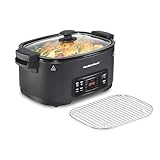
Overview: Hamilton Beach’s 9-in-1 cooker challenges Ninja and Instant Pot with comprehensive functionality at a competitive price point. The 6-quart rectangular pot accommodates diverse foods from lasagna to whole chickens, while nine cooking modes—including true searing and a 15-hour delay start—offer meal-planning flexibility. The PFAS-free nonstick ceramic coating addresses health concerns, and the black finish provides a sleek alternative to stainless.
What Makes It Stand Out: The rectangular pot shape is genuinely practical for casseroles and layered dishes that round crocks can’t handle well. The delay start function (1-15 hours) adds convenience for rice and steaming, allowing precise meal timing. Being able to sear directly in the ceramic pot without transferring food is a standout feature—many competitors require this step separately. The PFAS-free coating is increasingly important to health-conscious consumers, giving it an edge over traditional nonstick.
Value for Money: At $126.95, it undercuts the Ninja while offering more cooking functions (9 vs 8) and thoughtful features like delay start. The rectangular pot adds practical value for certain recipes. You’re getting premium multi-cooker capabilities without the premium brand markup. However, Hamilton Beach’s long-term durability may not match Ninja’s, and the 6-quart capacity is modest for the price.
Strengths and Weaknesses: Strengths include versatile 9-in-1 functionality, PFAS-free ceramic coating, practical rectangular pot shape, effective searing capability, convenient delay start, and competitive pricing. The controls are straightforward. Weaknesses involve the smaller 6-quart capacity compared to similarly-priced slow cookers, brand perception that’s less premium than Ninja, and the black finish may show wear over time. It lacks pressure cooking found in some competitors at this price.
Bottom Line: A feature-rich alternative to pricier brands, ideal for health-conscious buyers wanting PFAS-free cooking surfaces. The rectangular pot and delay start make it particularly suited for casseroles and planned meals. If brand prestige matters less than functionality and safety, this delivers excellent versatility. For larger families, consider the capacity limitation carefully.
The Evolution of Time-Saving Kitchen Technology
The journey from traditional slow cookers to today’s intelligent multi-cookers represents a quantum leap in culinary convenience. Early slow cookers offered a simple promise: set it in the morning, return to a ready meal. While revolutionary for their time, they lacked precision, often overcooking vegetables and offering no flexibility for schedule changes. The introduction of programmable timers in the 1990s added a layer of control, but true innovation arrived with microprocessor technology and pressure cooking integration.
Today’s smart cookers combine multiple appliances into one, eliminating the need for separate rice cookers, yogurt makers, steamers, and sauté pans. This consolidation alone saves significant cabinet space and reduces the time spent switching between tools. The real game-changer, however, is the integration of sensors and algorithms that monitor temperature, pressure, and moisture levels in real-time, adjusting cooking parameters automatically. This means your pot roast won’t turn to mush if you’re delayed by traffic—the cooker detects when food is done and switches to keep-warm mode with precision that prevents overcooking.
What Makes a Cooker “Smart”?
The term “smart” gets thrown around liberally in kitchen appliances, but genuine intelligence goes beyond a simple digital display. True smart cookers feature microprocessor-controlled cooking logic that responds to feedback from internal sensors. These devices continuously monitor conditions and make hundreds of micro-adjustments throughout the cooking process, something human operators simply cannot replicate manually.
Connectivity represents the second pillar of smart functionality. Wi-Fi-enabled cookers allow you to monitor progress, adjust temperatures, and modify cook times from anywhere with internet access. This means you can delay the start of your meal if a meeting runs long or extend cooking time if you’re stuck in transit. The most advanced models even send notifications when ingredients need to be added at different stages—perfect for delicate vegetables or dairy that shouldn’t cook for hours.
Voice control integration through platforms like Amazon Alexa or Google Assistant adds another layer of hands-free convenience. Imagine starting a 30-minute pressure cook cycle while your hands are covered in raw chicken, simply by speaking a command. This feature proves invaluable when you’re multitasking or have messy hands mid-recipe.
Slow Cooker vs. Multi-Cooker: Understanding the Difference
Before investing in a time-saving appliance, you need to understand the fundamental differences between slow cookers and multi-cookers. While both can produce tender, flavorful meals with minimal active cooking time, their approaches and capabilities vary dramatically.
Core Functionality Comparison
Traditional slow cookers excel at low-and-slow cooking, using consistent, gentle heat over 6-10 hours to break down tough cuts of meat and develop deep flavors. They typically offer three settings—low, high, and warm—with minimal temperature variation. This simplicity makes them reliable but inflexible.
Multi-cookers, particularly those with pressure cooking capability, are the Swiss Army knives of the countertop. They combine slow cooking with pressure cooking, sautéing, steaming, rice cooking, yogurt making, and sometimes even air frying. The pressure cooking function can reduce cooking times by up to 70%, turning all-day slow cooker recipes into 45-minute weeknight realities. This versatility means you can brown your meat directly in the pot before slow cooking, eliminating a separate pan and saving both cooking and cleanup time.
Which One Saves More Time?
The answer depends entirely on your lifestyle. If you prefer loading ingredients before leaving for work and returning to a finished meal, a traditional slow cooker might serve you well. However, if you often forget to prep in the morning or need dinner flexibility, a multi-cooker’s speed becomes invaluable. A beef stew that requires 8 hours on low in a slow cooker can be pressure cooked in 35 minutes with comparable results.
Multi-cookers also save time through their sauté function. Instead of dirtying a skillet to brown meat or soften aromatics, you can do it directly in the cooking pot. This single-pot workflow reduces prep dishes by 40-50% according to user surveys, translating to significant time savings on cleanup alone.
Essential Smart Features That Actually Matter
When evaluating smart cookers, certain features genuinely impact your daily routine while others are mere gimmicks. Focus on capabilities that provide real-time control and automation rather than flashy but impractical additions.
Wi-Fi Connectivity and App Control
The ability to control your cooker remotely transforms how you approach meal planning. Quality apps offer more than basic start/stop functions—they provide recipe libraries with one-touch programming, grocery list generation, and step-by-step guided cooking. Look for apps that allow you to adjust temperature in real-time rather than just setting a preset. The best systems also offer firmware updates, meaning your appliance improves over time with new cooking algorithms and recipe presets.
True time-saving apps include delay start features that account for food safety, automatically calculating safe holding times for perishable ingredients. Some advanced models even integrate with your calendar, suggesting recipes based on your schedule and automatically starting cook cycles to align with your expected arrival home.
Voice Assistant Integration
Voice control shines in specific scenarios: when your hands are occupied, when you’re cleaning and want to check remaining cook time, or when you’re upstairs and want to start preheating. The most useful implementations allow natural language commands like “set the cooker to high for four hours” rather than rigid syntax. Ensure the integration works both on your home network and remotely through the cloud, so you can issue commands while driving home.
Programmable Settings and Scheduling
Beyond simple delay timers, sophisticated scheduling allows you to create multi-stage cooking programs. For example, you can program a recipe to pressure cook for 15 minutes, then automatically switch to slow cook for 2 hours to keep warm without overcooking. This “set it and forget it” precision ensures perfect results even with complex recipes, eliminating the need to manually intervene at specific times.
Capacity Considerations: Right-Sizing Your Purchase
Choosing the wrong capacity is one of the most common mistakes buyers make, directly impacting time-saving potential. A 6-quart cooker—the most popular size—serves 4-6 people comfortably, but your decision should factor in more than just household size.
Consider your meal prep habits. If you batch-cook lunches for the week, a larger 8-quart model lets you prepare 10-12 portions simultaneously, effectively saving you five separate cooking sessions. Conversely, a 3-quart mini cooker can save time for singles or couples by heating faster and requiring less ingredient prep, making it ideal for quick weeknight meals.
The shape matters too. Oval cookers accommodate whole chickens or roasts better, while round models heat more evenly for soups and stews. Some smart multi-cookers offer stackable inserts that let you cook multiple dishes simultaneously—imagine rice cooking below while steamed vegetables cook above, all in the same time it takes to make one component.
Material Matters: Inner Pot Construction
The inner pot material significantly affects both cooking performance and cleanup time—two critical factors in overall time savings. Stainless steel pots offer durability and dishwasher safety but may require more oil to prevent sticking and don’t distribute heat as evenly. Non-stick coated aluminum heats rapidly and cleans with a simple wipe but degrades over time and can’t withstand metal utensils.
Ceramic-coated pots represent the current sweet spot, offering non-stick properties without the chemical concerns of traditional coatings while providing excellent heat distribution. Some premium models feature tri-ply stainless steel with aluminum cores, combining durability with superior thermal conductivity. These high-end pots can reduce searing time by 20-30% and ensure more consistent results across the entire cooking surface.
Consider whether the pot is stovetop-safe. Being able to brown ingredients on your gas range, then transfer directly to the cooker eliminates a dish and captures all the flavorful fond from the bottom of the pan—pure time-saving gold for serious cooks.
Safety Features Worth Paying For
Modern pressure multi-cookers include multiple redundant safety systems, but smart features add another layer of protection that saves time and worry. Look for models with lid detection sensors that prevent pressure buildup if the seal isn’t perfect, and automatic pressure release that activates if internal temperatures exceed safe limits.
Leak detection technology monitors for steam escaping where it shouldn’t, automatically adjusting cooking parameters to compensate. This prevents the dreaded “burn” error that forces you to start over, wasting both ingredients and time. Some advanced units even detect when liquid levels are too low for safe pressure cooking, alerting you before you begin rather than mid-cycle.
Child lock features are essential for families, but smart locks that activate automatically when cooking begins provide true peace of mind. The best systems also include power outage recovery—if your electricity flickers, the cooker remembers exactly where it was in the cooking cycle and resumes appropriately when power returns.
Energy Efficiency: Do They Really Save Money?
While time savings are the primary focus, energy efficiency translates directly to cost savings that make these appliances even more attractive. Slow cookers use roughly the same energy as a standard light bulb—about 200 watts on high versus an oven’s 2,400 watts. Over an 8-hour cook cycle, a slow cooker consumes approximately 1.6 kWh compared to an oven’s 3.2 kWh for the same dish, cutting energy costs in half.
Multi-cookers are even more efficient when using pressure cooking. The sealed environment and reduced cook times mean they use 70% less energy than conventional cooking methods. A pressure-cooked pot roast that takes 45 minutes uses roughly 0.5 kWh versus the 2.5 kWh an oven would consume over 3 hours. Over a year of regular use, this can save $50-100 in electricity costs alone.
Smart features amplify these savings through precision. Automatic keep-warm modes drop power consumption to just 30-50 watts, and scheduling ensures you never accidentally leave the cooker running longer than necessary. Some models even integrate with smart home energy systems to run during off-peak hours when electricity rates are lower.
Cleaning and Maintenance: The Real Time-Saver
The time spent cleaning can quickly negate the convenience of any kitchen appliance. Smart design choices here separate exceptional cookers from average ones. Dishwasher-safe inner pots are non-negotiable, but also check whether the lid and sealing ring are dishwasher-safe—these components collect the most grime.
Self-cleaning cycles represent a major advancement. By adding water and a drop of dish soap, some cookers can steam-clean their own interiors in 5 minutes, loosening stuck-on food without scrubbing. Anti-stick interior coatings on the cooking base prevent burnt-on messes from boil-overs, while removable condensation collectors keep countertops clean.
Look for designs with minimal crevices where food can hide. One-piece silicone sealing rings outperform multi-piece rubber gaskets that trap odors and require disassembly. Some premium models feature auto-dry functions that circulate warm air after washing, preventing mildew growth on seals and saving you from having to towel-dry components manually.
Smart Cooking Tips for Maximum Efficiency
Owning a smart cooker is only half the battle—strategic usage determines how much time you’ll actually save. Master these techniques to transform your cooking workflow.
Meal Prep Strategies
Dedicate Sunday afternoon to prepping freezer dump meals—assemble raw ingredients in gallon bags, lay flat to freeze, then stack like books. In the morning, dump a frozen block directly into your cooker and add 1-2 hours to the cook time. The cooker will safely thaw and cook without any morning prep time. Smart scheduling lets you set this up the night before, so the cooker starts automatically at the optimal time.
Create “flavor base” ice cubes by freezing herbs in olive oil or broth in muffin tins. Pop a few cubes into your cooker for instant aromatics without chopping time. The best smart cookers can even store your custom recipes in the app, so once you perfect a dump meal combination, you can recreate it with one tap.
Ingredient Layering Techniques
Smart cookers work most efficiently when ingredients are layered correctly. Place dense root vegetables at the bottom where heat is highest, followed by meat, then delicate items on top. This eliminates the need to stir mid-cook, which releases heat and extends cooking time by 20-30 minutes. For pressure cooking, this layering prevents the burn error that occurs when thick sauces sit directly on the heating element.
Use foil slings to lift foods out easily—create a handles system with folded aluminum foil under roasts or cheesecakes. This 30-second prep saves minutes of fishing food out later and prevents burns. Smart cookers with sensor-based cooking can detect when food is lifted, automatically pausing timers until the lid is replaced.
Common Mistakes That Cost You Time
Even experienced users fall into traps that waste time rather than saving it. Overfilling is the cardinal sin—filling beyond two-thirds capacity in pressure mode prevents proper pressure buildup, forcing you to remove ingredients and start over. For slow cooking, overfilling means longer heat-up times and uneven cooking, often requiring you to finish dishes on the stovetop.
Neglecting the preheat function adds 15-20 minutes to pressure cooking. While it seems counterintuitive to wait for preheating when you’re in a hurry, starting the timer before the cooker reaches pressure results in undercooked food that needs additional cycles. Smart cookers with automatic preheating display exactly when pressure is reached, so you can prep other ingredients during this time.
Using the wrong liquid ratios creates the dreaded “burn” warning. Pressure cookers need thin liquids to create steam; thick sauces should be added after cooking. Smart models with liquid detection sensors alert you before starting, but many users override these warnings and waste time scrubbing burnt-on messes later.
Budget vs. Premium: Where to Invest Your Money
Smart cookers range from $60 basic models to $300+ premium units, and understanding where spending actually saves time helps you make a smart investment. The sweet spot for most users lies in the $120-180 range, where you get reliable connectivity, quality materials, and essential safety features without paying for unnecessary gimmicks.
Essential investments include a quality inner pot and robust app connectivity. Cheap non-stick coatings fail within a year, forcing you to replace the pot or entire unit. Spend $30-50 more upfront for ceramic-coated or tri-ply stainless steel that lasts 5+ years. Similarly, budget apps often crash or lose connection, negating the primary time-saving benefit of remote control.
Features you can skip to save money include built-in air frying (a separate appliance performs better), more than 12 pressure levels (most recipes use 2-3), and voice control if you don’t already use smart speakers. Instead, invest in models with superior sealing rings and lid design—these impact daily reliability more than any flashy add-on.
Premium features worth the splurge include automatic pressure release (saves you from manual venting and reduces overall cook time), dual sensors for more accurate temperature control, and recipe apps with AI-powered meal planning that suggests dishes based on your schedule. These truly shave minutes off every use, compounding into hours saved monthly.
Frequently Asked Questions
How much time can I realistically save using a smart multi-cooker versus traditional cooking methods?
Most users report saving 4-6 hours per week when fully integrating a smart multi-cooker into their routine. This includes 2-3 hours of active cooking time eliminated through pressure cooking and slow cooking, plus another 1-2 hours saved on cleanup from one-pot meals. The real time-saver is the mental load reduction—knowing dinner is handled regardless of schedule changes saves countless minutes of daily stress and planning. Smart features like remote monitoring and automatic keep-warm prevent ruined meals that would otherwise cost you an hour of ordering takeout or starting over.
Can I safely leave a smart slow cooker running when I’m not home?
Modern smart slow cookers are designed for unattended operation, with multiple safety certifications validating their 8-10 hour unsupervised cook times. The key is ensuring your model has automatic shutoff and keep-warm functions that activate when cooking completes. Smart connectivity adds a safety layer by letting you monitor temperature remotely and receive alerts if the unit unexpectedly shuts down. For pressure multi-cookers, most manufacturers recommend being home during pressure cooking, though this is largely due to historical concerns rather than modern safety features. Units with automatic pressure release and leak detection are statistically safer than stovetop cooking.
Do I need Wi-Fi connectivity for the cooker to save me time?
While Wi-Fi isn’t mandatory for time savings, it amplifies convenience significantly. Without it, you lose the ability to adjust cook times based on schedule changes, which is where many users find the most value. However, even non-connected programmable models with delay start and automatic keep-warm functions can save 3-4 hours weekly compared to stovetop cooking. The decision depends on your lifestyle—if your schedule is unpredictable, Wi-Fi is worth the $30-50 premium. If you have consistent hours, a high-quality non-smart multi-cooker still provides massive time savings through pressure cooking and one-pot functionality.
What’s the learning curve for someone new to pressure multi-cookers?
Expect to invest 2-3 weeks of regular use to become truly comfortable. The first five uses will feel slower than traditional methods as you learn liquid ratios, pressure release methods, and how to layer ingredients. However, most users report breaking even on time investment by week three, with significant time savings accumulating thereafter. Smart cookers flatten the learning curve through guided recipes in their apps that automatically set time, pressure, and temperature, reducing trial-and-error. Start with simple recipes like rice or hard-boiled eggs to build confidence before attempting complex dishes.
How do smart cookers handle power outages during cooking?
Premium smart cookers include power interruption protection that maintains memory for up to 10 minutes without electricity. When power returns, they automatically resume the cooking cycle if the internal temperature hasn’t dropped below the food safety threshold (typically 140°F). Some models even send app notifications during outages and estimate whether it’s safe to continue or if you should discard the food. For slow cooking, brief outages under 30 minutes rarely impact safety due to the insulated design retaining heat. However, during extended outages, smart units with temperature logging can tell you exactly how long food stayed in the danger zone, helping you make informed safety decisions.
Can I convert my favorite slow cooker recipes for pressure cooking?
Yes, and doing so can reduce cook times by 70-75%. The general rule is that 8 hours on low equals 25-30 minutes at high pressure, while 4 hours on high equals 15-20 minutes. However, you must reduce liquid by 15-20% since pressure cooking doesn’t evaporate moisture. Smart cookers with custom recipe programming let you input traditional slow cooker recipes and automatically calculate pressure settings. Be cautious with dairy and thickening agents—add these after pressure cooking to prevent curdling and burn errors. The app-based recipe converters in premium smart cookers handle these adjustments automatically.
What’s the difference between natural pressure release and quick release, and when should I use each?
Natural pressure release (NPR) means letting the cooker depressurize gradually, which takes 10-30 minutes but keeps food cooking gently. Use NPR for meats, which benefit from the gradual temperature drop preventing them from seizing up and becoming tough. Quick release (QR) manually vents steam in 1-2 minutes, stopping the cooking process immediately. Use QR for vegetables, seafood, and pasta to prevent overcooking. Smart cookers with automatic pressure release can be programmed to use NPR for a set time then switch to QR, giving you perfect results without monitoring. This feature alone saves you 15 minutes of standing by the cooker.
How long do smart cookers typically last with regular use?
Quality smart multi-cookers last 5-7 years with proper maintenance, while their electronic components often outlive the sealing rings and non-stick coatings. The heating element and microprocessor typically function for a decade, but you’ll replace the silicone sealing ring every 12-18 months as it absorbs odors and loses elasticity. Smart features extend practical lifespan through firmware updates that improve performance and add new cooking programs. Units with stainless steel inner pots last longer than those with non-stick coatings, which degrade after 2-3 years of daily use. Register your appliance to receive software updates and safety notifications that keep it current.
Are smart cookers really safe for cooking frozen meat?
Yes, and this is one of their biggest time-saving advantages. Smart pressure cookers can safely cook frozen chicken breasts or roasts by bringing them through the temperature danger zone quickly enough to prevent bacterial growth. The USDA confirms pressure cooking frozen meat is safe when using approved recipes. Smart sensors are particularly valuable here, as they detect frozen blocks and automatically extend preheating time to ensure even cooking. Add 5-10 minutes to the pressure cook time for frozen proteins, and never stack frozen pieces—spread them in a single layer for consistent results. This eliminates the 24-hour foresight required for refrigerator thawing.
How do I prevent the “burn” error message that seems common in pressure multi-cookers?
The burn error occurs when the heating element overheats due to insufficient thin liquid or food stuck to the pot’s bottom. Prevention starts with proper layering: always add at least 1 cup of thin liquid (broth, water, wine) before pressure cooking, and never place thick sauces or starches directly on the pot’s base. Use the pot-in-pot method for tomato-heavy dishes or oatmeal—place ingredients in a smaller heat-safe bowl on a trivet above water. Smart cookers with liquid detection sensors alert you before cooking begins if ratios are off. If you do get a burn notice, quick-release pressure, stir in an extra half-cup of liquid, and restart—the smart cooker’s memory function lets you resume without reprogramming from scratch.