Navigating your outdoor steps on a pitch-black night can feel like stepping into the unknown. Whether you’re returning home with arms full of groceries, welcoming guests to your front door, or simply letting the dog out for a quick evening walk, poorly lit stairs pose a real safety hazard. Smart step lights have revolutionized how we illuminate these critical pathways, transforming them from potential danger zones into elegantly lit, secure passages that respond intelligently to your presence. These aren’t your grandfather’s clunky, always-on fixtures—they’re sophisticated, energy-efficient guardians that blend seamlessly into your home’s architecture while providing peace of mind through advanced automation and connectivity.
Today’s smart step lighting solutions offer far more than basic illumination. They integrate with your broader smart home ecosystem, adapt to your daily routines, and provide customizable lighting that enhances both safety and curb appeal. Understanding the technology, features, and installation considerations behind these modern marvels will empower you to make an informed decision that protects your family and elevates your home’s aesthetic for years to come.
Top 10 Smart Step Lights for Safety
Detailed Product Reviews
1. ASD LED Recessed Step Light Fixture, Outdoor & Indoor Stair Tread Lighting | RGBW, Smart, Waterproof, ETL Listed | 3W 60LM RGB-2700K-6500K 120V | Staircase Hardwired Illumination | Black, 6 Pack

Overview: The ASD LED Recessed Step Light Fixture represents a premium, permanent lighting solution designed for homeowners seeking sophisticated accent illumination. This six-pack of hardwired fixtures delivers smart RGBW capabilities with a dedicated white spectrum, making it ideal for both indoor staircases and outdoor steps. Operating on standard 120V power, these lights integrate seamlessly into architecture, creating a built-in look that battery-powered alternatives simply cannot match.
What Makes It Stand Out: The dedicated RGBW chipset with true white (2700K-6500K) separates this from cheaper RGB-only alternatives, ensuring pure whites without color mixing compromises. The 50,000+ hour lifespan translates to decades of maintenance-free operation, while ETL listing and wet location rating provide certified safety for outdoor installations. The included hub enables comprehensive app control and voice integration with Alexa, Google, and Siri—offering grouping, scheduling, and dynamic effects that transform ordinary steps into design features.
Value for Money: At $21.66 per fixture, this sits in the premium tier, but justifies its cost through longevity and integration. Comparable smart recessed lights often exceed $30 each plus require separate housing. For new construction or renovation projects, the hardwired reliability eliminates battery replacement costs and charging hassles, delivering superior long-term value over wireless alternatives.
Strengths and Weaknesses: Pros include exceptional lifespan, certified safety for wet locations, true white capability, and robust smart features. Cons involve professional installation requirements, dependency on 2.4GHz Wi-Fi and hub, and higher initial investment unsuitable for renters.
Bottom Line: Perfect for homeowners committed to permanent, high-quality step lighting. The ASD kit excels in durability, smart integration, and architectural elegance, making it worth the premium for those who can utilize its hardwired design.
2. LANDGOO Smart Night Light Step Lights 2 Pack - Rechargeable Motion Sensor Stair Lights, 2700K Warm White LED, Walnut Wood for Hallway & Bedroom Safety
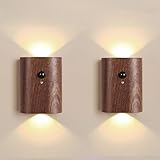
Overview: The LANDGOO Smart Night Light Step Lights offer a refined, portable approach to step illumination with distinctive walnut wood accents. This two-pack of rechargeable lights prioritizes aesthetic appeal and simple motion-activated functionality over complex smart features, making them ideal for hallways, bedrooms, and interior staircases where style matters as much as safety.
What Makes It Stand Out: The genuine walnut wood construction provides a warm, organic design element rarely seen in plastic-dominated night lights. Intelligent linkage allows lights to communicate within a 10-meter range, triggering simultaneously when one detects motion—perfect for illuminating entire staircases. The 360° multifunctional design enables wall mounting or tabletop use, while the detachable magnetic installation offers ultimate flexibility without permanent installation.
Value for Money: At $13.66 per unit, these sit in the mid-range for rechargeable motion lights. The premium materials and intelligent linkage justify the cost compared to basic plastic alternatives. However, the two-pack limitation means covering longer staircases requires multiple purchases, potentially diminishing value for larger projects.
Strengths and Weaknesses: Pros include elegant wood aesthetics, intelligent synchronization, versatile placement options, and tool-free magnetic mounting. Cons feature a modest 500mAh battery, brief 15-second auto-off delay that may feel rushed, lack of color temperature adjustment, and no smart home integration.
Bottom Line: Best suited for design-conscious users needing stylish, portable safety lighting. While not the most feature-rich or economical for large installations, LANDGOO excels in aesthetic integration and simple, reliable motion detection for interior spaces.
3. VST Motion Sensor Step Night Light, Rechargeable Battery Powered Led Light with Magnetic Suck Installation for Bedroom Hallway Stair Nursery Kids Room (2.68 inch 3000K 6Pack Black)

Overview: The VST Motion Sensor Step Night Light delivers exceptional value through a six-pack of ultra-thin, rechargeable lights designed for comprehensive home coverage. At just 0.35 inches thick, these aluminum-bodied fixtures blend discreetly into walls and cabinets while providing motion-activated illumination for stairs, hallways, and nurseries without hardwiring complexity.
What Makes It Stand Out: The remarkable slim profile creates a near-flush mounted appearance unmatched by bulkier battery lights. Four operational modes—including a Night Mode that halves brightness in darkness—provide customization rarely seen at this price point. The magnetic suction installation requires zero tools, while the 2-year warranty and US-based customer service offer peace of mind. With six units included, this package covers entire staircases in one purchase.
Value for Money: At $7.36 per light, this represents outstanding economy for multi-room installations. Individual comparable lights often cost $15-20 each. The six-pack configuration eliminates piecemeal purchasing, making it ideal for large homes or complete staircase projects where budget and coverage are primary concerns.
Strengths and Weaknesses: Pros include unbeatable price-per-unit, ultra-thin design, versatile mode selection, simple magnetic mounting, and generous warranty. Cons feature a small 350mAh battery limiting runtime, overly brief 10-second auto-off, no smart home connectivity, and modest brightness best suited for accent rather than primary lighting.
Bottom Line: An excellent choice for budget-minded homeowners seeking maximum coverage. While lacking premium smart features, VST’s six-pack offers practical, reliable motion lighting with thoughtful modes and an ultra-thin profile that punches above its price class.
4. CLOUDY BAY 120V Indoor Outdoor Smart LED Step Lights, RGBCW Color Changing Stair Lights,3W 2700K-6500K,Hub Included,Compatible with Alexa and Google Home Assistant, 6 Pack

Overview: The CLOUDY BAY Smart LED Step Lights provide a feature-rich hardwired alternative for homeowners wanting permanent, intelligent step illumination. This six-pack delivers RGBCW color-changing capabilities with tunable white (2700K-6500K) and integrates seamlessly with major smart home ecosystems, positioning itself as a direct competitor to premium recessed options.
What Makes It Stand Out: Music synchronization transforms these step lights into dynamic entertainment features, pulsing with audio beats for parties or ambiance. Eight pre-configured scenarios cater to specific activities like reading or sleeping, while the included hub simplifies setup. The three-year warranty exceeds industry standards, and the RGBCW chipset ensures both vibrant colors and high-quality whites without compromise.
Value for Money: At $16.66 per fixture, this undercuts premium competitors while delivering comparable smart functionality. The bundled hub—often a $20-30 separate purchase—adds immediate value. For permanent installations, hardwired reliability eliminates ongoing battery costs, making it financially sensible for long-term homeowners versus wireless alternatives.
Strengths and Weaknesses: Pros include music sync, scenario presets, included hub, robust warranty, and wet location rating. Cons involve professional installation requirements, explicit incompatibility with wall dimmer switches, unspecified lumen output raising brightness questions, and dependency on 2.4GHz Wi-Fi.
Bottom Line: A compelling choice for entertainment-focused homeowners. CLOUDY BAY combines hardwired durability with fun, dynamic features at a competitive price, making it ideal for those wanting more than static accent lighting.
5. Powfloven 3 Pack Wireless Rechargeable Motion Sensor Stair Light, Smart Led Motion Activated Battery Operated Night Lights, RGBW Stick On Closet Lamp Indoor for Step Cabinet Hallway Bathroom Stairway

Overview: The Powfloven Wireless Motion Sensor Stair Light delivers remarkable battery efficiency and color versatility in an ultra-affordable three-pack. These rechargeable lights prioritize convenience and sustainability, offering both motion-sensing and always-on modes alongside eight color options for customizable ambiance throughout stairs, cabinets, and hallways.
What Makes It Stand Out: The exceptional two-month battery life in motion mode—after just a one-hour charge—sets a new standard for wireless convenience. An included 3-in-1 charging cable powers all three lights simultaneously, while the eco-friendly design claims to save up to 80 AA batteries annually per unit. Eight soothing colors provide mood customization rarely found at this price point, and magnetic mounting ensures tool-free installation anywhere.
Value for Money: At approximately $6 per light, this is the most economical option reviewed. The RGBW capability and multi-unit charging cable deliver features typically reserved for premium products. For renters or those wanting temporary color-changing solutions without financial commitment, this three-pack offers unmatched affordability.
Strengths and Weaknesses: Pros include extraordinary battery longevity, eight color options, simultaneous charging, strong magnets, and environmental savings. Cons feature a basic plastic build quality, unknown brand longevity, no smart home integration, limited three-unit quantity, and a 20-second delay that may be too brief for some applications.
Bottom Line: Ideal for budget-conscious buyers wanting color versatility and minimal maintenance. Powfloven excels in battery performance and value, making it perfect for those prioritizing convenience and eco-friendliness over premium materials and smart features.
6. LANXEE Intelligent 16-Step Motion Sensor Stair Light for Indoor, 40 inches Long Cuttable Motion Lights for Stairs (16 Stairs,3000K)

Overview: The LANXEE Intelligent 16-Step Motion Sensor Stair Light system transforms ordinary staircases into elegant, safety-enhancing illuminated pathways. Designed for indoor use, this comprehensive kit includes 16 individual 1-meter LED strips that activate sequentially as you ascend or descend, creating a sophisticated cascading light effect that fades gracefully after you pass.
What Makes It Stand Out: This system distinguishes itself with 480 COB LEDs per strip—significantly more than the standard 320—delivering superior brightness and uniform illumination. The intelligent 16-step sequencing creates a cinematic lighting experience that feels genuinely premium. Each strip is cuttable every 1.97 inches, offering customization for various stair widths, and features Dupont output ports for quick extension cable connections, simplifying what could otherwise be a complex wiring process.
Value for Money: At $189.99 for a complete 16-step system, this represents a mid-to-high-range investment. While pricier than basic motion strips, the enhanced brightness, superior LED density, and sophisticated sequencing justify the cost compared to piecing together individual units. Professional-grade systems can cost twice as much, making this a compelling DIY alternative.
Strengths and Weaknesses: Strengths include exceptional brightness, elegant sequential activation, customizable length, and strong adhesive backing. The cascading effect adds genuine ambiance. Weaknesses involve mandatory drilling for installation, which intimidates some users. The 3000K color temperature is warm but non-adjustable. Each 1-meter strip may prove short for wider stairs, requiring careful measurement. The system’s complexity demands more installation time than simpler alternatives.
Bottom Line: Ideal for homeowners seeking a premium, fully-integrated staircase lighting solution. The LANXEE system delivers impressive brightness and elegant motion sequencing that cheaper alternatives cannot match. While installation requires drilling and planning, the result is a professional-grade lighting experience that significantly enhances both safety and aesthetics. Best suited for those comfortable with basic DIY projects.
7. LANDGOO Smart Night Light Step Light - Rechargeable Motion Sensor Stair Lamp, 2700K Warm White LED Walnut Wood for Bedroom Hallway Safety (1 Pack)
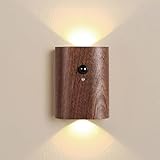
Overview: The LANDGOO Smart Night Light offers a refined, portable approach to step illumination with its walnut wood construction and magnetic mounting system. This single-unit rechargeable lamp combines natural aesthetics with modern motion-sensing technology, providing targeted lighting for individual steps or small spaces without complex wiring.
What Makes It Stand Out: The intelligent linkage capability allows multiple units to communicate wirelessly, creating synchronized lighting across several steps—a rare feature in standalone rechargeable lights. The strong magnetic base enables tool-free installation on any iron surface while allowing easy removal for handheld use. The 2700K warm white LED housed in genuine walnut wood delivers a sophisticated, furniture-grade appearance that blends seamlessly with upscale interiors.
Value for Money: At $19.99 for a single unit, this positions itself as a premium individual step light. While more expensive than basic plastic alternatives, the wood construction and linkage capability justify the price. Buyers needing multiple units should factor in cumulative costs, though the system scales intelligently. The rechargeable design eliminates ongoing battery expenses.
Strengths and Weaknesses: Strengths include elegant walnut wood design, versatile magnetic mounting, USB rechargeability with 1-month PIR battery life, and intelligent multi-unit synchronization. The 15-second delay is adequate for most passages. Weaknesses involve limited brightness for primary stair lighting, requiring multiple units for full staircase coverage. The magnetic-only mounting restricts placement to metal surfaces unless additional hardware is used. Single-pack pricing makes whole-staircase solutions expensive.
Bottom Line: Perfect for accent lighting and supplemental safety on select steps, or for renters seeking non-permanent solutions. The LANDGOO excels in bedrooms, hallways, and small staircases where its warm wood aesthetic shines. Purchase multiple units if you need coordinated lighting across several steps, but consider alternatives for full-staircase primary illumination. Best for design-conscious users prioritizing flexibility over maximum brightness.
8. Ameistor Smart Stair Lights Motion Sensor Indoor, Plug-in LED Step Lights Indoor with Cascading Effect, Dimmable, 3000K-6000K (12 Stairs)

Overview: Ameistor’s Smart Stair Lights offer a plug-and-play solution for homeowners seeking customizable motion-activated illumination without hardwiring. The 12-step kit features dual PIR motion sensors and a dusk-to-dawn sensor, automatically activating when someone approaches while providing extensive customization through a remote control and adjustable color temperature.
What Makes It Stand Out: The drill-free installation is a major differentiator—no holes, no damage to treads. The cascading effect creates sequential activation across steps for a premium feel. Unmatched customization includes six lighting modes, three shut-off timers (5s/10s/30s), stepless dimming from 10-100%, and color temperature adjustment from 3000K to 6000K. The remote control manages everything from lighting speed to sensor sensitivity, offering convenience rarely seen in this price range.
Value for Money: At $61.99 for 12 steps ($5.17 per step), this delivers exceptional value. Comparable hardwired systems cost significantly more when factoring in electrician fees. The plug-in design eliminates transformer costs, while the extensive feature set rivals premium smart lighting systems. For renters or DIYers, this avoids permanent modifications while delivering professional results.
Strengths and Weaknesses: Strengths include easy installation, comprehensive remote control, adjustable color temperature and brightness, multiple operational modes, and energy-efficient sensors. The plug-in design simplifies setup dramatically. Weaknesses include reliance on nearby outlets, which may limit placement or require extension cords. The cascading effect, while elegant, might feel slow for impatient users. Some may question long-term adhesive reliability on heavily trafficked stairs.
Bottom Line: An outstanding choice for renters, DIY novices, or anyone wanting feature-rich stair lighting without electrical work. The Ameistor system balances affordability, customization, and ease of installation brilliantly. While plug-in dependency requires planning, the remote-controlled versatility and damage-free setup make this a top recommendation for most residential applications. Ideal for those who value flexibility and customization.
9. Motion Sensor Night Light for Indoor: 6 Pack Rechargeable Stair Lights LED 35 Lumen 3000k Step Lights with Magnetic Suck - Motion Sensor Lamp for Cabinet Closet Hallway Bedroom Stairs (Rechargeable)

Overview: This six-pack of rechargeable motion sensor lights delivers versatile, wireless illumination for stairs and various indoor spaces. Each compact unit produces 35 lumens of 3000K warm light, activating via PIR motion detection within a 10-17 foot range. The combination of magnetic backing and adhesive pads enables tool-free installation virtually anywhere.
What Makes It Stand Out: The exceptional 3-month battery life per charge dramatically reduces maintenance compared to typical rechargeable lights. The six-pack configuration provides immediate value for multi-location use—stairs, closets, cabinets, and hallways simultaneously. The magnetic suction feature allows instant repositioning, transforming the lights from fixed step illuminators to portable flashlights. The precise PIR sensor with 120° detection angle minimizes false triggers while ensuring reliable activation.
Value for Money: At $25.99 for six units ($4.33 each), this offers outstanding economy. Purchasing six individual quality motion lights would typically cost $60-80. The long battery life eliminates frequent recharging costs, while the multi-pack flexibility delivers more utility than single-purpose stair systems. This represents one of the best cost-per-unit values in motion lighting.
Strengths and Weaknesses: Strengths include unbeatable multi-pack pricing, extraordinary 3-month battery life, versatile magnetic/adhesive mounting, and gentle 3000K illumination ideal for nighttime navigation. The 20-second shutoff timer is well-calibrated. Weaknesses include modest 35-lumen output insufficient for primary stair lighting in dark environments. The plastic construction feels less premium than wood or metal alternatives. Adhesive pads may fail on textured surfaces or under heavy foot traffic vibration.
Bottom Line: Excellent value for whole-home ambient lighting and supplemental safety. These work best as secondary illumination on stairs combined with brighter overhead lighting, or as primary lights in low-traffic areas like closets and cabinets. The magnetic versatility and marathon battery life make them incredibly practical. Purchase for flexibility and convenience, but consider brighter alternatives if you need primary stair lighting in pitch-dark staircases. Perfect for families wanting multiple safety lights economically.
10. kadision 120V Dimmable LED Step Lights, 3000K/4000K/5000K Selectable, 3.5W 175lm Indoor Outdoor Stair Lights, Aluminum ORB Finish, 4 Pack
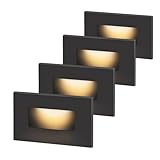
Overview: The kadision 120V LED Step Lights provide a hardwired, permanent lighting solution for both indoor and outdoor applications. This four-pack features commercial-grade aluminum construction with an oil-rubbed bronze finish and operates directly on standard household voltage without requiring a transformer, making them ideal for new construction or renovation projects.
What Makes It Stand Out: The built-in 3CCT switch allows pre-installation selection between 3000K, 4000K, and 5000K color temperatures, offering flexibility without needing different products. The 120V direct operation eliminates transformer costs and compatibility issues common with low-voltage systems. Compatibility with standard Triac dimmer switches enables full brightness control, a feature rarely combined with selectable CCT in this price tier. The downward-cast light design minimizes glare while effectively illuminating each step.
Value for Money: At $39.99 for four units ($10 each), these deliver professional-grade features at consumer pricing. Hardwired step lights typically cost $15-25 per unit, making this an attractive package. The elimination of a transformer saves $30-50, while the selectable CCT adds versatility. For permanent installations, this represents strong long-term value despite higher upfront installation costs.
Strengths and Weaknesses: Strengths include durable aluminum construction suitable for outdoor use, selectable color temperature, smooth dimming compatibility, standard 120V operation, and downward light distribution that enhances safety. The ORB finish resists corrosion. Weaknesses include the need for single gang outlet boxes and electrical wiring, making installation unsuitable for renters or DIY beginners. The lack of motion sensors requires manual or dimmer-switch control. Hardwired nature limits placement flexibility compared to wireless options.
Bottom Line: Best suited for homeowners undertaking renovations or new construction where permanent, code-compliant lighting is desired. The kadision lights excel in outdoor applications and high-end interior staircases requiring reliable, weather-resistant illumination. While installation demands electrical work, the result is a robust, transformer-free system that integrates seamlessly with existing dimmer controls. Choose for durability and permanence, not flexibility. Ideal for those wanting set-it-and-forget-it reliability.
Why Step Lights Are Essential for Home Safety
The Hidden Dangers of Unlit Stairs and Pathways
Unlit outdoor stairs represent one of the most overlooked household hazards, contributing to over one million injuries annually in the United States alone. The risks multiply exponentially during inclement weather when rain, ice, or dew creates slippery surfaces that are invisible in darkness. Even familiar pathways become treacherous when shadows obscure depth perception and edge definition. For households with elderly family members, children, or frequent visitors, inadequate step lighting isn’t just inconvenient—it’s a liability waiting to happen. Smart step lights eliminate this risk by providing instant, targeted illumination exactly when and where you need it, ensuring every tread and riser is clearly visible before you commit your weight.
Beyond Safety: The Aesthetic and Security Benefits
While injury prevention remains the primary function, smart step lights deliver substantial secondary benefits that justify their investment. From an aesthetic standpoint, they create dramatic architectural dimensionality, transforming mundane staircases into striking design features that enhance your home’s nighttime curb appeal. Strategically placed lights cast gentle shadows that highlight textures and materials, making stone, wood, or concrete steps appear intentionally designed rather than purely functional. Security-wise, motion-activated step lights serve as an effective deterrent against potential intruders by eliminating dark hiding spots and signaling occupancy. The sudden activation of lights can startle unwanted visitors while alerting you to movement around your property’s perimeter.
Understanding Smart Step Light Technology
What Makes a Step Light “Smart”?
The “smart” designation extends far beyond simple automation. True smart step lights incorporate sensors, connectivity, and programmability that allow them to communicate with other devices and adapt to complex scenarios. Unlike basic motion-activated lights that simply toggle on and off, smart variants offer adjustable sensitivity ranges, customizable illumination durations, and integration with weather data to modify behavior during storms. They collect and respond to multiple inputs—motion, ambient light levels, time of day, and even your smartphone’s location—to deliver context-aware lighting. This intelligence means your steps can glow softly at dusk for ambiance, brighten dramatically when motion is detected, and sync with your security system to flash during alarm events.
The Evolution from Basic to Intelligent Lighting
The journey from simple incandescent step lights to today’s intelligent systems mirrors the broader smart home revolution. Early solutions offered little beyond manual switches or basic timers, consuming significant energy and requiring frequent bulb replacements. The advent of LED technology introduced longevity and efficiency, while initial motion sensors added rudimentary automation. Modern smart step lights represent the convergence of ultra-efficient LEDs, sophisticated sensor arrays, wireless communication protocols, and cloud-based intelligence. Today’s units feature millimeter-wave radar sensors that can distinguish between human movement and swaying branches, machine learning algorithms that adapt to your household’s patterns, and firmware that receives over-the-air updates to improve performance and security continuously.
Key Features to Consider When Choosing Smart Step Lights
Motion Sensing Capabilities
The motion sensor serves as the brain of your smart step light system, and not all sensors perform equally. Passive Infrared (PIR) sensors remain common due to their low cost and reliability, detecting heat signatures from humans and animals. However, they can trigger false alarms from HVAC vents, passing cars, or small wildlife. More advanced systems employ dual-technology sensors combining PIR with microwave or radar detection, requiring both heat and movement confirmation before activating. Look for adjustable detection ranges between 10-30 feet, customizable sensitivity levels, and the ability to define active time windows—features that prevent midnight activations from nocturnal creatures while ensuring reliable human detection during evening hours.
Brightness and Lumen Output
Selecting appropriate brightness requires balancing visibility with comfort and neighborly consideration. Step lights typically range from 50 to 300 lumens per fixture, with 100-150 lumens proving ideal for most residential applications. Insufficient brightness fails to properly illuminate tread edges, while excessive output creates harsh glare that actually impairs night vision and can disturb neighbors. The best smart step lights offer adjustable brightness levels through their companion apps, allowing you to fine-tune output based on step width, mounting height, and surrounding ambient light. Consider models with adaptive brightness that automatically dim in response to moonlight or nearby street lighting, maintaining consistent perceived illumination without wasting energy.
Color Temperature Options
Color temperature dramatically impacts both safety and ambiance, measured in Kelvin (K) from warm (2700K) to cool (6500K). Warm white (2700K-3000K) creates inviting, residential aesthetics that complement wood and stone textures while minimizing eye strain during nighttime navigation. Cool white (4000K-5000K) enhances contrast and depth perception, making it technically superior for hazard identification but potentially feeling sterile. Premium smart step lights offer tunable white capabilities, allowing you to shift from warm evening ambiance to bright, cool white for maximum safety during active periods. Some advanced models even include full RGB color options, enabling you to coordinate step lighting with holiday decorations or create color-coded pathways for events.
Power Source: Hardwired vs. Battery vs. Solar
Your power choice fundamentally impacts installation complexity, ongoing maintenance, and reliability. Hardwired systems connect directly to your home’s electrical system, offering unlimited runtime and seamless integration with existing circuits but requiring professional installation and compliance with local electrical codes. Battery-powered units provide ultimate flexibility for placement and retrofit applications, with modern lithium-ion packs lasting 6-12 months per charge, though they demand periodic maintenance and can fail unexpectedly. Solar-powered options eliminate wiring and battery changes entirely, harvesting daylight energy, but their performance heavily depends on sun exposure and may falter during consecutive overcast days. Hybrid systems combining solar with battery backup offer the best of both worlds, ensuring operation during extended periods of poor weather.
Connectivity Protocols: Wi-Fi, Zigbee, Z-Wave, and Bluetooth
The communication standard determines your step lights’ range, reliability, and smart home compatibility. Wi-Fi connectivity offers direct internet access for remote control without hubs but can strain your network with numerous devices and consumes more power. Zigbee and Z-Wave create mesh networks where each device extends the signal, providing excellent reliability and low power consumption but requiring a compatible hub. Bluetooth models connect directly to your phone with minimal setup but lack remote access when you’re away from home. Consider your existing smart home infrastructure—if you already operate a SmartThings, Hubitat, or Philips Hue ecosystem, Zigbee or Z-Wave units integrate seamlessly. For hub-free simplicity, Wi-Fi models work independently while still offering voice control through Alexa or Google Assistant.
Weather Resistance and Durability Ratings
Outdoor step lights must withstand extreme temperature fluctuations, moisture, UV exposure, and physical impact. The IP (Ingress Protection) rating provides crucial insight into durability, with IP65 representing the minimum standard for outdoor use—dust-tight and protected against water jets from any direction. IP67 offers temporary submersion protection, ideal for steps prone to flooding or heavy snow accumulation. Beyond IP ratings, examine the housing material: marine-grade stainless steel resists coastal salt corrosion, while powder-coated aluminum provides excellent durability at lower weight. Tempered glass lenses outperform plastic, which can yellow and crack over time. Operating temperature ranges should extend from -4°F to 122°F to ensure reliability across seasons.
Installation Complexity and Requirements
Assess your DIY comfort level before selecting a system. Surface-mounted battery or solar lights typically require only basic tools—drilling pilot holes and securing screws—making them accessible to most homeowners. Recessed hardwired installations demand electrical knowledge, conduit running, and often concrete or masonry cutting, frequently necessitating professional help. Some manufacturers offer modular systems with plug-and-play connectors that simplify hardwired installation, while others provide detailed installation videos and excellent customer support. Consider whether the fixture includes all necessary mounting hardware and if the app offers step-by-step guided installation. Remember that hardwired installations may require permits and inspections, adding time and cost to your project.
Design Considerations for Seamless Integration
Matching Your Home’s Architectural Style
The most functional step light fails if it visually clashes with your home’s design language. Modern minimalist homes benefit from slim, low-profile fixtures with clean lines and matte finishes that appear to disappear into the architecture. Traditional or craftsman-style residences pair beautifully with bronze or copper fixtures featuring decorative bezels and warm color temperatures that highlight natural materials. Coastal homes require corrosion-resistant finishes and designs that evoke nautical elements. Consider the fixture’s form factor during both day and night—some units feature trim-less designs that become nearly invisible when off, while others make deliberate style statements. Photograph your steps from multiple angles during daylight and review how potential fixtures would integrate with your existing landscape lighting, railings, and facade materials.
Recessed vs. Surface-Mounted Options
This fundamental choice affects both aesthetics and installation approach. Recessed lights install flush with the vertical riser or horizontal tread, creating a sleek, integrated appearance that prevents tripping hazards and protects fixtures from damage. They require cutting into the step material, making them ideal for new construction or major renovations but challenging for retrofits. Surface-mounted fixtures attach to the step face, offering easier installation and flexibility but protruding slightly from the surface. Modern surface-mounted designs have become increasingly slim and attractive, with some units measuring less than half an inch in depth. For existing concrete steps, surface mounting avoids costly cutting and potential structural compromise, while new wooden deck stairs can easily accommodate recessed options during construction.
Light Distribution and Beam Angle
Optimal step lighting requires precise beam control that illuminates treads without creating glare or light pollution. Narrow beam angles (25-40 degrees) focus light directly on the step surface, maximizing efficiency and minimizing neighbor disturbance. Wider beams (60-120 degrees) create a more diffuse, ambient effect but may waste light and cause sky glow. The best smart step lights feature adjustable optics or built-in baffles that shape the light distribution. Consider the mounting position—lights installed on risers should cast illumination across the entire tread below, while tread-mounted units need upward-angled beams to define the next step’s edge. Some advanced systems offer asymmetric distribution, directing light precisely where needed while keeping the source shielded from direct view.
Smart Home Integration and Automation
Compatibility with Major Smart Home Ecosystems
Before purchasing, verify compatibility with your existing smart home platform. Apple HomeKit-certified devices offer seamless Siri control and integration with iOS automation but represent a smaller selection due to Apple’s stringent certification requirements. Google Home and Amazon Alexa ecosystems support a broader range of devices through Works with Google Assistant and Certified for Humans programs, enabling voice control and routine integration. Samsung SmartThings and Hubitat Elevation provide advanced automation capabilities for power users, supporting complex conditional logic and device interoperability. Philips Hue bridges offer excellent step lighting options that integrate with existing Hue scenes, though they require the proprietary hub. Always check for Matter compatibility—the new universal smart home standard promising future-proof interoperability across all major platforms.
Creating Custom Lighting Scenes and Routines
The true power of smart step lights emerges through sophisticated automation that transcends simple motion activation. Program gentle “welcome home” sequences that illuminate your pathway from driveway to door when your phone connects to home Wi-Fi. Create “movie night” scenes that dim step lights to 10% brightness to guide late-night kitchen trips without disrupting viewing. Design security routines that flash all step lights red when a perimeter sensor triggers, providing clear evacuation pathways during emergencies. Seasonal automations can shift color temperatures and brightness throughout the year—cooler and brighter during winter’s early darkness, warmer and dimmer during summer evenings. The most capable systems support multi-device choreography, where step lights, pathway lights, and porch fixtures work in concert to create cohesive lighting narratives.
Voice Control and App Management
Modern smart step lights offer multiple control interfaces beyond physical switches. Voice commands through Alexa, Google Assistant, or Siri enable hands-free operation when your arms are full or you’re away from your phone. Natural language commands like “dim the front steps to 30%” or “turn the deck steps blue” provide intuitive control. Companion apps serve as the command center for configuration, offering brightness sliders, color pickers, scheduling tools, and firmware update capabilities. Evaluate app store reviews before purchasing—poorly designed apps with frequent crashes can render advanced features unusable. Look for apps that support offline control during internet outages and offer multi-user access so family members can control lights without sharing login credentials. Geofencing capabilities automatically activate lights as you approach, providing hands-free safety that anticipates your arrival.
Energy Efficiency and Sustainability
LED Technology and Longevity
Smart step lights exclusively utilize LED technology, but not all LEDs deliver equal performance. High-quality units employ COB (Chip-on-Board) LEDs that provide uniform illumination without multiple shadow-creating diodes. Look for luminaires with L70 ratings exceeding 50,000 hours, indicating the point when brightness degrades to 70% of initial output—effectively 15+ years of typical use. Color Rendering Index (CRI) matters for safety; CRI above 80 ensures accurate color perception, helping you distinguish between a leaf and a step edge. Premium models feature thermal management systems that dissipate heat effectively, preventing premature LED failure in enclosed fixtures. The combination of efficient LEDs and smart controls reduces energy consumption by 90% compared to traditional incandescent step lights, translating to measurable utility bill savings.
Power Consumption Analysis
Understanding actual power draw helps calculate operating costs and battery life expectations. A typical 100-lumen LED step light consumes 1.5-3 watts when active. Motion-activated units average 2-4 hours of daily runtime, resulting in annual consumption of 1-4 kWh per fixture—less than $0.50 annually at average electricity rates. However, standby power consumption varies significantly; well-designed units draw less than 0.5 watts in standby, while poorly engineered models may consume 2-3 watts continuously, negating motion-sensing savings. For battery-powered units, calculate expected life by dividing battery capacity (in watt-hours) by daily consumption. A 20Wh battery powering a 2W light for 3 hours daily consumes 6Wh per day, theoretically lasting 3+ days—but factor in standby drain and sensor power, which typically reduces real-world life to 6-9 months.
Solar-Powered Innovations
Solar step lighting has evolved dramatically beyond dim, unreliable garden lights. Modern units feature high-efficiency monocrystalline panels with 20%+ conversion rates, combined with large-capacity lithium batteries that store multiple days of energy. Hybrid systems supplement solar with grid charging during extended cloudy periods, ensuring reliability. Look for panels that articulate or detach, allowing optimal positioning for sun exposure even when the light fixture must mount in shade. Some advanced models include MPPT (Maximum Power Point Tracking) charge controllers that optimize energy harvesting throughout the day. Winter performance concerns remain valid—solar units in northern latitudes may require supplemental charging during December and January—but for most climates, quality solar step lights now deliver year-round reliability with zero operating costs.
Installation Best Practices
Planning Your Layout for Optimal Coverage
Proper placement follows the “odd number rule” for visual balance and comprehensive coverage. For staircases with fewer than 10 steps, install lights on alternating risers, starting with the bottom step. Longer flights benefit from lights on every third riser, ensuring each step receives adequate spill light without creating a runway effect. Measure your step dimensions and mark potential locations with painter’s tape, evaluating coverage at night before permanent installation. Consider sight lines from the street and neighboring properties—angles that cause glare or light trespass create neighborhood disputes. For wide steps exceeding 4 feet, dual fixtures per riser prevent dark centers. Always illuminate the top and bottom landings to define the staircase’s endpoints, and consider adding a light on the final step leading to your door to highlight the threshold.
Electrical Safety Considerations
Hardwired installations demand strict adherence to electrical codes. Use only UL-listed fixtures rated for wet locations, and connect to GFCI-protected circuits to prevent shock hazards. Low-voltage systems (12-24V) offer safer DIY installation, using transformers to step down household current, but still require proper wire gauge selection to prevent voltage drop over long runs. For line-voltage installations (120V), hire a licensed electrician unless you’re experienced with conduit bending, box fill calculations, and weatherproof connections. All junction boxes must be rated for exterior use with proper gaskets, and cables entering structures require sealed penetrations to prevent water intrusion. Battery and solar installations avoid these complexities but still demand careful attention to mounting security—loose fixtures become tripping hazards or projectiles in high winds.
Wireless Placement Strategies
Battery and solar installations offer flexibility but require strategic thinking for optimal performance. Position solar panels where they receive at least 6 hours of direct sunlight daily, even if this means running a small cable to a remotely mounted light. For battery units, choose locations that balance accessibility for battery changes with protection from extreme temperatures—batteries degrade faster when exposed to direct summer sun or winter frost. Test wireless signal strength at each proposed location before final mounting; thick stone or concrete can block Zigbee and Z-Wave signals, requiring repeater devices or strategic hub placement. Mount heights between 6-12 inches above tread level provide ideal illumination angles, and always maintain consistent positioning across the staircase for professional appearance.
Troubleshooting Common Issues
Connectivity Problems and Solutions
Intermittent connectivity plagues many smart step light installations, often stemming from network congestion or weak signals. For Wi-Fi units, dedicate a 2.4GHz network band exclusively for smart home devices, as this frequency penetrates obstacles better than 5GHz. Zigbee and Z-Wave networks benefit from powered repeaters every 30-40 feet; consider installing a smart plug or powered step light mid-run to strengthen the mesh. If lights drop offline after firmware updates, perform a factory reset and re-pair them—this resolves most post-update conflicts. Mesh networks occasionally suffer from routing loops; use your hub’s network map tool to identify devices attempting to connect through distant neighbors rather than direct paths to the hub. For stubborn connections, add a Wi-Fi extender or additional hub to create overlapping coverage zones.
False Triggers from Motion Sensors
Overly sensitive motion sensors transform smart convenience into annoyance. Start by adjusting detection zones through the app—many systems allow you to mask off areas like busy streets or neighbor walkways. Reduce sensitivity settings incrementally, testing each change during typical activity periods. For PIR sensors, reposition fixtures away from heat sources like dryer vents, HVAC units, or reflective surfaces that amplify distant movement. Microwave and radar sensors sometimes detect movement through walls; enable pet-immunity features that ignore objects under a certain weight threshold. Create time-based rules that reduce sensitivity during peak wildlife hours (typically dusk and dawn) while maintaining high sensitivity during expected human activity times. If false triggers persist, consider switching to dual-technology sensors that require both heat and movement confirmation.
Battery Life Optimization
Maximizing battery life requires a holistic approach to power management. First, reduce brightness to the minimum effective level—most users over-illuminate steps, needlessly draining batteries. Shorten activation duration from the default 60 seconds to 20-30 seconds, which is sufficient for stair navigation. Disable “always-on” dim modes that maintain low-level glow; instead, rely on motion activation exclusively. In the app, reduce motion sensitivity to prevent activations from distant movement or small animals. For cold climates, remove batteries during extreme winter months and store them indoors, as lithium cells lose 30-50% capacity below freezing. Some advanced systems offer battery health monitoring in their apps—replace batteries when capacity drops below 70% rather than waiting for complete failure. Consider using rechargeable lithium AA batteries in compatible units, creating a sustainable rotation system.
Cost Analysis and Budget Planning
Initial Investment vs. Long-Term Savings
Smart step lights command premium pricing compared to basic fixtures, with quality units ranging from $30 to $150 per light depending on features and connectivity. A typical 8-step staircase might require a $400-800 investment. However, this upfront cost delivers substantial long-term value. Energy savings alone recover 20-30% of the initial investment within five years compared to traditional always-on lighting. The safety dividend is harder to quantify but potentially massive—a single prevented fall could save thousands in medical bills and lost wages. Insurance companies sometimes offer 5-10% discounts on homeowner policies for comprehensive smart lighting systems that enhance security. Factor in the added property value; real estate agents consistently report that quality outdoor lighting yields 50-80% ROI in home appraisals. When budgeting, allocate 20% of your fixture cost for installation materials or professional labor.
Hidden Costs to Consider
The sticker price rarely tells the complete financial story. Hardwired installations may require trenching for conduit ($5-15 per linear foot), GFCI circuit installation ($200-400 by an electrician), or permits ($50-150 depending on municipality). Hub-based systems need the central controller ($50-150) if you don’t already own one. Subscription fees for advanced cloud features, while uncommon, do exist—some manufacturers charge $3-10 monthly for video storage or advanced automation. Battery-powered units incur ongoing battery replacement costs ($5-15 per battery annually). For solar installations, periodic panel cleaning and eventual battery replacement every 3-5 years ($20-40 per unit) should factor into long-term calculations. Finally, consider the cost of your time for configuration and troubleshooting; complex systems might require 5-10 hours of initial setup and optimization.
Maintenance and Longevity
Cleaning and Upkeep Tips
Outdoor step lights accumulate dirt, pollen, and mineral deposits that reduce output by 30-50% over time. Clean fixtures quarterly using a soft brush and mild soap solution, avoiding harsh chemicals that can degrade seals. For hard water stains on lenses, a 50/50 vinegar-water solution dissolves mineral buildup without scratching. Inspect gaskets and seals annually, replacing any that show cracking or compression—most manufacturers sell replacement gasket kits for $5-15. Clear vegetation growth that may obstruct sensors or cast shadows on steps. For solar units, clean panels monthly with a microfiber cloth and check for shade from new tree growth. In snowy climates, gently brush snow from fixtures to prevent ice formation that can crack housings. Document your cleaning schedule in your smart home app by setting recurring maintenance reminders.
Firmware Updates and Security
Smart devices require ongoing software maintenance to patch vulnerabilities and add features. Enable automatic updates in your device app, but schedule them for daytime hours to avoid disrupting nighttime lighting. Periodically check manufacturer websites for update notes that might indicate breaking changes requiring app reconfiguration. Security considerations are paramount—change default passwords immediately, use unique credentials for each device ecosystem, and enable two-factor authentication where available. Isolate smart home devices on a separate network VLAN to prevent potential breaches from spreading to computers and personal devices. Review device permissions quarterly, revoking unnecessary access to location data or contacts. For systems with local control options, prioritize these over cloud-dependent features to maintain functionality during internet outages and reduce attack surfaces. Manufacturers occasionally discontinue support for older models; factor in a 5-7 year replacement cycle for security-critical outdoor devices.
Frequently Asked Questions
How many smart step lights do I need for a typical staircase?
Most residential staircases require one light every 2-3 steps, plus dedicated fixtures for top and bottom landings. An 8-step flight typically needs 4-5 lights for optimal safety without creating excessive brightness. Wider steps may need dual fixtures per riser to eliminate center shadows.
Can I install smart step lights myself, or do I need an electrician?
Battery and solar-powered units are DIY-friendly, requiring only basic tools and no electrical knowledge. Hardwired low-voltage systems are manageable for experienced DIYers comfortable with transformer wiring. Line-voltage installations should always be performed by a licensed electrician to ensure code compliance and safety.
Will smart step lights work during a power outage?
Only battery-powered or solar units with battery backup function during outages. Hardwired lights will fail unless connected to a whole-house generator or UPS system. Some hybrid solar-battery models automatically switch to battery reserves, providing limited operation until grid power returns.
How do I prevent my neighbor’s lights from triggering my motion sensors?
Adjust detection zone masking in your app to exclude areas beyond your property line. Reduce sensitivity settings and aim sensors downward toward your steps rather than outward. Dual-technology sensors help by requiring heat signatures, which are less likely to be detected from distant sources.
What’s the difference between lumens and color temperature, and why do they matter?
Lumens measure brightness—higher values mean more light output. Color temperature (Kelvin) describes light color, from warm yellow (2700K) to cool blue (6500K). For safety, you need sufficient lumens to see step edges clearly, while color temperature affects both visibility and aesthetic warmth.
Can smart step lights integrate with my existing security cameras?
Yes, through smart home platforms like SmartThings, Hubitat, or IFTTT. Configure routines where motion detection on step lights triggers camera recording, or have cameras activate step lights when they detect person-shaped movement. This creates layered security that illuminates potential intruders for clearer video capture.
How long do batteries typically last in wireless smart step lights?
Quality lithium batteries last 6-12 months under normal use, depending on activation frequency and brightness settings. Cold weather can reduce life by 30-50%. Enable battery notifications in your app to receive alerts at 20% capacity, allowing proactive replacement before failure.
Are solar step lights reliable in cloudy climates?
Modern solar lights with large batteries and efficient panels work reliably in most climates, storing 3-5 days of energy. However, during extended periods of heavy overcast (weeks), performance may degrade. Hybrid systems with grid charging capability offer the most reliable solution for perpetually cloudy regions.
What IP rating do I need for coastal installations?
Coastal environments demand IP67 or higher ratings to withstand salt spray and driving rain. Additionally, select fixtures with marine-grade stainless steel (316 grade) or powder-coated aluminum housings to prevent salt corrosion. Rinse fixtures monthly with fresh water to remove salt deposits that can degrade seals over time.
Can I mix different brands of smart step lights on the same staircase?
While technically possible, mixing brands creates aesthetic inconsistency and prevents synchronized control. Different color temperatures and brightness levels between brands will appear mismatched. For unified automation, choose lights compatible with a common platform like Matter or ensure they all connect through a single hub ecosystem that supports multi-brand integration.