Imagine waking up to find your basement transformed into a wading pool, your water heater silently hemorrhaging hundreds of gallons overnight. This nightmare scenario plays out in thousands of homes annually, causing billions in damage that could have been prevented with a single smart device. Water heater failures rank among the top three sources of residential water damage, yet most homeowners remain unaware that affordable, intelligent protection exists.
Smart water heater leak detectors with automatic shut-off valves represent a quantum leap from simple drip pans and passive sensors. These sophisticated guardians continuously monitor your water heater’s health, detecting everything from minor seepage to catastrophic ruptures, and can stop the water flow within seconds of detecting trouble. This comprehensive guide explores everything you need to know about this essential home protection technology—how it works, what features matter most, and how to choose the right system for your specific needs.
Top 10 Smart Water Heater Leak Detectors with Auto Shut-Off Valves
Detailed Product Reviews
1. YoLink DIY Automatic Water Leak Detection & Shut-Off Starter Kit, EVO Valve Operator, Wireless Valve Controller, (3) Leak Sensors, Hub
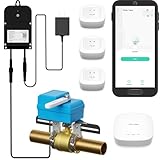
Overview: The YoLink DIY Automatic Water Leak Detection & Shut-Off Starter Kit is a comprehensive smart home solution designed for homeowners seeking robust water damage prevention. This $227.99 bundle includes three leak sensors, a smart valve controller, an EVO valve manipulator, and the required hub—everything needed to monitor and automatically shut off water supply when leaks are detected. The system leverages LoRa technology to provide exceptional coverage across large properties, making it ideal for whole-home protection.
What Makes It Stand Out: The standout feature is the unique Device-to-Device (D2D) functionality that allows sensors to communicate directly with the valve controller, even during internet outages or power failures. This ensures continuous protection when you need it most. The quarter-mile wireless range far exceeds typical WiFi-based systems, enabling placement in remote areas like basements and detached garages. Integration with Alexa, Google Assistant, IFTTT, and Home Assistant adds versatility.
Value for Money: At $228, this kit positions itself in the mid-range category. While more expensive than basic systems, it offers significantly more sensors and superior reliability than entry-level options. The included three sensors cover multiple high-risk zones, and the D2D capability justifies the premium over WiFi-only systems that fail during outages. Compared to professional installations costing thousands, this DIY kit delivers exceptional value.
Strengths and Weaknesses: Strengths include unparalleled range, D2D reliability, multi-platform integration, and comprehensive sensor coverage. The system remains operational during power and internet failures, a critical advantage. Weaknesses are the limited free SMS alerts (30 per month total), requiring the hub to be plugged into your router, and a price point that may deter budget-conscious buyers. Setup complexity is moderate compared to plug-and-play alternatives.
Bottom Line: This YoLink kit is an excellent investment for homeowners serious about preventing water damage. The D2D functionality and extensive range make it one of the most reliable DIY systems available, well worth the price for the peace of mind it delivers.
2. StreamLabs Control - Smart Water Leak Detector with Automatic Shut-Off Valve (1" FNPT)
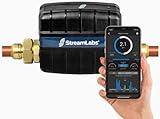
Overview: The StreamLabs Control Smart Water Leak Detector positions itself as a premium automatic shut-off solution with a hefty $1,090 price tag. This system connects directly to your main water line with a 1" FNPT fitting and offers remote management through its “Smart Alerts” app. Designed for homeowners wanting professional-grade protection, it combines leak detection with automatic valve control and potential insurance benefits.
What Makes It Stand Out: The primary differentiator is the potential for up to 10% reduction on homeowners insurance premiums, which could offset the initial investment over time. The dual connectivity—WiFi for remote access and Bluetooth for local control within 10 meters—provides flexible management options. The system allows you to shut off water remotely while traveling, a key feature for frequent travelers.
Value for Money: This is where the StreamLabs struggles. At nearly $1,100, it’s significantly more expensive than competitors offering similar core functionality. While insurance savings are attractive, the vague feature list and lack of detailed specifications make it hard to justify the premium. Basic WiFi systems with automatic shutoff cost 70-80% less. The value proposition hinges entirely on potential insurance discounts and brand reputation.
Strengths and Weaknesses: Strengths include professional-grade build quality, insurance incentive potential, and remote accessibility. The 24-hour customer service response is commendable. However, weaknesses are substantial: extremely high price, limited feature transparency, short Bluetooth range, no mention of sensor count or range, and lack of smart home integrations. The system appears to rely solely on WiFi without backup communication protocols.
Bottom Line: The StreamLabs Control is difficult to recommend for most homeowners. Its prohibitive cost and unclear feature advantages make it suitable only for those specifically seeking insurance discounts or brand loyalty. More affordable alternatives offer comparable protection without the massive price premium.
3. iSpring LS43WL Smart Leak Shut-Off System, Automatic Water Leak Detector with 1 Wired & 1 Wireless Sensor, Whole-Home Water Damage Protection, 1" MNPT + 3/4" FNPT
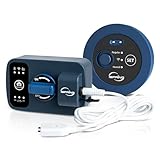
Overview: The iSpring LS43WL Smart Leak Shut-Off System delivers whole-home water damage protection at an accessible $156.98 price point. This DIY-friendly system installs at your main water inlet and includes one wired and one wireless leak sensor, automatically shutting off water within 20 seconds of detection. With dual connection options (1" MNPT and 3/4" FNPT), it adapts to most residential plumbing setups.
What Makes It Stand Out: The dual-sensor approach with adaptive detection modes sets this apart. Regular Mode provides instant alerts in dry areas, while Humid Mode prevents false alarms in moisture-prone spaces like basements. The 20-second shutoff response time is impressively fast, minimizing potential damage. The system’s ability to protect entire homes from a single installation point makes it efficient for comprehensive coverage.
Value for Money: This iSpring system offers exceptional value. It’s significantly cheaper than most competitors while delivering core functionality that rivals premium systems. The inclusion of both wired and wireless sensors provides flexibility typically found in more expensive kits. For budget-conscious homeowners wanting reliable whole-home protection without complex multi-sensor networks, this is arguably the best price-to-performance ratio available.
Strengths and Weaknesses: Strengths include affordable pricing, fast 20-second shutoff, dual detection modes, flexible plumbing connections, and straightforward DIY installation. The system effectively monitors high-risk zones. Weaknesses include only two sensors (limiting coverage area), requirement for constant power connection to maintain automatic function, and lack of smart home integrations. The wireless range isn’t specified, likely shorter than LoRa-based systems.
Bottom Line: The iSpring LS43WL is the top choice for homeowners seeking effective, no-frills water leak protection on a budget. While it lacks advanced smart features, its reliable performance and quick response time make it an outstanding value proposition for essential whole-home defense.
4. E-SDS Water Leak Detector with Shutoff Valve,Sensors and Sounds Alarm,Automatic Water Leak Shut Off Valve System,for Pipes 3/4 NPT,Flood Prevention for Laundry,Water Heaters and More

Overview: The E-SDS Water Leak Detector with Shutoff Valve is an entry-level flood prevention system priced at just $109.99. Designed for targeted protection rather than whole-home coverage, this system attaches to individual appliances or fixtures with 3/4" NPT connections. It includes a single sensor with a generous 19.68-foot cable, making it ideal for monitoring specific high-risk areas like water heaters, washing machines, or utility sinks.
What Makes It Stand Out: The standout feature is the Vacation Mode, allowing manual water shutoff while away—a simple but valuable addition for peace of mind during extended trips. The system’s ability to handle temperatures up to 100℃ (212℉) makes it suitable for hot water applications. The lengthy sensor cable provides flexibility in positioning the sensor away from the valve itself, crucial for appliances with drip pans or remote leak points.
Value for Money: As the most affordable option reviewed, the E-SDS delivers basic protection for minimal investment. It’s perfect for renters or homeowners wanting to protect specific appliances without committing to a whole-home system. However, the value is limited by its basic feature set and single-sensor design. For whole-home protection, you’d need multiple units, potentially negating the cost savings.
Strengths and Weaknesses: Strengths include ultra-low price, easy installation, vacation mode, high-temperature tolerance, and long sensor cable. The manual open/close buttons provide convenient local control. Weaknesses are significant: no smart connectivity or app control, single sensor limits coverage, basic functionality without automation, and the noted smaller internal port size may affect water flow. It lacks any backup communication protocols.
Bottom Line: The E-SDS is a solid choice for targeted leak protection on a tight budget. While unsuitable for whole-home monitoring, it excels at safeguarding individual appliances. Consider this for specific problem areas rather than comprehensive property protection.
5. YoLink Smart Water Leak Protection System Kit: Bulldog Valve Robot, Smart Valve Controller 2, 3 Water Leak Sensors, Hub

Overview: The YoLink Smart Water Leak Protection System Kit represents the company’s advanced offering at $279.76, featuring the Bulldog Valve Robot and Smart Valve Controller 2. This premium kit includes three water leak sensors and a hub, building upon the D2D technology that makes YoLink systems exceptionally reliable. Designed for tech-savvy homeowners wanting maximum protection without network dependency, it prioritizes reliability and security.
What Makes It Stand Out: The Bulldog Valve Robot provides robust physical valve control, while the system’s complete independence from WiFi prevents network congestion and eliminates potential security vulnerabilities. The D2D pairing ensures protection remains active during internet and power outages—critical for true peace of mind. LoRa technology delivers a quarter-mile range with superior obstruction penetration, even through metal and concrete, enabling sensor placement in outbuildings and remote structures.
Value for Money: At $280, this is a premium DIY system. The price jump from the basic YoLink kit reflects the upgraded Bulldog Valve Robot and enhanced controller. While significantly more than budget options, it offers professional-grade reliability without installation costs. For large properties or those prioritizing security and offline functionality, the premium is justified. However, smaller homes may find the basic YoLink kit sufficient.
Strengths and Weaknesses: Strengths include unmatched range, zero WiFi dependency, advanced D2D reliability, multiple notification options including Critical Alerts, and strong obstruction penetration. The system scales well with additional sensors. Weaknesses include the highest price point among DIY kits, limited SMS alerts (25 free per month), and potential overkill for apartments or small homes. The 923.3 MHz frequency may not be familiar to all users.
Bottom Line: This premium YoLink kit is ideal for property owners requiring maximum reliability and range. The WiFi-free operation and superior penetration make it perfect for large estates, multi-building properties, or security-conscious users. The investment is worthwhile for those needing uncompromising protection.
6. Zuomeng Smart Water Heater Remote Stop Valve with Leak Sensor, Automatic Shutoff, Water Leak Alert Push, 3/4"NPT 150PSI Brass Valve

Overview: The Zuomeng Smart Water Heater Remote Stop Valve is a WiFi-enabled leak detection system that automatically shuts off your water supply when moisture is detected. This third-generation kit provides comprehensive protection for water heaters through smartphone connectivity and a robust brass valve assembly, alerting homeowners to potential disasters before catastrophic damage occurs.
What Makes It Stand Out: This system excels with its dual power supply design, combining AC power with battery backup for uninterrupted 24/7 protection during outages. The innovative disc base elevates the sensor tip precisely 1mm above ground, dramatically reducing false alarms while ensuring genuine leaks trigger immediate action. The full-bore solid brass valve rated at 150PSI promises four decades of reliable operation.
Value for Money: At $109.99, this mid-range solution delivers premium features typically found in pricier models. The durable brass construction alone justifies the cost over plastic alternatives, while the dual-power redundancy and intelligent sensor design provide professional-grade reliability without the premium price tag.
Strengths and Weaknesses: Strengths include reliable dual-power operation, remote app control via GeniLife, robust brass valve durability, and highly accurate leak detection with minimal false alarms. The system provides real-time notifications and allows remote valve operation from anywhere. Weaknesses include the requirement for four AA batteries (not included) and WiFi dependency for remote features, which won’t function during internet outages despite the battery backup for local alarm and shutoff.
Bottom Line: This is an excellent choice for homeowners wanting reliable, app-controlled water heater protection. The dual-power design and quality brass valve make it worth every dollar, though you’ll need to supply your own batteries for backup power.
7. YoLink DIY Automatic Water Leak Detection & Shut-Off Starter Kit, Valve Operator, X3 Version Wireless Valve Controller, (4) Leak Sensors, Hub

Overview: The YoLink DIY Starter Kit is a comprehensive water leak protection system featuring four wireless sensors, an X3 valve controller, valve operator, and hub. Designed for whole-home protection, it utilizes LoRa technology to deliver exceptional range and reliability, functioning independently of WiFi and power for true peace of mind.
What Makes It Stand Out: This kit’s ability to operate during internet and power outages through device-to-device pairing sets it apart from WiFi-only systems. LoRa technology provides industry-leading range up to ¼ mile and supports 300+ devices per hub, making it scalable from single-family homes to high-rise condos. It also serves as a foundation for a broader YoLink smart home ecosystem.
Value for Money: At $359.99, this premium kit includes four sensors, a hub, and valve controller—components costing far more separately. While expensive, the price is justified for those building a complete smart home system where reliability during outages is paramount. It’s an investment in comprehensive protection rather than a single appliance.
Strengths and Weaknesses: Strengths include unmatched reliability during outages, exceptional wireless range, scalability across large properties, and four sensors for multi-point monitoring. The hub integrates with security, lighting, and other YoLink devices. Weaknesses include high upfront cost and potential complexity for users wanting simple installation. It’s overkill for protecting just one water heater and requires ecosystem commitment.
Bottom Line: Ideal for tech-savvy homeowners building a comprehensive smart home. If you need whole-house protection that works when everything else fails, this kit justifies its premium price with unmatched reliability and expandability.
8. E-SDS Water Heater Leak Detector with Automatic Water Shut-Off, Sensors and Sounds Alarm, ,Automatic Water Leak Shut Off Valve System for Pipes 1/2in NPT for Laundry, Water Heaters and More

Overview: The E-SDS Water Heater Leak Detector is an affordable automatic shutoff system for residential and commercial applications. It protects water heaters and laundry appliances by cutting water supply when its sensor detects moisture, featuring manual controls and a convenient vacation mode for extended travel.
What Makes It Stand Out: The system’s 19.68-foot sensor cable provides exceptional flexibility in sensor placement, allowing you to monitor hard-to-reach areas. The vacation mode enables manual water shutoff while traveling, adding security. It handles temperatures up to 212°F, making it suitable for hot water applications without performance degradation.
Value for Money: At $89.99, this is among the most budget-friendly automatic shutoff systems available. It lacks smartphone connectivity but delivers core leak protection effectively. For cost-conscious homeowners seeking basic automatic shutoff without app control, it provides excellent value and reliable performance.
Strengths and Weaknesses: Strengths include the extra-long sensor cable, straightforward installation, useful vacation mode, and affordability. The brass valve effectively handles hot water. Weaknesses include the smaller 1/2" NPT port (note: internal port is smaller than 1/2"), lack of remote monitoring, and no smart home integration. It’s a standalone system without WiFi capabilities, limiting modern connectivity options.
Bottom Line: Perfect for budget-minded users wanting reliable, no-frills protection. If you don’t need app control and have a standard water heater setup, this delivers essential protection at an unbeatable price, though the port size requires careful verification before purchase.
9. FloodStop Water Heater Leak Detector Kit with Automatic Water Shut-Off and Visual/Audible Alarms, 3/4" NPT MIP x FIP

Overview: The FloodStop Water Heater Leak Detector Kit is a professional-grade point-of-use leak detection system for residential and commercial buildings. It installs in approximately 15 minutes and automatically shuts off water while triggering audible and visual alarms when leaks are detected, leaving other fixtures operational.
What Makes It Stand Out: This kit stands out with comprehensive code compliance and professional certifications. It’s AB1953 and NSF 61 lead-free compliant, ICC-ES Listed, and meets IPC, IRC, UPC, and Canadian NPC codes. The full-port 3/4" NPT MIP x FIP ball valve ensures minimal flow restriction while providing reliable shutoff performance.
Value for Money: Priced at $191.21, this mid-to-high range solution lacks smart features but justifies its cost through professional certifications and code compliance. For contractors and homeowners in regulated jurisdictions, you’re paying for verified safety standards rather than connectivity, which is essential for insurance and regulatory requirements.
Strengths and Weaknesses: Strengths include comprehensive code compliance, lead-free construction, full-port valve design, and quick installation. The system isolates only the appliance while leaving other fixtures operational. Weaknesses include no smartphone connectivity, WiFi capability, or remote monitoring. It’s a standalone system in an increasingly connected world, and the price reflects professional features rather than consumer technology.
Bottom Line: Ideal for installations requiring code compliance or users prioritizing certified safety over smart features. If you need a professionally approved solution for insurance or regulatory reasons, this is worth the premium. Tech enthusiasts wanting remote monitoring should consider alternatives.
10. UJV Ufairy WiFi 3rd Generation Smart Water Valve Shutoff Manipulator Domotique Valve Controller Compatible with Alexa Google No Hub Required Black 31x15x75cm GR-W-105

Overview: The UJV Ufairy WiFi Smart Water Valve Shutoff is a third-generation valve controller that automates existing ball valves without requiring pipe modification. Compatible with 1/4-turn ball valves from 1/2" to 1-1/2", it offers smartphone and voice control through popular platforms without needing a dedicated hub.
What Makes It Stand Out: At just $36.99, it’s remarkably affordable for a WiFi valve controller. The stainless steel double hose clamp accommodates various pipe sizes, while the extended 40mm mounting arm provides clearance for larger pipes. It integrates with the widely-used Tuya Smart/Smart Life app and supports Alexa and Google Assistant voice commands.
Value for Money: This is the most budget-friendly smart valve controller available, but it’s only a controller—you must purchase leak sensors separately. For those with existing sensors or building custom systems, it’s incredible value. For complete protection, factor in an additional $30-50 for a compatible sensor, making the total cost still competitive.
Strengths and Weaknesses: Strengths include the ultra-low price, no-hub design, broad valve compatibility, voice control, and timer scheduling. The third-gen design improves torque for reliable shutoff. The major weakness is the lack of an included leak sensor, requiring separate purchase. It only works with 2.4GHz WiFi and isn’t compatible with SmartThings or Vera ecosystems.
Bottom Line: Excellent for DIY enthusiasts wanting to add smart control to existing leak detection setups. If you already own compatible sensors or want to customize your system, this offers unbeatable value. For plug-and-play protection, choose an all-in-one kit instead.
Understanding Smart Water Heater Leak Detectors
How These Systems Work
At their core, these devices function as your water heater’s nervous system, constantly monitoring multiple parameters to detect anomalies. A typical installation places moisture sensors on the floor around your water heater and straps temperature sensors directly to the tank. Advanced models also monitor pressure differentials and flow rates through your plumbing lines. When sensors detect water where it shouldn’t be, abnormal temperature fluctuations, or pressure changes indicative of a leak, they send instantaneous signals to a central control unit.
The control unit processes this data through proprietary algorithms, distinguishing between false alarms and genuine threats. Once a leak is confirmed, the system triggers an electromechanical valve installed on your water supply line, shutting off water flow to the heater within milliseconds. Simultaneously, you’ll receive smartphone notifications, and some systems can even alert your designated emergency contacts or professional monitoring services.
The Critical Role of Auto Shut-Off Valves
The automatic shut-off valve distinguishes these systems from basic leak alarms that merely notify you of problems. Think of it as the difference between a smoke detector that beeps and a sprinkler system that actively suppresses fire. These valves typically install on the cold water supply line feeding your water heater, using motorized ball valves or solenoid-actuated mechanisms that spring into action when triggered.
Quality valves feature manual override capabilities, allowing you to restore water flow during maintenance or if the system malfunctions. They also include position indicators showing whether the valve is open or closed—a crucial feature for troubleshooting. The best designs incorporate fail-open or fail-closed configurations based on safety philosophy, with fail-closed being preferable for leak prevention despite requiring manual reset after power outages.
Why Your Home Needs This Technology
The True Cost of Water Heater Failures
A ruptured 50-gallon water heater can release its entire contents plus continuous fresh water supply, creating a cascading disaster that affects multiple floors. The average insurance claim for water heater-related damage exceeds $4,000, but that figure barely scratches the surface. You’re also facing potential mold remediation costs, which can run $10,000-$30,000, temporary relocation expenses, and the irreplaceable loss of personal belongings.
Beyond financial impact, consider the health hazards: mold spores proliferate within 24-48 hours of water exposure, creating respiratory dangers for vulnerable family members. Structural integrity suffers as water seeps into subflooring and wall cavities, compromising load-bearing elements. Smart detectors with auto shut-off functionality contain incidents to minor seepage rather than catastrophic flooding, reducing average claim amounts by up to 85%.
Insurance Implications and Premium Benefits
Forward-thinking insurance providers increasingly recognize these devices as proactive risk mitigation. Many carriers now offer premium discounts ranging from 5% to 15% on homeowner’s policies when you install a certified smart leak detection system with auto shut-off capabilities. Some insurers even provide upfront rebates of $100-$500 to offset installation costs, viewing it as a mutual investment in loss prevention.
When filing claims, having such a system demonstrates due diligence to your insurer, potentially expediting approvals and reducing deductible impacts. Some policies explicitly reduce coverage for water damage in homes without modern leak prevention technology, making these devices not just protective but potentially mandatory for full coverage. Always document your installation with photos and keep receipts to maximize insurance benefits.
Key Features to Evaluate
Sensor Technology and Accuracy
Not all leak sensors perform equally. Basic conductivity sensors detect water presence when moisture completes an electrical circuit between two contacts. While inexpensive, they’re prone to false alarms from humidity and require direct water contact. More advanced capacitive sensors measure changes in dielectric properties, detecting moisture through non-metallic surfaces and responding to humidity changes before liquid water appears.
Photoelectric sensors represent the cutting edge, using light refraction principles to detect water presence with microscopic precision. For temperature monitoring, thermocouple sensors offer faster response times than thermistors, crucial for detecting thermal expansion tank failures. Look for systems using multiple sensor types in tandem, creating redundant verification that dramatically reduces false positives while ensuring no leak goes undetected.
Shut-Off Valve Mechanisms
Valve quality directly impacts reliability when seconds matter. Brass-body valves with stainless steel internal components resist corrosion far better than plastic alternatives, especially important in humid utility room environments. The actuator mechanism matters equally—gear-driven motorized ball valves provide positive shut-off and last longer than solenoid-plunger designs, which can stick when inactive for extended periods.
Consider the valve’s flow rating relative to your home’s water pressure and pipe diameter. An undersized valve creates pressure drops affecting appliance performance. Full-port ball valves maintain pipe diameter through the valve body, preserving flow characteristics. Quarter-turn operation ensures rapid closure, while multi-turn valves offer finer control but slower response times. The sweet spot for residential applications is a quarter-turn, full-port, motorized ball valve rated for at least 150 PSI.
Connectivity Options
Modern systems offer multiple communication protocols, each with distinct advantages. Wi-Fi connectivity provides direct cloud access and smartphone control without additional hardware, but depends on your home network’s reliability during emergencies. Cellular backup ensures functionality even when internet service fails, using low-power LTE-M networks to send alerts and receive commands.
Z-Wave and Zigbee protocols integrate seamlessly with smart home hubs, enabling sophisticated automation scenarios and local control without cloud dependency. Some premium systems incorporate multiple connectivity options, automatically switching to cellular if Wi-Fi fails. Consider your home’s infrastructure: if your router sits near the water heater, Wi-Fi suffices. For detached garages or basement installations, cellular or mesh network protocols provide more robust coverage.
Power Supply Considerations
Power failures often accompany severe weather events that stress plumbing systems, making backup power essential. Quality systems include rechargeable lithium-ion battery packs providing 12-24 hours of autonomous operation. Some advanced models incorporate supercapacitors for instantaneous valve operation during power transitions, ensuring shut-off capability even if the battery is depleted.
Evaluate power consumption carefully. Systems using passive sensors and low-power wireless protocols can operate for years on battery power alone, while those with continuous flow monitoring and Wi-Fi connectivity may require hardwired AC power with battery backup. Solar panel accessories exist for installations in areas without convenient electrical access, though they require adequate ambient lighting to maintain charge.
Installation and Compatibility Factors
Professional vs. DIY Installation
While many systems market themselves as DIY-friendly, plumbing modifications introduce complexity that warrants professional consideration. Installing the shut-off valve requires cutting into your main water line, a task demanding proper pipe sizing, thread sealing, and pressure testing. Mistakes can cause more damage than the system prevents. Licensed plumbers also ensure compliance with local building codes and can identify pre-existing issues like corrosion or inadequate pressure relief.
DIY installation suits technically proficient homeowners comfortable with basic plumbing and electrical work. Most manufacturers provide detailed video tutorials and support hotlines. However, professional installation typically costs $200-$500 and often includes system activation, app configuration, and integration assistance. Many warranties require professional installation to remain valid, making the upfront cost a worthwhile insurance policy.
Plumbing System Compatibility
Your home’s plumbing configuration significantly impacts system selection and installation complexity. Tankless water heaters require different sensor placement strategies than traditional tank models, often needing flow sensors integrated directly into water lines. Homes with PEX piping need compatible compression fittings, while copper systems allow soldering or press-fit connections. Galvanized steel pipes present challenges due to corrosion and thread compatibility.
Water pressure matters immensely—homes with pressure exceeding 80 PSI need pressure-reducing valves installed first, as most shut-off systems aren’t designed for extreme pressures. Consider your water heater’s age and condition: installing a $500 protection system on a 15-year-old heater nearing end-of-life might warrant heater replacement instead. Some systems integrate with expansion tanks and recirculation pumps, while others conflict with these components.
Smart Home Integration Requirements
Seamless integration transforms your leak detector from a standalone guardian into a comprehensive home automation component. Apple HomeKit compatibility enables Siri voice commands and integration with other HomeKit security devices. Amazon Alexa and Google Assistant integration allow status queries and manual valve control through voice commands.
Advanced integration scenarios include automatically turning off your water heater’s power supply when a leak is detected, preventing electrical hazards and wasted energy. Some systems can trigger smart thermostats to shut down HVAC systems to prevent spreading moisture through ductwork. If you use SmartThings, Hubitat, or similar platforms, verify compatibility and community-developed drivers that extend functionality beyond manufacturer specifications.
Advanced Technology Considerations
Machine Learning and Predictive Analytics
Cutting-edge systems now employ machine learning algorithms that establish baseline patterns for your specific water usage. They learn your family’s consumption habits—shower times, laundry schedules, dishwasher cycles—and detect subtle deviations indicating developing problems. A slow pressure drop over several weeks might signal a pinhole leak in the tank, while unusual thermal patterns could indicate sediment buildup stressing the system.
These predictive capabilities transform reactive emergency devices into proactive maintenance tools. The system might alert you to schedule a flush before sediment causes premature tank failure, or warn of pressure fluctuations suggesting municipal supply issues. Over time, the AI becomes increasingly accurate, reducing false alarms to near zero while identifying problems humans would miss until catastrophic failure.
Mobile App Functionality
The smartphone app serves as your system’s command center, but quality varies dramatically between manufacturers. Essential features include real-time status monitoring, historical data logging, and customizable alert settings. Premium apps offer multi-user access with permission levels, allowing property managers or family members appropriate control without compromising security.
Look for apps providing detailed analytics: water usage trends, pressure history, temperature fluctuations, and battery status. Geofencing capabilities can automatically arm the system when you leave home and disarm upon return, preventing false alarms during maintenance. The best apps integrate with home security platforms, creating unified dashboards for all property monitoring. Ensure the app receives regular updates and maintains high user ratings, indicating ongoing developer support.
Alert Systems and Notifications
Effective alerting requires multi-channel redundancy. Push notifications through the mobile app provide immediate awareness, but shouldn’t be the sole method. SMS text messages ensure you receive alerts even without internet connectivity. Email notifications create permanent records for insurance documentation. Some systems offer automated phone calls for critical alerts, ensuring you can’t ignore a potential flood.
Consider escalation protocols—if you don’t acknowledge an alert within a specified timeframe, the system should contact designated secondary recipients like neighbors or property managers. Integration with professional monitoring services provides 24/7 human oversight, valuable for vacation homes or frequent travelers. The ability to customize alert thresholds prevents notification fatigue while ensuring critical issues receive immediate attention.
Cost Analysis and Value Assessment
Initial Investment vs. Long-Term Savings
Entry-level systems start around $150 but lack advanced features and may use lower-quality components. Mid-range options costing $300-$500 typically offer the best value proposition, combining reliable shut-off valves with robust connectivity and decent apps. Premium systems exceeding $600 include cellular backup, professional monitoring options, and advanced AI capabilities.
Calculate your break-even point by comparing system cost to your homeowner’s insurance deductible. If you have a $2,500 deductible, a $400 system pays for itself if it prevents even one minor incident. Factor in potential insurance premium discounts of $50-$150 annually, and most systems achieve positive ROI within 3-5 years. Consider intangible value: peace of mind during vacations, protection of irreplaceable belongings, and avoiding the stress of emergency repairs.
Warranty and Support Considerations
Manufacturer warranties reveal confidence in product durability. Look for minimum 2-year warranties on electronics and 5-year warranties on mechanical valves. Some premium manufacturers offer extended warranties up to 10 years when professionally installed. Pay attention to warranty terms—some exclude damage from freezing or require annual professional inspections to remain valid.
Customer support quality proves crucial during 2 AM emergencies. Evaluate support availability: 24/7 phone support versus business-hours-only email. Check online communities and forums for real-world support experiences. Companies offering firmware updates and feature improvements years after purchase demonstrate commitment to long-term customer satisfaction. Replacement parts availability matters too—valve actuators and sensors should be individually replaceable without purchasing entire new systems.
Maintenance and Troubleshooting
Regular Maintenance Requirements
Even autonomous systems need occasional attention to maintain reliability. Monthly testing ensures valves haven’t seized from disuse—most apps include test functions that cycle the valve briefly. Quarterly sensor cleaning prevents dust and mineral buildup from affecting accuracy, using isopropyl alcohol and soft cloths. Annual inspection of valve fittings for corrosion and proper torque maintains seal integrity.
Battery maintenance varies by system. Lithium-ion batteries typically need replacement every 3-5 years, though some systems use replaceable AA batteries requiring annual changes. Keep spare batteries on hand and test backup power quarterly by simulating power outages. Update firmware whenever updates release, as they often include bug fixes and security patches. Maintain clear sensor zones—don’t store items directly around your water heater that could interfere with detection or block valve access.
Common Issues and Solutions
False alarms represent the most frequent complaint, typically caused by high humidity, condensation, or sensor placement too close to drains. Relocate sensors several inches from the water heater base and away from floor drains. If false alarms persist, adjust sensitivity settings in the app or enable multi-sensor verification requiring two sensors to trigger before activating the valve.
Connectivity drops plague Wi-Fi-dependent systems, especially in basements with weak signals. Install Wi-Fi extenders or upgrade to mesh networking before blaming the detector. For systems with cellular backup, verify SIM card activation and data plan status. Valve failures to close usually indicate power issues or mechanical binding—manually cycle the valve using the app’s test function while listening for smooth operation. If you hear grinding, the actuator gears may need replacement.
Frequently Asked Questions
How do smart leak detectors differentiate between normal condensation and actual leaks?
Advanced systems employ multiple verification methods. They monitor humidity levels alongside moisture contact, recognizing that true leaks cause sustained wetness while condensation fluctuates with ambient conditions. Temperature sensors detect the characteristic cooling effect of evaporating water from serious leaks. Machine learning algorithms establish baseline moisture patterns and only trigger on deviations exceeding statistical thresholds, typically requiring 30-60 seconds of continuous detection before activating the shut-off valve.
Will installing an auto shut-off valve affect my home’s water pressure?
Properly sized full-port valves maintain pipe diameter through the valve body, creating negligible pressure drop—typically less than 1 PSI at normal flow rates. Problems arise when valves are undersized for your plumbing. A 3/4-inch valve on a 1-inch supply line restricts flow measurably. Always match valve size to your existing pipe diameter and verify the valve’s flow coefficient (Cv rating) meets or exceeds your home’s peak demand, usually 6-8 gallons per minute for residential applications.
Can these systems detect leaks in pipes leading to the water heater, not just the tank itself?
Strategic sensor placement expands protection beyond the tank. Place sensors along the cold water supply line where it enters the room and near the hot water output pipe. Some systems offer inline flow sensors that detect pressure drops anywhere in the connected plumbing. For comprehensive protection, consider a whole-home leak detection system with multiple sensors that includes the water heater zone as one monitored area, providing coverage for pipes feeding the heater.
What happens during a power outage? Do I lose protection?
Quality systems include battery backup providing 12-24 hours of autonomous operation. During outages, the system continues monitoring and can still shut off the valve if needed. The valve’s default position matters—most remain in their last state (usually open) to avoid interrupting water service unnecessarily. Upon battery depletion, the valve typically fails open, prioritizing water availability over leak protection. Systems with supercapacitors can perform one emergency shut-off even with dead batteries, providing critical protection during extended outages.
Are these devices compatible with tankless water heaters?
Yes, but installation differs significantly. Tankless heaters lack the large reservoir of traditional tanks, so sensor placement focuses on the unit’s base and surrounding plumbing. Flow sensors become more critical, as internal leaks may not produce visible water until substantial damage occurs. The shut-off valve installs on the cold water supply line before the heater, just as with tank models. Verify your tankless unit’s flow rate requirements—high-capacity models need valves rated for 10+ gallons per minute to avoid performance degradation.
How difficult is it to reset the system after it triggers?
Reset procedures vary by manufacturer but generally involve confirming the leak source is resolved, drying sensors thoroughly, and using the mobile app or control panel to reopen the valve. Most systems require manual reset—intentionally designed this way to prevent automatic restoration that could cause repeated flooding. The process typically takes 5-10 minutes and includes system diagnostics to verify all sensors function properly before reactivation. Some premium systems offer remote reset capabilities, useful for rental properties or vacation homes.
Do smart leak detectors work with well water systems and septic tanks?
Absolutely, and they’re arguably more valuable. Well systems experience pressure tank failures and pump issues that can cause catastrophic flooding. The shut-off valve installs after the pressure tank, protecting your home while preserving well functionality. Septic systems face no direct interaction with leak detectors, as the devices only control water supply, not drainage. However, the reduced water usage from preventing major leaks benefits septic system longevity by avoiding hydraulic overloading of the drain field.
Can I install multiple sensors on one shut-off valve to protect other appliances?
Most systems support daisy-chaining multiple sensors to a single control unit and valve, creating a zoned protection system. You could protect your water heater, washing machine, and HVAC condensate pan with one valve controlling the main supply. However, this creates a single point of failure—if the valve malfunctions, all zones lose protection. For comprehensive coverage, consider a hub-based system with multiple valves, each protecting specific appliance groups, providing redundancy and allowing targeted shut-off without disabling whole-house water.
What maintenance does the shut-off valve itself require?
Motorized valves need periodic cycling to prevent seal adhesion and gear seizure. Run the test function monthly, listening for smooth operation. Annually, inspect the valve body for corrosion, especially at threaded connections. Apply silicone-based lubricant to the valve stem if accessible. Some manufacturers recommend replacing valve O-rings every 3-5 years as preventative maintenance. If your water supply has high mineral content, consider more frequent cycling to prevent scale buildup on internal components.
How do I know if my system is still working properly after months without any leaks?
Proactive verification is essential. Most apps include health check functions reporting sensor status, battery level, signal strength, and valve position. Schedule monthly test cycles that briefly close and reopen the valve while you’re home to observe operation. Some systems perform automated self-tests weekly, reporting results through the app. Check LED indicators on the control unit—solid green typically indicates normal operation, while flashing patterns signal specific issues. Enable periodic status emails summarizing system health, and never ignore low-battery warnings, as they directly impact emergency responsiveness.