Imagine stepping into a home that breathes with you—windows that silently glide open as the morning sun heats your living room, then gracefully close when rain threatens your hardwood floors. This isn’t a scene from a futuristic movie; it’s the reality of smart window actuators transforming how we think about climate control. These intelligent devices have evolved far beyond simple motorized openers, becoming sophisticated components of holistic home automation systems that respond to temperature, humidity, air quality, and even weather forecasts in real-time.
As homeowners increasingly prioritize energy efficiency, indoor air quality, and seamless smart home integration, understanding the nuances of automatic ventilation technology has never been more critical. Whether you’re building a passive house designed around natural climate regulation or retrofitting a century-old home with modern conveniences, the right window actuator strategy can reduce your HVAC dependency by up to 30% while creating a healthier, more comfortable living environment. Let’s explore everything you need to know to make an informed decision about this game-changing technology.
Top 10 Smart Window Actuators for Automatic Ventilation
Detailed Product Reviews
1. Electric Chain Window Opener with Remote & Wall Switch - 15.7" Automatic Window Actuator for Easy Ventilation, Smart Home Window Closer & Opener System

Overview: This premium window opener transforms manual windows into automated smart systems. Designed for skylights, greenhouses, double-hung, and casement windows, the 15.7-inch actuator provides effortless remote and wall switch operation. It targets homeowners seeking durable, long-term ventilation solutions with professional-grade construction and comprehensive safety features for enhanced home accessibility.
What Makes It Stand Out: The double-layer chain design with stainless steel accessories delivers exceptional 600N locking force—significantly stronger than standard models. It automatically powers off at peak force for safety while maintaining whisper-quiet operation. With a tested lifespan exceeding 10,000 cycles, this unit outperforms most competitors. The chain’s tight connections minimize noise, making it ideal for living spaces where tranquility matters.
Value for Money: At $222.99, this commands a premium price justified by robust construction and longevity. While costing nearly double budget alternatives, it eliminates replacement costs and provides superior security. The multi-window compatibility means one system serves diverse needs, offering long-term savings. For permanent installations where reliability trumps initial expense, this represents a sound investment that pays dividends through durability.
Strengths and Weaknesses: Strengths include versatile window compatibility, powerful 600N force, ultra-quiet operation, extensive safety features, and corrosion-resistant stainless steel components. The 10,000+ cycle rating ensures years of reliable service. Weaknesses involve the high upfront cost and potential need for professional installation. The DC motor specifications lack clarity about required transformers, possibly adding hidden expenses.
Bottom Line: This opener excels for discerning homeowners prioritizing durability and performance. While expensive initially, its exceptional cycle life and security features make it ideal for skylights and greenhouses requiring consistent automation. Recommended for those wanting a premium, long-lasting solution.
2. PODEC Automatic Window Opener, Electric Window Opener Actuator with Wall Switch and Remote Control, 400 Torque & Double-Layer Chain and Silent Design, for Skylight Window Greenhouse and Roof Vent

Overview: The PODEC opener delivers affordable smart window automation for diverse applications. This versatile actuator handles skylights, greenhouses, and standard residential windows with its 400N torque motor. Including both wall switch and remote control, it provides convenient daily ventilation. Its compact, silent design integrates discreetly while offering reliable performance for budget-conscious homeowners seeking accessibility improvements.
What Makes It Stand Out: The double-layer metal chain ensures stable, quiet operation with minimal energy consumption. Multiple stroke lengths (300-1000mm) accommodate various window sizes. Critical safety features include overload protection that automatically stops at peak force and a 400N locking mechanism that secures windows when closed. The maintenance-free design with stainless steel accessories effectively resists corrosion in humid environments like greenhouses.
Value for Money: At $119.95, this offers exceptional value—nearly half the cost of premium alternatives. While sacrificing some locking force, it retains core smart features and matches pricier competitors with its 10,000-cycle rating. The comprehensive safety mechanisms and silent operation make it cost-effective for multi-window installations. It democratizes home automation without compromising essential functionality, representing genuine affordability.
Strengths and Weaknesses: Strengths include competitive pricing, quiet operation, flexible sizing options, and robust safety features. The IP32 rating suits indoor installations adequately. Weaknesses are the lower 400N locking force compared to heavy-duty models and the DC24V requirement necessitating a separate transformer. Installation may challenge novice DIYers despite included instructions, potentially requiring professional assistance.
Bottom Line: This opener delivers impressive performance for its price point. Ideal for greenhouses, skylights, and accessible home modifications where budget matters. While not the most powerful option, its reliability and feature set make it a smart purchase for cost-aware consumers seeking genuine automation value without premium costs.
3. Window Opener ,Motor APP Remote Control Timing Quiet, Automatic Smart Window Pusher ,Solar Charging, no Tools Required for Installation

Overview: This revolutionary opener eliminates installation barriers with its drill-free adhesive design, perfect for renters and temporary setups. Controlled via the MOES app, it offers precise opening ratio adjustments from anywhere. The solar charging system with USB backup ensures continuous operation without wiring. Voice control through Alexa and Google Home plus customizable timing schedules provide true smart home integration for effortless, intelligent ventilation management.
What Makes It Stand Out: The adhesive mounting system preserves window frames and walls, installing in minutes without tools or damage. Its integrated solar panel eliminates electrical wiring concerns, while dual charging options guarantee reliability. The ability to set personalized schedules automates indoor air quality based on daily routines. This represents a unique convergence of convenience, sustainability, and smart technology in window automation that traditional systems cannot match.
Value for Money: At $90, this is the most accessible smart window control solution available. It eliminates installation costs and electrical work expenses entirely. While potentially less robust than permanent systems, its feature set rivals pricier alternatives. For apartment dwellers or those seeking non-invasive solutions, the value proposition is unmatched, offering premium smart features at entry-level pricing with zero structural modification.
Strengths and Weaknesses: Strengths include tool-free installation, solar power versatility, comprehensive app control, and multi-platform voice support. The timing function adds intelligent automation for energy efficiency. Weaknesses involve adhesive durability concerns over time, solar dependency in low-light areas, and unspecified locking force limiting security applications. Long-term reliability remains unproven compared to established chain-drive systems with metal construction.
Bottom Line: Perfect for tech-savvy users in rental properties or those prioritizing easy installation. Its solar charging and smart features deliver exceptional convenience without permanence. However, homeowners seeking heavy-duty, long-term solutions should consider chain-driven alternatives. A game-changer for accessible smart ventilation requiring no structural modifications.
4. Olideauto Automatic Electric Window Opener,Smart WiFi Function Built in AC Motor,Wireless Remote and Phone APP Controlled Automatic Window Closer

Overview: Olideauto’s WiFi-enabled opener merges traditional chain-drive reliability with modern smart home convenience. The integrated AC motor eliminates external transformers, supporting 100-240V input for universal compatibility. Adjustable travel distances (11.81-15.74 inches) and programmable opening/closing times via the TUYA app provide versatile automation for various window types while delivering scheduled ventilation tailored to your lifestyle and energy needs.
What Makes It Stand Out: Built-in WiFi connectivity removes hub requirements, enabling direct smartphone and voice control through Alexa and Google Assistant. The high-quality two-layer stainless steel chain offers superior oxidation resistance compared to standard metals. Travel distance adjustment available both on-motor and through the app provides installation flexibility. The AC motor design simplifies wiring, reduces component failure points, and ensures consistent power delivery without voltage conversion concerns.
Value for Money: Priced at $174.99, this positions itself as a mid-range smart solution. It undercuts premium models while offering comparable connectivity features. The integrated WiFi and AC power compatibility save additional component costs. For users wanting app control without top-tier pricing, this effectively balances performance, convenience, and affordability, though it faces stiff competition from established brands.
Strengths and Weaknesses: Strengths include integrated WiFi, AC power convenience, adjustable travel, quality chain materials, and voice assistant support. The TUYA app ecosystem is widely adopted and reliable. Weaknesses are limited brand recognition compared to established competitors and unspecified IP rating, potentially limiting outdoor applications. Documentation may be less comprehensive than premium alternatives, challenging some DIY installations.
Bottom Line: A solid choice for homeowners seeking seamless smart integration without premium costs. The AC motor and built-in WiFi simplify installation and operation significantly. While not the most powerful option available, its feature set and build quality make it a reliable mid-range contender for modern smart homes requiring automated ventilation with minimal complexity.
5. Olideauto Intelligent Smart AC Motor Automatic Window Opener with Wired US Standard WiFi Push Panel Phone App Control,Compatible for Alexa&Google Assistance Aluminum Alloy

Overview: Olideauto’s premium smart opener delivers comprehensive home integration with support for Alexa, Google Assistant, and Siri—rare triple-platform compatibility in this category. The AC motor handles 110V or 220V input without external transformers, while aluminum alloy construction ensures durability. Adjustable travel (3.94-15.75 inches) and programmable timing via smartphone app provide versatile automation for skylights and ventilation windows, making it ideal for unified smart home ecosystems.
What Makes It Stand Out: Triple-platform voice control distinguishes this from dual-support competitors. The wired US-standard push panel offers reliable manual control alongside wireless options—valuable during connectivity issues. Aluminum alloy housing provides superior heat dissipation and corrosion resistance compared to plastic alternatives. Wide voltage compatibility suits various electrical systems, and the extended travel range accommodates diverse window sizes from small vents to large skylights requiring substantial movement.
Value for Money: At $179.99, it’s competitively priced for its comprehensive feature set. Siri integration alone justifies the slight premium over similar models. AC power compatibility eliminates transformer costs, while durable materials promise longevity. For Apple HomeKit users, this offers rare native-like support at a fraction of proprietary system costs, delivering excellent ecosystem value despite the brand’s limited market presence.
Strengths and Weaknesses: Strengths include multi-platform voice support, AC power flexibility, robust aluminum build, wide travel adjustment, and reliable wired panel backup. The app enables precise scheduling and remote operation. Weaknesses are the slightly higher price than basic WiFi models and the wired panel’s installation constraints. Brand support resources may be limited compared to major manufacturers, potentially affecting long-term serviceability.
Bottom Line: Best suited for Apple-centric smart homes needing window automation. The Siri support and AC motor provide unique advantages competitors lack. While marginally more expensive than alternatives, its comprehensive voice compatibility and durable construction make it a worthwhile investment for ecosystem-unified living spaces requiring reliable, long-term performance and maximum compatibility.
6. COMOAEW Window Operator, Automatic Window Actuator Opener with 400N Single-Chain Electric Greenhouse Home Automation
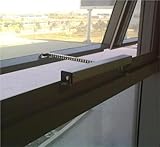
Overview: The COMOAEW Window Operator delivers smart automation at an entry-level price point, designed for both greenhouse and residential applications. This single-chain electric actuator provides 400N of push-pull force and enables remote window control via WiFi connectivity. The system allows users to schedule opening and closing cycles, optimizing natural ventilation while enhancing home safety and energy efficiency. Its straightforward installation process makes it accessible for DIY enthusiasts looking to modernize their spaces without complex wiring.
What Makes It Stand Out: This unit distinguishes itself through remarkable affordability combined with genuine smart features. The WiFi integration and scheduling capabilities are typically found in premium models costing three times as much. The 400N force rating adequately handles most standard windows and greenhouse vents, while the automatic monitoring system intelligently responds to ventilation needs. The emphasis on energy savings through automated climate control demonstrates thoughtful engineering for environmentally conscious consumers.
Value for Money: At $44.20, this opener dramatically undercuts the competition while delivering core automation functionality. Comparable WiFi-enabled actuators start around $150, making this an exceptional budget entry point. The cost savings allow for multiple unit installations throughout a home or greenhouse. While build quality reflects the price point, the feature-to-cost ratio is unmatched for those seeking basic smart window control without financial commitment.
Strengths and Weaknesses: Strengths include unbeatable pricing, genuine WiFi connectivity, programmable scheduling, easy installation, and adequate force for standard applications. Weaknesses involve the single-chain design’s potential durability concerns, lower 400N force limiting heavy window compatibility, less robust construction than premium alternatives, and limited brand recognition for long-term support.
Bottom Line: The COMOAEW Window Operator is an outstanding value proposition for budget-conscious buyers entering home automation. It successfully balances essential smart features with remarkable affordability, making it ideal for greenhouses, small homes, or experimental smart home setups where cost is primary concern.
7. Electric Window Opener - Automatic Chain Actuator with Remote Control & Wall Switch, 23.6-Inch Window Vent Opener, Smart Home Automation Solution for Easy Ventilation
Overview: This versatile electric window actuator addresses diverse ventilation needs across residential and commercial settings. Compatible with skylights, casement, sliding, and double-hung windows, the 23.6-inch stroke provides comprehensive coverage. The system includes both wall switch and remote control options, prioritizing accessibility. Its double-layer chain design emphasizes durability and quiet operation, while the 600N locking force ensures secure closure against external elements and potential intrusions.
What Makes It Stand Out: The universal compatibility across seven window types makes this exceptionally versatile. The double-layer stainless steel chain construction dramatically reduces noise while extending operational lifespan beyond 10,000 cycles. The automatic shut-off safety mechanism protects both the actuator and window structure when peak force is reached. This combination of durability, quiet operation, and intelligent safety features positions it as a premium solution for discerning homeowners.
Value for Money: Priced at $222.99, this opener sits in the mid-to-high tier, yet delivers justified value through superior engineering. The 10,000+ cycle design life translates to over 27 years of daily use, amortizing the initial investment significantly. When compared to replacing cheaper units every few years, this becomes economically advantageous. The multi-window compatibility eliminates the need for separate specialized openers, creating additional savings.
Strengths and Weaknesses: Strengths include exceptional versatility across window types, robust 600N force, whisper-quiet double-chain operation, comprehensive safety features, and impressive durability ratings. Weaknesses center on the premium price point potentially exceeding casual users’ budgets, possible over-engineering for simple single-window applications, and installation complexity requiring moderate technical skill.
Bottom Line: This Electric Window Opener represents an excellent investment for homeowners seeking a single, reliable solution for multiple window types. Its durability and quiet operation justify the premium price, making it ideal for primary residences where long-term performance and daily convenience are paramount priorities.
8. Olideauto Smart WiFi Electric/Automatic Single Chain Window Actuator with Wireless Rain Sensor with 19.68inch Travel Distance,Compatible for Alexa,Google Home,TUYA APP

Overview: The Olideauto actuator elevates window automation through comprehensive smart home integration and intelligent environmental sensing. With 19.68 inches of travel, it accommodates most residential windows while providing WiFi connectivity for Alexa, Google Assistant, and Tuya app control. The included wireless rain sensor automatically closes windows upon detecting precipitation, preventing water damage. Users can program precise opening ratios and schedules through the smartphone app, enabling sophisticated ventilation management without manual intervention.
What Makes It Stand Out: The wireless rain sensor distinguishes this as a truly autonomous solution, eliminating weather-related worries. The granular app control allowing specific opening percentages provides precision unmatched by simpler timers. Electrophoretic coating on the housing enhances corrosion resistance, while the two-layer stainless steel chain ensures strength and oxidation resistance. This combination of proactive weather response and fine-tuned control represents smart home automation at its most practical.
Value for Money: At $259.02, this premium-priced opener delivers corresponding advanced features. The rain sensor alone justifies the cost delta for homeowners in unpredictable climates, potentially preventing thousands in water damage. Integration with major smart home ecosystems adds convenience value, while the quality materials promise longevity. For tech-savvy users wanting fully autonomous operation, the price aligns with the comprehensive feature set.
Strengths and Weaknesses: Strengths include intelligent rain-sensing automation, broad smart home compatibility, precise app-based control ratios, corrosion-resistant construction, and robust dual-layer chain design. Weaknesses involve the highest price point in its class, potential WiFi connectivity dependencies, complexity that may overwhelm less technical users, and limited compatibility information for non-standard windows.
Bottom Line: The Olideauto Smart WiFi Opener is the ultimate choice for smart home enthusiasts seeking worry-free, autonomous window management. Its rain sensor and granular controls justify the premium investment for those wanting maximum convenience and protection from the elements.
9. Holigie sunshade shutter controller, aluminum alloy automatic window actuator, adjustable thermal window opener, universal shutter controller, suitable for home ventilation and energy saving solutions

Overview: The Holigie controller offers a refreshingly simple approach to window automation through purely mechanical, temperature-sensitive operation. Crafted from premium aluminum alloy, this opener requires no electricity or batteries, instead utilizing a thermal expansion mechanism to automatically adjust louver windows as temperatures rise. The universal design fits any louver or Venetian blind window, while the integrated spring mechanism and support bar provide enhanced wind resistance. Installation requires only basic tools and the included clamps or screws.
What Makes It Stand Out: This non-electric design represents eco-friendly automation at its simplest, eliminating wiring, power consumption, and electronic failure points. The temperature-sensitive operation provides truly passive climate control, opening gradually as heat builds. The robust aluminum construction resists rust in humid environments, making it ideal for greenhouses, bathrooms, or coastal homes. Its universal compatibility with louver systems addresses a specific niche often ignored by electronic alternatives.
Value for Money: At $33.19, this is the most economical automation solution available. The zero operating cost and absence of electrical components mean no future expenses for repairs or replacements. For greenhouses or ventilation-focused applications where precise timing is less critical than temperature response, it outperforms pricier electronic options. The value proposition strengthens in off-grid locations or where electrical work is impractical.
Strengths and Weaknesses: Strengths include unbeatable affordability, completely passive temperature-based operation, zero power requirements, excellent wind resistance, rust-proof aluminum construction, and dead-simple installation. Weaknesses comprise lack of remote control or scheduling, limited to louver windows only, slower response times, inability to override automatic function, and less precise control compared to motorized alternatives.
Bottom Line: The Holigie thermal opener is perfect for greenhouses, sheds, or homes prioritizing passive ventilation over smart features. Its simplicity and reliability make it an excellent low-maintenance solution for those wanting automatic airflow without complexity or ongoing costs.
10. DC24V Smart Automatic Motorized Window Skylight Opener, Chain Electric Window Actuator Motor, Stroke 300mm for Clerestory, Casement Window, Roof Vent (DC24V Input)

Overview: This DC24V motorized opener targets DIY enthusiasts and accessibility needs with its low-voltage design and RF remote control system. The 300mm (12-inch) stroke effectively operates skylights, clerestory windows, and various vent types. An included transformer converts standard AC100-240V household current to safe DC24V, reducing electrical hazards during self-installation. The system allows stopping at any travel point, providing adjustable ventilation control. Engineered for those with mobility limitations, it enables effortless window operation from anywhere in a room.
What Makes It Stand Out: The low-voltage DC24V operation prioritizes user safety during DIY installation, a rare consideration in this category. The ability to stop at any point along the travel path offers nuanced ventilation control beyond simple open/closed states. The RF remote’s room-range operation provides convenience without requiring WiFi networks or smartphone apps. This focus on accessibility and straightforward functionality distinguishes it from overly complex smart home alternatives.
Value for Money: Priced at $129.99, this opener occupies a sensible middle ground between budget and premium options. The DIY-friendly design eliminates professional installation costs, often $100-200. The low-voltage system’s safety benefits provide intangible value for families. While lacking advanced smart features, the core functionality and accessibility focus deliver strong ROI for specific use cases like skylights or mobility-challenged users.
Strengths and Weaknesses: Strengths include safe low-voltage operation, DIY installation suitability, RF remote convenience, mid-range pricing, any-point stopping capability, and excellent accessibility benefits. Weaknesses involve lack of smart home integration, requirement for external transformer, limited 300mm stroke, single control method (RF only), and modest force rating unspecified for heavy windows.
Bottom Line: This DC24V opener is ideal for DIYers, skylight installations, and users prioritizing safety and simplicity over smart connectivity. Its accessibility features and straightforward operation make it a thoughtful choice for multi-generational households or those wanting reliable ventilation control without technical complexity.
Understanding Smart Window Actuators
What Are Smart Window Actuators?
Smart window actuators are electromechanical devices that automatically open and close windows based on programmed triggers, sensor data, or manual commands from your smartphone. Unlike basic motorized window openers, these units feature embedded microprocessors, wireless connectivity, and integration capabilities with broader climate control and home automation ecosystems. They translate digital commands into precise physical movement, typically offering push forces between 100-800 Newtons depending on the model and application.
The “smart” designation comes from their ability to participate in conditional logic chains—opening when indoor CO2 levels rise, closing when outdoor humidity spikes, or adjusting incrementally based on temperature differentials between indoor and outdoor environments. Most units report their position status back to your central hub, enabling true automation rather than simple remote control.
How They Integrate with Climate Control Systems
Modern smart actuators function as both sensors and effectors within your home’s climate ecosystem. They communicate with smart thermostats, air quality monitors, and weather stations to execute sophisticated ventilation strategies. Through protocols like MQTT, CoAP, or manufacturer APIs, these devices can subscribe to data streams from your indoor air quality sensors and respond within seconds to changing conditions.
Integration typically occurs through your smart home platform of choice—be it HomeKit, SmartThings, Home Assistant, or proprietary systems. The actuator becomes a controllable entity that can be incorporated into routines, scenes, and automation rules. For example, you might create a “Summer Cooling” routine that opens selected windows when outdoor temperatures drop below indoor temperatures after sunset, then closes them before sunrise to trap cool air.
Types of Window Actuators Explained
Chain Actuators: The Popular Choice
Chain actuators represent the most common solution for residential applications, utilizing a hardened steel or polymer chain that extends in a straight line to push windows open. Their self-contained design mounts discreetly on the window frame, making them visually unobtrusive when closed. These units excel with top-hung, side-hung, and bottom-hung windows, offering stroke lengths from 100mm to 500mm.
The mechanical advantage of chain actuators lies in their ability to maintain consistent force throughout the entire stroke, typically rated between 200-400N for residential models. Look for units with anti-corrosion chain coatings and tensioning systems that prevent sagging over time. Most quality chain actuators include position feedback through Hall effect sensors, enabling partial opening states rather than simple open/close operation.
Rack and Pinion Actuators: Heavy-Duty Performance
When dealing with large architectural windows, skylights, or commercial applications requiring 600N+ of push force, rack and pinion actuators deliver unmatched reliability. These units employ a gear-driven rack that extends with powerful, consistent force, making them ideal for heavy timber frames, triple-glazed units, or windows with stiff seals. Their robust construction typically results in longer lifespans—often exceeding 50,000 cycles.
The trade-off comes in form factor; rack and pinion units are bulkier and more visible than chain alternatives. They also generate slightly more operational noise, typically 45-55 dB compared to 35-45 dB for chain actuators. For coastal installations or high-humidity environments, prioritize models with IP65+ ratings and stainless steel gearing to prevent salt-air corrosion.
Linear Actuators: Precision and Power
Linear actuators, particularly ball screw and lead screw variants, offer the highest precision for applications requiring exact positioning control. These units convert rotational motion into linear movement with minimal backlash, achieving positional accuracy within ±1mm. This precision proves invaluable for greenhouse ventilation, clerestory windows, or integration with building management systems that demand granular control.
With thrust capacities ranging from 150N to over 1000N, linear actuators handle substantial loads but require careful alignment during installation. Misalignment of even 2-3 degrees can dramatically reduce lifespan and increase power consumption. Most models include built-in limit switches and overcurrent protection, but you’ll want to verify the duty cycle rating—continuous vs. intermittent operation—to match your ventilation strategy.
Folding Arm Actuators: Versatile Solutions
Folding arm actuators, also called scissor arm or twist actuators, mount on the window sash and frame, extending in an arc to push windows open. Their unique mechanism allows for compact installation with impressive opening distances—some models achieving 800mm+ of effective opening from a 200mm retracted length. This makes them perfect for inward-opening windows common in European designs or casement windows where traditional push actuators won’t work.
These units typically operate at lower forces (150-300N) but compensate with mechanical advantage through their lever arm design. The complexity of their linkage system means more moving parts, so prioritize models with sealed bearings and lubrication-free joints. Weather resistance becomes paramount since the arm mechanism remains partially exposed during operation.
Key Features to Evaluate Before Buying
Force and Stroke Length: Matching Your Windows
Selecting the correct force rating isn’t guesswork—it requires calculating the actual resistance your window presents. Start by measuring the window weight and friction from seals, hinges, and any existing hardware. As a rule of thumb, multiply the window sash weight by 1.5 to determine minimum required force. For a 30kg side-hung window, you’ll need at least 450N of push force, considering that initial breakaway force exceeds maintaining force by 30-40%.
Stroke length determines how far your window opens. Calculate this by measuring from fully closed to your desired maximum opening, then add 20mm for installation tolerance. For top-hung windows, remember that the effective opening distance at the bottom sash will be greater than the actuator’s stroke due to geometry. Most manufacturers provide calculators to help determine optimal specifications for your specific window dimensions.
Speed and Noise Levels: Comfort Considerations
Actuator speed directly impacts both user experience and ventilation effectiveness. Typical opening speeds range from 5-15mm per second. Faster isn’t always better—windows that slam open create pressure shocks and noise, while excessively slow operation might not respond quickly enough to sudden rain. Look for units with soft-start and soft-stop programming that ramps motor speed at the beginning and end of travel.
Noise levels become critical for bedrooms, home offices, and nighttime operation. Quality actuators operate between 35-45 dB—roughly the sound of a quiet library. Cheaper units can exceed 60 dB, comparable to normal conversation. Pay attention to dB(A) ratings at 1-meter distance, and check user reviews specifically mentioning operational noise during quiet hours. Some premium models include “night mode” settings that sacrifice speed for whisper-quiet operation.
Power Supply Options: Hardwired vs. Battery
Hardwired 24V DC actuators offer the most reliable operation, connecting to centralized power supplies or PoE (Power over Ethernet) injectors. These systems eliminate battery anxiety and typically support higher force ratings. Installation requires running low-voltage cable to each window, which is straightforward during construction but challenging for retrofits. Look for units with supercapacitor backup that can complete a close cycle during power outages.
Battery-powered units using lithium-ion packs provide installation flexibility, lasting 6-18 months per charge depending on usage patterns. Solar-assisted models extend this indefinitely with adequate light exposure. The trade-off includes lower force capacities (usually under 300N), periodic maintenance, and potential connectivity drops when batteries deplete. For multi-story homes, consider the practical challenge of accessing upper-floor units for battery changes.
Connectivity Protocols: WiFi, Zigbee, Z-Wave, and Matter
Your choice of connectivity protocol shapes your entire smart home experience. WiFi actuators offer direct router connection without hubs but consume more power and can congest crowded 2.4GHz networks. They’re ideal for small installations (under 10 units) where you want standalone operation. Ensure the device supports modern WPA3 encryption and receives regular firmware updates.
Zigbee and Z-Wave create mesh networks where each device strengthens overall connectivity, crucial for large installations or homes with thick walls. These protocols use minimal power—essential for battery-operated units—and support local control without internet connectivity. Z-Wave operates in the less-crowded 900MHz band in North America, offering better range but potentially interfering with some cordless phones. Zigbee’s 2.4GHz frequency provides global compatibility but requires careful channel management.
Matter, the new universal standard backed by Apple, Google, Amazon, and Samsung, promises seamless interoperability. Early Matter-compatible actuators offer future-proofing but may have limited advanced features as the standard matures. For now, prioritize devices that support multiple protocols or offer open API access for maximum flexibility.
Climate Control Integration Strategies
Temperature-Based Automation
Effective temperature automation requires more than simple “open when hot” logic. Implement differential control that compares indoor and outdoor temperatures, opening windows only when outdoor conditions favor cooling. Set a minimum temperature threshold (e.g., 18°C/65°F) to prevent cold air dumping, and incorporate hysteresis—waiting 2-3 degrees beyond your setpoint before acting—to prevent rapid cycling.
Advanced strategies include zone-based control where different window groups respond to different temperature sensors. Your upstairs bedrooms might vent based on local sensors, while main floor windows react to living area temperatures. Integrate with your HVAC system’s heating/cooling state to create lockout conditions—windows shouldn’t open when the air conditioning runs, but might supplement heating on sunny winter days.
Humidity and Air Quality Triggers
Relative humidity control prevents mold growth and maintains comfort. Program windows to open when indoor humidity exceeds 60% and outdoor humidity is lower by at least 10 percentage points. This differential ensures you’re not just exchanging one humid air mass for another. Include time restrictions to prevent midnight openings that might trigger security alarms.
CO2 sensors provide objective occupancy-based ventilation. When levels exceed 800-1000ppm, indicating stale air, windows should open incrementally until levels drop below 600ppm. Integrate VOC (Volatile Organic Compound) sensors for comprehensive air quality management, particularly important in newly renovated homes or those with significant off-gassing materials. The automation should prioritize air quality over temperature when both parameters exceed thresholds.
Weather-Responsive Operation
Modern smart actuators can subscribe to hyper-local weather data through APIs like OpenWeatherMap or WeatherFlow. Configure your system to close windows when rain probability exceeds 30% within the next 15 minutes, giving adequate warning before precipitation. Wind speed triggers prove equally important—close windows when gusts exceed 25 mph to prevent damage and drafts.
Advanced implementations include pressure differential monitoring. When barometric pressure drops rapidly, indicating an approaching storm, windows can preemptively close. Some systems integrate with personal weather stations for on-site data, providing more accurate triggers than regional forecasts. For coastal homes, salt-air detection sensors can trigger protective closures during onshore winds.
Installation Considerations
Window Type Compatibility Assessment
Not every actuator works with every window. Casement windows require folding arm or linear pull-type actuators, while double-hung windows need dual synchronized units. For skylights, verify the actuator can mount at the required angle—some models operate only within 15 degrees of horizontal. Measure reveal depth to ensure the actuator fits within your frame without interfering with blinds or screens.
Material compatibility matters too. Heavy timber frames may require reinforcement plates to distribute actuator force. Aluminum frames need isolation mounts to prevent galvanic corrosion with steel hardware. Historic windows with original glass require careful force calculation to avoid stressing fragile glazing. Always check the manufacturer’s compatibility matrix, and when in doubt, request a technical review of your window specifications.
Professional vs. DIY Installation
DIY installation suits technically competent homeowners comfortable with drilling into frames, running low-voltage wiring, and configuring smart home integrations. Most manufacturers provide templates and video guides. The challenge lies in precise alignment—a 2mm offset can cause binding and premature failure. You’ll need tools including a digital level, torque wrench, and possibly a multimeter for troubleshooting.
Professional installation, typically $200-400 per window, brings expertise in structural assessment, weatherproofing, and system optimization. Installers certified by manufacturers understand warranty requirements and can often complete the job in a few hours. They’ll also handle integration with existing smart home systems and provide training on operation. For large installations or complex window configurations, professional installation pays dividends in reliability and warranty protection.
Wiring and Power Requirements
Hardwired systems require planning your power distribution strategy. Centralized 24V DC power supplies (typically 10A-20A capacity) can service multiple actuators, but voltage drop over long runs necessitates proper cable sizing. For runs exceeding 15 meters, upgrade from 0.75mm² to 1.5mm² cable to maintain voltage at the actuator. Install local disconnect switches for maintenance access.
For retrofit installations, consider Power over Ethernet (PoE++) actuators that receive both data and power through a single CAT6 cable. This simplifies wiring and enables advanced diagnostics. Battery-powered units need accessible charging points; plan for quarterly maintenance access. Solar-assisted models require south-facing exposure (in northern latitudes) with at least 4 hours of direct sunlight daily for reliable operation.
Smart Home Ecosystem Compatibility
Major Platform Integration
HomeKit integration offers Siri voice control and seamless iOS automation but requires HomeKit certification and a compatible hub (Apple TV, HomePod, or iPad). Look for actuators supporting HomeKit Secure Video and Adaptive Lighting, even though these features don’t directly apply—they indicate a manufacturer’s commitment to Apple’s ecosystem. HomeKit’s local control ensures operation during internet outages.
SmartThings and Hubitat platforms provide powerful rule engines for complex automation. These systems support custom device handlers that can unlock advanced features not exposed in manufacturer apps. Check community forums for existing integrations before purchasing—active community support often means better long-term compatibility. Alexa and Google Home integration offers convenience but typically provides limited automation capabilities; use them for voice control while relying on your primary hub for logic.
API Access and Custom Integration
For power users, RESTful API access enables integration with Node-RED, openHAB, or custom Python scripts. Look for documented APIs with OAuth2 authentication and webhook support for real-time status updates. MQTT support represents the gold standard for IoT integration, allowing publish/subscribe messaging that decouples devices from specific platforms.
Some manufacturers offer local API endpoints that don’t require cloud connectivity—critical for privacy-conscious users or unreliable internet situations. Test API responsiveness by checking if commands execute within 100ms locally versus 1-3 seconds through cloud relays. Rate limiting policies also matter; ensure the API supports at least 10 commands per minute per device for responsive control.
Safety and Security Features
Obstruction Detection and Auto-Stop
Quality actuators include current-sensing obstruction detection that stops and reverses motion when encountering resistance—essential for preventing finger injuries or window damage. The best units offer adjustable sensitivity, allowing you to fine-tune detection for windows with stiff weatherstripping. Test this feature by placing a soft object in the window path during initial setup; the actuator should stop within 1-2 seconds and reverse 20-50mm.
Advanced models integrate with pressure-sensitive strips that trigger before the actuator encounters significant resistance, providing an additional safety layer. For homes with children or pets, look for actuators certified to EN 60335-2-103 safety standards, which mandate specific force limitations and reaction times.
Manual Override Capabilities
Power failures shouldn’t trap you in your home. Manual override systems allow hand-crank operation or emergency release levers that disconnect the motor gearbox. Some designs include clutch mechanisms that automatically disengage when manual force is applied, while others require a key or tool to activate override mode. Verify the override doesn’t void position calibration—quality units recalibrate automatically upon the next powered operation.
For egress windows in bedrooms, building codes may require specific manual override capabilities that can be operated by children and elderly occupants. Test the override mechanism quarterly to ensure it hasn’t seized due to corrosion or debris. Document the procedure and keep any required tools accessible but secure.
Security Locking Mechanisms
Smart windows shouldn’t become security vulnerabilities. Look for actuators with integrated locking that engages when windows close, preventing forced entry through actuator back-driving. Some units include anti-tamper alarms that trigger if someone attempts to manually force the window open while locked. Integration with your security system should allow “away” modes that lock all windows and report unauthorized movement.
Consider the physical security of the actuator itself. Units mounted externally should feature tamper-resistant screws and concealed wiring. For ground-floor windows, folding arm actuators that mount entirely on the interior provide better security than chain actuators with external components. Configure your automation to close and lock windows automatically when your security system arms.
Energy Efficiency and Sustainability
Natural Ventilation Benefits
Strategic automated ventilation can reduce HVAC runtime by 25-40% in moderate climates. The key is thermal mass utilization—opening windows during cool nights pre-cools your home’s structure, reducing next-day cooling loads. In winter, automated high-level windows can vent excess heat from solar gain without losing conditioned air from living spaces. Calculate your potential savings by tracking degree-days and comparing indoor/outdoor temperature differentials.
Night flush cooling works best in climates with diurnal temperature swings exceeding 10°C (18°F). Program windows to open when outdoor temperatures drop below 18°C (65°F) and indoor temperatures exceed 22°C (72°F), closing them by 6 AM. This strategy alone can eliminate air conditioning needs for 2-3 months in many temperate regions.
Solar Power Options
Solar-assisted actuators combine a small photovoltaic panel with a battery pack, achieving grid independence for individual windows. A 5W panel can power a typical actuator through 10 cycles per day in most climates. The key specification is panel efficiency and battery capacity—look for lithium iron phosphate (LiFePO4) batteries that tolerate deep discharges and extreme temperatures better than standard Li-ion.
For whole-home systems, consider a central solar+battery setup powering multiple hardwired actuators. This approach offers better panel placement flexibility and more robust battery backup. Calculate your total power budget: a typical 24V 2A actuator consumes 48W during operation, but only runs for 15-30 seconds per cycle. Multiply by daily cycles and add 20% for standby consumption to size your solar system appropriately.
Insulation Impact and Thermal Performance
Poorly installed actuators can compromise window insulation, creating thermal bridges or air leaks. Look for units with thermal breaks in their mounting hardware and closed-cell foam gaskets that maintain air seals. The actuator’s U-value should be specified by the manufacturer; values above 1.5 W/m²K indicate significant heat loss potential.
For passive house installations, some manufacturers offer “thermal module” actuators designed to meet Passivhaus standards, with U-values below 0.8 W/m²K. Consider the actuator’s position when closed—does it press the window tighter into seals or create slight gaps? Models with end-of-travel compression can actually improve insulation when properly adjusted.
Maintenance and Longevity
Weather Resistance Ratings Explained
IP ratings define protection against solids and liquids. For interior-mounted actuators, IP42 (protected against objects >1mm and dripping water) suffices. Exterior-mounted units or those in unconditioned spaces need IP65+ (dust-tight and protected against water jets). For coastal installations, verify salt mist testing to ASTM B117 standards—standard IP ratings don’t address corrosion.
UV resistance matters for actuators exposed to direct sunlight. Look for ASA or UV-stabilized polycarbonate housings that won’t become brittle after 5+ years of exposure. Operating temperature ranges should extend from -20°C to +60°C for most climates, with expanded ranges for extreme environments. Check the fine print: some units only achieve rated performance within narrower temperature bands.
Routine Maintenance Requirements
Quarterly maintenance should include cleaning the chain or arm mechanism with a dry cloth, checking mounting hardware torque, and testing manual override function. Bi-annually, apply silicone lubricant to moving parts (unless the manufacturer specifies maintenance-free designs). Annually, inspect wiring connections for corrosion and test obstruction detection sensitivity.
Battery-powered units require more frequent attention. Check battery levels monthly through your app, and clean solar panels (if equipped) quarterly. Replace lithium batteries every 3-5 years regardless of apparent performance—capacity degradation occurs gradually and can lead to unexpected failures during high-usage periods. Keep a maintenance log; many warranty claims require documented maintenance schedules.
Warranty Coverage Insights
Standard warranties range from 2-5 years, but coverage varies significantly. Premium manufacturers offer 5-year warranties covering mechanical components and 2-year coverage for electronics. Read exclusions carefully: many warranties void for coastal installations, commercial use, or DIY installation. Some require professional installation and annual servicing to maintain coverage.
Understanding warranty terms for chain stretch is crucial. Chains naturally elongate over thousands of cycles; reputable warranties cover this, but specify acceptable limits (typically 2-3% elongation). Electronics warranties should cover firmware updates and connectivity issues. Consider purchasing from manufacturers with local service centers—international shipping for repairs can exceed replacement costs.
Cost Analysis and ROI
Initial Investment Breakdown
A quality smart window actuator system costs $300-800 per window, including hardware and basic installation accessories. This breaks down to $150-400 for the actuator itself, $50-150 for mounting hardware and wiring, and $100-250 for installation labor if outsourced. Control hubs or bridges add $100-300 if not already present in your smart home setup.
Hidden costs include potential window reinforcement ($50-200 per window), weatherproofing upgrades ($30-100), and professional integration services ($200-500 for whole-home setup). Multi-window synchronization controllers add $150-400 but enable sophisticated ventilation patterns. Budget 10-15% contingency for unforeseen structural issues, especially in older homes.
Energy Savings Potential
Calculate ROI by comparing HVAC runtime reduction against installation costs. In a 2,000 sq ft home with $150 monthly cooling costs, a 30% reduction saves $540 annually. With a $4,000 whole-home actuator system, simple payback occurs in 7.4 years. Factor in increased comfort and air quality benefits, and the proposition strengthens.
In heating-dominated climates, savings come from humidity control and heat recovery coordination. Preventing mold damage can save thousands in remediation costs. Utilities sometimes offer rebates for automated ventilation systems—check with your provider. Some regions classify these as energy efficiency upgrades, qualifying for tax incentives or low-interest financing.
Long-Term Value Proposition
Beyond energy savings, automated ventilation extends HVAC system lifespan by reducing runtime—compressor cycles decrease, filters last longer, and maintenance intervals stretch. The health benefits of consistent fresh air, particularly for allergy sufferers or those with respiratory conditions, carry immeasurable value. Homes with integrated smart climate systems command 3-5% price premiums in real estate markets.
Consider scalability when evaluating value. A system that supports incremental expansion allows you to start with high-priority rooms and add units over time. Open ecosystems that integrate with new sensor types and platforms protect your investment from obsolescence. The ability to update firmware and add features post-purchase transforms the actuator from a static device into an evolving component of your home’s intelligence.
Troubleshooting Common Issues
Connectivity Problems
When actuators drop off your network, systematic diagnosis saves hours of frustration. First, check signal strength—most apps report RSSI values; anything below -80 dBm indicates marginal connectivity. For Zigbee/Z-Wave, try repairing the mesh by power-cycling hub and devices. WiFi units may require static IP assignments to prevent router lease expiration issues.
Interference from other 2.4GHz devices (baby monitors, microwaves, Bluetooth) can cause intermittent drops. Use WiFi analyzer apps to identify congested channels and switch your hub to clearer frequencies. Firmware mismatches between hub and actuators often cause pairing failures; update all devices before troubleshooting. If problems persist, enable debug logging—many systems reveal underlying issues like DNS timeouts or authentication errors.
Mechanical Failures
Windows that stop mid-travel often indicate obstruction detection sensitivity set too high, binding in the frame, or insufficient power supply. Measure voltage at the actuator during operation; significant drops below rated voltage suggest undersized wiring or inadequate power supply capacity. Grinding noises typically signal gearbox wear or chain misalignment—immediate attention prevents catastrophic failure.
Chain sag or drooping indicates tensioner failure or exceeding the actuator’s designed load. Most tensioners are adjustable; consult your manual for proper sag specifications (typically 5-10mm mid-span). If the chain shows visible wear, kinking, or corrosion, replace it immediately—continued operation can damage the drive sprocket and motor. Keep spare chains on hand; they’re inexpensive and often model-specific.
Calibration and Alignment Challenges
Position drift—where the actuator loses track of fully open/closed positions—recurs monthly in some units. High-quality actuators recalibrate automatically by driving to mechanical limits and resetting position counters. If your unit drifts, check for mechanical slippage in mounting brackets or chain stretch beyond specifications. Re-torque all hardware to factory specifications.
Alignment issues manifest as uneven opening, excessive noise, or premature seal failure. Use a digital level during installation to ensure the actuator mounts perfectly parallel to window travel. Misalignment of just 1-2 degrees multiplies side-loading forces, accelerating wear. For chain actuators, verify the chain exits the housing at exactly 90 degrees to the window when closed. Many manufacturers provide laser alignment tools—use them.
Advanced Automation Scenarios
Multi-Window Synchronization
Coordinating multiple windows creates pressure differentials that drive effective cross-ventilation. Program opposite windows to open sequentially—first downwind windows 30 seconds, then upwind windows—to establish airflow paths. For stack effect ventilation in multi-story homes, open lower floor windows 100mm while opening upper floor windows fully, creating natural convection that exhausts hot air.
Advanced controllers can modulate opening percentages based on wind direction data from your weather station. When wind blows from the north, open south-facing windows 80% and north-facing windows only 20% to prevent drafts while maximizing airflow. Synchronization also enables “purge” modes that rapidly exchange air throughout the house by opening all windows simultaneously for 5-minute intervals.
Seasonal Programming Strategies
Spring and fall require different logic than summer cooling. During shoulder seasons, program windows to maintain indoor temperatures within a broad comfort band (18-24°C) without HVAC assistance. Use “free cooling” mode that opens windows when outdoor temperatures are 2-3°C below indoor, even during daytime. In winter, enable “trickle ventilation”—opening high-level windows 10mm for 15 minutes every 2 hours to control humidity while minimizing heat loss.
Create seasonal profiles that automatically adjust triggers based on calendar dates or outdoor temperature trends. When the 7-day average temperature drops below 10°C, switch to winter mode with tighter humidity controls and reduced opening durations. Some systems use machine learning to predict seasonal transitions, gradually adjusting parameters rather than abrupt mode changes.
Future Trends in Automated Ventilation
AI-Powered Climate Prediction
Next-generation actuators will incorporate edge AI that predicts ventilation needs based on weather forecasts, occupancy patterns, and building thermal modeling. Rather than reacting to current conditions, these systems will preemptively open windows at 3 AM when models predict optimal cooling opportunities. Machine learning algorithms will analyze years of data to refine opening strategies for your specific home’s thermal inertia.
Integration with utility smart grids will enable demand-response ventilation, pre-cooling homes during off-peak hours when electricity is cheap and green, then minimizing HVAC use during peak demand. Some pilot programs already offer financial incentives for homes that can demonstrate 50%+ HVAC load shifting through automated ventilation.
Integration with Renewable Energy Systems
Solar-powered actuators will evolve beyond simple panel+battery designs to integrate with home battery systems like Tesla Powerwall or LG Chem. During grid outages, these systems will prioritize window automation for climate control, reserving battery capacity for critical loads. Bidirectional communication will allow actuators to report their energy consumption and solar generation as part of whole-home energy dashboards.
Geothermal-assisted ventilation represents another frontier. Ground-coupled heat exchangers can pre-condition incoming air, and smart actuators will modulate flow rates to optimize the system’s COP (Coefficient of Performance). In winter, actuators will open minimally when geothermal systems run, maximizing heat recovery while still providing fresh air.
Advanced Sensor Networks
Future installations will distribute sensing throughout the home using low-power wireless mesh networks. Individual rooms will have temperature, humidity, CO2, VOC, and particulate sensors that feed data to a central ventilation controller. This enables true demand-controlled ventilation where each room’s windows respond to local conditions rather than whole-house averages.
Photovoltaic-integrated windows with embedded sensors will communicate directly with actuators, creating self-regulating ventilation zones. Imagine a south-facing bay window that automatically vents when its integrated solar cells detect excessive heat buildup, independent of room thermostats. These systems will report their own performance metrics, predicting maintenance needs before failures occur.
Regulatory and Building Code Considerations
Safety Standards Compliance
In the US, window actuators must comply with UL 325 (door, drapery, gate, louver, and window operators) and NFPA 70 (National Electrical Code). UL 325 categorizes actuators as Class I, II, or III based on potential hazard, with residential windows typically falling under Class I or II. These standards mandate specific entrapment protection, manual override, and marking requirements.
European installations require CE marking and compliance with EN 60335-2-103. For rental properties or multi-family buildings, additional regulations may apply regarding tenant control and safety inspections. Document all certifications and keep installation manuals accessible for code inspections. Non-compliant installations can affect insurance coverage and create liability issues.
Permit Requirements by Region
Most jurisdictions classify window actuator installation as low-voltage electrical work, which may or may not require permits. In California, Title 24 energy codes incentivize automated ventilation through compliance credits, but require professional commissioning. Florida’s hurricane codes mandate specific wind-load ratings for automated windows—standard actuators may not qualify.
Check local requirements before purchasing. Some historic districts prohibit visible exterior modifications, limiting you to interior-mounted solutions. Fire codes may require that actuators on egress windows release automatically or provide specific manual override methods. When in doubt, consult your local building department; retroactive permitting for unpermitted electrical work can cost 3-5 times the original permit fee.
Frequently Asked Questions
How long do smart window actuators typically last?
Quality actuators last 10-15 years with proper maintenance, though the mechanical components often outlive electronic ones. Chain and gearbox assemblies typically endure 30,000-50,000 cycles, equivalent to 8-14 years of daily use. Electronics may require replacement after 5-10 years due to capacitor aging or connectivity standard evolution. Look for manufacturers with 5+ year warranties and documented lifecycle testing. Regular maintenance and avoiding overload conditions significantly extend lifespan.
Can I install smart actuators on old or historic windows?
Yes, but with important caveats. Historic windows often have structural limitations requiring reinforcement. The maximum safe force for original timber frames is typically 200-250N, necessitating careful actuator selection. Interior-mounted folding arm actuators usually comply with historic preservation rules since they don’t alter exterior appearance. Always consult your historic preservation commission before installation, and consider working with contractors experienced in heritage building automation. Document all modifications with photos in case of future restoration needs.
What happens during a power outage?
Hardwired actuators without battery backup simply stop where they are. Quality units include supercapacitors or small internal batteries that provide enough power to close once during outages. Battery-powered units continue operating normally until their batteries deplete. For safety, configure your system to automatically close all windows when power loss is detected, using any available stored energy. Consider a UPS (Uninterruptible Power Supply) for your control hub to maintain automation logic during outages. Some advanced systems integrate with whole-home batteries for seamless operation.
Will smart actuators work with my existing smart home system?
Most likely, but verify specific compatibility before purchasing. Check if the actuator supports your hub’s protocol (Zigbee, Z-Wave, WiFi) and whether a custom device handler or plugin exists. HomeKit compatibility requires specific certification—don’t assume Zigbee devices work with HomeKit without verification. For proprietary systems like Control4 or Crestron, you’ll likely need a bridge or serial interface module. Manufacturers increasingly offer Matter support, which should simplify future compatibility. When in doubt, purchase from retailers with generous return policies to test integration.
How do I calculate the correct force rating for my windows?
Weigh your window sash using a bathroom scale with the sash supported at its center. Multiply this weight by 1.5 to account for friction and seal resistance. For side-hung windows, measure the distance from hinge to center of the sash—force requirements increase with this lever arm. Most manufacturers provide online calculators where you input window dimensions, weight, and hinge type. When between sizes, always choose the higher force rating; an oversized actuator operates more easily and lasts longer than an undersized one straining to open your window.
Are battery-powered actuators reliable for daily use?
Modern lithium-ion battery actuators reliably handle 5-10 cycles daily, but require disciplined maintenance schedules. Expect 6-12 months between charges with moderate use. Reliability depends on battery quality—premium LG or Samsung cells outperform generic alternatives. Cold climates dramatically reduce capacity; battery performance drops 30-50% below freezing. For primary living spaces where consistent operation is critical, hardwired solutions offer better reliability. Use battery units for hard-to-wire locations or as supplemental ventilation where occasional downtime is acceptable.
Can automated windows improve my home’s air quality?
Absolutely. Automated windows programmed to respond to CO2 and VOC sensors can maintain indoor air quality equivalent to continuous mechanical ventilation at 0.35 air changes per hour. Studies show automated natural ventilation reduces particulate matter (PM2.5) by 40% compared to manual ventilation, simply because it operates consistently rather than sporadically. For allergy sufferers, integrate with pollen count APIs to close windows during high pollen days. The key is consistent, data-driven operation rather than relying on human memory to ventilate regularly.
What’s the difference between smart actuators and motorized openers?
Motorized openers provide remote control—essentially a motorized replacement for a hand crank. Smart actuators include sensors, feedback mechanisms, and integration capabilities that enable true automation. Smart units report their position, detect obstructions, participate in conditional logic, and integrate with broader systems. Motorized openers cost 50-70% less but offer minimal energy savings or convenience benefits. The distinction matters for insurance and code compliance; “smart” classification often requires additional safety certifications. For whole-home climate control, the premium for smart features delivers substantial ROI.
How difficult is it to retrofit existing windows with actuators?
Retrofit difficulty varies dramatically by window type and construction. Casement and awning windows typically retrofit in 2-3 hours per unit with minimal modifications. Double-hung windows often require sash reinforcement and can take 4-6 hours. The biggest challenges are running power wiring discreetly and ensuring structural integrity. Homes with plaster walls or limited attic access increase labor complexity. Professional installers use specialized fish tapes and flexible drill bits to minimize wall damage. Obtain quotes from installers experienced in retrofits rather than new construction—they’ll anticipate and solve common obstacles.
Do automated windows increase home security risks?
Potentially, but proper configuration mitigates risks. All smart actuators should include physical locks that engage when closed, preventing forced opening. Configure your system to close and lock all windows when security systems arm. Use geofencing to automatically close windows when you leave home. For ground-floor windows, interior-mounted actuators provide better security than external chain drives. Some insurers offer discounts for automated windows with certified locks, viewing them as more reliable than manual latches. The key is treating window automation as part of your security system, not just climate control.