Your vintage stereo system still delivers concert-hall acoustics. That air conditioner from 2015 cools perfectly. The ceiling fan remote works—when you can find it. Yet none of these reliable devices speak the language of modern smart homes. Rather than relegating them to the analog dustbin, voice-controlled IR blasters offer an elegant bridge between your legacy electronics and the seamless automation you’ve come to expect.
These compact translators capture voice commands from Alexa, Google Assistant, or Siri and convert them into infrared signals your older devices understand. No more hunting for remotes or manually adjusting settings. This comprehensive guide explores everything you need to know about selecting and deploying the right IR blaster for your specific legacy device integration challenges.
Top 10 Voice-Controlled IR Blasters for Legacy Devices
Detailed Product Reviews
1. MOES WiFi Smart IR Remote Controller Smart Home Infrared Universal Remote Blaster,One for All Control AC TV DVD CD AUD SAT etc,Compatible with Alexa and Google Assistant,No Hub Required

Overview: The MOES WiFi Smart IR Remote Controller transforms your smartphone into a universal command center for infrared devices. This compact hub supports air conditioners, TVs, DVD players, fans, and set-top boxes through the Smart Life/Tuya app. Operating exclusively on 2.4GHz Wi-Fi networks, it requires one unit per room since infrared signals cannot penetrate walls. The package includes a UL-certified adapter and USB cable for flexible placement options.
What Makes It Stand Out: The standout feature is its robust DIY copy function that learns commands from original remotes when brands aren’t pre-programmed in the app. This ensures compatibility with obscure devices like fireplaces and ceiling fans. Voice control via Alexa and Google Assistant allows hands-free temperature adjustments and channel changes. The UL certification provides peace of mind for safety-conscious consumers.
Value for Money: At $19.99, this device sits in the mid-range price bracket. It offers excellent value considering the included UL-certified power supply and comprehensive app support. While cheaper alternatives exist, the safety certification and reliable performance justify the modest premium over budget options.
Strengths and Weaknesses: Strengths include UL certification, extensive DIY learning capability, reliable app integration, and voice control support. Weaknesses are the 2.4GHz-only limitation, requiring multiple units for multi-room setups, and potential brand search complexity in the app.
Bottom Line: The MOES Smart IR is a solid choice for users seeking a safe, reliable universal remote with strong DIY learning capabilities. It’s particularly valuable for controlling legacy devices in a single room.
2. LinknLink eRemote Hub Smart Wi-Fi IR Universal Remote Control, Infrared Blaster for TV, Aircon, STB, IR2MQTT Home Assistant, Compatible with Alexa, Google Home (eRemote HA)

Overview: The LinknLink eRemote Hub converts your smartphone into a powerful universal remote for over 500,000 models across 2,000+ brands in 22 categories. Compatible with televisions, air conditioners, set-top boxes, DVD players, amplifiers, and projectors, it operates on 2.4GHz Wi-Fi with a 12-meter range that works through wall reflections. This allows flexible placement without direct line-of-sight requirements.
What Makes It Stand Out: The IR2MQTT integration for Home Assistant sets this device apart, enabling sophisticated automation scenarios that combine IR devices with other smart home products. The constantly updated cloud-based device library ensures compatibility with new appliances. Its ultra-wide signal range and wall-reflection capability provide exceptional coverage throughout large rooms.
Value for Money: Priced at $18.90, this is the best value for Home Assistant users. The extensive device database and MQTT bridge functionality offer capabilities typically found in more expensive hubs. For standard smart home users, it competes well with other WiFi options while offering superior technical flexibility.
Strengths and Weaknesses: Strengths include Home Assistant MQTT integration, massive device compatibility, updatable cloud library, wide signal range, and voice control support. Weaknesses include 2.4GHz-only connectivity and potential complexity for non-technical users unfamiliar with MQTT configuration.
Bottom Line: The eRemote HA is an exceptional choice for Home Assistant users seeking deep integration. Tech-savvy consumers will appreciate its programmability, while beginners may prefer simpler alternatives.
3. Universal Remote Smartphone IR Controller Adapter USB-C Infrared Blaster Control for Android Phone All-in-One Controller Air-conditiooner TV DVD Roku Vizio Samsung TV and More (Black)
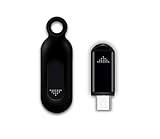
Overview: This Universal Remote Smartphone IR Controller is a portable USB-C adapter that instantly transforms your Android phone into an all-in-one remote. Unlike WiFi-based alternatives, this device connects directly to your smartphone, requiring no hub or wireless network. It supports a wide range of appliances including air conditioners, TVs, DVD players, and Roku devices within a 10-meter range. The plug-and-play design simplifies setup considerably.
What Makes It Stand Out: Its ultra-portable design with keychain and silicone case makes it ideal for travel and on-the-go use. The direct-connection approach ensures reliable control without network dependency or interference issues. This makes it perfect for hotel rooms, offices, or temporary living situations where installing a WiFi hub is impractical.
Value for Money: At $14.99, it’s the most affordable option and perfect for budget-conscious users prioritizing portability. The value proposition centers on mobility and simplicity rather than advanced smart home integration. However, the limited app ecosystem and phone-dependency may restrict its utility compared to WiFi alternatives.
Strengths and Weaknesses: Strengths include portability, no WiFi requirement, simple setup, low cost, and protective accessories. Weaknesses are Android-only compatibility, requirement to have phone present, limited app functionality, and inability to control devices when away from home.
Bottom Line: This IR adapter excels for travelers and renters needing a simple, portable solution. It’s not a true smart home hub but serves as an excellent replacement for multiple physical remotes in single-user scenarios.
4. Tuya Smart Zigbee IR Remote Controller, Infrared Universal Remote/IR Blaster Control Hub for Smart Devices That Work with Alexa & Google Assistant, 2.4Ghz WiFi Only, Zigbee Wired Gateway Required
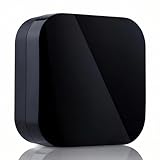
Overview: The Tuya Smart Zigbee IR Remote Controller is a battery-powered infrared blaster designed for Zigbee ecosystem integration. Requiring a compatible Zigbee wired gateway and 2AA batteries, it supports over 5,000 cloud-based IR codes for TVs, air conditioners, set-top boxes, and projectors. The device provides 360° coverage up to 10 meters, enabling flexible placement without outlet dependency.
What Makes It Stand Out: Zigbee connectivity enables mesh networking benefits, including lower power consumption and improved reliability in complex smart home setups. The battery power option provides unprecedented placement flexibility. Device sharing capabilities allow family members to control appliances through the Tuya/Smart Life app, creating a collaborative smart home experience.
Value for Money: At $28.99, this is the priciest option and only makes financial sense for existing Zigbee users. The cost includes gateway dependency, which adds expense if you don’t already own one. For Zigbee households, the mesh networking benefits and battery flexibility justify the premium over WiFi alternatives.
Strengths and Weaknesses: Strengths include Zigbee mesh networking, battery power flexibility, 360° signal coverage, extensive code library, and family sharing features. Weaknesses are mandatory gateway requirement, highest price point, ongoing battery replacement costs, and limited compatibility with non-Zigbee systems.
Bottom Line: This Zigbee IR controller is ideal for users already invested in a Zigbee smart home ecosystem. Others should consider WiFi alternatives that offer similar functionality without additional hub costs.
5. Tuya Smart Zigbee IR Remote Controller, Infrared Universal Remote/IR Blaster Control Hub for Smart Devices That Work with Alexa & Google Assistant, 2.4Ghz WiFi Only, Zigbee Wired Gateway Required
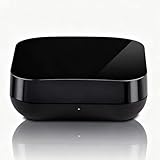
Overview: This Tuya Smart Zigbee IR Remote Controller offers USB-powered operation for Zigbee smart home environments. Requiring a wired Zigbee gateway and 2.4GHz WiFi, it converts traditional IR appliances into integrated smart devices. The unit supports air conditioners, TVs, set-top boxes, fans, and audio systems through the Tuya/Smart Life app with scene linkage capabilities.
What Makes It Stand Out: The scene linkage capability enables sophisticated automation, allowing IR devices to trigger based on sensor inputs or schedules. The DIY customized learning function bypasses brand selection by directly learning remote commands from cloud databases. This makes it exceptionally adaptable to obscure or older appliances lacking pre-configured codes.
Value for Money: At $27.99, it’s slightly cheaper than the battery-powered Zigbee variant but still requires gateway investment. The value shines in automation-heavy setups where scene linkage justifies the ecosystem lock-in. For basic remote replacement, cheaper WiFi options deliver better ROI.
Strengths and Weaknesses: Strengths include powerful scene automation, USB power reliability, direct cloud code learning, and voice control integration. Weaknesses are mandatory Zigbee gateway, ecosystem lock-in, higher price than WiFi alternatives, and complex setup for beginners unfamiliar with Zigbee networks.
Bottom Line: Perfect for automation enthusiasts already using Zigbee platforms. The scene linkage feature creates true smart home integration, but casual users should opt for simpler WiFi solutions.
6. Broadlink RM4 Mini Smart Remote(2.4GHz Wi-Fi Only)- IR Blaster Hub for Smart Home Automation, Infrared TV Air Conditioner Remote Replacement Compatible with Alexa, Google Assistant, IFTTT

Overview: The Broadlink RM4 Mini is a dedicated infrared smart hub designed to consolidate control of your home entertainment and climate devices into a single, app-controlled interface. This puck-sized device replaces a mountain of remotes by supporting over 50,000 IR-controlled appliances including televisions, air conditioners, fans, and home theater systems through its constantly updated cloud database.
What Makes It Stand Out: The RM4 Mini’s biggest advantage is Broadlink’s mature ecosystem and massive pre-programmed device library that learns and updates automatically. Unlike budget alternatives, it offers full IFTTT integration for advanced automation routines, allowing you to create sophisticated triggers beyond basic voice commands. The programmable learning function ensures even obscure devices can be added manually.
Value for Money: At $25.99, it sits in the mid-range bracket. While cheaper options exist, you’re paying for reliability, brand reputation, and continuous cloud updates. The lack of an included power adapter is disappointing, requiring you to supply your own 5V1A plug.
Strengths and Weaknesses: Pros include exceptional device compatibility, stable app performance, Alexa/Google/IFTTT support, and compact design. Cons are IR-only limitation (no RF), 2.4GHz Wi-Fi restriction, no included adapter, and occasional cloud dependency issues.
Bottom Line: The Broadlink RM4 Mini is an excellent choice for users prioritizing reliability and broad compatibility. It’s ideal for home entertainment centers and basic smart home automation, though RF device owners should look elsewhere. The price premium is justified by its polished ecosystem.
7. SENCKIT WiFi Smart Remote Controller Smart Home IR Universal Remote Blaster, One for All Control TV DVD AUD Fan Air Conditioner etc, Compatible with Alexa and Google Home

Overview: The SENCKIT WiFi Smart Remote Controller is an ultra-affordable infrared hub that transforms your smartphone into a universal remote for air conditioners, TVs, fans, and other IR appliances. Operating through the popular Smart Life app, this compact device offers basic smart home control without breaking the bank.
What Makes It Stand Out: Its standout feature is the aggressive $14.99 pricing—making it one of the most accessible entry points into smart home automation. The programmable DIY learning function ensures compatibility with virtually any IR remote, including fireplaces and ceiling fans that often lack standard codes. It maintains full Alexa and Google Assistant integration despite the low cost.
Value for Money: Exceptional value. You’re getting core smart remote functionality at nearly half the price of premium brands. The trade-offs are reasonable: no included power adapter and a less established brand name. For budget-conscious buyers, the feature set punches well above its weight class.
Strengths and Weaknesses: Pros include unbeatable price, Smart Life ecosystem compatibility, voice control support, DIY learning capability, and simple setup. Cons involve the lesser-known brand reputation, potentially less reliable long-term app support, IR-only limitation, and lack of included power supply.
Bottom Line: The SENCKIT is the definitive budget champion for basic IR control needs. It’s perfect for first-time smart home users or those with simple setups. While it lacks advanced features, the price-to-performance ratio is outstanding. Choose this for value over brand prestige.
8. MoesGo WiFi IR Control Hub for Smart Appliances via Voice and Smart Life/Tuya App, Compatible with Amazon Echo and Google Home

Overview: The MoesGo WiFi IR Control Hub is a thoughtfully packaged smart remote solution that covers all the essentials while adding consumer-friendly protections. This infrared-only hub controls air conditioners, TVs, fans, and media players through the Smart Life/Tuya app ecosystem, emphasizing user convenience and reliability.
What Makes It Stand Out: Unlike most competitors, MoesGo includes a UL-certified power adapter in the box—a small but significant value-add. The standout feature is the industry-leading 2-year warranty paired with a 60-day refund guarantee, demonstrating exceptional confidence in product quality. Device sharing capabilities also make it family-friendly.
Value for Money: At $19.99, it bridges the gap between budget and premium options. The included adapter ($5-10 value) and comprehensive warranty make it a smarter long-term investment than bare-bones alternatives. You’re paying slightly more upfront for peace of mind and complete out-of-box functionality.
Strengths and Weaknesses: Pros include included UL adapter, extensive warranty, device sharing, DIY learning function, and Smart Life integration. Cons are IR-only support, single-room limitation (IR can’t penetrate walls), 2.4GHz Wi-Fi only, and moderate brand recognition.
Bottom Line: The MoesGo hub is the perfect middle-ground choice for buyers wanting reliability without premium pricing. The warranty and included adapter eliminate common pain points. It’s ideal for apartments or single-room setups where IR coverage is sufficient. For whole-home control, consider RF-capable alternatives.
9. Ocustar IR Universal Remote Control Adapter for Phone, [MFi Certified] Smart IR Blaster for TV/AC/DVD/STB Compatible with Samsung, Sony, Panasonic, Sharp, LG and More, Work with iOS/Android (USB-C)
![Ocustar IR Universal Remote Control Adapter for Phone, [MFi Certified] Smart IR Blaster for TV/AC/DVD/STB Compatible with Samsung, Sony, Panasonic, Sharp, LG and More, Work with iOS/Android (USB-C)](https://m.media-amazon.com/images/I/41jMPc6h7DL._SL160_.jpg)
Overview: The Ocustar IR Universal Remote Control Adapter is a unique phone-based solution that bypasses Wi-Fi hubs entirely. This compact USB-C plug connects directly to your smartphone, turning it into an instant universal remote for TVs, air conditioners, DVD players, and projectors without requiring a separate hub or internet connection.
What Makes It Stand Out: Its portable, hub-free design is the primary differentiator. MFi certification ensures safe, reliable operation with iOS devices—a rare feature in this category. The direct phone connection means zero latency and no dependency on cloud services or Wi-Fi networks, making it perfect for travelers or temporary installations.
Value for Money: At $16.99, it offers specialized value for mobile users. While traditional hubs provide whole-home control, this adapter excels in portability and simplicity. However, its utility is limited compared to Wi-Fi hubs since control requires physical proximity and the adapter to remain plugged in.
Strengths and Weaknesses: Pros include portability, MFi certification, no Wi-Fi required, broad brand compatibility, and simple operation. Cons are limited range (phone must be present), can’t control devices when away from home, not a true automation hub, and occupies your phone’s charging port.
Bottom Line: The Ocustar adapter serves a niche but valuable purpose. It’s ideal for travelers, renters, or as a backup remote. For comprehensive smart home automation, choose a Wi-Fi hub instead. This is a companion device, not a replacement for whole-home systems.
10. WiFi Smart IR RF Blaster, Remote Control Hub/IR RF Controller for Smart Curtains, Retractable Door, Garage Door, Home Automation Bridge Work with Tuya/Smart Life App, Alexa, Google Home Assistant

Overview: The WiFi Smart IR RF Blaster is the most advanced and versatile controller in this roundup, uniquely combining both infrared and radio frequency capabilities. This dual-protocol hub controls everything from TVs and air conditioners to motorized curtains, garage doors, and projection screens—making it a true whole-home automation solution.
What Makes It Stand Out: RF support is the game-changer here. While IR competitors are limited to line-of-sight, the RF module operates at 315/433MHz with up to 100 feet range through walls. The precision frequency input (to two decimal places) ensures compatibility with specialized motorized devices that other hubs simply cannot control. It’s the only option here for smart curtains or garage doors.
Value for Money: At $29.99, it’s the priciest but justifiably so. The RF capability adds $10-15 of value for users needing it. If you only need IR, it’s overkill. For motorized device owners, it’s an absolute bargain compared to proprietary smart home systems.
Strengths and Weaknesses: Pros include IR+RF dual support, 100-foot range, motorized device compatibility, DIY learning, and Smart Life integration. Cons are highest price, complex RF frequency setup, steep learning curve, 2.4GHz Wi-Fi only, and over-complication for simple setups.
Bottom Line: This is the clear choice for advanced users with motorized devices. It solves problems other hubs can’t touch. For basic TV/AC control, save money with an IR-only model. But if you need garage door or curtain automation, this is your only logical option in this price range.
What Is an IR Blaster and How Does It Work?
An IR blaster is essentially a universal remote that listens to your voice commands through smart assistants. It emits infrared light pulses that mimic the signals from your original device remotes. When you say “turn on the TV,” the blaster receives that command via Wi-Fi, translates it into the specific IR code your television recognizes, and beams it across your room. The magic lies in its learning capability—most models can record and replicate any IR remote’s entire command library, creating a digital duplicate of your physical clicker.
How Voice Control Integration Transforms Your Legacy Devices
Voice integration adds a layer of abstraction between you and your devices. Instead of pointing a remote at a specific angle, you simply speak naturally. The IR blaster becomes a networked node in your smart home, listening for triggers from your voice assistant ecosystem. This means your 2008 Blu-ray player can suddenly respond to “play movie” just like a modern streaming device. The technology doesn’t modify your equipment—it simply provides a new, more convenient control interface that works alongside your existing remotes.
Key Features to Consider Before Buying
Compatibility with Your Device Ecosystem
Not all IR blasters support every device type. You’ll want to verify that the model you’re considering includes comprehensive code libraries for your specific brands and device categories. Some excel at home theater components while others specialize in HVAC equipment. Check for broad support across air conditioners, fans, projectors, and even motorized window treatments. The best solutions offer both pre-programmed databases and learning functionality for obscure or off-brand equipment.
Range and Signal Strength Specifications
IR signals require line-of-sight and weaken over distance. Quality blasters broadcast signals up to 30-50 feet with wide dispersion angles. Consider your room layout—open floor plans need omnidirectional emitters, while dedicated media rooms might benefit from focused beams. Some units feature multiple IR emitters or extension cables to reach components hidden in cabinets. Test your installation points and measure distances before committing to ensure reliable coverage.
Learning Capability for Obscure Remotes
Pre-programmed code databases cover mainstream brands, but your vintage receiver or imported air purifier might use proprietary signals. Learning mode lets you point your original remote at the blaster, press each button, and create a custom command map. This feature proves invaluable for integrating specialized equipment. Look for models that can learn entire remote sequences rapidly without dropping signals or creating corrupted commands.
Hub Requirements and Standalone Operation
Some IR blasters function as standalone Wi-Fi devices, while others require connection to a proprietary smart home hub. Hub-dependent models often offer deeper automation features but add cost and complexity. Standalone units provide quicker setup and work with your existing router. Consider your current smart home architecture—if you’re already invested in a hub ecosystem, a compatible blaster might integrate more seamlessly. For simplicity seekers, hub-free options reduce points of failure.
Wi-Fi Connectivity Standards
Modern IR blasters connect via 2.4GHz Wi-Fi networks, with some offering dual-band support. The 2.4GHz band provides better wall penetration for whole-home coverage but can suffer from congestion. Verify the device supports WPA3 encryption for security. Bluetooth backup connectivity offers a fallback if Wi-Fi fails. For larger homes, mesh network compatibility ensures consistent performance as you move between access points.
App Interface and User Experience
You’ll spend considerable time in the companion app during setup and customization. Evaluate screenshots and reviews for intuitive design, responsive controls, and logical menu structures. The best apps offer drag-and-drop macro creation, visual remote layouts, and easy device renaming. Cloud-based configurations let you transfer settings if you upgrade hardware. Avoid apps with excessive permissions requests or mandatory account creation for basic functionality.
Voice Assistant Support Depth
Basic integration might only cover power and volume commands. Advanced implementations support discrete input selection, playback controls, and menu navigation through natural language. Check whether the blaster supports multiple assistants simultaneously—this matters if your household mixes Alexa and Google devices. Siri Shortcuts integration varies widely; some offer deep HomeKit support while others require workarounds through third-party bridges.
Scene and Automation Creation
The true power emerges when you combine multiple commands into scenes. “Movie night” could dim lights, lower projector screen, power on receiver, set input to Blu-ray, and adjust volume. Look for robust scheduling options, conditional logic based on time or other device states, and the ability to chain commands across different device types. Some systems integrate with IFTTT or other automation platforms for virtually unlimited customization.
Power Options and Placement Flexibility
Most blasters plug into wall outlets, but USB-powered models offer more discreet installation behind TVs. Battery-powered units provide placement freedom but require periodic recharging. Consider models with pass-through power outlets if outlet real estate is scarce. Low-power consumption matters for always-on operation—quality units draw less than 5W, making them economical for 24/7 standby.
Design Aesthetics and Form Factor
These devices live in visible areas. Sleek, low-profile designs blend with modern décor, while utilitarian boxes might clash with carefully curated spaces. Some resemble small speakers; others are flat pucks. Color options beyond black help match your room. Consider LED indicator behavior—bright, constantly flashing lights can prove distracting during movie watching. Look for models with adjustable or disableable status LEDs.
Setup and Installation Process
Installation typically involves three phases: physical placement, network pairing, and device programming. Start by positioning the blaster centrally with clear sightlines to your equipment. Use the app to connect it to your Wi-Fi network—this usually requires temporarily switching to the device’s broadcast network, then selecting your home network. Finally, add each device by searching the brand database or entering learning mode. The entire process averages 20-45 minutes depending on device complexity.
Common Challenges and Solutions
Signal interference from sunlight or LED bulbs can disrupt IR transmission—relocate blasters away from windows or use IR extension cables for direct component connection. Wi-Fi dead zones cause delayed or missed commands; a Wi-Fi extender solves this. Some devices enter deep standby modes requiring wake-up sequences before accepting commands—program macros with built-in delays. Voice recognition errors happen when assistants confuse similar-sounding device names; use unique, distinct names like “Living Room Denon” instead of “Receiver.”
Security Considerations
Any networked device represents a potential vulnerability. Ensure the blaster receives regular firmware updates and uses encrypted communication. Disable remote access if you only need local control. Review what data the companion app collects—some transmit usage statistics to cloud servers. If privacy is paramount, consider blasters with local-only control options that work without internet connectivity after initial setup. Change default passwords and enable two-factor authentication on associated accounts.
Cost Analysis and Value Proposition
Prices range from $25 for basic single-device blasters to $150+ for multi-room, hub-integrated systems. Factor in hidden costs like required hubs, subscription fees for advanced features, or additional IR emitters. Calculate the replacement cost of your legacy devices—a $75 IR blaster controlling $2,000 worth of equipment represents significant value. Consider longevity; quality units remain relevant for 5-7 years as protocols evolve, while budget options might lose app support within two years.
Future-Proofing Your Purchase
Technology evolves rapidly. Choose blasters with over-the-air firmware update capabilities and manufacturers with proven track records of supporting legacy products. Matter standard compatibility ensures emerging smart home platforms will recognize your devices. Modular designs with upgradeable components extend lifespan. Consider whether the manufacturer offers trade-in programs or discounts for upgrading to newer models. Open API access indicates community-driven development that often outlasts official support.
Integration with Existing Smart Home Ecosystems
Your IR blaster shouldn’t exist in isolation. Evaluate how it fits with your current platforms—SmartThings, Hubitat, Home Assistant, or proprietary systems. Native integration provides smoother operation than cloud-to-cloud bridges. Check for HomeKit compatibility if you’re an Apple household; this enables Siri control and appears in the Home app. Alexa Skills and Google Actions should offer deep linking, not just basic on/off. The goal is unified control where your voice commands work identically whether controlling new smart lights or vintage amplifiers.
Troubleshooting Tips for Reliable Operation
When commands fail intermittently, first check IR emitter placement—ensure no obstructions and clean the emitter lens. Wi-Fi channel congestion causes delays; switch your router to less crowded channels. If voice commands work but app controls don’t, re-link the smart assistant skill. For devices that respond inconsistently, increase command repetition in the app settings—some older equipment needs signals sent multiple times. Create a dedicated 2.4GHz SSID if your mesh system aggressively steers devices to 5GHz bands that some blasters can’t utilize.
Use Cases and Applications
Beyond basic TV control, IR blasters excel in specialized scenarios. Integrate window air conditioners into whole-home cooling schedules. Control projector screens and motorized lifts for home theaters. Operate gas fireplaces with electronic ignition. Manage holiday decorations with IR-controlled outlets. In commercial settings, they automate displays and signage. The technology particularly shines in rental properties where you can’t replace built-in appliances but want to offer smart amenities to tenants.
Understanding IR Protocols and Standards
IR communication uses various modulation schemes—NEC, RC5, RC6, Sony SIRC. Quality blasters decode and replicate these automatically. Some devices use non-standard frequencies (30-60kHz range); verify your blaster supports your equipment’s specific frequency. Carrier frequency matters for reliable transmission—higher frequencies allow faster data rates but shorter range. Modern blasters auto-detect these parameters, but learning mode manually captures them for unusual protocols. Understanding these technical details helps diagnose why certain devices might prove stubborn during setup.
Maintenance and Firmware Updates
Like any smart device, IR blasters require periodic attention. Check for firmware updates quarterly through the app—manufacturers often add new device codes or fix bugs. Clean IR emitters monthly with a microfiber cloth to remove dust that scatters signals. If you replace legacy devices, delete old configurations to prevent app clutter and potential conflicts. Backup your device configurations when the app offers export options; this saves hours if you need to reset the unit. Monitor manufacturer support forums for emerging issues and community-created workarounds.
Environmental Factors and Placement
Temperature extremes affect performance—avoid placing blasters near heat sources or in direct sunlight. Humidity can corrode internal components over time; ensure adequate ventilation. Elevated positions generally improve IR dispersion, but avoid mounting behind metal objects that block signals. For multi-story homes, consider one blaster per floor rather than pushing a single unit beyond its effective range. Powerline interference from certain appliances can disrupt Wi-Fi connectivity; use a different outlet if you notice connectivity drops when appliances cycle on.
Frequently Asked Questions
Will a voice-controlled IR blaster work with my 20-year-old devices?
Absolutely. Infrared technology has remained consistent for decades. The learning function captures commands from remotes of any age, making even vintage equipment voice-controllable. The primary limitation is availability of pre-programmed codes, but learning mode eliminates this concern for unique devices.
Do I need line-of-sight between the IR blaster and my equipment?
Yes, infrared light cannot penetrate solid objects. However, many blasters include extension cables with adhesive IR emitters that stick directly onto your device’s sensor, allowing placement inside closed cabinets. For open rooms, position the blaster centrally with unobstructed views to all components.
Can I control multiple rooms with a single IR blaster?
Generally no—the signal range limits coverage to one large room or adjacent spaces. For whole-home control, deploy multiple blasters, each assigned to a zone. Some advanced systems link these units together, letting you issue commands like “turn off all media devices” that broadcast to every room simultaneously.
What’s the difference between an IR blaster and a smart universal remote?
Smart remotes like Logitech Harmony require manual button presses but offer deep activity-based control. IR blasters trade tactile feedback for voice convenience and automation. Many users find value in owning both—a blaster for hands-free routines and a smart remote for complex manual operations.
Will these devices spy on my conversations?
The IR blaster itself doesn’t contain microphones; it receives commands from your existing voice assistants. However, the companion app may collect usage data. Review privacy policies carefully. For maximum privacy, choose models that function locally without cloud dependencies after initial configuration.
How many devices can one IR blaster control?
Most units handle 8-50 devices depending on memory and app sophistication. The practical limit is often signal reach rather than software capacity. For large home theaters with 15+ components, consider multiple blasters or a high-end model with multiple independent IR emitters.
Can I create time-based schedules for my legacy devices?
Yes. Most companion apps support scheduling and timers. You can program your air conditioner to cool before you arrive home or schedule your TV to turn off at bedtime. Advanced models integrate with smart home platforms for conditional logic based on sensors or other device states.
What happens when my internet goes down?
Standalone blasters with local control continue functioning via app on your home network. Voice control through cloud-dependent assistants (Alexa, Google) will fail until connectivity restores. Some premium models cache recent commands or offer Bluetooth backup for essential functions during outages.
Are there monthly subscription fees?
Reputable IR blasters operate without recurring fees. The purchase price includes full functionality. Be wary of models that lock advanced features behind subscriptions. Some manufacturers offer optional premium services like expanded cloud storage for configurations, but core voice control should remain free.
How do I troubleshoot devices that respond inconsistently?
First, verify battery strength in your original remote during learning—weak signals create incomplete command maps. Increase the number of signal repetitions in app settings. Check for IR interference from sunlight or LED bulbs. Finally, ensure the blaster’s firmware is current, as updates often improve signal timing for finicky devices.