Water damage strikes fear into the hearts of homeowners everywhere. That dreaded drip, the slow seep under the sink, or the sudden burst pipe can transform your sanctuary into a costly disaster zone overnight. The financial sting isn’t just about immediate repairs; it’s the potential for mold remediation, structural damage, and sky-high insurance deductibles that keeps you up at night. The good news? You don’t need a luxury budget to gain significant peace of mind. Affordable water leak detection technology has advanced remarkably, putting proactive protection within reach for nearly every household.
Gone are the days when reliable leak sensors meant complex, expensive installations only feasible for new construction. Today’s market offers surprisingly capable systems that fit comfortably under the $100 threshold, empowering you to catch trouble early before minor moisture becomes major mayhem. Choosing the right budget kit, however, requires understanding what features truly matter for your specific home layout and risk areas. It’s not just about the lowest price tag; it’s about finding the smartest balance of reliability, ease of use, and coverage to safeguard your most valuable asset. Let’s navigate the essential considerations for selecting a water leak sensor system that delivers maximum value without breaking the bank.
Top 10 Water Leak Sensor Kits
Detailed Product Reviews
1. X-Sense Wi-Fi Water Leak Detector Kit, Smart Water Sensor Alarm with App Alerts and Ultra-Slim Design, Water Alarm Leak Detector for Basements, 4 Water Sensors and 1 Base Station, Model SWS0A41

Overview: The X-Sense SWS0A41 offers a Wi-Fi-based water leak detection system featuring four ultra-slim sensors and a central base station. Designed for basements and moisture-prone areas, it alerts users via loud alarms and smartphone notifications when leaks occur, even remotely.
What Makes It Stand Out: Its dual-sensor design (top and bottom probes) detects water as shallow as 0.4 mm and overhead drips—a rarity in compact sensors. The ultra-slim 0.7-inch profile fits tight spaces, while the app enables volume control, alarm muting schedules, and battery monitoring. However, it requires a 2.4 GHz Wi-Fi network (no 5 GHz support).
Value for Money: Priced mid-range, it competes well with basic Wi-Fi sensors but lacks offline functionality. The included base station and four sensors justify the cost for Wi-Fi-reliant households, though alternatives with LoRa offer better reliability during outages.
Strengths and Weaknesses: Strengths include exceptional slimness, dual-sided detection, intuitive app controls, and a loud 100 dB base alarm. Weaknesses are mandatory 2.4 GHz Wi-Fi dependency, no offline operation, and limited third-party integrations beyond the X-Sense app.
Bottom Line: Ideal for renters or homes with stable Wi-Fi seeking discreet, app-monitored leak alerts. Avoid if you need cellular backup or experience frequent internet outages; otherwise, a solid, space-saving solution for proactive leak prevention.
2. YoLink Water Leak Starter Kit: Hub + 4 Leak Sensor 1 (Silent), LoRa Long-Range, App/SMS/Email Alerts, D2D Offline Triggers, 2 AAA Up to 5-Year Battery, Compatible with Alexa/IFTTT/Home Assistant

Overview: YoLink’s silent-sensor kit includes a hub and four Leak Sensor 1 units, leveraging LoRa long-range radio for reliable coverage. It delivers app, SMS, and email alerts for leaks while operating independently of internet during outages via Device-to-Device (D2D) triggers.
What Makes It Stand Out: LoRa technology ensures robust signal penetration (up to 1/4 mile), outperforming Wi-Fi in basements or detached structures. The “silent” design avoids false alarms but requires pairing with a YoLink siren—ideal for noise-sensitive environments. D2D mode auto-triggers shutoff valves without internet, a critical failsafe.
Value for Money: Excellent for whole-home scalability; the hub supports 300+ devices. Five-year battery life reduces maintenance costs. While the silent sensors need add-ons for audible alerts, the kit’s offline reliability and SMS alerts (5 free/month) justify its premium over basic Wi-Fi systems.
Strengths and Weaknesses: Strengths: Unbeatable offline operation, exceptional range, low battery consumption, and deep smart-home integration. Weaknesses: Silent sensors lack local alarms (requiring extra purchases), and initial setup is slightly more complex than Wi-Fi kits.
Bottom Line: A top choice for tech-savvy homeowners prioritizing reliability during power/internet failures. Opt for this if you plan to expand your ecosystem—but budget for a siren if audible alerts are essential.
3. YoLink Water Leak Starter Kit: Hub + 6 Leak Sensor 4 (105 dB Siren), LoRa Long-Range, App/SMS/Email Alerts, D2D Offline, 2 AAA Up to 5-Year Battery, Compatible with Alexa/IFTTT/Home Assistant

Overview: This YoLink kit bundles a hub with six Leak Sensor 4 units, each featuring a built-in 105 dB siren for immediate on-site alerts. It uses LoRa for long-range communication and maintains critical D2D functionality during network outages.
What Makes It Stand Out: The integrated 105 dB sirens provide instant local warnings without extra hardware—unlike silent-sensor models. Six sensors cover extensive areas (e.g., multiple bathrooms, laundry), while LoRa ensures signal stability in challenging layouts. D2D triggers still work offline for valve automation.
Value for Money: Superior coverage per dollar with six sensors included. The five-year battery life and free SMS alerts (5/month) reduce long-term costs. It outperforms Wi-Fi competitors in reliability and offers better value than buying separate sirens for silent-sensor kits.
Strengths and Weaknesses: Strengths: No-additional-cost audible alarms, expansive six-sensor coverage, offline D2D operation, and seamless smart-home compatibility. Weaknesses: Sirens may cause false-alarm disturbances, and the hub lacks cellular backup (sold separately).
Bottom Line: Best for large homes needing immediate, loud leak alerts without secondary devices. The six-sensor count and built-in sirens make it a cost-effective, robust solution for comprehensive water damage prevention.
4. YoLink Water Leak Starter Kit: Hub + 4 Leak Sensor 4 (105 dB Siren), LoRa Long-Range, App/SMS/Email Alerts, D2D Offline, 2 AAA Up to 5-Year Battery, Compatible with Alexa/IFTTT/Home Assistant

Overview: YoLink’s four-sensor variant (Leak Sensor 4) offers the same core features as its six-sensor sibling but with fewer detectors. Each sensor includes a 105 dB siren, LoRa connectivity, and D2D offline capability for whole-home leak monitoring.
What Makes It Stand Out: Built-in 105 dB alarms eliminate the need for external sirens, providing urgent on-site notification. LoRa’s 1/4-mile range covers sprawling layouts, while D2D ensures valves shut automatically during outages—critical for unattended properties.
Value for Money: Slightly more affordable than the six-sensor kit but identical in functionality. Ideal for smaller homes or targeted coverage (e.g., basement + laundry). The five-year batteries and hub scalability (300+ devices) deliver long-term savings versus Wi-Fi alternatives.
Strengths and Weaknesses: Strengths: Loud integrated alarms, reliable offline operation, easy expansion, and low maintenance. Weaknesses: Fewer sensors than Kit #3, potentially requiring add-ons for larger spaces; sirens may be overly disruptive in apartments.
Bottom Line: A streamlined choice for compact homes or renters needing immediate audible alerts. If space allows only 4 sensors, this kit balances cost, reliability, and self-contained alarms better than Wi-Fi systems.
5. YoLink DIY Automatic Water Leak Detection & Shut-Off Starter Kit, EVO Valve Operator, Wireless Valve Controller, (3) Leak Sensors, Hub
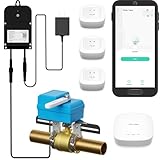
Overview: This advanced YoLink kit integrates leak detection with automatic water shutoff, including three sensors, a hub, EVO valve operator, and smart controller. It halts leaks instantly—no manual intervention required—via D2D communication during outages.
What Makes It Stand Out: The automatic shutoff valve is the game-changer, preventing catastrophic damage by closing mains water upon leak detection. D2D ensures operation without power/internet, while LoRa maintains long-range reliability. SMS alerts (30 free) add peace of mind.
Value for Money: Highest upfront cost but unparalleled damage prevention. Avoids thousands in repair bills, justifying the investment. Includes everything for installation, with 5-year sensor batteries and hub scalability. Beats third-party valve integrations in simplicity.
Strengths and Weaknesses: Strengths: Life-saving automatic shutoff, fail-safe D2D operation, comprehensive kit, and multi-channel alerts. Weaknesses: Complex valve installation (may require plumber), limited to compatible pipe types, and EVO operator adds bulk.
Bottom Line: Essential for homeowners in flood-prone areas or with frequent travel. Despite installation effort, the automatic shutoff capability makes this the ultimate investment for mitigating severe water damage risks.
6. GoveeLife Water Leak Detector 5 Pack with 105dB Adjustable Alarm, Water Alarm with Dual Sets Sensor Probes Leaks and Floods. Suit for Home, Basement, and Kitchen(Cannot Connect to Wi-Fi Directly)

Overview:
This 5-pack of GoveeLife water leak detectors offers basic, battery-powered protection for common household leak zones like basements, kitchens, and near appliances. It relies on local audible alarms rather than smart connectivity out of the box.
What Makes It Stand Out:
The dual-sensor probes per unit ensure early detection sensitivity, while the 105dB alarm with four adjustable volume levels caters to different environments. Its standout feature is the impressive 5-year built-in battery life, eliminating frequent replacements. The IP67 rating guarantees durability in damp locations like under sinks.
Value for Money:
At a competitive price for a 5-pack, it delivers solid value for users seeking simple, reliable physical alarms without app dependence. However, true remote monitoring requires purchasing the separate H5044 gateway (not included), which adds significant cost and diminishes initial value for smart-home seekers.
Strengths and Weaknesses:
Strengths: Extremely long battery life; loud, customizable alarm; robust waterproof design; affordable multi-pack. Weaknesses: No direct Wi-Fi/app integration; gateway dependency for remote alerts creates extra expense; limited to local audible alerts without additional hardware.
Bottom Line:
Ideal for budget-conscious buyers needing basic, maintenance-free leak detection in multiple spots, but avoid if remote monitoring is essential—factor in the mandatory gateway cost for true smart functionality.
7. X-Sense Smart Water Leak Detector, Wi-Fi Water Sensor, an Accessory for SWS54 Water Sensor Kit, Single Pack, Model SWS51, 3-Pack

Overview:
The X-Sense SWS51 is a Wi-Fi accessory sensor designed to expand compatible smart water leak detection kits (like SWS54), enabling remote alerts via a base station. It targets users building a scalable, app-monitored system.
What Makes It Stand Out:
Its 1,700-foot transmission range allows coverage of large properties, and seamless integration with the X-Sense ecosystem supports up to 50 devices. Real-time push notifications to phones (even off-site) and family sharing via the app provide critical remote awareness, complemented by a loud 110dB local alarm.
Value for Money:
Priced reasonably per sensor, it offers strong value only if you already own the required SBS50 base station. Without the base (sold separately), it’s unusable, making the total investment steep compared to all-in-one kits. Best for expanding an existing X-Sense setup.
Strengths and Weaknesses:
Strengths: Excellent range; real-time remote alerts; easy pairing; high sensitivity with six probes; app-based alarm silencing. Weaknesses: Base station mandatory (not included); 2.4GHz Wi-Fi only; no direct app connection; limited to X-Sense ecosystem compatibility.
Bottom Line:
A powerful addition for growing an X-Sense smart leak detection network, but impractical as a standalone solution due to base station dependency—ensure compatibility before purchasing.
8. YoLink Smart Home Starter Kit: SpeakerHub & Water Leak Sensor 4 with 105dB Audio Alarm 3-Pack, SMS/Text, Email & Push Notifications, Freeze Warning, LoRa Up to 1/4 Mile Open-Air Range, w/Alexa, IFTTT

Overview:
This starter kit includes a central SpeakerHub and three Water Leak Sensors 4, delivering a complete, self-contained smart leak detection system with long-range LoRa connectivity and multi-channel alerts.
What Makes It Stand Out:
The 1/4-mile (1,320 ft) LoRa range excels in challenging areas like basements or sheds where Wi-Fi fails. It provides comprehensive alerts via SMS, email, and push notifications without subscription fees, plus unique freeze warnings. Direct Alexa/IFTTT integration adds smart-home versatility.
Value for Money:
The all-in-one kit eliminates gateway costs, offering exceptional value for reliable, wide-coverage protection. While the upfront cost is higher than basic alarms, the included hub, long battery life, and no-fee alerts justify the price for serious whole-home monitoring.
Strengths and Weaknesses:
Strengths: Industry-leading range; versatile alert methods (SMS/email/push); no monthly fees; freeze detection; easy setup; rugged IP66 sensors. Weaknesses: SpeakerHub requires power outlet; slightly lower IP66 vs. IP67; app interface less polished than major brands.
Bottom Line:
A top-tier choice for expansive properties or Wi-Fi dead zones, delivering exceptional reliability and alert flexibility—highly recommended for comprehensive, maintenance-free water monitoring.
9. 3PCS WiFi Water Leak Detector Kit, 80dB Water Sensor Alarm, Sump Pump Leakage Alarm, TUYA APP Free Remote Monitoring for Water Leakage, SMS and Phone Notification Can Be Enabled, AAA Battery Powered

Overview:
This budget-friendly 3-pack uses TUYA’s ecosystem for direct Wi-Fi connectivity, offering app-based remote monitoring and alerts without needing a separate hub—ideal for renters or simple setups.
What Makes It Stand Out:
Its standout feature is direct Wi-Fi pairing (2.4GHz only) with the free TUYA app, enabling SMS/phone notifications and 80dB local alarms. The 5.9-foot cable probes allow flexible placement in tight spaces like under sinks, and low-battery app alerts enhance usability.
Value for Money:
Very cost-effective for basic smart leak detection, especially given the included probes and no gateway requirement. The lower 80dB alarm is less urgent than competitors’ 105dB+, but the direct app integration provides solid remote functionality at an entry-level price.
Strengths and Weaknesses:
Strengths: No hub needed; easy TUYA app setup; family sharing; versatile cable probes; affordable multi-pack. Weaknesses: Weaker 80dB alarm; limited to TUYA ecosystem; shorter probe cable vs. competitors; no physical alarm silencing button on some models.
Bottom Line:
An excellent value for beginners seeking straightforward app-connected leak detection, though the modest alarm volume may not suit large homes—prioritize if hub-free simplicity is key.
10. GoveeLife Upgraded Smart Water Leak Detector 1s with 1804ft Ultra-Long Range, WiFi Water Sensor with SMS/Email/APP Push and Sound Alarm, 5-Year Battery Life, Suit for Home, Basement, Kitchen, 3 Pack
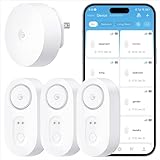
Overview:
GoveeLife’s upgraded 3-pack leverages Sub-1G wireless tech for extreme range, delivering robust remote alerts via SMS/email/app alongside a 105dB alarm—all with a promised 5-year battery life.
What Makes It Stand Out:
The breakthrough 1,804ft (550m) range through walls enables coverage of sprawling estates or detached structures. Unique SMS/email alerts (free, unlimited) work without phone proximity, while the “Find Device” app feature locates lost sensors. IP67 waterproofing ensures resilience.
Value for Money:
Premium-priced but justified by unparalleled range and comprehensive alert redundancy (SMS/email/app/sound). The 5-year battery reduces long-term hassle, making it cost-effective for large properties where other systems fail—especially versus multi-gateway setups.
Strengths and Weaknesses:
Strengths: Unmatched 1,804ft range; free SMS/email alerts; 5-year battery; loud 105dB alarm; volume customization; IP67 rating. Weaknesses: Requires GoveeLife app (no direct Wi-Fi); gateway not included in base pack; limited third-party smart-home integration.
Bottom Line:
The definitive solution for large homes, vacation properties, or challenging layouts—invest here if extreme range and reliable off-site alerts are non-negotiable.
Understanding Your Leak Detection Needs
Before diving into features, honestly assess where and how water damage is most likely to occur in your home. This self-audit is crucial for determining the type and number of sensors you’ll need within your budget constraints.
Identifying High-Risk Zones in Your Home
Focus on areas prone to appliance failures or hidden plumbing. The obvious spots are under sinks in kitchens and bathrooms, near water heaters, and around washing machine hookups. Don’t overlook less visible threats like the base of toilets, behind dishwashers, near sump pumps, or even around basement windows where groundwater might seep in during heavy rains. Prioritize these zones based on their potential for significant damage.
Determining the Number of Sensors Required
Your budget kit’s effectiveness hinges on adequate coverage. A single sensor offers minimal protection. Calculate how many critical points you need to monitor – a typical starter kit might cover 2-4 zones, but larger homes or those with multiple high-risk areas may require expansion. Factor in that some kits allow adding extra sensors later, which is vital for staying under $100 while ensuring comprehensive coverage from the start.
Assessing Your Technical Comfort Level
Be realistic about your willingness to handle setup and maintenance. Some systems involve simple peel-and-stick placement and app pairing, while others might require more nuanced configuration. Consider if you prefer a dedicated hub, Bluetooth-only connectivity to your phone, or Wi-Fi integration with existing smart home platforms. Choosing a system that matches your tech-savviness ensures you’ll actually use it effectively.
Core Features of Effective Budget Sensor Kits
When shopping under $100, certain features become non-negotiable for reliable performance. Knowing what to prioritize helps you avoid systems that are cheap but ultimately ineffective.
Sensor Type and Detection Reliability
The sensor mechanism itself is paramount. Look for kits using proven conductive probes that trigger reliably upon contact with even minimal moisture. Avoid overly simplistic designs prone to false alarms from humidity alone. While laser or advanced imaging sensors exist, they’re typically beyond the budget range; focus on robust, responsive probe-based detection that consistently identifies actual water presence.
Power Source and Battery Life Expectations
Battery longevity is a major factor in long-term usability and cost. Most budget kits rely on standard coin-cell batteries (like CR2032) for individual sensors. Aim for systems advertising at least 1-2 years of battery life per sensor to minimize maintenance hassle and replacement costs. Kits requiring frequent battery swaps quickly erode their initial affordability advantage.
Alarm Mechanisms That Actually Get Your Attention
A silent sensor is useless. Effective budget kits provide multiple, loud local alarms (siren/horn) and smartphone notifications. Relying solely on a hub siren is risky if you’re not home; push notifications to your phone are essential for remote awareness. Ensure the notification system is reliable and doesn’t require a constant, perfect Wi-Fi connection for critical alerts.
Connectivity and Integration Considerations
How your sensors communicate with you and potentially other devices significantly impacts usability and value, especially within tight budget constraints.
Wi-Fi vs. Bluetooth vs. Hub-Based Systems
Under $100, you’ll primarily encounter Bluetooth-to-hub systems or direct Wi-Fi sensors. Bluetooth kits usually require a central hub plugged into your router; the hub connects sensors to your home network for remote alerts. Pure Wi-Fi sensors connect directly to your network without a hub, potentially saving hub cost but sometimes sacrificing range or requiring strong signal everywhere. Understand the trade-offs: hubs add a component but often extend sensor range, while direct Wi-Fi simplifies setup but demands robust coverage.
Smartphone App Functionality and User Experience
The companion app is your command center. Test (if possible via reviews) or scrutinize descriptions for intuitive layout, reliable push notifications, clear sensor status (battery, connectivity, alert history), and ease of adding/changing sensors. Avoid apps notorious for glitches or excessive battery drain on your phone. A clunky app renders even the best sensors frustrating to manage.
Compatibility with Existing Smart Home Ecosystems
If you already use platforms like Alexa, Google Home, or Apple HomeKit, check for basic compatibility. While deep automation (like shutting off water automatically) usually requires more expensive systems, even simple voice alerts (“Alexa, is there a leak?”) or status integration adds significant convenience. Don’t assume compatibility; verify it before purchasing within your budget.
Installation and Practical Usability Factors
A system only works if it’s installed correctly and maintained. Budget shouldn’t mean overly complicated or fragile setups.
Ease of Physical Sensor Placement
Sensors need to sit flat on the floor where water would pool first. Look for kits with strong, reliable adhesive pads or mounting brackets included. Consider size – bulky sensors might not fit neatly under sinks or behind appliances. Flexible placement options (stick-on, wedge-under) increase the chances of optimal positioning in tight spaces without voiding warranties.
Hub Placement Requirements and Range Limitations
Hub-based systems have critical range constraints. The hub must be centrally located within reliable communication distance (often 30-50 feet through walls) of all sensors. Factor in your home’s layout; a large open floor plan is easier than a multi-story home with thick walls. Ensure the hub requires only standard electrical power, not complex wiring.
Maintenance Requirements Beyond Battery Changes
Consider long-term upkeep. Are sensors easy to clean if they get dusty or slightly dirty (which can affect sensitivity)? Does the system have self-testing features? How straightforward is it to replace a sensor if it gets damaged by water? Low-maintenance designs save time and potential replacement costs down the line.
Maximizing Value Within Your $100 Budget
Strategic purchasing ensures you get the most protection for your limited investment.
Evaluating Kit Composition vs. Individual Sensor Cost
Compare the total value: a kit with 3 sensors + hub + app might cost $85, while buying those 3 sensors individually later could cost $40 each ($120+). Calculate the per-sensor cost within the starter kit. Often, the initial kit offers the best value, with expansion sensors being a secondary consideration if your budget allows later.
Understanding Warranty and Support Limitations
Budget systems often come with shorter warranties (1 year vs. 2-3 years on premium gear). Check the manufacturer’s support reputation – are they responsive to app issues or defective units? A slightly higher price with better support might be wiser than the absolute cheapest option prone to failures with no recourse.
Planning for Potential Future Expansion
If your home has more than 4-5 critical zones, look for kits where expansion sensors are reasonably priced (ideally under $15-$20 each). Some systems lock you into proprietary sensors that become very expensive later. Future-proofing your initial $100 investment by choosing an expandable system prevents needing a complete overhaul later.
Realistic Expectations for Budget Performance
Understanding what these systems can and cannot do prevents disappointment and ensures you use them effectively.
Response Time Realities in Affordable Systems
While fast, budget sensors might not trigger quite as instantly as high-end industrial models. However, they are still vastly superior to discovering a leak days later. Expect detection within seconds of water contacting the probes – fast enough to prevent major flooding from a burst pipe but not necessarily instantaneous for a single drop.
Limitations in Humid Environments
High humidity (like in steamy bathrooms or damp basements) can occasionally challenge budget sensors, potentially causing rare false positives. Proper placement (away from direct shower spray, not right next to a humidifier) and choosing sensors designed to minimize humidity interference mitigate this. Understand it’s a small trade-off for the price.
What Budget Systems Won’t Do (Automated Shutoff)
Crucially, systems under $100 almost never include or support automatic water shutoff valves. They are detection and alert systems only. If automatic shutoff is a priority, you’ll need a significantly higher investment. Budget kits excel at giving you the early warning needed to shut off the water manually before disaster strikes.
Frequently Asked Questions
Frequently Asked Questions
How quickly do budget sensors detect a leak? Most quality budget sensors trigger an alert within 5-15 seconds of water making contact with their probes, providing crucial time to respond before major damage occurs.
Can these sensors work in very damp basements without false alarms? Proper placement is key. Position sensors directly where pooled water would form (e.g., near the sump pump pit), not on walls or in areas with constant condensation. Many modern budget sensors have improved humidity resistance, but avoiding excessively wet surfaces minimizes false triggers.
Do I need a separate hub for each sensor? No, most budget kits use a single central hub that communicates with multiple sensors (typically 2-8 in starter kits under $100), making the system scalable and cost-effective.
How long do the sensor batteries actually last? Expect 12-24 months of battery life with standard CR2032 or similar coin-cell batteries under normal conditions. Battery life indicators in the app help you stay ahead of replacements.
Will the system work if my Wi-Fi goes down? Hub-based systems require Wi-Fi for remote phone alerts, but the local siren/horn on the hub or sensors will still sound an audible alarm in your home during an outage. Direct Wi-Fi sensors may lose remote notification capability without internet.
Can I install these sensors myself, or do I need an electrician? Installation is almost always DIY-friendly. It involves peeling adhesive backing to place sensors and plugging a hub into an outlet – no wiring or electrical expertise required.
Are the apps for these systems difficult to set up? Reputable budget kits prioritize user-friendly apps. Setup typically involves downloading the app, creating an account, and following simple Bluetooth or Wi-Fi pairing steps, usually taking 10-15 minutes per sensor.
What happens if a sensor gets wet – is it ruined? Most quality sensors are designed to withstand the water they detect. After a leak, dry the sensor thoroughly according to the manual; it should continue functioning. Severe or prolonged submersion might damage it, but minor leaks are part of their job.
Can I use these sensors outdoors, like in a garage? Generally, no. Budget indoor sensors aren’t rated for outdoor temperature extremes, rain, or direct sunlight. Use only sensors specifically designed and sealed for outdoor/garage use in those environments.
How many sensors do I really need for basic protection? Start with the absolute critical zones: under the kitchen sink, near the water heater, and by the washing machine. A 3-sensor kit covering these areas provides significant foundational protection for most standard homes within the budget.