Those floor-to-ceiling windows framing your panoramic views are architectural masterpieces—until you realize they’re also your home’s most vulnerable entry points. While traditional door and window sensors guard against quiet intrusions, they’re utterly useless against the smash-and-grab technique that takes seconds to execute on expansive glass. For homeowners living with walls of windows, glass break sensors aren’t just another security gadget; they’re the critical missing piece in a comprehensive protection strategy.
The challenge? Not all glass break sensors are engineered to handle the unique acoustics and dimensions of modern homes with cathedral ceilings, great rooms, and panoramic glass expanses. Selecting the right technology requires understanding how these devices actually work, what features separate premium protection from basic detection, and how installation strategies must adapt to your home’s specific architecture. This guide cuts through the marketing noise to deliver the expert insights you need to make an informed decision.
Top 10 Glass Break Sensors for Large Windows
Detailed Product Reviews
1. EVA LOGIK Modern Ultra-Thin Window Alarm with Loud 120dB Sound and Vibration Sensors Compatible with Virtually Any Window, Glass Break Alarm Perfect for Home, Office, Dorm Room- 8 Pack

Overview: The EVA LOGIK 8-pack delivers comprehensive window security for larger properties. These ultra-thin vibration sensors detect glass interference and trigger a piercing 120dB alarm, providing whole-home coverage with wireless convenience and professional-grade deterrence.
What Makes It Stand Out: This system excels with customizable high/low sensitivity settings that minimize false alarms from environmental factors. The package includes eight units with deterrent stickers and a dual-function LED system—flashing every four seconds as a visual warning and staying continuously lit when batteries need replacement. The modern, slim profile blends seamlessly with any window frame.
Value for Money: At $52.99 for eight units ($6.62 each), this pack offers significant savings over individual purchases. While the initial investment exceeds smaller packs, the per-unit cost remains competitive. The long-lasting 3A battery design reduces replacement frequency, though batteries aren’t included, adding approximately $10-15 to startup costs.
Strengths and Weaknesses:
- Strengths: Excellent coverage for large homes/offices; loud 120dB deterrent; adjustable sensitivity prevents false triggers; professional appearance with warning stickers; straightforward peel-and-stick installation.
- Weaknesses: 3A batteries not included; eight units may be excessive for apartments; higher upfront cost; 3A batteries are less common than AA/AAA.
Bottom Line: Ideal for homeowners seeking extensive, uniform security coverage. The eight-pack provides the best per-unit value in the EVA LOGIK line, making it a smart long-term investment for comprehensive protection.
2. EVA LOGIK Modern Ultra-Thin Window Alarm with Loud 120dB Sound and Vibration Sensors Compatible with Virtually Any Window, Glass Break Alarm Perfect for Home, Office, Dorm Room- 4 Pack

Overview: The EVA LOGIK 4-pack offers a balanced entry point into DIY window security. These discreet vibration sensors provide reliable glass-break detection with a powerful 120dB alarm, perfect for apartments, dorm rooms, or smaller homes needing targeted protection without overspending.
What Makes It Stand Out: This mid-size kit maintains the premium features of its larger counterpart—dual sensitivity settings, visual LED deterrent, and low-battery alerts—in a more accessible package. The ultra-thin design ensures minimal visual impact while delivering maximum security awareness through included warning stickers that signal active monitoring to potential intruders.
Value for Money: Priced at $26.31 for four sensors ($6.58 per unit), this pack delivers nearly identical per-unit value as the 8-pack without the higher initial outlay. It’s an efficient choice for securing primary entry points. Budget an extra $5-8 for 3A batteries, which aren’t included but provide extended operational life compared to smaller cells.
Strengths and Weaknesses:
- Strengths: Lower upfront investment; same robust features as larger pack; ideal quantity for small-to-medium spaces; simple wireless installation; adjustable sensitivity reduces nuisance alarms.
- Weaknesses: Batteries not included; LR44 alternatives in other brands include batteries; limited coverage may leave some windows unprotected; 3A format less convenient than standard sizes.
Bottom Line: A practical starter kit for renters and homeowners wanting quality security without over-purchasing. Calculate your window count carefully—four units cover essential areas but may require expansion.
3. Wsdcam Glass Break Sensor Alarm 125dB Ultra-Slim Wireless Glass Break Detector Window Alarm Vibration Sensor for Home Window and Door Security (8)

Overview: The Wsdcam 8-pack stands out with its ear-piercing 125dB alarm—the loudest in this lineup. These ultra-slim wireless sensors detect physical vibrations on windows and doors, offering comprehensive property protection with batteries included for immediate deployment and peace of mind.
What Makes It Stand Out: This system leads with superior acoustic intensity, adding 5 decibels of deterrent power over competitors. The inclusion of three LR44 batteries per sensor (24 total) eliminates initial setup costs and delivers a full year of battery life. Adjustable sensitivity ranges from gentle touch to forceful impact, preventing false triggers while ensuring genuine threats activate the alarm.
Value for Money: At $52.99 for eight units, the per-sensor cost matches EVA LOGIK’s 8-pack, but the included batteries (worth ~$10-12) create immediate value. The 1-year battery life minimizes maintenance, and the peel-and-stick installation requires zero tools or wiring, saving professional installation fees and complexity.
Strengths and Weaknesses:
- Strengths: Loudest 125dB alarm; batteries included; 1-year battery life; ultra-slim aesthetic; versatile for windows, doors, even RVs; low-battery warning system.
- Weaknesses: LR44 batteries are specialty items, harder to find than AA/AAA; brand recognition lower than established competitors; eight units may exceed small-space needs.
Bottom Line: The best 8-pack value for those prioritizing maximum alarm volume and convenience. Included batteries and superior sound make this a top-tier choice for comprehensive security.
4. Window Alarm System 4-Pack - Ultra-Loud 120dB Alarms with Advanced Vibration Sensors - Window Security Alarms for Glass Break Detection - Features Low Battery LED Indicator

Overview: This specialized 4-pack window alarm system focuses on extended deterrence with a 60-second continuous alarm—longer than typical burst alarms. Designed specifically for glass windows, including sliding and traditional styles, it provides targeted security for homes, RVs, and offices.
What Makes It Stand Out: The standout feature is the sustained 60-second alarm duration, continuously alerting neighbors and scaring off intruders after detection. Advanced vibration sensors offer high/low sensitivity adjustment, while the multi-function LED flashes every four seconds as a warning and rapidly blinks for low-battery alerts, providing clear status communication at a glance.
Value for Money: At $27.99 for four units ($7.00 each), it’s slightly premium-priced compared to EVA LOGIK’s 4-pack, but the extended alarm duration justifies the modest increase. Battery type isn’t specified, which creates uncertainty about long-term operating costs—factor in potential replacement expenses when budgeting your security setup.
Strengths and Weaknesses:
- Strengths: 60-second continuous alarm provides extended alert; specialized for various window types; clear dual-purpose LED indicators; adjustable sensitivity; includes warning stickers.
- Weaknesses: Highest per-unit cost in 4-pack category; battery specifications unclear; unknown brand may lack long-term support; no mention of included batteries.
Bottom Line: Optimal for users wanting prolonged alarm signaling. The extended duration adds valuable response time, making it worth the small premium for security-conscious buyers prioritizing persistent deterrence.
5. WSDCAM Glass Break Sensor Alarm 125dB Ultra-Slim Wireless Glass Break Detector Window Alarm Vibration Sensor for Home Window and Door Security - 4 Pack

Overview: The WSDCAM 4-pack delivers the same powerful 125dB alarm as its 8-pack sibling in a more compact quantity. These ultra-slim wireless sensors detect physical vibrations on windows and doors, providing robust security for smaller properties with batteries included for immediate use.
What Makes It Stand Out: This package offers the loudest alarm volume available in a 4-pack configuration, matching the acoustic power of larger systems. Each sensor includes three LR44 batteries, providing one year of maintenance-free operation. The adjustable sensitivity scales from gentle touch to forceful impact, allowing precise calibration for your specific environment and minimizing false alarms from weather or traffic.
Value for Money: At $27.99 for four units ($7.00 each), it competes directly with EVA LOGIK’s 4-pack while offering 5dB more volume and included batteries. The LR44 cells, while specialty items, last a full year, reducing the hidden costs of frequent replacements seen in some competitors.
Strengths and Weaknesses:
- Strengths: Loudest 125dB alarm in 4-pack segment; batteries included; 1-year battery life; versatile application for windows, doors, RVs; ultra-slim profile; low-battery warning.
- Weaknesses: LR44 batteries less convenient than standard sizes; limited quantity may require additional packs; brand recognition lower than some competitors.
Bottom Line: The premier choice for 4-pack buyers seeking maximum volume and zero setup costs. Ideal for apartments and small homes where every decibel counts toward effective deterrence.
6. Window Alarms for Home Security 5 Pack, Glass Break Sensor, Window Sensor for Office Safety, Ultra-Loud 125db Advanced Vibration Sensors, Featuring Low Battery Indicator
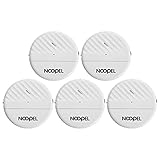
Overview: The NOOPEL Window Alarms 5-Pack offers comprehensive glass break detection for homes and offices. These compact sensors detect vibration patterns from shattering glass, triggering a 125dB alarm for 30 seconds. Each unit measures 2.9" square and 0.4" thick, making them discreet yet powerful security additions. The package includes five alarms with pre-installed LR44 batteries and adhesive mounting tape for immediate deployment across multiple entry points without professional installation.
What Makes It Stand Out: The adjustable sensitivity roller is a standout feature, allowing users to fine-tune detection levels to prevent false alarms from environmental factors like thunderstorms or heavy traffic. The ultra-slim profile at just 0.4 inches ensures these alarms blend seamlessly onto any window frame. The built-in low battery indicator provides proactive maintenance alerts, preventing unexpected failures when protection is critical, a thoughtful touch often missing in budget security devices.
Value for Money: At $32.99 for five units ($6.60 per alarm), this package delivers exceptional value compared to professional monitoring systems costing hundreds annually. The included batteries and tool-free installation eliminate additional costs. For budget-conscious homeowners seeking immediate security enhancement without monthly fees, this represents an accessible entry point with comprehensive coverage that can scale to most apartments or small homes.
Strengths and Weaknesses: Strengths include adjustable sensitivity, loud 125dB alarm, low battery indicator, and straightforward peel-and-stick installation. The five-pack coverage suits apartments or small homes perfectly. Weaknesses involve the lack of smart connectivity, limiting remote monitoring capabilities. Battery life could be better, and the 125dB volume, while loud, falls slightly below some competitors offering 130dB for similar pricing.
Bottom Line: For renters and homeowners wanting simple, effective window security without complex wiring or subscription fees, this 5-pack delivers reliable protection. The adjustable sensitivity and low battery indicator demonstrate thoughtful design. While not the loudest option available, the comprehensive coverage and ease of installation make it a smart, cost-effective choice for primary or supplemental security.
7. Glass Break Sensor, 125DB Loud Window Vibration Alarm for Home Security, Easy to Install Burglar Alarm for Indoor Home, Office, Store, RV, 8 Pack
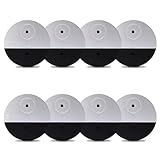
Overview: This 8-pack of Glass Break Sensors provides extensive coverage for larger properties, offices, or stores. Each unit emits a 125dB alarm when detecting window vibration frequencies associated with break-ins. The compact 2.9" x 2.9" x 0.4" design works across diverse settings from RVs to retail spaces. With eight units included, you can secure multiple entry points economically without purchasing multiple packages or mixing different brands.
What Makes It Stand Out: The exceptional battery life stands out, providing up to 90 minutes of continuous alarm sound on three LR44 batteries—significantly longer than many competitors. The early warning low battery flash gives advance notice to replace batteries before failure. The sheer quantity in this package makes it ideal for comprehensive property protection, eliminating the need to calculate exact quantities or worry about matching components from different purchases.
Value for Money: At $39.99 for eight alarms ($5 per unit), this represents the lowest per-unit cost available. For under $40, you can secure an entire home, office, or store with individual sensors on every vulnerable window. Compared to hardwired systems costing thousands, this offers professional-level deterrence at a fraction of the price, with zero installation labor costs and no ongoing monthly monitoring fees.
Strengths and Weaknesses: Strengths include the eight-pack quantity, excellent battery longevity, easy peel-and-stick mounting, and broad application versatility. However, the lack of adjustable sensitivity may increase false alarms in high-traffic areas. There’s no smart connectivity for remote alerts, and the alarm duration is slightly shorter than some alternatives at 30 seconds. The 125dB volume is adequate but not class-leading.
Bottom Line: Perfect for property managers, business owners, or homeowners needing maximum coverage on minimal budget. The 8-pack quantity and superior battery life make it unbeatable for securing numerous windows. While it lacks advanced features like app connectivity, the straightforward operation and exceptional value make it a top choice for comprehensive, no-fuss window security without ongoing costs or complex setup requirements.
8. WiFi Window Alarm System, 2 Pack Glass Break Detection with Phone APP, 120dB Smart Alarms with Adjustable Vibration Sensor for Car,Home Security (2PCS)

Overview: The WiFi Window Alarm System 2-Pack brings smart security to glass break detection. These sensors connect to your phone via a free app, sending instant push notifications when vibration or shock is detected. With 120dB sirens and adjustable sensitivity, they offer modern protection for homes and vehicles. Installation takes under a minute per unit without tools, making it accessible for all users regardless of technical skill level or experience with security systems.
What Makes It Stand Out: Smart connectivity distinguishes this system, allowing remote monitoring even when you’re away from home. The app displays multiple sensor statuses simultaneously, creating a comprehensive security network. The adjustable vibration sensor detects even slight impacts, providing early warning before glass actually breaks. This proactive approach prevents intrusions rather than just alerting after they occur, giving you valuable time to react or contact authorities.
Value for Money: At $38.99 for two smart alarms ($19.50 per unit), this bridges the gap between basic alarms and expensive monitored systems. While pricier per unit than non-WiFi options, you gain remote awareness without monthly fees. For tech-savvy users wanting smartphone integration, this delivers premium features at a fraction of professional smart home security costs, making modern security accessible without recurring expenses.
Strengths and Weaknesses: Strengths include WiFi connectivity, app-based monitoring, adjustable sensitivity, and remarkably easy installation. The 120dB siren is sufficiently loud for most applications. Weaknesses are the higher per-unit cost, potential WiFi dependency issues during outages, and limited to two sensors per package. Some users may find initial app setup challenging, and the 120dB volume is lower than some non-smart alternatives offering 125-130dB for less money.
Bottom Line: Ideal for homeowners wanting smart security without subscription fees. The phone app integration provides peace of mind when traveling or at work. While the two-pack limits coverage, it’s perfect for securing primary entry points like front and back windows. If you value remote monitoring and smartphone alerts over maximum volume, this system delivers excellent modern security at a reasonable one-time cost.
9. Window Alarm Sensors 4 Pack, Glass Break Sensor 130DB Loud Window Vibration Alarms, Burglar Intruder Entry Detector for Indoor Home Office Apartment & RV Security

Overview: The AINOORA Window Alarm Sensors 4-Pack provides loud, reliable glass break detection at an aggressive price point. These ultra-slim sensors (2.6" x 2.1" x 0.3") emit a powerful 130dB alarm for 30 seconds when detecting shattering vibrations. Each unit includes three LR44 batteries with a one-year standby time, making them ideal for homes, offices, apartments, and RVs where maintenance access may be limited or inconvenient.
What Makes It Stand Out: The 130dB alarm volume is among the loudest in this category, providing superior deterrence that neighbors will hear. The ultra-compact 0.3-inch thickness makes these the most discreet option available, virtually disappearing on window frames. The working indicator flashes for five seconds after activation, giving visual confirmation the unit is armed—a simple but reassuring feature missing from many competitors that builds user confidence in the system’s readiness.
Value for Money: At $23.99 for four units ($6 per alarm), this is the most affordable option per decibel of alarm power. The one-year battery standby time reduces maintenance frequency and associated costs. For budget-conscious buyers prioritizing maximum audible deterrence, this delivers professional-grade loudness at entry-level pricing without sacrificing core functionality or requiring expensive add-ons or subscriptions.
Strengths and Weaknesses: Strengths include the extremely loud 130dB alarm, ultra-slim design, one-year battery standby, low battery warning, and simple installation. The four-pack offers good coverage for average homes. Weaknesses include lack of adjustable sensitivity settings, no smart connectivity, and limited to four units per package. The smaller size may make battery changes slightly more fiddly for users with limited dexterity or vision.
Bottom Line: An excellent choice for those prioritizing maximum alarm volume and discreet design on a tight budget. The 130dB siren provides exceptional deterrence value, while the slim profile maintains aesthetics. While it lacks advanced features, the core functionality is solid and reliable. Perfect for renters, apartment dwellers, or homeowners wanting loud, straightforward window protection without complexity or recurring costs.
10. EverNary WiFi Window Alarm System, 4 Pack Glass Break Detection with Phone APP, 120dB Smart Alarms with Adjustable Vibration Sensor for Car,Home Security (4)
Overview: The EverNary WiFi Window Alarm System 4-Pack combines smart technology with comprehensive coverage. These sensors connect to your smartphone via WiFi, sending instant alerts when glass vibration is detected. Each unit features a 130dB siren (despite the 120dB title specification) and adjustable sensitivity, allowing customized protection for homes and vehicles. The app displays all sensor statuses simultaneously for complete security oversight without monthly fees.
What Makes It Stand Out: The four-sensor package with full app integration provides extensive smart coverage at a reasonable price point. The 130dB siren is significantly louder than many smart competitors, bridging the gap between traditional alarms and modern connectivity. The ability to monitor multiple windows through a single app interface creates a cohesive security ecosystem, giving you centralized control over your entire property’s window security from anywhere.
Value for Money: At $76.99 for four smart alarms ($19.25 per unit), this offers better per-unit value than 2-pack WiFi options while providing double the coverage. Compared to professionally installed smart systems costing hundreds upfront plus monthly monitoring fees, this delivers comparable awareness at a fraction of the cost. The four-pack quantity suits medium-sized homes needing comprehensive protection without breaking the bank.
Strengths and Weaknesses: Strengths include WiFi connectivity, 130dB loud alarm, four-sensor coverage, adjustable sensitivity, and easy peel-and-stick installation. The app provides remote monitoring capabilities. Weaknesses include higher upfront cost than non-smart alternatives, potential WiFi reliability issues during network outages, and possible app setup complexity for non-technical users. Battery life specifications aren’t as prominently detailed as some competitors.
Bottom Line: Excellent for homeowners wanting comprehensive smart security without ongoing fees. The four-pack covers most homes adequately, and the 130dB sirens provide serious deterrence. If you value remote monitoring and smartphone integration with maximum coverage, this system justifies its premium over basic alarms. The one-time investment delivers modern security convenience and loud protection that rivals more expensive alternatives.
Why Large Windows Create Unique Security Challenges
The Physics of Expansive Glass
Large windows behave differently than standard panes when shattered. The increased surface area creates complex acoustic signatures that basic sensors might misinterpret or miss entirely. Sound waves travel differently across 12-foot spans versus 3-foot double-hungs, with reverberations bouncing off high ceilings and open floor plans. Premium sensors designed for residential use typically cover 15-25 feet in optimal conditions, but that range compresses dramatically in rooms with sound-dampening features like heavy draperies, vaulted ceilings, or competing noise sources.
The glass itself matters too. Tempered glass, common in large installations, shatters into small granular chunks with a distinct high-frequency “pop,” while laminated glass cracks but holds together, producing muffled, lower-frequency sounds. Your sensor must recognize these variations without confusing them with the clatter of dropped dishes or thunder.
Limitations of Traditional Entry Sensors
Contact sensors and motion detectors serve their purpose, but they’re reactive rather than proactive for glass breaches. A contact sensor only triggers when a window is opened—not broken. Motion sensors won’t activate until an intruder is already inside, which might be too late for homes where valuables sit within arm’s reach of those beautiful windows. Glass break sensors provide the crucial early warning that transforms your security posture from responsive to preventative.
How Glass Break Sensors Actually Work
Acoustic Detection: The Sound of Shattering
Acoustic glass break sensors function as sophisticated listening devices, continuously monitoring for the specific frequency pattern of breaking glass. They’re trained to detect the initial impact sound (a low-frequency thud) followed milliseconds later by the high-frequency shattering cascade. This two-stage signature prevents false alarms from single noises like clinking glasses or barking dogs.
For large windows, look for sensors with adjustable frequency ranges. The best units analyze sound patterns across multiple bandwidths simultaneously, using algorithms that distinguish between genuine break events and environmental noise. Some advanced models even learn your home’s ambient soundscape over time, automatically adjusting sensitivity to ignore recurring disturbances like HVAC startups or garage door openers.
Shock/Vibration Sensors: Feeling the Impact
These contact devices mount directly on the glass surface and detect the physical shockwave traveling through the pane. They’re immune to acoustic interference—perfect for kitchens where cooking clatter is constant or homes near busy streets. However, they require one sensor per window pane, making them cost-prohibitive for walls of divided-light windows or multi-pane configurations.
For expansive single panes, shock sensors provide pinpoint accuracy. The technology has evolved from simple vibration switches to micro-electromechanical systems (MEMS) that measure impact force, duration, and frequency. This granularity allows them to ignore wind-driven flexing while catching hammer strikes or thrown objects.
Hybrid Systems: Dual-Layer Protection
The gold standard for large window installations combines both technologies. A hybrid sensor mounted on the glass (shock detection) while also listening acoustically creates redundant verification. The system only alerts when both sensors agree a break has occurred, slashing false alarms while ensuring no event goes unnoticed. This dual-confirmation approach is particularly valuable in smart home ecosystems where a single false alarm can trigger cascading notifications, lights, and sirens.
Critical Features for Large Window Applications
Coverage Radius: Size Matters
Manufacturers advertise coverage in ideal laboratory conditions—quiet rooms with 8-foot ceilings and minimal furnishings. Your great room with 20-foot ceilings, stone fireplace, and hardwood floors? That advertised 25-foot range might effectively shrink to 15 feet. For linear window walls, calculate coverage in terms of window length rather than square footage. A sensor positioned centrally can typically protect 20-30 linear feet of glass, assuming an unobstructed acoustic path.
Consider directional acoustic sensors for exceptionally long window runs. These units focus their listening cone in a specific direction, allowing strategic placement at one end of a window wall to protect the entire span without picking up noise from adjacent rooms.
Sensitivity Calibration: Finding the Sweet Spot
One-size-fits-all sensitivity is a recipe for frustration. Premium sensors offer multiple adjustment methods: dip switches for coarse settings, software-based fine-tuning, and even automatic calibration modes. For large windows, you need sensors that can differentiate between the specific acoustic signature of your glass type and ambient noise.
Look for units with “learn mode” capabilities that run for 24-48 hours after installation, analyzing environmental sounds and suggesting optimal sensitivity levels. Some advanced models allow you to record and store the actual sound of your specific glass being broken (using a controlled test with safety glass) to create a customized detection profile.
Smart Home Integration: Beyond Basic Alerts
Modern glass break sensors should do more than trigger a siren. Integration capabilities determine their true value. Z-Wave Plus and Zigbee 3.0 protocols offer mesh networking advantages for large homes, ensuring signals reach your hub even from distant window walls. Wi-Fi sensors provide direct cloud connectivity but can strain your network with 20+ devices.
Check for IFTTT compatibility or native integration with platforms like SmartThings, Hubitat, or Home Assistant. The best setups allow conditional logic: “If glass break sensor triggers AND front door is locked, then activate all cameras, turn on all lights, and send critical alert to monitoring service.” This contextual awareness prevents false alarm fatigue while maximizing response effectiveness.
Power Options: Wireless Freedom vs. Wired Reliability
Wireless sensors dominate new installations for good reason—clean aesthetics and easy placement. However, large window installations present unique power challenges. A sensor protecting a 15-foot span might require line-of-sight to your hub, forcing suboptimal placement based on signal strength rather than detection effectiveness.
Wired sensors, while installation-intensive, deliver unwavering reliability and eliminate battery management. For new construction or major renovations, pre-wiring for glass break sensors is a minor cost that pays dividends in permanence. Hybrid approaches using Power over Ethernet (PoE) sensors combine the best of both worlds: reliable power and data over a single cable, with battery backup for outages.
Strategic Installation for Maximum Protection
The 25-Foot Rule: Placement Mathematics
Acoustic sensors belong on the ceiling or high on walls, angled toward the glass they protect. The ideal height is 7-10 feet—high enough to maximize acoustic capture but low enough for maintenance access. For ceilings exceeding 12 feet, consider pendant-mount sensors that hang down to optimal listening height.
Never mount sensors directly above heat sources, air vents, or in corners where sound waves create dead zones. The “25-foot rule” assumes a clear acoustic path; every piece of furniture, drapery, or architectural feature between sensor and glass reduces effective range by approximately 10-15%.
Dealing with Cathedral Ceilings and Open Floor Plans
Vaulted ceilings create acoustic challenges. Sound waves dissipate rapidly in vertical space, and ceiling fans introduce continuous background noise. For these spaces, deploy multiple lower-power sensors rather than one high-power unit. This creates overlapping coverage zones that compensate for acoustic dead spots.
In open-concept homes, position sensors to create triangular coverage patterns. A sensor protecting the living room windows should also have partial coverage of adjacent kitchen or dining area glass, eliminating blind spots where an intruder could break glass outside the primary sensor’s main detection cone.
Multiple Pane Configurations: What You Need to Know
Divided-light windows with muntins and multiple small panes present a conundrum. Acoustic sensors work fine here, but shock sensors become impractical—requiring one per pane creates a spiderweb of wires and mounting points. For these configurations, prioritize acoustic sensors with glass-type selection features that let you specify “multiple small panes” in the configuration, adjusting the expected shatter pattern accordingly.
If you must use shock sensors on multi-pane windows, place them on the largest panes only, typically the lower courses that are most accessible to intruders. This creates a detection perimeter without over-engineering the solution.
Advanced Technologies Worth Considering
AI-Powered Sound Recognition
The latest generation of sensors incorporates machine learning algorithms trained on thousands of hours of break events and false alarm sources. These units don’t just listen for frequencies—they recognize patterns. They can distinguish between a baseball hitting a window (impact without penetration) and an actual breach, or between a wine glass breaking on tile versus a window shattering.
For homes with large windows, AI recognition is invaluable. The expansive glass area increases the likelihood of non-threatening impacts (hail, bird strikes, neighborhood sports). AI reduces nuisance alarms while maintaining sensitivity to genuine threats.
Environmental Noise Filtering
Look for sensors with dynamic noise adaptation. These units continuously measure ambient sound levels and adjust their detection thresholds in real-time. During a thunderstorm, sensitivity automatically decreases to ignore loud thunderclaps. When the house quiets at night, sensitivity increases to catch even subtle break attempts.
This feature proves essential for urban settings where traffic noise, construction, and sirens create constant acoustic pollution. Without adaptive filtering, you’ll either endure false alarms or dial sensitivity down so low that real events get missed.
Tamper-Proof Design Elements
A security sensor that can be disabled easily defeats its purpose. Premium sensors include tamper detection that alerts if the cover is removed or the unit is dislodged. Some advanced models detect wireless jamming attempts—intruders using signal blockers to prevent alerts from transmitting. For large windows that are necessarily accessible from outside, these anti-tamper features transform sensors from simple detectors into hardened perimeter defense nodes.
Professional Installation vs. DIY Setup
When Expert Assessment Pays Off
Professional installation becomes cost-effective when dealing with complex window configurations, smart home integration, or insurance requirements. Security professionals use acoustic modeling tools to map coverage patterns and identify dead zones you’d never notice. They also understand the nuances of glass type identification and can often source commercial-grade sensors not available through retail channels.
Consider professional installation if your home has: windows exceeding 10 feet in height, laminated or specialty glass, integrated window treatments that affect acoustics, or requires integration with a monitored alarm system. The upfront cost typically includes calibration, testing, and warranty coverage that DIY can’t match.
Self-Installation Best Practices
If you’re comfortable with smart home technology, DIY installation is straightforward for standard applications. Start with a single sensor and conduct thorough testing before deploying across all windows. Use a glass break simulator tool—a device that safely emits the acoustic signature of breaking glass—to verify coverage without actually breaking anything.
Document every sensor’s location, settings, and battery installation date. Create a floor plan showing coverage overlap and dead zones. Test monthly using the simulator, and recalibrate sensitivity seasonally as ambient noise patterns change (HVAC usage, open windows in spring, holiday decorations that affect acoustics).
Understanding the Investment
Price vs. Performance: Making Smart Trade-offs
Budget sensors ($15-30) offer basic acoustic detection but lack the range and sophistication for large windows. Mid-tier options ($40-70) provide adjustable sensitivity and moderate smart home integration. Premium sensors ($80-150) deliver AI recognition, extended range, and robust integration capabilities.
For a home with 100 linear feet of large windows, budget $500-800 for sensors alone if using acoustic units, or $1,200-1,800 for hybrid systems. This represents 3-5% of the typical cost of the windows themselves—a reasonable insurance policy. Remember that one undetected break-in can cost far more in deductibles, losses, and peace of mind than comprehensive sensor coverage.
Insurance Implications and Premium Discounts
Many insurers offer 2-5% discounts on premiums for professionally monitored glass break sensors, particularly when integrated with a whole-home security system. The key is documentation: provide your insurer with a certificate of installation, equipment specifications showing compliance with UL 639 standards, and monitoring service details.
For high-value homes with extensive glass, some carriers require glass break sensors as a condition of coverage. Installing them proactively demonstrates risk mitigation and can prevent premium increases after claims. Keep receipts and installation photos; they’re valuable during policy renewals and claims processing.
Ongoing Maintenance and Optimization
Monthly Testing Routines
Test each sensor monthly using a glass break simulator, not by banging on the glass. Simulators produce calibrated acoustic signatures that verify detection without risk. Document test results in a log—date, time, sensor response time, and any anomalies.
Check battery levels quarterly, even on sensors that report status to your hub. Cold weather can cause temporary voltage drops that trigger low-battery alerts; replace batteries annually as preventive maintenance rather than waiting for alerts. For wired sensors, inspect connections during seasonal HVAC filter changes—vibration from air handlers can loosen terminals over time.
Seasonal Adjustments for Accuracy
Your home’s acoustic profile changes with the seasons. Heavy drapes in winter dampen sound transmission, potentially requiring increased sensitivity. Open windows in spring introduce external noise that might trigger false alarms if sensitivity isn’t reduced. Summer thunderstorms and winter hail demand dynamic noise adaptation features be enabled.
Recalibrate sensors when you make any changes to the room: new furniture placement, area rugs, window treatment changes, or even painting walls (which subtly affects sound reflection). These environmental shifts impact acoustic paths and can create new blind spots or false alarm sources.
Building a Layered Defense Strategy
Glass break sensors excel as early warning devices, but they’re most effective when integrated into a comprehensive security ecosystem. Pair them with exterior cameras that activate on sensor trigger, capturing footage of the approach and escape. Connect them to smart lighting that floods the area with light, often deterring intruders mid-act.
Consider adding window film that holds shattered glass together—this delays entry, giving sensors more time to detect the attempt and authorities more time to respond. The combination of detection (sensor), deterrence (lighting), and delay (film) creates a security posture that protects both your home and your peace of mind.
Frequently Asked Questions
1. Will my dog barking or loud TV trigger a glass break sensor?
Premium sensors analyze frequency patterns, not just volume. A dog’s bark lacks the specific high-low-high frequency cascade of breaking glass. However, extremely loud bass from home theaters can cause false alarms in basic sensors. Choose units with environmental adaptation to filter out household noise.
2. How many sensors do I need for a 20-foot wall of windows?
One properly placed acoustic sensor can typically cover 20-30 linear feet, but this depends on ceiling height and room acoustics. For a single 20-foot span with standard 8-foot ceilings, one sensor positioned centrally 7-10 feet high should suffice. Higher ceilings or obstructed views may require two sensors with overlapping coverage.
3. Can I test sensors without actually breaking glass?
Absolutely. Glass break simulators are inexpensive tools that emit the exact acoustic signature of shattering glass. They’re essential for safe, repeatable testing. Some smart sensors also include a “test mode” that plays a recorded break sound through the unit’s speaker for self-diagnosis.
4. Do glass break sensors work on laminated or impact-resistant glass?
Yes, but with reduced effectiveness. Laminated glass produces a duller, lower-frequency sound that’s harder to detect. Choose sensors specifically rated for laminated glass with extended low-frequency analysis ranges. Shock sensors often work better on laminated glass since they detect the impact itself rather than the sound.
5. What’s the difference between a shock sensor and an acoustic sensor?
Shock sensors mount directly on the glass and detect physical vibration from impact. They’re immune to acoustic interference but require one per pane. Acoustic sensors listen for the sound of breaking glass from a distance, covering multiple windows but potentially affected by environmental noise. Hybrid sensors combine both technologies for maximum reliability.
6. Will heavy curtains or blinds block the sensor’s ability to hear glass breaking?
Heavy window treatments absorb approximately 10-20% of acoustic energy, reducing effective sensor range. Mount sensors above or to the side of window treatments, not behind them. If curtains are essential, compensate by using two sensors with overlapping coverage or choosing models with 30+ foot range ratings.
7. Can I install glass break sensors in a room with a piano or drum set?
Yes, but careful calibration is critical. Musical instruments produce complex harmonics that can confuse basic sensors. Use AI-enabled sensors with instrument-specific filtering, or set sensors to “low sensitivity” mode during practice sessions. Better yet, create smart home routines that automatically adjust sensor sensitivity when instruments are in use.
8. How long do batteries last in wireless glass break sensors?
Quality sensors average 3-5 years on a single battery under normal use. However, frequent false alarm testing, extreme temperatures, or poor signal strength (causing repeated transmission attempts) can reduce life to 1-2 years. Lithium batteries are worth the premium for large window installations due to their stable voltage output and temperature tolerance.
9. Do I need professional monitoring, or is self-monitoring sufficient?
Self-monitoring works for tech-savvy homeowners who respond immediately to smartphone alerts. Professional monitoring ensures 24/7 response, even when you’re asleep or away, and is often required for insurance discounts. For homes with extensive glass and valuable contents, the marginal monthly cost of professional monitoring ($10-30) provides significant peace of mind.
10. Can glass break sensors integrate with my existing security system?
Most modern sensors use Z-Wave, Zigbee, or Wi-Fi protocols compatible with major hubs. However, proprietary systems (especially older hardwired alarms) may require protocol converters or dedicated bridge devices. Check your hub’s compatibility list before purchasing, and consider sensors certified by your security system manufacturer for guaranteed integration.