Imagine lying awake at 3 AM, hearing a faint crash from downstairs. Your heart pounds as you fumble for your phone, questioning if it was just the house settling or something far more sinister. In those critical moments, a piercing, unmistakable alarm blaring through your home isn’t just noise—it’s your first line of defense, a psychological barrier that can shatter a burglar’s confidence and buy you precious time. Home security sirens are the unsung heroes of your protective system, transforming passive monitoring into an active deterrent that shouts a clear message: This property is protected and not worth the risk.
Gone are the days when a simple chime sufficed. Modern intruders are savvy, often casing homes for vulnerabilities before striking. A truly effective security siren needs to cut through complacency, both for potential threats outside and for residents inside, ensuring immediate awareness and action. It’s not merely about volume; it’s about strategic placement, reliability during power outages, and seamless integration with your broader security ecosystem. Choosing the right siren means understanding how these critical components function within your unique living space, turning your home into an environment where safety is loud, clear, and impossible to ignore.
Top 10 Home Security Sirens
Detailed Product Reviews
1. UltraPro Personal Security Window and Door Alarm, 4 Pack, DIY Protection, Burglar Alert, Wireless Chime/Alarm, Easy Installation, Home Security, Ideal for Home, Garage, Apartment, White, 45174

Overview:
This 4-pack of compact magnetic sensor alarms offers basic wireless intrusion detection for doors and windows. Triggered by magnetic separation, it delivers a piercing 120dB alert or optional chime mode, targeting renters or homeowners seeking affordable, tool-free security for entry points without complex systems.
What Makes It Stand Out:
Its standout features are true plug-and-play simplicity: battery-powered (LR44 included), double-sided tape mounting, and an intuitive OFF/CHIME/ALARM switch per unit. The 4-pack provides exceptional coverage for under $20, ideal for securing multiple ground-floor openings in apartments or garages where professional systems are impractical.
Value for Money:
At roughly $5 per alarm, it’s unmatched for budget-conscious users needing immediate, no-commitment protection. While lacking remote control or app integration, it outperforms single-unit competitors in cost-per-sensor value for supplemental security.
Strengths and Weaknesses:
Strengths: Effortless DIY installation; loud deterrent; versatile chime/alert modes; low ongoing cost (battery-only). Weaknesses: No remote arming/disarming; limited to immediate vicinity alerts; batteries may drain faster in cold climates; no expandability beyond the 4 units.
Bottom Line:
An excellent entry-level solution for renters or secondary spaces, offering reliable, audible deterrence at an unbeatable price—ideal if you prioritize simplicity and coverage over smart features.
2. QWORK Electric Siren Horn, DC 12V Security Loud Wired Alarm Siren for Home Alarm System Security and Protection, 110 dB

Overview:
This wired 110dB siren horn serves as a high-decibel audible deterrent for custom DIY or upgraded security setups. Operating on 12V DC power, it’s designed for integration into existing alarm systems where weatherproofing isn’t critical, such as garages, workshops, or indoor control panels.
What Makes It Stand Out:
Its rugged ABS flame-retardant housing and dual-tone 110dB output deliver industrial-grade reliability at a consumer price. Low power consumption (15W) and straightforward 2-wire connectivity make it a practical choice for expanding wired systems without complex wiring.
Value for Money:
Priced under $15, it’s a cost-effective upgrade for enhancing siren volume in legacy systems. Though cheaper than wireless alternatives, value hinges on existing 12V infrastructure—less suitable for renters but ideal for homeowners with compatible setups.
Strengths and Weaknesses:
Strengths: Powerful, focused sound; durable construction; simple installation; energy-efficient. Weaknesses: Requires wired power (not battery-operated); no weatherproofing for outdoor use; lacks remote control; minimal aesthetic integration.
Bottom Line:
A robust, no-frills siren for tech-savvy users expanding wired alarms—skip if you need wireless flexibility, but highly recommended for boosting audibility in dedicated security rooms or workshops.
3. KERUI Home Security System Indoor Outdoor Weather-Proof Siren Window Door Sensors Motion Sensor Alarm with Remote Control More DIY, Wireless House Hotel Garage Shop Burglar Door Alarm, NO WIFI/GSM/APP

Overview:
This comprehensive 7-piece wireless kit includes a 115dB weatherproof siren, two door/window sensors, a motion detector, and two remotes. It operates standalone without Wi-Fi, targeting users wanting customizable, expandable security for homes, shops, or RVs without subscription fees.
What Makes It Stand Out:
Its expandability shines—supporting up to 30 sensors and 8 remotes—and the 115dB siren works indoors/outdoors. The SOS emergency feature (triggers alarm via remote) and true DIY programming (no app needed) cater to privacy-focused or tech-limited users like seniors.
Value for Money:
At $50–$60, it’s competitively priced for the sensor count and loud siren. While setup has a learning curve (6-second sensor pairing window), it offers superior flexibility versus single-sensor kits, especially for larger properties needing phased installation.
Strengths and Weaknesses:
Strengths: Weather-resistant siren; high sensor capacity; emergency SOS; no monthly fees; versatile for multiple properties. Weaknesses: Complex initial pairing; no smartphone alerts; requires manual arming; inconsistent customer support noted in reviews.
Bottom Line:
A powerful, expandable system for hands-on users prioritizing loud alerts and offline operation—worth the setup effort if you need scalable, subscription-free security for non-smart homes.
4. KERUI Standalone Home Office Shop Security Alarm System Kit,Wireless Loud Indoor/Outdoor Weatherproof Siren Horn with Remote Control and Door Contact Sensor,Motion Sensor,Up to 115db,NO WiFi/GSM/APP

Overview:
An enhanced version of KERUI’s system, this 9-piece kit adds extra sensors: three door/window contacts and two motion detectors, alongside the 115dB weatherproof siren and remotes. Like its sibling, it’s a self-contained, app-free solution for offices, garages, or vacation homes.
What Makes It Stand Out:
The doubled motion sensors and additional contact sensor provide richer coverage out of the box, especially valuable for multi-room spaces. Identical to Product #3 in core functionality (115dB siren, SOS, 30-sensor expandability), it eliminates the need for immediate add-ons.
Value for Money:
Priced only $5–$10 higher than Product #3, the extra sensors deliver tangible value for larger areas. For $60–$70, it’s one of the most sensor-dense starter kits available, justifying the slight premium for users needing comprehensive initial coverage.
Strengths and Weaknesses:
Strengths: More sensors included; same robust expandability; weatherproof siren; no subscriptions; effective emergency SOS. Weaknesses: Same pairing complexity as Product #3; no remote notifications; motion sensors may have false triggers in dusty areas.
Bottom Line:
The superior choice over Product #3 if you need broader initial protection—ideal for securing a full apartment or office without immediate add-ons, provided you’re comfortable with manual setup.
5. SimpliSafe 105dB Auxiliary Siren - Compatible with Gen 3 Home Security System

Overview:
This supplemental siren expands SimpliSafe Gen 3 system coverage, adding a 105dB indoor/outdoor alert. Designed exclusively for existing SimpliSafe users, it weatherproofs perimeter zones (e.g., garages, sheds) while integrating seamlessly with the base system’s app and monitoring.
What Makes It Stand Out:
Its weather-resistant design enables sheltered outdoor mounting—a rarity among add-on sirens—and pairs effortlessly via the SimpliSafe app. The long-lasting battery and peel-and-stick installation maintain the system’s hallmark simplicity while amplifying deterrent range.
Value for Money:
At $40, it’s pricier per decibel than standalone kits but justified for SimpliSafe owners seeking unified, monitored security. Value lies in enhancing professional monitoring effectiveness, not as a standalone purchase.
Strengths and Weaknesses:
Strengths: True outdoor suitability; app-managed; reliable SimpliSafe ecosystem integration; easy setup. Weaknesses: Useless without Gen 3 base station; no standalone functionality; expensive compared to non-ecosystem sirens; battery replacement required.
Bottom Line:
A must-have upgrade for SimpliSafe Gen 3 users needing outdoor coverage—delivering peace of mind through seamless expansion, but irrelevant for non-SimpliSafe households.
6. Nippon America High Decibel High Power Outdoor Alarm Security Siren (TC-S7545-110), Long Range, 80 Watts, 120 Decibels, Remotely Activate with Wi-Fi Socket (Sold Separately)
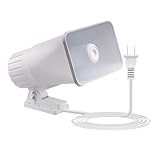
Overview: This robust outdoor siren delivers industrial-grade security with 80 watts of power and a piercing 120-decibel output, designed for large properties needing long-range audible deterrence against intruders or vandalism. Its weather-resistant build targets wall, doorway, or balcony installations. What Makes It Stand Out: The standout feature is its sheer acoustic power—120dB ensures coverage over expansive areas, far exceeding typical home alarms. The 90-degree rotation optimizes sound direction, while remote activation via separate Wi-Fi plugs enables smartphone control, adding modern convenience to a high-impact physical deterrent. Value for Money: Priced competitively for commercial-grade output, it offers exceptional value for large residential lots or small businesses. Though the Wi-Fi adapter isn’t included (adding $10–$15), the siren’s durability and volume justify the cost versus weaker alternatives that falter in noisy environments. Strengths and Weaknesses: Strengths: Unmatched volume for wide-area coverage; flexible mounting; simple AC plug operation. Weaknesses: Wi-Fi functionality requires separate purchase; no built-in smart integration; bulkier than indoor units; AC-only power limits placement. Bottom Line: Ideal for property owners prioritizing raw deterrent power over smart features. Its loudness and reliability make it a top choice for outdoor security, despite the extra cost for remote control.
7. Smart Siren Alarm, Wireless Home Security Alarm with 110 dB Loud Audible Alerts, Remote Control, Compatible with Alexa, Google, Home Assistant, IFTTT - Hub Required
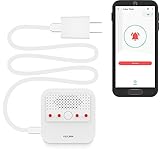
Overview: This compact siren (just over 3 inches wide) integrates deeply into smart ecosystems, supporting Alexa, Google, and Home Assistant. It triggers via diverse events—from door sensors to temperature spikes—using YoLink’s hub-based system for fee-free automation. What Makes It Stand Out: Unique device-to-device pairing allows 128+ units to react without Wi-Fi or internet, crucial for critical alerts like water leaks. Its multi-functionality (panic alarms, intrusion, environmental monitoring) and SirenFob compatibility for mobile/RV use set it apart from basic sirens. Value for Money: Excellent value for smart-home enthusiasts seeking no-monthly-fee security. While the hub and sensors are extra costs, the siren’s versatility replaces multiple single-use devices, saving long-term versus subscription-based systems. Strengths and Weaknesses: Strengths: Highly flexible event responses; offline device pairing; compact size; broad ecosystem support. Weaknesses: Requires YoLink hub/sensors (not included); complex setup for beginners; volume slightly lower than industrial sirens. Bottom Line: A must-consider for tech-savvy users building a scalable, subscription-free security network. Its ecosystem depth and offline reliability outweigh the initial accessory investment.
8. 9V 12V 24V DC Stobe Siren with 3 Tones Home Security Horn Safety Anti-Theft SOS Panic Loud Alarm Horn 110dB

Overview: A no-frills, DC-powered siren producing 110dB alerts with flashing strobes, compatible with 9V–24V power sources. It offers three emergency tones (fire, ambulance, police) for basic security or safety signaling in DIY setups. What Makes It Stand Out: Simplicity is its strength—no smart features or complex wiring. The triple-tone flexibility and simultaneous strobe/light during activation provide versatile audible-visual alerts for sheds, workshops, or vehicles where basic deterrence suffices. Value for Money: Extremely affordable for core functionality, but limited by its barebones design. Best for budget-conscious users needing a loud, standalone siren without smart integrations. Competes on price alone, not features. Strengths and Weaknesses: Strengths: Ultra-simple installation; low cost; strobe + sound combo; multi-tone options. Weaknesses: No wireless/smart capabilities; requires external power wiring; lacks mounting hardware; no UL certification noted. Bottom Line: A functional emergency siren for non-smart applications, but too rudimentary for modern home security. Only recommended for minimal-use scenarios like garages or backup systems.
9. SABRE Wireless Motion Sensor Home Security Burglar Alarm with LOUD 120 dB Siren and 120 Degree Wide Angle Detection, DIY EASY Installation
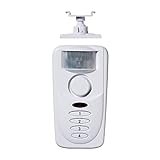
Overview: This all-in-one unit combines a motion sensor and 120dB siren, featuring 120-degree detection and 1,500-foot audible range. It operates wirelessly with three modes (chime/alarm/home-away) for customizable home protection. What Makes It Stand Out: The integrated motion sensor eliminates extra components, while the “home mode” prevents false alarms when residents move. Its DIY installation requires no wiring, and the 120dB siren rivals commercial units in volume. Value for Money: High value as a standalone solution—no hub or sensors needed. Priced accessibly for its loudness and ease of setup, it outperforms pricier systems requiring multiple purchases for similar basic coverage. Strengths and Weaknesses: Strengths: True plug-and-play simplicity; powerful 120dB output; versatile operation modes; wide detection angle. Weaknesses: Limited to motion-triggered alerts (no door/window sensors); range may vary indoors; no smart home integration. Bottom Line: Perfect for renters or beginners seeking immediate, effective motion-based security. Its balance of volume, ease, and affordability makes it a standout entry-level choice.
10. KERUI Wireless Loud Siren Host,Indoor/Outdoor Waterproof Horn up to 115dB for Home Security Alarm System,Can’t Work Alone,Have to Work with KERUI Sensors as Home Garage Shed Alarm System
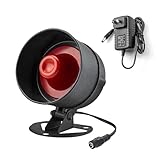
Overview: A waterproof 115dB siren designed exclusively for KERUI alarm ecosystems, requiring paired sensors and control panels. It supports 40 detectors and 10 remotes, targeting sheds, garages, or outdoor zones needing weatherproof alerts. What Makes It Stand Out: Full outdoor durability (IP-rated) and remote-triggered emergency modes (e.g., panic button) are unique. Its dependency on KERUI’s ecosystem ensures seamless integration but locks users into brand-specific expansion. Value for Money: Reasonable for KERUI owners expanding existing systems, but poor standalone value due to accessory requirements. The 115dB output and waterproofing justify cost within its niche, though setup complexity adds hidden labor. Strengths and Weaknesses: Strengths: Weatherproof for outdoor use; high expandability; remote panic functionality; strong volume. Weaknesses: Cannot function independently; finicky setup (6-second sensor trigger window); no cross-brand compatibility; remote essential for operation. Bottom Line: Only valuable as an add-on to KERUI systems. Avoid if starting fresh; choose for expanding a compatible setup where outdoor durability is critical.
Understanding the Critical Role of Security Sirens in Home Protection
Why Audible Deterrence is Non-Negotiable
A silent alarm might notify you remotely, but it does nothing to actively stop an intrusion in progress. The primary purpose of a security siren is immediate, on-site deterrence. The sudden, overwhelming sound startles intruders, disrupting their plans and significantly increasing the likelihood they’ll flee before causing harm or stealing valuables. Studies consistently show that audible alarms are one of the most effective immediate deterrents, often causing perpetrators to abandon their attempt within seconds.
Beyond Scaring Intruders: Internal Alerting Power
While deterring outsiders is crucial, a siren’s role inside your home is equally vital. In the event of a fire, carbon monoxide leak, or genuine break-in while you’re asleep or in another room, a powerful siren ensures everyone is instantly alerted, regardless of background noise or personal hearing limitations. This internal alerting can be the difference between a minor incident and a life-threatening emergency, prompting rapid evacuation or intervention.
Integration: The Siren as Part of a Unified System
A standalone siren is far less effective than one fully integrated into your comprehensive security setup. Modern sirens should communicate seamlessly with door/window sensors, motion detectors, glass break sensors, and your main control panel. This integration ensures the siren triggers only for verified threats based on multiple sensor inputs, reducing false alarms, and activates the moment a breach is confirmed, maximizing its deterrent impact.
Key Features to Evaluate Before You Purchase
Decibel Level: Measuring Real-World Impact
Volume is paramount, but it’s not just about the highest number on the spec sheet. Look for sirens rated between 110-130 dB at 1 meter – loud enough to be heard clearly throughout a typical home and outdoors, potentially alerting neighbors. Crucially, consider sound pattern. A modulating or alternating tone (like a wail or yelp) is more attention-grabbing and harder to ignore or tune out than a constant monotone, especially over distance or through walls.
Power Source Reliability: When the Grid Fails
Your siren is useless during a power outage if it lacks a robust backup. Prioritize models with long-lasting, sealed lead-acid or lithium-ion backup batteries that automatically engage during outages. Check the stated battery life (typically 24-72 hours) and ensure the system provides clear low-battery alerts. Hardwired sirens with battery backup offer the most reliability, while high-quality wireless options with removable/rechargeable batteries are a strong alternative for easier installation.
Weather Resistance for Outdoor Units
Outdoor sirens face the elements—rain, snow, extreme heat, and cold. They must have a high Ingress Protection (IP) rating, ideally IP65 or higher. This ensures complete dust protection and resistance to low-pressure water jets from any direction, guaranteeing they function reliably when mounted outside to maximize external deterrence and alert neighbors. Don’t assume an “outdoor” label is sufficient; verify the specific IP rating.
Installation Types: Wired vs. Wireless Considerations
Hardwired Sirens: The Gold Standard for Stability
Hardwired sirens connect directly to your security system’s main panel via low-voltage cables. This offers unparalleled reliability, as they aren’t susceptible to wireless signal interference or battery depletion (beyond the essential backup). They typically deliver higher, more consistent volume and are often preferred for primary outdoor installations. However, installation is more complex, usually requiring professional help during initial system setup or major renovations, and retrofitting can be messy.
Wireless Sirens: Flexibility Without the Fuss
Wireless sirens communicate with the control panel via secure radio frequency (RF) or Wi-Fi. Their biggest advantage is easy installation—simply mount them and pair them with the system, making them ideal for renters or DIY setups. Modern wireless models offer excellent range (often 500+ feet) and strong signal encryption. Key considerations include battery life monitoring and ensuring your home’s layout (thick walls, metal structures) won’t block the signal between the siren and panel.
Hybrid Systems: Best of Both Worlds
Many modern security systems support a combination of wired and wireless sirens. This allows you to place a powerful, reliable hardwired siren outdoors while using convenient wireless units in specific interior zones (like a detached garage or basement workshop). Ensure your main control panel explicitly supports both types if you plan a hybrid approach for maximum coverage and redundancy.
Placement Strategy: Maximizing Coverage and Effectiveness
Strategic Interior Locations for Maximum Awareness
Place interior sirens centrally, such as hallways on each floor, to ensure sound propagates effectively throughout living areas and bedrooms. Avoid corners or closets where sound can be muffled. Crucially, install at least one siren inside sleeping areas—people are most vulnerable when asleep, and a nearby siren is essential for immediate wake-up. Consider multi-story homes; a siren on each level is often necessary.
Optimal Outdoor Placement for Deterrence and Neighbor Alert
For external deterrence, mount the outdoor siren high on the front or back of the house, near main entry points (like the front door or ground-floor windows), but away from dense foliage that could muffle sound. It should be visible to potential intruders as a clear warning. Ensure it’s positioned to project sound outward towards the street or neighboring properties, increasing the chance neighbors hear it and can respond or call authorities.
Avoiding Common Placement Pitfalls
Steer clear of placing sirens directly next to HVAC units, washing machines, or other constant noise sources that could drown out the alarm. Don’t mount them behind thick curtains, inside cabinets, or in insulated attics where sound is absorbed. For outdoor units, avoid direct exposure to harsh elements if the IP rating isn’t sufficient (e.g., pointing the speaker directly into heavy rain). Test placement by triggering a test alarm to verify coverage.
Advanced Features Enhancing Modern Security Sirens
Strobe Lights: Critical for Auditory Accessibility
Integrated bright strobe lights (typically 170+ candela) are essential for creating a multi-sensory alert. They provide a vital visual cue for individuals who are deaf or hard of hearing, ensuring everyone in the home is alerted during an emergency. Strobes also significantly increase the siren’s noticeability from outside, especially at night, amplifying the deterrent effect for potential intruders.
Tamper Detection and Anti-Disable Measures
Sophisticated sirens include tamper switches that trigger the alarm if someone tries to forcibly remove or disable the unit. Look for features like secure mounting brackets requiring special tools and internal sensors that detect enclosure opening. Some models emit a unique “tamper tone” to differentiate from a standard intrusion alarm, alerting the monitoring center or homeowner to an active attempt to sabotage the system.
Voice Evacuation Capabilities: Clearer Emergency Instructions
Beyond generic blaring, higher-end sirens can play pre-recorded or even custom voice messages. During a fire, this might be a calm instruction like “Fire in the basement, evacuate immediately.” For intrusions, it could state “Security system activated, police dispatched.” This reduces panic, provides critical information, and is particularly effective at deterring intruders who hear the specific threat of police response.
Maintenance and Longevity: Ensuring Your Siren is Always Ready
Regular Testing Protocols You Should Follow
Your siren is only effective if it works when needed. Establish a strict monthly testing routine: trigger a test alarm through your control panel to verify both indoor and outdoor units sound clearly at the expected volume. Check that strobe lights activate. Many systems have automated test features that report status to your phone—enable these. Never skip tests, even if the system seems functional.
Battery Management for Uninterrupted Operation
For wireless units and backup batteries in hardwired models, proactive battery management is key. Replace standard backup batteries every 3-5 years, even if the low-battery alert hasn’t sounded. For sirens using standard replaceable batteries (like AA), check them quarterly and replace annually as a precaution. Always use high-quality, name-brand batteries recommended by the manufacturer.
Cleaning and Environmental Checks
Dust and debris can muffle sound output over time. Gently clean exterior speaker grilles and strobe lenses with a soft, dry brush or compressed air a few times a year. For outdoor units, inspect after severe weather for physical damage, water ingress (check seals), or obstruction by new plant growth. Ensure the mounting is still secure and the unit hasn’t been shifted by wind or vibration.
Cost Considerations: Balancing Budget and Security Needs
Understanding the Price Range Spectrum
Security sirens vary significantly in cost, from basic wireless indoor models under $50 to advanced, high-decibel outdoor strobe sirens exceeding $200. Don’t equate higher price solely with better deterrence; focus on the features critical for your needs (e.g., weatherproofing for outdoor use is non-negotiable, regardless of price). Factor in potential professional installation costs for hardwired units, which can add $100-$200 per siren.
Value Beyond the Initial Purchase Price
Consider long-term value. A slightly more expensive siren with a 5-year battery warranty and robust construction may save money over a cheaper model needing frequent battery replacements or prone to weather damage. Integrated features like tamper detection or voice capability might eliminate the need for separate components. For monitored systems, ensure the siren’s compatibility avoids costly integration issues later.
When Professional Installation is Worth the Investment
While DIY installation is feasible for wireless sirens, hardwired units almost always require a professional. The cost ensures correct wiring to the panel, proper grounding (critical for safety and signal clarity), optimal placement for sound projection, and compliance with local electrical codes. If your security system is professionally monitored, using certified installers often maintains your monitoring agreement’s validity and may offer extended warranties.
Creating a Holistic Security Strategy
Sirens as One Component of Layered Defense
Never rely solely on a siren. It’s most effective within a layered security approach: robust locks on doors/windows, exterior lighting (especially motion-activated), visible security signage, and potentially security cameras. Sirens amplify the deterrent effect of these other layers. A well-lit, clearly marked property with strong locks plus a loud, visible alarm creates a formidable barrier far exceeding the sum of its parts.
Synergy with Monitoring Services
A siren’s external alerting is powerful, but its impact multiplies when paired with professional monitoring. When the siren triggers, a monitoring center is instantly notified. They can attempt to verify the emergency (e.g., via audio verification if your system has it) and dispatch emergency services immediately, even if you’re away from home or unable to call for help. This rapid response is a critical force multiplier for the siren’s initial deterrent action.
Psychological Impact: The Unseen Advantage
The mere presence of a visible outdoor siren (and accompanying signage) acts as a powerful psychological deterrent before any crime occurs. Potential intruders actively scout for properties without obvious security indicators. A well-placed, professionally installed siren signals that the home is protected by a comprehensive system, significantly increasing the perceived risk and effort required for a break-in, often causing them to move on to an easier target.
Frequently Asked Questions
How loud should a home security siren be to be effective?
Aim for sirens rated between 110-130 decibels (dB) measured at 1 meter. This volume ensures it’s clearly audible throughout your home interior and can be heard outside to deter intruders and alert neighbors. Remember, a modulating tone (like a wail) is more attention-grabbing than a constant sound at the same volume.
Can I install a security siren myself, or do I need a professional?
Wireless sirens are generally designed for straightforward DIY installation—mounting and pairing via the system app. Hardwired sirens almost always require professional installation due to the need for low-voltage cabling, integration with the main panel, and electrical safety considerations, especially for units requiring AC power.
How often should I test my security siren?
Test all sirens (indoor and outdoor) at least once a month. Trigger the test alarm through your security system’s control panel or app to verify sound volume, strobe function (if equipped), and that the signal reaches all necessary areas. Many systems also offer automated test reporting.
What happens to my siren during a power outage?
A properly functioning security siren must have a built-in backup battery. This battery automatically takes over when mains power fails, ensuring the siren remains operational. Check your system’s specifications for backup battery duration (typically 24-72 hours) and ensure you receive low-battery alerts.
Why do I need an outdoor siren if I have indoor ones?
Outdoor sirens serve a critical dual purpose: they loudly deter intruders from the outside by signaling the property is alarmed, and they alert neighbors who can then call the police. Indoor sirens primarily alert occupants inside the home. Both are essential for a comprehensive deterrent strategy.
How do I stop a false alarm from my security siren?
Immediately enter your disarm code into the main security system keypad or app. This should silence the siren. If the siren continues, locate its physical power source (often near the main panel for hardwired, or the unit itself for wireless) and temporarily disconnect it following your system’s manual. Then, investigate the cause of the false trigger.
Are strobe lights on security sirens really necessary?
Yes, especially for safety. Strobe lights provide a vital visual alert for individuals who are deaf or hard of hearing, ensuring everyone in the home is notified during an emergency. They also significantly increase the siren’s visibility from outside, particularly at night, enhancing the deterrent effect for potential intruders.
How can I tell if my outdoor siren is weatherproof enough?
Look for the Ingress Protection (IP) rating. For reliable outdoor performance, choose a siren with a minimum IP65 rating. This guarantees complete protection against dust and resistance to low-pressure water jets from any direction, ensuring it withstands rain, snow, and typical weather exposure.
What’s the difference between a siren and a bell box?
Historically, “bell box” referred to the external metal enclosure housing the actual siren/bell. Today, the terms are often used interchangeably to mean the outdoor audible deterrent unit. Modern units are almost always electronic sirens (not mechanical bells) housed within a weatherproof enclosure, commonly called an outdoor siren or bell box.
Can security sirens be disabled by intruders?
Quality sirens include anti-tamper features like tamper switches that trigger the alarm if the unit is pried off the wall or the enclosure is opened. Secure mounting brackets and placing the siren in a visible but hard-to-reach location (e.g., high under an eave) also deter disablement attempts. No system is 100% foolproof, but these measures significantly increase the difficulty.