Remember when a simple chime and grainy video feed felt revolutionary? The smart doorbell landscape has evolved dramatically, and by 2026, package detection has shifted from a premium gimmick to an essential safeguard for your deliveries. With porch piracy continuing to rise and our reliance on e-commerce becoming practically universal, the stakes have never been higher for intelligent, reliable front-door security.
Today’s AI-powered doorbells don’t just tell you someone is at the door—they recognize the difference between your mail carrier, a visitor, and that critical package you’ve been tracking. They can distinguish a padded envelope from a bulky box, send you context-aware alerts, and even integrate with your broader smart home ecosystem to light your path or lock your door automatically. But not all package detection is created equal, and navigating the technical specifications can feel overwhelming. Let’s break down everything you need to know to make an informed decision.
Top 10 Smart Doorbells with Package Detection
Detailed Product Reviews
1. aosu Doorbell Camera Wireless- Head-to-Toe View, Intelligent Package Detection, 2.4GHz WiFi Video Doorbell with Chime, Support Local Storage,Smart Human Detection, Works with Alexa &Google Assistant

Overview: The AOSU wireless doorbell camera delivers comprehensive doorstep monitoring with its unique head-to-toe vertical perspective. This 2K resolution device combines intelligent package detection with smart human recognition to minimize false alerts. Compatible with major smart home ecosystems and offering local storage, it presents a balanced solution for security-conscious homeowners seeking reliable front-door surveillance without ongoing subscription costs.
What Makes It Stand Out: The 9:16 vertical aspect ratio captures complete body images and package placement in a single frame, eliminating the guesswork of traditional wide-angle lenses. Its intelligent package detection automatically identifies deliveries and sends targeted alerts, while the voice changer feature adds an unexpected privacy layer. The combination of local storage capabilities and AI-powered human detection distinguishes it from subscription-dependent competitors.
Value for Money: At $64.99, this doorbell positions itself in the mid-range sweet spot. The inclusion of local storage eliminates monthly fees that competitors often require, potentially saving users $30-60 annually. While slightly pricier than basic models, the package detection and superior vertical field of view justify the premium over entry-level 1080p alternatives.
Strengths and Weaknesses: Pros:
- Comprehensive head-to-toe 170° vertical coverage
- Intelligent package and human detection reduce false alerts
- Local storage eliminates subscription requirements
- Voice changer enhances privacy and security
- Seamless integration with Alexa and Google Assistant
Cons:
- 170° field of view slightly narrower than some 180° competitors
- 2.4GHz WiFi limitation may affect connection stability
- Battery life not specified for wireless operation
Bottom Line: The AOSU doorbell camera excels for users prioritizing package security and privacy features. Its vertical viewing angle and local storage make it a compelling choice against subscription-based alternatives. While the WiFi limitation may concern some, the overall feature set and intelligent detection capabilities make it a solid investment for most homes.
2. Doorbell Camera Wireless,2K FHD Head-to-Toe Video, no Subscription,Two-Way Talk, Smart Home Video Doorbell with Chime,Battery Powered,Motion Detection & Alerts,Works with Alexa & Google(2.4G WiFi)

Overview: This 2025-model wireless doorbell camera addresses common surveillance blind spots with an impressive 180° ultra-wide head-to-toe viewing angle. Delivering 2K FHD resolution with 33-foot night vision capabilities, it provides round-the-clock clarity. The battery-powered design offers flexible installation, while smart human detection technology promises to eliminate 90% of false alerts from pets and environmental factors.
What Makes It Stand Out: The expansive 180° lens captures complete scenes from face to floor, crucial for verifying deliveries and visitor identity. Its exceptional 33-foot infrared night vision outperforms most competitors in low-light conditions. The package includes a free indoor chime, eliminating additional purchases. Pre-recorded quick replies and voice changer functionality provide practical communication tools for busy households.
Value for Money: At $49.99, this doorbell delivers exceptional value. The combination of 2K resolution, superior night vision, and 180° coverage typically commands $70-90 from brand-name competitors. Including the indoor chime saves an additional $15-20. With no mandatory subscription mentioned, it represents one of the most cost-effective ways to obtain premium features without recurring costs.
Strengths and Weaknesses: Pros:
- Market-leading 180° head-to-toe field of view
- Superior 33-foot night vision range
- Smart human detection with customizable zones
- Included indoor chime at no extra cost
- Voice changer and preset replies enhance convenience
Cons:
- Generic branding may raise durability questions
- 2.4GHz WiFi-only limitation
- Battery longevity under heavy use unclear
Bottom Line: This doorbell camera offers flagship features at a budget-friendly price point. The 180° view and exceptional night vision make it ideal for security-conscious users wanting maximum coverage without subscription fees. While the unknown brand warrants consideration, the specifications and included accessories make it a risk worth taking for value seekers.
3. WarmBot 1080p Smart Video Doorbell Camera with AI Motion Detection, Night Vision, Cloud Storage, 2 Way Audio, Battery Powered, 2.4GHz Wi-Fi Only

Overview: The WarmBot doorbell camera positions itself as an ultra-affordable entry into smart home security at just $19.99. This battery-powered device provides fundamental features including 1080p HD video, AI motion detection, and two-way audio. Designed for budget-conscious consumers, it offers basic doorstep monitoring with night vision up to 12 meters and multi-user account support for family access.
What Makes It Stand Out: Its aggressive pricing makes smart security accessible to nearly any household. The AI-powered motion intelligence focuses on human detection to reduce false alarms, while bank-level encryption for cloud storage addresses privacy concerns. Multi-user support allows families to share monitoring responsibilities. For under $20, it includes features typically found in $50+ devices.
Value for Money: The $19.99 price point is unprecedented for a video doorbell with AI detection. However, the mandatory cloud storage subscription represents a hidden long-term cost that diminishes initial savings. While the hardware is inexpensive, users should factor in $3-5 monthly fees. Compared to subscription-free models costing $50-70, total cost of ownership may equalize within the first year.
Strengths and Weaknesses: Pros:
- Extremely affordable upfront cost
- AI human detection reduces nuisance alerts
- Secure cloud storage with strong encryption
- Supports multiple simultaneous users
- Simple battery-powered installation
Cons:
- 1080p resolution lags behind 2K competitors
- Cloud storage requires ongoing subscription
- No package detection capability
- Limited 12-meter night vision range
- No included chime accessory
Bottom Line: The WarmBot suits renters and budget buyers needing basic monitoring. While the price is tempting, subscription costs and 1080p resolution limit its long-term value. Consider this for temporary installations or as a starter device, but security-focused homeowners should invest in higher-resolution, subscription-free alternatives for comprehensive protection.
4. Luna Doorbell Camera Wireless, AI Human/Package Detection, Instant Alerts, Night Vision, 2-Way Audio, Battery/Wired Powered, Cloud Storage, 2.4GHz Wi-Fi Smart Video Doorbell with Chime

Overview: The Luna doorbell camera offers flexible home security with both battery and wired power options. Delivering 1080p full HD video with enhanced night vision, it withstands harsh weather with IP65-rated construction. The device features AI-powered human and package detection, customizable motion zones, and real-time two-way audio. An included indoor chime ensures you never miss visitors, regardless of where you are in your home.
What Makes It Stand Out: Its dual-power flexibility accommodates both renters and homeowners, allowing wire-free installation or continuous wired operation. The IP65 weather resistance rating exceeds many competitors, ensuring reliability in extreme conditions. AI detection covers both people and packages, providing comprehensive monitoring. The ability to customize motion zones helps tailor alerts to specific property layouts.
Value for Money: Priced at $50.99, the Luna sits between budget and premium options. The included chime and weatherproofing add value, but the 1080p resolution feels dated compared to 2K alternatives at similar prices. The critical drawback is that AI features require a subscription, creating ongoing costs. Without the subscription, it functions as a basic motion-detection camera, reducing its competitive edge.
Strengths and Weaknesses: Pros:
- Flexible battery or wired power options
- IP65 weather resistance for harsh conditions
- Includes indoor chime accessory
- Customizable motion detection zones
- AI detection for people and packages
Cons:
- AI features locked behind subscription paywall
- 1080p resolution inferior to 2K competitors
- 2.4GHz WiFi limitation
- Battery capacity not specified
Bottom Line: The Luna doorbell excels for users needing installation flexibility and weather resistance. However, requiring a subscription for AI features diminishes its value proposition. If you prioritize power options and durability over resolution, it’s a solid choice. For those wanting full functionality out-of-the-box, consider subscription-free alternatives with 2K resolution instead.
5. REOLINK 2K Video Doorbell PoE Camera with Chime, 3:4 Head-to-Toe View, 2-Way Talk, Person/Package Detection, Outdoor Waterproof, Smart Alerts, Supports NVR

Overview: The REOLINK 2K Video Doorbell represents a professional-grade security solution utilizing Power over Ethernet for reliable connectivity. Its 3:4 head-to-toe aspect ratio captures full-body views in 2K Super HD clarity, enhanced by 3D DNR and distortion correction. The PoE installation simplifies wiring while providing stable data transfer and power. With flexible storage options including microSD, NAS, and NVR compatibility, it caters to serious security enthusiasts seeking robust, subscription-free recording.
What Makes It Stand Out: PoE connectivity eliminates WiFi reliability issues and battery charging concerns, making it ideal for permanent installations. The event-triggered spotlight activates during nighttime package detection, providing color night vision and deterrent effects. Unparalleled storage flexibility allows local recording up to 256GB or integration with Reolink NVR systems for 24/7 monitoring. Advanced image processing technologies deliver superior video quality.
Value for Money: At $109.99, this is a premium investment that justifies its price through professional features. The PoE infrastructure requirement may add installation costs, but eliminates monthly fees and provides superior reliability. Compared to subscription-based competitors costing $50-70 plus $5-10 monthly, the REOLINK pays for itself within 6-12 months while offering enterprise-grade storage options and video quality.
Strengths and Weaknesses: Pros:
- PoE provides reliable power and data
- Superior 2K Super HD with advanced image processing
- Multiple local storage options (microSD, NAS, NVR)
- Integrated spotlight for color night vision
- Professional-grade build quality
Cons:
- Requires PoE infrastructure or additional adapter
- Highest price point in comparison
- Installation complexity may need professional help
- No battery option for flexible placement
Bottom Line: The REOLINK doorbell is ideal for homeowners wanting professional security without subscriptions. Its PoE reliability and superior storage options make it worth the premium for permanent installations. While overkill for casual users, security-conscious buyers will appreciate the robust features and long-term cost savings. Invest if you prioritize reliability and video quality above all else.
6. KyraNexo Smart 1080p Video Doorbell Camera with Doorbell Receiver, Live View, AI Human Detection, 2-Way Audio, Night Vision, Cloud Storage (Sold Separately), 2.4G WiFi

Overview:
The KyraNexo Smart Doorbell delivers essential security features at an entry-level price point. This 1080p camera system includes AI-powered human detection to reduce false alerts from pets or passing cars, plus two-way audio for communicating with visitors. The package comes with a dedicated indoor receiver, ensuring you never miss a notification even without your phone nearby. Night vision capabilities provide round-the-clock monitoring, while the 2.4GHz Wi-Fi connection ensures stable performance.
What Makes It Stand Out:
The included wireless doorbell receiver is a rare find in this price category, allowing multi-room coverage without purchasing additional hardware. The AI human detection algorithm distinguishes between meaningful activity and irrelevant motion, a premium feature typically reserved for pricier models. At under $25, it democratizes smart home security for renters and first-time users.
Value for Money:
This doorbell excels in affordability at $24.99, costing less than a dinner out. While cloud storage requires a separate subscription, the core functionality works without ongoing fees. The receiver alone would cost $15-20 separately, making the bundle exceptional value. Compared to alternatives costing 3-5x more, it covers the fundamentals admirably.
Strengths and Weaknesses:
Strengths include unbeatable price, AI filtering, included receiver, and easy setup. Weaknesses are 1080p resolution (not 2K/4K), 2.4GHz-only connectivity, separate cloud storage costs, and unknown brand longevity. The plastic build may not match premium aesthetics.
Bottom Line:
Perfect for budget-conscious consumers wanting basic smart doorbell functionality without monthly fees. While not feature-rich, it reliably handles core tasks. Consider this if you’re testing smart home waters or need a temporary rental solution.
7. ecobee Smart Video Doorbell Camera (Wired) - with Industry Leading HD Camera, Smart Security, Night Vision, Person and Package Sensors, 2-Way Talk, and Video & Snapshot Recording

Overview:
The ecobee Smart Video Doorbell Camera positions itself as a premium wired solution with exceptional optics and intelligent detection. Its 1080p HDR video delivers crisp footage with superior dynamic range, while the industry-leading 175° vertical field of view captures visitors from head-to-toe and packages at your doorstep. Person and package detection send targeted alerts, and two-way talk enables seamless communication through the ecobee app or Smart Thermostat Premium.
What Makes It Stand Out:
The expansive field of view surpasses most competitors, eliminating blind spots where packages might hide. HDR technology ensures backlit visitors remain visible, a common flaw in standard doorbells. Integration with ecobee’s ecosystem allows viewing on smart thermostats, creating a unified smart home experience. The wired design ensures continuous power without battery concerns.
Value for Money:
At $155, this is a premium investment. The hardware quality justifies the cost, but full functionality requires a Smart Security subscription for video storage and package detection. Without it, you only get 30-day snapshots. Compare to Ring or Nest at similar price points, and ecobee’s superior field of view stands out, though competitors offer more flexible storage options.
Strengths and Weaknesses:
Strengths include unmatched field of view, HDR video, reliable wired connection, and ecosystem integration. Weaknesses are high upfront cost, mandatory subscription for key features, complex installation requiring existing wiring, and limited compatibility outside ecobee ecosystem.
Bottom Line:
Ideal for homeowners seeking top-tier optics and already invested in ecobee products. The subscription requirement dampens value, but the hardware excellence is undeniable. Choose this for superior coverage if ongoing fees aren’t a concern.
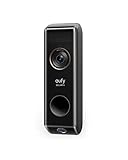
8. eufy Security Video Doorbell S330, Homebase NOT Included, 2K HD Video Doorbell, Battery-Powered Add-On, Dual Motion Detection, Package Detection, Family Recognition, No Monthly Fee, Motion Alerts
Overview:
The eufy Security Video Doorbell S330 brings innovative dual-camera technology to eliminate blind spots traditional doorbells miss. This 2K HD add-on unit pairs with your existing HomeBase 2 or 3 to provide comprehensive doorstep coverage. The advanced PIR and radar motion sensors distinguish near and far objects, reducing false alarms by 95%. Package detection alerts you to deliveries, while family recognition personalizes notifications.
What Makes It Stand Out:
The dual-camera system is a game-changer—one camera focuses on the traditional view while a low-angle camera monitors the doorstep directly below, where packages typically rest. This eliminates the frustrating blind spot that plagues single-lens doorbells. Combined with local AI processing, it offers sophisticated detection without monthly fees.
Value for Money:
At $89.99, it’s reasonably priced for a 2K doorbell with advanced features. The no-subscription model is a major cost saver over time. However, requiring a separate HomeBase (not included) adds $100-150 if you don’t already own one. For existing eufy ecosystem users, it’s exceptional value; for newcomers, total cost is less competitive.
Strengths and Weaknesses:
Strengths include innovative dual cameras, 2K resolution, no monthly fees, intelligent motion detection, and local storage. Weaknesses are HomeBase requirement, 2.4GHz-only Wi-Fi, add-on status limits standalone use, and eufy’s ecosystem lock-in.
Bottom Line:
Excellent upgrade for current eufy HomeBase owners wanting superior doorstep coverage. The dual-camera design solves a real problem, but new users should factor in the complete system cost. Skip if you prefer a standalone unit.
9. Feit Electric Smart Wireless Doorbell w/Dual-Lens 1080p HD Camera, 24/7 Local Recording, Night Vision, Voice Assistant, AI Detection for People & Packages, Includes Wireless Chime, CAM2/DOOR/WIFI/BAT

Overview:
The Feit Electric Smart Wireless Doorbell combines dual-lens technology with local storage in a mid-range package. Its 1080p HD dual-camera system provides wider coverage than single-lens alternatives, while 24/7 local recording ensures continuous monitoring without subscription fees. Infrared night vision extends up to 32 feet, and AI detection distinguishes people and packages. Voice assistant integration with Alexa and Google Assistant adds convenience.
What Makes It Stand Out:
The dual-lens design enhances coverage area, capturing more of your porch and surroundings. Most compelling is the 24/7 local recording capability—rare in this price range—which stores footage continuously rather than just motion-triggered clips. Combined with included wireless chime and no mandatory subscription, it prioritizes user control and privacy.
Value for Money:
At $128.04, it sits in the competitive mid-tier. The dual lenses and local recording justify the premium over basic 1080p models. Unlike cloud-dependent competitors, ongoing costs are zero. The included wireless chime adds $20-30 value. While not as cheap as budget options, it balances features and affordability.
Strengths and Weaknesses:
Strengths include dual-lens coverage, 24/7 local recording, no subscription requirement, voice assistant integration, and included chime. Weaknesses are 1080p resolution (not 2K/3K), local storage capacity limitations, brand recognition lagging behind competitors, and potential complexity for non-tech users.
Bottom Line:
A solid choice for privacy-conscious buyers wanting local storage without sacrificing smart features. The dual-lens system and 24/7 recording differentiate it from cloud-centric alternatives. Consider this if you avoid subscriptions but want more than basic functionality.
10. Noorio 3K Smart Video Doorbell Wireless, 5MP Battery-Powered Security Camera with Chime, 180-Day Battery Life, AI Package/Human Detection, 2-Way Talk, No Monthly Fee, Compatible with Alexa

Overview:
The Noorio 3K Smart Video Doorbell delivers exceptional resolution and battery life at a budget price. Its 5MP camera produces 3K video with a 140° wide-angle view, while the 180-day battery life minimizes maintenance. AI-powered detection identifies packages and people, reducing false alarms by 95%. With 16GB eMMC local storage holding 6,000 clips, no subscription is required. Two-way audio and Alexa compatibility round out the package.
What Makes It Stand Out:
The combination of 3K resolution and six-month battery life under $50 is remarkable. Most competitors at this price offer 1080p and require monthly charging. The integrated 16GB storage eliminates subscription fees entirely, while radar and PIR sensors provide accurate detection. This democratizes high-resolution wireless security.
Value for Money:
At $42.99, it’s arguably the best value on the market. You’re getting premium specs—3K resolution, half-year battery, local storage—that typically cost $150+. The no-subscription model saves hundreds over the product lifetime. Even without cloud backup, the local capacity is generous for most users.
Strengths and Weaknesses:
Strengths include unbeatable price-to-performance ratio, 3K resolution, exceptional battery life, no monthly fees, and AI detection. Weaknesses are 2.4GHz-only connectivity, unknown brand reliability, plastic construction, and lack of advanced features like person recognition or HDR.
Bottom Line:
An outstanding value proposition for renters and homeowners wanting high resolution without wires or fees. The battery life and 3K video punch far above its weight class. Minor compromises in build quality and brand recognition are acceptable at this price. Highly recommended for budget-savvy buyers.
Understanding Package Detection Technology in 2026
Package detection in 2026 relies on sophisticated edge AI processing that happens directly on the device rather than in the cloud. This shift to on-device intelligence means faster recognition times, improved privacy, and functionality even during internet outages. Modern systems use convolutional neural networks trained on millions of package images to identify shapes, sizes, and delivery patterns with remarkable accuracy. Unlike earlier motion-based systems that triggered alerts for any movement, today’s doorbells understand context—they can tell the difference between a package being placed, a person lingering suspiciously, or just your neighbor’s cat walking across the porch.
The technology has matured beyond simple rectangular object recognition. Advanced models now incorporate depth sensing through time-of-flight sensors or stereoscopic vision, allowing them to estimate package dimensions and detect stacked or hidden items. Some systems even use thermal imaging to confirm a package’s presence in low-light conditions or distinguish it from inanimate objects that might trigger false positives.
Why Package Detection Matters More Than Ever
Porch piracy has evolved into organized retail crime, with thieves using sophisticated methods to track delivery trucks and target homes. In 2026, the average household receives 4-5 packages weekly, making your doorstep a high-value target. Beyond theft, package detection addresses the frustration of missed deliveries, weather damage to unattended boxes, and the liability of packages left in visible locations.
The technology also serves a broader purpose: it creates a digital paper trail for your deliveries. When a system logs the exact time, date, and visual confirmation of a package placement, you have concrete evidence for merchant disputes or insurance claims. For households with mobility challenges, automated alerts eliminate the need for constant window-watching, while integration with smart locks allows for secure, contactless delivery verification.
How AI-Powered Package Recognition Works
The magic happens through a multi-stage process that occurs in under two seconds. First, the camera’s always-on sensor detects motion within a defined zone. Then, the AI engine isolates the moving object and runs it through a classification model that has been trained to recognize human forms, vehicles, animals, and packages. When a delivery person is identified, the system enters an enhanced monitoring state, tracking their movements and watching for the specific action of placing an item down.
Once a package is detected, the system captures a clip, extracts key frames, and runs secondary verification to confirm the object remains stationary. Advanced implementations use pose estimation to understand the delivery person’s body language—are they bending to place something, walking away empty-handed, or behaving suspiciously? The AI assigns a confidence score, and only alerts you if it exceeds a threshold you can customize. This layered approach reduces false positives by up to 94% compared to first-generation motion detection.
Essential Features to Look For
When evaluating smart doorbells with package detection, certain capabilities separate the truly intelligent from the merely adequate. The core functionality extends far beyond the ability to recognize a box—it encompasses how the system integrates with your lifestyle, protects your data, and adapts to your specific porch layout.
Video Quality and Field of View
Resolution matters, but not in the way you might think. While 4K sensors are now standard on premium models, the critical factor is dynamic range and low-light performance. Look for HDR+ processing that can handle the stark contrast between a sunlit yard and a shaded porch. A 180-degree diagonal field of view is ideal, capturing not just the doorstep but the approach path where delivery vehicles park. Some systems offer adjustable angles or supplemental downward-facing cameras specifically designed to monitor the ground where packages land.
Night vision has evolved beyond infrared LEDs. Modern doorbells use computational photography techniques to combine multiple exposures, creating color night vision that can read shipping labels in near-total darkness. This is crucial for verifying delivery details when you can’t check the package until morning.
Advanced Motion Detection Zones
Generic motion zones are obsolete. In 2026, you want AI-powered smart zones that you can draw with polygonal shapes, not just rectangles. The system should allow different sensitivity settings for each zone—high sensitivity for the actual drop-off area, medium for the walkway, and low for the street beyond. Look for “package-specific zones” that only trigger recording when an object of package-like dimensions enters the area, ignoring pedestrians and vehicles.
Geofencing capabilities add another layer of intelligence. The doorbell can automatically adjust its alert behavior when you’re home versus away, or integrate with your phone’s location to suppress notifications if you’re already at the door receiving the package yourself.
Two-Way Audio and Communication
Crystal-clear audio is non-negotiable for interacting with delivery personnel. Seek out full-duplex audio that allows natural conversation without the walkie-talkie lag of half-duplex systems. Echo cancellation technology prevents feedback loops when you’re speaking near the doorbell. Some advanced models feature directional microphones that can isolate voices from background noise like traffic or wind.
Pre-recorded quick responses have become sophisticated, allowing you to create custom messages for different scenarios: “Please leave the package behind the planter,” “I’ll be right there,” or “Leave the food on the table.” The best systems can trigger these automatically based on detected delivery uniforms or package types.
Power Options: Battery vs. Wired
Battery-powered doorbells offer installation flexibility but require strategic power management. In 2026, lithium-ion batteries in premium models last 4-6 months on a single charge thanks to low-power AI chips that only activate high-performance processing when needed. Solar charging accessories have become more efficient, with some providing indefinite power in moderate sunlight. Look for hot-swappable battery designs that let you replace cells without powering down the device.
Wired doorbells provide consistent power for advanced features like continuous recording and faster AI processing. However, they require existing doorbell wiring (typically 16-24VAC) or POE (Power over Ethernet) for the most robust installations. POE models offer the best reliability, delivering both power and data through a single cable, but necessitate running ethernet to your entrance—a worthwhile consideration during new construction or major renovations.
Storage Solutions: Cloud vs. Local
Your footage storage choice impacts both privacy and long-term costs. Cloud storage offers convenience and off-site security, but subscription fees add up. In 2026, most manufacturers provide tiered plans: basic event storage (7-30 days) versus continuous recording with AI-powered search. Look for end-to-end encryption where only you hold the decryption key, preventing even the provider from accessing your footage.
Local storage has gained traction with edge computing advances. Many doorbells now accept high-capacity microSD cards (up to 1TB) or connect to your home NAS via RTSP streaming. The sweet spot is hybrid storage: local recording with cloud backup for critical events. This ensures footage survives device theft while keeping ongoing costs minimal. Ensure the local storage is encrypted and can be remotely wiped if the device is stolen.
Smart Home Integration Capabilities
A doorbell shouldn’t exist in isolation. Matter protocol support is now essential for seamless integration across ecosystems—Apple HomeKit, Google Home, Amazon Alexa, and Samsung SmartThings. This allows your doorbell to trigger automations: turn on porch lights when a delivery arrives after dark, pause your robot vacuum to avoid interfering with the drop-off, or display the camera feed on your smart TV when the doorbell rings.
API access for power users enables custom integrations. Want to log all deliveries to a spreadsheet? Automatically send a thank-you text when a package from a specific sender arrives? Look for doorbells with open APIs or IFTTT support. Integration with delivery services is the next frontier—some systems can now pull tracking data from UPS, FedEx, and Amazon to correlate expected deliveries with actual arrivals, reducing false alerts.
Privacy and Data Security Considerations
With AI processing happening on-device, your footage stays private, but data still flows—metadata, thumbnails, and alert notifications. Ensure the manufacturer has a clear privacy policy stating they don’t sell your data. GDPR and CCPA compliance is standard, but look for additional certifications like ISO 27001 for information security management.
Facial recognition features should be opt-in only, with local processing options. Be wary of systems that upload face data to the cloud without explicit consent. Package detection should never identify individual items or read shipping labels beyond confirming a delivery occurred. Some privacy-focused models offer “privacy zones” that permanently obscure areas like neighboring properties or windows from recording, enforced at the hardware level.
Weather Resistance and Durability
Your doorbell faces extreme conditions. IP65 rating is the minimum; IP67 provides better protection against heavy rain and dust. Operating temperature ranges have expanded, with premium models functioning from -40°F to 140°F. UV-resistant polycarbonate housings prevent yellowing and cracking under sun exposure.
Consider vandal resistance—look for IK08 or higher impact ratings. Tamper detection sensors can trigger immediate alerts if someone attempts to remove the device. In coastal areas, corrosion-resistant materials like marine-grade stainless steel mounting hardware prevent premature failure from salt air.
Installation Complexity and Requirements
DIY installation is feasible for most battery-powered and retrofit wired models, typically requiring 30-60 minutes and basic tools. However, POE installations and new wiring may need professional help. Before purchasing, verify your Wi-Fi signal strength at the installation location—package detection requires stable connectivity. Use a Wi-Fi analyzer app to check for at least -65 dBm signal strength.
Consider your door frame material. Solid wood and vinyl are straightforward, but brick, stucco, or metal doors may require specialized drill bits and anchors. Some manufacturers provide mounting wedge kits to angle the camera optimally for package viewing. If you rent, look for non-destructive mounting options that use strong adhesive plates rather than screws.
Subscription Models and Hidden Costs
The sticker price is just the beginning. Most doorbells require a subscription for full functionality, typically $3-$10 monthly. Calculate the total cost of ownership over 3-5 years. Some manufacturers offer “lifetime” plans for a one-time fee—evaluate these based on the company’s longevity and your expected use.
Hidden costs include mounting accessories, solar chargers, chime kits (for wired models), and extended warranties. Cloud storage overage fees can apply if you exceed event limits. Compare what’s included in the free tier: some brands offer package detection only with paid plans, while others include basic AI features out of the box.
Future-Proofing Your Investment
Technology moves fast, but your doorbell should last 5-7 years. Look for devices with over-the-air firmware update capabilities and a track record of supporting older models. Modular designs that allow hardware upgrades—like swapping in a better camera module or adding a solar panel later—extend useful life.
5G connectivity is emerging in premium models, offering faster uploads and lower latency. While not essential today, it may become valuable as cellular backup for security systems. Support for emerging codecs like AV1 ensures efficient video compression, reducing bandwidth usage while maintaining quality. Choose manufacturers with active developer communities and clear product roadmaps.
Real-World Performance Factors
Lab specs don’t always translate to porch performance. Consider your specific environment: heavy foot traffic, frequent animal activity, or busy streets can overwhelm basic AI. Look for systems with adaptive learning that improve accuracy over time by learning your delivery patterns. User-adjustable sensitivity for package size—so it ignores small envelopes but flags large boxes—prevents notification fatigue.
Latency is critical. From package placement to alert receipt should take under 3 seconds on a strong connection. Test this during return periods. Also evaluate the companion app: is it intuitive? Does it allow quick video scrubbing to find events? Are notifications actionable, with thumbnail previews and one-tap responses? A powerful doorbell hampered by poor software creates more frustration than security.
Troubleshooting Common Issues
Even the best systems encounter problems. False positives often stem from overly broad motion zones or reflective surfaces confusing the AI. Recalibrate by adjusting zones and angling the camera away from windows, cars, or wind chimes. If package detection misses deliveries, check that the drop-off area is within the central third of the frame where AI accuracy is highest.
Connectivity drops can interrupt notifications. If Wi-Fi is weak, consider a mesh network node near your entrance or a Wi-Fi extender. For battery models that drain too quickly, disable continuous recording and rely on event-based capture instead. In winter, lithium batteries lose capacity—keep spares charged indoors and swap them more frequently. If night vision is poor, clean the lens and ensure IR LEDs aren’t reflecting off nearby walls, which creates glare.
Frequently Asked Questions
How accurate is package detection in different weather conditions?
Modern AI models trained on diverse datasets perform reliably in rain, snow, and fog, but heavy precipitation can obscure packages. Look for models with weather-specific algorithms that adjust detection sensitivity automatically. Thermal imaging helps in extreme conditions, confirming package presence even when visual identification is compromised.
Can the system distinguish between delivered packages and items I’m taking out?
Yes, advanced systems use motion directionality and context clues. They can tell the difference between a person leaving with a package versus a delivery person arriving with one. Some even recognize your face or phone’s presence to suppress alerts when you’re handling items yourself.
What happens if my internet goes down during a delivery?
Doorbells with local storage and edge processing will still detect and record the event, uploading it once connectivity is restored. Some premium models include cellular backup that sends critical alerts via SMS. However, real-time notifications require internet; you won’t get immediate alerts during an outage.
Do I need to train the system to recognize my specific porch?
Most systems work out-of-the-box with pre-trained models, but many offer a brief “learning period” where you confirm or dismiss alerts to improve accuracy. This typically takes 1-2 weeks of normal deliveries. High-end models adapt automatically without manual input.
Can package detection work through glass or a screen door?
Generally no—the AI needs a clear view of the drop zone. Reflections, glare, and the screen mesh interfere with depth perception and object recognition. Install the doorbell with direct line-of-sight to your primary delivery area, angling it to avoid obstacles.
Will the camera record my neighbors and violate their privacy?
Most systems include privacy zone masking that permanently blocks recording of adjacent properties. Some jurisdictions require conspicuous signage about video recording. Check local laws and configure privacy settings before installation to avoid legal issues.
How does package detection handle multiple packages in one delivery?
Advanced systems count individual items and track them separately. You’ll receive alerts specifying “3 packages detected” with thumbnails showing each item’s location. This prevents the common issue of retrieving one box while leaving others behind.
Can I integrate the doorbell with my existing security system?
Yes, most modern doorbells support standard protocols like ONVIF for NVR integration or API webhooks for custom connections. Matter support ensures compatibility with newer security hubs. Check your security system’s documentation for specific integration requirements.
What’s the typical lifespan of a smart doorbell with package detection?
Expect 5-7 years of software support and hardware functionality. Battery models may need cell replacement after 3-4 years. Environmental factors like extreme temperatures and direct sunlight can accelerate wear. Choose brands with proven longevity and replaceable components.
Are there any insurance benefits to having package detection?
Many insurers offer discounts on home insurance premiums for smart security systems. Package detection footage provides valuable evidence for claims, potentially expediting reimbursement. Some delivery services also offer guaranteed delivery credits when you provide video proof of non-delivery, though this varies by carrier and service level.