Container gardening unlocks the magic of vibrant blooms and fresh harvests for balconies, patios, and tiny urban spaces, but it comes with a relentless challenge: watering. Unlike in-ground plants with deep root networks tapping into stable soil moisture, potted plants live in isolated ecosystems where soil dries out rapidly under sun or wind, yet risks drowning with a single heavy rain. Overlook this delicate balance for just a few days, and your lush basil becomes a brittle skeleton or your petunias melt into a soggy mess. It’s a high-stakes dance of precision that leaves even seasoned gardeners checking weather apps hourly or cutting vacations short—until now. Smart hose timers step in as the unsung heroes, transforming chaotic watering routines into a seamless, science-backed rhythm that keeps container gardens thriving without constant vigilance.
What makes these devices revolutionary for pots isn’t just automation—it’s their ability to speak the language of your specific plants. A terracotta pot of Mediterranean herbs on a west-facing deck demands radically different care than a shade-loving fern in a plastic nursery pot. Generic timers blast water on fixed schedules, ignoring how container material, soil composition, and microclimates alter thirst levels hourly. But intelligent systems integrate hyperlocal weather forecasts, soil moisture insights, and customizable profiles to deliver just enough water exactly when needed. This isn’t lazy gardening; it’s responsive stewardship that conserves water, prevents root rot, and lets you savor the joy of growing—without the guilt of forgetting. As climate volatility intensifies and urban gardening surges, these tools bridge sustainability with satisfaction, turning container chaos into curated abundance.
Top 10 Smart Hose Timers
Detailed Product Reviews
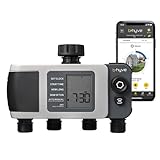
1. Orbit 24634 B-hyve XD 4-Port Smart Hose Watering Timer
Overview:
The Orbit B-hyve XD is a weather-responsive smart hose timer that automates watering using hyperlocal forecasts and drought data. Designed for hands-off yard maintenance, it connects via Wi-Fi or Bluetooth and adjusts schedules dynamically to optimize water usage while complying with regional restrictions.
What Makes It Stand Out:
Its EPA WaterSense certification (with Wi-Fi hub) and IPX-5 waterproof rating ensure efficiency and durability. The standout feature is automatic drought adaptation—integrating real-time local restrictions to modify watering without user input. Precise weather-based adjustments prevent overwatering, setting it apart from basic timers.
Value for Money:
Priced mid-range, it justifies cost through water savings and long-term durability. Cheaper timers lack weather intelligence, while premium systems rarely match its drought-response specificity. The 4-port capacity offers scalability, making it cost-effective for larger gardens compared to single-valve alternatives.
Strengths and Weaknesses:
Strengths: Reliable weather integration; robust waterproof build; intuitive app; easy drought-restriction customization.
Weaknesses: Requires separate Wi-Fi hub for full features (sold separately); Bluetooth range limits initial setup; no voice control.
Bottom Line:
Ideal for eco-conscious gardeners in drought-prone areas. Despite the hub dependency, its water-saving precision and resilience deliver strong value, earning a recommendation for those prioritizing sustainability.
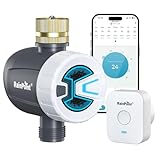
2. RAINPOINT WiFi Water Timer, Sprinkler Timer for Garden Hose, Smart Automatic Irrigation System with Brass Inlet for Yard, Lawn, APP Remote Control via 2.4Ghz WiFi and Bluetooth
Overview:
The RAINPOINT WiFi Water Timer offers app-based irrigation control with industrial-grade durability. Targeting users seeking expandability and leak-proof reliability, it features a brass swivel inlet and integrates with soil sensors for adaptive watering across yards, lawns, and patios.
What Makes It Stand Out:
The reinforced brass inlet withstands high pressure without leaks—a rarity in this category—while the 1-hub-for-4-timers expandability simplifies multi-zone setups. Seamless Tuya app integration enables real-time monitoring, and soil moisture pairing prevents overwatering, enhancing precision.
Value for Money:
Competitively priced, its brass construction justifies a slight premium over plastic competitors. The hub scalability reduces long-term costs for larger properties, though the Tuya ecosystem may deter non-adopters. Better value than single-timer brands lacking expandability.
Strengths and Weaknesses:
Strengths: Leak-resistant brass inlet; scalable hub system; flexible 3-mode scheduling; voice control via Alexa/Google.
Weaknesses: Tuya app dependency; no EPA certification; soil sensor sold separately.
Bottom Line:
A top choice for users needing durable, expandable irrigation. The brass build and hub flexibility offer excellent ROI for multi-zone gardens, though ecosystem loyalty is required.
3. Rachio Smart Hose Timer (1 Valve + 1 WiFi Hub) – App-Controlled Outdoor Faucet Timer, Quick Install & Scheduling, Expandable System

Overview:
Rachio’s entry-level smart timer simplifies outdoor watering with app-driven automation. Focusing on ease of use, it installs in minutes and leverages Rachio’s ecosystem for rain-aware scheduling, targeting beginners seeking hassle-free, water-efficient irrigation.
What Makes It Stand Out:
“Rain Skips” automatically cancel watering during precipitation—a hallmark feature—and flow monitoring alerts for leaks. The app’s intuitive interface and quick installation (no tools) lower the barrier for smart irrigation adoption, outperforming clunky competitors.
Value for Money:
Priced moderately, it excels in core functionality but lacks expandability without additional hubs. Cheaper timers omit rain intelligence, while pricier systems (like Rachio 3) offer more zones. Best value for single-zone users prioritizing weather adaptation.
Strengths and Weaknesses:
Strengths: Effortless setup; reliable rain skip; leak/battery alerts; clean app design.
Weaknesses: Single valve limits versatility; hub required for full features; no manual Bluetooth control.
Bottom Line:
Perfect for small-yard owners wanting foolproof, water-saving automation. Its rain intelligence and simplicity make it a standout single-zone solution despite limited scalability.
4. Insoma WiFi Water Timer for Garden Hose, Smart Sprinkler Timer, APP Remote Control WiFi Hose Timers, Voice Control with Alexa, Rain Delay and Manual Mode for Yard Lawn Watering

Overview:
Insoma’s timer eliminates hub dependency with direct 2.4GHz WiFi connectivity, enabling true remote control via Smart Life app. Designed for users frustrated by Bluetooth limitations, it supports extensive scheduling and voice commands for comprehensive garden management.
What Makes It Stand Out:
100% hub-free WiFi operation ensures consistent remote access—unlike competitors toggling to Bluetooth. The 20-schedule capacity (including soak cycles) and family-sharing features cater to complex irrigation needs, while multi-day rain delay adds flexibility.
Value for Money:
Mid-priced with exceptional connectivity value. Avoiding hub costs undercuts rivals like Orbit, though Smart Life app appeal varies. Superior for travelers needing reliable remote control, though brass inlet absence slightly reduces durability versus Rainpoint.
Strengths and Weaknesses:
Strengths: No gateway needed; 20-schedule versatility; robust app history tracking; voice control.
Weaknesses: Plastic inlet (vs. brass); app limitations for non-Tuya users; pressure range narrower than competitors.
Bottom Line:
Highly recommended for tech-savvy users prioritizing seamless remote access. Its hub-free design and scheduling depth offset minor build compromises, ideal for medium-sized gardens.
5. Rachio Smart Hose Timer (2 Valves + 1 WiFi Hub) – App-Controlled Outdoor Faucet Timer, Quick Install & Scheduling, Expandable System

Overview:
This Rachio bundle doubles down on automation with two valves controlled by one hub, enabling dual-zone watering for lawns and gardens. It retains all core Rachio features—rain skips, flow alerts, and app simplicity—while expanding coverage without extra hubs.
What Makes It Stand Out:
Dual valves per hub maximize cost efficiency; managing two zones (e.g., lawn + flowerbeds) requires no additional hardware. Identical to Product 3 in rain intelligence and leak detection but offers immediate scalability, eliminating sequential purchases.
Value for Money:
Priced higher than single-valve models, it delivers significant savings versus buying two separate units. The hub-to-valve ratio (1:2 here vs. 1:1 in Product 3) justifies the premium for multi-zone setups, undercutting competitors needing separate hubs per valve.
Strengths and Weaknesses:
Strengths: Two valves included; hub efficiency; identical rain/leak features as Product 3; easy expansion to 8 valves.
Weaknesses: Still requires hub; no voice control; same plastic build as Product 3.
Bottom Line:
The optimal Rachio choice for multi-zone yards. Bundling two valves with one hub provides unmatched value in the ecosystem, making it essential for users beyond single-zone needs.
6. Lumary WiFi Water Timer for Garden Hose with Hub, Battery Sprinkler Timer for Watering Brass Inlet Outdoor, Rain Delay/Remote/Manual/Auto Drip Irrigation System Programmable Faucet, Work with Alexa
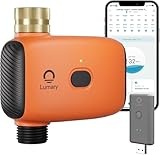
Overview: The Lumary WiFi Water Timer is a smart irrigation solution for garden hoses, featuring a hub for 2.4GHz WiFi connectivity, app control, and voice compatibility with Alexa. It automates watering schedules while adapting to weather conditions.
What Makes It Stand Out: Its dedicated hub ensures stable remote access beyond typical Bluetooth ranges, and the brass inlet offers superior durability against weather and pressure. Rain delay (24-72 hours) and flexible programming (regular/cyclical modes) prevent overwatering, though schedules can’t cross midnight.
Value for Money: Priced competitively, it justifies cost with robust brass construction and hub-based reliability absent in cheaper single-unit timers. The included hub adds value over models requiring separate purchases, though setup complexity may deter beginners.
Strengths and Weaknesses: Strengths: Weather-resistant IP55 rating; versatile manual/auto modes; detailed irrigation records. Weaknesses: Hub dependency limits portability; app-only scheduling (no physical buttons); midnight scheduling restriction causes user frustration.
Bottom Line: Ideal for tech-savvy gardeners prioritizing durability and remote access, but the hub requirement and scheduling quirks make it less beginner-friendly. A solid mid-range investment for reliable automated watering.
7. Smart WiFi Sprinkler Timer 3 Zone,WiFi Water Timer for Garden Hose with 984 FT Range,APP & Remote Control,Alexa & Google Voice Compatible,Rain Delay, Manual Mode Sprinkler System

Overview: This 3-zone WiFi sprinkler timer boasts exceptional 984-foot range via RFID gateway, enabling precise control across large gardens. It supports app/voice commands (Alexa/Google), rain delay, and multi-zone scheduling for tailored irrigation.
What Makes It Stand Out: The industry-leading 300m range solves signal issues in expansive yards, while dual-zone functionality (with 12 total schedules) accommodates diverse plant needs. Flexible modes include gentle misting and recirculating schedules (1s–24h), plus detailed irrigation records.
Value for Money: Justifies its premium with unmatched range and zone flexibility—critical for large properties where cheaper timers fail. The Tuya/Smart Life app integration adds versatility, though Bluetooth-only setup limits initial accessibility.
Strengths and Weaknesses: Strengths: Unrivaled signal range; customizable per-zone programming; 1–7 day rain delay; misting capability. Weaknesses: Requires constant WiFi power; complex app setup; no physical controls during outages.
Bottom Line: A top choice for large gardens needing robust, zone-specific automation. The exceptional range and scheduling depth offset the reliance on stable WiFi, making it worth the investment for serious landscapers.
8. Orbit 24632 B-hyve XD 2-Port Smart Hose Watering Timer

Overview: The Orbit B-hyve XD is a dual-port smart timer that leverages hyperlocal weather data to optimize watering, supporting both WiFi and Bluetooth connectivity for scheduling flexibility and drought-responsive irrigation.
What Makes It Stand Out: EPA WaterSense certification ensures water efficiency, while automatic drought adjustment complies with local restrictions. The IPX-5 waterproofing guarantees all-weather reliability, and Bluetooth fallback aids setup without constant WiFi.
Value for Money: Priced moderately, it delivers exceptional value through water savings (verified by certification) and dual connectivity. Outperforms budget timers in precision but lacks multi-zone expansion of higher-end models.
Strengths and Weaknesses: Strengths: Intelligent weather/drought adaptation; user-friendly app; robust waterproofing; reduces water waste significantly. Weaknesses: Only 2 ports (non-expandable); no voice control; limited scheduling complexity vs. competitors.
Bottom Line: Perfect for eco-conscious users seeking hassle-free, weather-aware watering. Its water efficiency and reliability make it a standout for standard residential gardens, despite fewer advanced features.
9. Rachio Smart Hose Timer (1 Valve Only) – App-Controlled Outdoor Faucet Timer, Quick Install & Scheduling, Expandable System - Requires WiFi Hub

Overview: Rachio’s single-valve timer prioritizes simplicity and expandability, offering app-based scheduling, flow monitoring, and rain skips via a required WiFi hub for automated, water-efficient garden care.
What Makes It Stand Out: Effortless 5-minute installation and intuitive Rachio app streamline setup. Flow alerts detect leaks, while rain skips prevent overwatering. Expandability (up to 8 valves per hub) allows future system growth.
Value for Money: Hub requirement adds initial cost, but Rachio’s precision watering saves long-term water bills. Best for users planning multi-zone systems; less cost-effective as a single-valve solution versus standalone timers.
Strengths and Weaknesses: Strengths: Rapid installation; actionable flow/leak alerts; seamless rain adaptation; scalable design. Weaknesses: Hub dependency increases expense; single-valve base model feels limited; no voice control.
Bottom Line: Highly recommended for those building a smart irrigation ecosystem. Its ease of use and water-saving features excel, though the hub cost makes it less ideal for simple single-zone needs.
10. Diivoo Brass WiFi Sprinkler Timer 2 Zone, Smart Water Timer for Garden Hose Remote Control,Compatible with Alexa and Google Home,12 Irrigation Plans,Rain Delay & Manual Watering for Garden,Lawn,Yard

Overview: The Diivoo 2-zone timer combines solid brass durability (7.25–116 PSI rated) with dual independent outlets, supporting 12 schedules, misting modes, and voice control via Alexa/Google Assistant for versatile garden management.
What Makes It Stand Out: Brass construction prevents leaks/corrosion common in plastic models, while dual-zone flexibility (lawns + drip systems) and mist mode for cooling set it apart. Rain delay (24–72h) and manual override enhance practicality.
Value for Money: Premium brass build justifies cost for longevity-focused users. Outperforms plastic competitors in harsh conditions, though similar multi-zone rivals may offer better app integration at lower prices.
Strengths and Weaknesses: Strengths: Superior brass durability; independent zone control; mist/drip compatibility; intuitive manual mode. Weaknesses: Limited to 2.4GHz WiFi; app occasionally laggy; no EPA certification.
Bottom Line: A durable, feature-rich choice for demanding environments. Ideal if longevity and dual-zone precision outweigh minor app flaws—excellent for serious gardeners needing reliable, adaptable watering.
Understanding Container Plant Watering Needs
Why Container Plants Have Unique Hydration Challenges
Containers create micro-environments where soil moisture fluctuates dramatically faster than in garden beds. Restricted root space means less buffer against drying winds or scorching sun, while porous materials like terracotta wick away water overnight. Overlooking these dynamics leads to stress—yellowing leaves from underwatering or mushy stems from saturation—because pots lack the natural resilience of open ground. Recognizing this fragility is the first step toward choosing a timer that adapts to these quirks, not fights them.
Signs Your Pots Are Thirsty or Soggy
Watch for subtle distress signals: drooping foliage that bounces back after watering indicates thirst, while persistent wilting despite damp soil hints at root rot. Lightweight pots suggest dryness, whereas heavy containers may mean poor drainage. Yellow lower leaves often signal overwatering, while crispy brown edges scream dehydration. A smart timer’s value shines when it decodes these cues through integrated sensors or weather adjustments, preventing damage before symptoms escalate.
How Microclimates Dictate Watering Frequency
Your balcony’s sun exposure, local wind tunnels, and even nearby walls create wildly different conditions just feet apart. A south-facing container might need daily hydration in summer, while an identical pot under an eave stays moist for days. Generic schedules fail here—successful systems let you program individual zones per pot location, using real-time data to account for how concrete radiates heat or rain shadows form around structures.
Key Features to Look for in a Smart Hose Timer
Precision Scheduling for Variable Plant Needs
Not all plants drink alike: succulents prefer infrequent deep soaks, while vegetables need consistent moisture. Opt for timers allowing minute-by-minute adjustments across multiple schedules—some even let you set “soak and dry” cycles mimicking natural rainfall patterns. This granularity ensures thirsty tomatoes get frequent short bursts while drought-tolerant rosemary receives weekly thorough drenches, all from one device.
Multi-Zone Management Without Extra Hardware
Since container gardens often mix species with clashing needs, avoid timers requiring separate controllers per zone. Instead, seek models that manage 4–8 independent watering programs through a single app. Imagine syncing your herb pots to water at dawn while cacti get midnight drips—all without tangled hoses or buying multiple units. This flexibility turns chaotic container arrangements into harmonized hydration ecosystems.
Weather Intelligence Beyond Basic Rain Delay
Basic rain sensors merely pause watering during downpours, but advanced systems analyze hyperlocal forecasts for humidity, wind, and evaporation rates. They’ll automatically shorten cycles before a humid spell or extend them ahead of a heatwave, using data from your exact ZIP code. For containers vulnerable to rapid moisture loss, this predictive layer prevents overcompensation that leads to waste or plant stress.
Connectivity and Compatibility Considerations
Wi-Fi vs. Bluetooth: Choosing Your Control Range
Bluetooth models offer simple setup for nearby control (think watering while grilling on your patio), but Wi-Fi unlocks true “set-and-forget” freedom—adjust schedules from your office or pause cycles during unexpected rain while traveling. If your garden exceeds 30 feet from your router, prioritize Wi-Fi with mesh network support to avoid dead zones sabotaging your automation.
App Usability for Non-Tech Gardeners
A clunky interface defeats the purpose of smart tech. Test screenshots for intuitive features like drag-and-drop scheduling, one-tap manual overrides, and clear error alerts (e.g., “Low battery” instead of “ERR 47”). Bonus points for voice command compatibility—starting a cycle while hands are muddy with soil shouldn’t require decoding menus.
Smart Home Integration for Unified Control
Future-proof your setup by ensuring compatibility with ecosystems like Apple HomeKit or Google Home. This lets you trigger “Goodnight” routines that water containers while adjusting indoor lights, or receive Alexa alerts if a freeze threatens your patio citrus trees. Seamless integration turns isolated gadgets into a responsive garden command center.
Power and Durability for Outdoor Use
Battery Life Realities in Extreme Conditions
Solar-assisted models promise sustainability but falter in cloudy climates, while standard AA batteries drain fast with frequent cycles. Lithium-ion rechargeables often deliver 6–12 months per charge, even through winter freezes. Prioritize units with low-battery warnings that sync to your phone—nothing kills automation like a dead timer during a heatwave.
Weatherproofing That Withstands Seasonal Swings
Look beyond basic “water-resistant” claims. True outdoor durability requires IP66 or higher ratings, meaning the timer shrugs off monsoon rains, dust storms, and sub-zero chills without malfunctioning. Aluminum housings outlast plastic in UV-heavy zones, while sealed ports prevent moisture seepage that corrodes internal circuits over time.
Hose Connection Reliability to Prevent Leaks
Cheap quick-connect fittings degrade after months of pressure, causing drips that waste water or flood patios. Opt for brass connectors rated for 100+ PSI and twist-lock mechanisms that withstand accidental tugs. A quality timer should attach as securely as a standard faucet—no tape or wrenches needed for leak-proof performance.
Programming Flexibility for Container Gardens
Customizing Watering by Plant Type and Pot Size
Your 6-inch succulent pot needs half the runtime of a 24-inch planter. Advanced timers let you assign “plant profiles” (e.g., “Small Herbs,” “Large Citrus”) with preset durations and frequencies, eliminating manual math. Some even calculate volume based on pot diameter input, ensuring tiny seedlings don’t drown in runoff meant for mature shrubs.
Adapting to Seasonal Shifts Automatically
As days shorten in fall, containers require less frequent watering—but manually adjusting 10+ schedules is tedious. Top-tier systems sync with astronomical data to lengthen cycles in summer and shorten them in winter, while temperature-based adjustments prevent freezing pipe bursts during sudden cold snaps. This seasonal intelligence keeps roots healthy year-round with zero input.
Handling Irregular Watering Patterns for Sensitive Species
Delicate orchids or newly transplanted seedlings often need “pulse watering”—short bursts multiple times daily—to avoid shock. Ensure your timer supports fractional runtimes (as brief as 1 minute) and multiple start times per day. This mimics natural dew cycles, encouraging stronger root growth in finicky container specimens.
Installation and User Experience
Hassle-Free Setup for Renters and Beginners
Avoid models requiring complex wiring or permanent fixtures. The best units attach directly to standard spigots with tool-free installation—think twist-on connectors and magnetic mounts. Renters especially benefit from portable designs that pack into a suitcase during moves, preserving your watering system without landlord headaches.
Physical Design for Space-Constrained Areas
Compact gardens demand compact tech. Slim-profile timers tuck neatly behind potted clusters without blocking adjacent spigots, while vertical mounting options free up precious patio real estate. Avoid bulky units with protruding antennas—they’re prone to getting bumped by lawnmowers or curious pets.
Maintenance That Fits Your Routine
Self-cleaning filters prevent debris clogs during dry spells, but some models require monthly rinsing. Prioritize timers with transparent filter windows so you spot buildup early. Also, check if firmware updates happen automatically—manual updates via app often get ignored, leaving devices vulnerable to glitches.
Troubleshooting Common Issues
Fixing Intermittent Connectivity Drops
Wi-Fi timers sometimes disconnect due to router distance or signal interference from metal furniture. Solutions include relocating your router, using a Wi-Fi extender, or selecting models with Bluetooth fallback mode for local control during outages. Documenting error logs via the app also helps pinpoint whether issues stem from your network or the device.
Correcting Schedule Overlaps and Conflicts
Accidentally setting two programs to run simultaneously can starve certain zones. Most apps include visual timeline previews to spot overlaps—always review these before saving. If conflicts persist, simplify by grouping plants with similar needs into shared schedules, using manual override buttons for one-off exceptions.
Diagnosing Low Water Pressure After Installation
Sudden pressure drops often mean debris trapped in the timer’s inlet filter. Turn off the spigot, unscrew the unit, and rinse the screen under a tap. If flow remains weak, check for kinked hoses downstream or ensure your timer’s max PSI rating exceeds your municipal supply (typically 40–80 PSI).
Maximizing Efficiency and Water Conservation
Quantifying Water Savings Through Data Tracking
Advanced timers log daily/weekly usage in gallons, revealing exactly how much each container consumes. Spotting anomalies—like a zone using 50% more water—flags leaks or clogs early. Over a season, this data helps refine schedules, potentially cutting outdoor water use by 30% while keeping plants lush.
Pairing with Soil Moisture Sensors for Precision
While weather-based adjustments help, nothing beats real-time soil data. Compatible external sensors (placed in representative pots) trigger watering only when moisture dips below your threshold. This “on-demand” approach eliminates guesswork, especially crucial for containers where soil dries unpredictably after windy days.
Creating Eco-Friendly Routines with Usage Insights
Use historical reports to identify wasteful patterns, like watering during peak evaporation hours. Shift schedules to early morning when humidity is high, or enable “cycle and soak” modes that split runtime into intervals allowing deep absorption. Every saved drop matters—smart timers transform container gardening from a water drain into a model of resource stewardship.
Frequently Asked Questions
Can smart hose timers work with drip irrigation for containers?
Absolutely—they seamlessly integrate with drip lines, soaker hoses, or micro-sprinklers designed for pots. Just ensure your timer’s flow rate (GPM) matches the system’s requirements to avoid pressure issues.
Will freezing temperatures damage the timer?
Quality models with IP66+ ratings tolerate mild freezes, but for harsh winters, drain all water from the unit and store it indoors. Some include automatic frost protection that halts cycles below 32°F (0°C).
How do I prevent algae growth inside the timer?
Algae thrives in damp, sunlit conditions. Choose timers with UV-resistant housings and store them in shaded spots. Periodically running a vinegar-water flush through the system also inhibits buildup.
Can I use one timer for multiple spigots scattered around my yard?
Not directly—each timer attaches to a single spigot. For dispersed containers, prioritize Wi-Fi models so you can control several independent timers from one app without rewiring.
Do these work during power outages?
Battery-powered units continue operating during outages, but schedules may reset if batteries die. Models with supercapacitors retain settings for hours, giving you time to replace batteries.
Are smart timers safe for edible container gardens?
Yes—all drinking-water-safe materials (look for NSF/ANSI 61 certification) prevent chemical leaching. Just ensure connections are tight to avoid contamination from outdoor debris.
How often should I update the timer’s firmware?
Manufacturers push updates quarterly for bug fixes or new features. Enable auto-updates in your app settings—manual updates often get forgotten, leaving devices vulnerable.
Can I share access with family members?
Most apps allow unlimited user invites via email. Grandparents can check on the tomatoes while you’re at work, with permissions to view-only or full control.
Why does my timer skip scheduled cycles?
This usually indicates low battery, weak Wi-Fi, or conflicting programs. Check app notifications for error codes, and verify no rain-delay settings are active during dry spells.
Will using a timer extend my container plants’ lifespan?
Consistent, tailored watering reduces root stress—containers are the #1 cause of premature plant death. By mimicking ideal moisture rhythms, timers help perennials thrive for years, not just seasons.