Water scarcity isn’t a distant threat—it’s reshaping how we care for our landscapes right now. As droughts intensify and municipal water restrictions become commonplace, the old “set it and forget it” sprinkler timer is rapidly becoming an unsustainable relic. Homeowners and property managers alike are realizing that precise, intelligent water management isn’t just eco-friendly; it’s essential for maintaining healthy lawns and gardens without breaking the bank or violating local ordinances. The good news? Technology has leaped far beyond basic timers, offering sophisticated solutions that actively conserve this vital resource while keeping landscapes thriving.
Imagine an irrigation system that knows when rain is coming and automatically skips your scheduled watering, or one that adjusts spray times based on the actual moisture levels in your soil, not just a preset timer. This isn’t science fiction—it’s the reality of modern smart irrigation controllers. These intelligent hubs leverage real-time weather data, hyper-local conditions, and even your landscape’s specific needs to deliver water only when and where it’s absolutely necessary. By moving beyond simple schedules, they transform irrigation from a significant water waster into a precision tool for conservation, putting significant control and savings directly into your hands.
Top 10 Smart Irrigation Controllers
Detailed Product Reviews
1. Orbit 57946 B-hyve 6-Zone Smart Indoor/Outdoor Sprinkler Controller
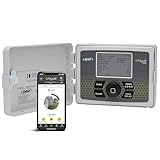
Overview: The Orbit B-hyve 6-Zone is a versatile smart sprinkler controller designed for smaller lawns or gardens, offering both indoor and outdoor installation flexibility. It leverages Wi-Fi connectivity to enable remote management via a dedicated app, automating watering schedules based on local weather data to optimize water usage and plant health.
What Makes It Stand Out: Its dual indoor/outdoor placement capability is unique, accommodating diverse installation environments without weatherproofing concerns. The intuitive B-hyve app excels at translating hyperlocal weather intelligence into automatic schedule adjustments, including rain delays and frost protection, while supporting drip irrigation zones seamlessly. The straightforward DIY setup appeals to non-technical users.
Value for Money: Priced competitively below premium 8+ zone controllers, it delivers exceptional value for properties needing up to six zones. While lacking Rachio’s patented weather algorithms, its robust core features—remote control, weather adaptation, and flexible scheduling—provide significant water savings over traditional timers, justifying the cost for modest-sized landscapes.
Strengths and Weaknesses: Strengths: True indoor/outdoor versatility; simple app interface; excellent drip irrigation support; reliable weather-based adjustments. Weaknesses: Limited to 6 zones (restrictive for larger yards); app occasionally lags behind Rachio in feature depth; no voice control integration.
Bottom Line: Ideal for small to medium yards needing a flexible, easy-to-install smart controller. Its placement freedom and solid core functionality make it a top budget-friendly choice, though larger properties should consider higher-zone models.
2. Rachio WiFi Smart Sprinkler Controller (8-Zone Irrigation Remote Control) – App-Based Scheduling, Local Weather Intelligence, Rain Skips, Easy DIY Install
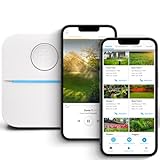
Overview: Rachio’s 8-Zone controller is a premium smart irrigation solution focused on water conservation and precision scheduling. It replaces manual timers with app-driven automation, using hyperlocal weather data to dynamically adjust watering, ensuring your landscape thrives while minimizing waste.
What Makes It Stand Out: Rachio’s patented Weather Intelligence+ is the standout feature, automatically skipping irrigation for rain, wind, or freezing temps with remarkable accuracy. The app offers granular scheduling options—including seasonal “Grow-In” modes for new lawns—and detailed water usage analytics, setting the industry standard for data-driven irrigation.
Value for Money: Justifying its higher price point, it delivers substantial long-term savings through optimized water use (reducing bills by 30-50% in tests). While cheaper alternatives exist, Rachio’s superior weather integration, robust app ecosystem, and reliable performance offer unmatched ROI for eco-conscious homeowners seeking precision.
Strengths and Weaknesses: Strengths: Best-in-class weather adaptation; intuitive, feature-rich app; detailed usage tracking; easy DIY installation; strong third-party integrations (Alexa, Google). Weaknesses: Requires stable Wi-Fi (no cellular backup); limited to 8 zones; higher upfront cost than basic smart controllers.
Bottom Line: The gold standard for 8-zone smart irrigation. Highly recommended for homeowners prioritizing water efficiency and seamless automation, despite the premium price—especially in drought-prone regions.
3. Rachio WiFi Smart Sprinkler Controller (16-Zone Irrigation Remote Control) – App-Based Scheduling, Local Weather Intelligence, Rain Skips, Easy DIY Install

Overview: This 16-Zone Rachio controller scales the brand’s acclaimed smart irrigation technology for larger properties, estates, or complex landscapes requiring extensive zone management. It delivers the same intelligent, weather-adaptive watering as the 8-zone model but doubles the capacity for intricate garden setups.
What Makes It Stand Out: Doubling the zone count while retaining Rachio’s signature Weather Intelligence+ makes it indispensable for expansive yards. The app seamlessly manages all 16 zones with individualized scheduling, detailed water analytics per zone, and adaptive “Seasonal Shift” adjustments—critical for maintaining diverse plant types across large areas.
Value for Money: Though significantly pricier than the 8-zone model, it’s cost-effective for properties needing 9+ zones, eliminating the need for multiple controllers. The water savings and plant health benefits quickly offset the investment, especially compared to professional-grade alternatives costing hundreds more.
Strengths and Weaknesses: Strengths: Unmatched 16-zone capacity with smart features; industry-leading weather adaptation; per-zone customization; robust app with usage reports. Weaknesses: Overkill (and expensive) for small yards; requires ample electrical box space; same Wi-Fi dependency as 8-zone model.
Bottom Line: Essential for large properties or intricate irrigation systems. If you need >8 zones, this is the smartest investment for precision watering and conservation—skip it only if your yard is modest-sized.
4. Orbit 57950 B-hyve 12-Zone Smart Indoor/Outdoor Sprinkler Controller
Overview: Orbit’s 12-Zone B-hyve bridges the gap between budget and premium smart controllers, targeting medium to large yards. It combines indoor/outdoor placement flexibility with weather-based automation, offering more zones than entry-level models without Rachio’s top-tier pricing.
What Makes It Stand Out: The standout feature remains its true indoor/outdoor versatility—uncommon at this zone count—paired with reliable weather adaptation via the B-hyve app. It excels in user-friendly installation and supports both traditional sprinklers and drip irrigation, making it adaptable for varied garden types.
Value for Money: It undercuts the 16-zone Rachio significantly while offering two more zones than Rachio’s 8-zone model. For $50-$70 less than Rachio’s equivalent capacity, it delivers 90% of the core smart features (weather skips, remote control), making it a savvy choice for cost-conscious buyers with substantial yards.
Strengths and Weaknesses: Strengths: Indoor/outdoor placement; 12-zone capacity at mid-range price; simple DIY setup; solid weather adjustment; drip irrigation support. Weaknesses: App lacks Rachio’s analytics depth; weather intelligence slightly less precise; no native voice control.
Bottom Line: A compelling middle-ground option for larger properties wanting flexibility and smart features without Rachio’s premium cost. Best for those prioritizing zone count and placement freedom over cutting-edge app sophistication.
5. Orbit 57985 B-hyve XR 8-Zone Smart Indoor/Outdoor Sprinkler Controller

Overview: The Orbit B-hyve XR 8-Zone is Orbit’s premium smart controller, emphasizing “underground” watering optimization for established landscapes. It builds on the standard B-hyve line with enhanced water management tools tailored for in-ground irrigation systems.
What Makes It Stand Out: The XR’s focus on subterranean efficiency sets it apart, featuring soil-type and slope-based scheduling to prevent runoff and ensure deep root hydration. Its “Water Budget” tool allows fine-tuned seasonal adjustments, while maintaining the series’ signature indoor/outdoor placement flexibility and robust weather adaptation.
Value for Money: Priced slightly above the standard B-hyve 8-zone but below Rachio, it justifies the cost for users with complex in-ground systems. The advanced soil-moisture algorithms reduce water waste more effectively than basic weather skips, offering tangible savings for properties needing precision underground hydration.
Strengths and Weaknesses: Strengths: Superior soil/slope-based scheduling; excellent “Water Budget” customization; indoor/outdoor flexibility; strong weather integration; user-friendly app. Weaknesses: Niche features less useful for simple yards; app interface less polished than Rachio’s; no 16-zone option in XR line.
Bottom Line: Highly recommended for homeowners with established in-ground systems seeking maximum water efficiency. If your priority is optimizing subsurface irrigation, the XR’s specialized tools make it worth the slight premium over standard models.
6. Smart Sprinklers Controller 2.4GHz WiFi, Irrigation Controller Easy Use App Enabled, 4 Zone + 16 Plans, Save Water Auto Skip Rain, Freeze & Wind, 10 Minutes Install (Deep Grey)

Overview: The Hioazo Smart Sprinkler Controller is a budget-friendly, app-enabled irrigation solution designed for DIY installation. It targets homeowners seeking weather-adaptive watering for smaller yards with its 4-zone capacity and promises a 10-minute setup using the Hioazo app over 2.4GHz WiFi. What Makes It Stand Out: Its standout features are the aggressive 10-minute DIY installation claim and comprehensive weather intelligence, automatically skipping watering during rain, freeze, or high wind. The dual irrigation modes (Standard and Soak) and 16 customizable schedules across 4 zones offer significant flexibility for precise plant care while conserving water. Value for Money: Priced accessibly, it delivers core smart controller functionality—remote app access, weather adaptation, and multiple schedules—at a lower cost than premium brands. While lacking Bluetooth or indoor-specific design, its focus on essential water-saving features and ease of setup provides excellent value for small to medium landscapes. Strengths and Weaknesses: Strengths: Extremely fast installation, effective weather skip (rain/freeze/wind), dual irrigation modes, 16 schedules, strong water-saving potential. Weaknesses: 2.4GHz WiFi only (no 5GHz), limited to 4 zones, app functionality may be less polished than established brands, no indoor mounting option specified. Bottom Line: Ideal for budget-conscious homeowners with smaller yards needing core smart features and rapid setup; its weather adaptation and ease of use make it a compelling, cost-effective entry into water-smart irrigation.
7. Orbit 57995 B-hyve XR 16-Zone Smart Indoor/Outdoor Sprinkler Controller
Overview: The Orbit B-hyve XR is a high-capacity smart sprinkler controller built for larger properties, supporting up to 16 zones both indoors and outdoors. It leverages Orbit’s established B-hyve platform, emphasizing water efficiency, remote control via app, and seamless integration with existing underground irrigation systems. What Makes It Stand Out: The 16-zone capacity is its primary differentiator, catering to extensive landscapes unmatched by most competitors. Combined with Orbit’s robust weather intelligence (using hyperlocal data), flexible scheduling, and dual indoor/outdoor mounting, it offers enterprise-level control for residential use, promoting significant water savings. Value for Money: Positioned at a premium price, it justifies the cost for users needing 16 zones. The proven B-hyve reliability, comprehensive weather adaptation, and potential long-term water bill reductions offset the initial investment, especially compared to buying multiple lower-zone controllers. Strengths and Weaknesses: Strengths: Industry-leading 16-zone support, excellent weather intelligence, dual indoor/outdoor use, reliable Orbit app, strong water savings potential. Weaknesses: Higher price point, complex installation for 16 zones may deter DIYers, app can occasionally be slow, no Bluetooth for initial setup. Bottom Line: A top-tier choice for large-property owners or serious gardeners requiring extensive zone control; its capacity and water efficiency deliver substantial long-term value despite the premium cost.
8. Orbit 57925 B-hyve 8-Zone Smart Indoor Sprinkler Controller

Overview: Orbit’s B-hyve 8-Zone controller is a dedicated indoor smart timer designed for homes with moderate-sized landscapes. It focuses on simplicity, water efficiency, and seamless app integration, leveraging Orbit’s established platform for reliable, weather-responsive indoor irrigation management. What Makes It Stand Out: Its exclusive indoor design ensures protection from the elements, while Bluetooth + WiFi connectivity simplifies initial setup and ongoing control. The B-hyve app excels in intuitive scheduling, detailed water usage reports, and robust weather adaptation, making it ideal for precise indoor or sheltered outdoor sprinkler systems. Value for Money: Offers solid value for medium-sized yards needing 8 zones. The inclusion of Bluetooth for easier setup (vs. WiFi-only models), Orbit’s reliable app ecosystem, and proven water-saving algorithms provide a competitive edge over similarly priced controllers without dual connectivity. Strengths and Weaknesses: Strengths: Indoor-rated durability, Bluetooth + WiFi setup flexibility, user-friendly app with detailed insights, strong weather intelligence, compatible with drip systems. Weaknesses: Indoor-only (not weatherproof for direct outdoor mounting), limited to 8 zones, app subscription for advanced features, occasional firmware update hiccups. Bottom Line: Highly recommended for homeowners with indoor-mounted systems or protected locations needing reliable 8-zone control; its dual connectivity and Orbit’s app make it a smart, efficient investment.
9. Rain Bird ARC6 App-Based Indoor Smart WiFi Irrigation Sprinkler Timer/Controller, 6-Zone/Station, EPA WaterSense Certified, Compatible with Alexa, Indoor 6-Station

Overview: The Rain Bird ARC6 is a professionally focused, EPA WaterSense certified indoor smart controller for 6-zone systems. It emphasizes water conservation, third-party integrations (Alexa, Google), and professional-grade features like schedule sharing, appealing to eco-conscious homeowners and landscapers. What Makes It Stand Out: EPA WaterSense certification validates its water-saving efficacy, a rarity among competitors. Unique features include easy schedule sharing with professionals/family and hyperlocal weather adjustments based on postal code for up to 30% water savings, setting it apart for accountability and precision. Value for Money: Justifies its mid-to-high price with professional features and certification. The water savings, reliability of the Rain Bird brand, and Alexa/Google compatibility offer good ROI, especially for users prioritizing verifiable conservation over the absolute lowest cost. Strengths and Weaknesses: Strengths: EPA WaterSense certified, excellent schedule sharing, precise postal code-based weather adjustment, strong Alexa/Google integration, professional build quality. Weaknesses: Limited to 6 zones, indoor use only, app interface less modern than Orbit’s, no Bluetooth for setup. Bottom Line: The best choice for users prioritizing certified water savings and professional collaboration; its eco-credentials and sharing features make it worth the investment for conscientious irrigators.
10. Smart Sprinklers Controller WiFi, Irrigation Controller Easy Use App Enabled, 6 Zone + 16 Plans, Save Water Auto Skip Rain, Freeze & Wind, 10 Minutes Install

Overview: This Hioazo 6-zone controller is a direct upgrade to Product #6, offering increased capacity while retaining core features like weather adaptation, 16 schedules, and a promised 10-minute DIY install. It targets users needing broader coverage than 4 zones without sacrificing ease of use or water-saving intelligence. What Makes It Stand Out: The combination of 6 zones (a common sweet spot for mid-sized yards), aggressive 10-minute setup claim, and comprehensive weather skipping (rain, freeze, wind) in a single package is compelling. The added 2 zones over Product #6 significantly broaden its applicability while maintaining the same user-friendly app focus. Value for Money: Offers exceptional value by bridging the gap between basic 4-zone models and pricier 8+ zone units. The 5-year warranty underscores confidence in build quality, and the water savings from weather adaptation quickly offset the modest price premium over 4-zone equivalents. Strengths and Weaknesses: Strengths: 6-zone capacity with 16 schedules, very fast installation, robust weather skip features, dual irrigation modes, strong 5-year warranty, excellent water conservation. Weaknesses: 2.4GHz WiFi only, app may lack depth of Orbit/Rain Bird, no indoor/outdoor flexibility specified, fewer zones than Orbit XR. Bottom Line: A highly recommended sweet spot for average-sized yards; the added zones over Product #6, combined with rapid setup and reliable weather adaptation, deliver outstanding value and performance for most homeowners.
Understanding Smart Irrigation Controllers and Water Savings
What Sets Smart Controllers Apart from Basic Timers
Traditional irrigation timers operate on rigid schedules, watering lawns whether rain is forecasted or drought conditions persist. Smart controllers, however, act as the intelligent brain of your system. They connect to the internet or local weather stations, continuously gathering critical data like current soil moisture, local evapotranspiration rates (how quickly water evaporates and plants use it), temperature, humidity, and forecasted precipitation. This constant data stream allows them to dynamically adjust watering schedules in real-time, eliminating unnecessary cycles and ensuring water is applied based on actual need, not just a pre-programmed routine. The core function isn’t just remote control—it’s autonomous, data-driven optimization.
The Core Principle: Evapotranspiration-Based Watering
The most significant leap in water conservation comes from utilizing evapotranspiration (ET) data. ET represents the combined water loss from soil evaporation and plant transpiration. Smart controllers access hyper-local ET rates, often sourced from regional weather networks or on-site sensors. Instead of watering for a fixed duration (e.g., 20 minutes per zone), they calculate the precise amount of water needed to replenish what the landscape has lost since the last watering. This scientific approach ensures plants receive optimal hydration without oversaturation, directly translating to reduced water waste and healthier root development.
How Real-Time Weather Integration Drives Conservation
Integrating live weather data is non-negotiable for true water savings. A quality smart controller doesn’t just check the forecast once a day; it monitors conditions continuously. If a sudden downpour occurs mid-schedule, the system immediately suspends irrigation. Similarly, during extended hot, dry, or windy periods, it can intelligently increase watering duration or frequency to compensate for higher evaporation. This responsiveness prevents the common scenario of watering right before or during rain, a massive source of waste with traditional timers. The system essentially becomes weather-aware, adapting instantly to environmental shifts.
Essential Features to Maximize Water Efficiency
Hyper-Local Weather Data vs. Generic Forecasts
Not all weather data is created equal. Controllers relying solely on generic city-wide forecasts miss critical microclimates. The most effective systems tap into networks of local weather stations, hyper-local radar, or even integrate data from personal weather stations nearby. This granularity ensures the irrigation adjustments reflect the exact conditions impacting your property—like the difference between sun-baked south lawns and shaded north gardens—leading to far more precise water application and significant conservation gains.
Soil Moisture Sensor Integration Capabilities
While weather data is crucial, knowing the actual moisture content in your soil is the ultimate indicator of need. Look for controllers that natively support wired or wireless soil moisture sensors. These probes, placed strategically in different zones (e.g., sunny lawn vs. shady flower bed), provide real-time feedback. The controller then uses this data as the ultimate override: even if the schedule says “water,” if the soil is sufficiently moist, it skips the cycle. This direct measurement prevents overwatering far more effectively than weather data alone, especially in variable soil types.
Customizable Zone Settings for Diverse Landscapes
No two areas of your yard have identical water needs. A robust smart controller allows deep customization per irrigation zone. You should be able to specify:
- Plant Type: Grass, shrubs, flowers, and native plants have vastly different water requirements.
- Soil Type: Sandy soil drains quickly, while clay retains water longer—adjusting runtime and frequency is essential.
- Sun Exposure: Full sun zones dry out faster than shaded areas.
- Slope: Water runs off sloped areas more readily, requiring shorter, more frequent cycles. This granularity ensures each part of your landscape gets only the water it truly needs, eliminating blanket overwatering.
Installation and Setup Considerations for Optimal Performance
Compatibility with Existing Irrigation Systems
Most smart controllers are designed as direct replacements for standard 24-volt AC irrigation timers, making retrofitting straightforward for DIYers with basic electrical knowledge. However, it’s vital to confirm compatibility with your existing valve count (number of zones) and transformer power. Some advanced systems may require specific wiring for sensor integration or offer more zones than older systems support. Checking the technical specifications against your current setup before purchase prevents installation headaches and ensures all features function correctly.
The Importance of Proper Sensor Placement
The accuracy of soil moisture sensors and localized weather data hinges entirely on correct placement. Sensors should be installed within the root zone of the plants they represent, away from direct sprinkler spray, paved surfaces, or extreme heat sources like south-facing walls. For weather data, if using a local station, ensure the controller’s location isn’t shielded (e.g., deep under an eave) to get accurate rainfall and sun exposure readings. Poor placement renders even the most advanced technology ineffective, leading to inaccurate watering decisions.
Initial Configuration: Tailoring to Your Landscape
The initial setup is where conservation potential is unlocked. Simply installing the unit isn’t enough. You must accurately input critical details:
- Your specific location for precise weather data
- The type of sprinkler heads or drip emitters in each zone (rotor, spray, drip)
- Precipitation rates for each zone
- Detailed zone characteristics (soil, sun, plant type) Skipping this step means the controller operates on generic assumptions, drastically reducing its water-saving efficiency. Invest time here for maximum long-term benefits.
Advanced Capabilities for Future-Proof Conservation
Predictive Watering and Seasonal Adjustments
Beyond reacting to current conditions, the most advanced systems use historical weather patterns and seasonal trends to predict water needs. As summer heat intensifies or fall approaches, they proactively adjust baselines, not just reacting to daily fluctuations. This foresight ensures consistent landscape health while minimizing the reactive overcompensation common with simpler systems, smoothing out water usage throughout the year.
Integration with Broader Smart Home Ecosystems
For enhanced convenience and layered control, consider controllers that integrate with major smart home platforms (like voice assistants or home automation hubs). While not directly a water-saving feature, this allows for easier manual overrides (“Alexa, skip watering today”) or creating complex automations (e.g., turning off irrigation when pool cleaning starts to avoid runoff). Seamless integration encourages consistent use of the smart features, preventing users from reverting to manual overrides that waste water.
Data Tracking, Reporting, and Leak Detection
Understanding your water usage is key to managing it. Look for controllers that provide detailed historical reports on water applied, savings estimates compared to a traditional schedule, and active leak detection. Leak alerts that sense abnormal flow patterns (e.g., water running when no schedule is active) can prevent thousands of gallons of waste from broken pipes or valves. This visibility empowers you to identify inefficiencies and verify the system’s conservation impact.
Navigating Municipal Regulations and Incentives
Understanding Local Water Restrictions
Water conservation regulations vary significantly by municipality and can change rapidly during droughts. Many advanced smart controllers have features specifically designed to comply with local rules. Some can be configured to adhere to specific watering days or times mandated by your water authority. Others automatically adjust schedules during declared drought stages. Researching your local regulations and understanding how a controller can help you stay compliant is crucial to avoid fines and contribute to community water security.
Exploring Rebates and Incentive Programs
Recognizing the water-saving potential, many water districts and municipalities offer substantial rebates for installing certified smart irrigation controllers. These programs often require the controller to meet specific criteria (like being Weather-Based Irrigation Controller (WBIC) certified by the EPA’s WaterSense program). Before purchasing, check your local water provider’s website for available rebates—these can significantly offset the initial cost, improving the return on investment and making conservation more accessible.
WaterSense Certification: What It Means for You
The EPA’s WaterSense label for irrigation controllers is a trusted indicator of verified water-saving performance. To earn certification, controllers must meet rigorous criteria, including:
- Using local weather or soil moisture data for automatic adjustments
- Providing clear user instructions for water-efficient setup
- Undergoing third-party testing to prove water savings Choosing a WaterSense-labeled model guarantees you’re getting a device proven to reduce outdoor water use, simplifying the selection process and often making you eligible for rebates.
Frequently Asked Questions
Frequently Asked Questions
How much water can I realistically save with a smart irrigation controller? Most users see reductions of 15-50% compared to traditional timers, depending on climate, landscape size, and previous watering habits. Savings are highest in regions with variable weather or seasonal droughts where skipping unnecessary cycles has the biggest impact.
Do I need a professional to install a smart irrigation controller? Many models are designed for DIY installation as direct replacements for existing timers, requiring basic electrical skills. However, integrating soil moisture sensors or complex wiring might necessitate a professional irrigator, especially for larger systems or if you’re uncomfortable with electrical work.
Can smart controllers work reliably without a Wi-Fi connection? Most require an internet connection (Wi-Fi or cellular) for core weather-based adjustments. However, many have a “fallback mode” using historical averages if the connection is lost temporarily, though this significantly reduces water-saving efficiency until connectivity is restored.
Are soil moisture sensors really necessary, or is weather data enough? Weather data is essential, but soil moisture sensors provide the most precise “ground truth” for your specific landscape. They prevent watering when soil is already moist, even if the weather forecast suggested it might be needed. For maximum savings, especially in variable soils, sensors are highly recommended.
How do smart controllers handle different types of plants (like lawns vs. flower beds)? Advanced controllers allow detailed customization per irrigation zone. You specify plant type, soil, sun exposure, and sprinkler type for each zone, enabling the system to calculate vastly different water needs for a sunny turf area versus a shaded native plant bed.
Will a smart controller work with my existing drip irrigation system? Yes, most smart controllers are compatible with standard 24-volt valve systems, which include both traditional sprinkler zones and drip irrigation zones. You simply configure the drip zones with their specific emitter types and precipitation rates during setup.
Are there rebates available to help offset the cost? Yes, numerous water utilities and municipalities offer rebates for WaterSense-labeled smart controllers. Always check your local water provider’s conservation or rebate program website before purchasing, as these can cover a significant portion of the cost.
How accurate are the weather forecasts used by these controllers? Controllers using professional-grade hyper-local data networks (like those from weather service APIs or dense local station networks) are generally very accurate for precipitation and temperature. Accuracy for highly localized micro-rain events can vary, but the systems are designed to err on the side of conservation (skipping watering when doubt exists).
Can I still manually control watering if I want to? Absolutely. All smart controllers allow manual start/stop of zones and temporary overrides of the smart schedule. The key is that the intelligent scheduling resumes automatically afterward, preventing you from forgetting to revert to water-saving mode.
Do smart controllers require ongoing subscription fees? Many core features (weather-based scheduling, basic app control) operate without subscriptions. However, some advanced analytics, extended weather data history, or specific integrations might require a premium subscription. Always check the manufacturer’s model details regarding potential ongoing costs.