Imagine settling into your favorite armchair after a long day, the house quiet except for the soft hum of the refrigerator. Suddenly, your phone buzzes – not with a spam call, but a clear, real-time alert: movement detected in your backyard at 11:47 PM. Your heart races for a split second, but then you remember: your security system is actively monitoring, ready to alert you or trigger deterrents before a potential threat escalates. This isn’t science fiction; it’s the tangible peace of mind modern smart motion sensors deliver in 2026. They’ve evolved far beyond the clunky, unreliable devices of the past, becoming intelligent sentinels that learn your home’s rhythm and distinguish between a wandering pet and a genuine intruder.
Gone are the days of constant false alarms triggered by a passing car’s headlights or a curious squirrel. Today’s smart motion sensors leverage sophisticated technologies like advanced AI processing, multi-spectrum detection, and seamless ecosystem integration to provide nuanced, reliable security intelligence. They’re not just about catching movement; they’re about understanding context. Whether you’re safeguarding a sprawling estate or a cozy urban apartment, choosing the right sensor is foundational to a responsive, trustworthy home security strategy. Understanding the key features, capabilities, and considerations in today’s market is crucial to transforming your home from a vulnerable point into a well-defended sanctuary.
Top 10 Smart Motion Sensors
Detailed Product Reviews
1. WiFi Motion Sensor, Smart Motion Detector for Home Security, Wireless Motion Sensor App Remote Monitor, Voice Command Compatible with Alexa. 4 Pack

Overview:
This budget-friendly 4-pack WiFi motion sensor suite offers straightforward home security and automation without requiring a hub. Compatible with Smart Life and Tuya apps, it connects directly to 2.4GHz Wi-Fi networks, enabling remote monitoring and voice control via Alexa or Google Assistant. Ideal for renters or smart home beginners seeking basic motion-triggered actions.
What Makes It Stand Out:
Its hub-free design and broad app compatibility stand out, allowing immediate setup for real-time alerts and routines (e.g., lights turning on at motion detection). The 128° detection range and 6-meter reach cover medium-sized rooms effectively. Voice command integration for custom announcements (“Welcome Home”) adds user-friendly convenience without complex configurations.
Value for Money:
At an entry-level price for a 4-pack, it delivers exceptional value for simple automations like lighting control or security alerts. While lacking advanced features like pet immunity, it outperforms similarly priced single-sensor kits by covering multiple zones affordably. Not ideal for whole-home security but perfect for targeted use cases.
Strengths and Weaknesses:
Strengths: No hub needed; easy app setup; voice assistant support; cost-effective 4-pack; real-time alerts.
Weaknesses: Shorter battery life than Zigbee alternatives; no pet immunity; limited to 2.4GHz Wi-Fi; detection range narrower than premium models.
Bottom Line:
A practical, wallet-friendly choice for basic motion-triggered automations and security alerts. Best for users prioritizing simplicity and multi-room coverage over advanced customization or pet-friendly detection.
2. Aqara Zigbee Motion Sensor P1 3 Pack, Smart Motion Detector for Alarm System and Home Automations, 5-Year Battery Life, Pet Friendly, Compatible with HomeKit, Alexa, HomeKit, IFTTT, Requires Aqara Hub

Overview:
This high-end Zigbee 3.0 motion sensor pack targets serious smart home enthusiasts, requiring an Aqara hub but delivering professional-grade reliability. With a 5-year battery life, pet immunity, and customizable detection parameters, it excels in both security and complex automations within ecosystems like HomeKit or Alexa.
What Makes It Stand Out:
The standout feature is its impressive 5-year battery lifespan, even in extreme temperatures. Adjustable timeout (1–200 seconds), 170° field of view, and three sensitivity levels allow precise tuning to avoid false alarms. Seamless local automation via Aqara Home app (e.g., triggering lights or alarms without cloud dependency) enhances responsiveness.
Value for Money:
Priced higher due to the mandatory hub, it justifies cost through longevity and precision. The pet-friendly mode and robust Zigbee mesh network ensure reliable performance where cheaper sensors fail. For integrated smart homes, the 3-pack offers long-term savings via reduced battery changes and fewer false alerts.
Strengths and Weaknesses:
Strengths: Exceptional 5-year battery; pet immunity; customizable detection; local automations; wide compatibility (HomeKit/Alexa).
Weaknesses: Hub required (sold separately); no standalone Wi-Fi; complex setup for beginners; limited light-sensing in non-Aqara apps.
Bottom Line:
Worth the investment for users committed to the Aqara ecosystem seeking durable, precise motion detection. Avoid if you lack a hub or prefer plug-and-play simplicity.
3. Kasa Smart Motion Sensor Switch, Single Pole, Needs Neutral Wire, 2.4GHz Wi-Fi Light Switch, Works with Alexa & Google Assistant, UL Certified, No Hub Required(KS200MP2),White,2-Pack

Overview:
This is a motion-sensing light switch—not a standalone sensor—combining hands-free automation with traditional switch functionality. Requiring a neutral wire and 2.4GHz Wi-Fi, it directly controls lights in high-traffic areas like hallways, eliminating the need for separate motion detectors or hubs.
What Makes It Stand Out:
Integrated daylight detection prevents unnecessary daytime activation, while “Away Mode” simulates occupancy for security. The dual functionality (motion automation + manual toggle) and compatibility with all bulb types (up to 600W) make it uniquely versatile for lighting-centric use cases.
Value for Money:
At a mid-range price for a 2-pack, it offers strong value by replacing standard switches with smart, motion-enabled units. No hub requirement reduces total cost versus sensor-plus-switch setups. Best suited for retrofitting existing switches where neutral wires are available.
Strengths and Weaknesses:
Strengths: All-in-one switch/sensor; daylight detection; no hub needed; UL-certified safety; supports high-wattage bulbs.
Weaknesses: Requires neutral wire (limits older homes); only controls lights; fixed 2.4GHz Wi-Fi; no pet immunity.
Bottom Line:
An excellent upgrade for light switches in compatible wiring scenarios, ideal for automating hallways or bathrooms. Not recommended for homes without neutral wires or non-lighting automations.
4. GoveeLife Motion Sensor, Group Control Unlimited Devices, Wireless Mini Contact Sensor for Smart Home Automation, Battery Powered, Supports Most GoveeLife Smart Products

Overview:
This compact sensor is designed exclusively for GoveeLife ecosystems, automating compatible lights and devices via motion detection. Battery-powered and Wi-Fi-connected (2.4GHz only), it focuses on hands-free lighting control in rooms like bathrooms or closets, requiring at least one Govee Wi-Fi product as a gateway.
What Makes It Stand Out:
Group control for unlimited Govee devices and a 60–180-second adjustable trigger interval minimize false activations. Its mini size and 16–19ft detection range suit discreet placement, while distributed gateway support (via Govee Wi-Fi products) extends range up to 180ft without extra hubs.
Value for Money:
Affordable as a standalone sensor, but only valuable if you own multiple Govee products. The lack of broad platform compatibility (no Alexa/HomeKit native support) limits utility for non-Govee users. Savings come from avoiding hub costs if already invested in Govee.
Strengths and Weaknesses:
Strengths: Tiny form factor; anti-false alarm interval; group device control; no hub needed with Govee gateway.
Weaknesses: Ecosystem-locked to Govee; short 55m effective range; no voice assistant integration; requires existing Govee Wi-Fi devices.
Bottom Line:
A niche tool for Govee enthusiasts wanting motion-triggered lighting. Avoid if your smart home uses other platforms—its value evaporates without Govee ecosystem investment.
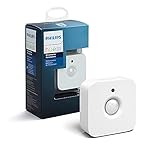
5. Philips Hue Motion Sensor NAM
Overview:
The premium motion sensor for Philips Hue ecosystems, this device automates Hue lights via movement detection. It requires a Hue Bridge but delivers seamless, customizable lighting responses through the Hue app, including time-of-day adjustments for ambiance. Magnetic mounting simplifies placement.
What Makes It Stand Out:
Time-based personalization is its crown jewel: set lights to bright white at dawn and warm hues at night automatically. The Hue Bridge enables robust local automations (no cloud reliance) and Matter compatibility, future-proofing integrations. Reliable, low-maintenance performance is hallmark Hue quality.
Value for Money:
Priced higher than competitors, it justifies cost through unparalleled Hue integration and ambiance-focused features. The Bridge requirement adds upfront expense, but for Hue owners, it enhances the system’s utility without compromising stability or security.
Strengths and Weaknesses:
Strengths: Time-adaptive lighting; Bridge-enabled local control; Matter support; easy magnetic installation; reliable Hue ecosystem synergy.
Weaknesses: Bridge mandatory (sold separately); Hue-exclusive; no pet immunity; limited to lighting automations.
Bottom Line:
The definitive choice for Philips Hue users seeking intelligent, ambiance-aware lighting automation. Non-Hue households should look elsewhere due to ecosystem dependency.
6. TP-Link Tapo Motion Sensor, Requires Tapo Hub, Long Battery Life w/Sub-1G Low-Power Wireless Protocol, Wide Range Detection, Adjustable Sensitivity, Real-Time Notification, Smart Action, Tapo T100

Overview: The TP-Link Tapo T100 is a dedicated motion sensor requiring the separate Tapo Hub H100. It uses Sub-1G wireless technology for extended range and battery efficiency, targeting users invested in TP-Link’s ecosystem for smart home automation and security.
What Makes It Stand Out: Its Sub-1G protocol enables 23-foot detection range (120-degree angle) with adjustable sensitivity (3m/5m/7m options) and exceptional 2-year battery life on a single CR2450. Crucially, it supports offline Smart Actions via the hub—triggering lights or alarms without internet—and handles up to 64 sensors per hub, ideal for expansive setups.
Value for Money: Priced mid-range, it justifies cost through reliability and hub-based resilience. While the mandatory hub adds expense, the long battery life and offline functionality offset recurring costs, outperforming basic Wi-Fi sensors that drain batteries faster or lack local processing.
Strengths and Weaknesses: Strengths: Extended battery life; wide coverage; offline automation; precise sensitivity control. Weaknesses: Hub dependency increases entry cost; limited to 2.4GHz Wi-Fi networks; no standalone operation. Installation is simple but requires hub pairing.
Bottom Line: An excellent choice for TP-Link ecosystem users prioritizing battery longevity and offline reliability. Avoid if unwilling to invest in the hub, but highly recommended for scalable, responsive motion-triggered automation.
7. THIRDREALITY Zigbee Motion Sensor, Pet Friendly, Compatible with Home Assistant, SmartThings, Aeotec, Homey, Hubitat or Echo Devices with Built-in Zigbee Hub

Overview: This compact Zigbee motion sensor pairs with popular hubs (SmartThings, Echo, Home Assistant, etc.) to automate lights or routines. Designed for pet owners (ignores pets under 55 lbs), it focuses on seamless integration within diverse smart home platforms.
What Makes It Stand Out: Its standout feature is broad compatibility—works with nearly all major Zigbee hubs, including Echo devices with built-in hubs. The “Alexa, discover devices” setup takes seconds, and pet-friendly detection prevents false alarms. It covers 20 feet with 2-year battery life (2x AAA).
Value for Money: Budget-friendly as a single unit, it delivers exceptional versatility without platform lock-in. Cheaper than brand-specific sensors while supporting complex routines (e.g., custom voice alerts) across ecosystems, making it ideal for multi-brand setups.
Strengths and Weaknesses: Strengths: Effortless setup; pet immunity; wide hub compatibility; long battery life. Weaknesses: Indoor-only use; Zigbee hub required (not included); slightly shorter range than competitors. No daylight detection.
Bottom Line: A top pick for budget-conscious users with existing Zigbee hubs, especially pet owners. Its plug-and-play simplicity and ecosystem flexibility offer unbeatable value for basic motion automation.
8. Kasa Smart WiFi Motion Sensor Switch, Single Pole, Needs Neutral Wire, 2.4GHz Wi-Fi Light Switch, Compatible with Alexa & Google Home, UL Certified, No Hub Required(KS200M),White,1-Pack

Overview: The Kasa KS200M is a Wi-Fi motion-sensing light switch that replaces traditional switches, automating lights without hubs. It requires a neutral wire and integrates directly with Alexa/Google for hands-free control in hallways, bedrooms, or restrooms.
What Makes It Stand Out: Unique as an all-in-one motion switch (not a separate sensor), it combines motion and ambient light detection to prevent daytime activation. Supports “Away Mode” for security and handles all bulb types up to 600W, eliminating extra devices.
Value for Money: Priced moderately, it consolidates motion sensing and switching into one unit—saving cost versus buying separate sensors and switches. No hub fees and UL certification add safety value, though neutral-wire requirement limits retrofitting.
Strengths and Weaknesses: Strengths: Built-in motion/daylight sensing; no hub needed; voice/app control; high load capacity. Weaknesses: Neutral wire mandatory; only 2.4GHz Wi-Fi; fixed mounting (no adjustable angle). Installation complexity deters renters.
Bottom Line: Highly recommended for neutral-wire setups seeking integrated motion-controlled lighting. Avoid in older homes without neutral wires, but otherwise a robust, hub-free solution for essential automation.
9. THIRDREALITY Zigbee Motion Sensor 2 Pack, Zigbee Hub Required, Pet Friendly, Work with Home Assistant,SmartThings, Aeotec,Homey, Hubitat or Echo Devices with Built-in Zigbee hub

Overview: This duo-pack offers two pet-friendly Zigbee motion sensors compatible with major hubs (SmartThings, Echo, Home Assistant). Targeted at users scaling multi-room automation affordably, it shares core features with Product 7 but emphasizes bundle value.
What Makes It Stand Out: The 2-pack cuts per-unit cost significantly while retaining pet immunity (55+ lbs ignored) and effortless Alexa setup (“discover devices”). Both sensors cover 20 feet with 2-year battery life, enabling coordinated routines like hallway-to-room lighting chains.
Value for Money: Outstanding value—the bundle price is nearly 30% cheaper than buying singles. Ideal for whole-home coverage (e.g., entryways, living rooms), where multiple sensors maximize utility without hub limitations (each hub supports dozens).
Strengths and Weaknesses: Strengths: Cost-effective multi-sensor coverage; universal hub compatibility; pet-friendly; simple installation. Weaknesses: Hub not included; indoor-only; no range extension beyond 20 feet. Identical functionality to Product 7.
Bottom Line: The smart choice for users needing multiple sensors. If expanding automation, this pack delivers exceptional savings and seamless integration—especially for Alexa/Echo-centric homes prioritizing budget efficiency.
10. YoLink LoRa 1/4 Mile Wireless Range Smart Motion Detector, Indoor Motion Sensor, Motion Detector, Alexa, IFTTT, YoLink Hub Required

Overview: YoLink’s motion sensor leverages LoRa technology for extreme 1,320-foot range, penetrating walls/floors. Designed for large properties, it requires the YoLink hub but operates independently of Wi-Fi, focusing on security and expansive automation.
What Makes It Stand Out: Its 1/4-mile range dwarfs competitors, covering barns, pools, or multi-building estates. LoRa ensures reliable signal through obstructions, while “Critical Alert” notifications bypass phone silence. Unique security integrations (sirens, door sensors) and SMS/email alerts add versatility.
Value for Money: Premium-priced but justified for large spaces where Wi-Fi sensors fail. The hub supports unlimited devices, and free monthly SMS alerts reduce subscription needs. Superior range offsets higher cost versus short-range alternatives.
Strengths and Weaknesses: Strengths: Unmatched range; Wi-Fi-free operation (enhanced security); robust notifications; magnetic mounting. Weaknesses: Hub mandatory; complex setup for non-tech users; indoor-focused despite range claims.
Bottom Line: Essential for rural estates or large homes needing whole-property motion coverage. Not cost-effective for apartments, but unparalleled for security-focused users prioritizing range and network safety over simplicity.
Understanding Modern Smart Motion Sensor Technology
How Motion Detection Fundamentals Have Evolved
Early motion sensors relied primarily on passive infrared (PIR) technology, detecting heat signatures. While PIR remains a core component for its reliability and low power consumption, modern smart sensors integrate multiple detection methods. Today’s devices often combine PIR with microwave Doppler radar, ultrasonic sensors, or even video analytics. This multi-layered approach significantly reduces false alarms by requiring consensus between different sensing technologies before triggering an alert, creating a much more accurate picture of actual activity.
The Critical Role of Artificial Intelligence
AI is no longer a buzzword in home security; it’s the engine driving precision. Smart motion sensors now incorporate on-device machine learning algorithms that analyze movement patterns over time. They learn the difference between the predictable path of your cat at 3 AM, the swaying branches outside a window, and the erratic movement of an unfamiliar person. This contextual awareness means fewer nuisance alerts disrupting your sleep and more confidence that an alert demands your attention, fundamentally changing how we interact with home security notifications.
Connectivity Options and Ecosystem Integration
The “smart” in smart motion sensors hinges entirely on robust connectivity. Wi-Fi remains common for direct internet connection, but many high-end models now utilize dedicated low-power protocols like Zigbee or Z-Wave. These mesh network technologies offer superior reliability, especially in larger homes, as signals hop between devices, and often consume less battery power. Crucially, seamless integration with your existing smart home platform (like Matter-compatible hubs) is non-negotiable. Your sensor should effortlessly trigger lights, locks, cameras, or alarms within your chosen ecosystem without complex workarounds.
Essential Features to Evaluate Before You Buy
Pet Immunity Capabilities Explained
If you share your home with furry family members, pet immunity is paramount. Look beyond simplistic “pet-friendly” claims. True pet immunity involves sophisticated algorithms and sometimes dual-lens PIR technology that analyzes the heat signature’s size, shape, and movement trajectory. High-quality sensors can reliably ignore animals up to 80 pounds or more moving under the sensor, while still detecting human-sized threats. Verify the specific weight limit and ensure it aligns with your pets’ size and typical movement areas.
Range, Coverage Patterns, and Strategic Placement
Sensor range isn’t just a single number; it’s about the effective detection pattern. Some offer a narrow, long-range corridor (ideal for hallways), while others provide a wide 110-degree+ field of view (perfect for open living areas). Consider the layout of the space you need to cover. A sensor with a 30-foot range in a wide fan pattern might be better for a living room than one with a 40-foot range but a narrow beam. Remember, corners, furniture, and even large plants can create blind spots – plan placement accordingly, often mounting high on walls or in corners for optimal coverage.
Power Source Considerations: Battery vs. Wired
Battery life is a major practical concern. Modern lithium batteries can last 2-5 years in low-power Zigbee/Z-Wave sensors, but frequent alerts or video streaming drastically reduce this. Wi-Fi sensors often drain batteries faster due to constant connectivity. Wired options (low-voltage) offer “set and forget” reliability but require professional installation. Evaluate your willingness for maintenance versus installation complexity. Reputable brands provide clear, realistic battery life estimates based on expected usage, not best-case scenarios.
Advanced Capabilities Enhancing Security Value
Environmental Sensing Beyond Motion
The most advanced sensors now function as multi-threat detectors. Beyond movement, they can monitor ambient light levels (triggering lights automatically at dusk), detect rapid temperature changes (potential fire indicator), sense humidity shifts (warning of leaks), or even pick up on the faint sound of glass breaking. This transforms a single device into a comprehensive environmental sentinel, adding significant value beyond core security by contributing to overall home health and safety monitoring.
Customizable Sensitivity and Detection Zones
One-size-fits-all detection is a recipe for frustration. Top-tier sensors allow granular adjustment of sensitivity levels – perhaps dialing it down slightly near a swaying tree branch visible through a window, or increasing it for a critical entry point. Even more powerful is the ability to define specific detection zones within the sensor’s field of view via an app. You can tell the sensor to ignore movement near the ceiling (for fans) or focus solely on the doorway, tailoring vigilance precisely to your space’s needs.
Real-Time Alerts and Actionable Intelligence
Receiving a generic “motion detected” alert is minimally useful. Modern systems provide rich context: the specific sensor location, a timestamped still image or short video clip (if integrated with a camera), the detected movement path, and even estimated size/shape classification (e.g., “human-sized,” “small animal”). This actionable intelligence allows you to assess the situation instantly – is it the delivery person at the door or an unknown figure in the backyard? – enabling faster, more informed responses.
Optimizing Installation and Performance
Strategic Placement Principles for Maximum Coverage
Location is everything. Avoid pointing sensors directly at heat sources (vents, radiators, stoves) or windows facing direct sunlight, as rapid temperature shifts cause false alarms. Mounting height is critical: 7-8 feet high on a wall or in a corner provides the best downward viewing angle for PIR sensors. For entry points like doors or windows, position the sensor so the intruder walks across the detection field (perpendicular) rather than directly towards it, which creates a stronger heat signature change. Test coverage carefully after installation.
Minimizing False Alarms: Environmental Factors
Beyond placement, understand environmental triggers. Dust buildup on the sensor lens can scatter infrared light. Sudden drafts from AC units hitting a warm wall can mimic movement. Vibrations from heavy footsteps or slamming doors can affect some sensor types. Choose models with environmental compensation features – automatic temperature baseline adjustments or vibration filtering. Regular maintenance (gentle lens cleaning) is also a simple but often overlooked step in maintaining reliability.
Calibration and Learning Periods for AI Sensors
Don’t expect perfection immediately from AI-powered sensors. Most require a short “learning period” (often 3-7 days) where they observe normal activity patterns in your home – your family’s routines, pet movements, typical lighting changes. During this time, you might experience slightly more alerts as the system builds its baseline. Resist the urge to disable features; instead, actively use the app to mark false alarms as “ignored” or “false,” training the AI to recognize benign events specific to your environment.
Long-Term Reliability and Maintenance Factors
Build Quality and Environmental Durability
Where will the sensor live? Indoor models prioritize aesthetics and low power, but outdoor-rated sensors need serious protection. Look for high IP (Ingress Protection) ratings: IP65 signifies dust-tight and protected against low-pressure water jets (suitable for covered porches), while IP66 or IP67 offers greater resistance for more exposed locations. UV-resistant housings prevent yellowing and degradation from sunlight. Don’t skimp on outdoor durability – a failed sensor is a security gap.
Firmware Updates and Future-Proofing
Security technology evolves rapidly. A sensor lacking regular, reliable firmware updates becomes obsolete and potentially vulnerable. Prioritize brands with a proven track record of consistent, long-term software support delivered seamlessly over-the-air (OTA). Check community forums or reviews for evidence of ongoing commitment. Future-proofing also means ensuring compatibility with evolving standards like Matter, which promotes interoperability and reduces the risk of your sensor becoming a disconnected island in your smart home.
Comprehensive Warranty and Support Structures
A lengthy warranty (2-3 years minimum) signals manufacturer confidence in component quality and longevity. Equally important is accessible, knowledgeable customer support. Investigate how easy it is to get help – dedicated phone lines, responsive chat, detailed online resources, active community forums. Security systems can be complex; knowing robust support is available if you encounter setup issues or unexpected behavior is invaluable for long-term peace of mind.
Privacy and Security Considerations
Data Handling and Encryption Standards
Motion sensors, especially those with cameras or microphones, collect sensitive data about your home life. Scrutinize the manufacturer’s privacy policy. Where is data stored? Is it encrypted both in transit (using TLS 1.2/1.3) and at rest? Does the company offer local processing options to minimize cloud dependency? Avoid brands with vague policies or histories of data breaches. Look for end-to-end encryption (E2EE) as the gold standard for video feeds, ensuring only you can access the footage.
Physical Security of the Device Itself
Consider the sensor’s physical vulnerability. Can it be easily tampered with or disabled by an intruder? Models with tamper-proof screws, anti-tamper alarms (triggering an alert if someone tries to remove or cover the sensor), and discreet designs (avoiding obvious “security device” looks) offer better protection. For outdoor units, ensure mounting is secure and not easily reachable from ground level or a ladder.
User Control Over Data Sharing
You should have absolute control over your data. Ensure the app provides clear toggles to disable specific features (like video recording or audio capture) on demand. Understand if data is ever shared with third parties for advertising or analytics, and if there’s an opt-out. Features like scheduled recording (only when you’re away) or activity zones (masking views into private areas like bedrooms) are essential privacy controls that empower you to define your own security boundaries.
Frequently Asked Questions
How do smart motion sensors differ from older passive infrared (PIR) models?
Modern smart sensors integrate multiple detection technologies (like PIR, radar, AI) for drastically fewer false alarms, offer customizable detection zones, provide rich contextual alerts, and connect seamlessly to your broader smart home ecosystem for automated responses, unlike basic standalone PIR sensors.
Can smart motion sensors reliably ignore pets?
Yes, high-quality sensors with advanced pet immunity use dual-element PIR lenses and AI to analyze heat signature size and movement patterns, often ignoring animals up to 80 pounds. However, placement (mounted high) and choosing a model rated for your pet’s size are crucial for reliable performance.
What’s the typical battery life for wireless smart motion sensors?
Battery life varies significantly: Zigbee/Z-Wave sensors often last 2-5 years with moderate use due to low-power mesh networking, while Wi-Fi sensors may need replacement every 6-18 months. Factors like alert frequency, video streaming, and temperature impact longevity; always check realistic manufacturer estimates.
Are there motion sensors suitable for outdoor use?
Absolutely. Look for outdoor-rated models with a high IP rating (IP65 or higher for weather resistance), UV-stable housing, and operating temperature ranges suitable for your climate. Ensure they offer robust wireless connectivity (Zigbee/Z-Wave often performs better outdoors than Wi-Fi) and strong pet immunity if needed.
How do I prevent my motion sensor from triggering false alarms?
Strategic placement away from heat sources, windows with direct sun, and air vents is key. Utilize adjustable sensitivity settings and define detection zones to ignore problematic areas. Keep lenses clean, ensure firmware is updated, and allow AI sensors their full learning period while marking false alerts in the app.
Can smart motion sensors work without an internet connection?
Basic motion detection and triggering local alarms or lights (if on the same hub network like Z-Wave) may still function during an internet outage. However, remote alerts, video recording to the cloud, and app control will be unavailable until connectivity is restored. Local storage options can mitigate some cloud dependency.
What does “detection range” really mean for motion sensors?
Detection range refers to the maximum distance the sensor can reliably detect movement, but it’s heavily influenced by the coverage pattern (wide-angle vs. narrow beam) and environmental factors. A 30-foot wide-angle sensor covers more area close up, while a 40-foot narrow beam reaches farther down a hallway but with less width.
How important is integration with my existing smart home system?
Critical. A sensor that doesn’t integrate smoothly with your hub (like those supporting Matter, Zigbee, or Z-Wave) becomes an isolated device, unable to trigger your lights, locks, or cameras automatically. Prioritize compatibility with your current ecosystem to unlock the full automation potential of your security setup.
Do smart motion sensors record video constantly?
Generally, no. Most only record short video clips when motion is detected and linked to a compatible camera system. Some advanced models might offer brief pre-buffering (a few seconds before detection). Always check privacy settings; continuous recording is rare and usually requires explicit user configuration and significant local/cloud storage.
How often should I maintain or test my smart motion sensors?
Perform visual checks every few months: ensure lenses are clean and unobstructed, verify mounting is secure, and check for physical damage (especially outdoors). Test functionality monthly by walking through detection zones while monitoring the app alerts. Replace batteries as indicators suggest or per the manufacturer’s schedule, don’t wait for failure.