Imagine stepping onto your scale each morning and watching your health metrics flow effortlessly into the apps you already use—no manual entry, no forgotten data points, just seamless integration that turns daily weigh-ins into meaningful health insights. In today’s connected world, where fitness trackers, nutrition logs, and medical dashboards dominate our wellness journeys, a standalone scale that silos your weight data feels increasingly obsolete. WiFi-enabled scales solve this friction by acting as silent ambassadors between your physical progress and digital health ecosystem, transforming fragmented efforts into a unified strategy for long-term well-being.
Yet not all connected scales deliver on this promise. Some struggle with unreliable syncing, others compromise accuracy for flashy features, and many fail to protect sensitive health data adequately. Choosing the right device requires understanding the invisible mechanics beneath the sleek surface: how connectivity protocols impact daily reliability, what makes body composition metrics trustworthy (or misleading), and why privacy safeguards matter more than ever when your weight, body fat, and muscle mass become digital footprints. This guide cuts through the marketing noise to focus on the essential, often overlooked criteria that turn a simple scale into a truly intelligent health partner—one that works quietly, accurately, and securely in the background of your life.
Top 10 WiFi Scales
Detailed Product Reviews
1. Wyze Scale Ultra, Smart Scale with 4.3" Color Display, Digital Bathroom Scale for Body Weight BMI Muscle Mass Composition, Wi-Fi & Bluetooth Body Fat Scale with Heart Rate, 400 lbs (Black)
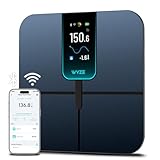
Overview: The Wyze Scale Ultra is a feature-rich smart scale targeting fitness enthusiasts seeking comprehensive body composition tracking. It measures 13 metrics including weight, BMI, body fat, muscle mass, and heart rate (via app), syncing via Wi-Fi or Bluetooth to the Wyze app. With a 400 lb capacity and FSA/HSA eligibility, it caters to health-conscious users prioritizing data accessibility.
What Makes It Stand Out: Its standout feature is the extra-large, customizable 4.3-inch color display—the largest in its class—allowing users to view key metrics directly on the scale without a phone. Dual connectivity (Wi-Fi for automatic cloud syncing and Bluetooth for offline use) ensures seamless tracking for busy lifestyles, while the 400 lb capacity and FSA/HSA eligibility broaden its appeal.
Value for Money: Priced competitively below premium brands like Withings, the Ultra offers exceptional value. The large display and reliable dual-band connectivity justify its cost, especially compared to basic Bluetooth-only scales. While heart rate requires app viewing, the breadth of features at this price point outperforms many rivals.
Strengths and Weaknesses: Strengths: Huge customizable display; versatile Wi-Fi/Bluetooth sync; accurate 13-metric tracking; FSA/HSA eligible; 400 lb capacity. Weaknesses: Heart rate not visible on scale display; app experience less polished than competitors; requires perfectly flat surface for accuracy.
Bottom Line: An outstanding value-focused smart scale with a best-in-class display and reliable connectivity. Ideal for users wanting detailed metrics without premium pricing, though app refinement could elevate the experience further.
2. Etekcity Smart Scale for Body Weight, FSA&HSA Eligible, Bathroom Digital Weighing Scale with BMI, Body Fat, Muscle Mass, Accurate Bluetooth Home User Health Equipment Sync Apps, LED, Tempered glass

Overview: Etekcity’s smart scale delivers precise body composition analysis with FSA/HSA eligibility, targeting users seeking app-driven health management. It tracks 13 metrics via Bluetooth sync to the VeSync app, which offers personalized diet/exercise plans. Its high-precision sensors (0.05 lb increments) and multi-mode functionality cater to diverse household needs.
What Makes It Stand Out: The VeSync app’s AI-generated custom fitness plans—based on user habits—set it apart, transforming raw data into actionable guidance. Versatile weighing modes (Zero-Current, Baby, Light Items) and broad compatibility (Apple Watch, Health apps, Alexa) provide unmatched flexibility for families, pet owners, and light-object weighing.
Value for Money: Excellent value given its 10-year sensor expertise, multi-user support, and unique app features. At mid-range pricing, it undercuts clinical-grade scales while offering more utility than basic models. The FSA/HSA eligibility and 5M+ user base reinforce its cost-effectiveness for long-term health tracking.
Strengths and Weaknesses: Strengths: Customizable diet/exercise plans; ultra-precise 0.05 lb accuracy; 3 specialized weighing modes; seamless app/health platform integration; Alexa voice support. Weaknesses: Wi-Fi not supported (Bluetooth only); tempered glass requires careful handling; app subscription for advanced features.
Bottom Line: Highly recommended for families and fitness newcomers due to its intelligent app guidance and versatile modes. A practical, future-proof investment despite lacking Wi-Fi.
3. WITHINGS Body Smart - Accurate Scale for Body Weight and Fat Percentage, Body Composition Wi-Fi and Bluetooth Weight Scale, Baby Weight Scale, Smart Scale Apple Health Compatible, Bathroom Scale

Overview: Withings Body Smart positions itself as a clinically validated health monitor, developed with hospitals for medically reliable body composition tracking. It measures weight to 50g precision, body fat, muscle mass, heart rate, and metabolic data via Wi-Fi/Bluetooth sync. FSA/HSA ineligible but targets users prioritizing clinical accuracy.
What Makes It Stand Out: Its clinical validation—proven against DEXA scans—is the defining feature, appealing to users needing medical-grade data. The high-resolution color display shows trends directly on the scale, while metabolism and heart rate tracking provide holistic health insights beyond typical consumer scales.
Value for Money: Premium-priced and FSA/HSA ineligible, it’s a significant investment. However, clinical validation justifies the cost for users requiring diagnostic-level accuracy, outperforming non-validated competitors. Long-term value shines for serious health monitoring, though casual users may find it over-specified.
Strengths and Weaknesses: Strengths: Clinically validated accuracy; metabolism/heart rate insights; clean display with trend visuals; robust app; Wi-Fi/Bluetooth dual connectivity. Weaknesses: No FSA/HSA eligibility; lacks baby/pet mode; higher price than most rivals; limited metric customization on display.
Bottom Line: The top choice for medically focused users willing to pay for clinical precision. Less ideal for budget-conscious or family-focused buyers due to price and missing lifestyle features.
4. RENPHO Smart Scale for Body Weight, FSA&HSA Eligible, Digital Bathroom Scale BMI Weighing Bluetooth Body Fat Scale, Body Composition Monitor Health Analyzer with Smartphone App, 400 lbs - Elis 1

Overview: RENPHO’s Elis 1 is a budget-friendly FSA/HSA-eligible scale emphasizing app simplicity and family use. It tracks 13 metrics via Bluetooth to the Renpho Health app, supporting unlimited users and baby weighing. Its 0.2 lb precision and 400 lb capacity suit diverse households.
What Makes It Stand Out: Effortless app integration with major platforms (Apple Health, Fitbit) and Apple Watch compatibility streamline data sharing. The unlimited-user support and dedicated baby mode make it ideal for families, while the high-sensitivity electrodes ensure consistent readings across body types.
Value for Money: Exceptional affordability with FSA/HSA eligibility. It matches premium features (13 metrics, app sync) at a fraction of the cost of Withings or Wyze Ultra. The 400 lb capacity and baby mode add practical value for family-centric buyers seeking no-frills functionality.
Strengths and Weaknesses: Strengths: Very competitive price; seamless health app sync; unlimited users + baby mode; 400 lb capacity; simple setup. Weaknesses: Bluetooth-only (no Wi-Fi); tempered glass corners prone to damage; 0.2 lb increments less precise than rivals; app lacks advanced analytics.
Bottom Line: A superb budget pick for families needing reliable, app-connected tracking. Compromises on precision and durability are minor given its accessibility-focused design.
5. Etekcity FSA&HSA Eligible Smart Scale for Body Weight Fat, Digital Weighing Machine for Accurate BMI Muscle Mass Composition, Apple Health Compatible Fitness Equipment,TFT,Tempered Glass,Black

Overview: This Etekcity model emphasizes app interactivity and voice control, featuring a TFT display for on-screen metrics and Alexa integration. FSA/HSA eligible, it tracks 9 metrics via Wi-Fi sync to VeSync, targeting users who prefer hands-free motivation and visual feedback without constant phone checks.
What Makes It Stand Out: The customizable TFT display shows interactive messages and progress directly on the scale—a rarity in this segment. Alexa voice queries (“how much weight lost?”) and Wi-Fi cloud syncing eliminate phone dependency, while tempered glass ensures durability for daily use.
Value for Money: Mid-priced with strong value due to Wi-Fi and unique display features. The VeSync app’s goal tracking and food/exercise logging justify the cost versus Bluetooth-only competitors. FSA/HSA eligibility enhances savings, though the metric count (9 vs. 13) lags slightly behind rivals.
Strengths and Weaknesses: Strengths: Interactive TFT display; Alexa voice control; automatic Wi-Fi syncing; FSA/HSA eligible; sleek tempered glass design. Weaknesses: Tracks fewer metrics (9 vs. 13); app lacks advanced meal planning; limited display customization depth; no baby mode.
Bottom Line: Perfect for tech-savvy users wanting screen-based feedback and voice integration. A compelling choice if display innovation outweighs needing maximum body metrics.
6. RENPHO Scale for Body Weight, Smart Scale with BMI, Body Fat, Muscle Mass, Bluetooth, 13 Metrics with Large Display, Support App Connection, Black, Elis 2X

Overview: The RENPHO Elis 2X is a Bluetooth-enabled smart scale delivering 13 health metrics via its companion app and 7 key metrics directly on its large, clear display. Designed for household use, it supports unlimited profiles and integrates with major health platforms like Apple Health.
What Makes It Stand Out: Its standout feature is the ITO-coated surface, enhancing accuracy to 0.05kg while enabling on-scale display of weight, body fat, muscle mass, water percentage, bone mass, BMI, and metabolic age. Pet/baby modes and athlete-specific tracking cater to diverse user needs without compromising simplicity.
Value for Money: Priced mid-range, it outperforms basic scales with clinical-grade metric depth. The unlimited user profiles and seamless app sync (including MyFitnessPal) justify its cost, especially for families, though Wi-Fi connectivity is absent.
Strengths and Weaknesses: Strengths: Exceptional accuracy, intuitive large display, versatile user modes, and robust app integration. Weaknesses: Bluetooth-only connectivity (no Wi-Fi), and the app’s trend analysis requires consistent smartphone access.
Bottom Line: Ideal for families seeking detailed, accessible health tracking without subscription fees. Its accuracy and user-friendly design make it a top value pick for holistic home health monitoring.
7. WITHINGS Body Smart - Accurate Scale for Body Weight and Fat Percentage, Body Composition Wi-Fi and Bluetooth Weight Scale, Baby Weight Scale, Smart Scale Apple Health Compatible, Bathroom Scale

Overview: The WITHINGS Body Smart is a clinically validated Wi-Fi/Bluetooth scale focused on comprehensive health insights, including heart rate and metabolism metrics. Developed with medical institutions, it targets users serious about data-driven wellness.
What Makes It Stand Out: Clinical validation for body composition analysis is its crown jewel, offering hospital-grade reliability. The high-res color display shows weight trends and heart rate instantly, while metabolism tracking estimates daily caloric needs—features rare in consumer scales.
Value for Money: Positioned at a premium price, it’s justified by medical credibility and unique metrics like heart rate monitoring. Cheaper scales lack clinical backing, making this worthwhile for users prioritizing precision over cost.
Strengths and Weaknesses: Strengths: Unmatched clinical accuracy, heart rate tracking, metabolism insights, and elegant display. Weaknesses: Expensive; heart rate requires absolute stillness; app subscriptions may be needed for full features.
Bottom Line: A premium investment for health enthusiasts demanding medically credible data. Its clinical rigor and holistic metrics justify the price for serious fitness or medical tracking.
8. Wyze Scale Ultra, Smart Scale with 4.3" Color Display, Digital Scale for Body Weight BMI Muscle Mass, Heart Rate Monitor, Wi-Fi & Bluetooth Weight Scale with Baby/Pet/Luggage Mode, 400lbs

Overview: Wyze Scale Ultra boasts a massive 4.3-inch customizable display and dual Wi-Fi/Bluetooth sync, tracking 13 metrics including heart rate. It’s built for convenience, supporting baby/pet weighing and family use up to 400lbs.
What Makes It Stand Out: The extra-large, color screen lets users prioritize displayed metrics (e.g., weight + muscle mass), eliminating phone checks for core data. Wi-Fi auto-sync ensures updates even without a nearby phone—a boon for busy households.
Value for Money: Exceptionally affordable for its feature set. The large display, dual connectivity, and multi-mode functionality rival pricier models, making it a standout budget-friendly powerhouse.
Strengths and Weaknesses: Strengths: Huge display, seamless Wi-Fi/Bluetooth flexibility, versatile baby/pet modes, and no subscription fees. Weaknesses: Heart rate visible only in-app; display customization requires initial app setup.
Bottom Line: The best budget smart scale for families. Its massive screen and hassle-free tracking deliver premium utility without the premium price.
9. Greater Goods WiFi Bathroom Scale, Measures Weight, BMI, Body Fat, Muscle Mass, and Water Percentage, Upto 8 Users, 400 Ibs, White

Overview: This Wi-Fi scale offers 5 core metrics (weight, BMI, body fat, muscle mass, water percentage) for up to 8 users, featuring a sleek tempered glass design and robust US-based support. It emphasizes simplicity and reliability.
What Makes It Stand Out: True plug-and-play Wi-Fi—no Bluetooth pairing needed—and a generous 5-year warranty with lifetime US support (St. Louis-based) set it apart. The minimalist white design blends seamlessly into modern bathrooms.
Value for Money: Mid-priced with exceptional long-term value due to the industry-leading warranty. Competitors often charge more for similar metrics but lack comparable customer service assurances.
Strengths and Weaknesses: Strengths: Effortless Wi-Fi setup, elegant design, family-friendly 8-user limit, and unmatched warranty/support. Weaknesses: Tracks fewer metrics (5 vs. 13) than rivals; no heart rate or metabolic age.
Bottom Line: Perfect for users prioritizing hassle-free operation and peace of mind. The warranty and US support make it a reliable, no-fuss choice for straightforward health tracking.
10. Wyze Scale Ultra Smart Scale with 4.3" Color Display - Digital Scale for Body Weight BMI Muscle Mass, Heart Rate Monitor, Wi-Fi & Bluetooth Weight Scale with Baby/Pet/Luggage Mode, 400lbs, Black

Overview: Identical to Product 8 but in black, this Wyze Scale Ultra variant offers the same 4.3-inch color display, 13 metrics, and dual connectivity. It syncs with fitness apps and includes baby/pet modes for versatile household use.
What Makes It Stand Out: The customizable large display remains its hero feature, showing chosen metrics like weight and muscle mass instantly. Wi-Fi auto-sync and luggage/baby modes add practicality, while its 400lb capacity suits diverse needs.
Value for Money: Matches Product 8’s exceptional affordability. The black finish and identical features provide the same high utility at a budget price, undercutting rivals with similar specs.
Strengths and Weaknesses: Strengths: Unbeatable display size, dual connectivity, multi-mode versatility, and free app ecosystem. Weaknesses: Heart rate viewable only in-app; requires level surfaces for accuracy.
Bottom Line: An identical, stylish alternative to the white Ultra. Highly recommended for cost-conscious users wanting premium display convenience without compromises.
Understanding WiFi Scale Connectivity Essentials
How WiFi Syncing Differs from Bluetooth Options
WiFi scales eliminate the need for a nearby smartphone during measurement, syncing directly to the cloud as soon as you step off. Unlike Bluetooth models tethered to your phone’s proximity, WiFi units operate independently—ideal for households where multiple users share the scale but don’t carry their devices into the bathroom. This autonomy ensures data reaches your chosen apps even if your phone is charging in another room, preventing frustrating gaps in your health timeline.
Dual-Band WiFi Compatibility Considerations
Modern home networks often run both 2.4 GHz and 5 GHz bands. While 5 GHz offers faster speeds, its weaker wall penetration can cause connectivity drops in bathrooms distant from the router. Scales supporting dual-band networks automatically switch to the more reliable 2.4 GHz band when needed, ensuring consistent uploads without manual reconfiguration. Verify this feature if your bathroom has spotty signal strength.
Offline Mode Functionality During Outages
Temporary internet disruptions shouldn’t erase your progress. Top-tier scales store multiple user measurements locally when offline, then sync retroactively once connectivity resumes. This prevents data loss during brief outages and maintains continuity in your health records without requiring manual re-entry.
Decoding Accuracy and Measurement Technology
Bioelectrical Impedance Analysis Explained Simply
Most WiFi scales estimate body composition using bioelectrical impedance—sending a safe, low-level electrical signal through your feet to measure resistance. Muscle, fat, and water conduct electricity differently, allowing the scale to calculate metrics like body fat percentage. However, hydration levels, recent activity, and even foot placement can sway results. Consistency in measurement timing (e.g., first thing in the morning) is crucial for reliable trends.
Multi-Frequency vs. Single-Frequency Sensors
Advanced models use multiple electrical frequencies to penetrate different tissue depths, yielding more nuanced body composition data. Single-frequency sensors often oversimplify readings, particularly for athletes or those with higher muscle mass. Multi-frequency technology better distinguishes between visceral fat, skeletal muscle, and hydration levels, though it requires sophisticated calibration to avoid overpromising precision.
Platform Design Impact on Consistency
The physical scale surface matters more than you’d think. Uneven weight distribution—like standing slightly off-center—can skew readings by 1-3 pounds. Look for platforms with clearly marked foot positions and robust, non-slip surfaces that encourage consistent stance. Tempered glass construction also minimizes flex, ensuring weight registers uniformly across the load cells.
Privacy and Data Security Must-Haves
Encryption Standards for Health Data
Your weight and body fat metrics are sensitive health information. Ensure the scale uses end-to-end encryption (like AES-256) during data transmission to the cloud, not just basic SSL. Without this, hackers on shared networks could intercept unencrypted health logs. Check if the manufacturer publishes third-party security audit results for transparency.
Granular App Permission Controls
A trustworthy scale app should let you dictate exactly where data flows. Avoid platforms that automatically share metrics with all connected services (like social media). Instead, prioritize apps allowing per-metric permissions—e.g., sending weight to your doctor’s portal but withholding body fat percentage from your fitness tracker. This puts you in control of your health narrative.
Data Retention and Deletion Policies
How long does the company store your historical measurements? Reputable brands provide clear timelines (e.g., “data auto-deletes after 24 months of inactivity”) and one-click account deletion options. Steer clear of vague policies stating data is “used to improve services”—this often masks indefinite retention for advertising purposes.
User Experience and Household Integration
Automatic User Recognition Reliability
Seamless multi-user households depend on flawless automatic recognition. This typically works via subtle weight ranges or foot positioning patterns. Testimonials often reveal issues where users within 5-10 pounds get confused, or children’s data merges with adults’. Look for scales allowing manual user override in the app to correct misattributed readings swiftly.
App Interface Clarity and Customization
The companion app is your data’s command center. Prioritize intuitive dashboards where key metrics (trend graphs, goal progress) appear immediately—no buried menus. Customization options like setting different goal weights per user or disabling less relevant metrics (e.g., bone mass for general fitness tracking) reduce cognitive load and keep you focused.
Battery Life vs. Power Adapter Trade-offs
While battery-powered scales offer flexible placement, frequent replacements disrupt usage. Models using 4+ AA batteries often last 6-12 months but can suffer voltage drops affecting accuracy. Scales with included USB-C adapters provide stable power but limit bathroom placement near outlets. Consider rechargeable batteries as a middle ground if opting for cordless design.
Future-Proofing Your Health Investment
API Access for Emerging Health Platforms
Health tech evolves rapidly. Scales with open APIs (application programming interfaces) can integrate with new apps you adopt later—like specialized diabetes management tools or corporate wellness programs. Closed ecosystems may become obsolete if your preferred app isn’t pre-approved, locking your data in a silo.
Over-The-Air (OTA) Update Capabilities
Firmware updates can enhance accuracy algorithms, add compatibility with new apps, or patch security flaws. Scales supporting OTA updates receive these improvements automatically. Units requiring manual PC updates via USB often fall behind, becoming vulnerable or incompatible as mobile operating systems advance.
Interoperability with Non-Health Ecosystems
Forward-thinking scales sync beyond fitness apps—think smart home dashboards (displaying weekly trends on your mirror) or calendar integrations (scheduling weigh-ins as reminders). This broader interoperability ensures your scale remains useful as your tech stack expands, rather than becoming a single-purpose relic.
Setting Up for Long-Term Success
Optimal Bathroom Placement Strategies
Avoid locations near showers, heaters, or exterior walls where temperature/humidity swings occur. Concrete floors provide the most stable surface; carpeted or uneven tiles introduce measurement drift. Place the scale away from metal fixtures (radiators, pipes) that could interfere with impedance signals.
Calibration Rituals for Sustained Precision
Even high-end scales drift over time. Monthly calibration using a known weight (like a dumbbell) resets internal sensors. Some models auto-calibrate when powered on, but manual verification every 30 days ensures decade-long reliability—critical for tracking subtle health changes.
Establishing Measurement Consistency Habits
Human behavior impacts data more than hardware. Weigh at the same time daily (post-bathroom, pre-breakfast), wear similar clothing (or none), and stand identically each time. Document variables like hydration or menstrual cycles in your app notes to contextualize fluctuations unrelated to actual progress.
Frequently Asked Questions
How often should I replace the batteries in my WiFi scale?
Replace batteries when the scale shows inconsistent readings or fails to sync, typically every 6-12 months. Low batteries can cause minor weight fluctuations (0.5-2 lbs), so proactively swap them if measurements seem erratic.
Can WiFi scales measure health metrics accurately for athletes?
Athletes may experience skewed body fat readings due to higher muscle density and hydration variations. Look for scales with athlete modes that adjust algorithms for muscular builds, and prioritize consistency in measurement timing over absolute numbers.
Why does my scale show different weight readings on carpet vs. hard floors?
Carpet compresses unevenly under load, distributing weight across the scale’s sensors inconsistently. Always use hard, flat surfaces—concrete or tile—to ensure accurate force distribution and reliable measurements.
Is body fat percentage from home scales medically reliable?
Home scales provide trend-focused estimates, not clinical-grade precision. Use them to observe directional changes (increasing/decreasing) over weeks, not absolute values. Consult DEXA scans for medical assessments.
How do I prevent my scale from syncing data to unintended apps?
Review app permissions quarterly. Revoke access for unused services in both the scale’s companion app and your smartphone’s privacy settings. Enable two-factor authentication on the health platform itself.
What causes sudden weight fluctuations in scale data?
Daily shifts often reflect water retention (from salt, carbs, or hormones), not fat gain. Track weekly averages instead of daily numbers, and note factors like sleep quality or stress in your health journal.
Can multiple household members use one WiFi scale without mixing data?
Yes, if the scale supports 8+ user profiles and has reliable automatic recognition. Manually select your profile via the app if weight ranges overlap between users to prevent misattribution.
Does foot placement really affect body composition readings?
Absolutely. Standing closer to heel sensors alters impedance paths, skewing muscle/fat estimates. Always position bare feet centered on electrodes as shown in the scale’s guide for consistent results.
How do I know if my WiFi scale’s data is encrypted?
Check the manufacturer’s privacy policy for terms like “AES-256 encryption” or “TLS 1.2+.” Avoid brands that only mention “secure servers” without specifying encryption standards during data transit.
Why won’t my scale sync after a home WiFi network change?
Most scales require reconfiguration when SSID or passwords change. Reset the scale’s network settings via its app, then reconnect it to the new network—don’t assume it auto-detects updates like smartphones do.