Imagine waking up to a security alert from your smart home system, only to discover your entire network went dark during the critical moment. For many smart home enthusiasts, this nightmare scenario stems from overlooked hub vulnerabilities or signal interference crippling their Z-Wave devices. As we move deeper into an era where home security is non-negotiable and wireless congestion reaches unprecedented levels, the humble hub transforms from a simple coordinator into the fortified command center of your digital sanctuary. Choosing the right one isn’t just about convenience—it’s about ensuring your locks, sensors, and alarms function flawlessly when seconds count, free from the interference plaguing crowded 2.4 GHz bands.
The Z-Wave protocol’s inherent advantages—dedicated 900 MHz frequency, mesh networking, and robust security frameworks—make it a cornerstone for reliable home automation. Yet, not all hubs leverage these strengths equally. In 2026, with increasingly sophisticated threats and complex device ecosystems, a generic “works with Z-Wave” label barely scratches the surface of what your hub should deliver. This guide cuts through the marketing noise to focus on the critical, often hidden, features that separate a truly resilient security backbone from a potential weak link. We’ll explore how to evaluate security certifications, interference resilience, and future-proofing strategies that keep your network operating silently and securely, year after year.
Top 10 Z-Wave Hubs
Detailed Product Reviews
1. Aeotec Smart Home Hub, Works as a SmartThings Hub, Z-Wave, Zigbee, Matter Gateway, Compatible with Alexa, Google Assistant, WiFi
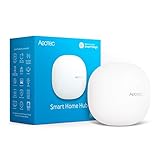
Overview: The Aeotec Smart Home Hub functions as an official SmartThings hub, consolidating Z-Wave (V3 model), Zigbee, Matter, and Wi-Fi devices into Samsung’s ecosystem. It enables centralized control via the SmartThings app for lighting, security, energy, and voice assistants, targeting users seeking a unified North American smart home solution with broad compatibility.
What Makes It Stand Out: Its seamless integration with SmartThings’ polished app and local automation processing (for select routines) ensures reliability during internet outages. Matter and Z-Wave Plus certification future-proof it, while dual-band Wi-Fi/Ethernet setup offers flexible installation. Voice control via Alexa and Google adds convenience.
Value for Money: Priced competitively against standalone hubs, it eliminates the need for multiple controllers. While SmartThings’ ecosystem is robust, the lack of Z-Wave in non-V3 models could mislead buyers—verify your variant. It’s ideal for SmartThings loyalists but less compelling for those avoiding Samsung’s ecosystem.
Strengths and Weaknesses:
Strengths: Intuitive app, strong Matter/Zigbee support, local automations, no subscription. Weaknesses: Z-Wave only in V3 model, limited advanced automation vs. niche hubs, app occasional bugs.
Bottom Line: A reliable, user-friendly entry for SmartThings adopters needing Z-Wave/Zigbee/Matter convergence; verify model specifics to avoid compatibility gaps. Best for beginners prioritizing ecosystem cohesion over granular control.
2. Hubitat Elevation C-8 Pro Smart Home Automation Hub – Latest Platform Updates – Matter 1.5, Z-Wave 800 LR, Zigbee 3.0 & Bluetooth – Local Control (No Cloud) – Alexa, Apple HomeKit & Google Home
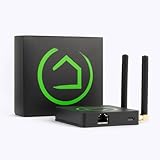
Overview: Hubitat Elevation C-8 Pro is a premium, cloud-independent hub prioritizing local processing for automations and device control. It supports Matter 1.5, Z-Wave 800 LR, Zigbee 3.0, and Bluetooth, ensuring operations continue during internet outages—ideal for privacy-focused users demanding speed and reliability.
What Makes It Stand Out: True local execution (no cloud dependency) enables sub-second automation responses and enhanced security. Regular free updates add Matter support, AI-assisted rules, and new device compatibility. Its flexibility suits both novices (simple schedules) and experts (complex logic), all without subscriptions.
Value for Money: Higher upfront cost than basic hubs, but zero recurring fees and robust local performance justify the price for serious automators. Outperforms cloud-reliant competitors in reliability, though the interface has a steeper learning curve.
Strengths and Weaknesses:
Strengths: Lightning-fast local automations, no subscriptions, frequent updates, internet-outage resilience. Weaknesses: Less beginner-friendly app, limited voice assistant integration depth, smaller community than SmartThings.
Bottom Line: The top choice for users prioritizing local control, privacy, and future-proofing via updates. Avoid if seeking effortless setup; essential for advanced automators tired of cloud limitations.
3. Aeotec Smart Home Hub2 - V4, Works as a SmartThings Hub, Zigbee, Matter Gateway, Compatible with Alexa, Google Assistant, WiFi (No Z-Wave)
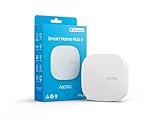
Overview: This Aeotec Hub2 V4 acts as a SmartThings hub focused exclusively on Zigbee and Matter protocols (no Z-Wave), targeting users in Samsung’s ecosystem who prioritize newer standards and simplicity. It enables app-based control, voice commands via Alexa/Google, and local automations for lighting, sensors, and energy management.
What Makes It Stand Out: Pure Zigbee/Matter support streamlines compatibility with modern devices like Philips Hue and Aqara, while SmartThings’ refined app ensures smooth routines. Local automation execution maintains basic functionality offline, and dual Wi-Fi/Ethernet setup aids flexibility in apartments or small homes.
Value for Money: Slightly cheaper than the Z-Wave-equipped Aeotec hub, but the exclusion of Z-Wave limits legacy device support. Excellent value for Zigbee/Matter-centric setups within SmartThings, yet redundant if you already own a SmartThings hub.
Strengths and Weaknesses:
Strengths: Modern protocol focus, seamless SmartThings integration, no subscription, compact design. Weaknesses: No Z-Wave (critical for some sensors/locks), fewer automation options than Hubitat, app stability issues reported.
Bottom Line: A solid pick for new Zigbee/Matter adopters in the SmartThings ecosystem, but Z-Wave users must look elsewhere. Best for simplicity seekers avoiding ecosystem fragmentation.
4. Homey Bridge | Smart Home Hub for Home Automation. Features Z-Wave Plus, Zigbee, Wi-Fi, BLE & Infrared. Compatible with Amazon Alexa & Google Home.

Overview: Homey Bridge unifies Z-Wave, Zigbee, Wi-Fi, BLE, and infrared devices into one platform, emphasizing custom “Flows” for automation. It integrates with major brands like Philips Hue and Nest but requires a Homey Premium subscription ($2.99/month) for >5 devices, adding recurring costs.
What Makes It Stand Out: The Flow-based automation system enables intricate cross-protocol routines (e.g., play Spotify on arrival), while infrared control revives legacy A/V gear. Privacy-first design ensures data stays local, and its open platform supports community-developed apps for niche devices.
Value for Money: Low entry price, but the mandatory Premium tier for serious use inflates long-term cost. Competes poorly on value against subscription-free hubs like Hubitat if you exceed 5 devices, though its infrared support is a rarity.
Strengths and Weaknesses:
Strengths: Infrared control, strong brand compatibility, privacy focus, intuitive Flow builder. Weaknesses: Crippling device limit without Premium, subscription model, weaker voice assistant integration.
Bottom Line: Only consider if you need infrared control and have ≤5 devices; otherwise, recurring fees negate its appeal. Avoid for large setups due to Premium constraints.
5. Homey Pro (2026) | Smart Hub for Home Automation – Features Z-Wave Plus, Zigbee, Wi-Fi, BLE, Infrared, Matter & Thread. Compatible with Siri, Alexa & Google Home.
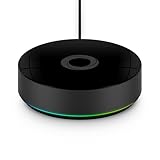
Overview: Homey Pro (2026) is a powerhouse hub supporting seven protocols—including Matter, Thread, Z-Wave LR, and infrared—with double RAM for extensive setups. It processes all automations locally, syncs with 50k+ devices from 1k+ brands, and offers energy-tracking insights via its app.
What Makes It Stand Out: Unmatched protocol coverage (Matter/Thread included) future-proofs your home, while local-first architecture ensures speed and privacy. Advanced Flows enable hyper-custom routines (e.g., solar-based energy automation), and its open platform welcomes community apps for rare devices.
Value for Money: Premium-priced but justified by its scalability, zero subscription requirement, and elimination of cloud dependencies. Outvalues competitors for large, diverse ecosystems, though overkill for basic setups.
Strengths and Weaknesses:
Strengths: Seven protocols, true local processing, massive compatibility, no subscriptions, energy insights. Weaknesses: High cost, complex for beginners, infrared reliability varies.
Bottom Line: The ultimate hub for tech-savvy users building expansive, future-proof smart homes. Pay the premium for unparalleled flexibility and independence—ideal for those merging legacy and cutting-edge devices.
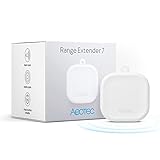
6. Z-Wave Hub Range Extender - Aeotec Range Extender 7 - Improves Performance and Range of Your Z-Wave Hub - SmartThings, Hubitat, Alarm.com, Ring, and More - Gen7 (One Pack)
Overview:
The Aeotec Range Extender 7 is a dedicated Z-Wave signal booster designed to eliminate dead zones and enhance reliability in existing Z-Wave networks. Essential for larger homes or complex layouts, it wirelessly amplifies signals from Z-Wave hubs and devices, ensuring seamless communication across extended areas without rewiring.
What Makes It Stand Out:
Its Gen7 hardware delivers a significant 250% range extension and 50% faster communication versus older models. Full S2 Security 2 certification ensures secure signal repetition for critical devices like door locks and smoke sensors. The SmartStart QR code simplifies setup to near-instantaneous inclusion with compatible hubs (SmartThings, Hubitat, etc.), while Z-Wave Plus certification guarantees interoperability.
Value for Money:
Priced moderately for a specialized component, it offers exceptional value by rescuing underperforming Z-Wave installations. Compared to replacing multiple devices or hubs, this extender is a cost-effective network optimizer. It’s indispensable for users with security-critical devices needing robust, encrypted signal paths.
Strengths and Weaknesses:
Strengths: Drastic range improvement; enhanced speed; seamless SmartStart setup; critical Security 2 support; compact plug-in design.
Weaknesses: Only benefits Z-Wave networks (no Zigbee/Wi-Fi); requires AC outlet placement; limited utility in small, simple setups; single-unit pack may need multiples for very large homes.
Bottom Line:
A must-have for Z-Wave users struggling with connectivity, especially those relying on security devices. Its performance gains, security features, and effortless setup justify the investment, transforming spotty networks into reliable systems. Ideal for expanding coverage without hub replacement.
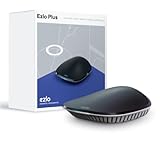
7. Ezlo Plus Smart Home Hub with Zigbee & Z-Wave. Works with Wi-Fi Devices Associated with Amazon Alexa Devices & Google Assistant to Control Smart Locks, Lights, Switches and CCTV Cameras
Overview:
The Ezlo Plus Hub serves as a central controller for multi-protocol smart homes, running the proprietary MiOS operating system. It integrates Z-Wave, Zigbee, RF, and Wi-Fi devices (via Alexa/Google) into a unified ecosystem, enabling comprehensive automation and remote control through its mobile app.
What Makes It Stand Out:
MiOS is its crown jewel—a dedicated “OS for property” that breaks brand silos, allowing unprecedented cross-brand device coordination. Support for Z-Wave, Zigbee, and RF natively, plus Wi-Fi via voice assistants, provides exceptional flexibility. The interface prioritizes user-friendly scene creation and robust automation logic without mandatory cloud reliance.
Value for Money:
Competitively priced against hubs with similar protocol support, it excels by unifying disparate devices under one roof. Avoiding subscription fees for core functionality enhances long-term value. While voice assistants are needed for Wi-Fi device control, the hub’s native protocol handling reduces dependency on third-party ecosystems.
Strengths and Weaknesses:
Strengths: True multi-protocol (Zigbee/Z-Wave/RF) support; innovative MiOS for device interoperability; strong local automation; no mandatory cloud for core features; intuitive app.
Weaknesses: Wi-Fi devices require Alexa/Google passthrough; setup demands Ethernet connection; mobile app occasional lag; limited third-party integrations vs. giants like Homey.
Bottom Line:
An excellent choice for users seeking a centralized, brand-agnostic hub with strong local control. Its MiOS platform delivers unique integration freedom, making it a top contender for complex, multi-protocol smart homes despite minor Wi-Fi limitations.
8. SmartThings Hub 3rd Generation [GP-U999SJVLGDA] Smart Home Automation Hub Home Monitoring Smart Devices - Alexa Google Home Compatible - Zigbee, Z-Wave, Cloud to Cloud Protocols – White
![SmartThings Hub 3rd Generation [GP-U999SJVLGDA] Smart Home Automation Hub Home Monitoring Smart Devices - Alexa Google Home Compatible - Zigbee, Z-Wave, Cloud to Cloud Protocols – White](https://m.media-amazon.com/images/I/21hChu0ounL._SL160_.jpg)
Overview:
Samsung’s SmartThings Hub 3rd Gen is a mainstream smart home controller focused on simplicity and broad compatibility. It connects Zigbee, Z-Wave, and cloud-to-cloud devices (like Wi-Fi cameras) into a single app, emphasizing user-friendly automation for everyday home monitoring and control.
What Makes It Stand Out:
Deep integration with Samsung/Alexa/Google ecosystems stands out, enabling effortless voice control and “Works With” partnerships. Its strength lies in the polished SmartThings app, which offers intuitive routines (e.g., “Goodnight” mode) and seamless onboarding for beginners. The cloud-to-cloud approach bypasses local hub limitations for select Wi-Fi brands.
Value for Money:
Affordably priced, it’s ideal for Samsung/Alexa-centric households starting their smart home journey. While lacking advanced local processing, its zero-cost app and vast compatible device list (including budget brands) deliver strong entry-level value. Cheaper than pro-tier hubs but less flexible for complex setups.
Strengths and Weaknesses:
Strengths: Extremely user-friendly app; broad cloud-to-cloud compatibility; excellent voice assistant synergy; affordable; reliable for basic automations.
Weaknesses: Limited local execution (cloud-dependent); no Thread/Matter support; weaker Z-Wave performance than dedicated hubs; app can feel restrictive for advanced users.
Bottom Line:
Perfect for beginners or Samsung loyalists wanting a simple, app-driven hub. It excels at basic automations and voice control but lacks the local processing and protocol depth needed for large, privacy-focused, or highly customized systems.
9. Minoston Smart Plug, 15A Mini Z-Wave 800 Series Plug-in Socket with Built-in Repeater andRange Extender, Z-Wave Hub Required, Compatible with SmartThings, Wink, FCC and ETLListed, MP21Z

Overview:
The Minoston MP21Z is a compact Z-Wave smart plug featuring built-in repeater functionality. It controls appliances remotely while actively strengthening the Z-Wave mesh network, making it both an endpoint and a signal booster for compatible hubs like SmartThings or Hubitat.
What Makes It Stand Out:
Its dual role as a smart plug and Z-Wave repeater is unique in this form factor. Leveraging Z-Wave 800 Series with S2 security and SmartStart QR pairing, it offers enhanced range (up to 1300ft with Long Range hubs), faster response, and military-grade encryption. The mini size fits tight spaces without blocking adjacent outlets.
Value for Money:
Slightly pricier than basic smart plugs, but the added repeater capability justifies the cost for Z-Wave users. It solves two problems at once: appliance control and network reliability. High 1875W capacity handles heavy loads, and certifications (FCC/ETL) ensure safety, outperforming generic alternatives.
Strengths and Weaknesses:
Strengths: Compact design with repeater function; robust Z-Wave 800 Series features; strong security (S2); SmartStart QR setup; high power capacity; unobtrusive.
Weaknesses: Requires existing Z-Wave hub; no energy monitoring; limited scheduling granularity; voice control dependent on hub/app.
Bottom Line:
A standout for Z-Wave enthusiasts needing reliable plug-in control and network expansion. Its security, size, and dual functionality make it a smart investment to enhance both device control and overall mesh resilience in medium-to-large homes.
10. Homey Pro (Early 2023) | Smart Home Hub for Home Automation – Features Z-Wave Plus, Zigbee, Wi-Fi, BLE, Infrared, Matter & Thread. Compatible with Siri, Alexa & Google Home.

Overview:
Homey Pro (2023) is a powerhouse hub supporting seven wireless protocols—including Matter and Thread—in a local-first architecture. It unifies over 50,000 devices from 1,000+ brands under one interface, prioritizing on-premise processing for privacy, speed, and reliability without cloud dependency.
What Makes It Stand Out:
Its protocol breadth (Zigbee, Z-Wave, Wi-Fi, BLE, IR, Matter, Thread) is unmatched, eliminating the need for multiple hubs. The “local-first” design processes automations on-device, ensuring responsiveness during internet outages. Homey Flow enables intricate, multi-brand automations (e.g., “Turn on lights when door unlocks and temp drops”), while community app support vastly expands compatibility.
Value for Money:
Premium-priced but justified for its versatility and future-proofing. Competing hubs often lack Thread/Matter or local processing. Homey Pro consolidates niche hubs (e.g., IR blasters) into one device, saving long-term costs. Energy-saving automations can offset the price via reduced bills.
Strengths and Weaknesses:
Strengths: Unrivaled protocol support; true local execution; powerful Homey Flow automations; massive device compatibility; energy monitoring/scheduling; Thread/Matter ready.
Weaknesses: High upfront cost; steep learning curve for advanced flows; IR requires line-of-sight; app interface less polished than SmartThings.
Bottom Line:
The ultimate hub for tech-savvy users building a comprehensive, privacy-focused smart home. Its local processing, protocol diversity, and automation depth make it worth the investment for complex setups demanding reliability and future readiness.
Security Essentials for Modern Z-Wave Hubs
Understanding Z-Wave S2 Security Framework
The S2 Security framework isn’t just an upgrade; it’s the mandatory baseline for secure device pairing in contemporary hubs. Unlike older S0 encryption, S2 employs dynamic key exchange during inclusion, preventing replay attacks where intercepted keys could be reused. Crucially, S2 integrates with the QR code or PIN on your devices, ensuring physical possession is required for enrollment. When evaluating hubs, confirm explicit S2 support—not just compatibility—as some legacy models offer it only for newer devices, leaving older sensors vulnerable. This framework is your first line of defense against unauthorized network access.
Local Processing vs. Cloud Dependency
A hub that processes automations and security rules locally—without needing an internet connection—is non-negotiable for true reliability. During outages or ISP disruptions, cloud-dependent hubs become useless bricks, disabling critical security routines like arming systems or triggering alarms. Prioritize hubs advertising “local execution” or “on-premises automation.” These maintain core functionality even when the web is down, ensuring your door locks engage, motion sensors trigger lights, and panic buttons alert sirens regardless of external connectivity. Verify this capability covers all essential security automations, not just basic device control.
Firmware Update Protocols and Timeliness
Security is an ongoing battle, not a one-time feature. Hubs must receive regular, automatic firmware updates that patch vulnerabilities without user intervention. Investigate the manufacturer’s update history: how frequently are critical security patches released? Is the update process seamless (background download/install) or disruptive (requiring manual reboots)? Hubs with infrequent updates or complex patching procedures leave your network exposed to newly discovered exploits. Look for evidence of a dedicated security team and transparent vulnerability disclosure practices.
End-to-End Encryption Verification
While Z-Wave provides network-layer encryption, true security demands end-to-end encryption (E2EE) between devices and the hub for sensitive data like lock codes or alarm statuses. Not all hubs implement E2EE uniformly across all device types. Confirm whether the hub encrypts payload data—not just communication headers—and whether this extends to interactions with mobile apps. Hubs lacking robust E2EE might transmit unencrypted status updates (e.g., “Front Door Unlocked”), creating potential data leakage points visible to network snoopers.
Optimizing Network Performance and Reliability
Mesh Network Strength and Node Management
Z-Wave’s mesh capability is its superpower against interference, but hub intelligence dictates its effectiveness. Advanced hubs actively map signal paths between nodes, dynamically rerouting traffic if a device goes offline or signal degrades—preventing single points of failure. Evaluate how the hub visualizes and manages this mesh. Can it identify weak links (e.g., a sensor with poor signal to neighbors)? Does it auto-include new devices into optimal mesh roles (controllers, static controllers, or slaves)? Superior node management ensures your network self-heals, maintaining coverage even as devices are added or relocated.
Handling RF Interference in Dense Environments
The 900 MHz band is less congested than Wi-Fi’s 2.4 GHz, but it’s not immune—cordless phones, baby monitors, and even faulty electrical wiring can cause disruption. Top-tier hubs incorporate adaptive frequency agility, scanning for clear channels and shifting operations to avoid persistent interference. They also feature adjustable transmit power to prevent “chatty” devices from drowning out critical security sensors. Look for hubs with diagnostics tools showing real-time signal quality (RSSI) and noise floor levels, empowering you to troubleshoot dead zones before they compromise security.
Range Extension and Signal Penetration Capabilities
Z-Wave’s theoretical range (over 100m outdoors) rarely translates to multi-story homes with concrete walls. Hubs with high-gain antennas and optimized RF amplifiers significantly improve signal penetration through dense materials. However, raw power isn’t enough; efficient signal modulation matters. Hubs supporting Z-Wave Long Range (LR) extend range up to 1 mile line-of-sight and support 4,000+ nodes, but verify backward compatibility with your existing Classic Z-Wave devices. For large properties, prioritize hubs with external antenna ports for future directional antenna upgrades.
Battery Backup and Power Stability
A security hub is only as reliable as its power source. During outages, hubs without integrated battery backups become immediate vulnerabilities. Ensure your hub includes (or supports) a replaceable battery providing several hours of operation. Equally critical is the power supply’s stability—cheap adapters cause voltage fluctuations that corrupt firmware or damage radios. Invest in hubs with regulated power circuits and surge protection. This seemingly minor component prevents random reboots that disrupt security automations or force network re-inclusion.
Compatibility and Ecosystem Integration Factors
Device Capacity and Protocol Support
Don’t assume “supports 200 devices” means seamless operation. Security systems often require high polling rates for sensors, straining hub resources. Verify the practical limit for security-critical devices (sensors, locks, sirens). Additionally, modern hubs frequently support multiple protocols (Zigbee, Wi-Fi, Bluetooth LE). While convenient, confirm these integrations don’t compromise Z-Wave performance—dedicated Z-Wave radios prevent resource contention. Prioritize hubs where Z-Wave remains the primary, isolated radio for security devices.
Voice Assistant and Platform Flexibility
Your hub must integrate deeply with your chosen voice assistant (Alexa, Google Assistant, Siri Shortcuts) without sacrificing local control. Ensure security-sensitive commands (e.g., “Arm Away Mode”) function locally and don’t require cloud verification. Similarly, check compatibility with broader platforms like Apple HomeKit or Google Home—some hubs act as bridges but introduce latency or limit automation complexity. Test whether security automations trigger reliably across all integrated platforms during setup.
Mobile App Reliability and Security Features
The mobile app is your security command center. Scrutinize app permissions (does it request unnecessary access?), session management (auto-logout after inactivity?), and two-factor authentication (2FA) enforcement. A poorly secured app undermines hub security. Also, assess offline functionality: can you view device status or trigger basic security routines (e.g., “Panic Button”) without internet? The best apps provide granular notification controls to avoid alert fatigue while ensuring critical security events never get buried.
Third-Party Service Integration Depth
Services like IFTTT or cloud-based monitoring (e.g., professional alarm companies) add value but create potential security gaps. Evaluate how these integrations are authenticated—OAuth is ideal, avoiding hardcoded credentials. Crucially, confirm that disabling third-party services doesn’t break core security automations. Some hubs route automations through the cloud when external services are enabled, introducing latency and outage risks. Demand transparency on data flow: where is security event data processed and stored?
Setup, Maintenance, and Long-Term Viability
Intuitive Onboarding for Non-Technical Users
A hub’s security value evaporates if users skip critical setup steps due to complexity. Look for guided onboarding that enforces security best practices: mandatory S2 pairing verification, immediate firmware updates, and clear prompts to enable 2FA. Visual mesh-mapping during device inclusion helps users position repeaters optimally. Avoid hubs requiring manual configuration files or command-line tools for basic security setup—reliability depends on correct initial deployment.
Diagnostic Tools for Proactive Monitoring
Prevent failures before they happen with hubs offering actionable diagnostics. Essential tools include signal strength heatmaps, device health monitoring (e.g., low battery alerts for sensors), and interference detection logs. Advanced hubs provide historical uptime reports and anomaly detection (e.g., “Unusual network traffic detected”). These features transform reactive troubleshooting into proactive security maintenance, ensuring your network operates at peak resilience.
Automation Engine Capabilities and Limits
Security automations demand precision and reliability. Assess the hub’s engine: does it support complex “if-this-then-that” chains with multiple conditions (e.g., “If motion detected after sunset AND no one home, THEN sound siren AND send alert”)? Check for execution speed (sub-second for critical alerts) and error handling (does a failed action halt the entire routine?). Hubs limiting automations to simple triggers or cloud-based execution introduce dangerous delays during breaches.
Manufacturer Support Lifespan and Roadmaps
Z-Wave evolves; your hub shouldn’t become obsolete in three years. Research the manufacturer’s track record: how long do they support older models with updates? Do they participate in the Z-Wave Alliance’s certification program, ensuring compliance with new standards? Review public roadmaps—commitment to future protocols like Matter over Thread indicates long-term viability. Avoid hubs from companies with histories of abandoning products, as outdated firmware becomes a critical security liability.
Future-Proofing Your Investment
Z-Wave 800/1000 Series Chipset Advantages
Hubs built on Z-Wave’s latest 800 or 1000 series chips deliver game-changing benefits: superior interference rejection, extended range, lower power consumption for battery devices, and enhanced security with S2. Crucially, they support Z-Wave Long Range for massive networks. While backward compatible, these chipsets future-proof against emerging threats and denser device ecosystems. Prioritize hubs explicitly using these newer radios—they represent the current security and performance benchmark.
Matter Protocol Integration Strategy
Matter is reshaping smart homes, but its impact on Z-Wave security hubs is nuanced. Some hubs act as Matter border routers, bridging Z-Wave security devices into the Matter ecosystem. Evaluate how this integration affects local control: does Matter routing introduce cloud dependencies for Z-Wave security functions? Ensure Matter support is optional and doesn’t degrade native Z-Wave performance. The ideal hub uses Matter for interoperability while keeping security-critical operations firmly within the Z-Wave mesh.
Scalability for Expanding Security Needs
Your security requirements will grow—adding exterior cameras, environmental sensors, or garage controllers. Choose a hub with headroom: a 50% buffer beyond your current device count. Verify expansion isn’t just about numbers; does the hub maintain low-latency communication as node count increases? Check if adding non-security devices (like smart plugs) impacts the priority given to motion sensors or door locks. Scalability without performance trade-offs is essential.
Frequently Asked Questions
Frequently Asked Questions
Do I need a separate hub if my smart speaker already supports Z-Wave?
Most smart speakers with Z-Wave radios lack the processing power, security features, and mesh management capabilities of dedicated hubs. They often disable local automations for security devices and offer limited diagnostic tools, making them unsuitable as primary security hubs.
Can Z-Wave hubs prevent jamming attacks?
While no wireless system is jamming-proof, modern hubs with S2 security and supervision frames can detect jamming attempts. Supervision reports immediate communication failures, triggering alerts that your physical security system may be under attack, allowing you to switch to cellular or manual protocols.
How often should I replace my Z-Wave hub for security reasons?
Focus on firmware support rather than age. If the manufacturer stops providing security updates (typically within 5-7 years for reputable brands), replace the hub. Sudden performance drops or frequent unexplained reboots can also indicate hardware failure requiring replacement.
Does Z-Wave Long Range (LR) eliminate the need for repeaters?
Z-Wave LR significantly extends range per node (up to 1 mile) but doesn’t replace mesh networking for whole-home coverage. LR excels for large properties or outdoor sensors, but interior walls still degrade signals. A mix of LR and Classic Z-Wave repeaters often provides the most resilient security network.
Can a Z-Wave hub work during a total internet outage?
Yes, but only if it supports local automations. Critical security routines (arming systems, triggering alarms) must execute on the hub itself without cloud dependency. Verify that your specific automations function offline—many hubs disable complex rules without internet.
Why do some Z-Wave hubs require a subscription for remote access?
Free remote access often routes traffic through the manufacturer’s cloud, creating latency and privacy risks. Subscription models may fund dedicated infrastructure for faster, more secure remote connections. However, true security hubs enable local network remote access via your home Wi-Fi without subscriptions.
How do I know if my hub is vulnerable to known exploits?
Monitor the Z-Wave Alliance’s security bulletins and the manufacturer’s support page for firmware updates addressing specific CVEs (Common Vulnerabilities and Exposures). Reputable companies proactively disclose and patch vulnerabilities—silence is a red flag.
Can I use Wi-Fi extenders to boost my Z-Wave signal?
No. Z-Wave operates on 900 MHz, incompatible with 2.4/5 GHz Wi-Fi extenders. To extend Z-Wave range, add battery-powered repeaters (like smart plugs or sensors) that actively relay signals within the mesh network.
Do all Z-Wave devices work with every hub?
While Z-Wave ensures basic interoperability, advanced features (like specific alarm scenarios or energy reporting) may require hub-specific firmware support. Always check device compatibility lists, especially for security-critical components like door locks or glass break sensors.
Is it safe to control security devices via voice assistants?
Yes, but with critical caveats. Ensure voice commands for arming/disarming require verbal PIN confirmation and execute locally. Disable voice control for high-risk actions like “Disarm Security System” entirely—physical or app-based confirmation is far more secure.