Imagine waking to the piercing sound of a siren cutting through the quiet of your home, not from a distant street, but from inside your own walls. It’s a scenario no homeowner wants to face, yet having a reliable, integrated alarm system is non-negotiable for true peace of mind in today’s connected world. Z-Wave technology has revolutionized home security, offering a robust, low-energy mesh network specifically designed for reliable communication between devices, even when your Wi-Fi falters. A Z-Wave siren alarm isn’t just another gadget; it’s the critical audible backbone of your smart security ecosystem, designed to deter intruders, alert you instantly, and potentially save your property – or even your life.
Gone are the days of basic, standalone sirens that operate in isolation. Modern smart homes demand seamless integration, where your security devices work in concert with lights, locks, cameras, and environmental sensors. A Z-Wave siren acts as the central nervous system’s alarm bell, triggered by motion detected at your back door, a window forced open, or even sudden smoke. Its unique value lies in the Z-Wave protocol’s reliability, encryption, and ability to function independently of your internet connection, ensuring the alarm sounds when it matters most, even during power outages or network disruptions. Choosing the right siren isn’t about volume alone; it’s about finding the perfect blend of features that integrate flawlessly into your specific security strategy for 2026 and beyond.
Top 10 Z-Wave Siren Alarms
Detailed Product Reviews
1. Zooz Z-Wave Long Range Smart Siren & Chime ZSE50 800LR (Z-Wave Hub Required) | Works with Z-Box, Home Assistant, Hubitat, and HomeSeer
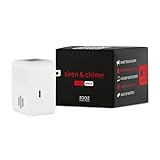
Overview: The Zooz ZSE50 800LR is a compact, plug-in Z-Wave Long Range siren/chime designed for discreet yet powerful home security alerts, requiring a compatible Z-Wave hub.
What Makes It Stand Out: Its standout features include customizable audio (upload MP3/WAV files), fully programmable LED colors/modes, and reliable operation via standard outlet with battery backup. The Long Range (LR) protocol ensures robust connectivity in larger homes.
Value for Money: Priced competitively for its niche, it offers exceptional flexibility for open-source Z-Wave ecosystems (Home Assistant, Hubitat). While not for SmartThings users, its customizability justifies the cost over simpler alternatives.
Strengths and Weaknesses: Strengths: True LR support, backup battery, compact design (leaves second outlet free), high 90dB output. Weaknesses: Limited hub compatibility (excludes SmartThings/alarm panels), no wall-mount option, requires technical know-how for custom audio.
Bottom Line: Ideal for tech-savvy users in open Z-Wave ecosystems seeking deep customization; avoid if using SmartThings or needing plug-and-play simplicity.
2. Aeotec Siren 6, Z-Wave Plus S2 Enabled Zwave Siren Safety Speaker, Wall-Mounted Sound & Light Security Intruder Zwave Alarm with Backup Battery, 110dB

Overview: The Aeotec Siren 6 is a high-decibel (110dB), wall-mountable Z-Wave Plus S2 siren integrating safety alerts, security alarms, and doorbell functionality with robust visual strobing.
What Makes It Stand Out: It boasts industry-leading 1,000-lumen strobe lighting, extensive sound library (30 tones), precise volume control (80–110dB), and broad hub compatibility including SmartThings. The 4-hour battery backup and S2 security enhance reliability.
Value for Money: Justifies its premium price with superior brightness, volume, and versatility—functioning as a security siren, safety notifier, and doorbell (with optional buttons). Outperforms budget models in critical alert scenarios.
Strengths and Weaknesses: Strengths: Exceptional 110dB output + bright strobe, wide hub support (SmartThings included), flexible mounting, S2 encryption. Weaknesses: Requires separate buttons for doorbell use, no custom audio uploads, Vera hub incompatible.
Bottom Line: A top-tier, versatile security siren for most Z-Wave hubs; highly recommended for comprehensive safety and security integration despite minor accessory dependencies.
3. Ecolink Z-Wave 700 Chime + Siren, Z-Wave Plus S2 Enabled, with Battery Backup, Security Intruder (ISZW7-ECO)
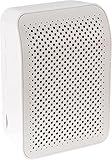
Overview: The Ecolink ISZW7-ECO combines a 105dB security siren with a versatile chime/notification system, leveraging Z-Wave 700’s efficiency for SmartThings and Hubitat users.
What Makes It Stand Out: It uniquely offers 20 built-in chime sounds plus custom audio via SD card (16GB/32GB FAT32), alongside 10 security siren options. Its single-outlet design and S2 security make it space-efficient and secure.
Value for Money: Excellent value for SmartThings/Hubitat owners needing both security alerts and smart notifications. The SD card flexibility surpasses competitors at similar price points, though lacks Aeotec’s brightness.
Strengths and Weaknesses: Strengths: Dual siren/chime functionality, custom sounds via SD card, broad compatibility (SmartThings via DH), compact plug-in design. Weaknesses: No visual strobe light, SD card not included, lower max volume than Aeotec.
Bottom Line: Best for users prioritizing customizable audio alerts over visual cues; a practical, cost-effective choice for Smarthings/Hubitat ecosystems.
4. Qolsys QZ2300-840 IQ Siren, Z-Wave

Overview: This Qolsys-specific siren amplifies alarm volume for IQ Panel 2 systems while acting as a Z-Wave repeater, featuring plug-in convenience and basic strobe lighting.
What Makes It Stand Out: Its seamless integration with Qolsys panels and dual role as a signal repeater are key. The triple-LED strobe activates during alarms, and its simple plug-and-play setup suits Qolsys-centric installations.
Value for Money: Reasonable for Qolsys users needing louder alarms or better Z-Wave coverage, but limited value elsewhere due to extreme ecosystem lock-in. No standalone smart features justify broader use.
Strengths and Weaknesses: Strengths: Effortless IQ Panel 2 pairing, reliable repeater function, compact plug-in form. Weaknesses: Only works with Qolsys/limited hubs, weak 3-hour battery, no volume/sound customization, no wall-mount.
Bottom Line: A niche accessory exclusively recommended for Qolsys IQ Panel 2 owners seeking enhanced alarm audibility or network range; irrelevant for other ecosystems.
5. Zigbee Smart Siren Alarm: Wireless Alarm for Security & Automation, App Control, Strobe Flash 100dB Siren, Tuya Zigbee Hub Required, Compatible with Alexa & Google Home

Overview: This Zigbee siren offers app-controlled 100dB alerts with strobe lighting, designed for Tuya/Smart Life ecosystems and voice assistant integration (Alexa/Google).
What Makes It Stand Out: It features 18 selectable tones, scene automation (e.g., triggering with motion sensors), and dual power (AC + optional battery). App functionality like scheduling and remote control enhance accessibility.
Value for Money: Budget-friendly for Tuya users, but the mandatory hub and non-included battery reduce value. Competes well on price for basic Zigbee security automation, though build quality lags behind Z-Wave counterparts.
Strengths and Weaknesses: Strengths: Tuya/Smart Life app control, voice assistant support, easy scene automation, bright strobe. Weaknesses: Battery not included, hub required, limited to Tuya ecosystem, no custom audio uploads.
Bottom Line: A solid entry-level Zigbee siren for Tuya-focused smart homes; choose for affordability and app integration, but expect compromises in power flexibility and ecosystem reach.
6. eufy Indoor Siren E20, Loud 110 dB Alarm for Whole-Floor Coverage, Reliable Power, Backup Battery, Flexible Installation Options, Long Communication Range, Requires HomeBase 2, 3, Mini, or Pro

Overview:
The eufy Indoor Siren E20 is a dedicated wireless alarm designed to integrate seamlessly with eufy’s HomeBase ecosystem, amplifying security alerts across an entire floor via its 110 dB output. It requires compatible HomeBase hardware (Mini, 2, 3, or Pro) for operation, emphasizing its role as a supplementary component in a broader eufy security system.
What Makes It Stand Out:
Its standout features include robust 48-hour battery backup during outages, flexible mounting (desk, adhesive, or screws), and an impressive 656 ft open-air wireless range. The siren ensures whole-floor audibility without relying on Wi-Fi, leveraging HomeBase’s stable local network for immediate, reliable triggering during breaches.
Value for Money:
Priced competitively within the eufy ecosystem, it offers excellent value for existing HomeBase users seeking enhanced alert coverage. While the mandatory HomeBase adds initial cost, the siren’s reliability, long-range connectivity, and backup battery justify the investment compared to standalone alternatives requiring subscriptions.
Strengths and Weaknesses:
Strengths: Exceptional 48-hour battery life; versatile installation; powerful 110 dB coverage; seamless HomeBase integration.
Weaknesses: Useless without eufy HomeBase; limited to eufy’s ecosystem; no smart assistant direct compatibility.
Bottom Line:
Ideal for eufy ecosystem owners needing reliable, loud floor-wide alerts. Its dependency on HomeBase limits broader appeal, but within its niche, it delivers exceptional performance and peace of mind.
7. IQ Siren (Z-Wave)

Overview:
The IQ Siren is a plug-in Z-Wave security device offering a loud 105 dB alarm with strobing LED lights, designed to integrate into existing Z-Wave home automation networks. It acts as both a local alarm and a Z-Wave signal repeater, enhancing mesh network stability.
What Makes It Stand Out:
Its dual functionality as a siren and Z-Wave repeater is unique, improving overall network range without extra hardware. The plug-and-play setup (no wiring or hub pairing complexity) and 3-hour backup battery provide straightforward, accessible security enhancement for Z-Wave users.
Value for Money:
Competitively priced for a Z-Wave accessory, it offers solid value by eliminating the need for separate repeaters. While the backup battery is short-lived compared to some competitors, its repeater capability adds significant utility, making it cost-effective for expanding Z-Wave coverage.
Strengths and Weaknesses:
Strengths: Simple plug-in installation; acts as Z-Wave repeater; bright strobe LEDs; no hub required beyond Z-Wave controller.
Weaknesses: Limited 3-hour battery backup; 105 dB slightly quieter than rivals; no app-based customization.
Bottom Line:
A practical, no-frills addition to Z-Wave systems, especially valuable for extending network range. Best for users prioritizing simplicity and mesh reliability over extended backup power or app features.
8. Zigbee Smart Siren Alarm: Wireless Home Security Alarm, Burglar Alarm Sound Light Alarm with 100dB Sounder, Tuya App Control, Tuya Zigbee Hub Required, Compatible with Alexa, Google Assistant

Overview:
This compact Zigbee siren delivers 100 dB audible alerts and red strobe lighting, controlled via Tuya/Smart Life apps. It requires a separate Tuya Zigbee hub but supports extensive automation scenarios like intrusion, leak, or temperature alerts, and integrates with Alexa/Google.
What Makes It Stand Out:
The inclusion of 18 customizable alarm sounds and versatile trigger options (doors, leaks, climate) sets it apart. Its tiny 3-inch form factor, USB power, and wall-mount flexibility suit diverse environments—from homes to commercial spaces—while app scheduling and push notifications enhance remote management.
Value for Money:
Affordable for its feature set, though the mandatory hub adds cost. The wide application range (homes, hospitals, schools) and 18 sound choices offer strong utility per dollar, outperforming basic sirens in customization without subscription fees.
Strengths and Weaknesses:
Strengths: 18 alarm sound options; broad use cases; compact size; Alexa/Google support; easy app control.
Weaknesses: Hub not included; battery is emergency-only (must stay plugged in); limited to Tuya ecosystem.
Bottom Line:
A flexible, app-driven siren for Tuya Zigbee users needing customizable, multi-scenario alerts. Its small size and sound variety shine, but hub dependency is a barrier for new adopters.
9. Smart Siren Alarm, Wireless Home Security Alarm with 110 dB Loud Audible Alerts, Remote Control, Compatible with Alexa, Google, Home Assistant, IFTTT - Hub Required
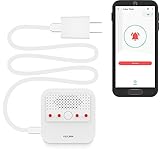
Overview:
This YoLink-powered siren offers 110 dB alerts and works within a subscription-free ecosystem. It requires a YoLink hub but excels in device-to-device pairing (up to 128 devices), enabling local, internet-free automation for critical scenarios like water leaks or open doors.
What Makes It Stand Out:
Its revolutionary device-to-device pairing—bypassing Wi-Fi/internet for direct communication—is unmatched. Paired with YoLink sensors (e.g., water detectors), it triggers immediate local alerts during outages. Compatibility with Home Assistant and IFTTT further broadens its smart home utility without monthly fees.
Value for Money:
Excellent value for tech-savvy users prioritizing reliability. While the hub and sensors are extra costs, the elimination of subscriptions and robust local automation justify the investment. The SirenFob add-on (for mobile/RV use) extends its versatility uniquely.
Strengths and Weaknesses:
Strengths: Internet-free device pairing; 110 dB volume; no subscription fees; extensive ecosystem compatibility; SirenFob support.
Weaknesses: Hub and sensors sold separately; setup complexity for advanced features; limited mainstream brand recognition.
Bottom Line:
A top choice for privacy-focused users wanting resilient, local automation. Its device-to-device capability is a game-changer, though beginners may find the ecosystem setup daunting.
10. Nippon America High Decibel High Power Outdoor Alarm Security Siren (TC-S7545-110), Long Range, 80 Watts, 120 Decibels, Remotely Activate with Wi-Fi Socket (Sold Separately)
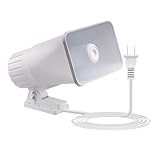
Overview:
This industrial-grade outdoor siren delivers an ear-splitting 120 dB output via 80 watts of power, designed for large properties. It requires manual AC plug operation or a separate Wi-Fi smart plug for remote activation, emphasizing raw deterrent capability over smart integration.
What Makes It Stand Out:
Its sheer 120 dB volume and 80-watt power dominate the category, ensuring audibility over vast distances. The 90-degree rotation mount optimizes sound direction, while the rugged build suits harsh outdoor environments—ideal for deterring vandalism in warehouses, farms, or perimeter security.
Value for Money:
Justified for high-risk outdoor use where volume is critical, but the need for a separate Wi-Fi plug for “smart” control inflates total cost. Lacks built-in app control or automation, making it less economical than integrated smart sirens for typical home use despite its power.
Strengths and Weaknesses:
Strengths: Unmatched 120 dB output; 80-watt durability; weather-resistant design; simple plug operation.
Weaknesses: No native smart features (needs Wi-Fi plug); manual activation limits convenience; bulky for residential use.
Bottom Line:
A formidable outdoor deterrent for commercial or high-threat areas, but overkill for most homes. Best paired with a smart plug for basic remote use, though its lack of integrated intelligence reduces versatility.
Understanding the Critical Role of Z-Wave Sirens in Modern Security
Why Z-Wave is the Preferred Protocol for Security Alarms
Z-Wave’s dedicated security layer (S2 framework) provides robust encryption far superior to many standard Wi-Fi devices, crucial for preventing alarm sabotage. Its mesh networking capability means each Z-Wave device, including your siren, acts as a signal repeater, significantly extending the reliable range throughout your home compared to direct-point communication protocols. This inherent reliability, coupled with low power consumption enabling long battery life in backup scenarios, makes Z-Wave the gold standard for mission-critical security components where failure is not an option.
The Audible Deterrent: More Than Just Noise
The primary function of a siren is to create an immediate, overwhelming auditory alert. High-decibel output (typically 100dB+) serves a dual purpose: it startles and deters intruders, often causing them to flee the premises quickly, and it effectively alerts occupants within the home who might be asleep or in another room. The psychological impact of a loud, sustained siren is a proven deterrent, making it a non-negotiable element of any comprehensive home security plan.
Integration as the Cornerstone of Smart Security
A siren operating in isolation is significantly less effective. True security intelligence comes from integration. Z-Wave sirens seamlessly connect with door/window sensors, motion detectors, glass break sensors, and environmental monitors (like smoke/CO detectors). This allows for context-aware alarming – triggering different siren patterns for a fire versus an intrusion, or silencing the siren remotely once a false alarm is confirmed via your security camera feed.
Key Features to Evaluate When Selecting Your Z-Wave Siren
Decoding Decibel Ratings and Sound Patterns
Don’t just look for the highest dB number; consider the effective coverage area and the siren’s sound pattern options. Some offer distinct, programmable tones for different alert types (e.g., a pulsing siren for intrusion, a steady tone for fire). Ensure the siren meets local building codes for fire alarm volume if intended for dual use. Test the siren’s audibility from various points in your home during installation.
Power Source Reliability: Mains, Battery, or Both?
Opt for sirens with dual power sources: hardwired to your home’s electrical system and equipped with a long-life, user-replaceable backup battery. This ensures operation during power outages, a common tactic used by intruders. Verify the battery life expectancy (often 3-5 years) and check if the siren sends low-battery alerts to your hub. Battery-only models are generally less suitable for primary security alarms due to frequent replacement needs.
Strobe Light Integration for Enhanced Alerting
For homes with hearing-impaired occupants or for maximum effectiveness in noisy environments, a built-in high-intensity strobe light is invaluable. Ensure the strobe meets brightness standards (typically 177 candelas or higher) for visibility throughout the intended coverage area. Some models allow independent control of the siren and strobe, useful for specific alert scenarios.
Installation and Placement Considerations for Maximum Effectiveness
Strategic Positioning Within Your Home Layout
Placement is critical. Install primary sirens centrally on each floor, ideally in hallways near sleeping areas and main living spaces, ensuring sound propagates effectively. Avoid closets, behind furniture, or in dead-air corners. For larger homes, multiple sirens may be necessary. Consider placement near potential entry points (like a basement stairwell) but prioritize central coverage for occupant alerting.
Ceiling vs. Wall Mounting: Pros and Cons
Ceiling mounting generally provides the most omnidirectional sound dispersion, filling a room more evenly. Wall mounting (typically 7-8 feet high) is often easier for DIY installation but may create slight directional variation in sound. Follow the manufacturer’s specific recommendations, as speaker grille design influences optimal orientation. Ensure the mounting location doesn’t obstruct the sound output or strobe light.
Navigating Wiring Requirements and Complexity
Hardwired sirens offer the most reliable power but require running low-voltage cables during new construction or major renovations, often best handled by a professional. Plug-in models are simplest for DIY but depend on an accessible outlet and lack true whole-home coverage if outlets are sparse. Battery-operated Z-Wave sirens offer flexible placement but mandate vigilant battery monitoring and replacement schedules for security-critical applications.
Compatibility and Network Health Within Your Z-Wave Ecosystem
Ensuring Hub and Firmware Compatibility
Before purchasing, confirm the siren is explicitly listed as compatible with your specific Z-Wave hub or smart home controller (e.g., Hubitat, SmartThings, Home Assistant Z-Wave stick). Check for required minimum firmware versions on both the hub and the siren itself. Outdated firmware can cause pairing failures or unreliable triggering.
Mesh Network Strength and Siren as a Repeater
Z-Wave sirens are typically mains-powered, making them excellent repeaters for your mesh network. When strategically placed, they can significantly boost signal strength and reliability for battery-powered sensors located further from the hub. Use your hub’s network visualization tool to assess if adding a siren improves overall mesh health in weaker coverage areas.
Managing Device Inclusion and S2 Security Keys
Proper inclusion using the Secure S2 framework is mandatory for security devices. This process involves scanning a QR code or entering a PIN from the siren into your hub, establishing encrypted communication. Never skip this step or use “insecure” inclusion for a security siren, as it leaves the device vulnerable to takeover. Understand your hub’s specific inclusion process for S2 devices.
Advanced Functionality and Customization Options
Programmable Alert Scenarios and Triggers
Move beyond simple on/off. Advanced sirens allow you to define which events trigger them (e.g., only armed-away mode intrusions, not armed-home motion). Create custom sequences: a brief warning chirp before the full siren for disarming grace periods, or specific patterns for water leaks versus break-ins. This reduces false alarm fatigue while maintaining critical alerts.
Remote Arming/Disarming and Siren Test Modes
The ability to arm, disarm, and test your siren system remotely via your smartphone app is essential for modern convenience and verification. A dedicated “test mode” that triggers a brief, lower-volume alert is crucial for regular system checks without disturbing the neighborhood, ensuring the siren functions correctly when needed.
Environmental Monitoring Integration Capabilities
Some sophisticated sirens integrate basic environmental sensing (like temperature or humidity) or can be triggered directly by Z-Wave water leak sensors or freeze detectors. While not replacing dedicated sensors, this adds another layer of proactive alerting for non-intrusion emergencies, leveraging the siren’s powerful audio output for critical environmental threats.
Maintenance and Long-Term Reliability Practices
Establishing a Proactive Testing Schedule
Don’t wait for an emergency to discover a faulty siren. Schedule monthly tests using your hub’s built-in test function or manual trigger. This verifies sound output, strobe function (if equipped), battery status (for backup), and proper communication with the hub. Document test results for peace of mind.
Battery Management for Backup Systems
Treat the backup battery with respect. Note the installation date and replace it proactively according to the manufacturer’s schedule (usually 3-5 years), before the low-battery alert triggers. Use only the specified battery type (typically high-quality lithium). Store spare batteries properly and check them periodically.
Cleaning and Physical Inspection Protocol
Dust buildup inside the speaker grille can muffle sound over time. Gently vacuum the grille vents quarterly. Visually inspect the unit for any signs of physical damage, moisture intrusion (especially in basements or garages), or insect nests that could impair function. Ensure the mounting is still secure.
Future-Proofing Your Investment for 2026 and Beyond
Understanding Z-Wave 800/700 Series Chip Advantages
Newer sirens featuring Z-Wave 700 or 800 series chips offer significant benefits: vastly improved wireless range, enhanced battery life for backup systems, superior noise immunity in congested RF environments, and support for the latest security standards. While existing Z-Wave networks are backward compatible, opting for newer chipsets ensures longevity and optimal performance as your network expands.
Scalability for Growing Smart Home Ecosystems
Consider how your security needs might evolve. Will you add more sensors, cameras, or environmental monitors? Choose a siren compatible with your hub’s maximum device limit and ensure it integrates smoothly with potential future additions. A siren that only works with basic triggers might become obsolete as your system sophistication increases.
Software Updates and Manufacturer Support Longevity
Research the manufacturer’s track record for releasing firmware updates that add features or fix bugs. A company actively supporting its devices years after purchase is a strong indicator of a future-proof product. Check community forums for insights into long-term reliability and manufacturer responsiveness.
Frequently Asked Questions
How loud should a Z-Wave siren alarm be for an average home?
Aim for a minimum of 100-110 dB at 1 meter. This ensures the sound is clearly audible throughout most rooms in a standard single-family home, even over background noise like TVs or appliances. Consider multiple sirens for larger or multi-story homes.
Can a Z-Wave siren work if my internet goes down?
Yes, absolutely. Z-Wave operates on its own dedicated radio frequency mesh network. As long as your hub has power (and potentially cellular backup), the siren will trigger based on local sensor events (like a door opening) even during a complete internet outage. This local processing is a key security advantage.
How long do the backup batteries typically last in Z-Wave sirens?
Mains-powered sirens with backup batteries usually last 3-5 years on high-quality lithium batteries. Battery-only sirens will vary greatly (months to a couple of years) depending on usage and battery capacity. Always replace backup batteries proactively per the manufacturer’s schedule.
Do I need an electrician to install a hardwired Z-Wave siren?
Hardwired installation (connecting to low-voltage wiring) is often manageable for experienced DIYers comfortable with basic electrical work during new construction or renovations. However, if integrating with existing mains wiring (120V) or if you’re unsure, hiring a licensed electrician is strongly recommended for safety and code compliance.
Can I use a Z-Wave siren for both security and fire alarms?
Some dual-purpose sirens meet the required decibel levels and strobe specifications for fire alarm notification (check local codes and specific model certifications like UL 217). However, dedicated fire alarm systems often have stricter requirements. Verify the exact model’s certifications for fire use with your local authority having jurisdiction (AHJ).
How do I prevent false alarms from triggering the siren?
Strategic sensor placement (avoiding vents, pets), proper sensitivity adjustment on motion sensors, using entry delay timers when arming, and ensuring doors/windows are fully closed/secured before arming are key. Regular system testing helps identify and correct false trigger sources.
Will the siren drain my Z-Wave network battery?
No. Z-Wave sirens are typically mains-powered (with battery backup), making them excellent network repeaters that strengthen your mesh. They don’t consume significant power from battery-operated sensors. The siren itself, when hardwired, has minimal impact on the overall network power budget.
Can I customize the siren sound pattern for different alerts?
Many advanced Z-Wave sirens offer programmable sound patterns. You can often set distinct tones or sequences for intrusion, fire, carbon monoxide, water leak, or even custom events like a doorbell press, allowing for clearer understanding of the alert type.
How often should I test my Z-Wave siren system?
Perform a full system test, including the siren, at least once a month. Use your hub’s built-in test function or manually trigger a sensor. Also, test the backup battery functionality annually by simulating a power outage (turn off circuit breaker) to ensure the siren operates correctly on battery.
Are Z-Wave sirens vulnerable to being jammed or hacked?
While no wireless system is 100% immune, Z-Wave’s S2 security framework with mandatory encryption during device pairing provides very strong protection against hacking. Jamming is theoretically possible but requires close proximity and sophisticated equipment. The local, mesh-based operation makes jamming the entire network significantly harder than jamming a single-point Wi-Fi signal.