Between soccer practice, work deadlines, and the endless stream of Amazon deliveries, your front door has become Grand Central Station. You’re missing packages, unexpected visitors catch you off-guard, and somehow the neighbor always seems to ring the doorbell during the baby’s nap time. Smart doorbells with Alexa greetings aren’t just another tech gadget—they’re the digital butler busy families never knew they needed, seamlessly bridging the gap between your chaotic schedule and the outside world.
These intelligent devices do far more than show you who’s at the door. They greet visitors when you can’t, take messages from delivery drivers, and integrate into your existing Alexa ecosystem to create a truly connected home experience. But with countless options and features to evaluate, finding the right solution for your family’s unique rhythm requires more than a quick browse through product specs. Let’s explore what makes these devices indispensable for modern households and how to choose one that actually simplifies your life rather than complicating it.
Top 10 Smart Doorbells with Alexa for Busy Families
Detailed Product Reviews
1. Tapo by TP-Link Smart Video Doorbell Camera Wireless with Chime, 2K with Full Color Night Vision & Spotlights, No Monthly Fee, Ring Call, 160° Ultra-Wide View, Free AI Detection, Local Storage,D210

Overview: The Tapo D210 delivers impressive 2K surveillance for your doorstep without the burden of monthly subscriptions. This wireless doorbell camera combines high-resolution imaging with intelligent features typically found in premium models, making it an accessible entry point for smart home security. The inclusion of a chime and robust local storage options positions it as a complete package for budget-conscious consumers.
What Makes It Stand Out: The standout feature is undoubtedly the full-color night vision enhanced by integrated spotlights, ensuring clear identification even in complete darkness. The innovative Ring Call function transforms your smartphone into a direct line to visitors, eliminating app-launching delays. Combined with free AI-powered person detection and a generous 160° field of view, the D210 prioritizes both security and convenience without ongoing costs.
Value for Money: At $47.48, this doorbell dramatically undercuts competitors while delivering superior 2K resolution and subscription-free operation. Comparable devices from Ring or Arlo demand monthly fees exceeding this unit’s entire purchase price within six months. The ability to store footage locally on up to 512GB microSD cards (sold separately) provides years of storage for a one-time investment, representing exceptional long-term value.
Strengths and Weaknesses: Strengths include crisp 2K video quality, effective color night vision, truly free AI detection, and zero subscription requirements. The 160° viewing angle covers most entryways adequately. Weaknesses involve the narrow 2.4GHz Wi-Fi limitation, lack of included storage, and slightly narrower field of view than some alternatives. Battery life depends on usage frequency.
Bottom Line: The Tapo D210 is arguably the best value proposition in smart doorbells today. For under $50, you get premium features without recurring costs, making it ideal for renters and homeowners alike who refuse to be locked into subscription ecosystems.
2. Tapo by TP-Link Smart Video Doorbell Camera with Chime, Battery or Wired, 2K QHD Color Night Vison, No Monthly Fee, 180° Ultra-Wide Head-to-Toe View, Ring Call, Free AI Detection, Local Storage (D225)

Overview: The Tapo D225 represents the evolution of TP-Link’s doorbell lineup, offering unprecedented installation flexibility with both battery and wired power options. This versatile device maintains the brand’s commitment to subscription-free operation while expanding AI detection capabilities and field of view. Whether you’re replacing a traditional wired doorbell or need a wireless solution, the D225 adapts to your specific requirements.
What Makes It Stand Out: The dual-power design sets this apart, providing up to 8 months of battery life or continuous 24/7 recording when hardwired. The expansive 180° head-to-toe view eliminates blind spots completely, while enhanced AI recognizes people, packages, and vehicles with impressive accuracy. The Ring Call feature persists, offering instant visitor connection without app navigation.
Value for Money: Priced at $84.98, the D225 commands a premium over its D210 sibling but justifies the cost through superior versatility and coverage. The ability to switch between power modes future-proofs your investment, while the expanded AI detection rivals subscription-based competitors costing twice as much plus monthly fees. For those needing comprehensive coverage and installation flexibility, the price represents solid mid-range value.
Strengths and Weaknesses: Major strengths include flexible power options, exceptional 180° field of view, multi-category AI detection, and robust battery life. The 10,000mAh battery ensures minimal maintenance. Weaknesses include the higher price point, continued 2.4GHz Wi-Fi limitation, and lack of included microSD card. Wired installation may require professional help for some users.
Bottom Line: The Tapo D225 is the perfect choice for users wanting maximum flexibility without subscription shackles. Its superior field of view and dual-power capability make it worth the upgrade over budget models, particularly for homes with high package delivery traffic.
3. aosu Doorbell Camera Wireless- Head-to-Toe View, Intelligent Package Detection, 2.4GHz WiFi Video Doorbell with Chime, Support Local Storage,Smart Human Detection, Works with Alexa &Google Assistant

Overview: Aosu’s wireless doorbell camera carves out a competitive niche with its intelligent package detection and unique privacy features. The 170° vertical-oriented lens captures the complete doorstep scene, while smart home integration broadens its appeal. Designed for the modern online shopper, it prioritizes package security alongside traditional visitor monitoring.
What Makes It Stand Out: The dedicated package detection algorithm automatically alerts you when deliveries arrive, a standout feature for e-commerce enthusiasts. The voice changer and quick reply functions offer creative privacy solutions, allowing you to interact with strangers while masking your identity or using preset responses when busy. Native Alexa and Google Assistant compatibility seamlessly integrates into existing smart home ecosystems.
Value for Money: At $64.99, this doorbell sits comfortably in the mid-range segment, offering specialized features that justify the premium over budget alternatives. While it requires local storage purchase, the absence of mandatory subscriptions keeps long-term costs low. The package-focused AI provides tangible value for frequent online shoppers, potentially paying for itself by preventing one stolen delivery.
Strengths and Weaknesses: Strengths include excellent package detection, smart home compatibility, privacy-centric voice features, and crisp 2K resolution. The 9:16 aspect ratio perfectly frames doorways. Weaknesses include limited AI detection categories (no vehicle detection), potential learning curve for voice features, and reliance on 2.4GHz Wi-Fi. Brand recognition lags behind established competitors.
Bottom Line: The aosu doorbell excels for apartment dwellers and heavy online shoppers who prioritize package security. Its smart home integration and privacy features make it a compelling choice, though brand reliability remains less proven than TP-Link or ecobee.
4. WarmBot 1080p Smart Video Doorbell Camera with AI Motion Detection, Night Vision, Cloud Storage, 2 Way Audio, Battery Powered, 2.4GHz Wi-Fi Only

Overview: The WarmBot doorbell democratizes smart home security with an almost unbelievable $19.99 price point. This ultra-budget offering delivers essential features like AI motion detection and two-way audio without frills or complexity. While it makes compromises on resolution and storage, it provides a genuine entry path for security-conscious consumers on the tightest budgets.
What Makes It Stand Out: The price is the undeniable headline—costing less than a dinner out while still offering AI-powered person detection and respectable night vision up to 12 meters. The battery-powered design enables tool-free installation anywhere within Wi-Fi range. Cloud storage integration, while subscription-based, provides off-site backup that many budget models simply don’t offer.
Value for Money: At $19.99, value assessment becomes almost irrelevant; it’s the cheapest functional smart doorbell available. The HD resolution suffices for basic identification, and the AI filtering reduces false alarms effectively. However, subscription costs quickly diminish the initial savings—factor in $3-5 monthly fees and the first-year total approaches premium alternatives with better hardware.
Strengths and Weaknesses: Strengths include unbeatable price, simple setup, adequate night vision, and multi-user access. The AI detection works surprisingly well for the cost. Weaknesses are significant: 1080p resolution lags behind 2K standards, no local storage option, mandatory subscription for recording, unknown brand longevity, and basic build quality. The 2.4GHz limitation is expected at this price.
Bottom Line: Buy the WarmBot only if you need the absolute cheapest functional doorbell for basic monitoring. For anyone wanting reliable recordings or long-term value, spending $30 more on the Tapo D210 yields vastly superior quality and eliminates subscription fees entirely.
5. ecobee Smart Video Doorbell Camera (Wired) - with Industry Leading HD Camera, Smart Security, Night Vision, Person and Package Sensors, 2-Way Talk, and Video & Snapshot Recording

Overview: Ecobee’s wired doorbell targets the premium market with polished hardware and ecosystem integration, though it demands subscription commitment for full functionality. The device boasts an industry-leading field of view and HDR imaging, positioning itself as a high-end sentinel for your entryway. It’s designed for users already invested in ecobee’s thermostat ecosystem.
What Makes It Stand Out: The expansive 187° diagonal field of view provides unparalleled coverage, capturing visitors and packages even when pressed against the door. HDR imaging ensures balanced exposure in challenging lighting. Tight integration with ecobee Smart Thermostat Premium creates a unified home monitoring experience. The option for 24/7 professional monitoring elevates it beyond typical DIY security.
Value for Money: At $155 plus required subscriptions, value is questionable. The hardware quality justifies the initial cost, but mandatory Smart Security plans ($5-10/month) make it significantly more expensive than subscription-free alternatives offering similar or better resolution. You’re paying for ecosystem integration and brand reliability rather than raw feature superiority.
Strengths and Weaknesses: Strengths include exceptional field of view, HDR video quality, seamless ecobee ecosystem integration, and professional monitoring options. Build quality feels premium. Weaknesses are the subscription dependency for core features like package detection and video storage, limiting value. The 1080p resolution lags behind cheaper 2K competitors, and wired-only installation restricts placement flexibility.
Bottom Line: The ecobee doorbell suits ecobee ecosystem loyalists wanting centralized control and professional monitoring. For most buyers, subscription-free alternatives like Tapo D225 deliver better resolution and flexibility at half the total cost of ownership. Only choose if you specifically need ecobee integration.
6. Wemo Smart Video Doorbell - Apple HomeKit Secure Video with HDR - Smart Home Products Video Doorbell Camera - Ring Doorbell for Security Camera System - WiFi Camera Doorbell w/ 223° FOV & 2-Way Audio
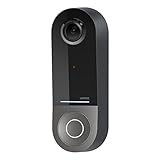
Overview: The Wemo Smart Video Doorbell is a HomeKit-exclusive doorbell designed for Apple-centric households. This wired doorbell integrates seamlessly with Apple’s ecosystem, offering secure video storage through iCloud and face recognition capabilities. With a super-wide 223° field of view and dual-band WiFi support, it captures comprehensive footage of your entryway while maintaining reliable connectivity.
What Makes It Stand Out: Its deep HomeKit Secure Video integration sets it apart, allowing iPhone users to receive rich notifications with face recognition without additional subscription fees. The exceptional 178° vertical field of view ensures you can see packages at your doorstep, while HDR and infrared technology deliver clear video in all lighting conditions. Dual-band WiFi (2.4GHz and 5GHz) provides installation flexibility and connection stability.
Value for Money: At $92.23, it’s competitively priced for a HomeKit-compatible doorbell. Unlike competitors requiring monthly fees, it leverages your existing iCloud storage plan for 10 days of motion-based history. However, the hidden cost is the required 16-24V AC wiring and Apple device ecosystem investment, making it less suitable for renters or Android users.
Strengths and Weaknesses: Strengths include seamless Apple integration, wide field of view, dual-band WiFi, HDR video quality, and no mandatory subscription. Weaknesses are its wired-only installation, Apple ecosystem lock-in, lack of Android support, and dependency on existing iCloud storage.
Bottom Line: The Wemo doorbell is an excellent choice for Apple households with existing wired doorbell systems, offering premium features without recurring fees. Android users or those needing battery power should look elsewhere.
7. Google Nest Doorbell (Battery) - Linen

Overview: Google’s Nest Doorbell (Battery) in Linen offers intelligent, wire-free home security with sophisticated AI detection. This premium doorbell differentiates between people, packages, animals, and vehicles, sending targeted alerts through the Google Home app. Its battery-powered design enables installation anywhere, while HDR video and night vision ensure clear footage around the clock.
What Makes It Stand Out: The built-in machine learning delivers remarkably accurate alerts without requiring a subscription. The flexible installation works with any door, and local storage provides one hour of backup during outages. Integration with Google’s ecosystem allows for seamless smart home automation, while the Linen finish offers a premium aesthetic that complements modern exteriors.
Value for Money: At $156.56, it’s priced in the premium tier, but includes advanced features competitors lock behind paywalls. The free three-hour event history is limited, making the Nest Aware subscription ($6/month) almost necessary for serious security. The battery convenience and intelligent alerts justify the cost for Google ecosystem users, though the total ownership expense adds up.
Strengths and Weaknesses: Strengths include intelligent motion detection, flexible installation, local backup storage, HDR video quality, and solid Google integration. Weaknesses are the inability to record continuously even with a subscription, limited free cloud storage, periodic battery charging, and higher upfront cost.
Bottom Line: Ideal for Google-centric homes wanting wire-free convenience and smart alerts. The Linen color commands a premium, but delivers a polished, capable security solution for those invested in the ecosystem.
8. Google Nest Doorbell (Battery) - Ivy
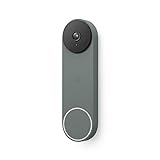
Overview: The Google Nest Doorbell (Battery) in Ivy delivers identical functionality to its Linen counterpart at a more accessible price point. This wire-free smart doorbell uses advanced AI to distinguish between people, packages, animals, and vehicles, sending precise alerts via the Google Home app. Its battery-powered design allows flexible placement without existing wiring, while HDR video and night vision provide clear monitoring day and night.
What Makes It Stand Out: Beyond the intelligent detection capabilities, the Ivy color variant offers the same premium features—local storage backup, dual installation options, and seamless Google integration—at a significantly lower price. The one-hour offline recording during WiFi outages provides peace of mind rarely found in battery doorbells, while the Ivy finish presents a subtle, versatile aesthetic.
Value for Money: At $119.99, this represents compelling value compared to the Linen version’s $156.56 price tag. You receive identical performance and features, making color preference the only differentiator. The three-hour free event history remains limiting, and the Nest Aware subscription is still recommended for comprehensive coverage, but the lower entry cost makes this more accessible.
Strengths and Weaknesses: Strengths mirror the Linen model: intelligent alerts, installation flexibility, local backup, HDR quality, and Google ecosystem integration. Weaknesses include no continuous recording capability, limited free cloud storage, battery maintenance requirements, and subscription costs for full functionality.
Bottom Line: Choose the Ivy color over Linen to save nearly $40 without sacrificing performance. It’s an excellent value for Google users wanting premium AI features without the premium price premium.
9. Smart Wireless Doorbell Chime - Compatible with Blink & Ring & Google Nest Video Doorbell, No Wiring Needed, Easy Setup
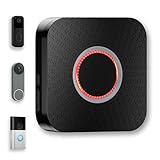
Overview: This universal wireless chime solves a common problem for video doorbell owners: hearing notifications throughout your home. Compatible with Blink, Ring, and Google Nest doorbells, this plug-in accessory extends audible alerts up to 492 feet without requiring any wiring. It bridges the gap between smartphone notifications and traditional doorbell chimes, ensuring you never miss a visitor.
What Makes It Stand Out: Its remarkable cross-platform compatibility is the headline feature—few accessories work across competing ecosystems. The extreme 492-foot range covers large properties, detached garages, and backyards. Setup takes minutes through the SmartLife app or native doorbell applications, creating a true DIY solution that doesn’t compromise your existing doorbell investment.
Value for Money: At $49.99, it’s reasonably priced for a universal solution that prevents missed deliveries and guests. Brand-specific chimes often cost more and lock you into one ecosystem. This single device serves multiple doorbell brands, making it ideal for households with mixed devices or those planning future upgrades.
Strengths and Weaknesses: Strengths include broad compatibility, exceptional range, simple plug-in installation, multi-app support, and affordability. Weaknesses involve potential audio latency, dependence on home layout for maximum range, and the fact that it’s merely an accessory requiring a separate doorbell purchase. Some users may experience connectivity hiccups with certain router configurations.
Bottom Line: An essential add-on for anyone whose video doorbell’s native chime is insufficient. The universal compatibility and impressive range make it a versatile, cost-effective solution for comprehensive home coverage.
10. Feit Electric Smart Doorbell Chime Accessory, USB-Powered Wireless Chime with 4 Adjustable Sounds, 80dB Alerts, 150ft Range, Works Smart Doorbell Only (Sold Separately)

Overview: The Feit Electric Smart Doorbell Chime is a purpose-built accessory designed exclusively for Feit Electric smart doorbells. This USB-powered wireless chime provides simple, reliable notifications without batteries or complex wiring. It serves as an audio extender for your existing Feit doorbell, delivering 80dB alerts up to 150 feet away with four customizable sound options.
What Makes It Stand Out: Its USB-powered design eliminates battery replacement hassles—simply plug into any USB adapter or port. The four adjustable tones allow personalization, while the compact form factor blends discreetly into any room. As an official Feit accessory, it ensures seamless compatibility without the connectivity issues third-party chimes sometimes encounter.
Value for Money: At $19.99, it’s an inexpensive way to extend your doorbell’s reach, but the value is entirely contingent on owning a compatible Feit doorbell. For Feit users, it’s a no-brainer addition. For others, it’s useless. The limited 150-foot range is adequate for apartments and small homes but falls short of universal alternatives.
Strengths and Weaknesses: Strengths include ultra-low price, USB power convenience, simple plug-and-play setup, customizable alerts, and guaranteed compatibility. Weaknesses are severe ecosystem lock-in (Feit doorbells only), limited range compared to competitors, lack of advanced features, and requirement for separate USB power adapter.
Bottom Line: Only purchase if you already own a Feit Electric smart doorbell. For that niche audience, it’s an affordable, convenient audio extender. Everyone else should consider universal alternatives that offer greater flexibility and range.
What Are Smart Doorbells with Alexa Greetings?
Smart doorbells with Alexa greetings represent the evolution of traditional video doorbells by integrating Amazon’s voice assistant directly into your front door experience. Unlike standard smart doorbells that simply send notifications to your phone, these devices leverage Alexa’s capabilities to interact with visitors autonomously. When someone rings your doorbell, Alexa can answer with customizable messages, collect information, and even provide instructions to delivery personnel—all without you lifting a finger.
Why Busy Families Need This Technology
The modern family juggles multiple schedules, remote work commitments, and children’s activities that make constant door monitoring impossible. Alexa-enabled greetings act as your reliable proxy, ensuring important deliveries aren’t missed while screening unnecessary interruptions. For parents working from home, this technology eliminates the distraction of constant doorbell checks, allowing you to maintain focus during critical meetings while still managing household logistics effectively.
How Alexa Greetings Transform Your Front Door Experience
Automated Visitor Management
Alexa greetings create a sophisticated screening system that handles routine interactions automatically. The system can distinguish between delivery drivers, solicitors, and expected guests, responding appropriately to each scenario. This automation reduces the mental load on parents who otherwise must constantly monitor their phones for doorbell notifications.
Seamless Package Delivery Coordination
The most practical benefit for families is streamlined package management. Alexa can instruct delivery drivers on where to leave packages safely, request they be placed out of sight from the street, or even provide access codes for secure delivery boxes. This eliminates the frustrating “Sorry we missed you” notices and reduces package theft—major concerns for households receiving multiple deliveries weekly.
Key Features to Consider When Shopping
Video Quality and Field of View
Resolution determines how clearly you’ll identify visitors, but don’t automatically assume higher is better. A 1080p camera with superior low-light performance often outperforms a 2K camera with poor night vision. For busy families, consider the vertical field of view—doorbells capturing more head-to-toe footage help you see packages left directly below the device, while a wide horizontal view monitors approaching visitors from sidewalk to door.
Two-Way Audio Capabilities
Beyond Alexa’s automated responses, manual two-way audio lets you intervene when needed. Look for noise cancellation features that filter out street traffic or wind, ensuring clear communication. For families with young children, some systems offer “quiet hours” where audio is muted but visual monitoring continues, preventing nap disruptions while maintaining security.
Motion Detection and AI Recognition
Advanced motion detection distinguishes between people, vehicles, animals, and swaying trees. This intelligence prevents notification fatigue—crucial for busy parents who can’t afford their phones buzzing every time a squirrel runs by. AI recognition can also learn familiar faces, alerting you differently when your teenager arrives home versus an unknown visitor.
Integration with Alexa Ecosystem
The depth of Alexa integration varies significantly. Premium implementations allow Alexa to access your family calendar, providing context-aware greetings like “The Johnson family is expecting a package delivery today.” Consider whether the doorbell works with Alexa Routines—can it automatically turn on porch lights when motion is detected after sunset, or announce visitors through specific Echo devices in your home?
Cloud Storage vs Local Storage
Cloud storage offers convenience and accessibility but requires ongoing subscription fees that add up over time. Local storage via SD card or hub eliminates monthly costs but may limit remote access to footage. For privacy-conscious families, hybrid models storing footage locally while offering optional cloud backup provide the best of both worlds.
Power Source Options
Wired doorbells connect to existing doorbell wiring, ensuring consistent power but requiring more complex installation. Battery-powered models offer flexibility but need recharging every few months—an easily forgotten task that could leave you unprotected. Some families opt for solar chargers, though effectiveness depends on your porch’s sun exposure.
Weather Resistance and Durability
Your doorbell faces extreme temperatures, rain, snow, and direct sunlight. Check IP ratings—IP65 or higher ensures protection against dust and water jets. Operating temperature ranges matter too; if you live in regions with harsh winters or scorching summers, verify the device can handle your climate extremes.
Privacy and Security Features
End-to-end encryption protects your video feeds from unauthorized access. Physical privacy shutters that cover the camera when not in active use provide additional peace of mind. For families, consider whether the device stores visitor audio recordings and how you can manage or delete this data.
Installation Considerations for Families
DIY vs Professional Installation
While many smart doorbells advertise easy DIY installation, busy families should realistically assess their technical comfort level and available time. Wired installations involve electrical work that may require a professional, especially in older homes with outdated wiring. Battery models are simpler but still require drilling and proper positioning.
Optimal Placement for Family Needs
Mount your doorbell at 48 inches high for the best facial recognition. Consider your children’s heights—if you want them to be visible to the camera, you might adjust slightly lower. Ensure the view captures your entire porch area where packages might be left, not just the visitor’s face.
Wi-Fi Signal Strength Requirements
Video doorbells are bandwidth-intensive, especially when streaming high-quality footage. Test your Wi-Fi signal strength at the installation location using your phone. If you have multiple family members streaming video and using devices simultaneously, consider upgrading your router or installing a Wi-Fi extender near your front door.
Setting Up Alexa Greetings: What to Expect
The initial setup process typically takes 30-45 minutes, including connecting the device to your Wi-Fi, linking it to your Alexa app, and configuring basic settings. You’ll need to grant permissions for Alexa to access your doorbell’s microphone and camera. The Alexa app will guide you through recording custom greetings or selecting from pre-programmed options.
Customizing Greetings for Different Scenarios
Tailoring Messages for Delivery Drivers
Create specific instructions for different delivery services. Your greeting might say, “For Amazon deliveries, please leave packages behind the planter on the left. For USPS, the mailbox is at the end of the driveway.” This level of customization requires doorbells with advanced AI that can recognize company uniforms or delivery vehicle logos.
Creating Family-Specific Responses
Program Alexa to respond differently based on who’s home. When your teens are home alone after school, greetings can be more cautious: “Please state your business, and someone will assist you shortly.” When the whole family is present, messages can be more welcoming.
Seasonal and Holiday Adjustments
Update greetings for holidays, vacations, or special events. During summer break, you might inform visitors that kids could answer the door. While on vacation, Alexa can suggest you’re home but unable to come to the door, maintaining security through illusion of occupancy.
Managing Notifications Without Overwhelm
Notification overload defeats the purpose of a smart doorbell for busy families. Configure quiet hours during family dinner or children’s bedtime. Set up smart filters that only alert your phone for specific triggers—unknown persons, but not recognized family members. Use Alexa’s announcement features to broadcast doorbell rings through Echo devices, reducing the need to check your phone constantly.
Privacy Concerns and Family Safety
Data Handling and Children’s Privacy
If your doorbell captures footage of neighborhood children or your own kids playing outside, understand how that data is stored and potentially shared. Some jurisdictions have specific regulations about recording minors. Consider doorbells with geofencing that automatically disables certain features when children are detected in the frame.
Guest Privacy and Neighborhood Relations
Be transparent with regular visitors about your smart doorbell capabilities. Position cameras to capture your property primarily, avoiding direct views into neighbors’ homes. Some communities have HOA restrictions on video doorbells—verify compliance before installation.
Cost Considerations and Subscription Models
The true cost extends beyond the initial purchase price. Most Alexa greeting features require subscription plans ranging from $3-10 monthly. Calculate the three-year total cost of ownership including subscriptions, potential storage upgrades, and any necessary accessories like chimes or extenders. Some families find value in bundled home security subscriptions that include doorbell service alongside other smart home protections.
Troubleshooting Common Issues
Connectivity drops are the most frequent complaint. If Alexa stops responding to visitors, check whether your doorbell disconnected from Wi-Fi or if Alexa services are experiencing outages. False motion alerts often stem from improper sensitivity settings—adjust detection zones to exclude busy streets or tree branches. When Alexa misunderstands visitors, retrain voice recognition models through the app and simplify your greeting scripts.
Future-Proofing Your Investment
Technology evolves rapidly, and today’s premium features become tomorrow’s standard. Choose doorbells from manufacturers with strong track records of software updates and feature additions. Ensure the device supports matter protocol or other emerging smart home standards. Consider modular designs that allow hardware upgrades like improved cameras or sensors without replacing the entire unit.
Frequently Asked Questions
Can Alexa greet visitors in different languages?
Yes, Alexa supports multiple languages and can be configured to greet visitors based on your preferred language settings. Some advanced systems can even detect the visitor’s language and respond accordingly, though this feature varies by manufacturer and may require additional subscription tiers.
Will Alexa greetings work when my internet is down?
No, Alexa greetings require an active internet connection to function. Most doorbells will still record locally if configured, but the interactive greeting features depend on cloud connectivity. Consider a device with cellular backup if consistent operation is critical for your family.
How do I prevent my kids from disabling Alexa greetings?
Set up parental controls through the Alexa app and restrict access to doorbell settings with a PIN. Most systems allow you to password-protect critical functions while still letting family members view live feeds or answer calls through their own devices.
Can the system distinguish between family members and strangers?
Advanced AI recognition can learn familiar faces over time, allowing customized responses for recognized individuals. You’ll need to tag faces in the app initially, and the system improves its accuracy with each interaction. This feature typically requires a subscription plan.
What happens if a visitor refuses to speak to Alexa?
The system records standard video and audio regardless of visitor participation. If someone remains silent, Alexa can be programmed to provide instructions and end the interaction, or you can receive a notification to intervene manually through the app.
Are there monthly fees just to use basic Alexa greetings?
Most manufacturers require a subscription for Alexa greeting functionality beyond basic pre-recorded messages. However, some brands include limited greeting features for the first year or offer tiered plans where basic automation is free but advanced customization requires payment.
How much data does a smart doorbell use each month?
Expect 3-5GB monthly for typical usage with motion detection and occasional live viewing. Heavy usage with constant streaming can exceed 50GB. If you have data caps, adjust video quality settings and reduce motion detection sensitivity to conserve bandwidth.
Can I use Alexa greetings in an apartment or rental property?
Battery-powered models with removable mounts are ideal for rentals. Always check lease agreements and get landlord approval. Many devices can be installed using existing peephole openings or adhesive mounts that don’t damage property.
Will the doorbell still chime inside my house like a traditional doorbell?
Yes, you can connect smart doorbells to existing mechanical chimes or purchase compatible wireless chimes. Alexa can also announce visitors through your Echo devices, providing flexible notification options throughout your home.
How long do recorded greetings remain accessible?
Most systems store interaction logs for 30-90 days depending on your subscription tier. You can typically download and save important interactions permanently through the app. Check each manufacturer’s data retention policy, as this varies significantly between brands.