Imagine sprinting down the hallway at 3 a.m., clutching a crying toddler while juggling bottles and wipes. In that chaotic moment, the last thing you need is fumbling for keys or wondering if you accidentally left the back door unlocked after putting the dog out. For modern families, security isn’t just about keeping intruders out—it’s about seamless peace of mind woven into the fabric of daily life. Smart locks have evolved far beyond simple keyless entry; they’re now intuitive guardians that adapt to your family’s rhythms, offering layers of protection and convenience that traditional locks could never match.
Fast forward to 2026, and the smart lock landscape has transformed dramatically. Gone are the days of clunky apps and frustrating setup. Today’s solutions prioritize effortless integration with your existing smart home ecosystem while addressing very real family pain points: keeping track of kids coming home from school, granting trusted access to babysitters without sharing physical keys, and ensuring that midnight emergencies don’t escalate into security panics. But with so many features flooding the market—from facial recognition to AI-powered anomaly detection—it’s easy to feel overwhelmed. Choosing the right lock isn’t just about tech specs; it’s about finding a solution that genuinely simplifies your life without compromising safety. Let’s cut through the noise and focus on what truly matters for your household.
Top 10 Smart Locks
Detailed Product Reviews
1. eufy Security Smart Lock C220, Fingerprint Keyless Entry Door Lock, Built-in Wi-Fi, App Remote Control, Front Door Smart Lock Deadbolt, 8Months Battery, Reliable Power, IP53 Waterproof, BHMA Grade 3

Overview: The eufy C220 is a feature-rich smart deadbolt offering keyless entry via fingerprint, app, keypad, physical key, Apple Watch, or voice assistants. Built-in Wi-Fi enables remote access without a hub, targeting homeowners seeking convenience and integrated security.
What Makes It Stand Out: Its self-learning AI fingerprint recognition improves accuracy over time, unlocking in under 1.5 seconds. The 8-month battery life (8x AA), IP53 weather resistance, and seamless integration with eufy’s ecosystem (e.g., doorbells) set it apart. BHMA Grade 3 certification ensures baseline durability.
Value for Money: Priced mid-range, it delivers exceptional value with no hub required, robust app functionality (real-time alerts, access logs), and a generous 18-month warranty. Competitors often charge more for similar Wi-Fi and fingerprint features.
Strengths and Weaknesses: Strengths: Long battery life, versatile unlocking methods, excellent customer support, and easy 15-minute installation. Weaknesses: Limited to BHMA Grade 3 (not highest security tier), and fingerprint accuracy may lag initially until AI adapts.
Bottom Line: Ideal for tech-savvy users wanting reliable, hub-free smart access. Its balance of features, battery life, and ecosystem compatibility makes it a top-tier choice for everyday security.
2. TEEHO TE001 Keyless Entry Door Lock with Keypad - Smart Deadbolt Lock for Front Door with 2 Keys - Auto Lock - Easy Installation - Satin Nickel
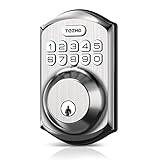
Overview: The TEEHO TE001 is a budget-friendly keypad deadbolt focusing on simplicity and reliability. It supports passcode entry, auto-locking, and physical keys, targeting renters or homeowners prioritizing ease of use over smart features.
What Makes It Stand Out: Its standout features include 20 customizable user codes, one-time guest PINs (auto-deleted after use), and flexible auto-lock settings (10–99 seconds). The IP54 rating and aluminum alloy build ensure weather resistance and durability without smart connectivity.
Value for Money: As an affordable, non-Wi-Fi option, it excels for basic keyless needs. Lasting 365 days on 4x AA batteries (not included) and including two physical keys, it outperforms cheaper locks in longevity and security at its price point.
Strengths and Weaknesses: Strengths: Intuitive setup, anti-peep keypad, low-battery indicator, and solid mechanical security. Weaknesses: No remote access or voice control; limited to keypad/key entry, and battery life hinges on usage frequency.
Bottom Line: A dependable, no-frills solution for those avoiding app complexity. Best for secondary doors or users seeking straightforward digital access without subscription fees.
3. Philips Wi-Fi Door Lock, WiFi Smart Lock Keyless Entry Deadbolt for Front Door, Compatible with Alexa & Google Assistant, Remote Control, Built-in WiFi, APP Fingerprint Passcode Unlock, Auto Locking

Overview: Philips’ Wi-Fi deadbolt merges fingerprint, keypad, and app control into a single hub-free system. It emphasizes voice compatibility and remote management, catering to families needing flexible access for guests or service providers.
What Makes It Stand Out: Support for 100 custom passcodes (including scheduled/one-time codes) and instant fingerprint unlocking are highlights. Built-in Wi-Fi enables true remote access, while Alexa/Google Assistant integration simplifies hands-free use—though it requires 2.4GHz networks within 65 feet.
Value for Money: Mid-priced but lacks included batteries, slightly diminishing value. Its 100-code capacity and voice control justify the cost versus basic keypad locks, though premium brands offer stronger security certifications.
Strengths and Weaknesses: Strengths: Extensive code management, fingerprint convenience, and seamless voice/app control. Weaknesses: No physical key backup in some models, 2.4GHz Wi-Fi limitation, and potential connectivity issues beyond 65 feet.
Bottom Line: A versatile pick for tech-integrated homes, but verify compatibility. Ideal for families needing guest access without compromising on remote features.
4. Schlage Encode Smart Wi-Fi Deadbolt Lock with Touchscreen Keypad, Keyless Front Door Entry, App Control, Alexa, Google Home and Airbnb Compatible, Matte Black, BE489WB CEN 622
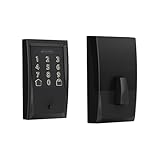
Overview: Schlage’s Encode is a premium smart deadbolt with BHMA-certified security, targeting users who prioritize reliability and high-end integration. It combines Wi-Fi, touchscreen, and app control for comprehensive access management.
What Makes It Stand Out: Industry-leading BHMA certification (highest residential rating), fingerprint-resistant keypad, and forced-entry alarms underscore its security. Built-in Wi-Fi enables remote control via the Schlage Home app, plus Airbnb compatibility and 100-code capacity.
Value for Money: Priced higher than competitors, but justified by BHMA validation, Schlage’s trusted build quality, and robust app features (custom notifications, lock history). Long-term durability offsets the initial investment.
Strengths and Weaknesses: Strengths: Unmatched security credentials, easy DIY installation, and reliable app/voice integration. Weaknesses: Costly upfront; auto-lock requires manual setup, and Wi-Fi range limitations mirror standard smart locks.
Bottom Line: The gold standard for security-conscious buyers. Worth the premium for primary doors where safety and seamless smart-home integration are non-negotiable.
5. TEEHO TE001 Keyless Entry Door Lock with Keypad - Smart Deadbolt Lock for Front Door with 2 Keys - Auto Lock - Easy Installation - Matte Black

Overview: Identical to Product 2 but in matte black, this TEEHO TE001 offers the same core functionality: keypad access, auto-lock, and physical keys. It’s a minimalist smart lock alternative for users avoiding app dependency.
What Makes It Stand Out: Like its sibling, it shines with 20 user codes, one-time guest PINs, and adjustable auto-lock (10–99 seconds). The matte black finish provides aesthetic versatility, while IP54 weatherproofing and aluminum alloy construction ensure resilience.
Value for Money: Exceptional for its price—delivering reliable keyless entry without subscriptions. The 365-day battery life (4x AA, not included) and included physical keys offer practicality rivaling costlier Wi-Fi models for basic needs.
Strengths and Weaknesses: Strengths: Simple installation, anti-peep keypad, low-battery alert, and sturdy build. Weaknesses: No smart features (remote/voice control), and auto-lock defaults to off, requiring manual activation.
Bottom Line: A pragmatic, affordable choice for straightforward digital access. Recommended for budget-focused users or secondary doors where smart capabilities aren’t essential.
6. ULTRALOQ Bolt SE Smart Lock, Built-in Wi-Fi, Matter Over Thread, Works with Apple Home, Alexa, Google, 7-in-1 Keyless Entry Deadbolt with Fingerprint ID, App, Keypad, Remote Control, 18 Months Battery
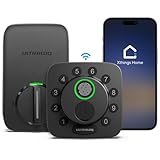
Overview: The ULTRALOQ Bolt SE is a premium keyless deadbolt offering seven access methods, including fingerprint recognition, smartphone control, and voice commands. It integrates Matter over Thread for enhanced smart home compatibility and boasts an impressive 18-month battery life, targeting users seeking robust security and seamless automation without a hub.
What Makes It Stand Out: Its standout feature is the true 7-in-1 access (fingerprint, app, keypad, keys, eKeys, web portal, voice control) combined with native 2.4GHz Wi-Fi and Matter support. The Thread mesh network enables reliable remote access and exceptional battery longevity, while Matter ensures future-proof integration across Apple Home, Alexa, and Google ecosystems without compatibility headaches.
Value for Money: Priced competitively for its feature set, it justifies its cost with hub-free Wi-Fi, Matter readiness, and biometric security. Alternatives often require separate hubs for Matter or lack fingerprint sensors, making this a cost-effective long-term investment despite the router proximity limitation (70ft).
Strengths and Weaknesses: Strengths: Extensive access options; excellent battery life; no hub needed for Wi-Fi; Matter simplifies smart home setup; real-time notifications. Weaknesses: Requires 2.4GHz Wi-Fi only; router must be within 70ft; Matter features need a Thread border router; fingerprint sensor may struggle with wet/dirty fingers.
Bottom Line: Ideal for tech-savvy homeowners prioritizing Matter integration and versatile access. Its reliability and feature depth make it a top-tier choice, though ensure your router placement meets requirements before buying.
7. Yale Security Assure Lock 2 Deadbolt, Black Suede Keyed Smart Entry Door Lock with Wi-Fi Connected Keypad for Code Entry and Remote Access, YRD410-WF1-BSP

Overview: Yale’s Assure Lock 2 is a Wi-Fi-enabled smart deadbolt designed for key-free convenience, featuring a keypad, app control, and Auto-Unlock. It replaces standard deadbolts easily and integrates with DoorSense technology to automate locking, focusing on user-friendly security for everyday home use in the U.S. and Canada.
What Makes It Stand Out: DoorSense is its crown jewel, enabling automatic locking upon door closure and hands-free Auto-Unlock as you approach. The dedicated Yale Access App provides intuitive remote management, real-time notifications, and flexible access sharing—all without requiring third-party hubs. Its sleek design and tool-free installation also enhance accessibility.
Value for Money: Offers solid value with reliable DIY installation and robust features at a mid-range price. While lacking biometrics, its Auto-Unlock and DoorSense provide premium convenience often found in costlier models. However, regional restrictions (U.S./Canada only) and 2.4GHz Wi-Fi dependency slightly limit appeal.
Strengths and Weaknesses: Strengths: Effortless DIY install; reliable DoorSense auto-lock; seamless Auto-Unlock; no hub needed; intuitive app. Weaknesses: U.S./Canada only; no fingerprint or Matter support; Auto-Unlock requires phone proximity; limited smart home ecosystem depth compared to Matter rivals.
Bottom Line: A superb choice for users wanting hassle-free automation and reliable security. Its DoorSense tech excels for peace of mind, though global buyers or Matter enthusiasts should consider alternatives.
8. eufy Security Smart Lock C30, Keyless Entry Door Lock, Built-in WiFi Keypad Deadbolt for Front Door, No Bridge Required, Easy Installation, App Remote Control, Reliable Power, BHMA Grade 3

Overview: The eufy Smart Lock C30 is a budget-friendly keyless deadbolt with built-in Wi-Fi, physical keypad buttons, and app control. It emphasizes durability, easy installation, and integration with eufy’s ecosystem (like doorbells), targeting value-conscious users seeking reliable, hub-free smart access without compromising security (BHMA Grade 3 certified).
What Makes It Stand Out: Its tactile physical keypad (more durable than touchscreens) and integrated Wi-Fi—requiring no bridge—deliver consistent reliability. Auto-lock customization, 24/7 customer support, and seamless pairing with eufy doorbells for unified routines distinguish it. The 15-minute DIY install suits renters or novices.
Value for Money: Exceptional for its price, offering BHMA certification, built-in Wi-Fi, and solid app functionality. Competitors often charge more for similar features or require separate hubs. The 18-month warranty and responsive support add significant trust, though the ecosystem is less expansive than Yale or ULTRALOQ.
Strengths and Weaknesses: Strengths: True no-bridge Wi-Fi; durable physical keypad; quick DIY install; strong warranty; excellent customer service. Weaknesses: Limited smart home compatibility (Alexa/Google only); no fingerprint or Matter; app less polished than rivals; eufy ecosystem lock-in for advanced features.
Bottom Line: A fantastic budget pick for reliable keyless entry. Prioritize it if you value simplicity, durability, and support—but seek broader integration elsewhere if using non-eufy devices.
9. Keypad Smart Door Lock with Knob, Yamiry Keyless Entry Digital Lock with Handle, Fingerprint Electronic Knob for Front Door

Overview: The Yamiry Keyless Entry Lock combines a smart knob (handle) with fingerprint recognition, targeting homes needing lever-style access. It offers five unlock methods via Bluetooth app control, with optional Wi-Fi gateway add-ons, and emphasizes physical security through aluminum construction for standard U.S. doors.
What Makes It Stand Out: As a rare smart knob (not deadbolt), it fits doors requiring lever handles. The aluminum build resists tampering, while fingerprint + key fob support adds versatility. The 30-day refund policy and lifetime support signal strong buyer confidence, appealing to those prioritizing physical durability.
Value for Money: Budget-priced but feels sturdy, justifying cost for knob-specific needs. However, the mandatory Wi-Fi gateway ($30–$50 extra) for remote access inflates the total price, making it less competitive against all-in-one deadbolts like ULTRALOQ or Yale.
Strengths and Weaknesses: Strengths: Aluminum durability; easy knob installation; multiple access options; responsive customer service; ideal for lever-handle doors. Weaknesses: Wi-Fi requires separate purchase; Bluetooth-only limits remote features; app functionality basic; fingerprint sensor reliability inconsistent in tests.
Bottom Line: A niche solution for lever-handle doors needing basic smart features. Avoid if remote access is essential—opt for built-in Wi-Fi models unless your door type mandates a knob.
10. August Home, Silver Wi-Fi Connected Smart Keyless Entry Door Lock, Electronic Door Lock Fits Your Existing Deadbolt in Minutes, AUG-SL05-M01-S01

Overview: August Home is a retrofit smart lock that mounts inside your door, transforming existing deadbolts into keyless systems. It installs in minutes without replacing hardware, offering app control, Auto-Unlock, and broad voice assistant compatibility—perfect for renters or those avoiding full deadbolt replacement.
What Makes It Stand Out: Its genius lies in preserving your current deadbolt while adding smart features. Installation is truly tool-free (10 minutes), and DoorSense enables precise auto-locking/unlocking. Compatibility with Alexa, Google, HomeKit, and SmartThings ensures broad smart home integration, unlike brand-locked rivals.
Value for Money: Mid-priced but offers unique convenience for its retrofit design. You avoid deadbolt replacement costs, and DoorSense adds premium automation. However, its Wi-Fi-only operation (no Matter) and lack of biometrics may disappoint tech-forward buyers seeking future-proofing.
Strengths and Weaknesses: Strengths: Non-destructive installation; excellent DoorSense tech; wide ecosystem support; intuitive app; great for renters. Weaknesses: No fingerprint or keypad; requires existing deadbolt; Wi-Fi range issues reported; battery life shorter (4–6 months) than Thread-based locks.
Bottom Line: The best retrofit option for effortless smart upgrades. Choose it if preserving your deadbolt matters—but pick ULTRALOQ or Yale if replacing hardware for advanced features.
Understanding Modern Smart Lock Capabilities
The smart lock market has matured significantly, shifting from novelty gadgets to essential home infrastructure. Today’s models prioritize reliability, intuitive interfaces, and proactive security rather than just flashy features. Understanding these core advancements is crucial for making an informed decision that aligns with your family’s long-term needs.
Essential Security Foundations
Before diving into bells and whistles, verify these non-negotiable security elements. Military-grade encryption (AES-128 or higher) protects communication between the lock and your devices, preventing eavesdropping on access codes. Look for physical tamper alerts that notify you immediately if someone attempts forced entry or removes the lock faceplate. Equally important is a robust audit trail—detailed logs showing exactly who accessed the door, when, and how (keypad, app, fingerprint, etc.). This isn’t just for security incidents; it’s invaluable for tracking after-school arrivals or contractor visits.
Power Resilience and Backup Options
Smart locks are useless if they die during a power outage or when batteries run low. Prioritize models with extended battery life (12+ months under normal use) and clear low-battery warnings sent directly to your phone. Crucially, ensure multiple physical backup methods exist: a traditional keyhole (though less secure) or an external power port for emergency charging via power bank. Avoid locks requiring frequent battery changes—this is a common pain point for busy households where maintenance tasks get overlooked.
Seamless Smart Home Integration
Your lock shouldn’t operate in isolation. Evaluate how deeply it integrates with your existing ecosystem. True interoperability means more than basic voice commands; it involves creating meaningful automations. Can the lock automatically engage when your security system arms? Does it trigger hallway lights when unlocked after dark? Verify compatibility with major platforms like Apple Home, Google Home, and Amazon Alexa, and check if it supports Matter protocol for future-proofing against platform shifts.
Prioritizing Family-Centric Features
Tech-savvy families need solutions that accommodate diverse users and unpredictable schedules. The right lock adapts to your household’s unique dynamics rather than forcing everyone to conform to rigid access rules.
Flexible Access Management for All Ages
Managing permissions for teens, grandparents, and service providers requires granular control. Seek systems allowing customizable access schedules—like enabling a cleaning crew only on Tuesdays from 9 AM–12 PM—or one-time temporary codes that expire after a single use. For older children, consider features like “arrival notifications” that alert you when they unlock the door after school, without needing constant location tracking. Avoid solutions that limit the number of user profiles; growing families need scalability.
Intuitive User Experience for Non-Tech Users
Not everyone in your household will be a gadget enthusiast. The lock interface must be foolproof for kids, elderly relatives, or babysitters. Touchscreens should have responsive backlighting for nighttime use, and voice guidance (with volume control) can assist visually impaired users. Test the mobile app’s simplicity: adding a new user or generating a temporary code should take under 30 seconds. Complicated setup processes lead to frustrated family members resorting to less secure workarounds.
Child Safety Enhancements
Beyond basic locking, consider features that actively prevent accidents. Some advanced models include “child lock” modes that disable interior thumbturns to stop toddlers from wandering outside, while others detect if the door was left ajar and send persistent alerts. For homes with very young children, look for locks that integrate with motion sensors to trigger automatic re-locking if the door isn’t fully closed within a set timeframe.
Installation and Physical Considerations
A lock’s brilliance means nothing if it’s incompatible with your door or requires professional installation that delays setup. Assess these practical factors upfront to avoid costly mistakes.
Door and Hardware Compatibility Checks
Measure your door’s backset (distance from edge to center of knob hole) and bore hole size before purchasing—many standard interior door locks won’t fit exterior preps. Verify if your door has a deadbolt cylinder or uses a latch-only mechanism, as smart locks have different requirements. Crucially, test your door’s alignment; a sagging door that doesn’t close tightly will cause constant “door ajar” alerts and prevent reliable auto-locking. Bring these measurements to any retailer or consult detailed compatibility guides online.
DIY-Friendly Installation Design
While some locks still require wiring or drilling, the trend is toward tool-free upgrades. Look for models that replace only the interior assembly while keeping your existing exterior key cylinder—this minimizes visible changes and preserves your home’s aesthetics. Magnetic mounts, slide-in brackets, and color-coded wiring significantly reduce installation time. Check if the manufacturer provides clear video tutorials; avoid systems demanding complex router configurations or hub purchases unless your home already has that infrastructure.
Weather Resistance and Durability Testing
Exterior locks face extreme conditions. Ensure your choice has an IP65 rating or higher for dust and water resistance, especially if mounted on an uncovered porch. For homes in harsh climates, verify operational temperature ranges (some fail below 14°F/-10°C). Also, inspect the materials: zinc alloy or stainless steel exteriors withstand impacts better than plastic, and textured finishes hide scratches from daily use.
Connectivity and Future-Proofing
Technology evolves rapidly, and your smart lock shouldn’t become obsolete in two years. Prioritize systems built for longevity and adaptability.
Wireless Protocol Reliability
Wi-Fi models offer direct app control but drain batteries faster and depend on your home network. Bluetooth locks conserve power but require proximity for most functions. Hybrid models using Bluetooth Low Energy (BLE) for daily use with optional Wi-Fi bridges strike the best balance. Avoid older Z-Wave/Zigbee locks unless you already have a compatible hub; Matter over Thread is emerging as the unified standard for seamless cross-platform reliability in 2026.
Regular Security Updates and Support
Firmware vulnerabilities are inevitable—what matters is how quickly they’re patched. Research the manufacturer’s update history: Do they provide security patches quarterly? Is there a clear end-of-life policy? Avoid brands that haven’t updated firmware in over a year, as these become hacker targets. Also, confirm cloud service longevity; some companies discontinue support for older models, rendering remote features useless.
Scalability for Home Expansion
Consider how the lock fits into your broader smart home roadmap. Can it integrate with future security cameras for facial recognition unlocks? Does it support geofencing that works alongside your smart thermostat? Choose systems from brands actively expanding their ecosystem partnerships rather than closed-platform solutions that limit your options as your needs grow.
Privacy and Data Handling Essentials
Smart locks collect sensitive data about your comings and goings—a treasure trove for marketers or hackers if mishandled. Scrutinize privacy practices as rigorously as technical features.
Local Processing vs. Cloud Dependency
Locks that process access decisions locally (on the device or a home hub) minimize data exposure compared to those requiring constant cloud communication. For example, local fingerprint matching keeps biometric data off servers. If cloud features are essential, verify data is anonymized and never sold to third parties. Check if the manufacturer offers an option to disable non-essential data collection.
Transparent Data Retention Policies
Review how long access logs and usage data are stored. Reputable companies allow you to set automatic log deletion after 30–90 days. Avoid services that retain indefinitely or monetize your movement patterns. Also, confirm if you can export or delete your data entirely—a requirement under modern privacy laws like GDPR and CCPA.
User-Controlled Permissions
You should dictate exactly what data each family member shares. Can teens disable location sharing for geofencing? Can you restrict babysitter access to only view their own entry times? Granular permission settings prevent overexposure and teach digital responsibility to older children.
Cost Analysis Beyond the Price Tag
Evaluating value requires looking past the initial purchase cost to long-term ownership expenses and risk mitigation.
Total Cost of Ownership Calculation
Factor in hidden costs: professional installation fees, subscription services for video features, or frequent battery replacements. Some “budget” locks require proprietary batteries costing $10 each, while standard AA models cost pennies. If the lock enables you to skip rekeying costs after tenant turnover or lost keys, it quickly pays for itself. Calculate savings over 3–5 years for an accurate comparison.
Warranty and Support Realities
A 2-year warranty is standard, but top brands now offer 3+ years with free firmware support. Check what’s covered: Does accidental damage (like a slammed door) void the warranty? Is phone/chat support available 24/7 for security emergencies? Avoid brands with outsourced support teams that can’t resolve technical issues without escalating.
Insurance and Liability Implications
Some home insurers offer discounts for smart security systems, but verify if your specific lock model qualifies. More importantly, understand liability if a security flaw leads to a break-in—reputable manufacturers carry cybersecurity insurance that may cover losses. Document your setup thoroughly; insurers might deny claims if locks weren’t installed per guidelines.
Frequently Asked Questions
Frequently Asked Questions
Can smart locks be hacked, and how do I prevent it?
All internet-connected devices carry some risk, but modern locks use bank-level encryption and regular security patches. Reduce vulnerability by using strong, unique passwords, enabling two-factor authentication, keeping firmware updated, and avoiding public Wi-Fi for lock management.
What happens during a power outage or internet failure?
Quality locks operate on batteries lasting 6–12 months. Most maintain core functions (keypad entry, manual locking) without internet. Critical features like remote access or auto-locking may pause until connectivity resumes, but physical access remains possible via backup methods.
Are biometric smart locks reliable for children’s fingerprints?
Fingerprints change as kids grow, so pure fingerprint locks often frustrate younger children. Opt for hybrid systems combining PIN codes with biometrics, or use facial recognition (if supported), which adapts better to gradual changes. Avoid fingerprint-only models for households with kids under 10.
Can I install a smart lock on my front door without replacing the entire deadbolt?
Most modern smart locks are designed as retrofit kits that replace only the interior assembly while using your existing deadbolt cylinder. Always verify compatibility with your door’s dimensions and existing hardware before purchasing.
How do I grant temporary access to a dog walker without sharing my main code?
Reputable systems let you generate time-limited, single-use access codes via your app. Set specific dates/times (e.g., “Tues/Thurs 10 AM–11 AM”) or one-time codes that expire after first use—no need to change your primary code afterward.
Will voice control work if my phone battery dies?
Yes, if your lock integrates with a smart speaker (like HomePod or Echo) that’s plugged in. You can use voice commands (“Hey Google, lock the front door”) independently of your phone, provided the speaker has an active internet connection.
Are smart locks safe for homes with elderly residents?
Absolutely—they eliminate fumbling with keys, which is crucial for those with arthritis or vision issues. Look for large-button keypads, voice guidance, and physical backup keys. Avoid complex app-dependent setups; prioritize models with intuitive manual overrides.
Can pets accidentally trigger auto-unlock features?
Geofencing-based unlocking relies on your phone’s location, so pets won’t trigger it. However, if using motion-activated lights tied to unlocking, position sensors to avoid pet pathways. Most systems require deliberate actions (like entering a code) to unlock.
How often do I need to replace the batteries?
Most quality models last 6–12 months on standard AA or CR123 batteries. You’ll receive multiple app notifications (and audible beeps) when batteries dip below 20%, giving ample time to replace them before failure.
Do I still need to carry a physical key?
While not always necessary, keeping one emergency key in a secure off-site location (like a trusted neighbor’s house) is wise. Some locks lack traditional keyholes for security reasons, so verify backup access methods—many offer external USB-C ports for emergency power.