Ever been jolted awake at 2 AM by a piercing security alarm, only to realize your cat brushed against the sensor or a sudden gust of wind tripped the system? False alarms aren’t just annoying—they erode trust in your entire security setup, leading to dangerous complacency. You invest in protection to feel safe, not to constantly second-guess every alert or endure the embarrassment of summoning authorities for a non-threat. The frustration is real, and for many homeowners and business operators, it’s a daily battle undermining the very purpose of their security investment.
The culprit often lies in poorly chosen or improperly installed door and window sensors. Surface-mounted contacts, while common, are highly susceptible to environmental interference, physical tampering, and misalignment issues, especially on frequently used or heavy doors. Recessed door sensors offer a sophisticated solution designed to minimize these false triggers. By embedding the sensor components within the door frame and door edge itself, they achieve a level of stability, protection, and precision that surface models simply can’t match. Understanding how to select and implement the right recessed sensor is the critical first step towards achieving truly reliable, silent security you can depend on.
Top 10 Recessed Door Sensors
Detailed Product Reviews
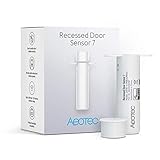
1. Zwave Door Sensor Aeotec Recessed Door Sensor 7, Z-Wave Plus Enabled Smart Door Sensor Battery Powered, SmartStart S2, Zwave Hub Required SmartThings Fibaro Home Centre 3 Hubitat
Overview:
The Aeotec Recessed Door Sensor 7 is a Z-Wave Plus V2 battery-powered smart sensor designed for seamless integration into advanced smart home ecosystems. Requiring a Z-Wave hub (e.g., SmartThings, Hubitat), it monitors door/window status via a recessed magnetic contact system, prioritizing security and ease of use.
What Makes It Stand Out:
SmartStart simplifies setup via QR code scanning, eliminating complex pairing. Its Z-Wave S2 security framework offers robust encryption, while 66% lower power consumption extends battery life to 3+ years. Compatibility spans major hubs (HomeSeer, Domoticz), and the recessed design ensures discreet, tamper-resistant installation.
Value for Money:
Priced mid-to-high for smart sensors, it justifies cost through longevity, top-tier security, and universal hub support. Cheaper alternatives lack S2 security or SmartStart convenience, making this a worthwhile investment for serious smart home users.
Strengths and Weaknesses:
Strengths: Exceptional battery life; effortless SmartStart setup; military-grade S2 security; broad hub compatibility; recessed aesthetics. Weaknesses: Requires separate Z-Wave hub (additional cost); recessed installation demands precise carpentry; limited to Z-Wave ecosystems.
Bottom Line:
Ideal for tech-savvy users with Z-Wave hubs seeking secure, low-maintenance monitoring. Its premium features and reliability justify the price, though beginners may find hub dependency daunting. Highly recommended for integrated smart homes.
2. Magnetic Door Switch RC-33 NC Recessed Wired Security Window Door Contact Sensor Alarm White- (5 Sets)

Overview:
The RC-33 is a basic, recessed wired magnetic contact sensor sold in 5-packs for traditional security systems. Operating as a Normally Closed (NC) circuit, it triggers alarms when doors/windows open by breaking the circuit, targeting DIY or professional alarm installations.
What Makes It Stand Out:
Its value lies in simplicity and bulk affordability. The recessed design offers clean aesthetics and tamper resistance, while NC functionality ensures fail-safe operation (alarm triggers if wires are cut). Compact ABS housing suits discreet placements on metal or wood surfaces.
Value for Money:
Exceptionally cost-effective for large-scale installations—significantly cheaper per unit than wireless alternatives. Best for users with existing wired alarm systems avoiding subscription fees, though installation labor may offset savings.
Strengths and Weaknesses:
Strengths: Low cost per sensor; reliable NC circuit; recessed for stealth; durable ABS build; easy wiring via terminals. Weaknesses: Requires wired alarm system (no smart home integration); manual installation with drilling/wiring; no battery backup; limited to basic open/close detection.
Bottom Line:
A pragmatic choice for budget-conscious users expanding wired security setups. Lacks smart features but excels in reliability and value for pure alarm systems. Avoid if seeking app control or wireless convenience.
3. MC-33C Normally Closed Recessed Window Door Contact Sensor Alarm Magnetic Reed Switch - (2 Sets)

Overview:
The MC-33C is a recessed wired magnetic reed switch sold in 2-packs, designed for integration with commercial/residential alarm and access control systems. As a Normally Closed (NC) sensor, it breaks the circuit when doors/windows open, activating alarms.
What Makes It Stand Out:
Terminal block wiring simplifies connections versus soldering, and its recessed profile ensures a clean, professional finish. Compatibility spans all major alarm panels and card-access systems, making it versatile for retrofits or new security installations.
Value for Money:
Offers moderate savings over single-unit purchases, ideal for small-scale projects. While not as cheap per unit as bulk packs (e.g., RC-33), its terminal blocks reduce installation time, balancing initial cost with labor efficiency.
Strengths and Weaknesses:
Strengths: Tool-free terminal wiring; broad alarm system compatibility; discreet recessed fit; robust for metal surfaces; NC fail-safe security. Weaknesses: Wired-only (no wireless/smart features); requires drilling; no battery backup; limited to basic intrusion detection.
Bottom Line:
A solid, no-frills option for electricians or DIYers adding sensors to existing alarm systems. Prioritizes reliability over innovation—perfect for functional security but irrelevant for smart home enthusiasts.
4. Qolsys QS1134-840 IQ Wireless S-Line Encrypted Recessed Door/Window Sensor

Overview:
This wireless recessed sensor pairs with 319.5 MHz panels (e.g., Qolsys IQ, GE/Interlogix) to monitor doors/windows. It features S-Line encryption and intelligent alerts like “door left open,” targeting users of compatible security systems needing encrypted, reliable detection.
What Makes It Stand Out:
S-Line encryption prevents signal hijacking, while the 600-foot wireless range ensures coverage in large homes. Unique “left open” notifications add practical utility beyond basic alerts, and the recessed design maintains aesthetics without surface hardware.
Value for Money:
Priced competitively for encrypted sensors, it outperforms non-encrypted alternatives in security. Essential for Qolsys/Interlogix users—cheaper sensors risk vulnerabilities, making this a necessary investment for safety-conscious households.
Strengths and Weaknesses:
Strengths: Military-grade encryption; 600-ft range; “door left open” alerts; recessed installation; battery-powered simplicity. Weaknesses: Limited to 319.5 MHz panels (no Z-Wave/Zigbee); recessed install requires precision; no smart home app integration.
Bottom Line:
A top pick for owners of compatible security systems seeking encrypted, reliable monitoring. Its specialized compatibility is a constraint, but security benefits make it indispensable for its target audience.
5. Universal Recessed Door & Window Sensor, 345 MHz Wireless, Compatible with Honeywell, 2GIG, and Vivint Security Systems

Overview:
This universal 345 MHz wireless sensor offers recessed installation for doors/windows, compatible with Honeywell, 2GIG, and Vivint systems. It provides clean aesthetics, tamper resistance, and long-range detection for professional or residential security setups.
What Makes It Stand Out:
The 5-year battery life and fully concealed design eliminate visible hardware, preserving interior aesthetics while resisting tampering. Optimized for stable magnetic alignment, it minimizes false alarms from pets or daily use—ideal for high-end installations.
Value for Money:
Mid-priced but delivers exceptional longevity and professional finish. Competes well against brand-specific sensors (e.g., Honeywell’s costlier OEM parts), offering similar reliability at better value for multi-system integrators.
Strengths and Weaknesses:
Strengths: 5-year battery; invisible recessed fit; pet-resistant stability; broad compatibility; tamper-proof. Weaknesses: Requires compatible 345 MHz panel; recessed install is labor-intensive; no smart home features; limited to security systems.
Bottom Line:
An excellent choice for homeowners and installers prioritizing aesthetics and reliability in professional security setups. Avoid for smart homes, but unmatched for seamless, long-lasting intrusion detection in supported ecosystems.
6. Abode Recessed Door Sensor | Know When Your Doors Or Windows are Opened Or Closed | Works with Apple HomeKit & Alexa

Overview:
The Abode Recessed Door Sensor is a discreet smart home security device designed to blend invisibly within door or window frames. It triggers alarms and sends mobile notifications upon detecting openings, integrating with Apple HomeKit and Alexa ecosystems for voice control and automation.
What Makes It Stand Out:
Its near-invisible recessed installation and decade-long battery life are exceptional. Seamless compatibility with HomeKit and Alexa enables advanced automations (e.g., turning on lights when doors open). Unlike basic sensors, it avoids unsightly surface mounting while offering robust smart-home integration.
Value for Money:
Priced moderately, its value hinges on existing Abode gateway ownership (iota or Smart Security Kit). Without the gateway (sold separately), the total cost becomes steep versus standalone alternatives. Ideal for Abode/HomeKit users prioritizing aesthetics and longevity, but less compelling for budget-focused buyers.
Strengths and Weaknesses:
Strengths: Ultra-discreet design; 10-year battery; reliable HomeKit/Alexa integration; no false triggers from minor vibrations.
Weaknesses: Requires gateway (additional $); drilling for installation is mandatory; HomeKit needs specific Abode gateway pairing; limited to Abode ecosystem.
Bottom Line:
A premium choice for Abode or Apple HomeKit users seeking invisible, long-lasting door/window monitoring. Avoid if you lack the gateway or prefer standalone, budget-friendly sensors.
7. safycaby 5 Sets Magnetic Door Switch RC-33 NC Recessed Wired Security Window Door Contact Sensor Alarm Magnetic White Normal Closure(NC)

Overview:
This 5-pack of recessed RC-33 NC magnetic switches offers basic wired security for doors and windows. Designed for integration with alarm systems, it uses a normally closed (NC) circuit to detect intrusions via magnetic separation, featuring flame-retardant ABS construction.
What Makes It Stand Out:
The fail-safe NC design ensures alarms trigger during power loss—a critical security advantage. The 15–25mm activation range accommodates most door/window gaps, while the recessed fit maintains aesthetics. Its compatibility with diverse systems (burglar alarms, access control) adds versatility.
Value for Money:
Excellent value for bulk buyers needing reliable wired sensors. At ~$1–2 per unit, it undercuts smart sensors while delivering industrial-grade reliability. Ideal for whole-home coverage in DIY or professional setups, though wiring effort offsets some savings.
Strengths and Weaknesses:
Strengths: Fail-safe NC operation; fire-resistant ABS housing; wide 25mm detection range; low cost per unit; easy retrofit into existing alarm systems.
Weaknesses: Requires wiring expertise; no wireless/smart features; installation is labor-intensive; limited to NC-configured systems.
Bottom Line:
A cost-effective, reliable wired solution for traditional security systems. Best for DIYers or professionals prioritizing fail-safe intrusion detection over smart capabilities.
8. 5 Sets Magnetic Door Switch RC-33 NC Recessed Wired Security Window Door Sensor Alarm Contact Sensor for Alarm System (White)

Overview:
This 5-pack of RC-33 NC recessed sensors provides fail-safe intrusion detection for doors, windows, or cabinets. Built for wired alarm systems, it uses normally closed (NC) circuitry that triggers alarms when magnets separate—ensuring reliability even during power failures.
What Makes It Stand Out:
Its fail-safe NC operation is paramount: circuits break only on intrusion, activating alarms during outages. The 24AWG UL-rated wiring and fire-resistant ABS shell guarantee safety and durability. Precision 15–25mm actuation minimizes false alarms while supporting 110V applications.
Value for Money:
Outstanding value for comprehensive security coverage. At ~$1.50/unit, it’s cheaper than most wireless alternatives while offering superior fail-safe performance. Essential for budget-conscious users needing reliable, whole-property protection without recurring fees.
Strengths and Weaknesses:
Strengths: True fail-safe during power loss; robust 110V/10W tolerance; UL-rated wiring; 5-pack affordability; versatile for homes/offices/warehouses.
Weaknesses: Wired-only (no wireless); requires technical installation; NC configuration may confuse beginners; no smart integrations.
Bottom Line:
A top-tier wired sensor for fail-safe security. Highly recommended for wired alarm systems where reliability trumps smart features, especially for large-scale deployments.
9. bnafes MC-33C Normally Closed Recessed Window Door Contact Sensor Alarm Magnetic Reed Switch - (5 Sets)

Overview:
This 5-pack of MC-33C NC recessed sensors delivers fundamental wired security for metal doors/windows. Using normally closed (NC) magnetic reed switches, it triggers alarms when contacts separate—ideal for anti-theft setups in residential or commercial spaces.
What Makes It Stand Out:
Optimized for metal frames (unlike many plastic-focused sensors), it ensures stable mounting and detection. The terminal block wiring simplifies connections to alarms or automation systems. Its NC logic provides fail-safe operation, critical for security integrity during power cuts.
Value for Money:
Exceptional value for metal-door applications. The 5-pack price (~$8–10) averages under $2 per sensor, undercutting specialty metal-frame alternatives. Perfect for securing sliding doors, gates, or warehouses where metal compatibility is non-negotiable.
Strengths and Weaknesses:
Strengths: Metal-frame optimized; fail-safe NC circuit; terminal block for easy wiring; affordable bulk pricing; flame-resistant housing.
Weaknesses: Limited to wired systems; no wireless/smart features; installation requires drilling; NC operation demands system compatibility.
Bottom Line:
The go-to choice for securing metal doors/windows on a budget. Prioritize this over generic sensors if metal frames are involved—just confirm your system supports NC wiring.
10. Honeywell Ademco 5818MNL Recessed Door Transmitter

Overview:
The Honeywell 5818MNL is a wireless recessed door/window transmitter for Honeywell/Ademco security systems. It offers concealed protection with a magnetic contact sensor, transmitting alerts to compatible control panels upon opening.
What Makes It Stand Out:
Its industry-leading 1+ mile outdoor range ensures reliability in large properties. The tapered 0.75" cylinder design enables flush, invisible installation, while the replaceable AAA lithium battery balances convenience with longevity. Honeywell’s reputation for durability adds trust.
Value for Money:
Priced higher than basic wired sensors, it justifies cost with wireless flexibility and Honeywell’s proven reliability. Ideal for retrofits where wiring is impractical, though the panel dependency (Ademco 5800-compatible) limits ecosystem versatility.
Strengths and Weaknesses:
Strengths: Exceptional 1+ mile range; near-invisible recessed fit; easy battery replacement; robust Honeywell build; wide 0.5" activation gap.
Weaknesses: Requires Honeywell panel; AAA battery (shorter life than 10-year options); higher upfront cost; limited to Honeywell ecosystems.
Bottom Line:
A premium wireless solution for Honeywell system owners needing long-range, discreet monitoring. Opt for this if you prioritize reliability and range over multi-platform compatibility.
Understanding Recessed Door Sensors: Beyond the Basics
Recessed door sensors, also known as in-frame or embedded contact sensors, represent a significant evolution in perimeter security technology. Unlike their surface-mounted counterparts that attach visibly to the door and frame, recessed sensors are installed inside pre-drilled holes within the door edge and the corresponding section of the door frame. This fundamental design difference is the key to their superior performance in preventing false alarms.
How Recessed Sensors Differ from Surface-Mounted Options
The most apparent distinction is physical placement. Surface sensors sit exposed, vulnerable to accidental bumps, deliberate tampering, paint buildup, or even curious pets. Recessed sensors, hidden within the wood or metal, are inherently shielded from these common triggers. This internal positioning also minimizes the impact of door flexing or settling over time, a frequent cause of misalignment and false triggers in surface models. The result is a more stable, less intrusive security component.
The Core Technology: Magnetic Contacts Explained
At their heart, most recessed door sensors rely on magnetic reed switch technology. A small, powerful magnet is embedded within the moving door edge. A corresponding reed switch (the actual sensor) is installed within the stationary door frame, precisely aligned with the magnet when the door is closed. When the door closes, the magnet’s field holds the reed switch contacts closed. Opening the door moves the magnet away, breaking the magnetic field and causing the reed switch contacts to open, which the security system interprets as a breach. The precision of this alignment within the recessed cavity is crucial for reliability.
Why Recessed Installation Minimizes False Alarms
The recessed design tackles false alarms at their source. Being enclosed protects the sensitive magnet and reed switch from external interference like weather extremes, dust, debris, or physical contact. The tight, controlled environment within the frame significantly reduces the chance of minor door movement (like thermal expansion or slight settling) accidentally breaking the magnetic connection. This inherent stability means the sensor only triggers when the door is truly opened, not due to environmental noise or minor shifts.
Critical Features to Evaluate for Maximum Reliability
Choosing the right recessed sensor isn’t just about hiding it in the wood; specific features directly impact its ability to deliver consistent, false-alarm-free performance. Focusing on these elements ensures you get the reliability you need.
Magnet Strength and Stability: The Foundation of Accuracy
The magnet’s holding force (measured in Gauss) is paramount. A magnet that’s too weak might release prematurely due to vibration or minor door movement, causing false alarms. Conversely, an excessively strong magnet could make the door harder to open or risk damaging the reed switch over time. Look for sensors specifying an optimal pull force range suitable for your door type and usage frequency. Stability is equally important; the magnet must be securely potted within its housing to prevent shifting inside the recess.
Reed Switch Quality and Sensitivity Tuning
The reed switch itself is the sensor’s “nervous system.” High-quality switches use durable, corrosion-resistant materials and precise manufacturing for consistent contact performance over thousands of cycles. Sensitivity matters too – some advanced models offer adjustable sensitivity. This allows fine-tuning to ensure the switch reliably opens only when the door is intentionally opened beyond a safe threshold, ignoring insignificant movement, but without being so insensitive that it fails to trigger during an actual intrusion.
Housing Material and Construction Durability
Since the sensor lives inside your door frame, the housing must withstand years of environmental exposure – humidity, temperature swings, and potential condensation. Opt for sensors with housings made from robust, non-corrosive materials like high-impact nylon, polycarbonate, or anodized aluminum. Avoid cheap plastics that can become brittle over time. The housing should also provide excellent strain relief for the wiring to prevent internal damage from door movement.
Installation Factors: Where Performance Meets Reality
Even the best sensor will fail if installed incorrectly. Proper installation is non-negotiable for achieving the false-alarm immunity recessed sensors promise. It demands precision and attention to detail.
Achieving Perfect Alignment: The Make-or-Break Step
This is arguably the most critical aspect. The magnet and reed switch must align perfectly within their respective recesses when the door is closed. Even a 1/16th inch misalignment can cause intermittent connections or premature triggering. Use precise drilling jigs specifically designed for the sensor model, and double-check alignment with the door fully closed before securing the components. Test the alignment repeatedly before final installation.
Drilling Precision and Depth Control
Creating clean, accurately sized, and correctly positioned holes in the door and frame requires the right tools and technique. Standard drill bits can wander; specialized step bits or Forstner bits designed for sensor installation provide cleaner holes. Depth stops are essential to ensure the magnet and sensor sit flush or slightly below the surface, preventing damage when the door closes. Measure twice, drill once – mistakes here are hard to fix.
Wiring Considerations for Long-Term Reliability
How you route and secure the sensor wires matters immensely. Wires must have enough slack to allow full door movement without tension but not so much that they get pinched or kinked inside the door cavity. Use proper wire channels or conduits within the door stile if possible. Ensure all wire connections to the sensor and the security system panel are secure, soldered (where appropriate), and protected from vibration. Loose wires are a common source of intermittent faults that mimic false alarms.
Environmental and Usage Considerations
Your specific environment and how the door is used play a huge role in sensor performance. Choosing components suited to these factors is essential for minimizing false triggers.
Weatherproofing for Exterior Doors
Exterior doors face the harshest conditions: rain, snow, extreme heat, and freezing cold. Standard interior sensors will fail quickly. For exterior use, select recessed sensors explicitly rated for outdoor/wet locations (look for IP65, IP66, or IP67 ratings). This means sealed housings, corrosion-resistant materials, and potting compounds that prevent moisture ingress, which is a major cause of internal short circuits and false alarms.
Handling Heavy or High-Traffic Doors
Garage doors, commercial entry doors, or frequently used main entrances exert significant stress. Standard sensors may not withstand the constant vibration and movement. Seek models specifically engineered for heavy-duty or high-cycle applications. These often feature reinforced housings, stronger magnets, and reed switches designed for millions of operations. Consider the door’s weight and swing speed when selecting.
Dealing with Door Flex and Material Movement
All doors, especially larger ones or those made from certain materials (like some hollow-core or metal doors), flex slightly when opened and closed. This movement can misalign poorly installed sensors. Choose sensors with a slightly wider “operating gap” tolerance if your door has noticeable flex. Ensure the recesses are drilled deep enough so the components aren’t compressed when the door closes under normal use, which can also cause false triggers.
Compatibility and System Integration
Your recessed sensor is only as good as its connection to the rest of your security ecosystem. Seamless integration prevents communication errors that can manifest as false alarms.
Matching Voltage and Current Requirements
Security panels supply specific voltage and current levels to sensors. Using a sensor not rated for your panel’s specifications (e.g., 12V vs. 24V, dry contact vs. powered) can lead to erratic behavior, failure to communicate, or even damage. Always verify the sensor’s electrical compatibility with your specific alarm control panel model before purchasing.
Understanding Wired vs. Wireless Options
Recessed sensors come in both wired and wireless varieties. Wired sensors offer the most reliable, consistent connection but require running physical wires back to the panel, which can be complex during retrofits. Wireless recessed sensors use batteries and communicate via radio frequency (RF), simplifying installation but introducing potential RF interference issues or battery failure points. Choose based on your system’s capabilities and installation constraints, weighing the pros and cons for reliability.
Addressing Supervision and Tamper Features
Modern security systems rely on “supervision” – the panel constantly checks that sensors are connected and functioning. Ensure your recessed sensor supports the supervision protocol (like End-of-Line Resistors - EOLRs - for wired systems or specific wireless supervision signals) required by your panel. Built-in tamper switches (triggering an alarm if someone tries to remove the sensor from its recess) are also a valuable feature for preventing deliberate sabotage that could cause false disarming.
Maintenance Practices for Sustained Performance
Recessed sensors are low-maintenance, but neglecting simple checks can lead to degraded performance and, eventually, false alarms creeping back in.
Periodic Alignment Verification
Over months and years, subtle shifts in the building structure or door hardware can nudge the magnet and reed switch out of perfect alignment. Make it a habit during routine security system testing (e.g., quarterly) to verify the sensor triggers reliably only when the door is opened fully. Listen for a clean “click” sound from the reed switch when the door closes. If triggering becomes inconsistent, check alignment.
Cleaning Sensor Cavities
Dust, sawdust from renovations, or even insect debris can accumulate inside the recessed holes over many years, potentially interfering with the magnet or switch. During alignment checks, gently blow out the cavities with compressed air (use low pressure) to keep them clear. Avoid using liquids or solvents inside the recesses.
Battery Checks for Wireless Models
If using wireless recessed sensors, adhere strictly to the manufacturer’s battery replacement schedule. Low battery voltage is a leading cause of intermittent wireless communication failures, often interpreted by the panel as a sensor fault or false alarm. Many systems provide low-battery alerts; heed them promptly.
Maximizing Long-Term Value and Reliability
Investing in recessed sensors is an investment in peace of mind. Taking steps to ensure their longevity protects that investment and keeps false alarms at bay for years.
Prioritizing Quality Over Initial Cost
While recessed sensors might have a higher upfront cost than basic surface models, view it as insurance against the much higher costs of false alarms: wasted emergency services time, potential fines from authorities, and the intangible cost of eroded security confidence. Higher-quality sensors use better materials, more precise manufacturing, and robust designs that pay off in decades of reliable service, not just months.
Documentation and Future Reference
Keep a simple log of your sensor installations: location, model number (if applicable for your reference), installation date, and any specific alignment notes. This is invaluable if you ever need to troubleshoot an issue years later or replace a single sensor. Take a clear photo of the sensor placement inside the recess before closing up the door – it’s a huge help for future reference.
Knowing When to Consult a Professional
While DIY installation is possible for the handy homeowner, complex doors (historical, metal, very heavy), critical security points, or lack of confidence in precision drilling make professional installation a wise choice. A certified security installer has the specialized tools, experience, and knowledge to ensure perfect alignment and integration, maximizing the sensor’s false-alarm prevention capabilities from day one. It’s often worth the investment for core entry points.
Frequently Asked Questions
Frequently Asked Questions
How do recessed sensors actually prevent false alarms better than surface-mounted ones? Recessed sensors are protected inside the door and frame, shielding the magnet and switch from bumps, weather, paint, and debris that commonly trigger surface sensors. This enclosed environment also minimizes false alarms caused by minor door flexing or settling, as the components are held in precise, stable alignment.
Can I install recessed sensors myself, or do I need a professional? While skilled DIYers can install them with the right tools (specific drill bits, jigs), achieving perfect alignment requires precision. Mistakes are hard to fix. For critical doors, heavy doors, or if you lack woodworking experience, professional installation is highly recommended to ensure optimal false-alarm prevention.
What’s the most common mistake that causes false alarms with recessed sensors? Improper alignment during installation is the #1 culprit. If the magnet and reed switch aren’t positioned precisely within their recesses when the door is closed, even slight movement can break the connection, triggering a false alarm. Rushing the alignment check guarantees future problems.
Are recessed sensors suitable for all types of doors (wood, metal, glass)? They work excellently on solid wood doors. For metal doors, special considerations are needed: ensure the sensor housing isn’t compressed by the metal (use spacers if needed) and verify the magnet strength isn’t affected by the metal frame. They are generally not suitable for standard glass doors due to the lack of material to recess into.
Do recessed sensors require batteries? Wired recessed sensors draw power from the security system and do not need batteries. Wireless recessed sensors do require batteries, typically lasting 3-5 years, and low battery is a common cause of intermittent faults that can mimic false alarms.
How do I know if my door’s movement is causing false alarms? Test systematically: Close the door normally and see if the alarm trips immediately (indicates misalignment). Gently push/pull the closed door in different directions (top, bottom, sides). If the alarm trips with minor pressure, the sensor is likely too sensitive for the door’s natural flex, or alignment is off.
Can extreme temperatures cause problems for recessed sensors? Quality sensors designed for exterior use (with proper IP ratings) handle temperature extremes well. However, very rapid, significant temperature swings could cause minute material expansion/contraction. Using sensors rated for your climate zone and ensuring proper installation depth minimizes this rare risk.
What does “operating gap” mean, and why is it important? The operating gap is the maximum distance the magnet can move away from the reed switch before the contact opens (triggering the alarm). A slightly larger gap tolerance (e.g., 1/4 inch vs 1/8 inch) provides more forgiveness for doors that flex significantly, reducing false alarms caused by normal movement.
How often should I check my recessed sensors for potential issues? Include them in your routine security system test (at least quarterly). Visually check for debris in the recesses during alignment verification. For wireless models, replace batteries proactively per the manufacturer’s schedule or when the system alerts you.
Are recessed sensors more expensive than surface-mounted ones? Yes, the sensors themselves and the installation (due to required precision drilling) typically have a higher initial cost. However, this is offset by the significant reduction in costly and disruptive false alarms, the enhanced aesthetics (hidden installation), and the long-term reliability, making them a cost-effective solution over the sensor’s lifespan.