Tired of watching your water bill climb higher every month, especially during the peak growing season? You’re not alone. Many homeowners feel frustrated when a significant portion of their utility costs stems from an invisible culprit: inefficient outdoor watering. Traditional sprinkler systems often operate on rigid schedules, dousing lawns and gardens regardless of actual need—whether it’s pouring rain or a sudden heatwave. This “set it and forget it” approach wastes precious resources and drains your wallet, all while potentially harming your landscape through overwatering or neglect. But what if your irrigation could adapt intelligently, responding to real conditions instead of just a timer? The good news is that technology has evolved far beyond basic controllers, offering solutions that align with both environmental responsibility and your budget.
Imagine a system that automatically skips watering after a downpour, detects leaks before they become costly disasters, or tailors hydration to each plant’s unique requirements. Smart irrigation technology makes this a reality, transforming how we manage outdoor water use. These systems leverage sensors, weather data, and intuitive controls to deliver water only when and where it’s needed—slashing waste without sacrificing a lush, vibrant yard. By moving away from outdated methods, you’re not just cutting costs; you’re investing in a sustainable approach that protects your property and local water supplies. Let’s explore how upgrading to a smarter solution can turn water conservation from a chore into an effortless habit, putting you back in control of both your landscape and your expenses.
Top 10 Smart Irrigation Systems
Detailed Product Reviews
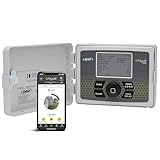
1. Orbit 57946 B-hyve 6-Zone Smart Indoor/Outdoor Sprinkler Controller
Overview:
The Orbit B-hyve 6-Zone is a versatile smart sprinkler controller designed for smaller residential properties. It automates watering schedules while adapting to local weather, supporting both indoor and outdoor installation for flexible placement near garages, sheds, or utility rooms.
What Makes It Stand Out:
Its dual indoor/outdoor capability and seamless smartphone integration via the B-hyve app set it apart. Weather-based adjustments automatically skip watering during rain or extreme conditions, and the intuitive interface simplifies drip irrigation management for gardens or small lawns.
Value for Money:
Priced competitively under $100, it offers excellent value for properties needing up to six zones. While lacking Rachio’s patented weather tech, its robust app functionality and flexible placement justify the cost versus basic timers, though larger yards require the 12-zone model.
Strengths and Weaknesses:
Strengths: Easy DIY installation; reliable weather adaptation; supports drip irrigation; compact design. Weaknesses: Limited to 6 zones; app occasionally lags; no advanced soil-moisture integration; outdoor unit requires weatherproofing.
Bottom Line:
Ideal for small-to-medium yards, this efficient controller saves water and effort, making it a smart, budget-friendly upgrade for homeowners with modest irrigation needs.
2. Orbit 57950 B-hyve 12-Zone Smart Indoor/Outdoor Sprinkler Controller
Overview:
Orbit’s 12-Zone B-hyve controller targets larger properties, offering double the capacity of its 6-zone sibling. It delivers weather-responsive automation for complex landscapes, with flexible indoor/outdoor mounting to accommodate extensive sprinkler or drip systems.
What Makes It Stand Out:
The 12-zone capacity and universal placement flexibility are key advantages. The B-hyve app provides hyperlocal weather adjustments, rain skip features, and custom scheduling for diverse plant zones, all while maintaining user-friendly operation for intricate setups.
Value for Money:
Slightly pricier than the 6-zone model (around $130), it’s cost-effective for estates or properties with 7+ zones. It outperforms single-zone timers in water savings and convenience but faces stiff competition from Rachio’s 16-zone unit on weather intelligence depth.
Strengths and Weaknesses:
Strengths: Handles large landscapes effortlessly; robust app control; dual indoor/outdoor use; strong water-saving logic. Weaknesses: Higher upfront cost; app interface less polished than Rachio’s; occasional firmware glitches; requires stable Wi-Fi.
Bottom Line:
A top pick for sizable yards needing expanded zoning, this controller balances scalability and smart features, though tech-focused users may prefer Rachio’s ecosystem.
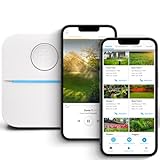
3. Rachio WiFi Smart Sprinkler Controller (8-Zone Irrigation Remote Control) – App-Based Scheduling, Local Weather Intelligence, Rain Skips, Easy DIY Install
Overview:
Rachio’s 8-Zone controller modernizes irrigation with precise app-based scheduling and patented weather intelligence. Designed for DIY installation, it optimizes watering for medium-sized lawns while integrating seamlessly with smart home systems.
What Makes It Stand Out:
Rachio’s “Weather Intelligence” is unmatched—automatically skipping watering for rain, wind, or freezes using hyperlocal data. The app’s intuitive scheduling, water usage tracking, and “Grow-In” feature for new lawns provide exceptional customization and conservation.
Value for Money:
Priced near $120, it’s a premium but justified investment. Superior weather adaptation and water savings (up to 30%) offset the cost versus Orbit, especially in regions with variable climates. The 8-zone limit suits most suburban properties affordably.
Strengths and Weaknesses:
Strengths: Best-in-class weather skipping; clean app UX; detailed water analytics; voice control support. Weaknesses: Max 8 zones limits scalability; no built-in rain sensor (relies on forecasts); requires firmware updates.
Bottom Line:
For homeowners prioritizing water efficiency and effortless control, this 8-zone model is the smartest choice, delivering exceptional ROI through conservation.
4. Rachio WiFi Smart Sprinkler Controller (16-Zone Irrigation Remote Control) – App-Based Scheduling, Local Weather Intelligence, Rain Skips, Easy DIY Install

Overview:
Rachio’s 16-Zone controller caters to large estates or commercial landscapes, scaling up its renowned weather intelligence. It manages complex irrigation systems via a user-friendly app, supporting properties where 8 zones fall short.
What Makes It Stand Out:
With double the zoning of the 8-zone model, it handles sprawling lawns, pools, and gardens effortlessly. Rachio’s patented Weather Intelligence remains the gold standard, skipping schedules based on hyperlocal forecasts while offering granular scheduling for diverse plant types.
Value for Money:
At ~$180, it’s a worthwhile splurge for large properties. The water savings from precise weather adaptation quickly recoup the cost versus non-smart systems, though smaller yards won’t justify the extra zones or price over the 8-zone unit.
Strengths and Weaknesses:
Strengths: Unrivaled weather-based adjustments; 16-zone capacity; detailed usage reports; reliable app. Weaknesses: Expensive for average homes; bulky design; no physical dial backup; complex setup for novices.
Bottom Line:
Essential for large-scale irrigation, this controller maximizes efficiency and convenience, though overkill for modest yards—opt for the 8-zone model if space permits.
5. Aiper IrriSense 2 Smart Irrigation System, 4-in-1 Multi-Zone Watering Device with App Control, Smart Scheduling, and Rain Sensor for Lawns up to 4,800 sq.ft.

Overview:
The Aiper IrriSense 2 is an all-in-one smart irrigation solution combining controller, valves, sprinkler, and nutrient feeder. Designed for lawns up to 4,800 sq. ft., it promises rapid setup and plant-specific watering via app control.
What Makes It Stand Out:
Its 4-in-1 integration eliminates multiple devices, while TÜV-certified EvenRain technology ensures uniform coverage. Customizable multi-zone maps (up to 10) adapt to plant types, and built-in rain detection pauses watering instantly—no separate sensor needed.
Value for Money:
Priced around $200, it’s competitive against buying separate components. The 40% water savings claim and 15-minute setup add value, though dedicated controllers like Rachio offer deeper scheduling for larger properties.
Strengths and Weaknesses:
Strengths: All-in-one simplicity; exceptional water conservation; plant-specific zones; easy installation. Weaknesses: Limited to 4,800 sq. ft.; app less refined than Rachio/Orbit; nutrient feeder niche; no voice control.
Bottom Line:
Perfect for medium yards seeking hassle-free, eco-friendly watering, this innovative system excels in simplicity and conservation but lacks zoning depth for complex landscapes.
6. HEKIWAY 60Ft Drip Irrigation System with Smart Water Timer – Automatic Garden Watering Kit with Solid Brass Metal Connectors, 360° Adjustable Nozzles & Bendable Tubing for Garden, Greenhouse & Lawn

Overview:
This 60-foot DIY drip irrigation kit offers a complete, programmable solution for targeted garden watering. It includes a physical smart timer, brass connectors, bendable tubing, and adjustable nozzles designed for precise hydration in gardens, greenhouses, or lawns without complex installation.
What Makes It Stand Out:
Solid brass connectors ensure leak-proof, weather-resistant durability surpassing plastic alternatives. The 360° adjustable nozzles paired with shape-holding bendable tubing allow exact water placement for complex layouts, while the timer’s rain delay (1–15 days) and child lock add practical automation. Water-efficient adjustable drippers minimize waste.
Value for Money:
Priced moderately, it justifies cost through premium brass components and comprehensive inclusions (120FT tubing, timer, accessories). It outperforms basic kits with longevity and customization, though lacking WiFi connectivity may deter tech-focused users seeking remote control.
Strengths and Weaknesses:
Strengths: Exceptional build quality with brass/UV-resistant materials; intuitive physical timer; flexible layout adaptation; water conservation via adjustable flow.
Weaknesses: Timer requires manual programming (no app/WiFi); batteries not included; limited to smaller gardens despite “60FT” labeling (actual coverage varies with layout).
Bottom Line:
Ideal for hands-on gardeners prioritizing durability and precise watering over smart features. A reliable, cost-effective upgrade from hoses for small-to-medium gardens seeking efficient, low-maintenance hydration.
7. Smart WiFi Sprinkler Timer 3 Zone,WiFi Water Timer for Garden Hose with 984 FT Range,APP & Remote Control,Alexa & Google Voice Compatible,Rain Delay, Manual Mode Sprinkler System

Overview:
A wireless 3-zone hose timer enabling app-based control over garden watering. It connects to 2.4GHz WiFi for remote scheduling, voice commands (Alexa/Google), and boasts an industry-leading 984-foot range between controller and gateway.
What Makes It Stand Out:
The exceptional 984-foot WiFi range ensures reliability in large yards where competitors fail. Dual-zone scheduling (misstated as 3-zone in title) with minute-precision timing, misting modes, and rain delay (1–7 days) provide granular control. Seamless Smart Life/Tuya app integration enables global access.
Value for Money:
Competitively priced for its robust range and dual-zone versatility. It outperforms cheaper single-zone timers and rivals more expensive systems by covering expansive areas without signal boosters, though the zone count may limit larger properties.
Strengths and Weaknesses:
Strengths: Unmatched signal range; intuitive app with usage records; flexible scheduling (5 presets + misting); voice control; practical rain delay.
Weaknesses: Only supports 2 zones despite “3 Zone” title; requires stable 2.4GHz WiFi (no Bluetooth control post-setup); app dependency for full functionality.
Bottom Line:
A top choice for medium-to-large yards needing reliable long-range WiFi control. Best for tech-savvy users who prioritize app convenience and expansive coverage over higher zone counts.
8. Orbit 57985 B-hyve XR 8-Zone Smart Indoor/Outdoor Sprinkler Controller

Overview:
An 8-zone smart irrigation controller for in-ground sprinkler systems, featuring WiFi connectivity for remote management via the B-hyve app. Designed for both indoor and outdoor installation with weather-based watering intelligence.
What Makes It Stand Out:
Weather intelligence automatically adjusts schedules using hyperlocal forecasts, optimizing water use without manual input. The dual indoor/outdoor housing and 8-zone capacity suit diverse landscapes. EPA WaterSense certification verifies significant water savings potential.
Value for Money:
Mid-to-high priced but justified by professional-grade features like weather adaptation and 8 zones. Saves long-term costs via water efficiency, outperforming basic timers while undercutting commercial systems. Ideal for established lawns needing scalability.
Strengths and Weaknesses:
Strengths: True weather-based scheduling; robust indoor/outdoor design; intuitive app; 8-zone capacity; proven water savings.
Weaknesses: Requires consistent WiFi; app occasionally lags; no built-in rain sensor (relies on forecast data); premium price may deter small-yard users.
Bottom Line:
Highly recommended for homeowners with in-ground systems seeking effortless, eco-friendly watering. Its adaptive intelligence delivers tangible savings, making it a worthwhile investment for water-conscious gardeners.
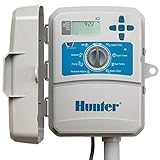
9. Hunter X2 14-Station Outdoor Sprinkler Controller, Wi-Fi Capable Smart Irrigation System, Hydrawise Compatible, Weather-Based Scheduling for Lawn and Garden
Overview:
A rugged 14-zone outdoor sprinkler controller engineered for professional durability. It supports Wi-Fi via the optional WAND module (sold separately) and integrates with Hunter’s Hydrawise platform for weather-smart irrigation.
What Makes It Stand Out:
The 14-zone capacity handles large properties effortlessly, while QuickCheck diagnostics instantly identify wiring faults. Hydrawise compatibility enables true weather-based scheduling, and the outdoor-rated enclosure withstands extreme conditions with a backlit display.
Value for Money:
Premium-priced but delivers pro-level reliability and scalability. The WAND module adds cost, yet long-term water savings and reduced maintenance justify the investment for expansive lawns or commercial use compared to lower-zone alternatives.
Strengths and Weaknesses:
Strengths: High 14-zone capacity; exceptional outdoor durability; precise weather adaptation; easy diagnostics; seasonal adjustment.
Weaknesses: Wi-Fi module sold separately; complex initial setup for non-tech users; bulkier design than indoor units.
Bottom Line:
Essential for large properties or professionals needing maximum zone capacity and weather intelligence. Despite the add-on Wi-Fi cost, its robustness and efficiency make it a standout for serious irrigation management.
10. Rain Bird ARC6 App-Based Indoor Smart WiFi Irrigation Sprinkler Timer/Controller, 6-Zone/Station, EPA WaterSense Certified, Compatible with Alexa, Indoor 6-Station

Overview:
An indoor 6-zone WiFi sprinkler controller offering app-based management through Rain Bird’s intuitive platform. EPA WaterSense certified for efficiency, it supports voice control and weather-adaptive scheduling for residential lawns.
What Makes It Stand Out:
Postal-code-based weather adjustment automatically skips watering using forecast data, saving up to 30% water. The user-friendly app enables schedule sharing, manual overrides, and local weather checks, while Alexa/Google compatibility adds hands-free convenience.
Value for Money:
Priced fairly for its WaterSense certification and robust app features. It outperforms non-smart indoor timers with verified efficiency gains and matches competitors at similar price points through seamless ecosystem integration.
Strengths and Weaknesses:
Strengths: Proven water savings via weather intelligence; simple app interface; family/professional access sharing; EPA certification; reliable voice control.
Weaknesses: Indoor-only use limits placement flexibility; 6 zones may restrict larger yards; app requires consistent internet.
Bottom Line:
A superb choice for eco-conscious homeowners with small-to-medium in-ground systems. Its effortless water savings and user-friendly app deliver excellent value, earning a strong recommendation for efficient, modern irrigation.
Understanding Water Waste in Traditional Systems
The Hidden Cost of Overwatering
Overwatering is a silent budget-killer for countless homeowners. Conventional timers often run sprinklers on fixed schedules, ignoring critical factors like recent rainfall or soil saturation. This results in significant runoff, where water flows into streets instead of nourishing roots, or encourages shallow root growth that makes plants more vulnerable to drought. The financial impact adds up quickly—studies show that up to 50% of outdoor water use is wasted due to inefficiencies in traditional setups. Recognizing this pattern is the first step toward reclaiming control over your water consumption and expenses.
Weather Ignorance: A Major Culprit
Relying solely on preset schedules means your system operates blindly through changing conditions. A sudden summer storm might trigger your sprinklers unnecessarily, while unseasonal dry spells go unaddressed. This lack of responsiveness leads to either drowned plants during wet periods or stressed vegetation during heatwaves. The cumulative effect? Higher bills from redundant watering and potential landscape damage that requires costly repairs or replanting. Weather-aware solutions eliminate this guesswork entirely.
Inefficient Scheduling Practices
Many older systems use blanket programming for all zones, treating drought-tolerant shrubs the same as thirsty vegetable patches. This one-size-fits-all approach ignores microclimates within your yard—sunny slopes dry faster than shaded corners, and sandy soil drains quicker than clay. Without zone-specific adjustments, water is either squandered on areas that don’t need it or withheld from those that do. Modern systems solve this by treating each section of your property as a unique ecosystem.
How Smart Irrigation Systems Work
The Brain: Central Controllers and Processors
At the heart of these systems lies an intelligent controller that processes data from multiple sources. Unlike simple timers, it analyzes inputs—like local weather forecasts, historical usage patterns, and real-time sensor readings—to make dynamic watering decisions. Think of it as a personal irrigation assistant that constantly recalculates optimal schedules, ensuring every drop serves a purpose rather than following arbitrary clock-based routines.
Sensors: Your Eyes in the Garden
Soil moisture sensors buried at root level provide critical feedback on actual ground conditions, while rain sensors halt operations during precipitation. Advanced setups may include evapotranspiration monitors that measure how much water plants lose to the air, adjusting output based on temperature, humidity, and wind. These devices transform your system from reactive to proactive, preventing irrigation when nature has already done the job.
Connectivity: The Power of Real-Time Data
Wi-Fi or cellular integration pulls hyperlocal weather data directly into your controller, bypassing inaccurate regional forecasts. This connectivity also enables remote management via smartphone apps, so you can tweak schedules while traveling or respond instantly to unexpected weather changes. The result is precision watering calibrated to your exact location, minimizing waste through constantly updated intelligence.
Key Features to Look For
Weather-Based Adjustments: Beyond Simple Timers
Seek systems that automatically modify watering duration and frequency using live meteorological data. This isn’t just about skipping cycles during rain—it’s about subtle daily tweaks based on humidity levels, solar intensity, and seasonal shifts. The most effective controllers use historical climate patterns to predict needs, ensuring your landscape thrives without manual intervention.
Soil Moisture Monitoring: Water Only When Needed
Integrated soil sensors are non-negotiable for true efficiency. They prevent irrigation until moisture drops below preset thresholds, which varies by plant type and soil composition. This feature alone can reduce water use by 20-30% compared to time-based systems, as it targets the root zone’s actual requirements rather than surface-level assumptions.
Customizable Zone Management
Your property isn’t uniform, so your watering shouldn’t be either. Look for granular control over individual zones—adjusting run times, start times, and frequency for everything from flower beds to turf areas. Advanced systems let you assign plant types and soil conditions to each zone, generating tailored schedules that respect your landscape’s diversity.
Leak Detection Capabilities
Unexpected leaks in pipes or valves can waste thousands of gallons monthly. Sophisticated controllers monitor flow rates and pressure, alerting you via app notifications when anomalies occur. Some even shut off water automatically during detected leaks, preventing both resource loss and potential property damage from flooding.
Mobile App Control and Notifications
A user-friendly app transforms management from a chore into a habit. Verify that the interface allows easy schedule adjustments, historical usage tracking, and instant alerts for issues like freezes or malfunctions. Push notifications for upcoming rain or missed cycles keep you informed without constant monitoring, putting control literally at your fingertips.
Integration with Home Automation Ecosystems
Future-proof your investment by choosing systems compatible with broader smart home platforms. Seamless integration with voice assistants or home hubs enables routines like “Water garden only if forecast is dry for 3 days,” creating a cohesive ecosystem where irrigation responds intelligently to your lifestyle and environment.
Installation Considerations
DIY vs. Professional Installation: Weighing the Options
While some controllers offer straightforward DIY setup, complex landscapes or retrofitting older systems often benefit from professional expertise. Assess your technical comfort: basic Wi-Fi models might take an hour to install, but integrating sensors across multiple zones could require trenching or wiring knowledge. Factor in potential water savings against labor costs—many utilities offer rebates that offset professional installation fees.
Compatibility with Existing Systems
Don’t assume you need a full system overhaul. Most smart controllers work with standard valve-based sprinkler setups, connecting to existing wiring. Verify voltage requirements and valve compatibility during research, as mismatched components cause frustration. Some systems even support hybrid setups, controlling both traditional sprinklers and drip irrigation from one hub.
Upgrading Your Current Setup
Start by auditing your existing layout—document zone types, plant water needs, and problem areas like runoff zones. This baseline helps configure new technology effectively. Consider adding soil sensors first if full controller replacement isn’t feasible; even partial upgrades deliver meaningful savings while you phase toward a complete smart solution.
Maximizing Water Savings
Fine-Tuning Your System Settings
After installation, dedicate time to calibrate settings for your specific conditions. Adjust “precipitation rate” values based on nozzle types, set realistic soil moisture thresholds, and define seasonal adjustment percentages. This customization prevents the system from defaulting to generic settings that don’t match your microclimate, unlocking optimal efficiency from day one.
Seasonal Adjustments Made Simple
Smart systems shine during seasonal transitions. Instead of manually reprogramming in spring or fall, leverage automatic seasonal scaling that gradually increases or decreases runtime based on temperature trends. Set reminders to review monthly usage reports—these highlight opportunities to refine schedules as plant maturity or weather patterns evolve.
Using Historical Data for Future Planning
Review monthly water consumption trends through your app’s analytics dashboard. Identify anomalies (like a sudden spike indicating a leak) and observe how adjustments impact bills over time. This data becomes invaluable for planning landscape changes; for instance, seeing which zones use the most water might prompt you to replace thirsty turf with native plants.
Long-Term Benefits Beyond the Bill
Environmental Impact: Conserving Precious Resources
Every gallon saved reduces strain on local aquifers and treatment facilities. By aligning irrigation with actual need, you contribute to watershed health and drought resilience—especially crucial in water-stressed regions. Many municipalities track community usage, meaning widespread adoption of smart tech can delay costly infrastructure projects funded by taxpayer dollars.
Healthier Lawns and Gardens
Plants thrive on consistency, not excess. Precise watering promotes deeper root growth, enhancing drought tolerance and reducing disease risks from constantly damp foliage. You’ll notice fewer brown patches, stronger blooms, and reduced weed proliferation (since many weeds exploit overwatered soil). Healthier landscapes also support beneficial insects and pollinators, boosting local biodiversity.
Increased Property Value
A modern, water-efficient irrigation system is a selling point for eco-conscious buyers. It signals responsible maintenance and lowers perceived future costs—features that increasingly influence real estate decisions. Combined with drought-tolerant landscaping, smart irrigation can enhance curb appeal while demonstrating environmental stewardship, potentially yielding returns during resale.
Frequently Asked Questions
How much can I realistically save on water bills with a smart irrigation system?
Most homeowners see 20-50% reductions in outdoor water use, translating to hundreds in annual savings depending on climate and property size. Exact figures vary based on initial inefficiencies and system configuration.
Do smart controllers work during internet outages?
Yes—reputable models maintain basic scheduling functions offline and sync once connectivity resumes. Critical features like rain sensing often operate independently of Wi-Fi.
Can these systems handle complex landscapes with mixed plant types?
Absolutely. Zone-specific programming allows you to set different watering rules for vegetable gardens, native plant areas, and turf zones within the same property.
Are soil moisture sensors worth the extra investment?
They’re among the most impactful additions, preventing irrigation when soil is already saturated. Payback periods are typically under two years through reduced water waste.
How difficult is it to learn the mobile app interface?
Most apps prioritize simplicity with intuitive dashboards. Setup wizards and video tutorials guide beginners, while advanced features remain accessible as you gain confidence.
Will a smart system prevent winter pipe damage?
Frost protection features automatically shut down irrigation when freezing temperatures are forecast, though you’ll still need to drain lines before seasonal transitions.
Can I integrate smart irrigation with my existing smart home voice assistant?
Many systems support voice commands via platforms like Alexa or Google Assistant for basic functions like starting or stopping cycles.
Do utility companies offer rebates for these systems?
Over 700 U.S. water agencies provide rebates—sometimes covering 50% of costs. Check your provider’s conservation programs before purchasing.
How often do I need to maintain sensors or controllers?
Annual checks for sensor calibration and debris removal suffice for most components. Controllers typically require only software updates, handled automatically via app.
Is professional installation necessary for optimal performance?
While DIY is feasible for simple setups, pros ensure correct wiring, sensor placement, and programming—maximizing savings potential and avoiding common pitfalls.