Your drivewayis more than just a place to park—it’s the primary gateway to your home, the first line of defense against unwanted visitors, and often the weakest security link after dark. While most homeowners invest in doorbell cameras and alarm systems, the driveway itself remains a shadowy blind spot where package thieves operate, vehicles get vandalized, and suspicious activity goes undetected. Low-light night vision cameras have evolved from grainy, green-tinted novelties into sophisticated surveillance tools that can capture license plates in pitch darkness and distinguish between a stray cat and a potential intruder at 3 AM. This comprehensive guide cuts through the marketing jargon and technical specs to equip you with everything you need to know about selecting, installing, and optimizing a night vision camera system specifically designed for driveway surveillance.
Top 10 Low-Light Night Vision Cameras for Driveways
Detailed Product Reviews
1. LITYMOL 2K 2.4g WiFi Security Cameras Wireless Outdoor, 360° View Solar Cameras for Home Security, Color Night Vision, AI Detection, 2-Way Audio, Spotlight Siren Alarm, SD/Cloud Storage

Overview: The LITYMOL solar security camera delivers comprehensive outdoor surveillance with its 2K resolution and full 360° coverage (355° pan/120° tilt). Designed for wire-free operation, it combines a 3.2W solar panel with a 5200mAh battery, offering up to six months of standby time. The IP65 weatherproof rating ensures reliable performance in extreme temperatures from -20°C to 50°C, making it suitable for yards, driveways, and entry points.
What Makes It Stand Out: This camera’s intelligent PIR detection system features 10 sensitivity levels to filter environmental interference, while optional AI recognition identifies people, vehicles, pets, and packages with 98% accuracy. The integrated spotlight and siren alarm provide active deterrence, triggered automatically by motion. Its all-in-one design merges the solar panel directly with the camera body, enabling true 5-minute installation without drilling or wiring complexity.
Value for Money: At $42.74, this camera significantly undercuts competitors offering similar 2K resolution and solar capabilities, which often exceed $60-80. The absence of subscription fees for basic functionality, combined with local SD card storage support (up to 256GB), delivers exceptional long-term value. The six-month standby time reduces maintenance costs compared to monthly-recharge alternatives.
Strengths and Weaknesses: Strengths: True wire-free solar operation; exceptional AI detection accuracy; integrated deterrent features; straightforward installation; robust weather resistance; flexible storage options. Weaknesses: Requires 2.4GHz WiFi only (no 5GHz support); cloud storage requires paid subscription; SD card not included; spotlight may trigger false alerts in high-traffic areas.
Bottom Line: The LITYMOL camera is an outstanding value for homeowners seeking intelligent, maintenance-free outdoor security. Its combination of solar power, AI detection, and active deterrence features makes it ideal for comprehensive property monitoring without ongoing costs.
2. 2MP HD Full Color Night Vision Dome TVI CCTV Surveillance Security Coax Camera with Visible White LED Lights, Compatible with Analog TVI CVI AHD DVR, 2.8mm Wide Angle, 65ft Night Vision, Outdoor

Overview: This professional-grade dome camera offers 2MP HD resolution with versatile DVR compatibility, supporting TVI, CVI, AHD, and analog 960H formats. The 2.8mm lens provides a 100-degree wide field of view, while integrated white LEDs enable full-color night vision up to 65 feet. Housed in IP66-rated metal casing, it operates reliably from -40°F to 140°F for both indoor and outdoor installations.
What Makes It Stand Out: The 4-in-1 DIP switch configuration allows effortless format switching to match any existing DVR system, eliminating compatibility concerns. Unlike IR cameras that produce monochrome nighttime footage, the visible white LEDs maintain color detail for better identification. The wide-angle lens covers large areas with fewer blind spots, making it economical for comprehensive coverage of parking lots, warehouses, or retail spaces.
Value for Money: Priced at $26.99, this camera represents exceptional value for existing CCTV system owners. New installations require a separate DVR investment ($50-200+), but the camera itself costs 40-60% less than comparable multi-format units. The durable metal housing and broad temperature tolerance ensure longevity, reducing replacement frequency and delivering strong ROI for budget-conscious security upgrades.
Strengths and Weaknesses: Strengths: Universal DVR compatibility; color night vision; extreme temperature tolerance; wide coverage area; robust metal construction; simple format switching. Weaknesses: No standalone recording capability; requires DVR for operation; visible white LEDs may be conspicuous; no remote viewing without compatible DVR; no audio functionality.
Bottom Line: An excellent choice for expanding or upgrading existing wired CCTV systems on a tight budget. The color night vision and universal compatibility are compelling, but it’s unsuitable for those seeking standalone or cloud-based solutions.
3. HD 1080P Low Light Full Color Night Vision Hidden Mini AHD CCTV Security Video Camera Black 0.00001Lux Starlight with 3.7mm Pinhole Lens Wide Angle View No IR LEDs No Trouble
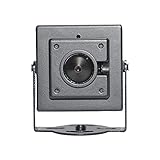
Overview: This covert mini camera excels in extreme low-light surveillance, achieving full-color imaging at an astonishing 0.00001 lux sensitivity—requiring only starlight to operate. The 1080P resolution pairs with a 3.7mm pinhole lens for discreet, wide-angle monitoring without visible IR LEDs that might betray its position. Measuring just a few centimeters, it’s designed for hidden installations where traditional cameras would be intrusive or vulnerable.
What Makes It Stand Out: The starlight sensor technology captures full-frame color video without slow-motion artifacts, while built-in 3D noise reduction ensures clarity in near-darkness. Unlike conventional night vision cameras, the absence of IR illumination eliminates the telltale red glow, making it truly covert. Its AHD output integrates seamlessly with modern DVR systems, providing professional-grade surveillance in a miniature form factor ideal for discrete observation.
Value for Money: At $78.00, this specialized camera commands a premium over standard mini cameras ($30-50), but its extreme low-light performance justifies the cost for security professionals and specialized applications. For scenarios requiring covert nighttime monitoring without alerting subjects—such as wildlife observation or sensitive area surveillance—there are few alternatives at this price point offering comparable sensitivity.
Strengths and Weaknesses: Strengths: Remarkable 0.00001 lux sensitivity; completely covert operation; compact pinhole design; true color night imaging; advanced noise reduction; no IR giveaway. Weaknesses: Requires external light source (cannot see in total darkness); higher price point; limited to AHD DVR compatibility; narrow application scope; no audio or advanced features.
Bottom Line: A niche but powerful tool for covert surveillance where ambient light exists. Its starlight performance is unmatched in the mini camera category, making it worth the premium for specialized security needs.
4. Mini IR Night Vision Light Infrared Photography Light for Video Camera Camcorder Built-in Rechargeable Battery with 3 Cold Shoe Mount for Vlog Video Recording
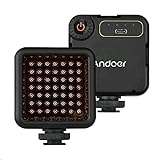
Overview: This compact IR illumination accessory provides 20 meters of infrared light for cameras and camcorders lacking adequate night vision capability. The 2000mAh rechargeable battery powers the unit via USB-C charging, while three cold shoe mounts enable stacking multiple lights or attaching microphones and other accessories. Weighing only 95 grams and measuring 6.7 x 8 x 3cm, it’s engineered for mobile content creators and videographers.
What Makes It Stand Out: The triple cold shoe configuration offers exceptional versatility, allowing users to build compact rig setups without additional brackets. The waterproof construction ensures reliability in adverse weather, while the 20-meter range provides substantial coverage for its size. Unlike many competitors, the USB-C charging delivers modern convenience and faster power replenishment, crucial for field work where downtime must be minimized.
Value for Money: At $24.69, this IR light competes favorably with entry-level options while offering superior mounting flexibility. Comparable lights with single mounts typically cost $20-30, making the three-mount design a clear value-add. The rechargeable battery eliminates ongoing battery costs, and the durable construction promises extended service life, delivering strong value for vloggers and night videographers.
Strengths and Weaknesses: Strengths: Triple cold shoe mounts; USB-C rechargeable; waterproof design; ultra-portable; 20m effective range; stackable configuration; quick charging. Weaknesses: Limited 20m range for professional applications; no adjustable intensity settings mentioned; small battery limits continuous runtime; requires camera with IR sensitivity.
Bottom Line: An excellent accessory for content creators needing portable infrared illumination. The versatile mounting system and rugged design make it ideal for vlogging and mobile videography, though professionals may require more powerful options.
5. Ordro LN-5 IR Night Vision Light for Camera, New Upgraded Version Infrared Night Light for Enhancing Camera Night Shooting Visibility, 56PCS IR Lamp Beads 850nm Rechargeable IR Light

Overview: The Ordro LN-5 is a dedicated infrared illuminator designed to enhance night vision cameras with 56 850nm IR LEDs projecting a 25-meter range at 90° coverage. The built-in 2200mAh lithium battery provides approximately two hours of continuous operation, rechargeable via Type-C interface. Its compact 14 x 11 x 4.5cm form factor includes a cold shoe mount with an additional top-mounted cold shoe for accessory stacking, targeting outdoor enthusiasts and security applications.
What Makes It Stand Out: With 56 IR beads delivering 850nm wavelength light, this unit provides superior illumination density compared to budget alternatives, ensuring clearer night shooting footage. The 90° coverage angle matches standard camera lenses, eliminating hot spots and edge falloff. The dual cold shoe design enables integration with external monitors or microphones, while the Type-C charging represents modern standards for faster, more reliable power management in field conditions.
Value for Money: Priced at $26.98, the LN-5 positions itself as a mid-range option offering professional-grade LED count and coverage. Cheaper alternatives with fewer LEDs ($15-20) often produce uneven illumination, while premium units exceed $40. The two-hour runtime is adequate for most sessions, and the 12-month warranty provides buyer confidence, making it a cost-effective upgrade for compatible cameras.
Strengths and Weaknesses: Strengths: High 56-LED count; 25m range with 90° coverage; dual cold shoe mounts; Type-C charging; compact design; 12-month warranty. Weaknesses: Requires camera with IR capability; limited 2-hour battery life; no waterproof rating mentioned; fixed beam pattern; cannot function standalone.
Bottom Line: A solid choice for enhancing night vision camera performance without breaking the bank. The strong LED array and thoughtful mounting options make it particularly suitable for outdoor observation and hunting scenarios where reliable illumination is critical.
6. Real HD 5MP Full Color Night Vision Dome TVI CCTV Security Camera with Visible White LED Lights, 65ft Night Vision, 2.8mm Wide Viewing Angle, Outdoor, Full Metal, ONLY Compatible with 5MP and 8MP DVR

Overview: This 5MP dome camera offers a budget-friendly way to expand existing high-resolution CCTV systems. Designed specifically for 5MP and 8MP DVRs, it delivers crisp daytime footage and color night vision up to 65 feet using visible white LEDs. The full metal housing and IP66 rating ensure reliable outdoor performance in extreme temperatures from -40°F to 140°F.
What Makes It Stand Out: The camera’s universal format support sets it apart—switchable TVI/CVI/AHD/CVBS modes via a simple DIP switch make it compatible with most major CCTV brands. Its 2.8mm lens provides an impressive 100-degree field of view, covering large areas with fewer blind spots. The visible white LED night vision is a unique feature, providing full-color footage in darkness rather than traditional infrared black-and-white.
Value for Money: At $35.99, this camera is exceptionally priced for 5MP resolution, costing significantly less than brand-name equivalents. However, its value is contingent on already owning a compatible DVR. For those with 5MP/8MP systems, it’s a steal for expansion or replacement. Without the right DVR, it’s worthless—making it a poor choice for new system builds.
Strengths and Weaknesses: Pros include versatile format switching, durable full-metal construction, wide viewing angle, and extreme weather tolerance. Cons are its absolute dependency on specific DVRs, limited 65ft night vision range compared to some competitors, and visible LEDs that may attract unwanted attention in certain installations.
Bottom Line: An excellent expansion camera for compatible systems, offering professional features at a consumer price. Verify your DVR compatibility before purchasing—if it matches, this delivers outstanding value and performance.
7. Ordro LN-5 Mini IR Night Vision Light Infrared Photography Light for Video Camera Camcorder Built-in Rechargeable Battery with 3 Cold Shoe Mount for Vlog YouTube Video Recording

Overview: The Ordro LN-5 is a compact infrared illuminator designed to enhance low-light video recording for content creators and outdoor enthusiasts. With 56 high-efficiency IR LEDs, it provides invisible lighting that cameras can capture but humans cannot see, making it ideal for nocturnal wildlife observation, vlogging in dim conditions, or security documentation.
What Makes It Stand Out: Three cold shoe mounts allow daisy-chaining multiple units for increased brightness or attaching accessories like microphones simultaneously. The 90-degree beam angle and 10-meter range offer substantial coverage for its size. A 1/4-inch threaded tripod mount adds further versatility. The built-in 2200mAh battery delivers 90 minutes of continuous operation, rechargeable via modern Type-C cable.
Value for Money: Priced at $39.99, this specialized tool offers excellent value for videographers needing portable IR illumination. It’s far more affordable than professional-grade IR panels while delivering sufficient power for most close-to-mid-range applications. The expandability means you can scale your setup without replacing the initial investment.
Strengths and Weaknesses: Strengths include compact portability, triple-mount expandability, decent battery life, and versatile mounting options. Weaknesses are the limited 10-meter range for serious outdoor work, IR light’s complete invisibility to naked eye (making framing difficult without camera preview), and 90-minute runtime may require spare batteries for extended shoots.
Bottom Line: A must-have accessory for night videography on a budget. Its modular design and portability make it perfect for vloggers and hobbyists, though professionals may need more powerful solutions.
8. SiOnyx Nightwave Analog Camera, Rugged Ultra-Low Light Night Vision Marine Camera, Flexible Connectivity, Temporary and Permanent Mounting Options, DIY Installation, Black

Overview: The SiOnyx Nightwave is a premium marine camera that delivers color night vision in near-total darkness without infrared illumination. Engineered for commercial and recreational boaters, it captures clear video under moonless starlight, transforming nighttime navigation safety. The rugged design withstands harsh marine environments where water, salt, and fog typically destroy electronics.
What Makes It Stand Out: Its ultra-low light sensor technology is revolutionary, providing full-color imagery in conditions where traditional cameras fail completely. The 44-degree field of view balances detail and context for navigation. Dry nitrogen purging prevents internal lens fogging—a critical feature on open water. Flexible connectivity options include analog output for major MFDs and Wi-Fi streaming to iOS/Android devices via the SiOnyx app.
Value for Money: At $1,895, this is a significant investment, but it costs a fraction of comparable thermal imaging systems while delivering superior situational awareness. For frequent night boaters, charter operators, or commercial fishermen, the safety benefits justify the price. Casual users may find it prohibitively expensive for occasional use.
Strengths and Weaknesses: Pros include unmatched low-light performance, military-grade durability, fog-proof construction, and versatile mounting/installation. Cons are the steep price point, niche marine-focused application, and the 44-degree FOV may be too narrow for some users wanting wider coverage.
Bottom Line: An exceptional tool for serious mariners who operate after dark. If nighttime navigation is part of your routine, this camera is worth every penny for the added safety and confidence it provides.
9. Ring Outdoor Cam Plus, Battery (newest model), Home or business security, Wide-Angle 2K Video with Ring Vision, Low-Light Sight for full-color night vision, Mount-Anywhere Versatility, Black

Overview: Ring’s latest battery-powered security camera brings 2K resolution and advanced color night vision to flexible home and business monitoring. The completely wireless design allows installation virtually anywhere without drilling holes for cables, while the integrated Ring Vision processing enhances image clarity across all lighting conditions.
What Makes It Stand Out: Low-Light Sight technology delivers full-color night video using minimal ambient light from streetlights or moonlight, eliminating the need for spotlight illumination. The wide-angle lens captures expansive views, and the mount-anywhere versatility includes tabletop, wall, and ceiling options. Seamless integration with the Ring ecosystem enables centralized monitoring alongside other Ring devices.
Value for Money: At $99.99, this camera sits in the mid-range sweet spot—more expensive than basic brands but cheaper than premium wired alternatives. The real cost consideration is the Ring Protect subscription required for recording and advanced features. Without it, functionality is severely limited, making the total ownership cost higher than the initial price suggests.
Strengths and Weaknesses: Pros include hassle-free installation, excellent color night vision, reputable brand reliability, and smart home integration. Cons involve battery maintenance (requiring periodic recharging), mandatory subscription for full functionality, and video quality dependence on Wi-Fi bandwidth and camera temperature.
Bottom Line: A top-tier wireless security solution for Ring ecosystem users. The color night vision and flexible placement are compelling, but factor in subscription costs and battery management before committing.
10. Night Watch Security 1 Pack Analog HD 1080p Wired Bullet Camera (White, Camera Only, Compatible with Night Owl DVRs)
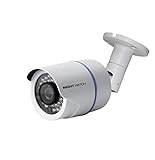
Overview: This budget-friendly bullet camera serves as an expansion unit for existing Night Owl DVR systems. Delivering 1080p resolution with a wide 100-degree field of view, it’s designed specifically for users looking to increase camera coverage without purchasing expensive official Night Owl accessories. The camera-only package assumes you have compatible cables and power supplies.
What Makes It Stand Out: The 3-axis vandal-proof mounting bracket allows precise positioning and resists tampering, a feature rarely seen at this price point. With 100 feet of night vision range, it outperforms many budget cameras in low-light scenarios. The IP65 weatherproof rating ensures reliable indoor/outdoor operation, and the one-year warranty provides peace of mind.
Value for Money: At $29.99, this is one of the most affordable expansion cameras available, costing significantly less than proprietary Night Owl cameras. However, its value is zero if you don’t own a specific Night Owl DVR model (DVR-AHD10, HDA10, HDA30, X3, XHD50, THD30, THD50). The lack of included cables and power adapter means additional purchases are necessary.
Strengths and Weaknesses: Pros include exceptional price, impressive night vision range, vandal-resistant mount, and specific Night Owl compatibility. Cons are extremely limited DVR compatibility, no accessories included, and 1080p resolution lags behind modern 4K standards.
Bottom Line: An unbeatable deal for Night Owl system owners needing extra coverage. For anyone else, it’s incompatible and should be avoided entirely. Verify your DVR model before purchasing.
Why Your Driveway Needs Dedicated Night Vision Surveillance
Driveways present unique security challenges that standard outdoor cameras often fail to address. Unlike static entry points, driveways are dynamic spaces with varying light conditions, moving vehicles, and large coverage areas. Statistics show that over 65% of vehicle break-ins occur in residential driveways after sunset, and package theft peaks between 6 PM and 10 PM when porch lights create harsh shadows that cheap cameras can’t penetrate.
A dedicated night vision system does more than record crimes—it actively prevents them. The visible presence of a professional-grade camera with subtle infrared glow acts as a powerful psychological deterrent. More importantly, modern low-light cameras provide actionable evidence: clear facial features, readable license plates, and definitive vehicle descriptions that law enforcement can actually use. This isn’t about paranoia; it’s about extending your home’s security perimeter beyond the front door and eliminating the dangerous assumption that darkness provides privacy for those with ill intent.
Understanding Night Vision Technology: Beyond the Basics
Night vision isn’t a single technology but a spectrum of solutions that tackle darkness differently. The term “night vision” gets thrown around loosely in marketing materials, but understanding the underlying mechanics is crucial for making an informed decision. At its core, every night vision camera is trying to solve the same problem: how to create a usable image when visible light is scarce.
The three dominant technologies—infrared illumination, starlight sensors, and color night vision—each have distinct advantages and trade-offs. Your choice depends on your specific driveway environment: Is it completely unlit? Do you have ambient street lighting? Are you more concerned with identifying faces or monitoring general activity? We’ll dissect each technology so you can match the solution to your reality, not the manufacturer’s ideal scenario.
How Image Sensors Capture Light in Darkness
The magic happens in the image sensor, typically a CMOS (Complementary Metal-Oxide-Semiconductor) chip that converts photons into electrical signals. In low-light conditions, sensor size matters more than megapixels. A larger sensor with bigger pixels collects more light, similar to how a bucket collects more rain than a cup. This is why a 2MP camera with a 1/2" sensor often outperforms a 4MP camera with a 1/3" sensor in darkness. Pixel pitch—the physical size of each pixel—becomes a critical spec that manufacturers rarely advertise but dramatically impacts night performance.
Infrared (IR) Illumination: The Foundation of Night Vision
Infrared illumination remains the most common and reliable night vision technology for driveway applications. These cameras use built-in IR LEDs to flood the scene with invisible infrared light (typically 850nm or 940nm wavelength), which the camera sensor can see but human eyes cannot. The result is that classic black-and-white night vision footage that looks crisp and detailed.
IR Range and Coverage Considerations
The effective range of IR illumination is your most important specification. A camera advertised with “100ft night vision” might technically detect movement at that distance, but identification-quality footage requires the subject to be within 60-70% of that range. For a standard two-car driveway, you’ll want a minimum 50ft effective IR range, while longer driveways or rural properties need 100ft or more. Be wary of cameras with excessive IR power for small spaces—they can create “whiteout” effects where nearby objects become overexposed blobs.
Wavelength Trade-offs: 850nm vs 940nm
The 850nm wavelength produces a faint red glow visible to the naked eye—this acts as a subtle deterrent but might be considered intrusive in quiet neighborhoods. The 940nm “covert” IR is completely invisible, ideal for discreet monitoring, but requires more power and typically reduces effective range by 30%. For driveway use, 850nm often strikes the best balance between performance and deterrence.
Starlight Technology: Seeing in Near-Total Darkness
Starlight cameras represent the premium tier of low-light surveillance, capable of producing full-color images in conditions that would leave IR cameras struggling. These systems use ultra-sensitive sensors (often back-illuminated CMOS) with massive pixel sizes and advanced noise reduction algorithms to amplify available light from stars, moon, or distant street lamps.
Lux Ratings and Real-World Performance
The lux rating quantifies a camera’s minimum illumination requirement—0.001 lux is typical for starlight cameras, compared to 0.1 lux for standard cameras. However, these lab-tested ratings assume ideal conditions and slow shutter speeds that create motion blur. In practical driveway applications, starlight cameras excel at capturing static scenes like parked vehicles but may struggle with fast-moving subjects unless you invest in models with larger aperture lenses (f/1.0 or f/1.2) that physically allow more light to hit the sensor.
Color Night Vision: When Details Matter Most
Color night vision has become a marketing battleground, but not all color night vision is created equal. True color night vision uses either supplemental white light illumination or advanced starlight sensors to maintain color fidelity after dark. This matters because color provides critical identification details—red car vs. blue car, black jacket vs. gray hoodie—that monochrome footage loses.
White Light vs. Sensor-Based Color
Some cameras use a built-in white LED spotlight that activates on motion, providing full-color footage while simultaneously illuminating the area for deterrence. Others use pure sensor technology without additional lighting. The spotlight approach delivers superior image quality but may annoy neighbors and drain batteries faster. Sensor-based color is more subtle but requires some ambient light and comes with a higher price tag. For driveways, consider your neighborhood’s tolerance for bright lights before choosing.
Resolution Matters: Balancing Clarity and Storage
Higher resolution isn’t always better for night vision. While 4K cameras dominate daytime discussions, they pack smaller pixels onto the same sensor size, reducing low-light sensitivity. A 2K (4MP) camera often provides the sweet spot for driveway surveillance—sufficient detail to read license plates from 30 feet while maintaining usable night performance.
Pixel Density and Identification Zones
The concept of “pixels per foot” determines whether you can identify a face or read a license plate. For identification purposes, you need roughly 40-50 pixels per foot of target width. This means a 4MP camera covering a 40-foot-wide driveway might not provide enough pixel density for plate recognition at the entrance, while a 2MP camera focused on a 20-foot zone would excel. Consider multiple cameras with overlapping coverage rather than one ultra-high-resolution camera trying to monitor everything.
Field of View: Covering Every Corner of Your Driveway
A camera’s field of view (FOV), measured in degrees, dictates how much territory it can monitor. Wide-angle lenses (90-110°) cover more area but compress distance, making distant objects appear tiny and unidentifiable. Narrow lenses (60-70°) provide better detail at range but require more cameras for complete coverage.
Calculating Optimal Coverage for Your Layout
For a typical suburban driveway, start by mapping your “critical identification zones”—where faces and license plates will be visible. Position cameras with narrower FOVs to cover these zones, then use wide-angle units for general activity monitoring. A common mistake is placing one ultra-wide camera above the garage door, which captures everything but identifies nothing. Instead, consider a dual-camera setup: one wide-angle for overview, one narrow-angle focused on the driveway entrance.
Weatherproofing and Durability: Built to Last
Your driveway camera faces constant environmental assault: UV radiation, temperature swings, rain, snow, dust, and even pressure washing. The IP (Ingress Protection) rating is your reliability indicator. IP66 is the minimum for driveway duty—dust-tight and protected against powerful water jets. IP67 offers temporary submersion protection, useful in flood-prone areas.
Temperature Extremes and Component Quality
Beyond water resistance, check the operating temperature range. Cheap cameras fail at -4°F or 120°F, precisely when you need them most. Look for cameras rated for at least -22°F to 140°F if you live in climates with seasonal extremes. Pay attention to the housing material—metal alloys dissipate heat better than plastic, preventing internal condensation that fogs lenses during temperature transitions.
Power Solutions: Wired vs. Wireless Considerations
Power delivery is the most overlooked aspect of driveway camera installations. Wired Power over Ethernet (PoE) cameras receive power and data through a single cable, offering unmatched reliability and the ability to remotely reboot cameras. However, trenching cable across a driveway is invasive and expensive.
Battery and Solar Realities
Wireless battery-powered cameras offer installation flexibility but introduce maintenance headaches. Cold weather can reduce battery capacity by 50%, and frequent motion events might require monthly recharging. Solar panels help, but driveway cameras often face north or are shaded by vehicles, limiting effectiveness. If going wireless, invest in cameras with swappable batteries and realistic expectations about charging frequency—weekly during winter isn’t uncommon.
Connectivity Options: Wi-Fi, PoE, and Cellular
Your camera is only as good as its connection. Wi-Fi cameras are convenient but struggle with distance and interference from garage doors, vehicles, and exterior walls. For driveways more than 50 feet from your router, consider Wi-Fi 6 models with external antennas or mesh network extenders specifically designed for outdoor use.
When to Consider PoE or Cellular
PoE cameras eliminate wireless interference concerns and provide stable bandwidth for high-quality streams. For remote properties without reliable internet, cellular trail cameras with motion-activated recording offer a self-contained solution, though they require data plans and have higher latency. Hybrid systems that record locally and upload clips via cellular provide the best of both worlds for off-grid applications.
Storage Solutions: Local, Cloud, and Hybrid Models
Where your footage lives determines both security and accessibility. Local storage via microSD cards or Network Video Recorders (NVRs) keeps data under your control but risks loss if the camera is stolen or damaged. Cloud storage protects against tampering but introduces monthly fees and potential privacy concerns.
Retention Policies and Redundancy
For driveway use, a 7-10 day rolling retention period is practical—most security incidents are discovered within days. A 128GB card in a 2K camera typically stores 10-14 days of continuous footage, but motion-only recording extends this significantly. Consider hybrid systems that store recent footage locally and upload critical events to the cloud. This provides redundancy without overwhelming your internet bandwidth or wallet.
Smart Features and AI Detection: Smarter Security
Modern cameras distinguish between people, vehicles, animals, and swaying trees, reducing false alerts from 50 per night to perhaps 2-3 relevant notifications. AI detection isn’t just convenient—it prevents alert fatigue that causes homeowners to ignore genuine threats.
Custom Motion Zones and Sensitivity Tuning
The ability to draw custom detection zones is essential for driveway applications. You can exclude the public sidewalk (avoiding legal issues) while focusing on the area immediately around your vehicles. Advanced models allow sensitivity adjustments based on object size, so a cat walking by doesn’t trigger an alert but a person approaching your car does. Spend time calibrating these settings during the first week—most users set sensitivity too high, defeating the purpose of smart detection.
Audio Capabilities: Two-Way Communication and Sound Detection
Audio adds a powerful dimension to driveway security. Two-way talk lets you challenge suspicious individuals without opening the door, while sound detection can alert you to glass breaking or car alarms. However, audio quality in outdoor cameras is notoriously challenging due to wind noise and echo.
Privacy and Legal Implications
Federal wiretapping laws complicate audio recording. In many states, recording conversations requires consent from all parties. Most driveway scenarios capture audio from public areas where there’s no expectation of privacy, but using two-way talk to communicate creates a gray area. Consider cameras that allow independent audio disabling or consult local laws before enabling sound recording. For deterrence, a pre-recorded message triggered by motion often proves more effective and legally straightforward than live two-way communication.
Integration with Smart Home Ecosystems
A standalone camera is useful; a camera that triggers your driveway lights, locks your smart deadbolt, and sends video to your TV is a comprehensive security system. Integration with platforms like Amazon Alexa, Google Home, or Apple HomeKit allows complex automation.
Creating Automated Security Scenarios
The real power lies in conditional triggers: “If camera detects person after 11 PM, turn on all driveway lights at 100% brightness and send push notification.” Or “If camera detects vehicle leaving between 8 AM and 9 AM, arm the indoor alarm system.” These scenarios require cameras with robust API support and local processing capabilities, not just basic app control. Look for ONVIF compliance if you plan to integrate with third-party NVRs or home automation hubs.
Installation Best Practices for Optimal Performance
Even the best camera produces useless footage if poorly positioned. The ideal mounting height for driveway cameras is 8-10 feet—high enough to avoid tampering but low enough to capture facial angles. Angling the camera 15-30 degrees downward prevents sky glare and focuses on the activity zone.
Lighting and Environmental Considerations
Never point cameras directly at rising or setting sun; even automatic IR cut filters struggle with this. If your driveway has existing lighting, position cameras to use the light as front or side illumination, not backlighting. Consider seasonal changes—deciduous trees that provide summer shade become bare in winter, introducing new light sources and motion triggers. Test camera placement at night, not just during the day, when shadows and reflections reveal themselves.
Legal and Privacy Considerations
Recording your driveway seems straightforward, but legal boundaries exist. The general rule: you can record anything on your property, but expectations of privacy extend to areas where neighbors might reasonably be captured. A camera aimed at your driveway that incidentally records your neighbor’s front door is typically legal; one deliberately pointed at their bedroom window is not.
Data Protection and Signage Requirements
Some jurisdictions require signage informing visitors they’re being recorded. Even where not legally mandated, signs provide deterrence and transparency. More importantly, secure your camera accounts with unique passwords and two-factor authentication. Compromised cameras have been used in swatting attacks and privacy invasions. Treat your security system as a potential vulnerability and follow cybersecurity best practices, including regular firmware updates and network segmentation.
Maintenance and Troubleshooting Your System
Night vision cameras require seasonal maintenance. Clean the lens monthly with a microfiber cloth—dust and pollen scatter IR light, creating foggy footage. Check IR LEDs quarterly; they dim over time and may need replacement after 2-3 years of continuous use. Test motion detection monthly by walking through detection zones at different speeds.
Common Night Vision Problems and Solutions
If footage suddenly becomes dark or blurry, check for spider webs directly in front of the lens—they reflect IR light and blind the camera. Whiteout or overexposure usually means the IR is too strong for the scene; adjust camera angle or enable smart IR settings that reduce power for close objects. Intermittent connectivity at night often indicates insufficient power supply—IR LEDs consume significantly more power when active, causing voltage drops in marginal installations.
Frequently Asked Questions
How far can driveway night vision cameras actually see?
Effective identification range is typically 60-70% of advertised IR range. A camera rated for 100 feet provides clear facial details at 60-70 feet under ideal conditions. Factors like weather, dust, and reflectivity reduce this range, so overspec by 20-30% for reliable performance.
Do I need color night vision or is black-and-white sufficient?
Black-and-white IR footage is sufficient for general monitoring and motion detection. Color night vision becomes valuable when you need to identify vehicle color, clothing details, or read signage. For most residential driveways, a hybrid camera that uses IR in total darkness but switches to color when minimal ambient light exists offers the best value.
Can thieves disable infrared cameras with their own IR lights?
Theoretically yes, but practically it’s extremely difficult. Overpowering a camera’s IR requires a high-power IR floodlight aimed precisely at the sensor. Most security cameras have IR cut filters and exposure algorithms that adjust to sudden IR bursts, though footage may temporarily wash out. The bigger concern is physical tampering, which is why mounting height and vandal-resistant housings matter more than IR jamming.
What’s the minimum internet speed needed for cloud storage?
For a single 2K camera, plan for 2-3 Mbps upload speed. Each additional camera adds 1-2 Mbps. Motion-activated recording reduces bandwidth needs, but live viewing still requires sustained throughput. If your upload speed is below 5 Mbps, consider local storage with occasional cloud backup rather than continuous cloud recording.
How do I prevent my camera from alerting on every passing car?
Use AI vehicle detection and narrow your motion zones to exclude the street. Draw zones that cover only your driveway entrance and parked vehicles. Adjust detection sensitivity to require larger objects, and set schedules to reduce sensitivity during high-traffic periods. Some advanced cameras allow direction-based detection—only alerting when a vehicle enters, not passes by.
Are solar-powered cameras reliable in winter?
Solar reliability depends on your climate and panel positioning. In regions with fewer than 4 peak sun hours daily in winter, expect to supplement with manual charging. Panels must face south and tilt at your latitude angle for optimal collection. Snow coverage and shorter days reduce output by 50-70%, so choose cameras with removable batteries you can charge indoors during extended cloudy periods.
Can I install a driveway camera myself or should I hire a professional?
Wireless battery cameras are DIY-friendly, requiring only basic tools. PoE installations involving trenching and cable runs through walls benefit from professional installation, typically costing $150-300 per camera. The critical factor is warranty—some manufacturers void warranties for self-installed PoE systems if cables aren’t properly terminated.
What’s the difference between IP66 and IP67 ratings for driveways?
IP66 means complete dust protection and resistance to powerful water jets from any direction—sufficient for rain and pressure washing. IP67 adds temporary submersion protection up to 1 meter for 30 minutes, useful only if your driveway floods. For most applications, IP66 provides adequate protection at lower cost.
How often should I clean my night vision camera lens?
Clean the lens monthly during pollen season and quarterly otherwise. Use a dry microfiber cloth first; if needed, dampen with distilled water. Never use household cleaners—they damage anti-reflective coatings. IR performance degrades noticeably with even thin layers of dust, so more frequent cleaning is better than less.
Will my neighbor’s security lights interfere with my night vision camera?
Yes, but manageable. Sudden bright lights can cause temporary overexposure. Enable WDR (Wide Dynamic Range) and adjust backlight compensation settings. Position your camera to avoid direct line-of-sight to their lights. If chronic issues persist, consider cameras with automatic brightness adjustment or discuss shielding options with your neighbor to create a mutually beneficial lighting arrangement.