If you’ve ever been jolted awake at 2 AM by the sound of sawing logs next to you—or worse, been the unintentional lumberjack yourself—you know that snoring isn’t just a noisy nuisance. It’s a relationship stressor, a sleep quality killer, and for millions of people, a nightly battle that leaves them groggy, irritable, and reaching for caffeine by mid-morning. Traditional earplugs muffle everything uncomfortably, while regular headphones dig into your ears and become a tangled mess by dawn. Enter smart sleep headphones: the marriage of acoustic engineering and wearable comfort designed specifically to address the unique challenge of sleeping with—or near—a snorer.
These aren’t your average wireless earbuds crammed into a headband. Modern sleep audio technology has evolved into sophisticated systems that don’t just block sound, but intelligently mask, cancel, and replace disruptive frequencies with soothing audio landscapes. Whether you’re a light sleeper desperate for uninterrupted REM cycles or a partner seeking marital harmony, understanding how to choose the right smart sleep headphones could be the difference between counting sheep and counting on a full night’s rest.
Top 10 Smart Sleep Headphones for Snoring
Detailed Product Reviews
1. soundcore Sleep A30 by Anker Sleep Earbuds, Smart Active Noise Cancelling Sleep Headphones, Adaptive Snore-Masking System, Ultra-Comfort for Side Sleepers, 45H Playtime

Overview: The Soundcore Sleep A30 represents Anker’s flagship entry into the sleep technology market, engineered specifically for those struggling with nighttime noise disturbances. These ultra-compact earbuds combine sophisticated active noise cancellation with specialized sleep-focused features in a design that prioritizes all-night comfort for side sleepers.
What Makes It Stand Out: The Sleep A30’s revolutionary Adaptive Snore-Masking system uses the charging case as a microphone to analyze snoring patterns in real-time, while the earbuds dynamically adjust masking audio. The AI Brainwave Audio feature employs binaural beats to guide your brain into sleep-conducive states. With 3D ear canal mapping and ultra-soft silicone construction, these earbuds achieve remarkable comfort for side-sleeping positions.
Value for Money: At $199.99, the A30 sits between budget headbands and premium competitors like Bose Sleepbuds II. The 45-hour total battery life and smart features justify the investment for serious users. While pricier than basic options, the advanced ANC and snore-specific technology offer tangible benefits that cheaper alternatives cannot replicate.
Strengths and Weaknesses: Strengths include exceptional noise blocking with smart ANC, genuine side-sleeper comfort, comprehensive app customization, and impressive battery longevity. Weaknesses involve a premium price point that may exceed casual users’ budgets, potential complexity for those preferring simplicity, and reliance on companion app for full functionality.
Bottom Line: The Soundcore Sleep A30 is an outstanding choice for noise-sensitive sleepers or those with snoring partners. If you’re committed to optimizing your sleep environment and willing to invest in proven technology, these earbuds deliver measurable improvements to sleep quality.
2. Soundcore Sleep A30 by Anker Sleep Earbuds, Smart Active Noise Cancelling Sleep Headphones, Adaptive Snore-Masking System, Ultra-Comfort for Side Sleepers, 45H Playtime

Overview: The Soundcore Sleep A30 represents Anker’s flagship entry into the sleep technology market, engineered specifically for those struggling with nighttime noise disturbances. These ultra-compact earbuds combine sophisticated active noise cancellation with specialized sleep-focused features in a design that prioritizes all-night comfort for side sleepers.
What Makes It Stand Out: The Sleep A30’s revolutionary Adaptive Snore-Masking system uses the charging case as a microphone to analyze snoring patterns in real-time, while the earbuds dynamically adjust masking audio. The AI Brainwave Audio feature employs binaural beats to guide your brain into sleep-conducive states. With 3D ear canal mapping and ultra-soft silicone construction, these earbuds achieve remarkable comfort for side-sleeping positions.
Value for Money: At $199.99, the A30 sits between budget headbands and premium competitors like Bose Sleepbuds II. The 45-hour total battery life and smart features justify the investment for serious users. While pricier than basic options, the advanced ANC and snore-specific technology offer tangible benefits that cheaper alternatives cannot replicate.
Strengths and Weaknesses: Strengths include exceptional noise blocking with smart ANC, genuine side-sleeper comfort, comprehensive app customization, and impressive battery longevity. Weaknesses involve a premium price point that may exceed casual users’ budgets, potential complexity for those preferring simplicity, and reliance on companion app for full functionality.
Bottom Line: The Soundcore Sleep A30 is an outstanding choice for noise-sensitive sleepers or those with snoring partners. If you’re committed to optimizing your sleep environment and willing to invest in proven technology, these earbuds deliver measurable improvements to sleep quality.
3. MUSICOZY Sleep Headphones Bluetooth 5.4 Headband, Sports Wireless Earphones Sweat Resistant Earbuds Sleeping Headphone with Ultra-Thin HD Stereo Speaker for Workout Running Cool Gadgets Unique Gifts

Overview: The MUSICOZY headband delivers a versatile 2-in-1 solution for both sleep and active lifestyles at an accessible price point. This washable Bluetooth headband integrates ultra-thin speakers into a breathable, stretchable fabric, eliminating the need for separate headphones during rest or exercise.
What Makes It Stand Out: Combining Bluetooth 5.4 connectivity with 40mm composite drivers, this headband offers surprisingly robust audio quality for its form factor. The 14-hour battery life exceeds many true wireless earbuds, while the sweat-resistant, hypoallergenic construction ensures comfort during intense workouts or overnight wear. The built-in microphone adds practical call-handling capability.
Value for Money: At just $19.99, this represents exceptional value—roughly one-tenth the cost of premium sleep earbuds. While lacking active noise cancellation, it provides adequate passive noise isolation and audio performance that rivals more expensive sports headphones. The 2-3 year battery lifespan claim adds long-term value.
Strengths and Weaknesses: Strengths include unbeatable affordability, dual sleep/sports functionality, washable design, impressive battery life, and comfortable fit for most head sizes. Weaknesses are the absence of true ANC, potential sound leakage at higher volumes, bulkier profile compared to earbuds, and limited noise-blocking capability in loud environments.
Bottom Line: The MUSICOZY headband is ideal for budget-conscious buyers seeking versatility. Perfect for meditation, light sleepers in relatively quiet environments, and fitness enthusiasts wanting music without earbud fatigue, it delivers solid performance at an unbeatable price.
4. Ozlo Sleepbuds® | Comfortable Side Sleeper Headphones | Up to 10 Hours of Bluetooth LE Streaming | Science-Backed Sleep Sounds | Snore Blocking Comfortable Earbuds

Overview: Ozlo Sleepbuds position themselves as the clinically-validated premium option in the sleep audio market. These ultra-compact earbuds leverage biometric sensors and a unique Smart Case bridge system to deliver science-backed sleep enhancement without pharmaceutical intervention.
What Makes It Stand Out: Clinically proven to accelerate sleep onset and improve sleep duration, the Sleepbuds feature automatic sleep detection that transitions from streaming audio to built-in noise-masking sounds when you fall asleep. The innovative case-to-bud BLE streaming enables an incredibly tiny, comfortable form factor while the in-ear alarm provides gentle wake-ups without disturbing partners.
Value for Money: At $274, these are the most expensive option reviewed, but clinical validation and smart biometric features justify the premium for serious sleep optimization. The 10-hour battery is shorter than competitors, though adequate for a full night’s sleep. For those prioritizing evidence-based results over cost, the investment is defensible.
Strengths and Weaknesses: Strengths include clinically proven efficacy, intelligent sleep detection, exceptional comfort for all positions, discreet in-ear alarm, and premium build quality. Weaknesses involve the highest price point, limited battery life requiring nightly charging, mandatory proximity to the Smart Case, and reduced streaming flexibility compared to standard Bluetooth.
Bottom Line: Ozlo Sleepbuds are best suited for users with chronic sleep issues who value clinical backing and smart automation. If you need the reassurance of proven results and appreciate innovative features like sleep detection, the premium price delivers a sophisticated, research-supported sleep solution.
5. LC-dolida White Noise Sleep Mask, 3D Sleep Headphones with 16 Soothing Sounds, Bluetooth 5.4 Sleep Eye Mask with Timer, Total Blackout Sleeping Headphones for Side Sleeper(Black)
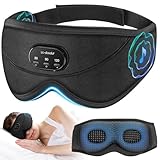
Overview: The LC-dolida sleep mask merges total light blockage with integrated audio capabilities, creating a hybrid solution for light-sensitive sleepers. This innovative design combines a 3D contoured eye mask with Bluetooth 5.4 headphones and a built-in white noise library, addressing multiple sleep disruptors simultaneously.
What Makes It Stand Out: Sixteen built-in white noise tracks eliminate phone dependency, offering immediate access to nature sounds, rain, and other soothing audio. The dual-mode operation switches seamlessly between Bluetooth streaming and standalone white noise. The 3D ergonomic design with full nose bridge coverage ensures complete blackout without eye pressure, while timer settings (30/90/120 minutes) prevent battery drain and overstimulation.
Value for Money: At $29.98, this mask occupies a sweet spot between basic blindfolds and premium earbuds. The integrated white noise library adds unique value absent in most competitors, while Bluetooth 5.4 ensures modern connectivity. For travelers and light-sensitive individuals, it replaces two separate products affordably.
Strengths and Weaknesses: Strengths include built-in white noise versatility, true blackout design, washable convenience, timer functionality, and side-sleeper compatibility. Weaknesses involve potential warmth during summer months, lack of active noise cancellation, less discreet than in-ear options, and audio quality that prioritizes functionality over audiophile standards.
Bottom Line: The LC-dolida mask excels for travelers, night shift workers, and anyone sensitive to both light and noise. If you want white noise independence from your phone and complete darkness without multiple devices, this thoughtfully designed hybrid offers exceptional utility at a reasonable price.
6. Mindsight DriftBand Sleep Mask with Bluetooth Headphones | Blackout Eye Mask with Memory Foam | Breathable Plush Fabric | Ultra-Thin Adjustable Speakers | Built for Sleep & Travel | Easy to Spot Clean

Overview: The Mindsight DriftBand merges premium sleep mask engineering with integrated Bluetooth audio for side sleepers and travelers seeking sensory control. This $39.95 device uses plush memory foam that molds to facial contours, delivering genuine 100% blackout while ultra-thin embedded speakers provide private sound without compromising comfort in any sleeping position.
What Makes It Stand Out: The DriftBand’s flat, adjustable speakers are a breakthrough for side sleepers, eliminating the pressure points common with traditional headphones. Ten volume levels deliver clear HD audio without distortion or ear pressure. The breathable plush fabric prevents overheating and sleep lines, while the Velcro strap ensures a secure, customizable fit. It’s specifically designed to create a personal relaxation space for meditation, naps, or overnight sleep without disturbing partners.
Value for Money: Positioned at the premium end, the price reflects quality materials and thoughtful ergonomics. While lacking ANC, it competes favorably against buying separate high-end eye masks and sleep headphones. For users prioritizing comfort and darkness over aggressive noise blocking, the investment is justified. Budget alternatives exist, but few match this level of side-sleeper optimization.
Strengths and Weaknesses: Strengths include exceptional side-sleeper comfort, true light blockage, breathable materials that reduce sweating, travel-ready portability, and pressure-free audio delivery. The adjustable strap fits most head sizes. Weaknesses: no active noise cancellation, spot-clean only maintenance (not washable), unspecified battery life, and the $40 price may deter budget shoppers. Audio leaks slightly at high volumes.
Bottom Line: The DriftBand excels for comfort-focused users who need darkness more than silence. It’s ideal for frequent flyers and side sleepers willing to invest in ergonomic design and premium fabrics. If you require serious noise cancellation, consider alternatives, but for holistic sensory control, this is a top-tier choice.
7. Sleep Earbuds, Mini ANC Wireless Earbuds Bluetooth 5.4 Headphones Deep Bass Stereo, 48H Playtime Ear Buds, 4 ENC Noise Cancelling Mic, In Ear IP7 Waterproof Earphones for Side Sleepers,Touch Control

Overview: These $19.99 mini earbuds deliver legitimate ANC technology engineered specifically for side sleepers. Weighing just 3.0g each, the low-profile design nests comfortably in the ear canal without creating pressure points, even when pressed against a pillow. They’re built to block snoring, street noise, and other disturbances while providing immersive audio.
What Makes It Stand Out: The dedicated Sleep Mode is a standout feature, eliminating disruptive beeps and low-battery alerts while enabling touch-lock to prevent accidental activation. Active Noise Cancellation effectively neutralizes snoring and environmental sounds. The 14.2mm dynamic drivers produce impressive 3D Hi-Fi bass, while four ENC microphones ensure crystal-clear calls. Bluetooth 5.4 provides stable 15-meter range with instant auto-pairing.
Value for Money: Exceptional value proposition. ANC-enabled earbuds under $20 are extremely rare, and these include premium features like IP7 waterproofing, 48-hour total playtime, and advanced Bluetooth 5.4. Major brand equivalents cost 3-4 times more. The feature-to-price ratio makes this a budget category leader that sacrifices little functionality.
Strengths and Weaknesses: Strengths include effective ANC for the price, genuine side-sleeper ergonomics, comprehensive sleep mode, long battery life, waterproof rating, and powerful audio drivers. Touch controls are responsive. Weaknesses: in-ear design may not suit users with canal sensitivity, budget build quality could affect long-term durability, and the charging case adds bulk compared to headband alternatives.
Bottom Line: A budget powerhouse for noise-sensitive sleepers. These earbuds punch far above their weight with real ANC and sleep-specific features at an unbeatable price. Perfect for side sleepers needing snore blocking or travelers wanting compact noise cancellation without premium cost. Audiophiles may want more refinement, but for sleep-specific use, they’re outstanding.
8. LC-dolida Sleep Headphones, 3D Sleep Mask Bluetooth Wireless Music Eye Mask, Sleeping Headphones for Side Sleepers Sleep Mask with Bluetooth Headphones Ultra-Thin Stereo Speakers Perfect for Sleeping

Overview: The LC-dolida combines 3D-contoured eye mask design with integrated Bluetooth headphones at a competitive $23.97 price point. This three-in-one solution targets side sleepers with pressure-free eye cavities that allow natural eye movement during REM sleep while delivering wireless audio and complete darkness in a single package.
What Makes It Stand Out: The ergonomic 3D contours create deeper eye cavities than flat masks, eliminating pressure on eyelids and preventing sleep disruption. Bluetooth 5.4 enables fast pairing and an impressive 45-foot range. Adjustable speakers can be positioned to align perfectly with ears for optimal audio clarity. The memory foam construction with super-soft fabric provides breathable comfort while effectively blocking light without causing sweat buildup.
Value for Money: Well-positioned between budget earbuds and premium headbands. The 3D contouring justifies the cost over basic flat masks, and integrated Bluetooth eliminates separate headphone purchases. The 8-10 hour battery life covers a full night, though it doesn’t match multi-day competitors. Overall, it’s fairly priced for the innovative design and feature set.
Strengths and Weaknesses: Strengths include pressure-free 3D eye cavities, adjustable speaker positioning, breathable memory foam, wide Bluetooth range, and effective light blockage. The washable fabric (electronics removed) is practical for hygiene. Weaknesses: no ANC limits noise blocking capability, battery life is adequate but not exceptional, and sound quality depends on proper speaker alignment. The mask may feel bulky for minimalists.
Bottom Line: An excellent hybrid for comfort-prioritizing side sleepers who value darkness over aggressive noise cancellation. The 3D contouring is genuinely innovative at this price, making it ideal for home use and travel where light blocking is paramount. Audio quality is solid for the category, though noise-sensitive users should pair with white noise for best results.
9. VEKJ Sleep Earbuds Bluetooth 5.4 in Ear Smart Touch Screen Ear Buds, 48H Playtime Mini Sleep Headphones Small Design for Side Sleepers, Crystal-Clear Calls, 5 EQ Modes, IPX7 Waterproof Earphones Black

Overview: The VEKJ L8 Pro earbuds introduce smart touch-screen technology to the budget sleep audio market at $19.99. These 3.0g mini earbuds feature a unique full-color LED touch-screen charging case and comprehensive sleep mode, targeting tech-savvy side sleepers who want maximum customization without increasing complexity or cost.
What Makes It Stand Out: The intelligent touch-screen case is a category-defining feature, enabling on-device control of music, calls, volume, wallpaper customization, language switching, and even a timer function—all without reaching for your phone. Five adjustable EQ modes (standard, classic, jazz, rock, pop) allow personalized audio tuning. The dedicated sleep mode silences low-battery and shutdown notifications, while 13mm drivers deliver balanced sound with strong bass and clear treble.
Value for Money: Outstanding value that redefines budget expectations. The touch-screen case alone differentiates it from generic $20 earbuds. Combined with 48-hour total playtime, IPX7 waterproofing, Bluetooth 5.4, and five EQ presets, you’re getting features typically reserved for $80+ products. This is arguably the best feature-per-dollar ratio in the sleep audio category.
Strengths and Weaknesses: Strengths include innovative touch-screen case, multiple EQ modes, effective sleep mode, long battery life, waterproof design, and lightweight ergonomic fit. The 13mm drivers produce clear audio across frequencies. Weaknesses: no ANC, which limits noise blocking compared to some competitors; in-ear design may cause discomfort during extended wear for sensitive users; and the touch screen may be over-engineered for those wanting simplicity.
Bottom Line: Perfect for tech enthusiasts seeking maximum features on a minimal budget. The touch-screen case provides genuine utility, though the lack of ANC means it’s best for users who prioritize audio customization over aggressive noise cancellation. A feature-packed bargain for the right user, but simplicity seekers may find it unnecessarily complex.
10. Fulext Sleep Headphones Bluetooth Headband - Sleeping Headphones for Side Sleeper Reduce Snoring Disturbance for Sleeping, Sports, Tech/Birthday for Women Men Mom Dad

Overview: The Fulext Bluetooth headband offers a versatile three-in-one solution for sleep, sports, and light blocking at an accessible $19.99 price point. The soft, wave-edged headband design integrates flat speakers into washable fabric, targeting side sleepers who cannot tolerate in-ear devices but still want private audio and minimal light intrusion.
What Makes It Stand Out: The headband format completely eliminates ear canal pressure, making it genuinely comfortable for side sleeping in ways earbuds cannot match. The upgraded battery provides 10+ hours of playtime and features intelligent auto-shutdown when depleted—preventing the disruptive beeps that plague cheaper alternatives. The thin, cool-touch fabric is washable (speakers removed), addressing long-term hygiene concerns that affect non-washable competitors.
Value for Money: Excellent budget value with dual sleep/sports functionality. At $20, it significantly undercuts most competitors while solving the comfort problem inherent to earbud designs. The washable design extends product lifespan, and the auto-shutdown feature demonstrates thoughtful engineering. However, it lacks ANC and advanced Bluetooth codecs, positioning it as a basic but reliable workhorse rather than a feature leader.
Strengths and Weaknesses: Strengths include true side-sleeper comfort without pressure, washable fabric, auto-shutoff prevents sleep disruption, versatile sports/sleep use, and highly accessible pricing. The flat speakers are padded enough for lying down. Weaknesses: no ANC limits noise blocking capability, audio fidelity is basic compared to dedicated earbuds, the headband style may feel warm for hot sleepers, and it’s less portable than compact earbuds.
Bottom Line: An ideal entry-level option for side sleepers who prioritize physical comfort over audio sophistication. It’s perfect for those who cannot tolerate earbuds and want a simple, washable solution for sleeping and light exercise. Great gift potential for non-tech-savvy users, though audiophiles and noise-sensitive sleepers should consider alternatives with better sound isolation.
Understanding the Science of Snoring and Sleep Disruption
Before diving into features and specifications, it’s crucial to understand exactly what you’re up against. Snoring isn’t a single sound—it’s a complex acoustic event that can sabotage sleep architecture in ways that simple silence can’t always fix.
How Snoring Affects Sleep Architecture
Snoring typically produces sound waves between 50-200 Hz, with peaks often landing in the 80-120 Hz range—right in the middle of frequencies that trigger the human brain’s threat-detection systems. Even if you don’t fully wake up, these low-frequency vibrations can pull you out of deep sleep stages (slow-wave and REM) into lighter sleep phases. This micro-arousal phenomenon means you might get eight hours in bed but only accumulate four hours of restorative sleep. Smart sleep headphones work by not just reducing decibel levels, but by preventing these specific frequency disruptions from reaching your auditory cortex.
The Role of White Noise in Sleep Science
White noise isn’t just static—it’s a carefully calibrated sound blanket that raises your baseline auditory threshold. When your brain perceives a consistent, non-threatening sound environment, it essentially “tunes out” minor fluctuations. This is called auditory masking, and it’s far more effective for sleep than simple noise cancellation alone. The key is matching the frequency profile of the white noise to the dominant frequencies of the snoring you’re trying to mask.
What Are Smart Sleep Headphones?
Smart sleep headphones represent a distinct category of wearable audio technology engineered specifically for overnight use. Unlike consumer headphones repurposed for bedtime, these devices are built from the ground up with sleep ergonomics, safety, and acoustics as primary design pillars.
Evolution from Basic Earplugs to Smart Technology
The journey began with foam earplugs offering 20-30 dB of passive reduction but zero comfort for side sleepers. Next came basic headband speakers—soft but acoustically limited. Today’s smart sleep headphones integrate micro-drivers, biometric sensors, and AI-powered sound adaptation. They monitor your sleep stages, adjust masking levels in real-time, and even wake you during optimal sleep cycle windows. This isn’t just playback; it’s responsive sleep engineering.
Key Differentiators from Regular Headphones
Standard headphones prioritize audio fidelity and style, often featuring rigid components that press against the ear canal or skull. Smart sleep headphones use ultra-thin 4-6mm drivers, flat-profile electronics, and flexible circuitry that disappears against your head. They’re also designed with extended battery life (8-12 hours minimum), breathable fabrics, and safety features like automatic volume limiting that prevents hearing damage during eight hours of continuous use.
How Smart Sleep Headphones Mask Snoring
The magic happens through a sophisticated three-layer approach that combines physics, psychoacoustics, and digital signal processing to create what audiologists call a “sleep-optimized soundscape.”
Active Noise Cancellation vs. Passive Noise Isolation
Active Noise Cancellation (ANC) uses microphones to detect incoming sound waves and generates inverse waves to cancel them out. This works brilliantly for consistent, low-frequency hums like airplane engines but struggles with the irregular, sharp peaks of snoring. Passive noise isolation—the physical blocking of sound—handles the higher frequencies. Smart sleep headphones deploy both, but their real strength lies in the third layer: adaptive sound masking that fills the acoustic gaps ANC and passive isolation miss.
Sound Masking Technology Explained
Rather than eliminating sound, masking introduces a controlled, consistent audio layer that raises your brain’s perceptual threshold. Imagine trying to hear someone whisper in a quiet library versus at a gentle waterfall—the waterfall’s consistent sound makes the whisper imperceptible. Advanced systems analyze the snoring’s amplitude and frequency in real-time, automatically adjusting the masking sound’s volume and tonal quality. If the snoring gets louder, the masking intensity increases proportionally without jarring you awake.
Frequency-Specific Snoring Attenuation
Premium smart sleep headphones target the 80-120 Hz snoring range with precision. They generate what’s called “shaped noise”—not pure white noise, but a customized spectrum that emphasizes frequencies matching your partner’s specific snore profile. Some systems even learn over time, creating a personalized acoustic fingerprint that neutralizes your particular snoring nemesis more effectively with each passing night.
Essential Features to Consider
When evaluating options, prioritize features that directly impact sleep quality and comfort. The flashy specs that matter for daytime headphones often become irrelevant—or even counterproductive—when you’re unconscious for eight hours.
Comfort and Ergonomics for Side Sleepers
If you sleep on your side, any pressure point becomes torture by 3 AM. Look for devices with sub-10mm thickness at the ear region, memory foam layering that compresses to under 5mm under head weight, and wide distribution bands that prevent pressure concentration. The best designs use three-dimensional knitting that creates air channels while maintaining acoustic seal. Test for “hot spots” by pressing the device against your ear—if you feel hardness within 30 seconds, you’ll feel pain within three hours.
Battery Life and Charging Options
Eight hours is the absolute minimum, but consider real-world usage. Battery capacity degrades over time, and cold bedroom temperatures can reduce runtime by 20-30%. Aim for 10-12 hour rated battery life to ensure longevity. Wireless charging is more than convenience—it eliminates wear on charging ports from nightly handling. Quick-charge features that provide a full night from 30 minutes of charging can be lifesavers when you forget to charge during the day.
Audio Quality and Sound Library
You’re not mixing an album—you need clean, non-fatiguing sound. Look for systems offering lossless playback of nature sounds, binaural beats, and guided meditations. The library should include at least 20+ hours of content without repetition to prevent your brain from “learning” and anticipating loops, which can become disruptive. More importantly, check if you can upload custom audio or stream from your preferred apps. Pre-loaded content gets stale; flexibility is key for long-term use.
Connectivity and Smart Features
Bluetooth 5.0 or higher ensures stable connections through walls and minimizes latency, which is crucial when audio needs to sync with real-time noise analysis. Dual-device pairing lets you stay connected to your phone for alarms while receiving audio from a bedside base station. Smart alarms that wake you during light sleep phases can make mornings feel less brutal, especially when you’ve been battling snoring all night.
Breathability and Temperature Regulation
Nothing ruins sleep like waking up sweaty. High-quality sleep headphones use moisture-wicking fabrics like bamboo charcoal-infused polyester or Tencel blends that move heat away from your head. Some integrate phase-change materials that absorb excess heat when you’re warm and release it when you cool down. Electronics generate heat too—look for designs that position the battery and chipset away from direct skin contact.
Material Matters: Choosing the Right Build
The materials touching your face for eight hours nightly matter as much as the technology inside. Substandard materials trigger allergies, trap heat, and degrade quickly from sweat and skin oils.
Memory Foam vs. Silicone vs. Fabric Constructions
Memory foam offers superior comfort and passive isolation but retains heat and breaks down over time. Silicone provides excellent seal and durability but can feel sticky and cause skin irritation. Fabric-covered designs breathe best but may sacrifice some acoustic seal. The sweet spot for most users is a hybrid: memory foam core with a cooling fabric cover and silicone acoustic seals at the driver edges.
Hypoallergenic and Skin-Safe Materials
Look for OEKO-TEX Standard 100 certification, which ensures textiles are free from harmful substances. Medical-grade silicone (ISO 10993 certified) prevents allergic reactions and bacterial growth. Some manufacturers infuse fabrics with silver ions for antimicrobial properties—effective but ensure it’s bound to the material, not a surface treatment that washes out. If you have sensitive skin, avoid latex-based elastic bands and opt for seamless, bonded constructions.
Sleep Position Compatibility
Your preferred sleep position dictates which designs will work and which will leave you with a headache—or no sleep at all.
Best Options for Back, Side, and Stomach Sleepers
Back sleepers have the most flexibility; nearly any design works provided the headband doesn’t slip forward and cover your eyes. Side sleepers need ultra-thin driver housings positioned slightly forward of the ear canal to avoid pressing against the pillow. Stomach sleepers face the biggest challenge—look for designs with offset drivers that sit above the ear or use bone conduction technology that transmits sound through your skull without anything in your ears. Some innovative designs place speakers in a neck wrap configuration for stomach sleepers.
Sound Technology Deep Dive
Beyond basic masking, advanced audio features can transform your sleep experience from simply “less bad” to genuinely restorative.
Adaptive Sound Technology
This game-changing feature uses built-in microphones to continuously monitor ambient noise levels and adjust your audio in real-time. When your partner’s snoring crescendos, the system gently raises your masking sound. When they quiet down, it lowers the volume to prevent audio fatigue. The best implementations make adjustments so gradually—over 2-3 minutes—that your brain never registers the change, maintaining a consistent perceptual environment.
Customizable EQ Settings for Snoring Frequencies
Generic white noise works, but targeted EQ settings work better. Look for companion apps that let you adjust a 10-band equalizer, specifically boosting frequencies around 100 Hz while cutting harsh highs that can become irritating over hours of playback. Some systems include a “snoring profile” preset that you can fine-tune by recording a sample of the snoring you’re trying to mask, creating a personalized filter.
Binaural Beats and Sleep Enhancement
Binaural beats play slightly different frequencies in each ear, encouraging your brain to synchronize to a desired state (delta waves for deep sleep, theta for REM). When combined with snoring masking, this can actually improve sleep quality beyond what silence would provide. The effect is subtle—don’t expect miracles—but clinical studies show modest improvements in sleep depth and next-day alertness when properly implemented.
Smart Features Worth Paying For
Not all “smart” features are equally valuable. Some are genuine sleep enhancers; others are gimmicks that add cost without benefit.
Sleep Tracking Integration
Built-in accelerometers and heart rate sensors can track sleep stages with accuracy approaching medical-grade devices. The real value isn’t the data itself—it’s the automatic audio adjustment based on your sleep depth. The system can reduce masking intensity once you’re in deep sleep (when you’re less likely to be disturbed) and ramp it up during light sleep phases. Look for devices that export data to Apple Health or Google Fit rather than locking it into a proprietary app.
Smart Alarm and Wake-Up Optimization
Waking during deep sleep causes sleep inertia—that groggy, disoriented feeling that can last hours. Smart alarms monitor your movement and heart rate variability to wake you within a 30-minute window when you’re in lightest sleep. When combined with snoring masking, this ensures you’re not just sleeping longer, but waking refreshed. The feature works best when the device has a dedicated alarm speaker separate from the masking audio, preventing the wake-up tone from getting lost in your soundscape.
App Connectivity and Firmware Updates
A well-designed app transforms your device from a simple speaker into an evolving sleep system. Look for apps offering firmware updates that improve performance over time, community sound libraries where users share effective masking tracks, and detailed analytics that help you identify patterns—like which nights are worst for snoring and what external factors (alcohol, sleep position) correlate with disruptions.
Safety Considerations
Wearing electronics while unconscious requires thoughtful safety engineering that goes beyond typical consumer electronics standards.
Volume Limits and Hearing Protection
Prolonged exposure to sounds above 70 dB can cause hearing damage over time. Quality sleep headphones enforce hard limits at 75-80 dB, with some reducing maximum volume based on cumulative nightly exposure. The WHO recommends keeping overnight audio under 60 dB for eight hours. Look for devices with “safe sleep” modes that automatically reduce volume after you fall asleep, using motion detection to confirm unconsciousness.
Situational Awareness Features
Complete isolation from your environment creates safety risks—fire alarms, crying babies, or intruders. Advanced systems include “sound pass-through” for critical frequencies, allowing smoke alarm frequencies (around 3,000 Hz) or baby cries (1,000-4,000 Hz) to penetrate your masking audio at reduced volume. Some use bone conduction for alarms, vibrating against your skull to wake you without disturbing your partner.
Price vs. Value: What Should You Budget?
The sleep headphone market spans from $30 basic headbands to $300+ medical-grade systems. Understanding where your money goes helps avoid both overpaying for unnecessary features and underpaying for critical quality.
Entry-Level vs. Premium Features
Budget options ($30-$80) typically offer passive isolation and basic white noise playback. They’re fine for mild snoring but lack adaptive technology and comfort engineering. Mid-range devices ($80-$150) add ANC, better materials, and app connectivity—this is the sweet spot for most users dealing with moderate snoring. Premium systems ($150-$300) justify their cost with adaptive sound, medical-grade materials, and biometric tracking. Consider your specific situation: a light sleeper with a chainsaw-snoring partner needs premium features, while occasional mild snoring might be solved mid-range.
Common Mistakes to Avoid
Even the best technology fails when purchased without considering personal fit and usage patterns. Sidestep these common pitfalls.
Overlooking Return Policies and Trial Periods
Your bedroom isn’t a showroom. A device that feels fine for five minutes can become unbearable by hour five. Reputable manufacturers offer 30-night trials because they know adaptation takes time. Read the fine print: some “trials” deduct return shipping and restocking fees. Look for companies with hassle-free returns and prepaid shipping labels. The adjustment period is real—your brain needs 5-7 nights to adapt to sleeping with audio, so a 14-day return window is often insufficient.
Ignoring Certification Standards
CE and FCC certifications are baseline legal requirements, not quality indicators. For sleep devices, look for UL certification for electrical safety and RoHS compliance for hazardous material restrictions. More importantly, check for sleep-specific certifications like the National Sleep Foundation’s SleepTech designation or FDA registration as a Class I medical device (for manufacturers making health claims). These indicate rigorous testing for both safety and efficacy.
Care and Maintenance
Your sleep headphones will absorb sweat, skin oils, and dead skin cells nightly. Without proper care, they become breeding grounds for bacteria and degrade quickly.
Cleaning Protocols for Hygiene
Daily: Wipe down with a dry microfiber cloth to remove oils. Weekly: Use manufacturer-approved cleaning wipes or a cloth dampened with 70% isopropyl alcohol—never submerge or use harsh cleaners. Monthly: Deep clean removable fabric covers in cold water with gentle detergent; air dry completely before use. Electronics hate moisture, so always clean with the power off and ensure 24-hour drying time if any liquid contacts internal components.
Storage and Longevity Tips
Never store with the battery fully depleted—this degrades lithium cells. Keep charge between 40-80% for storage. Avoid leaving in direct sunlight or hot cars; heat accelerates battery aging and warps plastic components. Replace foam inserts every 6-12 months as they compress and lose acoustic seal. Most quality devices last 2-3 years with proper care, though the battery typically shows degradation after 18 months of nightly use.
Who Benefits Most from Smart Sleep Headphones?
While anyone can benefit, certain groups see transformative results that justify the investment immediately.
Partners of Snorers
If you’re the silent partner, you’re likely experiencing “spousal arousal syndrome”—waking up multiple times nightly even if you don’t remember it. This chronic sleep fragmentation elevates cortisol levels and increases cardiovascular risk. Smart sleep headphones don’t just mask noise; they restore your sleep architecture, often improving relationship satisfaction as much as sleep quality.
Light Sleepers and Shift Workers
For those who wake at the slightest sound, these devices create a consistent auditory environment that prevents the startle response. Shift workers benefit doubly: they need daytime sleep when the world is noisy, and snoring from a partner sleeping on a normal schedule compounds the problem. The combination of masking and light-blocking designs (many integrate eye masks) creates a portable sleep cave.
Frequent Travelers
Hotel walls are thin, and you can’t control your neighbor’s snoring or hallway noise. Compact, flat-profile sleep headphones slip easily into carry-ons and work on planes, trains, and in unfamiliar hotel rooms. Some models include offline sound libraries, eliminating the need for Wi-Fi or Bluetooth in airplane mode.
Alternative Solutions and Complementary Strategies
Smart sleep headphones are powerful tools, but they’re not magic bullets. Understanding their limitations helps set realistic expectations.
When Headphones Alone Aren’t Enough
Severe obstructive sleep apnea produces snoring that can exceed 90 dB—loud enough to be heard through walls. No headphone can safely mask this level of noise without risking hearing damage. In these cases, headphones should complement medical treatment, not replace it. Consider them part of a multi-pronged approach: positional therapy for the snorer, room soundproofing, white noise machines for the room, and headphones for the partner. Also address root causes: weight management, alcohol avoidance, and nasal strips can reduce snoring intensity by 10-20 dB, making headphone masking far more effective.
The Future of Sleep Audio Technology
The next generation of sleep headphones is moving beyond simple masking into predictive and therapeutic applications.
Emerging Trends and Innovations
Machine learning algorithms are being trained on thousands of hours of snoring audio to predict crescendos before they happen, gently ramping up masking preemptively. Bone conduction technology is advancing to deliver clearer audio without any ear contact, ideal for side sleepers. We’re also seeing integration with smart home ecosystems—when your headphones detect snoring, they could automatically adjust the room humidifier or send a gentle vibration to your partner’s wearable to encourage a position change without waking them. The line between consumer electronics and medical devices continues to blur, with some manufacturers pursuing FDA clearance for sleep apnea adjunct therapy.
Frequently Asked Questions
Will these completely eliminate snoring sounds or just make them less noticeable?
Complete elimination is neither possible nor safe. Smart sleep headphones reduce snoring to below your perceptual threshold—typically a 30-40 dB reduction—while maintaining awareness of emergency sounds. Think of it as transforming a chainsaw into a gentle breeze, not creating absolute silence.
Are they safe to wear for eight hours straight every night?
Yes, when designed specifically for sleep. Look for devices with automatic volume limiting below 75 dB, breathable materials that prevent skin irritation, and electrical certifications (UL, CE) that ensure safe overnight operation. Avoid repurposing regular headphones, which lack these safety features.
Can sleeping with headphones damage my hearing over time?
Risk is minimal with proper devices. The key is keeping average volume under 60 dB and peak levels under 75 dB. Quality sleep headphones enforce these limits automatically. The bigger risk is actually from poor sleep—chronic sleep deprivation has more severe health consequences than properly managed overnight audio.
What’s the difference between noise masking and noise cancellation for snoring?
ANC works by canceling sound waves; it’s effective for constant drone but struggles with snoring’s irregular bursts. Masking adds a continuous sound layer that raises your brain’s threshold for disturbance. The most effective systems use both: ANC handles background rumble while masking covers the unpredictable peaks.
How long do smart sleep headphones typically last?
With nightly use, expect 2-3 years of reliable performance. Battery degradation is usually the limiting factor—after 500 charge cycles (about 18 months), you may notice 20-30% reduced runtime. Replaceable battery models extend lifespan, while fabric components typically need replacement every 12-18 months due to compression and hygiene.
Will these work for extremely loud snoring that can be heard through walls?
For snoring exceeding 80-85 dB, headphones alone may be insufficient. They can reduce the sound significantly but might need to be paired with room-based white noise machines and addressing the snorer’s underlying causes. Consider it a 70% solution for severe cases rather than a complete fix.
Can I use my own audio tracks, or am I limited to built-in sounds?
Most quality devices allow custom audio via Bluetooth streaming or MP3 uploads. This is crucial because personal preference in masking sounds varies dramatically. However, custom tracks won’t benefit from adaptive volume adjustment unless they’re played through the manufacturer’s app, which can analyze and modify your audio in real-time.
Are these comfortable for dedicated side sleepers?
Modern designs specifically engineered for side sleepers use sub-10mm thick speakers and memory foam that compresses to 5mm under pressure. Look for “side-sleeper certified” designs with forward-offset drivers. Test during your trial period—comfort is subjective, and what works for one side sleeper may not work for another based on head shape and pillow firmness.
Do smart sleep headphones help with other nighttime noises like traffic or barking dogs?
Absolutely. The same technology that masks snoring handles most environmental noise. Low-frequency traffic rumble is easily canceled by ANC, while sharp barks are masked by adaptive sound. The systems are frequency-agnostic—they identify disruptive sounds and apply the appropriate countermeasure regardless of source.
What if they don’t work for my specific situation?
This is why trial periods are non-negotiable. If after 7-10 nights you’re still being disturbed, first try adjusting the EQ settings to target your partner’s specific snore frequency. If that fails, the device may not be powerful enough for your snoring severity. Return it and consider a multi-pronged approach: combine a less expensive headphone with a room-based white noise machine positioned between you and the snorer for layered protection.