As smart home security becomes increasingly sophisticated, pet owners face a unique challenge: how do you protect your home from intruders without your furry family members triggering false alarms every time they chase a sunbeam or midnight snack? The frustration of rushing home to disarm a blaring alarm caused by your cat’s acrobatic leaps or your dog’s territorial patrols has driven a revolution in motion detection technology. By 2026, pet-immune sensors have evolved from simple weight-based thresholds to AI-powered systems that understand the difference between a burglar and a border collie.
This comprehensive guide cuts through the marketing jargon to equip you with everything you need to know about selecting, installing, and optimizing motion detection sensors that respect your pets’ freedom while keeping your home secure. Whether you’re upgrading an existing system or building a smart security network from scratch, understanding the nuanced features that define truly pet-friendly technology will save you money, reduce headaches, and ensure your four-legged companions can roam comfortably without compromising safety.
Top 10 Motion Detection Sensors for Pet-Friendly Homes
Detailed Product Reviews
1. THIRDREALITY Zigbee Motion Sensor, Pet Friendly, Compatible with Home Assistant, SmartThings, Aeotec, Homey, Hubitat or Echo Devices with Built-in Zigbee Hub

Overview: The THIRDREALITY Zigbee Motion Sensor delivers reliable motion detection at an accessible price point. Designed for seamless integration with major smart home platforms, this pet-friendly sensor requires a Zigbee hub and works particularly well within the Alexa ecosystem. Its compact design and straightforward installation make it an attractive option for homeowners looking to add automation without complexity.
What Makes It Stand Out: This sensor’s exceptional hub compatibility sets it apart, working natively with Echo devices that have built-in Zigbee radios (4th Gen Echo, Echo Plus, Echo Studio, and select Eero models) plus third-party platforms like Home Assistant, SmartThings, and Hubitat. The two-year battery life from just two AAA batteries minimizes maintenance, while the 20-foot detection range suits most indoor spaces. Alexa routine integration allows for customized voice announcements and smart light automation without additional software.
Value for Money: At $19.99, this sensor sits in the sweet spot for Zigbee devices—significantly cheaper than Z-Wave alternatives while offering comparable performance. The long battery life reduces ongoing costs, and broad compatibility means you won’t need to replace it if you switch ecosystems. Competing sensors often cost $25-35 with similar features, making this a budget-friendly choice.
Strengths and Weaknesses: Strengths include wide hub compatibility, effortless Alexa setup, excellent battery life, and reliable pet-friendly detection. Weaknesses are the requirement for a specific Zigbee hub (no Wi-Fi standalone mode), limited 20-foot range compared to some premium sensors, indoor-only design, and lack of advanced configuration options like adjustable timeout.
Bottom Line: For Alexa-centric smart homes, this is a no-brainer. The THIRDREALITY sensor offers reliable performance, minimal maintenance, and seamless integration at a price that’s hard to beat.
2. Ring Alarm Motion Detector | Pet-Friendly Security with Adjustable Settings | 90° Coverage & 25ft Range | Easy Installation | Base Station Required
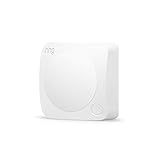
Overview: The Ring Alarm Motion Detector is purpose-built for the Ring security ecosystem, offering pet-friendly monitoring with professional-grade reliability. This second-generation model features a more compact design than its predecessor while maintaining the robust performance Ring users expect. It’s engineered to work exclusively with the Ring Base Station as part of a comprehensive home security system.
What Makes It Stand Out: Ring’s sophisticated pet-immunity settings allow you to adjust sensitivity based on your pet’s size, significantly reducing false alarms—a common frustration with motion sensors. The 25-foot range and 90° coverage provide excellent room coverage, while the streamlined installation requires zero tools. Deep integration with Ring cameras enables automatic recording triggers when motion is detected, creating a cohesive security network.
Value for Money: At $29.99, the sensor is reasonably priced for a branded security component, but the total cost of ownership rises when factoring in the required Ring Base Station ($99+) and Ring Protect subscription ($3.99/month) for mobile notifications. Compared to standalone Zigbee sensors, it’s more expensive long-term, but the professional monitoring integration justifies the premium for security-focused users.
Strengths and Weaknesses: Strengths include superior pet-adjustment features, excellent build quality, seamless Ring ecosystem integration, and reliable 25-foot detection range. Weaknesses are the mandatory Ring Base Station requirement, subscription dependency for full functionality, limited compatibility outside Ring’s ecosystem, and battery life that typically lasts 1-2 years (shorter than some competitors).
Bottom Line: This is the ideal choice for existing Ring Alarm owners. If you’re not invested in Ring’s ecosystem, the mandatory hardware and subscription costs make it a less attractive option.
3. Aqara Zigbee Motion Sensor P1 3 Pack, Smart Motion Detector for Alarm System and Home Automations, 5-Year Battery Life, Pet Friendly, Compatible with HomeKit, Alexa, HomeKit, IFTTT, Requires Aqara Hub

Overview: The Aqara Motion Sensor P1 3-Pack represents the premium tier of Zigbee motion detection, engineered for users who demand maximum configurability and longevity. These sensors require an Aqara Zigbee 3.0 hub but reward that commitment with exceptional battery life and fine-tuned control. The package includes three sensors, making it cost-effective for whole-home coverage.
What Makes It Stand Out: The staggering five-year battery life eliminates maintenance anxiety, while configurable detection timeout (1-200 seconds via app) provides unmatched flexibility for automation scenarios. The adjustable viewing angle (170° at 4 meters or 150° at 7 meters) and three sensitivity levels allow precise customization. HomeKit native support alongside Alexa and Home Assistant compatibility makes this one of the most versatile sensors available.
Value for Money: At $62.99 for three units ($21 each), the P1 sensors are competitively priced for premium features. While cheaper Zigbee sensors exist, none match the battery longevity and configurability. The catch is the mandatory Aqara hub ($30-60), which locks you into their ecosystem. For Aqara users, this is exceptional value; for others, the hub requirement diminishes appeal.
Strengths and Weaknesses: Strengths include industry-leading battery life, extensive customization options, wide viewing angles, multi-platform support, and reliable pet-friendly detection. Weaknesses are the Aqara hub requirement (incompatible with other Zigbee coordinators), limited functionality in HomeKit/Alexa (no light sensitivity), and higher upfront cost for non-Aqara households.
Bottom Line: If you own an Aqara hub, these are arguably the best motion sensors you can buy. For those outside the ecosystem, the hub requirement and cost may be prohibitive despite the premium features.
4. THIRDREALITY Zigbee Motion Sensor 2 Pack, Zigbee Hub Required, Pet Friendly, Work with Home Assistant,SmartThings, Aeotec,Homey, Hubitat or Echo Devices with Built-in Zigbee hub

Overview: The THIRDREALITY Zigbee Motion Sensor 2-Pack offers the same reliable performance as the single unit but provides better value for multi-room installations. These pet-friendly sensors require a Zigbee hub and excel within Alexa-centric smart homes. Each sensor maintains identical specifications to the standalone version, delivering consistent coverage throughout your home with minimal configuration effort.
What Makes It Stand Out: Beyond the obvious bulk savings, this 2-pack maintains the same impressive hub compatibility as the single unit, working seamlessly with Echo devices featuring built-in Zigbee radios and major platforms like Home Assistant and SmartThings. The two-year battery life per sensor means you’re not constantly replacing batteries across multiple devices. Alexa routine integration remains a highlight, enabling voice announcements and smart light automation without complex programming.
Value for Money: At $37.99 for two ($19 per sensor), the 2-Pack matches the individual unit price while eliminating the need for separate purchases. This represents solid value for anyone needing multiple sensors, saving shipping costs and packaging waste. Compared to buying two single units at $19.99 each, you save $2, making it a modest but welcome discount for whole-home setups.
Strengths and Weaknesses: Strengths include cost-effective multi-room coverage, broad hub compatibility, easy Alexa setup, and long battery life. Weaknesses mirror the single unit: mandatory Zigbee hub requirement, no standalone Wi-Fi mode, limited 20-foot range, indoor-only design, and lack of advanced settings like adjustable sensitivity or detection timeout.
Bottom Line: For Alexa users planning to deploy multiple motion sensors, this 2-Pack delivers convenience and slight savings. It’s an efficient way to expand your smart home’s presence detection without compromising on features.
5. eMylo Motion Sensor Alarm,Home Security Alarm System with Motion Sensor Alarm Indoor Infrared Sensors Protect Pet Friendly Portable Door Chime Bell Alert Burglar for Shop Home(USB Supply )

Overview: The eMylo Motion Sensor Alarm takes a fundamentally different approach, functioning as a complete standalone security system rather than a smart home component. This budget-friendly device combines a motion sensor with a built-in 120dB alarm, offering immediate deterrence without requiring hubs, subscriptions, or complex configuration. It’s designed for users seeking simple, effective security on a tight budget.
What Makes It Stand Out: The $9.99 price point makes this the most accessible motion alarm available, while the integrated 120dB siren provides instant audible alerts—something most smart sensors lack. The included remote control operates up to 164 feet away, allowing easy arming/disarming and SOS functionality. Dual power options (USB or battery) ensure continuous operation, and the 30-foot detection range exceeds many premium smart sensors.
Value for Money: This is unparalleled value for basic security needs. No other product delivers a complete motion alarm system at this price. While it lacks smart home integration, it requires zero ongoing costs—no subscriptions, no hub purchases. For comparison, a basic smart sensor plus hub costs 5-10 times more. The trade-off is sophistication, but for straightforward deterrence, it’s unbeatable.
Strengths and Weaknesses: Strengths include incredible affordability, loud integrated alarm, remote control convenience, flexible power options, and simple installation. Weaknesses are the lack of smart home integration, no mobile notifications, basic detection technology compared to Zigbee sensors, and AAA batteries not included. The 110° detection angle is narrower than some competitors.
Bottom Line: Perfect for sheds, garages, or temporary security needs where smart features are overkill. The eMylo delivers core functionality at a price that makes it nearly disposable.
6. meross Matter Human Presence Sensor, 3-in-1 PIR & Light & mmWave Radar Motion Sensor, AI Motion Detector for Matter Smart Home Automation, Supports HomeKit, Alexa, Google, Home Assistant, 2.4GHz Wi-Fi

Overview: The meross Matter Human Presence Sensor represents a significant leap in motion detection technology by combining PIR, mmWave radar, and light sensing into a single device. This 3-in-1 approach allows it to detect both motion and static presence, solving the common problem of lights turning off when you’re sitting still. Designed for Matter-compatible smart homes, it promises seamless integration across multiple platforms including HomeKit, Alexa, Google Home, and Home Assistant.
What Makes It Stand Out: The mmWave radar is the star feature, detecting micro-movements and presence even without macro motion—perfect for offices or living rooms where you might be stationary. The adjustable base offers 180° pivot and 360° rotation with integrated cable management, providing exceptional placement flexibility. The included pet-proof shield demonstrates thoughtful design for households with animals. Its Matter certification ensures future-proof compatibility and local control for enhanced privacy and reduced latency.
Value for Money: At $33.99, this sensor sits in the mid-range but offers premium technology. Single-technology PIR sensors cost $15-25, while dedicated mmWave sensors often exceed $50. The 3-in-1 functionality, Matter support, and multi-ecosystem compatibility justify the price, especially considering you won’t need multiple sensors for comprehensive detection.
Strengths and Weaknesses: Strengths include advanced presence detection, wide platform support, adjustable mounting, and pet-proofing. Weaknesses: requires continuous power (limiting placement), needs a hub for Matter functionality, and the complexity may overwhelm beginners. The 2.4GHz Wi-Fi limitation could be problematic in congested networks.
Bottom Line: Ideal for smart home enthusiasts seeking reliable presence detection, the meross sensor excels in technical sophistication. However, the power requirement and hub dependency for Matter may deter casual users. Perfect for home offices and living spaces where traditional motion sensors fall short.
7. Ring Alarm Motion Detector 2-Pack (White) | Pet-Friendly Security with Adjustable Settings | 90° Coverage & 25ft Range | Easy Installation | Base Station Required
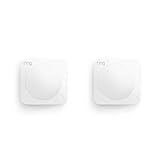
Overview: The Ring Alarm Motion Detector 2-Pack delivers pet-friendly security monitoring designed exclusively for the Ring ecosystem. These second-generation sensors feature a more compact design than their predecessors, enabling flexible placement in corners or on flat walls throughout your home. With 90° coverage and a 25-foot range, they provide reliable motion detection for medium-sized rooms when paired with a Ring Base Station.
What Makes It Stand Out: The deep integration with Ring’s security platform allows you to link these detectors with Ring cameras, lights, and the alarm siren for comprehensive automation. The adjustable sensitivity settings help minimize false alarms from pets under 50 pounds, a crucial feature for animal owners. Tool-free installation and the smaller form factor make setup remarkably simple, while the AA battery power provides maintenance-free operation for months.
Value for Money: At $59.99 for two ($30 each), the price is reasonable within the Ring ecosystem. However, the total cost of ownership rises significantly when factoring in the required Ring Base Station ($99+) and Protect subscription ($4/month minimum) for mobile notifications. Compared to standalone sensors, you’re paying a premium for Ring’s integrated experience.
Strengths and Weaknesses: Strengths include seamless Ring integration, pet-friendly settings, easy installation, and reliable performance. Weaknesses: requires Base Station AND subscription for basic features, narrow 90° coverage limits detection area, ecosystem lock-in prevents use with other platforms, and battery replacement adds ongoing cost.
Bottom Line: A solid choice for existing Ring Alarm users wanting to expand coverage, but a poor value as a standalone purchase. The subscription requirement and narrow coverage make it less appealing than multi-ecosystem alternatives unless you’re fully committed to Ring’s ecosystem.
8. CPVAN 125dB Loud Motion Sensor Alarm with 328ft Remote Control (40ft PIR Detector, Batteries), Indoor Wireless Infrared Security Motion Detector with Siren for Home Garage Van (CP2 Pro, Black)

Overview: The CPVAN CP2 Pro is a straightforward, no-frills motion sensor alarm prioritizing loud deterrence over smart home sophistication. This indoor security device combines a 125dB siren with a 40-foot PIR detection range, creating an effective standalone deterrent for homes, garages, vans, and small businesses. Operating independently without Wi-Fi or subscriptions, it offers immediate security without complexity.
What Makes It Stand Out: The ear-piercing 125dB alarm is substantially louder than most competitors, ensuring intruders won’t ignore it. The included 328-foot remote control provides convenient arming/disarming from significant distances—useful for garage or van applications. Dual modes (alarm and gentle chime) offer versatility, functioning as either a security siren or a visitor alert. Its portable, battery-powered design allows temporary deployment for camping or vehicle protection.
Value for Money: At $25.99, this represents exceptional value for basic security needs. Without requiring hubs, subscriptions, or Wi-Fi, the total cost of ownership remains low. While it lacks smart features, it delivers core functionality reliably. Comparable standalone alarms cost $30-40, making CPVAN an affordable choice for simple deterrence.
Strengths and Weaknesses: Strengths include extreme loudness, long-range remote, portability, simple operation, and excellent warranty (18 months). Weaknesses: no smart home integration, PIR technology can’t penetrate glass/walls, indoor-only design, no app notifications, and limited detection technology compared to dual-tech sensors.
Bottom Line: Perfect for users wanting immediate, local security without smart home complexity. The CPVAN excels as a garage, van, or shed alarm but falls short for whole-home automation. Choose this for loud deterrence and simplicity, not for integration with modern smart ecosystems.
9. WiFi Smart Motion Sensor: Wireless PIR Motion Detector for Home Security, Infrared Motion Sensor with App Notification Alert, Support Voice Command Via Alexa (1-Pack)

Overview: This WiFi Smart Motion Sensor offers entry-level smart home automation at an unbeatable price point. Compatible with Smart Life and Tuya apps, it provides basic motion detection with smartphone notifications and Alexa voice control. With a 7-meter detection range and 128° viewing angle, it covers small to medium rooms effectively, making it suitable for hallways, bathrooms, or bedrooms where simple automation is desired.
What Makes It Stand Out: The $12.19 price tag is its most compelling feature—among the cheapest WiFi motion sensors available. Despite the low cost, it delivers app-based monitoring, family sharing, and Alexa integration. The sensor can trigger other Tuya-compatible devices, enabling basic automation like turning on lights when motion is detected. Its tiny, wireless design supports multiple installation methods without tools.
Value for Money: Unbeatable value for beginners dipping their toes into smart home tech. At this price, it’s a low-risk experiment. However, you get what you pay for: limited detection range, short 4-month battery life, and reliance on the sometimes-unreliable Tuya platform. More robust sensors cost 2-3x more but offer better reliability and features.
Strengths and Weaknesses: Strengths include ultra-low price, easy WiFi setup, Alexa compatibility, and versatile mounting. Weaknesses: no 5GHz WiFi support, poor battery life, limited detection range, Tuya platform reliability issues, and no advanced features like presence detection or light sensing.
Bottom Line: An excellent starter sensor for budget-conscious smart home newcomers. It performs adequately for basic automation but won’t satisfy users needing reliability or advanced features. Buy this to experiment with automation, not for critical security applications where consistent performance matters.
10. Aqara Zigbee Motion Sensor P1, Smart Motion Detector, Requires AQARA HUB, 5-Year Battery Life, Configurable Detection Timeout, for Alert System and Automations, Compatible with HomeKit, Alexa, IFTTT

Overview: The Aqara Motion Sensor P1 is a Zigbee-based motion detector built for longevity and flexibility within the Aqara ecosystem. Boasting an industry-leading 5-year battery life and configurable detection timeouts, it’s designed for users who value set-it-and-forget-it reliability. The sensor requires an Aqara Zigbee 3.0 hub but offers deep integration with HomeKit, Alexa, IFTTT, and Home Assistant once connected.
What Makes It Stand Out: The five-year battery life is exceptional, eliminating frequent maintenance. The configurable timeout (1-200 seconds) allows precise automation tuning—set short timeouts for security or long ones for energy-saving light control. Adjustable sensitivity (high/medium/low) and a 360° stand provide customization rarely seen in sub-$25 sensors. Zigbee’s mesh networking ensures stable connectivity without Wi-Fi congestion.
Value for Money: At $23.99, it’s reasonably priced but requires a $30-60 Aqara hub, making the total investment $55-85. For existing Aqara users, it’s a steal. For newcomers, the hub requirement is a barrier. Compared to WiFi sensors needing no hub, the long-term battery savings and Zigbee reliability justify the initial cost if you’re building a comprehensive smart home.
Strengths and Weaknesses: Strengths include phenomenal battery life, flexible settings, stable Zigbee connection, and wide platform compatibility. Weaknesses: REQUIRES Aqara hub (not compatible with other Zigbee hubs), limited 10-meter range from hub, no built-in light sensor, and potential functionality gaps with third-party platforms.
Bottom Line: A top-tier sensor for committed Aqara ecosystem users. The battery life and customization are unmatched, but the hub requirement and ecosystem lock-in make it unsuitable for dabblers. Invest in this if you’re building a serious Zigbee smart home; otherwise, consider more flexible WiFi or Matter alternatives.
Understanding Pet-Friendly Motion Detection Technology
The Evolution from Traditional to Pet-Immune Sensors
Remember the early days of motion sensors when anything over 40 pounds was considered a potential threat? Those rudimentary systems relied on crude weight thresholds that couldn’t distinguish between a golden retriever and a grown adult crawling through a window. The technology has undergone a remarkable transformation, shifting from single-factor detection to multi-dimensional analysis. Modern sensors now combine infrared heat mapping, spatial recognition, and behavioral pattern analysis to create a sophisticated understanding of what constitutes a genuine security threat versus normal pet activity.
How Modern Sensors Differentiate Between Pets and Intruders
Today’s advanced systems employ machine learning algorithms that study movement patterns over time. They recognize that your cat’s 3 a.m. “zoomies” follow predictable paths, while your dog’s patrol route sticks to perimeter walls. These sensors analyze speed, gait, heat signature, and even the way body mass distributes during movement. Some cutting-edge models map your home’s “pet highways”—the routes your animals habitually travel—and create invisible corridors where movement doesn’t trigger alerts, while still maintaining sensitivity in off-limits areas.
Key Types of Motion Detection Sensors
Passive Infrared (PIR) Sensors Explained
PIR sensors remain the backbone of most residential security systems, detecting changes in infrared energy across their field of view. For pet owners, the critical advancement lies in segmented detection zones. Rather than monitoring a single massive area, modern PIR units divide their coverage into dozens of independent pixels, each capable of ignoring heat signatures below a certain height or mass threshold. The latest generation uses dual-element pyroelectric sensors that can determine direction of movement, helping differentiate between an animal moving horizontally across a room versus a human approaching a door.
Microwave and Dual-Tech Sensors for Pet Owners
Microwave sensors emit continuous waves that measure reflection patterns, offering superior penetration through obstacles but historically plagued by false alarms from small movements. When combined with PIR technology in dual-tech configurations, they create a powerful verification system. The sensor only triggers when both technologies detect movement simultaneously, drastically reducing pet-related false alarms. In 2026, adaptive microwave power settings allow these sensors to automatically reduce their sensitivity in areas where pets are active during specific hours.
Advanced AI-Powered Computer Vision Systems
The frontier of pet-friendly security lies in camera-based motion detection with onboard AI processing. These systems don’t just detect movement—they identify species. Using convolutional neural networks trained on millions of images, they can distinguish between human, canine, feline, and even small mammal intruders with over 99% accuracy. The key advantage? They maintain full sensitivity while intelligently filtering alerts based on what they see, not just how something moves.
Ultrasonic and Tomographic Motion Detection
While less common in residential settings, ultrasonic sensors emit high-frequency sound waves to detect movement, making them excellent for environments where heat-based detection struggles. Tomographic sensors, which create a 3D mesh of radio waves throughout your home, represent the next leap forward. These systems can identify the exact location, size, and even breathing patterns of moving objects, offering unprecedented accuracy for multi-pet households.
Critical Features to Evaluate in 2026
Weight Threshold Accuracy and Customization
The concept of “pet immunity up to 80 pounds” is outdated. What matters now is adjustable weight sensitivity across multiple zones. Look for sensors offering granular calibration—perhaps ignoring 15-pound movements in living areas while maintaining full sensitivity to 5-pound disturbances near ground-floor windows. The best systems allow you to set different thresholds for different times of day, recognizing that your cat may be more active at dawn while your dog patrols at dusk.
Height-Based Detection Zones
Vertical segmentation has become the gold standard for pet-friendly sensors. Advanced models create invisible horizontal planes, typically set at 2.5 to 3 feet, completely ignoring movement below that line in designated pet zones. However, the real innovation lies in dynamic height adjustment. Some sensors can raise their threshold during the day when pets roam freely, then lower it at night when animals are sleeping, providing layered security that adapts to your household’s rhythm.
Sensitivity Calibration and AI Learning
Static sensitivity settings are a recipe for frustration. Modern sensors feature adaptive learning modes that observe your home for 1-2 weeks, building a behavioral baseline. They learn that your beagle’s signature hop onto the sofa generates a specific motion signature, while your teenager’s late-night snack run looks entirely different. This machine learning capability means the sensor becomes more accurate over time, reducing false alarms by up to 90% after the initial training period.
Multi-Pet Household Considerations
If you’ve got both a Maine Coon cat and a German Shepherd, you’re dealing with radically different movement profiles. The latest sensors support multiple pet profiles, essentially creating individualized immunity settings. They can distinguish between species based on movement patterns, heat signatures, and speed. This is crucial because a sensor optimized for a 60-pound dog might still trigger constantly from a hyperactive 10-pound cat, and vice versa.
Installation Strategies for Pet-Friendly Homes
Optimal Placement and Height Guidelines
Installation height dramatically impacts performance. For PIR sensors in pet-friendly configurations, mounting between 7.5 and 8 feet high typically creates an optimal detection cone that misses most pet activity while capturing human movement. However, this varies by sensor type and room layout. Staircases require special consideration—mount sensors to monitor horizontal movement across stairs rather than vertical climbing, which pets frequently do. Always angle sensors away from furniture your pets use as launchpads.
Room-by-Room Configuration Tips
Your living room needs different settings than your bedroom or kitchen. In feeding areas, temporarily disable motion detection during meal times using geofencing or schedules. For bedrooms where pets sleep, use sensors with “sleep mode” that ignore subtle movements but still detect major disturbances. Hallways benefit from corridor-mode detection that focuses on movement across the path rather than along it, reducing triggers from pets pacing.
Outdoor vs. Indoor Sensor Considerations
Outdoor sensors face environmental challenges that complicate pet immunity. Wind-blown foliage, small animals, and temperature fluctuations require robust algorithms. Look for outdoor-rated sensors with animal rejection modes that specifically filter out raccoon, squirrel, and bird movement patterns while remaining sensitive to human intruders. The detection range should be adjustable—perhaps 30 feet for driveway monitoring but only 10 feet for backyard areas where your dog plays.
Smart Home Integration Ecosystems
Compatibility with Popular Platforms
Your motion sensors shouldn’t exist in isolation. Seamless integration with platforms like Apple HomeKit, Google Home, Amazon Alexa, and Samsung SmartThings allows for sophisticated automation. The key is two-way communication—your security system should know when you’ve activated “Pet Mode” in your smart home app, automatically adjusting sensitivity across all sensors. Matter protocol support has become essential in 2026, ensuring cross-platform compatibility regardless of your chosen ecosystem.
IFTTT and Advanced Automation Workflows
Beyond basic integration, advanced users leverage conditional logic to create pet-aware ecosystems. For example: “If motion detected in living room AND both owners’ phones are away AND pet tracker shows dog in bedroom, THEN trigger alarm.” These workflows transform simple motion detection into contextual security that understands occupancy patterns. Some systems even integrate with smart pet doors, automatically arming perimeter sensors when the pet door locks at night.
Professional Monitoring Service Integration
If you subscribe to professional monitoring, ensure your pet-immune settings communicate with the monitoring center. Some older systems only transmit raw motion data, meaning monitoring agents receive alerts for pet-triggered events even if your local system ignores them. Modern integrations send enriched data labels—“motion detected, classified as pet, alarm suppressed”—keeping monitoring centers informed without unnecessary dispatches.
Privacy and Data Security Considerations
On-Device Processing vs. Cloud Analytics
AI-powered sensors raise legitimate privacy concerns, especially camera-based systems. On-device processing keeps all analysis local, transmitting only metadata (“pet detected”) rather than video feeds. This approach protects your privacy and reduces latency. Cloud-based systems offer more powerful analytics but require trusting providers with potentially sensitive footage of your home life. In 2026, hybrid models have emerged, using edge computing for real-time filtering and cloud processing only for rare, ambiguous events.
Data Encryption and Pet Activity Privacy
Your pet’s movement patterns constitute personal data. Ensure any sensor storing activity logs uses AES-256 encryption at rest and TLS 1.3 for transmission. Some privacy-forward manufacturers have adopted zero-knowledge architectures where they cannot access your data even if compelled. Review data retention policies—optimal systems automatically purge pet activity logs after 30 days while retaining security events longer.
GDPR and Emerging Privacy Regulations
With regulations evolving globally, choose sensors from companies compliant with GDPR, CCPA, and emerging state-level privacy laws. This ensures you have rights to data deletion, portability, and transparency about how your pet’s behavior data is used. Some manufacturers now offer “privacy mode” that disables all learning features and data collection while maintaining basic motion detection.
Power Options and Sustainability
Battery Life Expectations in Pet-Active Environments
Frequent false alarms don’t just test your patience—they drain batteries. A sensor triggering 20 times daily from pet activity might need new batteries every 3 months versus 2+ years in a properly calibrated setup. Lithium batteries have become standard, offering better cold-weather performance for outdoor sensors. Look for models with battery level reporting integrated into your smart home dashboard, providing 30-day advance warnings.
Hardwired vs. Wireless: Making the Right Choice
Hardwired sensors eliminate battery anxiety but limit placement flexibility. For pet owners, wireless sensors often prove superior because you can experiment with placement to find optimal pet-immune positions. However, consider hybrid systems where critical entry points use hardwired sensors for reliability while pet-heavy zones deploy wireless units. Power-over-Ethernet (PoE) sensors offer the best of both worlds—reliable power with flexible IP-based integration.
Solar and Energy-Harvesting Technologies
Emerging solar-powered sensors with integrated battery storage now last 5+ years without maintenance. Energy-harvesting models that capture ambient RF signals or indoor light represent the cutting edge for eco-conscious pet owners. These technologies are particularly valuable for outdoor kennel areas or large properties where running wires is impractical.
Advanced Calibration Techniques
The Learning Phase: Training Your Sensor
Most advanced sensors require a 7-14 day learning period during which they map normal activity patterns. Maximize this phase by ensuring typical pet behavior occurs—let your cat use their favorite climbing tree, allow your dog their usual patrol routes. Some systems benefit from “guided training” where you manually label events as “pet” or “intruder” through the app, accelerating the AI’s understanding of your household’s unique patterns.
Fine-Tuning for Specific Pet Behaviors
Does your rabbit free-roam? Does your bird fly between rooms? Advanced calibration lets you create species-specific profiles. For caged animals, you can draw exclusion zones around habitats where any movement is ignored. For free-roaming reptiles, thermal masking tells the sensor to ignore heat signatures matching your pet’s body temperature. The most sophisticated systems even learn individual gaits, recognizing the difference between your senior dog’s slow amble and a person walking.
Seasonal Adjustments and Environmental Factors
Pets behave differently with the seasons—more active in cooler months, seeking sunny spots in winter. Temperature fluctuations also affect sensor performance. Configure seasonal profiles that automatically adjust sensitivity based on calendar dates or integrate with smart thermostats. HVAC vents can create false triggers when pets sit beneath them; advanced sensors map these thermal disturbances and compensate automatically.
Troubleshooting Common Pet-Related False Alarms
Identifying Problematic Trigger Sources
When false alarms persist, systematic troubleshooting reveals the culprit. Use your sensor’s event log with timestamped snapshots to identify patterns. Is the alarm always at 6 PM when sunlight hits a certain window? Does it trigger when your cat uses the scratching post? Modern apps overlay pet tracker data with motion events, making correlations obvious. Sometimes the solution is as simple as moving a piece of furniture your pet uses as a springboard.
When to Upgrade Your Existing System
If your current sensors trigger more than 2-3 false alarms monthly from pet activity, it’s time to upgrade. Legacy systems lack the sophisticated algorithms necessary for modern pet ownership. Consider replacement when manufacturers stop providing firmware updates, as AI models improve continuously. The cost of upgrading is often recovered within a year through avoided false alarm fees and monitoring service charges.
Professional Calibration Services
Some security companies now offer pet-specific calibration services, using thermal imaging and motion capture technology to analyze your pets’ behavior patterns. These services, while pricey ($200-400), can optimize sensor placement and settings in ways DIY setup cannot match. They’re particularly valuable for unusual homes with high ceilings, open floor plans, or exotic pets with unique movement patterns.
Cost Analysis and Value Proposition
Initial Investment vs. Long-Term Savings
Premium pet-immune sensors cost 40-60% more than basic models, but the math is compelling. Each false alarm can cost $50-150 in municipal fines, not to mention the stress and potential for your pets to be traumatized by sirens. Calculate your break-even point: if you experience one false alarm every two months, a $300 premium sensor pays for itself within a year. Factor in reduced monitoring fees and the value becomes undeniable.
Subscription Models and Hidden Costs
Many AI-powered sensors require cloud subscriptions for advanced features. Scrutinize what’s included: does the subscription cover multiple sensors? Are firmware updates free? Some manufacturers lock pet-specific algorithms behind premium tiers. Look for transparent pricing with no per-pet fees. Free local processing options may suffice if you’re comfortable managing your own automations.
Warranty and Support Considerations
Pet-related damage isn’t typically covered under standard warranties, but some manufacturers now offer “pet-proof” guarantees covering chewed sensors or knocked devices. Prioritize companies offering 3+ year warranties and 24/7 technical support familiar with pet calibration issues. Community forums and active user bases are invaluable resources for troubleshooting species-specific challenges.
Future Trends in Pet-Aware Smart Security
Emerging Technologies on the Horizon
By late 2026, expect sensors with integrated micro-Doppler radar capable of detecting heartbeat signatures, making pet vs. human distinction nearly foolproof. LiDAR-based systems are shrinking in cost and size, promising room-scale 3D mapping that tracks individual family members and pets with centimeter precision. Quantum sensing, while still experimental, could eventually detect disturbances in electromagnetic fields caused by movement.
The Role of 5G and Edge Computing
Ultra-low latency 5G connectivity enables real-time AI processing in the cloud without lag, while edge computing brings supercomputer-level analysis to individual sensors. This convergence means your motion detector will communicate with your smart doorbell, thermostat, and pet feeder to create a holistic understanding of household activity. Your security system will know it’s just your dog getting a midnight drink, not an intruder, because it heard the smart water bowl activate.
Predictive Analytics for Pet Behavior
The next frontier involves predicting pet movements before they happen. By analyzing weeks of data, sensors will anticipate when your cat typically jumps on the counter and preemptively adjust sensitivity. Integration with pet health monitors could trigger alerts not for security threats, but for unusual behavior patterns indicating illness—your dog pacing restlessly at night might trigger a wellness notification rather than an alarm.
Frequently Asked Questions
How do pet-immune motion sensors actually tell the difference between my dog and a person?
Modern sensors use a combination of heat signature analysis, movement pattern recognition, and spatial detection zones. They measure the size, speed, and shape of moving objects, comparing them against learned profiles of your pets. AI-powered systems can distinguish species with over 99% accuracy by analyzing gait patterns and behavioral signatures unique to animals versus humans.
What weight limit should I look for if I have multiple pets of different sizes?
Ignore simple weight ratings—they’re outdated metrics. Instead, focus on sensors offering adjustable, zone-based sensitivity. The best systems let you set different thresholds for different areas and times, so a 10-pound cat in the living room doesn’t compromise detection of a 150-pound person near an entry point. Look for “multi-profile” support that can handle diverse pet sizes simultaneously.
Will my sensor still work if my puppy grows into a large dog?
Quality sensors with learning capabilities will adapt as your pet grows. During the initial training period, the system builds a dynamic profile that updates continuously. However, you’ll need to recalibrate if your dog crosses from “small” to “large” categories (typically around 40-50 pounds). Most apps prompt for recalibration when they detect significant changes in movement patterns or mass signatures.
Can motion sensors harm my pets with radiation or frequencies?
All consumer motion sensors operate well within safe limits established by FCC and international health organizations. PIR sensors are purely passive, emitting nothing. Microwave and ultrasonic sensors use extremely low power levels—far less than your WiFi router. If you have exotic pets like birds or reptiles sensitive to certain frequencies, consult your veterinarian and opt for PIR or camera-based systems.
Why does my sensor still trigger when my cat jumps on high furniture?
This typically indicates improper placement or insufficient height-based zone configuration. Mount sensors higher (7.5-8 feet) and angle them slightly downward. Ensure your sensor’s firmware supports “furniture masking” where you can draw exclusion zones around tall bookshelves or cat trees. Some advanced models have accelerometers that detect when the sensor itself is being physically moved, distinguishing between distant motion and nearby vibrations.
How long does it take to properly train a new motion detection system?
Expect a 7-14 day learning period for AI-based systems to reach baseline accuracy. However, optimal performance develops over 4-6 weeks as the algorithm encounters varied lighting conditions, seasonal changes, and your pets’ full behavioral repertoire. Accelerate training by manually labeling events in the app during the first month and ensuring your pets exhibit their full range of normal activities.
Should I choose wireless or hardwired sensors for a house with active pets?
Wireless sensors offer crucial placement flexibility for pet owners, letting you experiment with optimal positions without drilling holes. However, in homes with pets who chew or scratch walls, hardwired sensors eliminate the risk of damaged devices. Consider a hybrid approach: hardwired sensors at entry points for reliability, wireless units in pet-active zones for optimal positioning.
Do outdoor pet-immune sensors work for keeping wildlife out of my yard?
Outdoor sensors are designed to ignore small animals like squirrels and rabbits, but they’re not wildlife deterrents. For keeping deer or larger animals away from gardens, you’ll need specialized deterrent systems. Quality outdoor sensors can differentiate between a raccoon and a human, but they won’t prevent animal intrusion—they’ll simply avoid false alarms when animals do enter the detection zone.
What happens to my sensor’s pet settings during a power outage?
Premium systems store all settings and learned profiles in non-volatile memory, retaining calibration through power losses. Battery-backed RAM ensures pet profiles remain intact for weeks without power. Upon restoration, sensors perform a quick self-diagnostic and resume normal operation. Cloud-dependent systems may need to resync profiles, which typically occurs automatically within minutes of reconnection.
Can I integrate motion sensors with my pet camera to reduce false alerts?
Absolutely, and this is one of the most effective strategies for eliminating false alarms. Configure your system so motion alerts are only sent if both the PIR sensor detects movement AND the camera’s AI identifies a human. This dual-verification approach reduces false alerts by over 95%. Many platforms now offer native integration where sensors act as wake-up triggers for cameras, conserving bandwidth while maintaining security.