If you’ve ever woken up with sore ears, tangled wires wrapped around your neck, or earbuds scattered across your pillow, you already understand the struggle. Side sleeping—the most common sleep position—creates a unique engineering nightmare for traditional audio devices. By 2026, sleep technology has finally caught up with our nocturnal habits, delivering specialized audio headbands that feel less like wearing electronics and more like a gentle hug for your head. These aren’t the bulky, sweat-trapping prototypes of years past; they’re precision-engineered wellness tools designed to disappear into your sleep experience while delivering sound that actually improves sleep quality.
But here’s what most reviews won’t tell you: not all sleep headbands are created equal, especially when you’re spending 6-8 hours with your ear crushed against a pillow. The difference between a life-changing sleep accessory and an expensive headband that ends up in your junk drawer comes down to nuanced design choices—speaker thickness measured in millimeters, fabric breathability ratings, and acoustic profiles that work with your anatomy rather than against it. This guide cuts through the marketing fluff to examine the science, materials, and features that truly matter for side sleepers in 2026.
Top 10 Sleep & Relaxation Audio Headbands for Side Sleepers
Detailed Product Reviews
1. Perytong Sleep Headphones Bluetooth 5.4, Sleep Headphones for Side Sleepers with Ultra-Thin HD Stereo Speakers, Wireless & Sweat Resistant Sport Earphones for Workout Yoga Travel

Overview: The Perytong Sleep Headphones blend wireless audio with a functional sports headband, targeting side sleepers and active users simultaneously. This versatile 2-in-1 design lets you enjoy podcasts, music, or calls hands-free while managing sweat and hair during workouts, yoga, travel, or meditation. The ultra-thin speakers lie flat against your ears, eliminating pressure points that traditional earbuds create when sleeping on your side.
What Makes It Stand Out: The combination of Bluetooth 5.4 technology and a 14-hour battery life sets this apart in the budget category. The ultra-thin HD stereo speakers deliver surprising audio quality with 40mm composite drivers producing rich bass and clear treble. The removable control module makes it fully machine washable—a practical feature many competitors lack. Its hypoallergenic, breathable fabric wicks moisture effectively, making it suitable for both sleep and exercise.
Value for Money: At $15.99, this offers exceptional value. You’re getting modern Bluetooth 5.4 connectivity, all-night battery life, and a washable, dual-purpose design that functions as both sleep aid and workout gear. Comparable products often cost $25-35 without offering significantly better features, making this a smart budget choice for cost-conscious consumers.
Strengths and Weaknesses: Strengths include the ultra-comfortable flat speakers perfect for side sleeping, versatile 2-in-1 functionality, impressive 14-hour battery, washable design, and stable Bluetooth 5.4 connection. Weaknesses may include sound leakage at higher volumes, potentially less durable construction than premium brands, and speakers that might shift during vigorous exercise, limiting its athletic performance.
Bottom Line: The Perytong headband delivers outstanding value for side sleepers and fitness enthusiasts on a budget. While audiophiles may want premium alternatives, most users will appreciate the comfort, versatility, and reliable performance at this price point. Highly recommended for travel, meditation, and nightly use.
2. MUSICOZY Sleep Headphones Bluetooth 5.4 Headband Sleeping Eye Mask for Mom Women Men Wireless Music Earbuds Earphones for Side Sleepers Built-in HD Speakers Cool Gadgets Unique Gifts

Overview: MUSICOZY combines a traditional sleep mask with Bluetooth headphones, creating a hybrid designed for complete sensory deprivation. The soft velvet and stretch cotton construction blocks light entirely while delivering wireless audio, making it ideal for light-sensitive sleepers, frequent travelers, and anyone seeking deeper relaxation during naps or meditation sessions without environmental distractions.
What Makes It Stand Out: The adjustable cartilage design with extra cushioning provides superior light blockage compared to standard headbands. The Type-C charging is a modern convenience often missing in this category. The 200mAh battery delivers 14+ hours of playback—enough for multiple nights. The Velcro strap ensures a custom fit for all head sizes, addressing a common complaint with one-size-fits-all designs that can slip during sleep.
Value for Money: At $22.78, this sits in the mid-range sweet spot. You’re paying a modest premium over basic headbands for the integrated eye mask functionality and Type-C charging. For travelers and light-sensitive users, the complete darkness feature justifies the extra cost, though pure side-sleepers who don’t need light blocking might find better value in simpler models.
Strengths and Weaknesses: Strengths include exceptional light blockage, comfortable velvet material, long battery life, convenient Type-C charging, adjustable fit, and true HD sound quality via Bluetooth 5.4. Weaknesses include potential warmth from the eye mask design, Velcro that may catch hair, bulkier feel than minimalist headbands, and speakers that can shift if not positioned correctly before sleep.
Bottom Line: The MUSICOZY eye mask excels for travelers and those needing total darkness. The thoughtful design touches like Type-C charging and adjustable fit make it worth the moderate price premium. Best suited for light-sensitive sleepers rather than athletes—choose this for planes and bedrooms, not gyms.
3. SleepSound Loose-Fitting Bluetooth Sleep Headband Speakers for Sleeping, Soft Headphones for Sleeping On Side, 20 Hr Battery, Wireless Sleep Headphones, Snoozeband Headband Earphones for Side Sleepers

Overview: SleepSound targets pure sleep functionality with a loose-fitting, breathable headband designed explicitly for side sleepers. This minimalist approach prioritizes all-night comfort without pressure points. The built-in white noise generator and sleep timer allow phone-free operation—a unique feature for those wanting to minimize bedtime screen exposure while still enjoying soothing sounds to fall asleep faster.
What Makes It Stand Out: The 20+ hour battery life leads this price category, offering multiple nights between charges. The active-cooling, moisture-wicking fabric addresses overheating—a common complaint with sleep headbands. Most impressively, the integrated white noise modes work independently of your phone, and the adjustable sleep timer automatically shuts off audio, preserving battery and preventing disrupted sleep cycles.
Value for Money: At $12.99, this is the budget champion. You’re getting premium features like extended battery life, cooling fabric, and standalone white noise that competitors charge $25+ for. The loose fit might not suit vigorous exercise, but for pure sleep purposes, the value is unbeatable. This proves you don’t need to spend more for quality sleep audio.
Strengths and Weaknesses: Strengths include exceptional 20-hour battery, breathable cooling fabric, built-in white noise and timer, zero-pressure loose fit perfect for side sleeping, and unbeatable price. Weaknesses include less secure fit for exercise, potentially lower maximum volume, basic Bluetooth range, and minimalistic design that lacks the premium aesthetics of higher-priced alternatives.
Bottom Line: For dedicated sleepers seeking maximum comfort and battery life on a tight budget, SleepSound is the clear winner. The white noise feature and cooling fabric solve real sleep problems. While not versatile enough for workouts, it perfects the core sleep experience. An excellent entry-level choice that outperforms its price point.
4. Voerou Sleep Headphones Bluetooth Headband for Women Men, Wireless Sleeping Headphones for Side Sleepers with Ultra-thin Stereo Speakers, Unique Gift for Men Sleeping Yoga Meditation Travel Office Nap

Overview: Voerou delivers a versatile Bluetooth headband that balances sleep functionality with lifestyle appeal. Designed for side sleepers, this headband features ultra-thin stereo speakers and a washable fabric construction. The product positions itself as a multi-use solution for sleeping, yoga, meditation, travel, and office naps, with particular emphasis on gift-giving potential for men and women alike.
What Makes It Stand Out: The 45-foot wireless range provides more mobility than typical 33-foot limits, letting you move freely without signal drops. The brand heavily markets this as a gift item, suggesting confidence in its broad appeal. The compressive yet breathable fabric offers a middle ground between secure fit and comfort, while the ultra-thin speakers maintain side-sleeping comfort without sacrificing too much audio quality.
Value for Money: At $14.99, this occupies the competitive budget tier. You’re getting solid core features—thin speakers, washable design, and multi-functionality—at a reasonable price. However, the 10-hour battery falls short of newer competitors offering 14-20 hours. For occasional users or gift-givers, the price is fair, but daily users might prefer longer battery life for uninterrupted nightly use.
Strengths and Weaknesses: Strengths include excellent wireless range, versatile multi-use design, gift-ready packaging and marketing, comfortable ultra-thin speakers, and machine-washable convenience. Weaknesses include shorter 10-hour battery life, unspecified Bluetooth version (likely older than 5.4), potentially less durable construction, and speakers that may shift during intense movement or exercise.
Bottom Line: Voerou is a safe, versatile choice perfect for gifting or occasional use. The extended wireless range is genuinely useful, though the battery life lags behind newer models. Best for users who prioritize flexibility over cutting-edge specs. Consider this for presents or as a starter headband before investing in a specialized sleep or fitness model.
5. MUSICOZY Sleep Headphones, Bluetooth 5.4 Sleep Mask Headband Headphones Sleeping Eye Mask, Wireless Music Earbuds Earphones with HD Stereo Speakers for Side Sleepers, Cool Gadgets Unique Gift

Overview: This premium MUSICOZY model elevates the sleep headband concept with luxury materials and refined design. Combining a sleep mask with Bluetooth headphones, it targets discerning users willing to pay more for superior comfort and construction. The memory foam core with ice silk lining creates a plush, breathable experience designed for all-night wear without irritation or overheating.
What Makes It Stand Out: The silicone-covered speakers represent a thoughtful upgrade, providing durability and smoother contact against ears. The memory foam construction with ice silk lining delivers true premium comfort that justifies the higher price tag. The ergonomic design specifically addresses facial pressure points, making it virtually unnoticeable during sleep—a claim cheaper models can’t match for sensitive users.
Value for Money: At $29.99, this is a significant step up from budget options. You’re investing in superior materials (memory foam, ice silk), refined speaker design, and premium build quality. For daily users who spend 8+ hours wearing this, the comfort improvement is worthwhile. Occasional users may find better value in sub-$20 alternatives, but quality-conscious buyers will appreciate the upgrade.
Strengths and Weaknesses: Strengths include premium memory foam and ice silk materials, ultra-comfortable silicone-covered speakers, excellent sound quality, stable Bluetooth 5.4 connection, effective noise isolation, and thoughtful ergonomic design. Weaknesses include premium pricing, potentially warm for hot sleepers despite breathable materials, bulkier than minimalist headbands, and may be overkill for casual or occasional users.
Bottom Line: This premium MUSICOZY model is worth the investment for serious users prioritizing comfort above all else. The luxury materials and refined design deliver a noticeably superior experience. If you use sleep headphones nightly or have sensitive skin, the extra cost pays dividends in comfort and durability. For occasional use, consider their budget line instead.
6. MUSICOZY Sleep Headphones Bamboo Cotton Headband, Wireless Bluetooth 5.4 Headphones for Sleeping Side Sleepers, Sleeping Headband for Men & Women, Ideal Gift for Travel, Workout, Yoga(Noble Black)
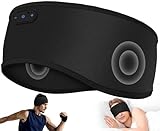
Overview: The MUSICOZY Sleep Headphones position themselves as a premium dual-purpose solution, seamlessly transitioning from a sweat-wicking workout headband to a noise-reducing sleep aid. Constructed from breathable bamboo cotton and featuring Bluetooth 5.4 connectivity, this headband targets side sleepers and athletes who refuse to compromise on comfort or audio quality.
What Makes It Stand Out: Genuine bamboo cotton fabric—three times more absorbent than standard cotton—prevents odor and maintains freshness during intense use. The 15-hour battery life on a 2-hour charge outperforms most competitors, while 24/7 professional support with a 6-hour response guarantee and 1-year replacement warranty demonstrates exceptional manufacturer confidence. The dual-use design maximizes utility across day and night activities.
Value for Money: At $29.99, this commands a premium price justified by superior materials and robust customer support. While $10-15 more than mid-tier options, the natural fabric benefits and peace of mind from responsive service make it a worthwhile investment for daily users who prioritize durability over disposable tech.
Strengths and Weaknesses: Strengths include premium bamboo cotton comfort, class-leading battery performance, versatile functionality, and unmatched warranty support. Potential weaknesses involve the higher cost and bamboo cotton’s tendency to stretch differently than synthetic blends over extended use. Bluetooth 5.4 offers minimal practical advantage over 5.0 for sleep applications.
Bottom Line: Worth the splurge for serious athletes and chronic insomniacs needing reliable all-night performance. The premium materials and responsive support justify the cost for users who wear these daily and value natural fabrics.
7. ZHENYEMEI Bamboo Cotton Sleep Headphones,Ultra-Soft Wireless Headband Bluetooth for Side Sleepers, with 14H Playtime & Bluetooth 6.0, 4-in-1 Music Sleep Earphones for Side Sleeping(Black)

Overview: The ZHENYEMEI Bamboo Cotton Sleep Headphones deliver a compelling mid-range package that integrates ultra-thin 0.25-inch speakers with organic bamboo cotton fabric. Featuring cutting-edge Bluetooth 6.0 technology and a 14-hour battery, this headband caters to side sleepers while incorporating rare waterproofing for active users.
What Makes It Stand Out: Bluetooth 6.0 provides future-proofed, stable connectivity beyond older protocols. The IPX6 waterproof rating is a standout feature, allowing full rinsing and heavy sweat protection—uncommon in sleep-focused headphones. The post-surgery recovery mention suggests medical-grade comfort considerations, while the natural bamboo cotton addresses eco-conscious consumers.
Value for Money: At $19.99, this hits the sweet spot between budget and premium. You get advanced Bluetooth, waterproofing, and natural fabrics for $10 less than top-tier competitors. The feature set rivals products costing significantly more, making it an excellent value proposition for tech-savvy users.
Strengths and Weaknesses: Strengths include cutting-edge Bluetooth 6.0, superior IPX6 waterproof protection, genuine bamboo cotton comfort, and impressive durability claims. Weaknesses involve potential early-adopter compatibility issues with Bluetooth 6.0 and the brand’s relative obscurity compared to established competitors. The 14-hour battery is adequate but not class-leading.
Bottom Line: A tech-forward choice for active users needing waterproof reliability. Perfect for runners and hot sleepers wanting premium features without premium pricing, though brand recognition may concern warranty-focused buyers.
8. Sleep Headphones Bluetooth 5.4 Headband, Sleeping Headphones for Side Sleepers, Over-Ear Headphones with Built-in Stereo Speakers, Soft Sports Headband Music Earphones for Workout Running Air

Overview: The Perytong Bluetooth 5.4 Headband represents the budget entry point at under $10, using a spandex-nylon blend instead of natural fibers. This 2-in-1 sports and sleep headband targets cost-conscious consumers seeking basic functionality without premium frills, offering modern connectivity at a disposable price point.
What Makes It Stand Out: The $9.99 price is the most compelling feature—this is the most affordable option with Bluetooth 5.4 and 14-hour battery life. The spandex-nylon fabric provides exceptional elasticity and durability for high-intensity workouts. Surprisingly, 40mm composite drivers promise deeper bass than typical budget options, delivering unexpected audio performance value.
Value for Money: The value proposition is undeniable. Modern Bluetooth connectivity, decent battery life, and washable fabric for less than $10 makes this accessible to everyone. While lacking premium materials, the performance-to-price ratio is exceptional for first-time buyers or as backup pairs.
Strengths and Weaknesses: Strengths include unbeatable pricing, modern Bluetooth 5.4, large 40mm drivers, and durable synthetic construction. Weaknesses involve heat retention from non-breathable fabrics, no warranty support mentioned, and likely inferior sound quality despite driver size. Longevity may be limited compared to premium alternatives.
Bottom Line: Buy this if you’re testing the concept or need a disposable gym accessory. It’s a no-risk introduction to sleep headphones, though serious users will likely upgrade to natural fabrics and better support within months.
9. Sleep Headband Headphones,Bluetooth Headbands with Ultra-Thin Speakers for Side Sleepers, Sleep Mask, Wireless Music Headband for Running, Yoga, Travel & Meditation, Ideal Gift for Men Women Teens
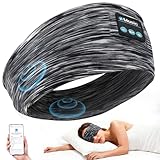
Overview: This Sleep Headband Headphones model emphasizes hygiene and adaptability with removable Bluetooth modules for full washability. At $13.99, it balances comfort with practical maintenance, targeting users who prioritize cleanliness alongside audio performance for side sleeping and active use.
What Makes It Stand Out: The removable component design revolutionizes hygiene, allowing thorough washing without electronic damage. Enhanced internal pockets keep ultra-thin speakers perfectly aligned during restless sleep—a thoughtful detail for active sleepers. Quick-charge capability combined with 14-hour battery ensures reliable all-night coverage without morning fumbling.
Value for Money: At $13.99, this offers excellent middle-ground value. While pricier than basic options, the removable electronics and alignment features justify the premium. You’re investing in longevity and hygiene rather than cutting-edge connectivity, as Bluetooth 5.0 remains adequate if not latest-generation.
Strengths and Weaknesses: Strengths include superior hygiene with removable modules, speaker alignment pockets, balanced sound quality, and versatile sleep-to-travel functionality. Weaknesses are the older Bluetooth 5.0 standard, unspecified synthetic fabric composition, and lack of waterproof rating. Battery life is competitive but not exceptional.
Bottom Line: This is the hygienic choice for nightly users who value washability. Perfect for gift-giving and cleanliness-conscious consumers, though tech enthusiasts may prefer newer Bluetooth versions. Ideal for travelers and meditation practitioners prioritizing fresh gear.
10. Perytong 2-Pack Sleeping Headphones Wireless Bluetooth, Headband Headphones with Ultra-Thin Speakers, Bluetooth Headband for Side Sleepers, Running, Workout, Insomniac, Travel, Meditation

Overview: The Perytong 2-Pack delivers a unique value proposition—two Bluetooth headbands for $22.99, pricing each unit at $11.50. This bundle targets households with multiple users or individuals wanting dedicated home and travel pairs, emphasizing versatility across sleep, exercise, and meditation applications.
What Makes It Stand Out: The 2-pack configuration provides built-in backup convenience or an instant gift solution. Each unit features HD sound, washable material, and 14+ hour playback. The breathable mesh lining and stretchable fit accommodate most head sizes, while USB-C charging modernizes the offering beyond micro-USB competitors.
Value for Money: At $22.99 for two, this represents bulk savings of nearly 50% versus individual purchases. The per-unit cost rivals budget options while including washable fabric and decent battery life. For couples or frequent travelers, the convenience factor adds substantial intangible value beyond specifications alone.
Strengths and Weaknesses: Strengths include exceptional bulk value, washable design, modern USB-C charging, and versatile dual-unit utility. Weaknesses involve unspecified Bluetooth version (likely 5.0), unknown synthetic fabric blend, and merely average 14-hour battery. Sound quality claims lack specific driver details, and no waterproof rating is mentioned.
Bottom Line: Perfect for couples or as a primary-plus-backup solution. The family value is undeniable, though individual audiophiles should consider higher-end alternatives. For households wanting functional sleep headphones without breaking the bank, this 2-pack is a smart, practical investment.
Why Side Sleepers Need Specialized Audio Headbands
Traditional headphones and earbuds create pressure points that become excruciating when your head is sideways against a pillow. The tragus and antihelix of your ear—those delicate cartilage structures—weren’t designed to support even a few ounces of sustained pressure. Sleep audio headbands engineered for side sleepers use distributed-force designs that spread pressure across the entire temporal region rather than concentrating it on the ear. This biomechanical approach prevents the cartilage compression that leads to morning soreness and potential long-term deformation.
Beyond comfort, side sleeping introduces acoustic challenges. Your pillow acts as a sound barrier, muffling audio from the “down” ear while potentially over-amplifying sound in the “up” ear. Advanced headbands address this through asymmetrical speaker positioning and adjustable volume balancing that accounts for the pillow’s dampening effect. The result is a consistent, immersive soundscape regardless of which side you’re favoring at 3 AM.
The Evolution of Sleep Audio Technology by 2026
The sleep audio category has undergone a radical transformation. Early models were essentially sweatbands with cheap speakers stitched inside—hot, uncomfortable, and delivering audio quality reminiscent of a 1990s clock radio. Today’s devices leverage micro-driver technology borrowed from hearing aids, where speakers smaller than a pea produce full-frequency sound without requiring the physical excursion space of traditional drivers.
2026 has introduced adaptive acoustic materials that change density based on temperature and pressure. When you lie on your side, the material beneath the down ear automatically softens to prevent pressure buildup while maintaining acoustic transmission. This “smart foam” technology represents a fundamental shift from passive fabric to active comfort engineering. Additionally, wireless protocols have evolved to prioritize ultra-low latency and power efficiency, eliminating the micro-delays that could disrupt binaural beat synchronization.
Key Features to Look for in Side Sleeper-Friendly Headbands
Ultra-Thin, Pressure-Relieving Speakers
The gold standard for side-sleeper speakers sits at 4mm or less in thickness—roughly the height of two stacked credit cards. Anything thicker creates noticeable pressure that escalates over hours. Look for speakers embedded in viscoelastic pods that conform to your ear’s anatomy rather than pressing against it. These pods should float within the headband structure, allowing micro-adjustments as you shift positions.
Speaker placement is equally critical. They should align with the ear canal opening, not the entire ear structure. This targeted positioning reduces the surface area experiencing pressure while optimizing sound delivery. Some advanced designs feature off-center speaker modules that can be rotated 15-20 degrees to accommodate individual ear position variations.
Breathable, Moisture-Wicking Fabrics
Your head releases significant heat and moisture during sleep—up to 1 liter of sweat per night. Side sleepers face compounded thermal buildup where the head contacts the pillow. Premium headbands employ three-layer fabric systems: a hydrophobic inner layer that pulls moisture away from skin, a middle channel layer that transports it outward, and an outer evaporative layer that disperses it into the air.
Fabric weight matters more than you think. Materials in the 180-220 GSM (grams per square meter) range provide the sweet spot between durability and featherlight feel. Heavier fabrics trap heat; lighter ones lose structural integrity. Seek out blends incorporating Tencel, bamboo charcoal fiber, or phase-change materials that actively regulate temperature. These fabrics maintain a microclimate 2-3 degrees cooler than cotton around your head.
Wireless Connectivity Standards
Bluetooth 5.3 and the emerging 5.4 standard dominate 2026’s landscape, but raw version numbers don’t tell the whole story. For sleep applications, examine the implementation of LC3 codec support, which delivers CD-quality audio at half the power consumption of previous codecs. This translates to smaller batteries and thinner overall designs.
More importantly, investigate the device’s auto-sleep and wake functions. The best headbands detect when you’ve fallen asleep—through motion sensors or heart rate variability—and automatically pause audio to conserve battery. They’ll resume if you wake during the night, creating a seamless experience. Look for multipoint connectivity that allows simultaneous pairing with your phone and a white noise machine or smart home hub.
Battery Life Considerations for Overnight Use
Manufacturers’ battery life claims often reflect continuous playback at 50% volume—not the real-world pattern of falling asleep within 30-45 minutes. For side sleepers, battery placement becomes a comfort factor. Cells positioned at the back of the head create pressure when sleeping on your back, while front placement interferes with forehead comfort.
The ideal configuration distributes two thin, flexible cells along the temporal regions, balancing weight and eliminating pressure points. Aim for devices offering 10+ hours at 60% volume with a 2-hour quick charge feature. Some models now incorporate wireless charging pads that can top off the battery while you’re getting ready for bed, ensuring you never start the night with a partial charge.
Adjustable and Ergonomic Fit Systems
One-size-fits-all is a recipe for disaster with side sleepers. Your headband needs circumference adjustment in 1cm increments—velcro or magnetic systems that allow micro-tuning without creating bulky overlap sections. The adjustment mechanism should sit at the back of the head, away from pillow contact points.
Ergonomic shaping accounts for the fact that human heads aren’t perfect spheres. Look for pre-curved designs that follow the occipital protuberance (the bump at the back of your skull) and taper above the ears. This prevents the headband from riding up or down during the night. Some premium options offer left/right-specific models designed for dedicated side sleepers who never switch positions.
Understanding Sleep-Friendly Audio Profiles
Bone Conduction vs. Air Conduction for Side Sleeping
Bone conduction technology—popular in sports headphones—presents an interesting paradox for side sleepers. While it eliminates ear canal pressure entirely, the transducers require firm contact with the temporal bone, creating a different kind of pressure point. In 2026, hybrid systems have emerged that use micro-vibration for low frequencies (where bone conduction excels) and ultra-thin air conduction drivers for mids and highs.
This combination delivers the pressure-free comfort of bone conduction while avoiding the “hollow” sound quality that pure bone conduction produces. For side sleepers, the key is transducer size: anything larger than a dime will create noticeable pressure against the pillow. The latest micro-transducers are smaller than a pencil eraser and distribute vibration across a wider surface area.
Volume Limiting and Hearing Safety
Prolonged audio exposure during sleep requires aggressive volume limiting. The WHO recommends keeping overnight listening under 60dB, but side sleepers face additional risk. When your ear is sealed against a pillow, perceived volume increases by 6-10dB due to the occlusion effect. Advanced headbands automatically compensate, reducing output by 8dB when pressure sensors detect side-sleeping position.
Look for devices with customizable volume ceilings set through companion apps. The best systems lock the maximum volume after a one-time setup, preventing accidental increases. Some incorporate automatic volume ramping that gradually lowers audio as your heart rate decreases, indicating sleep onset. This protects hearing while ensuring you don’t wake when the sound suddenly cuts out.
White Noise, Brown Noise, and Pink Noise Options
Not all “static” sounds are equal. White noise (equal energy per frequency) can sound harsh and hissing through small speakers. Pink noise (equal energy per octave) provides a more natural rainfall sound that masks disturbances effectively. Brown noise (energy decreasing with frequency) creates deep, rumbling tones that many find more soothing for sleep.
2026’s premium headbands include onboard sound processors that generate these noise types natively rather than streaming them, eliminating compression artifacts and saving battery. More advanced models offer dynamic noise profiles that adjust frequency emphasis based on detected sleep stages—boosting lower frequencies during deep sleep to mask snoring, and higher frequencies during light sleep to mask environmental sounds.
Binaural Beats and ASMR Compatibility
Binaural beats require precise frequency delivery to each ear—impossible if one speaker is muffled by a pillow. Next-generation headbands use independent channel calibration that measures acoustic feedback from each ear in real-time, adjusting frequencies to maintain the intended brainwave entrainment effect even when side sleeping.
For ASMR enthusiasts, speaker placement becomes critical. The subtle spatial audio cues that trigger autonomous sensory meridian response require precise driver positioning and minimal crosstalk. Look for headbands with crosstalk cancellation below -40dB and the ability to adjust interaural time delays through software. This preserves the 3D audio illusion that makes ASMR effective.
Material Science and Comfort Engineering
Memory Foam Integration
Not all memory foam belongs in sleep headbands. Traditional viscoelastic foam retains heat and rebounds slowly, creating a “stuck” sensation. 2026’s sleep-specific foams use open-cell structures with gel infusion and phase-change material coatings. These foams respond to pressure in under 3 seconds and maintain airflow even under compression.
The foam density should measure 30-50 kg/m³—soft enough to prevent pressure points but firm enough to maintain speaker position. Some designs use zoned foam, with softer cushioning around the ears and firmer support at the back of the head. This prevents the headband from compressing unevenly and shifting speakers out of alignment.
Flat-Lock Seams and Tagless Designs
Every millimeter of elevation matters when your head is sideways on a pillow. Flat-lock seams, commonly found in performance athletic wear, create nearly invisible joints that won’t dig into your skin. The seam allowance (fabric folded inside the seam) should be less than 2mm wide.
Tagless designs are non-negotiable. Printed labels using soy-based inks have replaced physical tags entirely. However, inspect the printing quality—poorly cured inks can feel rough and crack after washing. The best implementations use laser-etched care instructions on the inner fabric, creating a completely smooth surface that you can’t feel even when pressing firmly.
Hypoallergenic and Skin-Safe Certifications
Your skin’s barrier function changes during sleep, becoming more permeable and reactive. Look for OEKO-TEX Standard 100 Class I certification, which tests for harmful substances at the strictest level (safe for baby skin). For latex-sensitive individuals, verify the absence of natural rubber latex in elastic components—many manufacturers switched to silicone-based elastomers in 2025.
Silver-ion antimicrobial treatments can prevent odor buildup, but concentration matters. Effective treatments use 30-50 ppm (parts per million) of silver, providing bacterial reduction without skin irritation. Avoid headbands with triclosan or other controversial antimicrobial chemicals that disrupt skin microbiomes.
Durability and Maintenance Factors
Washability and Water Resistance
Sleep headbands accumulate skin oils, sweat, and hair products that degrade both fabric and electronics. Fully washable designs separate the electronic module from fabric, allowing machine washing of the headband portion. The connection point—often a waterproof zipper or magnetic seal—must maintain IP67 rating after 50+ wash cycles.
Water-resistant electronics don’t mean waterproof. Look for nano-coating technologies like P2i or HzO that provide IPX5-level protection against sweat and accidental spills without adding bulk. The speaker membranes should be covered with hydrophobic mesh that prevents moisture ingress while maintaining acoustic transparency. Avoid designs with exposed charging ports; magnetic charging is standard for 2026’s premium models.
Cable Management and Strain Relief
Even wireless headbands have internal cables connecting speakers to the control module. These cables must withstand repeated stretching and compression as you put on and remove the device. Strain relief points at speaker connections should use silicone grommets that absorb stress rather than transferring it to solder joints.
The cable routing path matters. Cables running through channels in the foam core are protected from direct pressure and friction. Some advanced models use conductive fabric traces instead of traditional wires, creating a completely flexible circuit that can’t break from repeated bending. Ask about cycle testing—reputable manufacturers test their flex circuits to 50,000+ bends.
Warranty and Longevity Expectations
A quality sleep headband should last 3-5 years with regular use. Warranty terms reveal manufacturer confidence: 1-year warranties suggest disposable design, while 2-3 year warranties indicate durable construction. Pay attention to what’s covered—speaker failure, battery degradation below 80% capacity, and fabric delamination should all be included.
Battery replacement programs separate premium brands from the rest. Lithium batteries degrade after 300-500 full cycles (roughly 1-2 years of nightly use). Brands offering battery swap services for $30-50 extend your device’s life significantly, reducing e-waste and total cost of ownership. Avoid sealed designs where battery failure means replacing the entire unit.
Smart Features and Sleep Tracking Integration
Biometric Monitoring Capabilities
Modern sleep headbands do more than play audio—they track your sleep with precision rivaling clinical devices. Optical heart rate sensors embedded in the forehead region monitor HRV (heart rate variability) to detect sleep stages. The key is sensor contact quality; look for medical-grade silicone sensor windows that maintain skin contact without pressure.
Some models incorporate SpO2 sensors to detect breathing disturbances. For side sleepers, these sensors must compensate for reduced blood flow in the compressed ear/down-side anatomy. Advanced algorithms compare bilateral data, using the non-compressed side as a reference to maintain accuracy. Temperature sensors can also track your thermal environment, correlating room temperature changes with sleep quality metrics.
App Ecosystems and Customization
Companion apps should offer more than basic volume control. Look for sleep coaching features that analyze your audio preferences and sleep latency patterns, automatically curating soundscapes that work best for you. The app should provide detailed breakdowns of sleep stages, movement frequency, and audio effectiveness scores.
True customization includes EQ settings that compensate for your individual hearing profile. Some apps run a quick hearing test during setup, creating a personalized frequency curve that boosts frequencies you’re less sensitive to. For couples, dual-profile support allows sharing one headband with individual settings that switch automatically based on which phone is connected.
Smart Home and IoT Connectivity
Your sleep headband should integrate with your broader sleep environment. Matter protocol support allows direct communication with smart thermostats, automatically lowering room temperature when you enter deep sleep. Integration with smart lighting systems can trigger gradual wake-up lighting that synchronizes with your natural sleep cycle end.
Voice assistant integration requires careful implementation—no one wants Alexa blasting responses at 2 AM. The best systems use whisper detection, only activating when you speak at low volume, and respond through the headband speakers at minimal volume. Look for local processing capabilities that don’t require cloud connectivity for basic commands, ensuring privacy and reliability.
The Psychology of Audio-Assisted Sleep
How Sound Influences Sleep Onset
Audio doesn’t just mask noise—it actively facilitates the neural downscaling process required for sleep onset. Slow-wave sound patterns (0.5-4 Hz) can entrain your brain’s natural sleep rhythms through a process called frequency-following response. The key is gradual amplitude modulation that mirrors your decreasing metabolic rate as you drift off.
For side sleepers, the physical sensation of sound matters. Low-frequency vibrations transmitted through the pillow can create a subtle tactile component that enhances relaxation. Premium headbands balance this effect, ensuring bass frequencies are present enough to feel grounding without causing speaker distortion or pressure waves against your ear.
Masking Disruptive Environmental Noises
The masking threshold isn’t about volume—it’s about spectral filling. A 40dB white noise signal can effectively mask a 60dB snore if it occupies the same frequency bands. Advanced headbands use dynamic EQ that scans for intermittent noises (snoring, traffic, barking dogs) and temporarily boosts overlapping frequencies to maintain masking without raising overall volume.
For apartment dwellers, low-frequency rumble from neighbors or street traffic poses the biggest challenge. Look for headbands with dedicated sub-bass drivers (yes, in a headband!) that produce frequencies down to 20Hz. These don’t sound like traditional bass—they feel like a gentle rumble that cancels out structural vibrations.
Creating Consistent Sleep Rituals
The most overlooked feature is timer sophistication. Basic 30-60 minute shutoffs ignore the reality that sleep onset varies nightly. Smart timers monitor your physiological signals, extending playback if you’re still awake and fading out precisely as you enter Stage 2 sleep. Some systems learn your weekly patterns, automatically starting your wind-down audio 15 minutes earlier on Sunday nights if your data shows Monday insomnia.
Audio cues can also anchor sleep rituals. The same 3-minute opening sequence each night creates a Pavlovian response, triggering melatonin release before the main audio even begins. The best headbands let you customize this “audio logo,” choosing from nature sounds, tonal sequences, or even a recorded message from a loved one.
Common Pitfalls to Avoid When Choosing a Headband
Don’t be seduced by excessive padding. More foam doesn’t equal more comfort—it often creates thermal buildup and speaker misalignment. A headband that feels luxurious for five minutes in a store can become a sweaty, sliding nightmare by 4 AM. Test the fit by lying on your side with your own pillow if possible.
Beware of “universal” sizing claims. Head circumference varies by 15-20cm across adults, and ear position relative to skull shape creates additional variance. Brands offering only S/M/L sizing are cutting corners. The adjustment range should accommodate at least a 10cm variation with secure detents that prevent slippage.
Ignore battery life claims exceeding 20 hours. These either use oversized batteries that compromise comfort or measure at unrealistically low volumes. A realistic 10-12 hour rating with fast charging is more practical than a 30-hour behemoth that feels like a weight on your head.
Finally, question Bluetooth range specifications. A headband that loses connection when you roll away from your nightstand defeats its purpose. Effective range should be 10+ meters through walls, not just line-of-sight. Test this in your actual bedroom environment during the return window.
Price Ranges and Value Propositions
Entry-level options ($40-70) offer basic functionality but compromise on speaker thinness and fabric quality. These work for occasional use but rarely survive a year of nightly side-sleeping pressure. Mid-tier models ($80-150) hit the sweet spot for most users, incorporating proper pressure-relieving speakers, breathable fabrics, and reliable batteries.
Premium headbands ($180-300) justify their cost through advanced materials, biometric tracking, and smart features. The value proposition depends on your needs—if you’re managing insomnia or anxiety, the personalized sleep coaching can be transformative. For simple noise masking, the mid-tier often delivers 90% of the experience at half the price.
Consider total cost of ownership. A $120 headband with replaceable battery and washable fabric costs less over three years than replacing a $60 unit annually. Factor in app subscriptions—some brands charge $5-10 monthly for premium features, while others include lifetime access. Factor these recurring costs into your decision.
The Future of Sleep Audio Wearables Beyond 2026
The convergence of sleep headbands with neurostimulation is already emerging in clinical trials. Gentle electrical stimulation (tACS) synchronized with audio can enhance slow-wave sleep, though consumer availability remains limited. More immediately, expect AI-generated soundscapes that adapt in real-time to your brainwaves, creating a closed-loop system that optimizes sleep architecture minute by minute.
Materials science is evolving toward bio-integrated fabrics—headbands woven with piezoelectric fibers that generate power from your movement, eliminating batteries entirely. Early prototypes show promise but currently produce insufficient power for sustained audio playback. By 2028, expect self-powered models that use thermoelectric generators harvesting heat difference between your head and ambient room temperature.
The ultimate future is invisible integration: smart pillows with embedded audio, or bedroom speaker systems that use beamforming technology to deliver personalized sound zones without any wearable. Until those technologies mature and become affordable, the specialized headband remains the optimal solution for side sleepers seeking audio-assisted rest.
Frequently Asked Questions
Will sleeping with a headband damage my hair or cause traction alopecia?
Quality headbands designed for sleep use minimal tension—typically 0.1-0.2 PSI, far below the 1+ PSI associated with traction alopecia. Look for wide bands (at least 3 inches) that distribute force and silk or satin inner linings that reduce friction. Avoid wearing wet hair in the band, as damp hair is more elastic and prone to breakage.
How do I prevent my headband from sliding off during the night?
Slippage usually indicates poor fit or moisture buildup reducing friction. Ensure proper adjustment—snug but not tight—with the band sitting about 1 inch above your eyebrows. Choose silicone grip strips on the inner surface and moisture-wicking fabrics. If you have very fine hair, a light hairspray on the inner band can add grip without stiffness.
Can I use sleep headbands if I have tinnitus or hyperacusis?
Many audiologists recommend sleep headbands for tinnitus management, but with caveats. Use masking sounds that match your tinnitus frequency rather than broadband noise. Start with very low volumes (below 30dB) and limit initial use to 2-3 hours, gradually increasing as your auditory system adapts. Avoid binaural beats initially, as they can temporarily exacerbate tinnitus perception.
Are these headbands safe for children or teenagers?
Age-appropriate models exist with stricter volume limits (max 75dB for children, 85dB for teens) and smaller sizing. The American Academy of Pediatrics recommends against audio during sleep for children under 6, except for specific medical conditions. For older children, use only with parental controls enabled and establish firm volume and duration rules.
How do I clean my headband without damaging the electronics?
Separate the electronic module if possible—most quality headbands have a waterproof pocket. Machine wash the fabric on gentle cycle with mild detergent, no fabric softener (it reduces moisture-wicking). Air dry only; dryer heat degrades elastic and foam. For non-removable electronics, use a damp cloth with 70% isopropyl alcohol, focusing on the inner fabric. Clean weekly to prevent oil buildup.
Will the speakers still work effectively if I have thick hair or wear a bonnet underneath?
Thick hair attenuates high frequencies more than lows. Choose headbands with treble boost settings in the app, or position speakers slightly forward of your ear canal to bypass hair density. Wearing a silk bonnet underneath actually helps by reducing friction and moisture, but select a headband with adjustable speaker depth to maintain contact. Some users report better audio with a thin bonnet acting as an acoustic coupler.
Can sleep headbands help with sleep apnea or snoring?
They’re not medical devices and can’t treat apnea, but they can complement therapy. Audio masking reduces the sleep disturbance caused by snoring sounds, improving perceived sleep quality. Some models integrate with CPAP machines via Bluetooth, playing mask leak alerts or pressure adjustment tones directly to the headband. Always consult a sleep physician for apnea diagnosis and treatment.
What’s the difference between sleep headbands and regular Bluetooth headbands for sports?
Sports headbands prioritize sweat resistance and stability during movement, using thicker, grippier materials unsuitable for side sleeping. Their speakers typically sit forward of the ear for safety awareness, creating misalignment when lying down. Sleep headbands reverse these priorities: ultra-thin speakers, pressure distribution, and acoustic optimization for supine positions. Using a sports headband for sleep often causes discomfort and poor audio quality.
How long should I expect a quality sleep headband to last?
With nightly use, expect 3-5 years before significant degradation. The battery typically shows capacity loss after 2 years, while fabric elastic fails around year 3-4 depending on washing frequency. Premium models with replaceable batteries and fabric covers can last 5-7 years. Signs it’s time to replace: uneven speaker volume, visible foam degradation, or loss of stretch that causes slippage.
Do sleep headbands interfere with dreaming or REM sleep?
Research shows continuous audio can reduce REM density by 5-8%, but this effect depends on content. Nature sounds and pink noise have minimal impact, while podcasts or music with lyrics can suppress REM by up to 15%. Smart headbands that fade out during REM-dense periods (typically later in the night) eliminate this concern. If you prioritize dream recall or lucid dreaming, use timers that stop audio after 90 minutes when the first REM period begins.