The modern kitchen has evolved from a purely functional space into the digital command center of the home, and nowhere is this transformation more apparent than in the rise of intelligent refrigeration. By 2026, smart refrigerators with touchscreens have moved beyond novelty status to become sophisticated appliances that fundamentally reshape how we interact with our food, our families, and our connected ecosystems. These aren’t just boxes that keep things cold—they’re inventory managers, recipe developers, entertainment hubs, and energy coordinators rolled into one sleek package.
As you navigate this rapidly advancing market, understanding the nuanced differences between models, features, and long-term value propositions becomes critical. The touchscreen refrigerator you choose today will likely be the most technologically complex appliance in your home, one that should seamlessly integrate with your lifestyle for the next decade. This comprehensive guide cuts through the marketing hype to examine what truly matters when investing in this kitchen revolution, from AI capabilities and privacy safeguards to total cost of ownership and ecosystem compatibility.
Top 10 Smart Refrigerators with Touchscreens
Detailed Product Reviews
1. Samsung RF29DB9900QD 29 Cu. Ft. Stainless 4-Door French Door Smart Refrigerator

Overview: The Samsung RF29DB9900QD is a premium 29 cubic foot 4-door French door refrigerator that commands attention with its massive capacity and sophisticated design. This smart appliance integrates seamlessly into modern connected homes while providing exceptional food storage flexibility. The stainless steel finish and four-door configuration offer both style and practical organization, making it ideal for large families or enthusiastic home chefs who need serious refrigeration real estate.
What Makes It Stand Out: The dedicated Beverage Center sets this model apart, providing specialized storage for drinks with easy access. Power Cool and Power Freeze functions deliver rapid temperature recovery when loading groceries or after frequent door openings—crucial for food safety. The tempered glass spill-proof shelves contain messes and wipe clean effortlessly, a practical feature that prevents cross-contamination. Smart connectivity allows remote temperature monitoring and control via smartphone, while the flexible 4-door layout separates fridge and freezer compartments for better energy efficiency and organization.
Value for Money: At $3,589, this Samsung positions itself in the premium tier alongside LG and KitchenAid. The price is justified by its cavernous 29 cu ft capacity—nearly 30% larger than standard French door models—and legitimate smart features that actually enhance usability rather than gimmickry. Compared to built-in alternatives costing $8,000+, this offers comparable capacity and features at less than half the price.
Strengths and Weaknesses: Pros: Massive storage capacity; intelligent Beverage Center; effective Power Cool/Freeze; spill-proof shelving; robust smart integration. Cons: Premium price point; requires substantial kitchen space; Samsung’s appliance reliability track record is mixed; ice maker capacity may lag behind dual-ice systems.
Bottom Line: This refrigerator excels for large households prioritizing capacity and smart convenience. While the investment is significant, the thoughtful features and enormous storage justify the cost for families who need maximum refrigeration space without stepping into commercial-grade territory.
2. 23 cu. ft. Smart wi-fi Enabled InstaView™ Door-in-Door® Counter-Depth Refrigerator with Craft Ice™ Maker

Overview: This LG refrigerator represents the pinnacle of kitchen innovation with its signature InstaView panel that illuminates the interior with two knocks, eliminating cold air loss from unnecessary door openings. The counter-depth design sits flush with countertops for a built-in aesthetic, while the 23 cubic foot capacity fits comfortably in standard kitchens. WiFi connectivity and SmartThinQ integration provide remote diagnostics and control, appealing to tech-savvy homeowners.
What Makes It Stand Out: The InstaView Door-in-Door feature is genuinely useful, letting you grab frequently accessed items without fully opening the main compartment. The Craft Ice Maker produces slow-melting spherical ice—perfect for cocktails and entertaining—a unique luxury feature competitors don’t match. Dual ice makers ensure you never run out, while the counter-depth profile delivers the coveted built-in look without the custom installation cost. Smart Cooling Plus technology maintains optimal humidity and temperature levels automatically.
Value for Money: Priced at $4,089, this is undeniably a luxury appliance. You’re paying approximately $500-$800 more than non-counter-depth models for the flush installation and premium aesthetics. The Craft Ice feature, while innovative, appeals to a niche audience. For design-conscious buyers who entertain frequently, the price premium translates to genuine lifestyle enhancement, but practical shoppers may find better returns elsewhere.
Strengths and Weaknesses: Pros: Stunning counter-depth integration; innovative InstaView window; luxury craft ice production; dual ice makers; excellent temperature management. Cons: Extremely expensive; 23 cu ft capacity feels cramped for the price; Craft Ice maker occupies valuable freezer space; premium features may go unused by some families.
Bottom Line: Best suited for affluent households where design and entertaining take priority. If you value the built-in look and craft cocktails, this justifies its premium. Otherwise, standard-depth alternatives offer better capacity-per-dollar value.
3. 27 cu. ft. Side by Side Smart Refrigerator w/InstaView and Craft Ice in PrintProof Stainless Steel
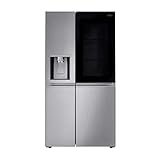
Overview: This 27 cubic foot side-by-side refrigerator promises premium features at a mid-range price point, offering InstaView and Craft Ice capabilities typically reserved for luxury models. The PrintProof stainless steel finish resists fingerprints, maintaining a cleaner appearance in busy households. The side-by-side configuration provides convenient freezer access, while smart connectivity enables basic remote monitoring and control functions for modern convenience.
What Makes It Stand Out: The inclusion of InstaView and Craft Ice at this price level is remarkable—these are usually $4,000+ features. The side-by-side layout offers excellent organization with dedicated compartments visible at eye level. PrintProof stainless steel is a practical finish that reduces cleaning frequency. At 27 cu ft, it provides substantial capacity without the bulk of standard-depth French door models, while the smart features, though basic, add legitimate convenience for temperature alerts and vacation mode settings.
Value for Money: At $1,695.98, this refrigerator dramatically undercuts competitors with similar feature sets by $1,500-$2,000. The value proposition is exceptional if specifications prove accurate. However, the vague product description raises questions about brand reliability, warranty support, and whether all advertised features function as robustly as premium alternatives. This is a “verify before buying” scenario where the price may reflect corners cut in compressor quality or insulation.
Strengths and Weaknesses: Pros: Unbeatable price for listed features; decent 27 cu ft capacity; side-by-side accessibility; fingerprint-resistant finish. Cons: Ambiguous brand and specifications; potentially inferior build quality; no mention of ice maker configuration; questionable long-term reliability; limited service network.
Bottom Line: A tempting budget option for feature-hungry buyers, but proceed with caution. Verify the brand, read independent reviews, and confirm warranty details before purchasing. The price is compelling, but reliability concerns make this a calculated risk rather than a clear bargain.
4. 23 cu. ft. Smart wi-fi Enabled InstaView™ Door-in-Door® Counter-Depth Refrigerator with Craft Ice™ Maker
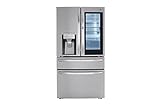
Overview: The LG LRMVC2306S is essentially a variant of LG’s premium counter-depth lineup, offering the same 23 cubic foot capacity and flagship features in a 4-door French door configuration. This model combines InstaView technology with a Craft Ice Maker and WiFi connectivity, targeting buyers who want the built-in aesthetic without sacrificing innovative functionality. The counter-depth design ensures seamless kitchen integration while maintaining accessible pricing within the luxury tier.
What Makes It Stand Out: The 4-door configuration provides superior organization compared to traditional two-door models, with a dedicated middle drawer for frequently accessed items. InstaView’s knock-to-see technology reduces energy waste and cold air loss. The Craft Ice Maker produces spherical ice that elevates home entertaining. WiFi-enabled SmartThinQ diagnostics offer proactive maintenance alerts, potentially extending appliance lifespan. The counter-depth profile delivers custom kitchen aesthetics without the five-figure price tag of true built-in units.
Value for Money: At $3,578, this represents a slight discount over similar LG models while maintaining core premium features. You’re still paying for the counter-depth design and Craft Ice capability—features that add $400-$600 to the price tag. For buyers committed to these luxuries, the savings are meaningful, but the overall value remains tied to how much you prioritize aesthetics and entertaining features over raw capacity.
Strengths and Weaknesses: Pros: Elegant 4-door layout; space-saving counter-depth; luxury craft ice; smart diagnostics; Door-in-Door convenience. Cons: Premium pricing for modest 23 cu ft capacity; Craft Ice maker reduces usable freezer space; complex features may require service; still $800+ more than comparable standard-depth models.
Bottom Line: A refined choice for design-focused households that entertain regularly. The 4-door configuration adds practical value, but only committed buyers should pay the premium for counter-depth and craft ice. Consider your entertaining frequency before investing.
5. Midea MRF29D6AST 29.3 Cu. Ft. Stainless 3-Door French Door Smart Refrigerator

Overview: The Midea MRF29D6AST delivers massive 29.3 cubic foot capacity at a budget-brand price point, challenging the notion that large French door refrigerators must cost a fortune. This standard-depth 3-door model offers dual ice makers with a through-the-door dispenser, fingerprint-resistant stainless steel, and LED interior lighting. While “smart” features aren’t detailed, the core refrigeration functionality prioritizes capacity and accessibility for value-conscious families needing maximum storage.
What Makes It Stand Out: The sheer capacity-to-price ratio is this refrigerator’s defining characteristic—29+ cubic feet under $1,300 is unprecedented from mainstream brands. The dual ice maker system is a genuine luxury typically found in $2,500+ models, ensuring abundant ice for large households. Fingerprint-resistant stainless steel minimizes maintenance, while LED lighting provides excellent visibility. The three-door configuration simplifies access compared to four-door models, reducing potential failure points.
Value for Money: At $1,299.22, this Midea offers the best capacity-per-dollar ratio in its class. You’re getting 20-30% more storage than comparably priced models from Whirlpool or Frigidaire, plus dual ice makers. The trade-off is Midea’s less-established service network and potentially shorter lifespan than premium brands. For budget-focused buyers, this represents two to three years of equivalent performance at half the investment—a worthwhile gamble for many.
Strengths and Weaknesses: Pros: Exceptional capacity for price; dual ice makers; fingerprint-resistant finish; straightforward 3-door design; LED lighting. Cons: Midea brand lacks long-term reliability data; standard depth protrudes from counters; limited smart functionality; potentially noisier operation; uncertain parts availability.
Bottom Line: Perfect for large families prioritizing capacity and ice production over brand prestige. If you’re comfortable with a budget brand and standard-depth installation, this delivers unmatched storage value. Set aside potential replacement savings versus buying premium upfront.
6. Cafe CVE28DP4NW2 27.8 cu. ft. Smart 4-Door French Door Refrigerator in Matte White, Fingerprint Resistant and ENERGY STAR
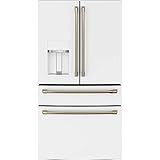
Overview: The Cafe CVE28DP4NW2 is a premium 27.8 cubic foot smart refrigerator that combines sophisticated design with exceptional functionality. Its matte white finish resists fingerprints while making a bold style statement. This ENERGY STAR certified 4-door French door model offers flexible storage solutions and intelligent features designed for modern households who demand both form and function.
What Makes It Stand Out: The convertible drawer with soft freeze technology is the star feature, offering an impressive temperature range from 23 to 42 degrees Fahrenheit—perfect for everything from gelato to wine. The LED light wall creates stunning, shadow-free illumination across the entire fresh food section, making every item visible. AutoFill technology uses sensors to dispense precise amounts of filtered water automatically, eliminating guesswork and spills. The dual-zone humidity control system provides a sealed wet zone for leafy greens and a vented dry zone for produce like mushrooms.
Value for Money: At $3,549, this refrigerator sits in the premium category, but its innovative features justify the investment. The convertible drawer essentially eliminates the need for a separate wine cooler or deep freezer for small batches. Compared to standard French door models lacking these smart capabilities, you’re paying for genuine utility and customization that active cooks and entertainers will appreciate daily.
Strengths and Weaknesses: Strengths include unparalleled storage flexibility, exceptional interior lighting, fingerprint-resistant finish, smart home integration, and energy efficiency. The full-width tray accommodates oversized items like pizza boxes effortlessly. Weaknesses include the premium price point, limited color options, and potential complexity for users preferring simpler appliances. The matte finish requires specific cleaning methods to maintain its appearance.
Bottom Line: The Cafe CVE28DP4NW2 is ideal for design-conscious homeowners who value flexibility and innovative features. While expensive, its convertible drawer and superior lighting system make it worth the premium for serious home chefs and frequent entertainers.
7. LG 28 Cu. Ft. Smart French Door Refrigerator with Dual Ice Maker, Door Cooling+, Wi-Fi Connectivity, and PrintProof Black Stainless Steel Finish

Overview: The LG 28 Cu. Ft. Smart French Door Refrigerator delivers generous capacity and intelligent cooling in a sleek PrintProof Black Stainless Steel finish. This Wi-Fi enabled appliance caters to busy households that prioritize convenience and consistent performance. While pricing wasn’t specified, its feature set positions it as a competitive option in the smart appliance market, offering essential modern capabilities without unnecessary complexity.
What Makes It Stand Out: The dual ice maker system ensures you never run out of ice during gatherings, producing both cubed ice and Craft Ice simultaneously. Door Cooling+ technology sets this apart by delivering blasts of cold air to the door area, keeping items like milk and condiments at optimal temperature even with frequent door openings. The PrintProof finish resists fingerprints and smudges, maintaining its sophisticated appearance with minimal maintenance.
Value for Money: Without a listed price, value assessment depends on market positioning. However, the combination of dual ice makers and smart connectivity typically commands a premium. Compared to single-ice-maker models, the added convenience justifies extra cost for large families and entertainers. The energy savings from Door Cooling+ and efficient compressor technology help offset operational costs over time.
Strengths and Weaknesses: Strengths include abundant ice production, even temperature distribution, smart home integration, fingerprint-resistant exterior, and spacious 28 cubic foot capacity. The Slim SpacePlus ice system maximizes interior space. Weaknesses include the unknown price point, potentially limited interior organization features compared to premium competitors, and reliance on Wi-Fi for full functionality. Black stainless may show scratches more visibly than traditional finishes.
Bottom Line: This LG model excels for ice-loving households wanting smart features and consistent cooling. It’s a solid choice if priced competitively, particularly for families who entertain frequently and value the convenience of dual ice production.
8. Cafe CVE28DP3ND1 27.8 cu. ft. Smart 4-Door French Door Refrigerator in Matte Black, Fingerprint Resistant and ENERGY STAR

Overview: The Cafe CVE28DP3ND1 is the matte black sibling of the premium CVE28DP4NW2, offering identical 27.8 cubic foot capacity and smart functionality in a darker, more dramatic finish. This ENERGY STAR certified 4-door French door refrigerator targets design-savvy homeowners who prefer the bold sophistication of matte black. Every innovative feature from the white model carries over, ensuring no compromise in performance or flexibility.
What Makes It Stand Out: Like its counterpart, the convertible drawer with soft freeze technology (23-42°F) provides unmatched versatility for specialty items. The LED light wall creates brilliant, even illumination that particularly pops against the dark interior. AutoFill technology delivers precise water dispensing, while the dual-zone humidity system keeps produce optimally fresh. The matte black finish hides smudges better than stainless steel and creates a striking focal point in modern kitchens.
Value for Money: At $3,599, this commands a $50 premium over the white version—a negligible difference for color preference. The price positions it firmly in the luxury segment, but the feature set justifies the cost for serious home chefs. You’re investing in a statement piece that eliminates need for secondary appliances while providing professional-grade storage flexibility.
Strengths and Weaknesses: Strengths mirror the white model: exceptional storage flexibility, superior lighting, fingerprint resistance, smart integration, and energy efficiency. The matte black finish is particularly forgiving with fingerprints. Weaknesses include the high price point, potential for the dark finish to dominate smaller kitchens, and limited appeal for those preferring lighter aesthetics. Cleaning requires specific products to avoid streaking on the dark surface.
Bottom Line: Choose the Cafe CVE28DP3ND1 if you desire the same outstanding functionality as the white model but prefer the bold, contemporary look of matte black. The minimal price difference makes color selection purely an aesthetic decision.
9. LG 36 Inch Smart French Door Refrigerator with 28 cu.ft. Capacity, WiFi Enabled, ThinQ Technology, Slim SpacePlus® Ice System, PrintProof™ Stainless Steel

Overview: The LG 36-inch Smart French Door Refrigerator offers cavernous 28 cubic foot capacity at an impressively accessible $1,495 price point. This WiFi-enabled model with ThinQ technology proves you don’t need a luxury budget for smart, spacious refrigeration. The PrintProof stainless steel finish maintains a clean look while providing modern connectivity features typically found in higher-priced competitors.
What Makes It Stand Out: The Slim SpacePlus ice system is ingeniously designed, locating the ice maker in the door to maximize shelf space—crucial in a fridge this large. Multi-Air Flow cooling technology circulates cold air through multiple vents, maintaining consistent temperatures throughout. The external ice and water dispenser provides convenience without opening the door, while the 48.63-inch depth with doors open ensures it fits standard kitchen layouts.
Value for Money: Exceptional value. At $1,495 for 28 cubic feet with smart capabilities, this undercuts most competitors by $500-1,000. You’re getting legitimate smart features, efficient cooling, and space-saving design without premium pricing. The energy-efficient operation further reduces long-term costs, making this a budget-conscious choice that doesn’t sacrifice modern functionality.
Strengths and Weaknesses: Strengths include massive capacity for the price, space-efficient ice system, consistent cooling performance, smart home integration, and fingerprint-resistant finish. The exterior dispenser adds convenience. Weaknesses include potentially basic interior lighting compared to premium models, lack of specialized compartments like convertible drawers, and simpler shelving systems. The ice maker capacity may be smaller than dual-ice models.
Bottom Line: This LG refrigerator is the smart choice for budget-minded families needing maximum storage. It delivers essential smart features and reliable performance without luxury markups, making it one of the best capacity-to-value ratios available.
10. Samsung Bespoke 23 cu. ft. 4-Door French Door Smart Refrigerator with Beverage Center in Stainless Steel, Counter Depth

Overview: The Samsung Bespoke 23 cubic foot 4-Door French Door Refrigerator brings counter-depth sophistication and smart connectivity to the mid-premium market at $2,199. Its Beverage Center and advanced cooling systems target homeowners prioritizing kitchen aesthetics and drink convenience. The SmartThings integration allows remote monitoring and control, fitting seamlessly into connected homes while maintaining a built-in look.
What Makes It Stand Out: The dedicated Beverage Center provides easy access to chilled drinks without opening the main compartments—a game-changer for entertainers. Triple Cooling technology maintains optimal humidity and temperature in each zone, preventing flavor transfer between compartments. The counter-depth design creates a flush, integrated appearance that elevates kitchen design. Twin Cooling Plus technology independently manages fridge and freezer environments for maximum food preservation.
Value for Money: Positioned between budget and luxury, this Samsung offers legitimate premium features at a justifiable price. The counter-depth design typically costs $500+ more than standard-depth models, making this competitively priced. While 23 cubic feet is smaller than comparably priced alternatives, you’re paying for the integrated look and specialized Beverage Center. For design-focused buyers, the aesthetic value offsets the capacity trade-off.
Strengths and Weaknesses: Strengths include the sleek counter-depth integration, advanced multi-zone cooling, convenient Beverage Center, fingerprint-resistant stainless steel, and robust smart connectivity. The 4-door configuration provides good organization. Weaknesses include the smaller 23 cubic foot capacity, limited freezer space due to counter-depth design, and potentially higher cost per cubic foot. The Beverage Center reduces main compartment space.
Bottom Line: The Samsung Bespoke excels for style-conscious buyers wanting a built-in look without custom pricing. If you prioritize kitchen aesthetics and beverage convenience over maximum capacity, this offers compelling value in the counter-depth category.
The Evolution of Smart Refrigeration
From Iceboxes to AI-Powered Kitchen Hubs
The journey from passive cooling compartments to proactive kitchen assistants represents one of the most dramatic evolutions in appliance history. Early smart fridges simply added Wi-Fi connectivity and basic app controls, but 2026 models feature edge computing capabilities that process data locally without constant cloud dependency. This shift enables real-time responsiveness that feels genuinely intelligent rather than merely connected. Understanding this trajectory helps contextualize why today’s touchscreen refrigerators command premium prices—and why their value extends far beyond convenience.
Why Touchscreen Refrigerators Are Redefining Modern Kitchens
Beyond Food Storage: The Command Center Concept
The 21-inch to 32-inch displays dominating modern refrigerator doors serve as family communication centers, streaming platforms, and smart home dashboards. In 2026, we’re seeing manufacturers embrace ambient computing principles where the fridge becomes a contextual interface—displaying different information based on who’s standing in front of it through facial recognition or proximity sensors. This transforms the kitchen from a place of labor to an interactive environment that anticipates needs and reduces cognitive load during busy mornings or meal prep sessions.
Key Features to Evaluate in 2026 Models
Display Technology and Resolution Standards
Not all touchscreen refrigerators are created equal when it comes to visual quality. QLED and Mini-LED panels now rival premium tablets with 4K resolution and 120Hz refresh rates, crucial for smooth scrolling through recipes or watching cooking tutorials. Look for anti-fingerprint coatings rated for at least 50,000 wipes and matte finishes that reduce glare in bright kitchens. Brightness levels should exceed 600 nits for daylight visibility, while viewing angles must remain clear up to 170 degrees for family use.
Operating Systems and App Ecosystems
The underlying software platform determines your fridge’s long-term utility. Proprietary systems may offer tighter hardware integration but risk obsolescence if the manufacturer discontinues support. Android-based platforms provide broader app compatibility but can suffer from fragmentation. In 2026, we’re seeing a trend toward hybrid systems that run containerized apps, allowing both native features and third-party downloads while maintaining security through sandboxing. Evaluate whether the OS supports over-the-air updates for at least seven years—the typical appliance lifecycle.
Voice Assistant Integration and Compatibility
Multi-assistant support has become standard, but implementation quality varies dramatically. The best models feature far-field microphones with noise cancellation that can hear commands over running water or sizzling pans. Check for on-device processing options that keep voice data local rather than streaming everything to cloud servers. In 2026, Matter protocol support ensures your fridge responds consistently whether you’re using Alexa, Google Assistant, or Siri—eliminating the ecosystem lock-in that plagued earlier generations.
Internal Camera Systems and AI Food Recognition
Camera technology has evolved from grainy, low-res afterthoughts to sophisticated multi-lens arrays with thermal imaging. The latest systems use stereoscopic vision to track item dimensions and weight changes, while UV spectrum analysis can detect spoilage gases before they become visible. AI models trained on millions of food items now achieve 95%+ accuracy in identifying products without barcode scanning. Crucially, examine whether the system learns from corrections—if you fix its misidentifications, does it improve over time or remain static?
Energy Efficiency and Smart Grid Connectivity
Energy Star ratings tell only part of the story in 2026. Advanced models feature bidirectional communication with utility companies through OpenADR protocols, automatically entering low-power modes during peak demand periods. Some even participate in virtual power plant programs, earning you credits for helping stabilize the grid. Look for adaptive compressors with variable speed drives that adjust cooling based on door openings, ambient temperature, and the thermal mass inside. The most efficient units now achieve annual operating costs under $60 for 28-cubic-foot models.
Connectivity Standards: Wi-Fi 6E and Matter Protocol
Wi-Fi 6E support with dedicated 6GHz bands prevents your fridge from congesting your home network while ensuring low-latency communication with other smart devices. Bluetooth 5.3 enables phone-to-fridge file sharing for photos and notes without network dependency. Thread radio integration makes the refrigerator a border router for your smart home mesh, extending connectivity to battery-powered sensors throughout your kitchen. Verify that the unit supports WPA3 encryption and offers a guest network mode for visitors.
Understanding Screen Sizes and Optimal Placement
Family Hub vs. Compact Panel Designs
The 32-inch “family hub” format dominates premium French door models, but smaller 15-inch panels on side-by-side units often provide better ergonomics. Consider your kitchen workflow: larger screens excel at video calls and media consumption but can feel overwhelming in compact spaces. Some manufacturers now offer modular displays that can be positioned at different heights or even detached as wireless tablets. Measure your sightlines—screens should sit between 48-60 inches from the floor for comfortable interaction without neck strain.
AI and Machine Learning Capabilities
Predictive Inventory Management
The most sophisticated systems don’t just track what you have—they predict what you’ll need. By analyzing consumption patterns, seasonal trends, and even local weather forecasts, 2026 models can forecast shortages with 85% accuracy two weeks out. They learn your family’s preferences, noting that you buy more milk before weekends or that fresh herbs tend to wilt before you use them. This intelligence should be exportable via APIs, allowing integration with meal planning apps or direct ordering through grocery services.
Recipe Suggestion Engines
Modern AI doesn’t just recommend recipes based on available ingredients—it considers nutritional goals, dietary restrictions, flavor preferences learned over time, and even your skill level. Look for systems that provide step-by-step video guidance with automatic pause detection when you step away. The best engines integrate with your calendar, suggesting 15-minute meals on busy weeknights and elaborate dishes when you have time to cook. Verify that recipe databases are updated weekly and include regional cuisines beyond generic Western fare.
Automated Shopping List Generation
True automation means more than creating lists—it means categorizing by store layout, syncing with loyalty programs for automatic coupon application, and learning which brands you prefer when items are on sale. Advanced systems integrate with smart shelves and weight sensors to detect when you’re running low on staples, adding them to your list before you notice. In 2026, some models even support direct ordering through multiple retailers, comparing prices across stores and scheduling deliveries for when you’re home.
Privacy and Security Considerations
Data Encryption and Local Processing
Your refrigerator knows what you eat, when you’re home, and your family’s schedules—making it a treasure trove for data brokers. Insist on AES-256 encryption for data at rest and TLS 1.3 for transmission. The gold standard is edge computing where AI processing happens on-device, with only anonymized metadata leaving your home. Review privacy policies for data retention limits and opt-out options. Some premium models now feature physical privacy switches that electrically disconnect cameras and microphones.
Camera Privacy Controls and Guest Modes
Beyond lens covers, look for geofenced privacy modes that automatically disable cameras when recognized family members’ phones leave the premises. Guest modes should present a sanitized interface without access to shopping lists, calendars, or personal recommendations. The ability to create multiple user profiles with granular permissions ensures your teenager can’t see your dietary tracking while still accessing the recipe database. Verify that captured images are stored locally with optional cloud backup, not automatically uploaded.
Installation and Space Requirements
Counter-Depth vs. Standard Depth Considerations
Touchscreen models demand precise installation—counter-depth units provide built-in aesthetics but sacrifice 4-6 cubic feet of capacity. Standard depth offers more storage but requires careful door swing calculations; that 32-inch screen adds weight and changes the center of gravity, affecting hinge durability. Allow an extra 2 inches of clearance for ventilation; these computers generate significant heat. For panel-ready models, ensure your cabinet maker understands the electromagnetic interference shielding requirements around the display.
Electrical and Network Infrastructure Needs
Don’t assume your existing outlet suffices. Many 2026 models require dedicated 20-amp circuits due to compressor startup surge combined with display power draw. Install a UPS battery backup to prevent food spoilage during outages and protect the computer components from power fluctuations. For connectivity, run Cat6a Ethernet to the fridge location—Wi-Fi may be convenient, but a wired connection ensures reliable firmware updates and video streaming. Consider installing a whole-home surge protector rated for appliances.
Integration with Smart Home Ecosystems
Cross-Platform Compatibility Challenges
Despite Matter’s promise, fragmentation persists. Samsung’s SmartThings, LG’s ThinQ, and GE’s SmartHQ ecosystems each offer unique features that may not translate across platforms. Test integration before buying: can your fridge trigger your smart lights when the door opens? Will it display your Ring doorbell feed? The most flexible units support multiple simultaneous connections, acting as a universal hub rather than a walled garden. Check for open API documentation—enthusiast communities often create integrations that manufacturers won’t.
IFTTT and Advanced Automation Workflows
Power users should look for native IFTTT channels or webhook support for custom automations. Imagine your fridge detecting you’re low on beer and automatically adjusting your smart thermostat to “party mode” when friends arrive. Or sending a notification to your TV when the ice maker is full. The possibilities expand with support for variables and conditional logic. Some models now include visual scripting tools right on the touchscreen, letting you create automations without coding knowledge.
Maintenance and Longevity Factors
Software Update Policies and Lifecycle Support
A refrigerator should last 10-15 years, but will the software? Investigate manufacturers’ track records—some brands provide only 3-4 years of updates before abandoning older models. Look for guaranteed security patches for at least 7 years and feature updates for 5. Community forums often reveal whether companies throttle updates to push new sales. The best manufacturers offer beta programs that let you test new features while still receiving stable security fixes.
Screen Durability and Replacement Costs
That beautiful display is also the most fragile component. Ask about replacement costs upfront—a 32-inch panel can exceed $800 after warranty. Look for Gorilla Glass or equivalent protection rated for impact resistance. Some brands offer extended warranties specifically covering the digital components, separate from the compressor warranty. Consider ambient temperature ratings; garages and outdoor kitchens require industrial-grade panels that withstand -10°F to 120°F operating ranges.
Cost Analysis and Value Proposition
Total Cost of Ownership Over Five Years
The sticker price is just the beginning. Factor in subscription fees for premium features ($5-15/month for advanced AI services), energy consumption, extended warranties, and potential repair costs. A $4,000 fridge with $10/month subscriptions and one $300 repair actually costs $5,080 over five years. Compare this to replacing a basic $1,500 model plus a $500 tablet every three years. The math often favors the smart fridge for heavy users, but casual users may find better value in hybrid approaches.
Resale Value and Technology Depreciation
Smart appliances depreciate faster than traditional ones due to technological obsolescence. However, 2026 models with modular designs retain value better—buyers can upgrade the compute module or display without replacing the entire unit. Research depreciation curves on used marketplaces; premium brands typically hold 40-50% value after five years versus 30% for budget smart fridges. Keep original packaging and documentation; tech-savvy buyers pay premiums for units with clean update histories and transferable warranties.
Warranty and Support Considerations
Extended Protection Plans for Digital Components
Standard appliance warranties rarely cover software failures or touchscreen defects. Third-party electronics warranties can fill gaps, but read exclusions carefully—many don’t cover “cosmetic” screen issues like dead pixels. Manufacturer-provided digital component warranties are preferable, especially those offering on-site service rather than mail-in repairs. Check response time guarantees; a fridge down for two weeks while waiting for a screen replacement is unacceptable. Some premium plans include loaner units during repairs.
Frequently Asked Questions
How long should I expect the touchscreen to remain responsive and functional?
With proper care, premium displays should maintain full responsiveness for 8-10 years. However, capacitive touch layers can degrade from cleaning chemicals and physical wear. Use only manufacturer-approved cleaners and microfiber cloths. Many 2026 models now feature self-diagnostic modes that detect touch sensitivity loss before complete failure.
Can I disable all smart features and use it as a regular refrigerator?
Yes, but with limitations. All smart fridges function as standard appliances without Wi-Fi, though some features like temperature precision control may require initial setup. However, you cannot disable the touchscreen entirely—it remains the primary interface for basic settings. Privacy-conscious buyers should look for “dumb mode” options in settings that minimize data collection while retaining core functionality.
What happens if the manufacturer stops supporting my model?
Community-driven alternatives often emerge for popular models, offering unofficial firmware updates. However, this voids warranties and carries security risks. Some manufacturers open-source their software when ending support, allowing continued development. Before buying, check if the company has a history of supporting legacy products or offers paid extended support plans beyond the standard period.
Are touchscreen refrigerators safe for households with young children?
Modern units include robust parental controls that lock certain apps, disable cameras, and restrict internet access. Look for models with physical lockout switches and the ability to create simplified kid-friendly interfaces. The screens are typically toughened glass, but corner protectors are advisable for toddlers. Some brands offer “family” user modes that require PIN authentication for purchases or external communications.
How do power outages affect the computer components?
Built-in battery backups protect the computer from abrupt shutdowns, preventing data corruption. Most systems gracefully power down after 30 seconds without electricity, saving current states. However, frequent outages can degrade solid-state storage over time. A whole-home UPS provides the best protection, maintaining both cooling and computing functions during brief interruptions and ensuring safe shutdowns during extended outages.
Can I install my own apps on the refrigerator?
This depends on the operating system. Android-based models allow sideloading APKs, though this introduces security risks. Proprietary systems typically restrict apps to approved stores. The emerging standard is “certified” apps that undergo security review but aren’t limited to the manufacturer’s ecosystem. Check for developer mode options and whether the app store includes productivity tools beyond cooking and entertainment.
Do touchscreen refrigerators increase home resale value?
In tech-forward markets, they can add 2-4% to kitchen valuations, particularly when integrated into broader smart home systems. However, in traditional markets, they may not recoup their premium. The key is choosing timeless finishes and brands with strong reputations for reliability. Avoid overly trendy features that may feel dated in five years—focus on core functionality that appeals to broad demographics.
How do I clean the touchscreen without damaging it?
Use distilled water and isopropyl alcohol in a 1:1 ratio applied to a microfiber cloth—never spray directly on the screen. Avoid ammonia-based cleaners, vinegar, or abrasive materials. Clean with light pressure in circular motions. Many 2026 models feature hydrophobic coatings that repel oils and water, making cleaning easier. Enable screen-lock cleaning modes that disable touch input for 30 seconds while you wipe.
Will my refrigerator work without internet connectivity?
Core cooling functions remain fully operational offline, but all cloud-dependent features cease. This includes recipe syncing, remote monitoring, and AI food recognition updates. Some systems cache recent data locally, providing limited functionality for 24-48 hours. If you live in an area with unreliable internet, prioritize models with robust offline modes and local processing capabilities that don’t depend on constant connectivity.
What should I do if the touchscreen cracks or fails?
Immediately contact the manufacturer—using the appliance with a damaged screen can compromise the water-resistant seal and void warranties. Most cracks are considered physical damage and aren’t covered under standard warranties, though some premium plans include accidental damage. Never attempt DIY repairs; refrigerator displays are calibrated for precise temperature and humidity resistance that third-party parts can’t match. Request loaner unit availability while awaiting repairs.