As energy costs continue to climb and climate consciousness becomes non-negotiable, the smart thermostat has evolved from a convenient gadget into an essential tool for modern home efficiency. By 2026, these devices have transcended simple scheduling—they’re now sophisticated energy management systems that learn your habits, predict weather patterns, and communicate seamlessly with an entire ecosystem of smart home devices. Whether you’re building a new home or upgrading an older HVAC system, understanding what separates a truly energy-saving thermostat from a glorified app-controlled dial can mean the difference between modest utility reductions and hundreds of dollars in annual savings.
This comprehensive guide cuts through marketing hype to examine the features, compatibility requirements, and emerging technologies that define the best smart thermostats for energy savings in 2026. We’ll explore how artificial intelligence has revolutionized climate control, why the Matter protocol matters for your purchase decision, and what installation challenges could derail your efficiency goals before you even start. More importantly, you’ll learn how to calculate real-world ROI, avoid common configuration mistakes, and future-proof your investment against rapidly evolving smart home standards.
Top 10 Smart Thermostats for Energy Savings
Detailed Product Reviews
1. Amazon Smart Thermostat – Save money and energy - Works with Alexa and Ring - C-wire required

Overview: The Amazon Smart Thermostat delivers a streamlined entry into smart climate control at an aggressive price point. Designed for seamless integration with Alexa and Ring devices, this ENERGY STAR certified unit focuses on simplicity and energy savings rather than flashy features. It replaces traditional thermostats with minimal fuss for compatible homes.
What Makes It Stand Out: Its deep Alexa integration enables sophisticated automation, using Echo devices or the Smart Air Quality Monitor for presence detection and temperature-based zoning. The automatic switching between home, away, and sleep temperatures requires no manual scheduling. Amazon proactively emails rebate information from local energy providers post-purchase, potentially reducing the already-low price further. The EPA-estimated $50 annual savings provides concrete value justification.
Value for Money: At $79.99, this is among the most affordable smart thermostats from a major brand. While it lacks multi-platform support, the value concentrates on Alexa households. The potential for additional utility rebates makes this a budget champion, though competitors offer more flexibility at slightly higher prices.
Strengths and Weaknesses: Strengths include effortless Alexa automation, ENERGY STAR certification, automatic temperature transitions, and potential rebate savings. The straightforward app control works reliably. Weaknesses center on mandatory C-wire requirement, limiting compatibility with older homes. It lacks native support for Google Assistant or Siri, and the feature set is basic compared to premium alternatives. No remote sensors or learning capabilities reduce its sophistication.
Bottom Line: Perfect for Alexa-centric homes seeking simple, affordable smart climate control. If you have a C-wire and live in the Alexa ecosystem, this delivers exceptional value. Others should consider more versatile options.
2. Sensi Smart Thermostat, 100 Years Of Expertise, Wi-Fi, Data Privacy, Programmable, Easy DIY Install, Works With Alexa, Energy Star Certified, Mobile App, ST55
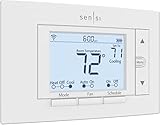
Overview: The Sensi ST55 brings century-long HVAC expertise into the smart home era with a refreshing privacy-first approach. This ENERGY STAR certified thermostat prioritizes data security while delivering 23% energy savings through intelligent scheduling and remote access. Its traditional button interface and standard footprint make it ideal for conservative upgraders.
What Makes It Stand Out: Sensi’s explicit privacy promise—never selling personal data—addresses growing consumer concerns. The built-in level and comprehensive app instructions enable true DIY installation without a C-wire in most applications, dramatically expanding compatibility. The system monitoring provides usage reports, equipment alerts, and maintenance reminders, adding proactive HVAC care. Its physical buttons and familiar form factor eliminate wall patching.
Value for Money: At $81, it costs slightly more than the Amazon option but offers superior installation flexibility. The 23% energy savings claim and elimination of professional installation costs create strong ROI. For homes without C-wires, this avoids expensive electrical work, making it the value leader in that scenario.
Strengths and Weaknesses: Strengths include exceptional privacy protection, broad compatibility without C-wire requirements, intuitive traditional controls, comprehensive maintenance monitoring, and proven energy savings. The straightforward installation process stands out. Weaknesses include limited smart home ecosystem integration compared to competitors, no learning capabilities, and basic presence detection. The design feels dated next to touchscreen models.
Bottom Line: Ideal for privacy-conscious buyers or homes lacking C-wires. The Sensi ST55 trades flashy features for reliability, data protection, and installation simplicity. A smart choice for practical homeowners.
3. ecobee Smart Thermostat Essential - Energy Star Certified programmable Wi-Fi Thermostat - Works with Siri, Alexa, and Google Assistant

Overview: The ecobee Smart Thermostat Essential positions itself as the sophisticated multi-platform alternative in the mid-range market. Supporting Siri, Alexa, and Google Assistant, this ENERGY STAR certified device promises 23% annual heating and cooling savings while delivering premium touches like a color touchscreen and comprehensive mobile app control.
What Makes It Stand Out: The vibrant touchscreen interface provides intuitive on-device control absent in budget competitors. Its compatibility with 85% of HVAC systems and the optional Power Extender Kit (PEK) for C-wire-less installations expand accessibility. Free software upgrades ensure longevity, while the ecobee app delivers detailed energy consumption tracking. The scheduling automatically optimizes for occupancy, balancing comfort and conservation.
Value for Money: At $134.99, it commands a premium over basic models but undercuts flagship thermostats. The multi-platform support justifies the cost for mixed smart home ecosystems. However, the PEK’s separate purchase and lack of included remote sensors make the total investment higher than the sticker price suggests.
Strengths and Weaknesses: Strengths include excellent cross-platform compatibility, user-friendly touchscreen, robust scheduling capabilities, detailed energy reporting, and broad system compatibility. The DIY installation is straightforward. Weaknesses include the PEK’s additional cost for C-wire-less setups, no included remote sensors, and fewer advanced features than ecobee’s higher-end models. The design is functional but not luxurious.
Bottom Line: A versatile choice for households using multiple voice assistants. The ecobee Essential balances features and price well, though budget-conscious buyers may prefer cheaper alternatives. Consider total PEK cost when evaluating.
4. meross Smart Thermostat for Home, WiFi Thermostat Works with Matter, Alexa, Apple Home, Google Assistant, App & Voice Control, 7x24h Scheduling, Energy Saving, C-Wire Required

Overview: The meross Smart Thermostat disrupts the market as the most affordable Matter-certified thermostat available. At under $60, it delivers future-proof connectivity with Apple Home, Alexa, Google Home, and SmartThings while supporting an impressive 95% of HVAC systems including heat pumps, furnaces, and boilers. This WiFi-enabled unit focuses on flexible scheduling and remote management.
What Makes It Stand Out: Matter integration sets it apart, enabling local, reliable control across platforms without cloud dependency. The 24/7 scheduling allows granular temperature routines for home, away, and sleep states. Smart alerts for filter life and system malfunctions provide proactive maintenance. The meross app tracks usage patterns to optimize conservation and reduce bills.
Value for Money: At $59.84, this is the clear budget champion. Matter certification typically commands premium pricing, making this exceptional value. The broad HVAC compatibility minimizes installation issues. While C-wire requirements may apply to some configurations, the price leaves room for professional help if needed.
Strengths and Weaknesses: Strengths include groundbreaking Matter support at budget pricing, exceptional HVAC compatibility, comprehensive scheduling, multi-platform integration, and proactive system alerts. The app control is reliable. Weaknesses include potential C-wire requirements for certain systems, lack of on-device touchscreen, no remote sensors, and a less established brand reputation. Installation may be complex for two-wire systems.
Bottom Line: The meross thermostat is a steal for Matter-compatible smart homes. If you prioritize future-proof connectivity over premium features, this delivers unbeatable value. Verify C-wire needs before purchasing.
5. ecobee Smart Thermostat Enhanced - Programmable Wifi Thermostat - Works with Siri, Alexa, Google Assistant - Energy Star Certified - Smart Home
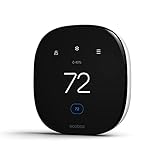
Overview: The ecobee Smart Thermostat Enhanced represents the pinnacle of the lineup with advanced occupancy sensing and learning capabilities. This flagship device promises 26% energy savings by automatically adjusting for both presence and humidity while preheating or precooling before arrival. Complete with Power Extender Kit and trim plate, it offers a premium, all-inclusive experience.
What Makes It Stand Out: Built-in radar occupancy detection provides more reliable presence sensing than motion sensors, enabling true predictive climate control. The learning algorithm adapts to your schedule and temperature preferences automatically. Humidity-based adjustments enhance comfort beyond temperature alone. Including the PEK and trim kit eliminates hidden costs and simplifies installation.
Value for Money: At $199.99, it’s the most expensive option but justifies the premium with advanced features and included accessories. The 26% savings claim is the highest among reviewed models. For tech enthusiasts wanting automation without manual scheduling, the convenience warrants the cost. Budget buyers will find better value elsewhere.
Strengths and Weaknesses: Strengths include sophisticated radar occupancy detection, intelligent learning capabilities, comprehensive humidity control, complete installation kit inclusion, superior energy savings potential, and seamless multi-platform integration. The automatic preheating/precooling works flawlessly. Weaknesses include premium pricing that may be excessive for basic needs, complexity that could overwhelm simple installations, and marginal benefits over the Essential model for some users.
Bottom Line: The best choice for smart home enthusiasts seeking maximum automation and comfort. The Enhanced model’s learning capabilities and radar sensing deliver a truly hands-off experience. If budget allows and you value convenience, this is worth the investment.
6. Emerson Sensi Touch Wi-Fi Smart Thermostat with Touchscreen Color Display, Works with Alexa, Energy Star Certified, C-wire Required, ST75 Black 5.625" x 3.4" x 1.17"

Overview: The Emerson Sensi Touch brings smart climate control to the mainstream with its intuitive touchscreen interface and robust feature set. This Energy Star-certified thermostat combines modern aesthetics with practical functionality, making it an attractive upgrade for homeowners seeking remote temperature management without navigating complex installation procedures.
What Makes It Stand Out: Unlike competitors that harvest user data, Emerson’s explicit privacy commitment ensures your personal information stays protected. The built-in level and illuminated terminals transform a potentially frustrating DIY installation into a straightforward 30-minute project. Its vibrant color display offers superior readability compared to monochrome alternatives, while the Sensi app provides detailed energy usage reports that actually help you understand consumption patterns rather than just displaying numbers.
Value for Money: At $110, this thermostat sits in the sweet spot between budget models and premium options like Nest or Ecobee. The potential 23% reduction in HVAC energy costs means it typically pays for itself within the first year. When you factor in the privacy protection—a feature increasingly rare in smart home devices—the value proposition strengthens considerably against similarly priced competitors.
Strengths and Weaknesses: Strengths include exceptional privacy policies, straightforward installation tools, attractive design options in three colors, reliable app performance, and genuine energy savings. Weaknesses center on the mandatory C-wire requirement that may necessitate professional installation in older homes, and the brand lacks the marketing recognition of Honeywell or Google, potentially affecting long-term support confidence.
Bottom Line: The Sensi Touch excels for privacy-conscious consumers wanting a feature-rich thermostat without the premium price tag. While the C-wire requirement demands careful compatibility checking, its combination of energy savings, elegant design, and data protection makes it a compelling choice for most modern HVAC systems.
7. Honeywell Home RTH9585WF1004 Wi-Fi Smart Color Thermostat, 7 Day Programmable, Touch Screen, Energy Star, Alexa Ready, Gray

Overview: Honeywell’s RTH9585WF1004 represents the evolution of the company’s thermostat line, blending decades of HVAC expertise with modern smart home capabilities. This 7-day programmable unit features a bright color touchscreen that adapts to your home’s aesthetic while delivering robust scheduling options and energy management tools that serious homeowners will appreciate.
What Makes It Stand Out: The customizable color display distinguishes it from sterile-looking competitors, letting you match your wall paint or personal style. Honeywell’s established utility partnerships unlock potential rebates and demand response programs that can actually pay you for participation—a rare financial benefit most brands can’t offer. The intuitive touchscreen interface requires virtually no learning curve, making it accessible for technophobes and tech enthusiasts alike.
Value for Money: Priced at $124.23, it commands a modest premium over budget alternatives but justifies this through Honeywell’s legendary reliability and potential rebate eligibility. The demand response program enrollment can generate annual credits, effectively reducing your net investment. Compared to premium brands exceeding $200, it delivers 90% of the functionality at 60% of the cost.
Strengths and Weaknesses: Strengths include the trusted Honeywell brand reputation, vibrant customizable display, broad HVAC compatibility, utility rebate opportunities, and exceptionally clear touchscreen. Weaknesses involve the mandatory C-wire that complicates installation in older homes, slightly higher price point than emerging brands, and limited advanced smart home integrations compared to Ecobee or Nest ecosystems.
Bottom Line: This thermostat shines for homeowners prioritizing brand reliability and aesthetic customization. While not the cheapest option, the potential utility rebates and proven Honeywell durability make it a smart long-term investment for those wanting professional-grade performance without professional installation complexity.
8. ecobee Smart Sensor 2 Pack - Comfort, Security, Energy Savings - Smart Home - Compatible with ecobee Smart Thermostats for Home

Overview: The ecobee Smart Sensor 2 Pack solves one of smart climate control’s biggest challenges: temperature imbalance across rooms. These wireless sensors communicate occupancy and temperature data to your ecobee thermostat from up to 60 feet away, enabling intelligent heating and cooling that responds to where you actually are rather than just where the main thermostat sits.
What Makes It Stand Out: The sensors’ ability to penetrate walls and floors means they work reliably in multi-story homes where other wireless devices fail. By detecting occupancy, they prevent wasted energy on empty rooms while ensuring your occupied spaces maintain perfect comfort. The magnetic stands and adhesive mounts offer genuinely flexible placement without tools, and the satin-steel finish looks premium rather than plasticky.
Value for Money: At $99.99 for two sensors, this isn’t a casual purchase, but for homes with hot or cold spots, the comfort improvement justifies the cost. They complement the ecobee’s already-strong energy-saving features, potentially increasing your HVAC efficiency beyond what a single thermostat could achieve. Compared to installing zoning systems costing thousands, it’s an economical alternative.
Strengths and Weaknesses: Strengths include exceptional range through obstacles, intelligent occupancy detection, elegant design, simple installation, and meaningful energy savings in multi-room scenarios. Weaknesses are the exclusive ecobee ecosystem lock-in, battery replacement requirements every 1-2 years, and the significant upfront cost that adds to an already premium thermostat investment.
Bottom Line: These sensors are invaluable for ecobee owners struggling with uneven temperatures. However, their limited compatibility and price make them a niche purchase. Buy them only if you already own an ecobee and experience noticeable temperature variations between rooms—otherwise, invest in a better thermostat first.
9. Sensi Lite Smart Thermostat, Data Privacy, Programmable, Wi-Fi, Easy DIY, Works With Alexa, Energy Star Certified, ST25, Most Systems C-Wire Not Required, Except On Heat/Cool Only and Heat Pump System
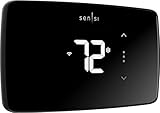
Overview: The Sensi Lite democratizes smart climate control by delivering core Wi-Fi thermostat functionality at a budget-friendly price point. This stripped-down sibling of the Sensi Touch maintains the brand’s commitment to privacy and energy efficiency while making compromises that primarily affect aesthetics rather than performance, making it ideal for cost-conscious homeowners or rental properties.
What Makes It Stand Out: The flexible C-wire requirement is the standout feature—most systems don’t need one, eliminating the primary installation barrier that plagues competitors. You still get Sensi’s industry-leading privacy protection and the same 23% energy savings claim as their premium model. The top-rated mobile app remains fully functional, providing remote access and geofencing without the touchscreen premium.
Value for Money: At $65.98, it’s among the most affordable reputable smart thermostats available. The energy savings alone can recoup your investment in under eight months for average households. While it lacks the color display and sleek design of its pricier sibling, it sacrifices virtually nothing in terms of smart functionality and energy management capabilities.
Strengths and Weaknesses: Strengths include exceptional affordability, flexible wiring requirements, robust privacy policies, proven energy savings, and reliable app control. Weaknesses involve a basic monochrome display, less premium aesthetic, limited color options, and the confusing C-wire exception for heat pump and heat/cool-only systems that requires careful pre-purchase verification.
Bottom Line: The Sensi Lite offers outstanding value for those seeking smart functionality over flashy hardware. It’s perfect for rentals, secondary properties, or anyone wanting to test smart climate control without significant investment. Just verify your system’s compatibility first, especially for heat pumps.
10. meross Smart Thermostat for Home, WiFi Thermostat Works with Matter, Alexa, Apple Home, Google Assistant, App & Voice Control, 7x24h Scheduling, Energy Saving, C-Wire Required

Overview: The meross Smart Thermostat enters the competitive budget segment with a forward-thinking approach, emphasizing Matter protocol support for enhanced smart home integration. This Wi-Fi-enabled device handles an impressive range of HVAC systems while offering 24/7 scheduling and proactive system monitoring that belies its affordable price point, targeting tech-savvy users who prioritize interoperability.
What Makes It Stand Out: Matter certification is the headline feature, ensuring seamless local control across Apple Home, Alexa, Google, and SmartThings without cloud dependency. The comprehensive HVAC compatibility—including humidifiers and dehumidifiers—surpasses most competitors at this price. Smart alerts for filter changes and system malfunctions provide professional-grade monitoring that prevents costly repairs, a rarity in budget thermostats.
Value for Money: At $66.49, it matches budget leaders while offering superior future-proofing through Matter support. The potential energy savings combined with preventive maintenance alerts deliver value beyond simple temperature control. For smart home enthusiasts, the local control capability eliminates monthly fees and reduces latency compared to cloud-only alternatives costing twice as much.
Strengths and Weaknesses: Strengths include Matter integration, broad HVAC compatibility, intelligent scheduling, proactive system alerts, and competitive pricing. Weaknesses involve the emerging brand’s unproven long-term reliability, potential C-wire requirement for some configurations, and complex compatibility checking that may confuse average consumers. The 95% compatibility claim still leaves edge cases unsupported.
Bottom Line: This thermostat excels for Matter ecosystem adopters seeking maximum compatibility on a minimal budget. While meross lacks the established track record of premium brands, its feature set and forward-looking design make it an intelligent gamble for tech-forward households willing to handle detailed pre-installation verification.
Why Smart Thermostats Are Essential for Energy Savings in 2026
The average American household now spends nearly $2,400 annually on heating and cooling—a figure that’s increased 23% since 2020. Smart thermostats address this burden through intelligent automation that programmable models simply cannot match. While a traditional programmable thermostat follows rigid schedules, 2026’s AI-driven models continuously analyze occupancy patterns, outdoor conditions, and even electricity rate fluctuations to optimize temperature settings in real-time.
How Smart Thermostats Reduce Energy Consumption
Energy savings materialize through several interconnected mechanisms. First, occupancy detection ensures you’re never heating an empty home. Advanced models use smartphone geofencing, motion sensors, and even connected door/window sensors to confirm presence. Second, machine learning algorithms identify when you typically arrive home and pre-condition the space efficiently, avoiding energy-intensive temperature spikes. Third, integration with utility demand response programs allows your thermostat to automatically reduce consumption during peak pricing periods, often earning you bill credits in the process.
The Evolution of Thermostat Technology
The leap from 2022 to 2026 models represents a fundamental shift from reactive to predictive climate management. Early smart thermostats reacted to manual inputs and basic schedules. Today’s devices process dozens of data points—from local weather forecasts to your calendar appointments—to anticipate needs before you recognize them. This predictive capability, combined with the Matter standard’s universal compatibility, means your thermostat now functions as a central node in your home’s energy network rather than an isolated component.
Key Features That Define the Best Energy-Saving Smart Thermostats
Learning Algorithms and Adaptive Intelligence
The hallmark of a premium 2026 thermostat is its ability to learn without constant manual programming. Look for devices that advertise “unsupervised machine learning” or “adaptive thermal modeling.” These systems build a mathematical model of your home’s thermal characteristics—how quickly it heats, how long it retains temperature, which rooms lose heat fastest—and adjust their strategies accordingly. A truly intelligent thermostat will recognize that your west-facing living room needs extra cooling on summer afternoons or that your home’s insulation performs differently in humid versus dry conditions.
Multi-Zone Climate Control Capabilities
Single-zone thermostats treat your home as one uniform space, a limitation that wastes enormous energy in multi-level or sprawling layouts. The most efficient 2026 models support multiple wireless sensors that create distinct climate zones. This means you can maintain 68°F in your occupied home office while allowing unused bedrooms to drift to 62°F, automatically adjusting as you move throughout your day. Some advanced systems even integrate with smart vents to physically direct airflow, transforming your existing ductwork into a dynamic, room-by-room climate network.
Geofencing and Occupancy Detection
Basic geofencing triggers adjustments when you cross a set boundary, but 2026’s best implementations use multi-user geofencing with graduated zones. They can begin gentle pre-heating when you’re 20 minutes away rather than waiting until you’re at the driveway. More sophisticated models combine geofencing with indoor occupancy sensors that detect subtle movements and even breathing patterns, ensuring the system doesn’t shut down when you’re simply being still for extended periods.
Energy Usage Reporting and Analytics
Generic monthly reports showing “you saved 10%” are obsolete. Modern thermostats provide granular analytics: cost-per-hour breakdowns, efficiency comparisons against similar homes, and predictive modeling that shows how upcoming weather will impact your bill. The most valuable feature is “what-if” scenario planning—adjusting your target temperature virtually to see projected savings before committing to the change.
HVAC Compatibility: What You Must Know Before Buying
Understanding Voltage Requirements
Before falling in love with any thermostat, identify your HVAC system’s voltage. Most central air systems use low-voltage (24V) wiring, but electric baseboard heaters, radiant floor systems, and some older setups require line-voltage (120V-240V) thermostats. Installing a low-voltage smart thermostat on a line-voltage system isn’t just ineffective—it’s dangerous. Check your current thermostat’s wiring or consult your HVAC manual. If you see thick wires with wire nuts, you’re likely dealing with line voltage.
Heat Pump and Dual-Fuel System Support
Heat pumps require specialized thermostat logic to manage their unique heating stages and auxiliary heat strips. In 2026, the best models offer “heat pump balance” algorithms that optimize the switch point between electric heat pump operation and gas furnace backup in dual-fuel systems. This prevents expensive auxiliary heat from activating unnecessarily. Look for thermostats that explicitly list “heat pump compatible with auxiliary heat control” and offer configurable compressor delay settings to protect your equipment.
Installation Considerations: DIY vs. Professional Setup
Wiring Complexity and C-Wire Requirements
The common wire (C-wire) provides continuous 24V power, and its absence is the leading cause of smart thermostat malfunction. While 2026 models have improved battery life and power-stealing technology, these are workarounds, not solutions. A thermostat without a C-wire may experience Wi-Fi dropouts, screen flickering, or periodic shutdowns—especially in extreme weather when you need it most. Use a voltage meter to test for a C-wire, or opt for models that include power adapter kits that safely add a C-wire without rewiring your entire system.
When to Call a Professional
If your system lacks a C-wire and you’re uncomfortable working with electrical circuits, professional installation is worth the $150-300 investment. The same applies to dual-fuel systems, multi-stage equipment, or homes with zone control boards. A certified HVAC technician can also identify pre-existing issues—like short-cycling or improper system sizing—that would undermine any thermostat’s efficiency gains. Many utilities offer installation rebates that offset this cost when paired with enrollment in demand response programs.
Smart Home Integration and Matter Protocol in 2026
Voice Assistant Compatibility
By 2026, Matter certification has become the gold standard, ensuring your thermostat works seamlessly across Apple HomeKit, Google Home, Amazon Alexa, and Samsung SmartThings without proprietary hubs. However, voice control depth varies. The most energy-efficient integration allows natural language commands like “I’m feeling chilly” to trigger a temporary 2-degree boost for one hour, rather than permanently altering your schedule. Look for thermostats that support “routines” or “scenes” where a single command adjusts temperature, lighting, and window coverings simultaneously for holistic energy management.
Interoperability with Other Smart Devices
True energy savings emerge when your thermostat coordinates with other systems. The best 2026 models integrate with smart window shades to block solar heat gain, coordinate with EV chargers to avoid peak electricity rates, and even communicate with air quality monitors to balance energy efficiency with ventilation needs. Prioritize thermostats that support local processing (edge computing) rather than cloud-only control—this ensures your automation continues working during internet outages and reduces latency for critical adjustments.
Advanced Sensors That Maximize Efficiency
Remote Temperature and Humidity Sensors
Placement is everything. A thermostat in a hallway can’t sense temperature in your sun-drenched office or chilly basement bedroom. Modern remote sensors do more than report temperature—they measure occupancy, humidity, and even air pressure differentials. The most advanced systems use these sensors to detect open windows (sudden temperature/humidity drops) and automatically pause heating or cooling. Some sensors now include CO₂ monitoring to adjust ventilation rates, preventing energy waste from over-ventilating.
Weather Integration and Forecasting
Basic weather integration displays the outdoor temperature, but sophisticated 2026 models ingest hyper-local forecast data, solar radiation indexes, and humidity trends to pre-adjust your home. If a cold front is arriving at 6 PM, your thermostat can pre-warm the house during cheaper afternoon electricity rates, then coast through the evening using thermal mass. This “weather-aware” operation can improve efficiency by an additional 8-12% beyond standard smart features.
The Role of AI and Machine Learning in 2026 Models
Predictive Climate Management
The AI in 2026 thermostats doesn’t just learn your schedule—it predicts your comfort needs based on contextual cues. It might notice you always turn up the heat after a workout, so when your fitness tracker shows a completed run, it begins warming the bathroom for your post-exercise shower. It can correlate your sleep quality data from wearables with overnight temperature settings, automatically fine-tuning for optimal rest and efficiency. This contextual awareness transforms climate control from reactive to anticipatory.
Behavioral Pattern Recognition
Advanced models identify micro-patterns invisible to human observation. They might detect that your home’s thermal efficiency drops 15% on windy days due to air infiltration, automatically adjusting target temperatures to compensate. They learn which family members prefer different temperatures and create dynamic compromises based on who’s home. Some systems even recognize when you’re hosting guests by analyzing noise levels from smart speakers and adjust zoning to accommodate increased occupancy.
Energy Savings: Realistic Expectations and ROI Calculations
Understanding Energy Star Ratings
Energy Star certification for smart thermostats now requires proven energy savings through third-party testing, not just efficient components. The 2026 standard demands a minimum 8% reduction in heating and cooling consumption compared to a programmable baseline. However, the rating also accounts for “smart features utilization”—a recognition that a feature-rich thermostat saves nothing if configured poorly. Look for the “Energy Star Most Efficient” designation, which identifies the top 5% of performers.
Payback Period Analysis
In moderate climates, a $250 smart thermostat typically pays for itself in 18-24 months through combined energy savings and utility rebates. In extreme climates or larger homes, payback can be as short as 8-12 months. The calculation must include: (1) your current annual HVAC costs, (2) estimated 10-15% savings (conservative for 2026 models), (3) local rebates (often $50-150), and (4) demand response program earnings ($50-200 annually). Don’t forget to factor in the value of extended HVAC equipment life from reduced cycling.
Rebates, Incentives, and Utility Programs
Federal and State Tax Credits
The 2026 federal energy efficiency tax credit covers 30% of smart thermostat costs up to $150, but only for models that meet specific communication standards and enroll in utility demand response programs. Many states offer additional rebates, particularly for households below median income or in areas with grid reliability concerns. The Database of State Incentives for Renewables & Efficiency (DSIRE) maintains an updated list, but check your utility’s website first—they often administer these programs directly.
Utility Company Demand Response Programs
These programs are the hidden goldmine of smart thermostat ownership. Utilities pay you to allow minor temperature adjustments during peak demand periods. In 2026, the average participant earns $75-200 annually in bill credits. The best thermostats make enrollment frictionless and allow you to set your “participation flexibility”—perhaps allowing a 4-degree adjustment during summer peaks but only 2 degrees in winter. Some programs now offer time-of-use rate optimization, where your thermostat automatically pre-heats or pre-cools during off-peak hours.
Common Mistakes That Undermine Energy Savings
Improper Placement and Settings
Mounting your thermostat near drafts, direct sunlight, or heat sources distorts its readings and triggers unnecessary HVAC cycles. The ideal location is on an interior wall, 5 feet high, in a frequently used room away from vents and windows. More critically, many users sabotage savings by overriding smart features—disabling learning modes or setting aggressive hold temperatures. The “set it and forget it” approach works; constant manual adjustments destroy the algorithm’s ability to optimize.
Ignoring Software Updates
Manufacturers continuously refine their energy-saving algorithms through firmware updates. A thermostat running two-year-old software is missing optimization patterns for newer HVAC equipment and weather prediction models. Enable automatic updates, but ensure they occur during low-usage hours to avoid disruption. Some updates also include critical security patches that protect against vulnerabilities that could allow malicious actors to hijack your HVAC system for botnet attacks.
Future-Proofing Your Smart Thermostat Investment
Firmware Support and Longevity
The average smart thermostat receives meaningful updates for 5-7 years before the manufacturer shifts focus to newer models. Research the company’s track record—do they support legacy devices, or do they abandon them? Look for thermostats with open APIs and active developer communities, as these often receive extended functionality long after official support wanes. Some manufacturers now guarantee a minimum 10-year security update commitment, which is crucial for a device that controls your home’s comfort and safety.
Scalability for Home Renovations
If you plan to add rooms, install a mini-split system, or integrate renewable energy like solar, choose a thermostat that supports expansion. Modular systems that accept additional wireless sensors and integrate with emerging standards like BACnet for home energy management systems ensure your investment adapts. Consider whether the thermostat can handle multiple heating/cooling sources—perhaps coordinating a central heat pump with a future ductless system in a new addition.
Frequently Asked Questions
How much can I realistically expect to save on my energy bills with a 2026 smart thermostat?
In a typical single-family home, expect 10-15% reduction in heating and cooling costs, which translates to $150-300 annually depending on your climate and energy rates. Homes with inconsistent occupancy patterns or multi-zone capabilities often see 20% savings. The key is allowing the learning algorithms at least 3-4 weeks to establish baseline patterns before evaluating performance.
Do I absolutely need a C-wire for reliable operation?
While 2026 models have improved power management, a C-wire remains the gold standard for reliability. Without it, you risk Wi-Fi connectivity issues and display problems during extreme weather. If you lack a C-wire, choose a thermostat that includes a power adapter kit rather than relying on power-stealing technology, which can stress your HVAC control board and cause intermittent failures.
Are smart thermostats worth installing in apartments or rental properties?
Absolutely, provided you have HVAC control and plan to stay at least 12 months. The payback period is actually faster in apartments (often 12-18 months) due to lower overall equipment costs. For rentals, consider portable smart AC controllers for window units or ductless mini-splits. Always check your lease agreement and opt for installations that don’t require permanent wiring modifications.
Will a smart thermostat work with my 20-year-old HVAC system?
Most low-voltage systems from the early 2000s are compatible, but check for a C-wire and verify your system type. Heat pumps and multi-stage systems require specific thermostat capabilities. If your system uses proprietary communication protocols (some high-end brands from that era), you may need an adapter or brand-specific model. A pre-purchase compatibility check using your system’s model number prevents costly returns.
How do smart thermostats impact privacy and data security?
Modern thermostats collect data on occupancy, temperature preferences, and home energy use. In 2026, leading manufacturers offer local data processing options that minimize cloud transmission. Look for devices with end-to-end encryption, two-factor authentication, and clear privacy policies that prohibit selling data to third parties. Disable features you don’t need, like remote access when you’re home, to reduce your digital footprint.
What’s the difference between a smart thermostat and a programmable one in terms of energy savings?
A programmable thermostat follows your preset schedule rigidly, while a smart thermostat adapts when your schedule changes. If you leave work early or stay home sick, a programmable unit wastes energy; a smart unit detects occupancy changes and adjusts automatically. This adaptability accounts for 30-40% of the additional savings smart models provide over their programmable predecessors.
What temperature settings maximize energy savings without sacrificing comfort?
The Department of Energy recommends 68°F in winter and 78°F in summer when you’re home. However, 2026’s best practice is to let your thermostat learn your comfort range. Set a 3-degree “dead band” where the system doesn’t react to minor fluctuations. Enable gradual recovery (1-2 degrees per hour) rather than aggressive temperature swings. Your personal comfort threshold is more important than arbitrary numbers.
How long do smart thermostats typically last before needing replacement?
Hardware lifespan is 10-15 years, but software support typically lasts 5-7 years. After that, you lose access to security updates and new energy-saving features. Plan for a replacement around year 7 to maintain optimal efficiency and security. Physical failures are rare; obsolescence is the primary reason for upgrades in 2026’s rapidly evolving smart home landscape.
Can smart thermostats function effectively without constant internet connectivity?
Basic scheduling and local sensor data still work offline, but AI learning, weather integration, and remote access require internet. The best 2026 models include local edge processing that maintains core efficiency algorithms for up to 7 days without cloud connectivity. However, you’ll lose demand response participation and software updates. Consider a thermostat with cellular backup if you live in an area with unreliable internet.
What happens to my smart thermostat during a power outage?
The thermostat itself loses power and reverts to default settings when power returns. However, many 2026 models include a small backup battery that preserves your schedule and learning data for 24-48 hours. More importantly, look for “gentle restart” features that prevent your HVAC system from immediately kicking on at full power when electricity is restored, which can prevent circuit overloads and extend equipment life.