Imagine waking up to a smartphone alert at 3 AM warning you of a pinhole leak forming behind your washing machine—before it becomes a $50,000 disaster. In 2026, this isn’t futuristic speculation; it’s the new baseline for intelligent home protection. Smart water shut-off valves with integrated leak detection have evolved from niche luxuries into essential infrastructure, combining AI-driven predictive analytics with industrial-grade automation to safeguard your home’s most destructive vulnerability: water.
As climate volatility increases plumbing stress and insurance companies recalibrate risk models, homeowners are rethinking water management entirely. Today’s systems don’t just react to leaks—they learn your household’s water fingerprint, distinguish between your teenager’s marathon shower and a burst pipe, and integrate seamlessly with broader smart home ecosystems. Whether you’re building a new home or retrofitting a century-old property, understanding what separates cutting-edge technology from expensive gimmicks could mean the difference between a minor inconvenience and catastrophic loss.
Top 10 Smart Water Shut-Off Valves with Leak Detection
Detailed Product Reviews
1. YoLink DIY Automatic Water Leak Detection & Shut-Off Starter Kit, EVO Valve Operator, Wireless Valve Controller, (3) Leak Sensors, Hub
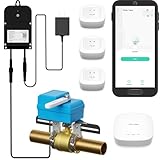
Overview:
The YoLink DIY Kit delivers complete leak protection with three sensors, a smart valve controller, EVO valve manipulator, and hub. This comprehensive system automatically shuts off water when leaks are detected, safeguarding homes and businesses from expensive water damage.
What Makes It Stand Out:
Its unique Device-to-Device (D2D) functionality ensures protection during power outages and network disruptions. LoRa technology provides an impressive 1/4 mile range, enabling sensor placement in remote areas like basements and attics. The system includes 30 free monthly SMS alerts and supports iOS Critical Alerts that bypass silent mode.
Value for Money:
Priced at $227.99, this kit offers premium features that justify the cost. The D2D capability and exceptional range set it apart from WiFi-dependent systems. With three sensors included, it’s a complete solution without requiring additional purchases, offering long-term value.
Strengths and Weaknesses:
Pros: Works offline during outages; 1/4 mile range; multiple notification methods; iOS Critical Alerts; Alexa/Google/IFTTT integration; expandable ecosystem; long battery life
Cons: YoLink hub required; SMS alerts limited to 5 per device monthly; initial setup may challenge non-technical users
Bottom Line:
Ideal for homeowners wanting reliable, long-range protection that functions during emergencies. The robust feature set and comprehensive components make it a worthwhile investment for whole-home coverage.
2. YoLink DIY Automatic Water Leak Detection & Shut-Off Starter Kit, Valve Operator, X3 Version Wireless Valve Controller, (4) Leak Sensors, Hub

Overview:
YoLink’s premium kit features four water leak sensors, an X3 Valve Controller, valve operator, and hub. This system provides automated water shutoff during leaks and forms the foundation of a broader smart home ecosystem, protecting properties from costly repairs.
What Makes It Stand Out:
The X3 controller represents YoLink’s latest technology, offering enhanced performance. Its scalability supports over 300 devices per hub, making it suitable for single-family homes to high-rise condos. Like other YoLink products, it functions during WiFi, internet, and power outages through D2D pairing, ensuring continuous protection.
Value for Money:
At $359.99, this is a premium investment. The inclusion of four sensors, advanced X3 controller, and hub compatibility with 300+ devices justifies the price for those planning extensive smart home expansion. It’s a future-proof foundation rather than a standalone solution, delivering value through scalability.
Strengths and Weaknesses:
Pros: X3 advanced controller; four sensors included; works during outages; massive scalability; 1/4 mile LoRa range; voice assistant integration; expandable ecosystem; suitable for large properties
Cons: Highest price point; may be overkill for small homes; limited free SMS alerts; requires technical comfort for full utilization
Bottom Line:
Perfect for tech-savvy homeowners building a comprehensive smart home. The scalability and advanced features make it worth the premium if you plan to expand beyond basic leak detection into a full smart home system.
3. iSpring LS43WL Smart Leak Shut-Off System, Automatic Water Leak Detector with 1 Wired & 1 Wireless Sensor, Whole-Home Water Damage Protection, 1" MNPT + 3/4" FNPT
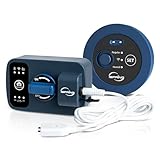
Overview:
The iSpring LS43WL provides whole-home protection by installing at the main water inlet. This system includes one wired and one wireless sensor, automatically shutting off water within 20 seconds of leak detection to prevent extensive damage across your entire property.
What Makes It Stand Out:
Its dual-sensor approach offers Regular and Humid modes, preventing false alarms in moisture-prone areas like basements. The system is specifically designed for RO systems, under-sink filters, and water appliances. Installation flexibility with both 1" MNPT and 3/4" FNPT connections accommodates various plumbing configurations without adapters.
Value for Money:
At $156.98, this is the most budget-friendly option. It provides essential protection without advanced smart features, making it ideal for cost-conscious buyers. The dual sensors and quick shutoff response deliver solid value for basic whole-home defense without recurring costs.
Strengths and Weaknesses:
Pros: Affordable price; dual sensor modes; 20-second shutoff; dual connection sizes; DIY-friendly; ideal for RO systems and appliances; simple operation; no subscription needed
Cons: Only two sensors; no smart home integration; requires constant power; no offline functionality; limited range; no SMS alerts; less suitable for large homes
Bottom Line:
A practical choice for homeowners wanting basic, reliable leak protection without smart home complexity. The affordable price and quick response make it ideal for protecting specific appliances or smaller homes where advanced features aren’t necessary.
4. YoLink Smart Water Leak Protection System Kit: Bulldog Valve Robot, Smart Valve Controller 2, 3 Water Leak Sensors, Hub

Overview:
The YoLink Bulldog Valve Robot Kit provides complete smart water protection with three leak sensors, Smart Valve Controller 2, Bulldog Valve Robot, and hub. This system ensures automatic shutoff even during internet and power outages, delivering comprehensive security.
What Makes It Stand Out:
The Bulldog Valve Robot offers powerful torque for reliable valve operation on stubborn valves. Using 923.3 MHz LoRa technology instead of WiFi prevents network congestion and security risks while providing superior obstacle penetration. The system provides 25 free monthly SMS alerts and supports multiple notification methods including Apple Critical Alerts that bypass silent mode.
Value for Money:
At $279.76, this mid-range kit balances advanced features and cost. The Bulldog Robot’s strength, combined with YoLink’s reliable D2D technology and three sensors, offers good value. The non-WiFi approach saves network bandwidth while providing superior range through concrete and metal.
Strengths and Weaknesses:
Pros: Bulldog Robot torque; works offline during outages; 1/4 mile range through obstacles; no WiFi needed; multiple alert options; iOS Critical Alerts; three sensors included; easy sensor installation; long battery life
Cons: Still requires hub; SMS limitations; higher price than basic systems; may need professional installation for valve; YoLink ecosystem lock-in
Bottom Line:
An excellent mid-range option for homeowners wanting robust, reliable protection without WiFi dependency. The Bulldog Robot’s power and YoLink’s proven technology make it a smart investment for comprehensive coverage in challenging environments.
5. E-SDS Water Leak Detector with Shutoff Valve,Sensors and Sounds Alarm,Automatic Water Leak Shut Off Valve System,for Pipes 3/4 NPT,Flood Prevention for Laundry,Water Heaters and More

Overview:
The E-SDS Water Leak Detector provides affordable automatic shutoff protection for specific appliances like water heaters and laundry systems. This budget-friendly system includes a sensor with 19.68 ft cable and manual controls for easy operation without complex setup.
What Makes It Stand Out:
Its Vacation Mode allows manual water shutoff while traveling, providing peace of mind. The system handles hot water up to 100℃ (212℉), making it suitable for water heater installations. The 19.68 ft sensor cable provides flexibility in placement, and the brass 3/4 NPT valve ensures durability for long-term use.
Value for Money:
At $109.99, this is the most affordable automatic shutoff system. It targets specific appliances rather than whole-home protection, making it ideal for budget-conscious buyers wanting to protect high-risk areas without investing in a full smart system. The included features deliver excellent value for targeted applications.
Strengths and Weaknesses:
Pros: Lowest price; hot water compatible; Vacation Mode; long sensor cable; manual controls; easy installation; good for targeted protection; no hub required
Cons: No smart features; no app integration; basic functionality only; smaller internal port reduces flow; limited to 3/4" pipes; no offline capability; single sensor; no expansion options
Bottom Line:
A practical, no-frills solution for protecting specific appliances on a tight budget. While lacking smart features, its automatic shutoff capability and hot water compatibility make it ideal for water heaters, laundry rooms, and other targeted applications where simplicity is preferred.
6. Haozee WiFi Smart Water Valve and Auto Shut-Off, Automation Scene Works with Leak Detector, Water Flow Meter, Built-in Battery, for 3/4" Diameter DN20 Pipe
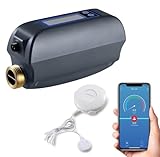
Overview: The Haozee WiFi Smart Water Valve delivers comprehensive water management for homeowners seeking proactive leak protection and consumption monitoring. This DN20 (3/4-inch) valve integrates ultrasonic flow measurement technology with remote app control, creating a unified system that responds automatically to pipe bursts and abnormal flow patterns. The built-in rechargeable NiMH battery ensures continued operation during power outages, while the included Tuya-compatible leak sensor enables immediate shutoff when water is detected.
What Makes It Stand Out: The W-type ultrasonic flow measurement provides exceptional precision compared to conventional mechanical valves, allowing users to set customized flow rate thresholds that trigger automatic closure. Dual-band WiFi support (2.4GHz and 5GHz) eliminates common connectivity issues, and the real-time consumption statistics help identify wasteful usage patterns. The automation scene integration through the Tuya ecosystem means you can create complex rules linking multiple sensors and devices without requiring a separate hub.
Value for Money: At $179.99, this valve sits in the mid-range category but outperforms many pricier alternatives. The inclusion of a leak sensor (typically $25-40 separately) and built-in flow metering—features often requiring additional devices—justifies the cost. Competitors with similar ultrasonic technology frequently exceed $250, making this a cost-effective choice for data-driven homeowners.
Strengths and Weaknesses: Strengths include precise ultrasonic measurement, dual-band WiFi reliability, included leak sensor, and three-month battery backup. The flow analytics provide actionable conservation insights. Weaknesses involve the battery mode disabling app control entirely, the 3-6 month battery life requiring frequent recharging, and dependence on the Tuya Smart platform. Installation demands basic plumbing knowledge, and the valve’s plastic construction may not match brass durability.
Bottom Line: The Haozee valve excels for tech-savvy users wanting detailed water analytics alongside leak protection. Its flow monitoring capabilities and included sensor make it a strong value, though the battery limitations and platform lock-in warrant consideration.
7. Zuomeng Smart Water Heater Remote Stop Valve with Leak Sensor, Automatic Shutoff, Water Leak Alert Push, 3/4"NPT 150PSI Brass Valve

Overview: Purpose-built for water heater protection, the Zuomeng Smart Stop Valve offers targeted leak defense at a competitive price point. This 3/4-inch NPT brass valve automatically shuts off supply when its disc-style sensor detects moisture, preventing catastrophic tank failures from flooding your home. The GeniLife app provides remote monitoring and control, while the dual-power design ensures 24/7 operation even during outages, making it ideal for utility rooms and basements.
What Makes It Stand Out: The elevated sensor disc design is genuinely innovative, raising the detection point one millimeter above ground to reduce false alarms from condensation or minor spills. The full-bore solid brass valve body promises 40 years of smooth operation, significantly outlasting plastic alternatives. Dual power sources—AC with AA battery backup—provide reliability that single-source systems lack, and the 150PSI rating handles high-pressure municipal supplies confidently.
Value for Money: Priced at $109.99, this represents excellent value for water heater-specific applications. Brass construction alone justifies the premium over $70-80 plastic valves, while the refined sensor design and dual-power capability eliminate costly false alarms and ensure continuous protection. Comparable brass smart valves typically start at $140, making this a budget-friendly yet durable choice.
Strengths and Weaknesses: Key strengths include robust brass construction, intelligent sensor elevation preventing false triggers, straightforward installation, and reliable dual-power operation. The app allows remote silencing of alarms—a thoughtful feature. Weaknesses include the GeniLife app’s smaller user base compared to Tuya or SmartThings, AA batteries not being included, and the system’s narrow focus on water heaters rather than whole-home protection. The single included sensor limits expansion without additional purchases.
Bottom Line: For homeowners specifically protecting a water heater, the Zuomeng valve delivers professional-grade durability and smart accuracy at an accessible price. Its brass build and thoughtful sensor design make it a reliable, cost-effective safeguard against tank failures.
8. StreamLabs Control - Smart Water Leak Detector with Automatic Shut-Off Valve (1" FNPT)
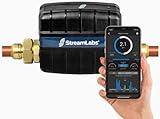
Overview: StreamLabs Control positions itself as a premium whole-home water management solution with a price tag to match. This 1-inch FNPT valve system combines WiFi and Bluetooth connectivity to provide remote shutoff capabilities and real-time monitoring through the Smart Alerts app. Marketed toward homeowners seeking insurance benefits, the device promises potential premium reductions while delivering basic leak detection and automatic closure functionality for larger residential plumbing systems.
What Makes It Stand Out: The primary differentiator is the potential for up to 10% homeowners insurance discounts, a tangible financial incentive that few competitors offer. Dual connectivity—WiFi for remote access and Bluetooth for local 10-meter control—provides redundancy when internet service fails. The 1-inch full-port design accommodates higher flow rates for larger homes, and the company’s emphasis on customer service suggests white-glove support for installation and troubleshooting.
Value for Money: At $1,090.00, this product faces extreme scrutiny on value. The insurance discount could theoretically offset the cost over several years, but the feature set appears comparable to systems costing 50-70% less. Without advanced flow analytics, ultrasonic measurement, or multi-sensor inclusion, the premium primarily covers brand reputation and potential insurance partnerships. For most homeowners, the ROI timeline stretches too long to justify the expense.
Strengths and Weaknesses: Strengths include the insurance incentive, dual connectivity options, professional-grade 1-inch valve sizing, and responsive customer support. The Bluetooth backup is genuinely useful during outages. However, weaknesses dominate: the astronomical price, vague feature specifications, lack of included sensors, and absence of flow metering capabilities. The Smart Alerts app has limited third-party integration compared to mainstream platforms, and the plastic components don’t reflect the premium cost.
Bottom Line: Only consider StreamLabs Control if you’ve confirmed substantial insurance savings and prioritize brand support over features. For comprehensive protection and better value, alternatives like Moen Flo or Phyn Plus offer more sophistication at similar or lower prices.
9. HydroCheck Automatic Water Shut Off System - Smart Leak Detection Device - Commercial Moisture Sensor Alarm - High Amp Load for Buildings & Office Space (Wiring Sold Separately)

Overview: The HydroCheck system diverges from residential all-in-one valves, offering a commercial-grade monitoring controller designed for multi-zone leak detection in critical environments. This DIN-rail mountable device monitors up to four independent sensor zones, making it ideal for server rooms, commercial buildings, and industrial spaces where pinpointing leak locations matters. Note that this is a control unit, not a valve—it requires separate wiring to electrically operated valves and sensors (sold separately).
What Makes It Stand Out: Four-zone monitoring with individual relay outputs allows sophisticated alerting and isolation strategies, shutting off only affected sections rather than entire buildings. The high-amp load capacity and five-year operational lifespan reflect industrial build standards. Configurable normal/reverse operation and manual/automatic reset modes provide flexibility for complex building management systems. DIN rail mounting enables clean integration into existing electrical panels, a professional installation approach absent in consumer products.
Value for Money: At $119.99, the controller itself is reasonably priced for commercial applications, but the total system cost escalates quickly when adding valves, sensors, and wiring. For facilities managers, the ability to protect four zones with one controller represents savings over multiple single-zone units. However, residential users will find better value in integrated systems that include valves and sensors. The “wiring sold separately” caveat adds $30-50 in additional expenses.
Strengths and Weaknesses: Strengths include robust multi-zone monitoring, industrial-grade durability, flexible configuration options, and high-current capacity for large valves. The DIN rail design simplifies professional installation. Weaknesses are substantial for typical homeowners: it’s not a complete solution, requires technical wiring knowledge, lacks consumer-friendly apps, and needs separate valve actuators. The absence of WiFi connectivity limits remote monitoring capabilities, and the manual documentation is technical.
Bottom Line: The HydroCheck system suits commercial facilities and technically proficient users building custom leak prevention systems. For standard residential protection, integrated WiFi valves offer simpler installation and better value. Purchase only if you need multi-zone commercial-grade monitoring.
10. Smart Zigbee 3.0 Water Shut Off Valve 3/4" | Automatic Shut Off Valve for Leak Detection Sensors, Tuya Smart Compatible, Requires Zigbee Hub & Sensors | IP55 Waterproof, Built-in Capacitor

Overview: This Zigbee 3.0 water shutoff valve caters to smart home enthusiasts already invested in Zigbee ecosystems like SmartThings, Hubitat, or Tuya. The 3/4-inch valve requires a separate Zigbee hub and leak sensors but delivers reliable, low-power operation with superior stability compared to WiFi alternatives. A built-in capacitor provides configurable power-failure behavior, while IP55 waterproofing ensures durability in damp utility environments. Setup requires no complex wiring—just plug in the included power adapter and pair to your hub.
What Makes It Stand Out: Zigbee’s mesh networking creates a more reliable leak prevention system that continues functioning during internet outages, a critical advantage over cloud-dependent WiFi valves. The built-in capacitor is uniquely configurable, allowing you to specify whether the valve stays open, closes, or maintains position during power failures—customization unavailable in most competitors. IP55 rating protects against water spray and dust, addressing a common failure point in utility room installations. The valve’s compatibility with multiple Zigbee platforms prevents vendor lock-in.
Value for Money: Priced at $147.00, the valve itself is competitive, but the total investment requires factoring in a Zigbee hub ($30-60) and sensors ($20-40 each). For users with existing Zigbee infrastructure, this represents excellent value—comparable WiFi valves with similar reliability cost $180-220. However, starting from scratch makes this more expensive than integrated WiFi solutions that include hubs and sensors in starter kits.
Strengths and Weaknesses: Strengths include rock-solid Zigbee connectivity, power-outage configurability, simple installation, cross-platform compatibility, and robust IP55 construction. The valve operates independently of cloud services, enhancing reliability. Weaknesses center on ecosystem requirements: mandatory Zigbee hub, sensors sold separately, and limited appeal for non-Zigbee users. The Tuya app experience varies by hub brand, and the valve requires continuous power—battery backup isn’t standard.
Bottom Line: Ideal for existing Zigbee smart home users seeking reliable, internet-independent leak protection. The configurable capacitor and IP55 rating add meaningful durability. If you’re not already using Zigbee, integrated WiFi systems offer simpler entry points despite cloud dependency.
Why Smart Water Shut-Off Valves Are Becoming Essential in 2026
Water damage has quietly become the second most common home insurance claim, surpassing fire and theft combined. The average claim now exceeds $12,000, but that number balloons exponentially when mold remediation and structural drying enter the equation. In 2026, three converging trends make these systems non-negotiable: aging municipal infrastructure experiencing more frequent pressure spikes, increasingly stringent building codes in flood-prone regions, and insurance carriers mandating active leak mitigation for policy renewal.
Beyond damage prevention, these devices serve as water stewardship tools in regions facing persistent drought conditions. Modern systems provide granular usage data that can identify inefficiencies invisible to traditional metering, transforming conservation from abstract responsibility into measurable daily practice.
How Leak Detection Integration Works in Modern Systems
Gone are the days of simple moisture sensors. Contemporary integration operates on multiple detection layers working in concert. The valve unit itself monitors flow rate, pressure, and duration patterns through high-frequency sampling—often measuring changes in milliseconds. This data streams to cloud-based processors that apply machine learning algorithms trained on millions of water usage profiles.
Multi-Point Sensor Networks
Strategic placement of wireless sensors throughout your home creates a mesh network that communicates with the main valve. These sensors don’t just detect water presence; they measure humidity trends, temperature fluctuations that might indicate a hot water line leak, and even acoustic signatures using piezoelectric technology to hear water escaping through microscopic cracks.
Predictive vs. Reactive Intelligence
The real breakthrough lies in predictive capabilities. Systems now establish baseline “normal” patterns within two weeks of installation. They recognize that your irrigation system runs Tuesdays at 6 AM, your dishwasher cycles take 47 minutes, and your home loses 0.3 PSI overnight due to thermal contraction. When deviations occur—like a toilet flapper silently leaking 2 gallons per hour—the system flags it before your water bill does.
Key Features to Evaluate Before Buying
Not all smart valves offer the same sophistication. Focus on capabilities that align with your home’s specific risk profile and technical infrastructure.
Flow Rate Sensitivity and False Positive Prevention
Look for systems with adjustable sensitivity thresholds measured in gallons per minute (GPM). Premium units can detect flows as low as 0.1 GPM while using AI to differentiate between legitimate usage and concerning anomalies. The best systems allow you to “teach” them about legitimate high-flow events, like filling a swimming pool, to prevent nuisance shutoffs.
Pressure Monitoring Capabilities
Advanced models continuously track static and dynamic pressure. Sudden pressure drops might indicate a major rupture, while slow declines could suggest a hidden leak. Some systems can even detect water hammer effects that precede pipe failure, shutting off supply before the pipe bursts.
Integration Breadth and API Access
Evaluate whether the system plays nice with your existing smart home platform. Matter compatibility has become the 2026 standard, but native integrations with HomeKit, SmartThings, or Hubitat offer deeper functionality. API access matters for power users who want to create custom automations—like triggering security cameras when an unusual flow event occurs.
Installation Considerations: Professional vs. DIY
Your plumbing configuration and comfort level with pipe work will determine the best path forward. Most whole-home systems install on the main water line where it enters your home, requiring pipe cutting and proper sealing.
When Professional Installation Is Non-Negotiable
If your home has galvanized steel pipes, a complex manifold system, or the main shut-off is buried in a tight crawl space, hire a licensed plumber. The $300-$500 installation cost pales compared to improperly installed fittings failing under pressure. Professionals also handle permits where required and can pressure-test the system to verify integrity.
DIY-Friendly Scenarios
Homes with accessible copper or PEX piping in unfinished basements often suit capable DIYers. Look for systems with compression fittings or push-to-connect technology that doesn’t require soldering. However, even confident homeowners should have a plumber review their work and conduct a pressure test. Many manufacturers void warranties if installation isn’t certified.
Understanding Connectivity Protocols and Smart Home Integration
The communication backbone determines reliability and responsiveness. In 2026, hybrid connectivity has become the gold standard.
Wi-Fi 6E and Thread Networks
Wi-Fi 6E offers the bandwidth for firmware updates and high-resolution data streaming, but Thread provides mesh networking that keeps the system operational even during internet outages. The most robust systems use Thread for sensor-to-valve communication and Wi-Fi for cloud connectivity, ensuring local control remains available when your ISP doesn’t.
Cellular Backup for Critical Alerts
Premium systems now include cellular failover for leak alerts and shut-off confirmations. When a pipe bursts during a storm that knocks out both power and internet, a battery-backed unit with cellular connectivity can still send you an emergency notification and confirm it closed the valve.
Power Supply Options and Backup Systems
A smart valve that can’t operate during a power outage is about as useful as a screen door on a submarine. Modern systems address this through multiple strategies.
Hardwired with Battery Backup
The most reliable configuration connects to your home’s electrical system with a built-in lithium battery that provides 24-72 hours of operation. Some units feature hot-swappable battery packs, allowing you to extend runtime indefinitely during extended outages.
Pure Battery Operation with Energy Harvesting
Emerging systems use water flow itself to generate trickle power, supplementing battery life indefinitely. These are ideal for vacation homes or remote locations where electrical work is impractical. Just ensure the battery chemistry is rated for temperature extremes if installed in unconditioned spaces.
Sensor Technology: From Point Detection to Whole-Home Monitoring
The evolution from single-point sensors to distributed intelligence networks marks the biggest leap in protection effectiveness.
Acoustic Leak Detection Sensors
These dime-sized devices attach to pipes and listen for the unique ultrasonic signature of escaping water. They can pinpoint leak locations within inches, making them invaluable for homes with inaccessible plumbing in slab foundations or behind walls. In 2026, their AI can distinguish between water noise and vibrations from nearby appliances.
Environmental Sensing Clusters
Next-generation sensors monitor ambient temperature to prevent frozen pipe bursts, detect humidity spikes that precede mold growth, and even measure water conductivity to identify potential contamination events. Place these in high-risk zones: under sinks, near water heaters, behind washing machines, and around HVAC condensate lines.
Flow Signature Analysis
The valve unit itself becomes a sensor through advanced flow signature analysis. It detects that your shower normally uses 2.5 GPM for 8 minutes, but now it’s drawing 2.7 GPM—possibly indicating a deteriorating cartridge leaking into the wall cavity. This macro-level view complements point sensors perfectly.
Mobile App Functionality and Remote Management
Your interface with the system determines how effectively you can respond to issues. The app should be intuitive for novices yet powerful enough for tech enthusiasts.
Real-Time Dashboard and Historical Trends
The best apps provide a live view of current flow, pressure, and system status alongside historical data. Look for customizable time ranges, exportable reports, and anomaly highlighting. Some apps now integrate weather data, showing how outdoor temperature correlates with usage patterns or freeze risk.
Geofencing and Household Management
Geofencing capabilities allow the system to arm itself automatically when all family members leave. Multi-user permission levels let you grant plumbers temporary access for diagnostics or give property managers oversight without full control. In 2026, guest access with time limits has become standard for short-term rental properties.
Water Usage Analytics and Conservation Benefits
Beyond leak prevention, these systems transform water from an abstract utility into a measurable resource. Detailed analytics reveal consumption patterns that drive behavioral changes and cost savings.
Fixture-Level Usage Attribution
Advanced systems can infer which fixtures are running based on flow patterns and duration. They’ll tell you that your master bathroom toilet uses 1.6 gallons per flush while the guest bathroom uses 3.5 gallons—revealing an outdated fixture costing you money. This granularity helps prioritize upgrades and identify silent inefficiencies.
Irrigation Integration and Seasonal Optimization
Many systems now connect directly to smart irrigation controllers, correlating water usage with weather forecasts. They’ll pause lawn watering when rain is imminent and adjust schedules based on evapotranspiration rates. This integration can reduce outdoor water use by 30-50% while maintaining landscape health.
Insurance Implications and Premium Discounts
The financial calculus has shifted dramatically. Where insurers once viewed these systems as nice-to-have, many now require them for coverage in high-risk postal codes.
Documenting Installation for Maximum Discounts
To secure premium reductions of 5-15%, you typically need to provide proof of professional installation, active monitoring subscription, and annual system testing. Some carriers offer additional discounts for systems with cellular backup and professional monitoring services. Keep detailed records of all maintenance and any alerts the system generates.
Claims Processing Advantages
When water damage does occur, system logs provide timestamped evidence that can expedite claims. The data proves you took reasonable precautions and can demonstrate the exact duration of exposure, potentially reducing dispute periods. Some insurers now partner directly with manufacturers, allowing automatic alert forwarding to claims departments for immediate response.
Maintenance Requirements and Long-Term Reliability
A “set it and forget it” mentality leads to failure when you need protection most. These systems require periodic attention to remain reliable.
Automated Self-Testing Protocols
Premium systems perform weekly self-tests, briefly closing the valve to verify operation and checking sensor battery levels. The app should log these tests and alert you to any failures. Manual testing quarterly is still recommended—simply trigger a shut-off and verify all fixtures lose pressure.
Firmware Updates and Security Patches
Water management systems are now cybersecurity targets. Ensure your chosen system offers automatic updates with changelogs and maintains a track record of prompt patch deployment. Systems that haven’t been updated in over a year likely have unpatched vulnerabilities that could be exploited.
Cost Analysis: Upfront Investment vs. Potential Savings
Sticker shock is common, but the math often works surprisingly fast. A quality whole-home system ranges from $500 to $1,500, plus installation.
Direct Financial Returns
Consider a moderate leak that drips for a month before discovery: 10 gallons per hour equals 7,200 gallons—enough to fill a swimming pool—costing hundreds in water bills and thousands in remediation. A single prevented incident pays for the system. Add insurance discounts of $100-$300 annually, and the break-even point often arrives within 2-3 years.
Intangible Value Protection
For homes with finished basements, hardwood floors, or valuable belongings, the real value lies in catastrophe prevention. A burst pipe while you’re on vacation can cause six-figure damage. Factor in the cost of temporary housing during repairs, and the system’s value becomes immeasurable.
Common Installation Locations and System Configurations
Strategic placement maximizes protection while minimizing installation complexity. The goal is controlling water where it enters while monitoring where it’s used.
Main Line vs. Zoned Configurations
Most residential installations use a single valve on the main service line. However, large homes or those with multiple structures benefit from zoned systems—separate valves for irrigation, guest houses, or pool equipment. This allows shutting down specific areas while maintaining water to critical systems like fire sprinklers.
Integration with Existing Shut-Off Valves
Never remove your manual shut-off valve. Install the smart valve downstream of it, maintaining manual override capability. In freezing climates, install the smart unit in a conditioned space, not the meter pit. For homes with pressure regulators, position the smart valve after the regulator to monitor stable pressure.
Troubleshooting Common Issues
Even premium systems experience hiccups. Understanding common problems prevents panic and unnecessary service calls.
False Positive Shutoffs and Sensitivity Tuning
If your system shuts off during legitimate high-flow events like filling a bathtub, adjust sensitivity curves in the app. Most false positives occur during the learning period. Temporarily disable auto-shutoff for the first two weeks, letting the system learn without interrupting service. If problems persist, check for pressure regulator malfunctions causing flow fluctuations.
Sensor Connectivity Dropouts
Wireless sensors use low-power radios that can be blocked by metal pipes or appliances. If sensors go offline intermittently, relocate the hub or add a repeater sensor midway. In large homes, a mesh network topology is essential. Check for interference from Wi-Fi routers, baby monitors, or neighboring Thread networks.
Future Trends in Smart Water Management Technology
The 2026 landscape is already evolving toward autonomous home management. Understanding emerging capabilities helps future-proof your investment.
AI-Powered Pipe Health Scoring
Next-generation systems will assign health scores to different sections of your plumbing based on pressure decay rates, flow turbulence, and acoustic signatures. This allows targeted repiping before failures occur, transforming emergency plumbing into planned maintenance.
Municipal Water System Integration
Pilot programs in drought-stricken regions now allow homes to share anonymized usage data with water utilities, creating real-time demand maps that optimize distribution and detect main line leaks city-wide. In exchange, participants receive usage-based billing discounts and priority during conservation mandates.
Frequently Asked Questions
1. Will a smart water shut-off valve work with well systems and pressure tanks?
Yes, but you need a system specifically rated for well water applications. Look for units that can handle the pressure cycling of tank systems and aren’t confused by the pump’s on/off patterns. Some models include specific well-water firmware that accounts for drawdown cycles and pressure tank recharge rates.
2. How long does it take for the system to learn normal usage patterns?
Most systems establish a reliable baseline within 10-14 days of normal household activity. However, they continue refining their algorithms for the first 60-90 days. During the initial learning period, expect more frequent notifications as the system calibrates. You can accelerate learning by manually labeling events in the app.
3. Can these valves prevent damage from frozen pipes?
They significantly reduce risk but can’t prevent freezing itself. The system detects flow anomalies when frozen sections thaw and leaks begin, shutting off water quickly. Some advanced models integrate with smart thermostats to trigger alerts when indoor temperatures drop near freezing, prompting you to open faucets or increase heat.
4. What happens if the internet goes down during a leak?
Systems with local processing and Thread/Zigbee connectivity will still shut off the valve automatically based on programmed rules. However, you won’t receive remote notifications until connectivity restores. This is why cellular backup is valuable for critical properties. Always enable audible alarms on the valve unit itself as a last resort.
5. Are there any plumbing configurations that make installation impossible?
Extremely rare, but homes with 2-inch or larger main lines may need commercial-grade units. Properties with buried manifold systems or no accessible main line section may require creative solutions like installing at the water heater inlet. A pre-purchase video consultation with the manufacturer’s technical team can identify potential obstacles.
6. How do I winterize my smart valve for seasonal properties?
Most units have a winterization mode that maintains battery charge while disabling flow monitoring. Drain the valve and adjacent pipes completely, then activate vacation mode in the app. Some systems can be configured to automatically “exercise” the valve monthly during vacancy to prevent seal sticking. Remove external sensors and store them with batteries removed.
7. Will installing a smart valve reduce my water pressure?
Properly installed units add negligible resistance—typically less than 1 PSI drop at normal flow rates. However, undersized valves can restrict flow in high-demand homes. Size your valve based on peak demand calculations, not just pipe diameter. A 1-inch valve on a 1-inch line is standard, but homes with multiple simultaneous high-flow fixtures might need a 1.25-inch unit.
8. How often should I manually test the shut-off function?
Industry standards recommend monthly functional tests. Trigger a manual shut-off through the app and verify that all fixtures lose pressure. Additionally, perform a quarterly “wet test” by simulating a leak—open an outdoor hose bib slightly and confirm the system detects the abnormal flow and shuts off. Document these tests for insurance purposes.
9. Can I install sensors in areas without Wi-Fi coverage?
Yes, if the system uses a mesh protocol like Thread or Zigbee. These sensors communicate with each other and the main valve, creating a network that extends coverage. Each sensor acts as a repeater. For detached garages or guest houses, install a hardwired sensor midway to bridge the gap, or choose a system with cellular-enabled satellite hubs.
10. What should I do if the system alerts me to a leak I can’t locate?
First, shut off the valve remotely to prevent further damage. Then, systematically check all visible plumbing. If no source is apparent, you likely have a hidden leak behind a wall or under a slab. Use the app’s leak location features if available—acoustic sensors can often pinpoint within a few feet. Call a plumber specializing in leak detection; the system logs will help them understand the leak’s characteristics before they arrive.