Living off-grid represents the ultimate freedom—untethered from utility companies, nestled in nature’s embrace, and self-sufficient by design. But that independence comes with unique challenges, particularly when it comes to securing your remote property. Traditional wired security systems are often impractical when you’re miles from the nearest power pole, and constantly replacing batteries in conventional wireless cameras defeats the purpose of sustainable living. This is where solar-powered outdoor cameras emerge as the perfect synergy between security and self-reliance, harnessing the same sun that powers your homestead to keep watch over what matters most.
Choosing the right solar surveillance solution, however, requires more than picking the first weatherproof camera you find online. Off-grid environments demand specialized considerations: extreme weather resilience, autonomous power management, and connectivity solutions that work where cell service is spotty at best. Whether you’re protecting a mountain cabin, monitoring a remote farm, or securing a desert retreat, understanding the nuanced technology behind these devices will save you from expensive mistakes and security gaps that could leave your property vulnerable.
Top 10 Solar-Powered Outdoor Cameras for Off-Grid Homes
Detailed Product Reviews
1. LIWAN 4G LTE Cellular Security Camera Outdoor Wireless, Security Camera No WiFi Need, Off Grid Cameras Solar Powered for Home Security with SIM Card, 2K Color Night Vision, 360° View, PIR Sensor, Gray

Overview: The LIWAN 4G LTE Cellular Security Camera delivers reliable off-grid surveillance for remote properties where WiFi is unavailable. This solar-powered unit operates on major US cellular networks, making it ideal for farms, ranches, construction sites, and vacation cabins. With 2K resolution and full-color night vision, it captures clear footage around the clock while the 355° pan and 100° tilt ensure comprehensive coverage of vulnerable areas.
What Makes It Stand Out: The integrated SIM card with a 7-day trial and flexible unlimited data plans ($19.90/month or $99.99/180 days) sets this camera apart. The combination of solar charging and cellular connectivity eliminates infrastructure dependencies completely. AI-powered human detection significantly reduces false alarms from animals or moving branches, while customizable detection zones let you focus on critical areas. The two-way audio enables real-time communication with visitors or intruders.
Value for Money: At $89.99, this camera offers reasonable entry cost for cellular security, though the ongoing subscription is mandatory. The six-month plan saves 16% compared to monthly billing. When compared to the expense of running power and internet lines to remote locations, the total cost of ownership remains competitive for most users. The IP66 weatherproof rating ensures durability without additional protective housing.
Strengths and Weaknesses: Strengths include true off-grid operation, excellent 2K color night vision, reliable solar power system, and smart AI detection with instant mobile alerts. The 360° coverage and two-way talk add practical functionality. Weaknesses center on the non-replaceable SIM card, which locks you to LIWAN’s data plans, US-only compatibility, and lack of WiFi fallback. The 7-day trial period is shorter than some competitors, requiring quick commitment.
Bottom Line: Perfect for monitoring truly remote locations where traditional security systems cannot reach. Accept the subscription model as part of the package, and you’ll get reliable, maintenance-free surveillance that just works.
2. LIWAN 4G LTE Cellular Security Cameras Wireless Outdoor, 2 Pack Off Grid Security Camera No WiFi, Surveillance Camera Solar Powered with SIM Card, 2K Color Night Vision, 360° Live View, PIR Sensor

Overview: The LIWAN 2-Pack Cellular Security Camera system doubles your remote monitoring coverage at a discounted bundle price. These identical solar-powered cameras provide comprehensive surveillance for larger properties without requiring WiFi or power outlets. Each unit connects via 4G LTE networks across the US, offering synchronized protection for multiple vulnerable areas like entry points, equipment storage, and perimeter boundaries.
What Makes It Stand Out: Purchasing two cameras together saves approximately $10 compared to buying separately, making it economical for securing entry and exit points simultaneously. The unified UBox app management streamlines monitoring both feeds from one interface, allowing easy camera switching and synchronized settings. Both cameras include the same 7-day data trial and unlimited plan options, simplifying subscription management for multi-camera setups without compatibility issues.
Value for Money: At $169.99 ($85 per camera), the 2-pack delivers solid savings for comprehensive coverage. The shared data plan structure means you pay per camera, so budget accordingly—two cameras will cost $39.80/month or $199.98/180 days. For properties needing multiple vantage points, this bundle eliminates the complexity of mixing different camera systems while maintaining consistent features, performance, and a single support contact.
Strengths and Weaknesses: Strengths include cost savings on hardware, uniform system architecture, reliable solar power, excellent 2K color night vision, and 360° coverage per camera. The AI detection and two-way audio work reliably across both units with customizable zones. Weaknesses remain the non-replaceable SIM cards, mandatory subscription fees for each camera, and no WiFi option. The initial trial period feels brief when configuring two devices, and setup time doubles.
Bottom Line: Ideal for property owners needing multiple remote monitoring points. The bundle pricing makes sense if you require two cameras from the start, delivering consistent, reliable off-grid security without mixing brands or managing disparate systems.
3. Hiseeu 4G LTE Cellular Security Camera Solar Powered, No WiFi Security Camera Wireless Outdoor, 24/7, PIR Motion, 2 Way Talk, 360° PTZ, 2K Color Night Vision, 64G SD & SIM Card Included

Overview: The Hiseeu 4G LTE Cellular Security Camera offers the most affordable entry into off-grid surveillance at just $49.99. This solar-powered unit includes a pre-installed 64GB SD card and 300MB of trial data, providing immediate protection for remote locations without WiFi. Its unique Always On Video mode delivers continuous coverage unlike typical motion-triggered cameras, making it ideal for documenting activities at farms, ranches, and construction sites.
What Makes It Stand Out: The AOV (Always On Video) mode captures frames continuously (1 fps default) and compiles them into a smooth timeline, ensuring you never miss critical moments between motion events. When activity is detected, it switches to full recording automatically. The included 64GB SD card provides local storage without additional purchases, and the annual data plan option ($169.90/year) offers convenience for long-term users who prefer set-and-forget billing.
Value for Money: This is the best budget cellular camera available. The hardware price is unbeatable, though the annual plan is pricier than LIWAN’s 180-day option. For those wanting 24/7 documentation rather than motion-only clips, the AOV feature justifies the subscription cost. The included SD card adds $10-15 in immediate value, and the 2K resolution with color night vision matches more expensive competitors.
Strengths and Weaknesses: Strengths include unbeatable price, AOV continuous recording, included 64GB storage, solar power, and 2K color night vision up to 48 feet. The 355° pan and 90° tilt provide solid coverage. Weaknesses include the highest annual data cost among competitors, 300MB trial data runs out quickly (potentially same day with AOV), and the camera requires Hiseeu’s specific data plans. Build quality may not match pricier alternatives, and customer support is less established.
Bottom Line: The top choice for budget-conscious buyers needing continuous recording. If 24/7 timeline documentation is priority one, this camera delivers despite higher long-term data costs.
4. ZUMIMALL 4G LTE Cellular Security Camera, No WiFi Outdoor Camera Wireless, Solar Powered Off Grid Cameras, 360° Live View, 2K Color Night Vision, PIR Motion Sensor, 2 Way Talk, Built in SIM Card

Overview: The ZUMIMALL 4G LTE Cellular Security Camera positions itself as a robust middle-ground option for remote monitoring at $69.99. This solar-powered unit features a high-capacity 10000mAh battery and efficient 5W panel, designed for reliable off-grid operation in variable weather. It connects via cellular networks exclusively, making it suitable for farms, warehouses, and vacation properties without infrastructure, delivering 3MP resolution with color night vision.
What Makes It Stand Out: The powerful 5W solar panel and large battery capacity promise better energy harvesting in low-light conditions compared to competitors’ smaller setups. The 3MP sensor provides slightly higher resolution than typical 2K cameras. Multi-sharing capability allows up to four family members to monitor feeds simultaneously, enhancing collaborative security for shared properties or family compounds where multiple stakeholders need access.
Value for Money: Priced between budget and premium options, ZUMIMALL offers strong hardware specs for the cost. However, the 3-day trial period is the shortest among competitors, pressuring quick subscription decisions. Unlimited plans are available but pricing isn’t specified upfront, requiring app verification before purchase. The superior solar components may prevent dead batteries in cloudy climates, potentially saving replacement costs.
Strengths and Weaknesses: Strengths include superior solar setup (5W panel, 10000mAh battery), 360° view with 4X digital zoom, IP66 weatherproofing, and flexible user sharing. The 2K color night vision and PIR/AI detection perform reliably with customizable zones. Weaknesses include vague data plan pricing, brief trial period, non-replaceable SIM, and no WiFi fallback. The app experience may vary based on network conditions, and documentation is less detailed than premium brands.
Bottom Line: Excellent hardware value for challenging solar conditions. If your location has variable sunlight, the larger panel and battery justify the slightly higher price over budget alternatives.
5. SEHMUA 2K Solar Security Cameras Wireless Outdoor, 2 Pack 360° View Pan/Tilt WiFi Security Camera Outside with Color Night Vision,Easy to Install, PIR Alarm, 2-Way Audio

Overview: The SEHMUA 2-Pack Solar Security Camera system provides affordable WiFi-based surveillance for residential properties at $94.99. Unlike cellular competitors, these cameras connect exclusively to 2.4GHz home networks, making them ideal for suburban homes with reliable internet rather than remote off-grid locations. The solar panels and rechargeable batteries eliminate wiring hassles while delivering 2K resolution and color night vision for comprehensive property coverage.
What Makes It Stand Out: This is a WiFi-only system, which means no monthly subscription fees are required for basic functionality—cloud storage is entirely optional. The 2-pack bundle under $100 represents exceptional value for covering front and back entrances. The removable solar panels offer flexible positioning for optimal sunlight exposure, and installation takes as little as five minutes with wall or ceiling mounting options.
Value for Money: At $47.50 per camera, this is the most economical choice for properties with WiFi access. Without mandatory data plans, total ownership costs remain low. The 30-day cloud trial and SD card support (up to 128GB, not included) provide flexible storage options. For urban and suburban users, this delivers premium features—360° view, 2K color night vision, PIR detection—without recurring fees that plague cellular alternatives.
Strengths and Weaknesses: Strengths include no subscription requirement, easy installation, 2K color night vision, reliable PIR detection, two-way audio, and IP65 weather resistance. The 360° pan/tilt coverage is comprehensive. Weaknesses: WiFi-only limits remote location use, 2.4GHz only (no 5GHz support), SD card not included, and IP65 is slightly less robust than IP66 ratings on cellular models. Performance depends entirely on your home network stability.
Bottom Line: The smart choice for homeowners with stable WiFi who want feature-rich security without monthly fees. Skip this for true off-grid locations, but embrace it for affordable, reliable home monitoring.
6. 4G LTE Cellular Security Camera Outdoor, Off Grid Security Camera No WiFi Solar Powered, 360° PTZ Solar Camera Outdoor Wireless, 2K Color Night Vision, PIR Motion Sensor, Built in SIM Card, 2 Cameras

Overview: This dual-camera 4G LTE security system targets property owners needing off-grid surveillance without WiFi dependency. The solar-powered units with built-in SIM cards offer true wireless freedom for remote locations like cabins, farms, or construction sites where traditional connectivity is unavailable.
What Makes It Stand Out: The 2-camera bundle at this price point is exceptional value. The enhanced solar panel and high-capacity battery promise reliable operation in challenging weather conditions. The 360° PTZ with 4X zoom provides comprehensive coverage, while 2K color night vision delivers detailed footage around the clock. The automatic spotlight and siren add proactive deterrence capabilities.
Value for Money: At $51.99 for two cameras, the initial investment is compelling. However, the mandatory subscription ($19.90/month or $169.99/year) significantly impacts long-term costs. For remote properties where WiFi is impossible, this recurring fee is justifiable, but WiFi alternatives may prove cheaper over a two-year period. The 7-day trial is adequate for testing functionality.
Strengths and Weaknesses: Pros: Affordable two-camera kit; true off-grid operation with 4G; solar power with robust battery; 360° PTZ control; 2K color night vision; flexible storage options Cons: Mandatory subscription required; SD card not included; trial period only 7 days; unclear which cellular networks are supported
Bottom Line: Ideal for remote properties, construction sites, or rural areas lacking WiFi infrastructure. The low entry price is attractive, but factor in ongoing subscription costs. If you need true cellular connectivity, this offers solid value despite the recurring fees.
7. Solar Security Cameras Wireless Outdoor, 5G/2.4G Solar WIFI Cameras for Home Security,Solar Powered Outside Camera Wireless,Human Detection, Color Night Vision, 2-Way Talk for home Porch/Garage/Yard
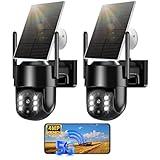
Overview: This WiFi-enabled solar security camera offers flexible connectivity with both 5G and 2.4G bands, making it suitable for modern smart homes. Designed for porches, garages, and yards, it combines solar power with high-definition surveillance in a single-unit package.
What Makes It Stand Out: Dual-band WiFi support ensures reliable connectivity, while the 355° horizontal and 100° vertical rotation provides near-complete coverage. The IP65 rating and extreme temperature tolerance (-4°F to 121°F) make it genuinely weatherproof. Integration with Alexa enables convenient voice control, and the sensitive PIR sensor with human detection minimizes false alerts from animals or moving objects.
Value for Money: At $64.79 for a single camera, pricing is competitive for a dual-band WiFi PTZ camera with solar power. No mandatory subscription is mentioned, suggesting footage can be stored locally or via optional cloud plans. This represents better long-term value than cellular alternatives with required monthly fees. The solar panel eliminates electricity costs and battery replacement hassles.
Strengths and Weaknesses: Pros: Dual-band WiFi (5G/2.4G); solar-powered; wide rotation range; excellent weather resistance; Alexa-compatible; human detection reduces false alarms Cons: Color night vision requires manual spotlight activation; single camera only; no mention of included storage; spotlight activation adds power drain
Bottom Line: A solid choice for homeowners with reliable WiFi who want hassle-free outdoor monitoring. The solar power and weather resistance make it low-maintenance, while Alexa integration adds smart home convenience. Just remember to manually activate the spotlight for color night vision.
8. Security Cameras Wireless Outdoor 5G& 2.4G, No Subscription, 2 Cam-Kit,4MP Solar Powered Home Security Cameras System With 360°PTZ,128GB Local Storage,Color Night Vision WiFi Cameras for Home Security

Overview: This premium two-camera WiFi security system eliminates subscription fees entirely by storing footage locally on an included 128GB hub. The 4MP resolution provides sharper images than typical 2K cameras, making it ideal for homeowners seeking high-quality surveillance without recurring costs.
What Makes It Stand Out: The no-subscription model is the headline feature, with encrypted local storage providing lifetime cost savings. The 4MP resolution offers superior detail, while dual-band WiFi (2.5G & 5G) ensures stable connectivity. The IP66 rating exceeds typical IP65 standards, offering better dust and water protection. AI human detection with adjustable sensitivity further refines alert accuracy.
Value for Money: At $134.97 for a two-camera system with hub, the upfront cost is higher than competitors, but eliminates monthly fees entirely. Over two years, you’ll save $240-480 compared to subscription-based alternatives. The included 128GB storage holds three months of footage, and the solar panels provide continuous power. This represents excellent long-term value for budget-conscious homeowners.
Strengths and Weaknesses: Pros: Zero subscription fees; 4MP resolution; local 128GB storage; dual-band WiFi; superior IP66 weatherproofing; AI human detection; solar-powered Cons: Higher initial investment; requires WiFi coverage; limited to 4 channels total; no cellular backup if WiFi fails
Bottom Line: Perfect for homeowners wanting premium features without ongoing costs. The higher upfront price pays for itself within a year compared to subscription models. With excellent resolution, robust weatherproofing, and reliable local storage, this system delivers peace of mind and long-term savings.
9. Naseto Cellular Security Camera Wireless Outdoor, No WiFi Need, Battery & Solar Powered, Magnetic, Free Human Detection, Free 7-Day Cloud/SD, Night Vison, Siren, 2-Way, IP65 Talk, 2K
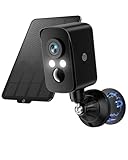
Overview: The Naseto cellular camera offers an ultra-affordable entry point into off-grid security at just $33.99. This 4G LTE-only camera connects via built-in SIM to major carriers, making it ideal for locations without WiFi or power access.
What Makes It Stand Out: The magnetic mount enables tool-free installation in minutes—perfect for renters or temporary setups. The 5W solar panel and 9000mAh battery provide reliable power, while AI person detection reduces false alarms. Notably, it includes lifetime free 7-day rolling cloud storage (6-second clips), a rare find in cellular cameras that typically charge for cloud access.
Value for Money: The sub-$35 price is exceptional for a cellular camera. Subscription options are flexible ($19.99/month, $53.99/quarter, $179.99/year), and the free cloud tier provides basic coverage. However, 6-second clips may miss context. The quarterly plan offers good value at $18/month equivalent. For minimal monitoring needs, the free tier might suffice.
Strengths and Weaknesses: Pros: Extremely affordable; magnetic mount; free 7-day cloud storage; AI person detection; works with major carriers; solar-powered Cons: 4G LTE only (no WiFi); 6-second cloud clips may be insufficient; SD card not included; subscription required after trial; limited pan (300°)
Bottom Line: An unbeatable budget option for basic off-grid monitoring. The magnetic mount and free cloud tier make it perfect for temporary installations, RVs, or remote gates. While not as feature-rich as pricier alternatives, it delivers core cellular security at a fraction of the cost. Consider your storage needs before committing.
10. 4G LTE Cellular Security Camera No Internet Needed, Solar No wifi Security Camera Outdoor Wireless With SIM Card Jobsite, 2K Color Night Version, 360 Live View, Motion Detection, 2-Way Audio, 2 Packs

Overview: This two-pack 4G LTE cellular camera system provides off-grid surveillance for job sites, farms, or remote properties. Completely wire-free with solar power and built-in SIM connectivity, it eliminates the need for WiFi or electrical infrastructure.
What Makes It Stand Out: The 2-pack configuration at under $60 represents strong value for cellular cameras. The 270° pan and 90° tilt with 4x digital zoom offers decent coverage, while 2K color night vision with four spotlights ensures detailed low-light footage. The IP66 waterproof rating and wide operating temperature range (-4°F to 122°F) guarantee durability in harsh conditions.
Value for Money: At $58.12 for two cameras, the hardware cost is attractive. However, like most cellular cameras, ongoing data plan costs apply (though not specified in the listing). The lack of transparent subscription pricing is concerning. Compared to WiFi alternatives, you’ll pay more over time, but for true off-grid use, cellular is the only option. Factor in estimated $15-20/month per camera for data.
Strengths and Weaknesses: Pros: Affordable two-camera kit; true cellular connectivity; solar-powered; IP66 waterproof; 2K color night vision; PTZ functionality Cons: No subscription pricing disclosed; requires separate data plans; SD card not included; limited pan range vs. competitors; no AI detection mentioned
Bottom Line: A practical choice for remote monitoring where WiFi is unavailable. The dual-camera kit covers more ground affordably, but research cellular data costs beforehand. While feature-complete, the lack of transparent subscription details and AI detection makes it better suited for basic surveillance than advanced security needs. Verify data plan pricing before purchasing.
Why Solar-Powered Cameras Are Essential for Off-Grid Living
Off-grid properties operate on a fundamentally different set of rules than suburban homes. Your security system can’t rely on consistent grid power or high-speed broadband infrastructure. Solar-powered cameras eliminate the power dependency issue entirely, converting sunlight into continuous surveillance without draining your primary solar battery bank. Unlike traditional trail cameras that require frequent battery swaps, modern solar cameras are designed for true “set and forget” operation, often running for weeks on stored power even during cloudy periods. This autonomy means you’re not sacrificing security when you choose to live beyond the reach of municipal services.
Understanding Solar Camera Technology: How It Works
The Photovoltaic Integration Process
Solar-powered security cameras combine three core technologies: a photovoltaic panel, rechargeable lithium battery, and low-power surveillance electronics. The solar panel continuously trickle-charges the internal battery during daylight hours, while the camera operates on minimal power consumption—typically 2-5 watts during active recording. Advanced models feature Maximum Power Point Tracking (MPPT) controllers that optimize charging efficiency even in partial shade, a critical feature for forested off-grid locations where direct sunlight is intermittent.
Power Storage and Management Systems
The battery capacity determines how long your camera functions without sunlight. Most quality units store 10,000-20,000mAh, sufficient for 10-14 days of operation in standby mode. Sophisticated power management circuits prioritize essential functions, shutting down non-critical features like LED indicators or frequent connectivity pings when battery levels drop below 20%. Understanding this balance between power generation, storage, and consumption is fundamental to selecting a camera that won’t leave you blind during a week of storms.
Key Features to Evaluate Before Buying
Solar Panel Efficiency and Battery Capacity
Don’t be swayed by large panel sizes alone. Monocrystalline panels offer 20-24% efficiency compared to polycrystalline’s 15-17%, meaning they generate more power from the same sunlight exposure. For off-grid applications, look for panels rated at least 5W with detachable cables, allowing you to mount the panel in optimal sun position while placing the camera in a shaded, concealed location. Battery chemistry matters too—LiFePO4 batteries withstand 2,000+ charge cycles versus 500-800 for standard lithium-ion, crucial for multi-year deployments in hard-to-reach installations.
Video Quality and Resolution Standards
While 4K resolution sounds impressive, it consumes significantly more power for processing and transmission. For most off-grid scenarios, 2K (2560x1440) offers the sweet spot between detail and efficiency. More important than raw resolution is the sensor’s low-light sensitivity, measured in lux. A camera with 0.1 lux color night vision will capture usable footage earlier in twilight than one requiring 1.0 lux, extending your effective surveillance hours without triggering power-hungry infrared LEDs.
Night Vision Capabilities
Infrared illumination is the biggest power drain on solar cameras. Advanced models now feature adaptive IR that adjusts intensity based on subject distance, rather than blasting maximum power constantly. Starlight sensors represent the premium option, amplifying ambient light to produce full-color night vision without IR LEDs. For off-grid users, consider cameras with configurable IR schedules—disabling night vision during low-activity hours (like 2-5 AM) can extend battery life by 30-40%.
Motion Detection and AI Intelligence
Traditional pixel-based motion detection triggers false alarms from swaying branches or passing wildlife, wasting power on unnecessary recordings and notifications. Modern AI-powered cameras distinguish between humans, vehicles, and animals, reducing false positives by up to 95%. Edge AI processing—where analysis occurs on-device rather than in the cloud—minimizes data transmission and power consumption. Look for cameras with customizable detection zones and sensitivity schedules that align with your property’s activity patterns.
Weatherproofing and Durability Ratings
That IP65 rating you see on specs? It means dust-tight and water-resistant, but not submersible. For true off-grid durability, insist on IP67 (temporary immersion protection) or IP68 (continuous immersion). The IK impact resistance rating matters too—IK08 withstands 5 joules of impact (equivalent to a 1.7kg object dropped from 300mm), while IK10 handles 20 joules. In hail-prone regions, polycarbonate dome cameras outperform bullet-style models that expose flat glass surfaces to direct strikes.
Storage Options: Local vs. Cloud
Cloud storage requires consistent data transmission, a power drain and potential impossibility in areas with weak cellular signals. Local storage via microSD cards (supporting up to 512GB) offers true autonomy, storing weeks of footage. The ideal off-grid solution combines both: local storage for continuous recording and cloud backup for critical events when connectivity permits. Some systems offer “store-and-forward” technology, queuing footage locally and uploading during scheduled low-power windows.
Connectivity Solutions for Remote Locations
Wi-Fi cameras are useless when your nearest router is a mile away. For off-grid properties, you have three viable options: cellular (4G LTE), point-to-point wireless bridges, or LoRaWAN for low-bandwidth alerts. Cellular cameras require data plans but work virtually anywhere with signal. For true dead zones, consider cameras that create their own mesh network, relaying footage from remote gates to a central hub via proprietary long-range radio frequencies, then uploading via satellite internet.
Installation Considerations for Off-Grid Properties
Optimal Placement for Maximum Sun Exposure
Southern exposure (in the Northern Hemisphere) is non-negotiable, but consider seasonal sun angles. A panel positioned for summer sun may receive only 40% of optimal light in winter when the sun tracks lower. Use solar pathfinder tools or apps to map year-round sun patterns on your specific property. Mount panels at latitude-adjusted angles—for example, 45 degrees in Colorado (40°N latitude) optimizes winter collection. Avoid mounting on trees that sway, as movement stresses cable connections and causes micro-fractures in panel cells over time.
Mounting Height and Angle Best Practices
Mount cameras 9-12 feet high to prevent tampering while maintaining identification-level detail. Higher mounting (15+ feet) provides wider coverage but reduces facial recognition capability. The 30-degree downward angle offers optimal motion detection range—too steep and you create blind spots directly beneath the camera; too shallow and you capture more sky than ground. For driveway monitoring, position cameras to capture vehicle approaches at a 45-degree angle, maximizing license plate readability.
Wiring and Cable Management
Even “wireless” solar cameras have cables between panel and camera. Use UV-resistant cable ties and conduit to protect connections from critters and weather. Leave service loops—extra coiled cable secured near the mount—so you can lower the camera for maintenance without disconnecting everything. In lightning-prone areas, install gas discharge tubes on cable runs to protect sensitive electronics from surges traveling down wires.
Power Management Strategies in Low-Sunlight Conditions
Winter at high latitudes can mean weeks of overcast skies. Advanced power management becomes critical. Configure cameras to enter “hibernation mode” during predetermined low-sun periods, waking only for scheduled checks or hardwired trigger inputs. Supplemental charging via small wind turbines or thermoelectric generators can bridge gaps. Some off-grid enthusiasts install secondary panels on separate structures—like a barn roof—that may receive sun when the main camera location is shaded, connecting them via low-loss DC cables.
Data Security and Privacy in Remote Surveillance
Your camera’s footage is valuable—to you and potential intruders. Default passwords are the biggest vulnerability; always change them before mounting. Enable two-factor authentication even if it means occasional connectivity hassles. For cellular cameras, use VPNs to encrypt data transmission, preventing interception of your video streams. Consider cameras with physical privacy shutters that close when you’re on-site, preventing remote hacking during your visits. In shared off-grid communities, establish clear data retention policies—footage of neighbors’ activities can create legal liabilities.
Integration with Smart Home Ecosystems
Your solar camera shouldn’t exist in isolation. Integration with broader off-grid smart systems allows coordinated responses: motion detection triggers lights, which startle intruders while conserving power by not running lights continuously. Look for cameras supporting MQTT or Z-Wave protocols for local network integration without internet dependency. Some systems can trigger audible alerts through outdoor speakers or activate gate locks. The key is choosing platforms with offline functionality—your automation should work even when the satellite link is down.
Maintenance and Troubleshooting Guide
Solar panels lose 0.5-0.8% efficiency annually due to UV degradation. Clean panels quarterly with deionized water—tap water leaves mineral deposits that reduce efficiency. Check cable connections every six months; thermal cycling causes expansion and contraction that loosens terminals. If battery life drops below 50% of original capacity after two years, it’s time for replacement—most units have user-serviceable battery packs. For foggy lens issues common in humid climates, apply hydrophobic coatings designed for automotive cameras, which last 6-12 months before reapplication.
Cost Analysis: Understanding True Long-Term Value
A $150 solar camera seems attractive until it fails after one harsh winter. Quality off-grid cameras start around $300 but include replaceable batteries, weatherproof connectors, and five-year warranties. Factor in total cost of ownership: a $400 camera lasting seven years costs $57 annually, while replacing a $150 camera every 18 months costs $100/year. Include installation costs—if you need to rent a lift to reach a mountaintop cabin camera, paying more for reliability saves future expense. Data plans for cellular cameras range $5-20/month; budget accordingly.
Legal Considerations for Remote Camera Placement
Even on your own property, camera placement triggers legal considerations. Pointing cameras at neighboring properties may violate privacy laws, regardless of your remote location. In many jurisdictions, audio recording requires consent signage—video-only recording typically doesn’t. If your camera captures public land trails, you may need to post notices about surveillance. For rental properties or hunting leases, inform visitors they’re being recorded. Check local regulations on night vision and thermal imaging—some areas restrict their use, considering them invasive surveillance tools.
Environmental Impact and Sustainability Factors
Your off-grid lifestyle prioritizes minimal environmental impact, so consider your camera’s full lifecycle. Lithium battery production has significant carbon footprint; choose brands with battery recycling programs. Cameras with modular designs allow component replacement rather than discarding entire units. Solar panels contain lead and cadmium—ensure end-of-life recycling through certified e-waste facilities. Some manufacturers now offer carbon-neutral shipping and use recycled aluminum housings. The most sustainable camera is the one you don’t need to replace for a decade.
Common Mistakes to Avoid When Choosing Solar Cameras
First-time buyers consistently underestimate their property’s unique challenges. Don’t assume more lumens on the solar panel equals better performance—efficiency and battery management matter more. Avoid cameras requiring proprietary cloud subscriptions; your off-grid location may not support the required bandwidth. Don’t mount cameras under eaves for protection; while shielded from rain, they miss critical sky view for solar charging. Perhaps most importantly: never buy without testing connectivity at the exact mounting location during different times of day. That “two bars” of signal at noon might be zero bars when you need it at midnight.
Frequently Asked Questions
How long do solar-powered cameras last in continuous cloudy weather?
Quality solar cameras with 15,000mAh batteries typically operate 10-14 days without sunlight in standby mode, or 3-5 days with normal motion-triggered recording. Premium models with LiFePO4 batteries and aggressive power management can extend this to 3 weeks. For locations experiencing month-long overcast periods, consider hybrid systems with supplemental wind charging or manual charging ports for occasional top-ups via portable solar panels.
Can I add an external solar panel to increase charging capacity?
Most cameras support external panels, but voltage matching is critical. Check your camera’s input voltage (usually 5V or 12V) and use panels with built-in regulators to prevent overcharging. Higher-wattage panels charge faster but don’t exceed the camera’s maximum input rating. For long cable runs (over 25 feet), use thicker gauge wire (16 AWG or lower) to minimize voltage drop, which can reduce charging efficiency by 30% or more.
Will extreme cold affect my solar camera’s performance?
Lithium batteries lose 20-40% capacity at 0°F (-18°C), and charging below freezing can permanently damage cells. Premium cameras include battery heaters that activate during charging cycles in cold weather. For arctic conditions, consider external battery enclosures insulated with foam and placed in ground-level boxes where soil provides thermal stability. Solar panel output actually improves in cold temperatures, but snow accumulation can block charging for days—install panels at steep angles (60+ degrees) to shed snow naturally.
Do solar cameras work during power outages?
This is their primary advantage for off-grid living—they’re completely independent of grid power. However, if your camera relies on Wi-Fi from a grid-powered router, connectivity fails when the router dies. For true autonomy, choose cellular cameras or pair Wi-Fi models with UPS-backed routers powered by your main solar system. Remember that internet service providers’ infrastructure may also fail during outages, so local storage remains essential for critical footage retention.
What’s the realistic lifespan of a solar-powered security camera?
With proper maintenance, quality solar cameras last 7-10 years. The solar panel degrades slowly (0.5% annually), while lithium batteries typically need replacement every 3-5 years. Housings and seals may deteriorate faster in extreme UV or salt-air environments. Look for cameras with user-replaceable batteries and available spare parts. Cheaper models often fail within 2-3 years when exposed to harsh off-grid conditions, making the initial investment in premium equipment more economical long-term.
How much data do cellular solar cameras consume monthly?
Data usage varies dramatically based on settings. A camera recording 10 one-minute clips daily at 2K resolution uses approximately 2-3GB monthly. Continuous cloud recording can consume 50-150GB monthly—prohibitively expensive for most off-grid data plans. Optimize consumption by using motion-only recording, lowering resolution to 1080p, and enabling H.265 compression, which reduces file sizes by 50% compared to older H.264 codecs. Some carriers offer IoT-specific plans with pooled data for multiple cameras.
Can solar cameras integrate with existing off-grid solar systems?
Yes, but direct integration requires careful planning. Most cameras run on 12V DC, which matches off-grid battery banks, but need voltage regulators to prevent damage from system voltage fluctuations (11-15V range). Better approach: power cameras from their own panels but connect to your system’s monitoring network. This isolates camera power draw from your essential house loads while allowing central monitoring. Some advanced charge controllers include dedicated 12V “load” terminals with low-voltage disconnects perfect for camera power.
Are there any wildlife-proof solar camera options?
Bears, raccoons, and even squirrels can destroy poorly protected cameras. Look for metal housings with tamper-proof Torx screws and no exposed cables. Mount cameras on metal poles rather than trees, and use conduit for all wiring. Some off-grid users install cameras inside protective cages made from welded wire mesh—strong enough to deter bears but with openings large enough not to interfere with the lens. Ultrasonic repellent devices near installations can discourage nesting birds that otherwise cover panels with droppings.
What’s the best way to test camera connectivity before permanent installation?
Use a portable battery pack and temporary mount to test the camera at the exact location for at least 72 hours. Check signal strength during different weather conditions and times of day. For cellular cameras, verify upload speeds meet minimum requirements (typically 2Mbps for 2K streaming). Many professional installers use signal mapping apps to create heat maps of property connectivity. If signal is marginal, test external antennas—directional panels can boost weak cellular signals by 10-20dB, often making the difference between reliable footage and constant disconnections.
How do I prevent my solar camera from being stolen?
Ironically, cameras protecting remote property become valuable targets themselves. Use security Torx or tri-wing screws requiring special bits. Mount cameras at least 15 feet high in locations requiring ladders for access. Some models include accelerometers that trigger alerts and start recording if tampered with. Consider concealed installations inside birdhouses or fake utility boxes, with only the lens port visible. GPS tracking modules are available for high-value cameras, though they add power consumption. The ultimate deterrent: cameras that are visibly recording to cloud storage, with warning signage indicating active monitoring and immediate law enforcement notification.