Yoursmart doorbell shouldn’t compete with your work laptop for bandwidth. And your guests definitely shouldn’t have the same network access as your security cameras. As we barrel into 2026, the average home juggles over 50 connected devices—from energy-monitoring plugs to AI-powered vacuums—while simultaneously hosting visitors who expect seamless connectivity. This digital density has transformed the humble Wi-Fi extender from a simple signal booster into a sophisticated network segmentation tool.
Wi-Fi 6 range extenders with dedicated IoT SSIDs for guests represent the intersection of performance, security, and convenience that modern households demand. But not all extenders are created equal, and the marketing jargon can obscure what actually matters. Let’s cut through the noise and explore what makes these devices essential infrastructure for your connected life.
Top 10 Wi-Fi 6 Range Extenders for Guests
Detailed Product Reviews
1. TP-Link AX3000 WiFi 6 Range Extender | PCMag Editor’s Choice | Dual-Band Wireless Repeater w/Ethernet Port | Up to 2400 Sq. Ft., 64 Devices | Internet Signal Booster | APP Setup | EasyMesh (RE715X)

Overview: The TP-Link RE715X is a premium WiFi 6 range extender delivering up to 3Gbps combined bandwidth across dual bands. Covering 2,400 square feet and supporting 64 devices, it targets power users needing robust whole-home coverage. The PCMag Editor’s Choice designation signals strong performance credentials, while TP-Link’s CISA cybersecurity pledge addresses growing security concerns. With a Gigabit Ethernet port and EasyMesh compatibility, it integrates seamlessly into modern smart homes.
What Makes It Stand Out: This extender’s standout feature is its exceptional bandwidth allocation—2404 Mbps on the 5GHz band—making it ideal for 4K/8K streaming and gaming. The high-gain directional antennas with Beamforming technology provide targeted signal delivery rather than blanket broadcasting. Its EasyMesh support allows integration with compatible routers for seamless roaming, though notably not with TP-Link’s own Deco system. The cybersecurity commitment through CISA certification is rare in consumer networking gear.
Value for Money: At $99.98, this is the premium option in our roundup. You’re paying for top-tier speeds, verified performance (PCMag award), and future-proof WiFi 6 capabilities. Compared to mesh systems costing $200+, it’s economical for extending existing networks. However, the performance caveat remains: extenders typically deliver 50% or less of source bandwidth, so your investment scales best with high-speed internet plans (500Mbps+).
Strengths and Weaknesses: Pros: WiFi 6 with 3Gbps theoretical speeds; PCMag Editor’s Choice validation; Strong security credentials; EasyMesh compatible; 64-device capacity. Cons: Premium pricing; Not compatible with Deco mesh; Performance overhead typical of extenders; Setup complexity for optimal placement.
Bottom Line: The RE715X is ideal for tech-savvy users with high-bandwidth needs who want to extend a powerful router without replacing their entire system. Its security focus and proven performance justify the premium, but budget-conscious buyers should consider if their internet plan warrants this capacity.
2. Linksys WiFi Extender, WiFi 6 Range Booster, Dual-Band Booster, Internet Repeater, 2,000 Sq. ft Coverage, Speeds up to (AX1800) 1.8Gbps - RE7310
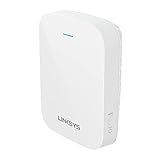
Overview: Linksys’ RE7310 delivers WiFi 6 performance at a mid-range price point, offering AX1800 speeds (1.8Gbps) across 2,000 square feet. Designed for universal compatibility, it works with any router—including ISP-provided equipment—without requiring configuration changes. The simultaneous dual-band transmission ensures devices connect to the optimal frequency automatically, while Beamforming focuses signals for improved reliability.
What Makes It Stand Out: The RE7310’s primary differentiator is its true plug-and-play nature. Push-Button Connect simplifies setup to a single press, making it accessible for non-technical users. Unlike many competitors, it doesn’t lock you into a specific ecosystem, offering freedom to mix and match networking gear. The simultaneous dual-band operation means both 2.4GHz and 5GHz bands remain active concurrently, maximizing connection quality rather than forcing clients to choose.
Value for Money: Priced at $79.99, this extender hits the sweet spot for mainstream users. You’re getting WiFi 6 future-proofing and reliable Linksys engineering without premium cost. While it lacks mesh capabilities and advanced security certifications, its universal compatibility saves money by working with existing routers. Performance is appropriate for internet plans up to 500Mbps, making it practical for most households without overpaying for unused capacity.
Strengths and Weaknesses: Pros: Universal router compatibility; Simple push-button setup; Simultaneous dual-band operation; Beamforming technology; Trusted Linksys brand. Cons: No mesh support; No Ethernet port mentioned; Limited to 1.8Gbps; No explicit security certifications; Coverage area smaller than some competitors.
Bottom Line: The RE7310 is a solid choice for average households seeking straightforward WiFi extension. Its compatibility-first approach and ease of use make it perfect for renters or those with ISP routers. Power users wanting mesh integration or maximum speeds should look elsewhere, but for reliable, worry-free coverage, it delivers excellent value.
3. TP-Link RE615X AX1800 WiFi 6 Range Extender w/Ethernet Port | 1.8G Dual-Band Wireless Repeater Amplifier | Up to 2100 Sq. Ft., 64 Devices | Internet Signal Booster | APP Setup | EasyMesh Compatible

Overview: The TP-Link RE615X balances performance and affordability in the WiFi 6 extender market. Delivering AX1800 speeds (1.8Gbps) and covering 2,100 square feet for up to 64 devices, it shares many premium features with its higher-end siblings at a reduced price. The inclusion of a Gigabit Ethernet port, EasyMesh compatibility, and TP-Link’s CISA cybersecurity commitment make it a feature-rich contender for budget-conscious buyers.
What Makes It Stand Out: This model democratizes WiFi 6 extension by offering core premium features—Beamforming, high-gain antennas, and mesh compatibility—at a mid-tier price. The EasyMesh support enables seamless whole-home networking when paired with compatible routers, a feature often reserved for more expensive models. Its cybersecurity credentials through CISA provide peace of mind rarely found in sub-$60 networking equipment. The 64-device capacity matches flagship extenders.
Value for Money: At $59.99, the RE615X represents exceptional value. You’re sacrificing only top-end bandwidth (1.8Gbps vs. 3Gbps) while retaining mesh capabilities, security certification, and strong coverage. This makes it ideal for internet plans up to 400Mbps. Compared to the RE715X, you save $40 for real-world performance differences most users won’t notice. The Ethernet port adds flexibility for wired connections, enhancing overall utility.
Strengths and Weaknesses: Pros: Excellent price-to-feature ratio; EasyMesh compatible; CISA security pledge; Gigabit Ethernet port; 64-device support; 2,100 sq ft coverage. Cons: Lower 5GHz speeds than premium models; No PCMag validation; Performance overhead inherent to extenders; Setup requires optimal placement for best results.
Bottom Line: The RE615X is the smart buy for most households. It delivers WiFi 6 benefits, mesh integration, and robust security without premium pricing. Unless you have gigabit internet or need maximum bandwidth, this extender provides everything necessary for reliable whole-home coverage. It’s the value champion in TP-Link’s lineup.
4. TP-Link AX1500 WiFi Extender Internet Booster(RE500X), WiFi 6 Range Extender Covers up to 1500 sq.ft and 25 Devices,Dual Band, AP Mode w/Gigabit Port, APP Setup, OneMesh Compatible

Overview: TP-Link’s RE500X brings WiFi 6 to the budget segment, offering AX1500 speeds (1.5Gbps) and coverage for 1,500 square feet and 25 devices. This entry-level extender focuses on essentials: high-gain antennas eliminate dead zones, a Gigabit Ethernet port provides wired connectivity, and OneMesh compatibility allows integration with TP-Link’s mesh ecosystem. It’s designed for smaller homes or apartments needing targeted coverage improvements.
What Makes It Stand Out: The RE500X’s standout quality is its accessibility—bringing WiFi 6 benefits to users unwilling to pay premium prices. OneMesh support is particularly valuable for those already invested in TP-Link routers, creating seamless networks without buying entirely new hardware. The AP Mode functionality transforms it into a wireless access point when wired to a router, adding deployment flexibility. Its high-gain antenna design punches above its coverage rating.
Value for Money: At $49.99, this is the most affordable WiFi 6 extender here. You’re trading coverage area and device capacity for significant savings—perfect for users with modest needs. The performance suits internet plans up to 300Mbps. While the 25-device limit may constrain smart home enthusiasts, it’s adequate for typical families. The Ethernet port and OneMesh capability add value competitors lack at this price.
Strengths and Weaknesses: Pros: Lowest price for WiFi 6; OneMesh compatible; Gigabit Ethernet port; AP Mode flexibility; Simple app setup. Cons: Limited 1,500 sq ft coverage; Only 25 devices; Lower 2.4GHz speeds (300Mbps); No advanced security certifications; Not suitable for large homes.
Bottom Line: The RE500X is perfect for apartment dwellers or small homes with basic connectivity needs. It delivers WiFi 6 reliability and OneMesh integration at an unbeatable price. However, its coverage and capacity limitations make it unsuitable for larger households. Buy this if you need affordable, targeted extension—not whole-home coverage for dozens of devices.
5. 2025 AX3000 WiFi 6 Range Extender, WiFi Extender Signal Booster with Gigabit Ethernet Port, Dual Band (2.4G&5.8G) WiFi Repeater Cover to 13888sp.ft, Faster Speed and Wider Cover, Quick Setup (White)

Overview: This generic AX3000 extender promises premium specs at a budget price: 3Gbps speeds, coverage up to 1,388 square feet (the “13888sp.ft” appears to be a typo), and support for 100+ devices. With four antennas and a Gigabit Ethernet port, it aims to compete with brand-name counterparts while undercutting them significantly. The device emphasizes quick browser-based setup without requiring an app and broad compatibility across WiFi standards.
What Makes It Stand Out: The most striking feature is the aggressive pricing—$52.10 for AX3000 performance is unprecedented. Four antennas suggest strong signal distribution, while the 100+ device capacity exceeds most competitors. The no-app setup appeals to privacy-conscious users tired of mandatory registrations. Compatibility spanning IEEE 802.11 ax/ac/a/n/g/b ensures it works with virtually any router, from legacy to latest.
Value for Money: This extender offers the highest theoretical value, delivering flagship speeds for budget cost. However, the unknown brand raises questions about firmware quality, long-term support, and actual performance. The coverage claim seems inflated or misprinted. For users comfortable with potential support limitations, it’s a bargain. For those wanting reliable updates and proven performance, the savings may not justify the risk. It suits experimental users or temporary setups.
Strengths and Weaknesses: Pros: Exceptional price for AX3000; Four antennas; 100+ device capacity; No app required; Gigabit Ethernet port. Cons: Unknown brand reliability; Questionable coverage claims; Unclear security update policy; No mesh support; Potentially misleading marketing.
Bottom Line: Consider this only if you’re budget-limited and technically savvy enough to troubleshoot issues. The specs are compelling, but unproven brand longevity is a gamble. For mission-critical networks or non-technical users, established brands offer better support and realistic performance claims. It’s a high-risk, high-reward purchase.
6. TP-Link RE515X AX1500 WiFi 6 Range Extender w/Ethernet Port | 1.5G Dual-Band Wireless Repeater Amplifier | Up to 1800 Sq. Ft., 64 Devices | Internet Signal Booster | APP Setup | EasyMesh Compatible

Overview: The TP-Link RE515X is a WiFi 6 range extender designed to eliminate dead zones with dual-band coverage up to 1,800 square feet. Supporting 64 devices simultaneously, it delivers 1.5 Gbps total bandwidth across 5 GHz and 2.4 GHz bands, making it suitable for modern smart homes with moderate connectivity demands. The unit includes an Ethernet port for wired device connections and features EasyMesh compatibility for seamless whole-home networking.
What Makes It Stand Out: This extender’s standout feature is its WiFi 6 technology combined with TP-Link’s EasyMesh compatibility, allowing integration into a unified mesh system. The company’s commitment to cybersecurity through CISA’s Secure-by-Design pledge provides peace of mind. The honest disclaimer that extenders improve coverage rather than speed demonstrates transparency often missing in this category.
Value for Money: At $59.59, the RE515X sits in the mid-range sweet spot. It offers WiFi 6 capabilities typically found in pricier models while remaining accessible. Compared to cheaper 2.4GHz-only alternatives, the dual-band WiFi 6 support justifies the premium. For users with compatible EasyMesh routers, this represents a cost-effective mesh expansion option versus buying a whole new system.
Strengths and Weaknesses: Strengths include WiFi 6 support, reputable brand reliability, EasyMesh compatibility, robust security commitments, and an Ethernet port. The TP-Link Tether app simplifies setup and management. Weaknesses are the modest AX1500 speed rating and 1,800 sq ft coverage, which may insufficient for larger homes. The 5 GHz band’s 1201 Mbps is solid, but the 2.4 GHz band’s 300 Mbps feels dated.
Bottom Line: The TP-Link RE515X is an excellent choice for users seeking reliable WiFi 6 mesh integration without breaking the bank. It’s best suited for apartments or medium-sized homes where moderate coverage improvement is needed. Those with larger spaces should consider higher-tier models, but for EasyMesh users wanting seamless roaming, this is a smart, secure investment.
7. 2025 WiFi Extenders Signal Booster for Home Long Range Up to 9800 sq. ft & 40 Devices, WiFi Extender Signal Booster, Internet Booster, Long Range WiFi Extender,Quick Setup-Medium

Overview: This budget-friendly WiFi extender promises massive 9,800 square foot coverage for just $24.99, targeting users seeking simple dead zone elimination. The device operates exclusively on the 2.4 GHz band with speeds up to 300 Mbps and supports 40 simultaneous connections. Its plug-and-play design emphasizes ease of use for non-technical consumers looking to extend basic internet access throughout their property.
What Makes It Stand Out: The primary standout is the aggressive pricing, making it one of the most affordable options available. The simplicity of setup—advertised as taking only seconds—appeals to users intimidated by complex networking equipment. For basic web browsing and smart home device connectivity in remote corners of a home, it provides an entry-level solution.
Value for Money: At $24.99, this extender is undeniably cheap, but limitations temper its value. The single-band 2.4 GHz operation and 300 Mbps cap severely restrict performance for modern households with streaming and gaming needs. While the coverage claim is ambitious, real-world performance will be significantly less. It’s suitable only for extending basic connectivity, not for speed-intensive tasks.
Strengths and Weaknesses: Strengths include ultra-low price, straightforward plug-and-play installation, and broad device compatibility. The advanced security protocols (WPA2) provide adequate protection. Weaknesses are the lack of 5 GHz band, modest throughput, generic brand with uncertain support, and inflated coverage claims that mislead consumers. Performance degrades significantly with distance and obstacles.
Bottom Line: This extender works only for the most basic needs—extending a 2.4 GHz signal for light browsing or IoT devices. For $25, it’s a disposable solution, but most users should invest slightly more in a dual-band model. Avoid if you stream video, game, or require reliable high-speed connections throughout your home.
8. 2026 WiFi 6 Extender Signal Booster, Longest Range up to 19980 sq.ft for Home, AX3000 Dual Band WiFi Repeater, Wireless Internet Extender with Gigabit Ethernet Port, 10X Faster Access Point, Onemesh

Overview: The 2026 WiFi 6 Extender positions itself as a premium solution with eye-popping specifications: AX3000 speeds, nearly 20,000 square feet of coverage, and support for over 256 devices. At $99.90, this dual-band repeater promises to eliminate dead zones while delivering 2400 Mbps on 5 GHz and 600 Mbps on 2.4 GHz. It includes a gigabit Ethernet port and supports five operating modes for maximum flexibility.
What Makes It Stand Out: This extender’s most impressive feature is its theoretical device capacity and coverage area, far exceeding typical consumer needs. The inclusion of WPA3 security, EasyMesh compatibility, and multiple operation modes (Repeater, Bridge, Access Point, Mesh, Router) provide unusual versatility. The four high-gain antennas and powerful FEM amplifiers suggest serious hardware investment.
Value for Money: At nearly $100, this is a significant investment. If the performance claims hold true, it offers excellent value for large properties or device-dense environments. However, the unknown “Eboous” brand and unrealistic coverage claims raise red flags. Compared to established brands like TP-Link or Netgear at similar prices, the risk is higher but so are the advertised capabilities.
Strengths and Weaknesses: Strengths include WiFi 6 AX3000 performance, WPA3 encryption, versatile operating modes, gigabit Ethernet, and massive device capacity. Weaknesses are the suspiciously inflated coverage claims, obscure brand with uncertain firmware support, and potential overspecification for average homes. Real-world performance likely falls short of marketing.
Bottom Line: Power users with large homes and many devices might find this extender worthwhile if they can verify performance. For most households, established brands offer more reliable performance at similar prices. Only purchase if you need extreme device capacity and are willing to test return policies. The specifications are impressive, but skepticism is warranted.
9. WiFi Extender Signal Booster, 2025 Best WiFi Extender with Ethernet Port, 1200Mbps WiFi Booster Dual Band 5GHz/2.4GHz, Up to 9800 Sq.ft and 60 Devices, Stable Internet Performance, 1-Tap Setup, White

Overview: This dual-band WiFi extender offers 1200 Mbps combined speeds across 2.4 GHz and 5 GHz bands for $26.99. It claims to cover 12,880 square feet and support 60 devices, positioning itself as a step-up from basic single-band models. The white, minimalist design includes an Ethernet port and emphasizes one-tap setup for user convenience in eliminating dead zones throughout homes.
What Makes It Stand Out: The standout feature is dual-band capability at a near-budget price point, offering 5 GHz connectivity crucial for modern streaming and gaming. The 1-tap setup simplifies installation, while the Ethernet port provides flexibility for wired devices. At this price, finding dual-band support is notable, making it more versatile than 2.4 GHz-only alternatives.
Value for Money: At $26.99, this extender hits a compelling price-to-performance ratio. The dual-band 1200 Mbps capability significantly outperforms cheaper single-band options for only slightly more money. However, like many budget extenders, the coverage claim is likely exaggerated. For small to medium homes needing 5 GHz extension, it offers solid value if performance matches specifications.
Strengths and Weaknesses: Strengths include affordable dual-band support, easy setup, Ethernet port, and decent device capacity. The advanced CPU and chipsets promise stable connections. Weaknesses are inflated coverage claims, generic brand reliability questions, and older WPA2 security instead of WPA3. Performance may vary significantly based on home layout and router compatibility.
Bottom Line: This extender is a smart upgrade from single-band models for users wanting 5 GHz coverage on a tight budget. It’s suitable for apartments or small homes where realistic coverage needs are modest. Don’t expect the advertised 12,880 sq ft, but for under $30, it delivers essential dual-band functionality that many households require. Verify return policies before purchasing.
10. Linksys RE7350 Dual-Band Wi-Fi 6 AX1800 Wireless Range Extender (Renewed)

Overview: The renewed Linksys RE7350 brings WiFi 6 performance at an exceptionally low $17.88 price point. This certified refurbished unit extends coverage up to 2,000 square feet with AX1800 speeds (1.8 Gbps) across dual bands. The manufacturer-refurbished condition includes all original accessories and a 90-day warranty, offering budget-conscious buyers access to premium features from an established networking brand.
What Makes It Stand Out: The primary standout is the price—under $18 for a WiFi 6 extender from a reputable brand is unprecedented. Linksys’s dual-band simultaneous transmission technology ensures optimal connection stability. The gigabit Ethernet port provides wired connectivity options, while the renewed status makes advanced technology accessible to price-sensitive consumers without sacrificing core functionality.
Value for Money: This represents exceptional value, costing less than many inferior new products. The 90-day warranty and manufacturer refurbishment mitigate risks typically associated with used electronics. While 2,000 sq ft coverage is modest, it’s realistically achievable. For WiFi 6 capability at this price, nothing else compares. The main trade-off is the limited warranty versus new products with one-year coverage.
Strengths and Weaknesses: Strengths include genuine WiFi 6 support, trusted Linksys brand, gigabit Ethernet, realistic coverage claims, and unbeatable price. The refurbishment process ensures functionality. Weaknesses are the short 90-day warranty, potential cosmetic imperfections, and lack of advanced mesh features. It’s not the fastest WiFi 6 extender available, but adequate for most homes.
Bottom Line: The Linksys RE7350 renewed is the best value proposition for WiFi 6 extension. Ideal for students, renters, or anyone wanting to test WiFi 6 benefits without significant investment. The 90-day warranty provides a trial period, and Linksys reliability backs the hardware. If you’re comfortable with refurbished gear, this is a no-brainer for budget WiFi 6 performance.
Why Wi-Fi 6 Range Extenders Are Essential in 2026
The Bandwidth Demands of Modern Smart Homes
Your 2026 smart home isn’t just browsing and streaming. It’s processing 4K security footage, managing Matter-enabled thread networks, and synchronizing cloud backups while your teenager games in the next room. Wi-Fi 6’s orthogonal frequency-division multiple access (OFDMA) technology lets your extender handle these diverse data streams simultaneously without the congestion that plagued older standards. A single Wi-Fi 5 extender in this environment becomes a bottleneck, forcing your devices to queue up like it’s a Black Friday sale.
Wi-Fi 6 vs Wi-Fi 6E vs Wi-Fi 7: What You Actually Need
Wi-Fi 6E adds the 6 GHz band, which sounds exciting until you realize most IoT devices in 2026 still operate on 2.4 GHz. Wi-Fi 7 promises even faster speeds, but its benefits require compatible clients that haven’t saturated the market yet. For range extension purposes, Wi-Fi 6 hits the sweet spot: mature ecosystem support, excellent IoT compatibility, and sophisticated QoS features that actually improve your daily experience. Save the bleeding-edge specs for your primary router—in 2026, Wi-Fi 6 extenders deliver the best value-to-performance ratio for eliminating dead zones.
Understanding Dedicated IoT SSIDs: Beyond Basic Guest Networks
What Is an IoT SSID and Why It Matters
A dedicated IoT SSID isn’t just another network name—it’s a fully isolated virtual LAN (VLAN) specifically engineered for low-power, high-volume smart devices. Unlike your main network that prioritizes speed, an IoT SSID optimizes for connection stability and minimizes broadcast traffic. This separation means your smart thermostat’s constant check-ins won’t interfere with your video calls. In 2026, look for extenders that let you configure separate DHCP scopes, firewall rules, and bandwidth caps for this network.
Segmentation: The Key to Network Security
Network segmentation is your digital moat. When a cheap smart bulb ships with firmware vulnerabilities (and they still do in 2026), segmentation ensures that compromised device can’t scan your laptop or access your NAS. The best Wi-Fi 6 extenders create true Layer 2 isolation between networks, not just different passwords. This means your IoT SSID becomes a controlled sandbox where devices can reach the internet and specific hubs but remain invisible to each other and your primary network.
Bandwidth Prioritization for Smart Devices
IoT devices are chatty but not bandwidth-hungry. A well-designed extender lets you allocate minimum guaranteed bandwidth to your IoT SSID—say, 5 Mbps—while preventing these devices from consuming more than 10% of your total capacity during peak hours. This quality-of-service (QoS) configuration ensures your security cameras maintain reliable connections without starving your main network when you’re downloading large files.
Key Wi-Fi 6 Features That Matter for Range Extenders
OFDMA and MU-MIMO Explained Simply
Think of OFDMA as a ride-sharing service for data packets. Instead of sending one device’s data at a time, your extender packs multiple small IoT transmissions into a single channel use. MU-MIMO meanwhile lets the extender talk to several devices simultaneously on the downlink. For IoT networks with dozens of sensors, these technologies reduce latency by up to 75% compared to Wi-Fi 5 extenders. The result? Your smart lights respond instantly, and your guest’s video stream doesn’t stutter.
Target Wake Time for Battery-Powered Devices
Target Wake Time (TWT) is Wi-Fi 6’s secret weapon for IoT. It schedules when battery-powered devices wake to transmit data, reducing power consumption by 30-50%. In 2026, with Matter over Thread devices proliferating, this matters immensely. Your extender should support TWT negotiation for the IoT SSID, letting your wireless sensors and smart locks run for years without battery changes while keeping them responsive.
1024-QAM Modulation: The Speed Boost
1024-QAM crams more data into each transmission, boosting throughput by 25% over Wi-Fi 5’s 256-QAM. While this benefits your main network, it’s less critical for IoT devices that send tiny data packets. However, the efficiency gains mean your extender spends less time on each transmission, freeing up airtime for all networks. It’s the network equivalent of a faster checkout clerk—everyone benefits from the reduced wait times.
What Makes a Great Guest Network in 2026
Isolated Access Without Compromising Performance
Modern guest networks need more than a separate password—they require client isolation, bandwidth throttling, and access controls. The best Wi-Fi 6 extenders implement Layer 2 isolation on the guest SSID, preventing guests from seeing each other’s devices or probing your internal network. Simultaneously, they maintain full Wi-Fi 6 performance features, so your visitors enjoy fast speeds without becoming a security liability.
Captive Portals and Customized Login Experiences
In 2026, captive portals aren’t just for coffee shops. Home users can leverage them to display house rules, usage limits, or even integrate with smart home routines (“Welcome! The patio lights will turn on at sunset”). Look for extenders that support custom portal pages without requiring a subscription. Advanced models let you set up voucher systems for Airbnb rentals or time-limited codes for contractors.
Time-Limited Access and Usage Controls
Your guest network should offer granular time controls: access that expires after 24 hours, automatic disable during sleeping hours, or weekly recurring schedules for regular visitors like cleaners or dog walkers. Usage controls might include daily data caps (5GB per device) or speed limits (50 Mbps down, 10 Mbps up) to prevent one guest from monopolizing your connection.
Security Considerations for IoT and Guest Devices
Why IoT Devices Are Your Network’s Weakest Link
That $15 smart plug from 2025 probably runs firmware that’ll never see another security update. IoT devices are built for cost, not security, making them prime targets for botnets. In 2026, Mirai-variant attacks still plague unsecured devices. Your extender’s IoT SSID must treat every connected device as potentially hostile, implementing strict egress filtering and preventing inbound connections entirely.
VLAN Support and Network Isolation Features
Enterprise-grade extenders offer true VLAN tagging, letting you integrate the IoT SSID into a broader home network architecture. If you run a managed switch or router with VLAN support, your extender should tag IoT traffic with a specific VLAN ID. This allows central firewall rules and monitoring. For simpler setups, the extender should at minimum create internal VLANs with configurable inter-VLAN routing disabled by default.
Automatic Security Updates and Patch Management
Your extender is now a security appliance and needs regular updates. In 2026, automatic firmware updates are non-negotiable—manual patching means you’ll forget, leaving vulnerabilities exposed. Check the manufacturer’s track record: do they provide security updates for at least 3 years post-purchase? Do they publish a security advisory page? The best vendors push updates during low-usage hours and allow rollback if issues occur.
Mesh vs. Traditional Extender: Which Architecture Works Best?
Understanding True Mesh Systems
True mesh extenders create a unified network with seamless roaming, shared SSIDs, and coordinated channel selection. They communicate with each other and the router to optimize paths. For IoT devices, this means your smart speaker can roam to the strongest node without dropping its connection. However, “mesh” is often marketing fluff—verify the system supports 802.11k/v/r standards for actual seamless roaming, not just shared network names.
When a Traditional Extender Makes Sense
Standalone extenders excel in targeted scenarios: extending to a detached garage, covering a backyard office, or fixing a single dead zone. They’re typically cheaper and give you full control over SSID configuration. If you need different IoT and guest network settings in your backyard studio versus your main house, separate extenders beat a mesh system that forces uniform settings across nodes.
Hybrid Approaches for Complex Homes
The smartest 2026 deployments use a hybrid model: a mesh backbone for primary coverage with strategically placed standalone extenders for outbuildings. Your main mesh handles seamless roaming inside, while the standalone extender in the guest house runs its own IoT SSID for that building’s smart locks and climate control. This gives you both seamless indoor experience and granular control where needed.
Essential Features to Evaluate Before Buying
Backhaul Options: Wired vs Wireless vs Powerline
Your extender needs a connection back to the router. Wireless backhaul is convenient but cuts your effective bandwidth in half on that band. Wired Ethernet backhaul delivers full performance and is ideal for IoT networks that need consistent latency. Powerline backhaul uses your electrical wiring—it’s a compromise when you can’t run Ethernet, but performance varies wildly based on your home’s wiring. For 2026’s demanding IoT environments, prioritize extenders with Ethernet backhaul support, even if you initially use wireless.
Ethernet Ports: More Important Than You Think
Those RJ45 ports aren’t just for backhaul. They’re crucial for connecting stationary IoT hubs—like SmartThings or Hubitat—that benefit from wired stability. A quality extender should offer at least two Gigabit Ethernet ports. In 2026, some models include a 2.5 GbE port for future-proofing. Check if you can assign ports to specific SSIDs, letting you physically segregate a hub to your IoT network while the extender’s Wi-Fi handles other devices.
Antenna Design and Signal Amplification
Internal antennas look sleek, but external high-gain antennas often deliver 20-30% better range. For IoT devices that might be placed in basements or attics, signal strength matters immensely. Look for extenders with adjustable antennas and stated dBi ratings above 5 dBi. Beamforming support is mandatory—it focuses signal toward connected devices rather than broadcasting omnidirectionally, crucial for reaching that smart sprinkler controller at the edge of your property.
Placement Strategy: Where Your Extender Actually Belongs
The 50% Signal Rule for Optimal Placement
Place your extender where your router’s signal is still strong—around 50% strength, not at the edge of your current coverage. This ensures the extender receives a clean signal to amplify. Use a Wi-Fi analyzer app on your phone; you’re aiming for -50 dBm to -60 dBm signal strength at the extender location. Putting it too far away creates a weak foundation, resulting in a slow, unreliable extended network that frustrates guests and drops IoT device connections.
Avoiding Interference from Appliances and Neighbors
Microwave ovens, baby monitors, and neighboring Wi-Fi networks create interference. In 2026, with 6 GHz adoption growing, 5 GHz is getting crowded too. Place extenders at least 6 feet from appliances and use the 2.4 GHz band for IoT devices (which don’t need speed but do need range). For the guest network, 5 GHz offers better performance. Enable automatic channel selection, but verify the extender scans for interference and switches channels intelligently, not just at reboot.
Multi-Story Home Considerations
Wi-Fi signals propagate laterally better than vertically. For multi-story homes, place extenders near stairwells or open spaces that act as signal conduits. Don’t hide them in closets—IoT devices in basements need line-of-sight or minimal obstruction. Consider mounting high on walls (5-7 feet) to clear furniture and human obstacles. Some 2026 extenders include mounting kits; use them to position devices optimally rather than leaving them on cluttered desks.
Bandwidth Management and QoS for Multiple Networks
Setting Speed Limits for Guest Networks
Your guest network shouldn’t consume more than 30% of your total bandwidth during peak hours. Configure per-device limits (e.g., 25 Mbps down, 5 Mbps up) that allow comfortable browsing and video calls without enabling 4K streaming sprees. Advanced extenders let you set dynamic caps that expand when your main network is idle but contract automatically when you start a video conference. This ensures guests stay happy without impacting your work.
Prioritizing Your Work-From-Home Traffic
Quality of Service (QoS) rules should prioritize your work devices over IoT and guest traffic. Look for extender interfaces that let you drag-and-drop device priority tiers. In 2026, application-aware QoS recognizes Zoom, Teams, and Slack traffic automatically, guaranteeing bandwidth regardless of which network it’s on. Your IoT SSID should have the lowest priority—if your smart lights respond 200ms slower during a video call, nobody notices, but if your call drops, everyone does.
Dynamic QoS for Real-Time Applications
Static QoS rules break when usage patterns change. Modern extenders use AI-driven dynamic QoS that learns your household’s rhythms. It might boost gaming traffic on weeknight evenings, prioritize streaming on weekends, and throttle cloud backups to 10% capacity during work hours. For IoT networks, dynamic QoS can detect firmware update patterns and temporarily allocate more bandwidth to ensure updates complete quickly, then revert to normal.
Compatibility Concerns: Will It Work With Your Existing Router?
Cross-Brand Compatibility Realities
Wi-Fi standards ensure basic connectivity, but advanced features like seamless roaming and unified management often require same-brand ecosystems. A TP-Link extender will work with an ASUS router, but you might lose band steering or centralized QoS. In 2026, the Wi-Fi Alliance’s EasyMesh standard improves cross-brand mesh performance, but implementation remains spotty. For guaranteed feature parity, match your extender brand to your router, especially for IoT SSID management.
Required Router Features for Full Functionality
Your router must support certain features for your extender to shine. WPA3-SAE authentication, VLAN tagging, and IPv6 are table stakes in 2026. Without router-side VLAN support, your extender’s IoT network isolation is limited to the device itself. Check if your router’s DHCP server can handle multiple scopes—some ISP-provided routers choke when an extender requests separate IP ranges for each SSID, causing conflicts that break IoT device connectivity.
Firmware Updates and Long-Term Support
Router-extender compatibility breaks when firmware diverges. A 2026 router update might change authentication handshakes, breaking connectivity with older extender firmware. Choose vendors with synchronized update cycles and clear compatibility matrices. Some manufacturers guarantee 4 years of compatibility updates, while others orphan extenders after 18 months. Check community forums for real-world longevity reports before purchasing.
The Role of WPA3 and Enhanced Open Security
Transitioning from WPA2 to WPA3
WPA3’s Simultaneous Authentication of Equals (SAE) protects against offline dictionary attacks, crucial for guest networks where you might share passwords verbally. In 2026, WPA3 is mandatory for new devices, but your IoT gadgets may still use WPA2. Your extender must support WPA3-Personal on main and guest networks while allowing WPA2-mixed mode on the IoT SSID. This hybrid approach maintains security without bricking older smart devices.
Enhanced Open for Guest Network Convenience
Enhanced Open (OWE) provides encryption without passwords, perfect for guest networks. Visitors connect without a password, but traffic is still encrypted, preventing snooping. In 2026, this is ideal for temporary access—contractors, delivery personnel, or party guests. The extender should support OWE transition mode, which gently nudges capable devices to use encryption while allowing legacy devices to connect unencrypted. It’s security without friction.
Mixed Security Mode Considerations
Running multiple security modes across SSIDs is complex. Your extender’s crypto engine must handle WPA3, WPA2, and OWE simultaneously without performance degradation. Some budget extenders share crypto resources, causing speed drops when mixing modes. Test this if possible: with 30 IoT devices on WPA2, 5 guests on WPA3, and 2 on Enhanced Open, the extender should maintain full throughput on all networks. If reviews mention slowdowns with mixed security, steer clear.
Mobile App Management and Cloud Control
What to Look for in a Companion App
A good mobile app in 2026 goes beyond basic setup. It should display real-time per-device bandwidth, signal strength heatmaps, and IoT device anomaly detection (“Your smart lock is sending 10x normal traffic—possible breach”). The app must work locally without internet—cloud-dependent management fails when your ISP goes down. Look for dark mode, multi-admin support, and the ability to clone configurations to additional extenders.
Remote Management Capabilities
Cloud management lets you reboot an extender while on vacation or check if your backyard camera is online. But this convenience is a security risk—extender vendors have been breached. In 2026, insist on two-factor authentication for cloud accounts and the ability to disable remote access entirely. The best implementations use local-first architecture: you manage via direct connection, with optional cloud tunneling that’s end-to-end encrypted and can be revoked instantly.
Integration with Smart Home Ecosystems
Your extender should integrate with Alexa, Google Home, or Siri for voice-controlled guest network enablement (“Alexa, enable guest network for 4 hours”). More importantly, it should expose IoT network status to home automation platforms—letting you trigger routines based on device connectivity. Imagine your Hubitat hub receiving an alert when the IoT extender drops below 50% signal, automatically adjusting device polling intervals to maintain reliability.
Power and Design Considerations for Modern Homes
Pass-Through Outlet Designs
Pass-through outlets let you plug the extender into a wall socket without losing that outlet. In 2026, with USB-C power delivery standard, check the pass-through’s power rating—some cheap models only support 10A, tripping breakers when you plug in a space heater. Quality extenders offer 15A pass-through with surge protection. For IoT devices in garages or outdoor areas, this outlet becomes valuable for powering hubs or sensors.
LED Indicators and Night Mode Features
Extenders often live in bedrooms, and blinking LEDs are sleep enemies. Look for physical LED off switches or app-controlled night modes that dim lights during set hours. In 2026, RGB status LEDs are emerging—green for all good, amber for IoT network issues, red for guest network attacks. This at-a-glance status is invaluable for troubleshooting without pulling out your phone at 2 AM.
Heat Dissipation and Longevity
Extenders run 24/7 and can get hot, especially when handling three SSIDs simultaneously. Poor thermal design leads to throttling and early failure. Check for vents on multiple surfaces and avoid models that feel hot to the touch after an hour of use. In 2026, some extenders include thermal management in their specs—look for operating temperature ranges above 40°C (104°F) ambient. If you plan to install in an uninsulated attic for IoT device coverage, heat tolerance is critical.
Future-Proofing Your 2026 Network Investment
Wi-Fi 7 Readiness and Upgrade Paths
Wi-Fi 7 devices will hit mainstream in late 2026, but your extender purchase isn’t instantly obsolete. Look for extenders with sufficient processing power (quad-core ARM CPUs) and RAM (512MB+) to potentially handle Wi-Fi 7 features via firmware update. While no vendor guarantees this, those specs suggest headroom. More importantly, ensure the extender supports the 6 GHz band—this band will become Wi-Fi 7’s primary playground, and early support extends useful life.
IoT Standards Matter: Matter, Thread, and Zigbee
Matter over Wi-Fi is the dominant 2026 standard, but Thread devices need border routers. Some advanced extenders now include Thread border router functionality, consolidating devices. Zigbee support is declining but still relevant for legacy devices. An extender with multiprotocol support reduces hub clutter. Check for firmware commitment to new IoT standards—vendors active in the Connectivity Standards Alliance (CSA) are more likely to support emerging protocols.
Scalability for Growing Device Counts
Today’s 50 devices become tomorrow’s 100. Your extender should support at least 128 concurrent connections per SSID, with a total capacity above 200 devices. In 2026, some budget models still cap at 32 devices, causing random disconnects as you add smart home gear. The DHCP pool for your IoT SSID should be configurable to at least 100 addresses. Also verify the NAT table size—small tables cause issues when many IoT devices maintain persistent cloud connections.
Troubleshooting Common Range Extender Issues
When Your Extender Creates More Problems Than It Solves
Extenders can introduce latency and double NAT issues. If your IoT devices become unreachable from the internet or your guests can’t game online, you’ve likely enabled routing when you should be bridging. In 2026, extenders default to “access point mode” when Ethernet backhaul is detected—use this. For wireless backhaul, ensure the extender is configured as a true extender (bridge), not a router. Check that your router’s DHCP server handles all IP assignments; the extender should never run its own DHCP except for the guest portal.
Double NAT Issues and How to Avoid Them
Double NAT breaks port forwarding and UPnP, crippling gaming and some IoT devices. If your extender’s management interface shows a WAN IP in private ranges (192.168.x.x, 10.x.x.x), you’re double NATing. The fix: put the extender in bridge mode or set your router’s DMZ to point to the extender’s IP. For IoT networks, double NAT is sometimes acceptable—cloud-connected devices don’t need inbound ports—but for guest networks, it breaks peer-to-peer applications.
Factory Reset Best Practices
Before factory resetting, always back up your configuration. In 2026, many extenders support cloud backup or local config files. When resetting, unplug the extender for 30 seconds, then hold the reset button for 10-15 seconds until LEDs flash in a specific pattern (check the manual). After reset, update firmware before reconfiguring—old firmware may have bugs that cause the issue you’re trying to fix. Set up the extender near your router first, then move it to its final location.
Frequently Asked Questions
Can I use a Wi-Fi 6 extender with my older Wi-Fi 5 router?
Yes, Wi-Fi 6 extenders are backward compatible with Wi-Fi 5 routers, but you’ll lose Wi-Fi 6-specific features like OFDMA and Target Wake Time. The extender will operate in Wi-Fi 5 mode when communicating with the router. However, devices connecting directly to the extender can still benefit from Wi-Fi 6 features if they support the standard. For IoT networks, this means newer devices get power savings while older ones remain connected.
How many devices can I safely connect to my IoT SSID before performance degrades?
Most quality Wi-Fi 6 extenders handle 50-75 IoT devices comfortably on a dedicated SSID. The key is that IoT devices use minimal bandwidth. Performance degradation usually stems from DHCP pool exhaustion or NAT table overflow, not raw bandwidth. Configure your IoT SSID with a /23 subnet (512 addresses) and ensure your extender’s NAT table supports at least 2,000 sessions. Monitor for devices that misbehave—one faulty smart camera can generate thousands of connections and cripple the network.
Will guests be able to see or control my smart home devices?
Not if your extender properly isolates networks. Layer 2 isolation prevents guest devices from sending discovery packets (like mDNS/Bonjour) that would find IoT devices. However, verify that “client isolation” is enabled on both guest and IoT networks. Some extenders have a “network discovery” setting that, if enabled, bridges mDNS between networks for convenience—disable this for true separation. Test by connecting a laptop to the guest network and running a network scanner; it should find no devices except the gateway.
What’s the difference between a guest network and an IoT network if both are isolated?
The difference lies in default permissions and optimization. IoT networks typically block all inbound connections but allow outbound to specific ports (MQTT, HTTPS) and may have lower bandwidth priority. Guest networks often allow more general internet access but implement stricter rate limiting and session timeouts. IoT networks optimize for connection persistence (keeping devices online), while guest networks optimize for fairness among many temporary users.
Can I set different bandwidth limits for different guests?
Most consumer extenders don’t support per-user bandwidth limits—only per-SSID limits. For individual guest controls, you need enterprise features or a captive portal system that integrates with RADIUS. However, some 2026 extenders support “device groups” within the guest network, letting you assign a contractor’s laptop to a “limited” profile (10 Mbps) while giving your parents’ devices a “premium” profile (100 Mbps). This requires MAC address registration, which works for known guests but not random visitors.
Do I need a separate extender for my outdoor IoT devices?
It depends on distance and building materials. A single well-placed indoor extender can cover a typical yard if mounted near windows. For detached structures beyond 50 feet or separated by metal siding, a weatherproof outdoor extender is worth the investment. Outdoor models in 2026 include IP65 ratings and extended temperature ranges. They can create a dedicated IoT SSID for outdoor devices (sprinklers, cameras, pool controls) while bridging back to your main network via wireless or Ethernet.
How do I know if my extender is causing latency issues for gaming?
Run a traceroute from a gaming device connected through the extender. If you see the extender’s IP adding more than 2-3ms of latency compared to a device connected directly to the router, it’s causing delay. Also check for packet loss—extenders shouldn’t exceed 0.1% loss. In 2026, many extenders include a “gaming mode” that reduces processing overhead for specific devices. If latency is high, try Ethernet backhaul or switch the extender to “access point mode” to eliminate wireless backhaul overhead.
Should I use the same SSID name for my main network and extender network?
Never for IoT or guest networks—those must be separate. For your main network, same SSID with mesh/802.11kvr support enables seamless roaming. For traditional extenders, different SSIDs (like “Home” and “Home_Ext”) give you control over which network devices join. This prevents devices from clinging to a weak router signal when a strong extender signal is available. Manually configure stationary devices (smart TVs, hubs) to connect to the extender’s SSID for optimal performance.
Can my ISP see traffic on my IoT and guest networks?
Your ISP sees all traffic leaving your modem, regardless of internal network structure. However, they can’t distinguish which SSID generated the traffic—it’s all coming from your router’s public IP. To hide traffic from your ISP, you’d need a VPN on the router or extender. Some 2026 extenders support VPN clients for the guest network, encrypting guest traffic separately. For IoT devices, VPNs often cause more problems than they solve due to latency and blocked ports.
How often should I reboot my Wi-Fi extender?
Quality extenders in 2026 shouldn’t need scheduled reboots—it’s a sign of unstable firmware. However, reboot monthly as preventive maintenance if you run many IoT devices, which can slowly consume memory through connection leaks. Set up an automated schedule in the extender’s app for 3 AM on Sundays. If you find yourself rebooting weekly to fix issues, the extender is either faulty, overheating, or misconfigured. Check for firmware updates or consider replacing it with a model that has more RAM and better thermal design.