Floor-to-ceiling windows transform homes into architectural masterpieces, flooding interiors with natural light and blurring the line between indoor comfort and outdoor beauty. But these stunning glass expanses also create unique security vulnerabilities that standard window sensors simply can’t address. In 2026, wireless glass break sensors have evolved from simple noise detectors into sophisticated AI-powered guardians, specifically engineered to protect these expansive surfaces without compromising your minimalist aesthetic.
As smart home security becomes increasingly nuanced, understanding what makes a glass break sensor truly effective for oversized windows isn’t just helpful—it’s essential. The technology has leaped forward dramatically, incorporating machine learning algorithms that can distinguish between a shattering pane and a dropped wine glass, while new connectivity standards promise seamless integration with your existing smart ecosystem. Whether you’re building a modernist sanctuary or retrofitting a mid-century gem, here’s everything you need to know to choose the right protection for your floor-to-ceiling windows.
Top 10 Wireless Glass Break Sensors for Floor-to-Ceiling Windows
Detailed Product Reviews
1. Qolsys QS1431-840 IQ Wireless S-Line Encrypted Glass Break Sensor

Overview: The Qolsys QS1431-840 represents professional-grade security technology in a compact package. This wireless glass break sensor detects the unique acoustic signature of shattering glass up to 25 feet away, making it ideal for protecting large rooms with multiple windows. Designed for seamless integration with 319.5 MHz security panels from GE/Interlogix or Qolsys IQ systems, it employs advanced frequency analysis rather than simple vibration detection.
What Makes It Stand Out: The S-Line encryption sets this sensor apart from consumer-grade alternatives, ensuring signal integrity and preventing interference or jamming attempts. Unlike basic vibration sensors, it listens for specific pitch and frequency patterns, dramatically reducing false alarms from thunderstorms, slamming doors, or other environmental noises. The battery-powered design eliminates wiring complexity while maintaining professional reliability.
Value for Money: At $69.99 for a single unit, this is an investment-grade device. While significantly pricier than standalone alarms, it delivers integration capabilities and encryption that DIY options cannot match. For homeowners with existing compatible security panels, this is far more cost-effective than upgrading an entire system.
Strengths and Weaknesses: Strengths include encrypted communication, 25-foot detection range, sophisticated audio analysis, and professional system compatibility. Weaknesses are the high price point, requirement for a compatible panel, and lack of standalone functionality.
Bottom Line: Perfect for users with established security systems seeking reliable, encrypted protection. Not suitable for those wanting a simple, independent alarm.
2. Wsdcam Glass Break Sensor Alarm 125dB Ultra-Slim Wireless Glass Break Detector Window Alarm Vibration Sensor for Home Window and Door Security (8)

Overview: The Wsdcam Glass Break Sensor Alarm offers an eight-pack of ultra-slim vibration detectors designed for comprehensive home coverage. Each unit triggers a piercing 125dB alarm when detecting physical vibrations, complemented by a blinking red indicator to deter intruders. This battery-operated system requires no wiring or hub, making it accessible for renters and homeowners alike.
What Makes It Stand Out: The sheer value of eight sensors at $52.99 makes this package exceptional for securing multiple entry points. The adjustable sensitivity ranges from gentle touches to forceful impacts, allowing customization for different window types and locations. The inclusion of LR44 batteries for each sensor and one-year battery life minimizes maintenance concerns.
Value for Money: At under $7 per sensor, this represents outstanding value for whole-home protection. While professional systems cost hundreds, this package secures eight windows for the price of a single premium sensor. The trade-off is vibration-only detection versus acoustic analysis.
Strengths and Weaknesses: Strengths include the 8-pack quantity, loud 125dB alarm, easy peel-and-stick installation, included batteries, and adjustable sensitivity. Weaknesses are vibration-based detection (more false alarms), no smart connectivity, and lack of integration with security panels.
Bottom Line: An excellent budget solution for basic deterrence across multiple windows. Ideal for apartments, dorms, or supplemental security where smart features aren’t required.
3. WiFi Vibration Sensor: Smart Door Window Sensor with App Alerts, Wireless Glass Break Detector, Adjustable Sensitivity, Compatible with Alexa Google Home (4Pack)
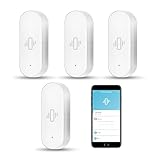
Overview: This four-pack of WiFi-enabled vibration sensors brings smart home integration to glass break detection at an aggressive price point. The sensors connect directly to 2.4 GHz WiFi networks, sending instant alerts through the Tuya/Smart Life app without requiring a hub. Compatible with Alexa and Google Home, these devices enable remote monitoring and historical data tracking from anywhere with internet access.
What Makes It Stand Out: The app-based control and automation capabilities distinguish this from standalone alarms. Users can create routines that trigger other smart devices when vibration is detected, such as activating sirens or lights. The ability to review historical sensor data provides valuable insights into activity patterns and potential security breaches.
Value for Money: At $37.99 for four sensors, this offers remarkable smart features for under $10 per unit. Competing smart sensors often cost twice as much, making this an accessible entry point into connected home security without monthly fees.
Strengths and Weaknesses: Strengths include WiFi connectivity, app alerts, smart home integration, adjustable sensitivity, and included batteries. Weaknesses are 2.4GHz-only limitation, reliance on third-party app stability, and vibration detection’s inherent false alarm potential compared to acoustic analysis.
Bottom Line: The optimal choice for smart home enthusiasts seeking affordable, connected protection. Not recommended for those wanting professional-grade reliability or standalone audible alarms.
4. EVA LOGIK Modern Ultra-Thin Window Alarm with Loud 120dB Sound and Vibration Sensors Compatible with Virtually Any Window, Glass Break Alarm Perfect for Home, Office, Dorm Room- 8 Pack

Overview: The EVA LOGIK eight-pack provides ultra-thin window alarms using vibration detection to trigger a 120dB siren. These wire-free sensors feature customizable high/low sensitivity settings and visual status indicators. The package includes deterrent stickers to warn potential intruders, enhancing the psychological security barrier for comprehensive protection across your home.
What Makes It Stand Out: The ultra-slim profile allows discreet mounting on virtually any window without visual clutter. The dual LED system provides both deterrent flashing (every 4 seconds) and low-battery warnings, ensuring users maintain operational readiness. The inclusion of warning stickers adds a layer of preventive security that many competitors omit, making your security visible.
Value for Money: At $52.99 for eight units, this matches competitors on price while offering unique design elements. The long battery life using 3A batteries reduces maintenance costs, though batteries aren’t included initially. This positions it as a mid-range option between basic and premium solutions, delivering aesthetic appeal without premium pricing.
Strengths and Weaknesses: Strengths include the slim form factor, visual deterrent LEDs, 8-pack coverage, adjustable sensitivity, and straightforward installation. Weaknesses are batteries not included, vibration-only detection, and lack of smart connectivity or panel integration.
Bottom Line: A solid choice for those prioritizing discreet aesthetics and visual deterrence. Comparable to other multi-packs but with superior design and status indicators.
5. Kafuty-1 Glass Break Detector, Wired Tamper Alarm Ceiling/Wall Mount, Compatible with Virtually Any Window

Overview: The Kafuty-1 Glass Break Detector offers professional-grade acoustic detection at a budget price point. This wired unit mounts on ceilings or walls and uses an omni-directional microphone with a built-in audio analysis microprocessor to filter out non-glass breaking sounds. The two-stage sensitivity adjustment and tamper-proof alarm output provide serious security capabilities for the technically savvy user.
What Makes It Stand Out: At $18.25, it delivers features typically found in $100+ commercial sensors, including compression piezoelectric sensor technology and sophisticated noise filtering. The tamper protection triggers alarms if someone attempts to disable the unit, addressing a common vulnerability in budget sensors that professional installers demand.
Value for Money: This is the most cost-effective professional sensor available. While requiring wiring, it costs less than most standalone wireless units while offering superior detection technology. For DIY enthusiasts comfortable with low-voltage wiring, the savings are substantial compared to integrated systems.
Strengths and Weaknesses: Strengths include acoustic analysis, tamper protection, high sensitivity adjustment, omni-directional detection, and exceptional price. Weaknesses are wired installation requirement, single unit coverage, no built-in siren (requires external alarm panel), and limited consumer support resources.
Bottom Line: Ideal for technically inclined users building custom security systems. Not suitable for renters or those wanting simple wireless installation, but unbeatable value for wired security applications where reliability trumps convenience.
6. WSDCAM Glass Break Sensor Alarm 125dB Ultra-Slim Wireless Glass Break Detector Window Alarm Vibration Sensor for Home Window and Door Security - 4 Pack

Overview: The WSDCAM Glass Break Sensor Alarm delivers a practical 4-pack solution for homeowners seeking affordable window and door security. These ultra-slim wireless detectors emit a piercing 125dB alarm when vibrations are detected, serving as both deterrent and alert system. Designed for hassle-free installation, they operate on battery power and require no wiring or hub connectivity, making them ideal for renters and homeowners alike.
What Makes It Stand Out: The adjustable sensitivity is a key differentiator, allowing users to calibrate the sensor from gentle touch to forceful impact, significantly reducing false alarms from wind or minor bumps. The ultra-slim profile makes these sensors discreet enough for any setting, while the included low battery warning ensures continuous protection without surprise failures. Each unit comes with three LR44 batteries providing a full year of operation.
Value for Money: At $27.99 for four units, this package delivers exceptional value at approximately $7 per sensor. Comparable basic sensors often cost $10-15 individually, making this an economical choice for securing multiple entry points. The one-year battery life further reduces long-term costs compared to models requiring frequent replacements, and the peel-and-stick installation eliminates professional setup fees.
Strengths and Weaknesses: Strengths include the loud 125dB alarm, customizable sensitivity settings, extended battery life, and truly wireless design. The installation is genuinely tool-free. Weaknesses include the lack of smart connectivity or mobile notifications, limiting remote monitoring capabilities. The basic design may not integrate with broader security systems, and the plastic construction feels less durable than premium alternatives.
Bottom Line: For straightforward, reliable glass break detection without smart features, the WSDCAM 4-pack is an excellent budget-friendly choice. Ideal for renters, small offices, or supplemental home security, it delivers loud deterrence and easy installation at an unbeatable price point.
7. Window Alarm System 4-Pack - Ultra-Loud 120dB Alarms with Advanced Vibration Sensors - Window Security Alarms for Glass Break Detection - Features Low Battery LED Indicator

Overview: This specialized Window Alarm System provides targeted protection for glass windows through a 4-pack configuration. Engineered specifically for glass security, each unit features advanced vibration sensing technology that triggers a 120dB alarm lasting 60 seconds upon detection. The system caters to various window types including sliding and traditional designs, making it versatile for homes, garages, offices, and RVs.
What Makes It Stand Out: The dual-function LED indicator serves both as a visible deterrent—flashing red every 4 seconds—and as a low battery warning system. This constant visual presence actively discourages potential intruders before they attempt entry. The advanced vibration sensor offers high and low sensitivity settings, allowing precise calibration for different environments and glass types while minimizing false alarms.
Value for Money: Priced at $27.99 for four sensors, this system matches competitors on cost while offering enhanced features like the persistent LED deterrent. The 60-second alarm duration exceeds many basic models that sound for only 30 seconds, providing extended alert time. With no monthly fees or hub requirements, it’s a cost-effective one-time investment that protects multiple access points simultaneously.
Strengths and Weaknesses: Strengths include the powerful 120dB alarm, dual-purpose LED indicator, adjustable sensitivity, and specialized design for various window types. The 60-second alarm duration is substantial. Weaknesses include the lack of smart home integration, no mobile app connectivity, and reliance on user discipline to check LED status for battery levels. Some users may find the constantly flashing LED distracting in bedrooms.
Bottom Line: This window alarm system excels as a visible deterrent with its persistent LED flashing. Perfect for those wanting straightforward, reliable glass protection without complexity. The 4-pack offers comprehensive coverage for most homes at a competitive price, though tech-savvy users may miss smart features.
8. Abode Wireless Vibration Glass Break Sensor | Protects Glass Panes & Alerts You to Any Shocks Or Breaks

Overview: The Abode Wireless Vibration Glass Break Sensor offers a minimalist approach to glass protection at an attractive price point. This single sensor detects vibrations from impacts ranging from minor shocks to full breaks, triggering your existing alarm system when armed. Its wireless, adhesive installation makes it suitable for renters and homeowners alike who want straightforward security without permanent modifications or standalone noise.
What Makes It Stand Out: As part of the Abode ecosystem, this sensor integrates seamlessly with Abode security systems, offering centralized monitoring and control through the Abode app. The adjustable sensitivity levels provide flexibility to prevent false alarms from environmental factors like heavy rain or wind. Its clean, unobtrusive design mounts directly to window panes without creating visual clutter, maintaining your home’s aesthetic appeal.
Value for Money: At $21.99 for a single unit, this sensor is priced competitively for brand-name quality. While more expensive per unit than bulk 4-packs, its integration capability with Abode systems justifies the premium for existing Abode users. For those without an Abode hub, the value proposition is weaker compared to standalone multi-packs with built-in alarms.
Strengths and Weaknesses: Strengths include reliable vibration detection, adjustable sensitivity, clean aesthetic design, and seamless Abode system integration. The wireless adhesive installation is genuinely convenient and renter-friendly. Weaknesses include requiring an Abode system for full functionality, limited standalone capability, and single-unit packaging that makes whole-home coverage costly. The lack of a built-in audible alarm means it only works when connected to a larger system.
Bottom Line: Best suited for current Abode security system owners, this sensor extends protection to glass entry points effectively. For standalone use, consider alternatives with built-in alarms. The price is fair for branded ecosystem integration but less compelling as an independent solution. Choose this for cohesive smart home security, not as a solo device.
9. Feit Electric Smart Wi-Fi Glass Break Sensor with Audible Alarm, Wireless, 24/7 Home Security System with Mobile App Notification, Battery Operated, No Hub Required, Indoor Use Only, GLASSBREAK/WiFi

Overview: The Feit Electric Smart Wi-Fi Glass Break Sensor brings intelligent connectivity to glass protection at an accessible price. This sensor monitors windows and glass doors 24/7, sending instant mobile notifications when breakage is detected. The built-in 85dB audible alarm provides immediate local deterrence while Wi-Fi connectivity ensures you’re informed whether home or away, completing a modern smart security setup.
What Makes It Stand Out: The hub-free Wi-Fi design eliminates the need for additional hardware, connecting directly to your home network. Real-time mobile app alerts through the Feit Electric app enable immediate action, from contacting authorities to checking security camera feeds. This smart functionality distinguishes it from traditional standalone alarms, offering remote monitoring capabilities without monthly subscription fees.
Value for Money: At $23.66, this sensor offers remarkable value for smart security features typically found in $30-40 devices or systems requiring costly hubs. The lack of subscription fees enhances long-term value, providing professional-grade notifications without recurring costs. For renters or homeowners wanting smart protection without infrastructure investment, it’s exceptionally priced.
Strengths and Weaknesses: Strengths include Wi-Fi connectivity, instant mobile alerts, hub-free installation, built-in audible alarm, and battery-powered flexibility. The app integration is intuitive for smartphone users. Weaknesses include the relatively modest 85dB alarm compared to 120dB+ competitors, indoor-only limitation, and dependence on stable Wi-Fi. Battery life isn’t specified as clearly as rivals, and app reliability may vary based on network conditions.
Bottom Line: For tech-savvy users wanting smart home integration without complexity, this Feit sensor is a standout choice. The mobile notifications provide peace of mind that traditional alarms cannot match. While the alarm volume is lower, the remote alerting capability more than compensates. Ideal for apartments and modern homes where smartphone integration is valued.
10. Glass Break Sensor, 125DB Loud Window Vibration Alarm for Home Security, Easy to Install Burglar Alarm for Indoor Home, Office, Store, RV, 8 Pack
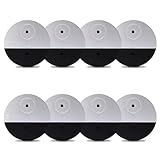
Overview: This 8-pack Glass Break Sensor set delivers comprehensive coverage with an emphasis on volume and portability. Each ultra-thin unit emits a thunderous 125dB alarm when vibration is detected, providing extensive protection for homes, offices, stores, RVs, and dormitories. The bulk packaging makes it economical for securing numerous windows and glass doors simultaneously without sacrificing deterrence capability.
What Makes It Stand Out: The exceptional 8-quantity pack stands out for whole-property coverage at a competitive price point. The alarm’s 90-minute continuous sound capability ensures extended deterrence, far exceeding typical 30-60 second durations. The ultra-compact 2.9" x 2.9" x 0.4" design makes these sensors virtually invisible when installed, maintaining aesthetic appeal while providing robust security across all glass surfaces.
Value for Money: At $39.99 for eight sensors, the per-unit cost drops to just $5, representing outstanding bulk value. This pricing undercuts most competitors by 30-50% per unit, making whole-home security affordable. The included batteries and low-battery indicators minimize additional expenses, while the 90-minute alarm duration maximizes protective value per activation, ensuring thieves are thoroughly discouraged.
Strengths and Weaknesses: Strengths include the extremely loud 125dB alarm, bulk quantity value, compact design, easy installation, and long alarm duration. The low-battery warning provides proactive maintenance alerts. Weaknesses include lack of smart features or mobile connectivity, no adjustable sensitivity mentioned, and potential for false alarms without customization. The basic functionality may feel limited compared to app-enabled alternatives.
Bottom Line: This 8-pack is unbeatable for budget-conscious buyers needing maximum coverage. Perfect for large homes, retail spaces, or property managers wanting simple, loud deterrence across multiple entry points. While lacking smart features, the sheer value and volume make it an excellent choice for straightforward security. Install these for reliable, ear-piercing protection throughout your property.
Why Floor-to-Ceiling Windows Demand Specialized Protection
The sheer scale of floor-to-ceiling windows creates acoustic challenges that standard sensors aren’t designed to handle. Sound waves travel differently across a 10-foot glass surface compared to a traditional 3-foot window, and the structural dynamics of tempered, laminated, or double-pane glass each produce distinct fracture signatures. A sensor positioned for a standard window might miss the specific frequency patterns generated when large glass panels break, especially if it’s calibrated for smaller, thicker residential panes.
Beyond acoustics, these windows often serve as architectural focal points, meaning you can’t simply slap bulky hardware onto the frame without destroying the visual flow you’ve carefully curated. The best 2026 sensors address this with paintable, low-profile designs that disappear into mullions or mount discreetly on ceiling perimeters, protecting your design investment while securing your home.
How Modern Wireless Glass Break Sensors Actually Work
Today’s sensors are essentially miniature acoustic laboratories combined with vibration analysis systems. They don’t just “listen” for breaking glass—they create a multi-dimensional signature of your window’s normal state and react to specific deviations. Understanding this dual-technology approach helps you make informed decisions about placement and sensitivity.
Acoustic Detection Technology in 2026
The latest acoustic sensors use micro-electro-mechanical microphones (MEMS) that sample audio at rates up to 192kHz, far beyond human hearing range. This allows them to detect the ultra-high-frequency “ping” that occurs milliseconds before glass actually shatters—the sound of microscopic cracks propagating through the material. Advanced units process this data through onboard neural networks trained on thousands of actual break events, not just simulations. This matters because floor-to-ceiling windows, especially tempered ones, create unique harmonic patterns during failure that differ dramatically from smaller panes.
Shock and Vibration Sensing Mechanisms
Complementing acoustic analysis, piezoelectric accelerometers measure the physical shockwave traveling through the glass and frame. When an impact occurs, these sensors detect the specific frequency and amplitude of vibrations. For floor-to-ceiling windows, this is crucial because a sensor mounted on the ceiling or adjacent wall can pick up frame vibrations from an impact anywhere on the large surface, whereas acoustic-only sensors might struggle with sound wave attenuation across the expanse.
Key Features That Define 2026’s Best Sensors
The security landscape has shifted dramatically, and certain features have moved from “nice-to-have” to essential for protecting expansive glass installations. These capabilities separate genuine protection from mere peace-of-mind marketing.
AI-Powered False Alarm Reduction
Machine learning models now analyze contextual audio patterns before triggering an alarm. A quality 2026 sensor will recognize the difference between a neighbor’s fireworks, a slammed door, and actual glass fracture by examining the entire acoustic event sequence. Look for sensors that offer “adaptive learning” modes, where the device spends 7-10 days mapping your home’s normal soundscape—coffee beans grinding, kids playing, even specific TV shows—then adjusts sensitivity thresholds accordingly.
Multi-Frequency Audio Analysis
Single-frequency detection is obsolete. Modern sensors monitor a spectrum from 3kHz to 20kHz simultaneously, because laminated glass produces different frequencies than tempered glass when breaking. For homes with mixed window types, this multi-band analysis ensures consistent detection across your entire floor-to-ceiling installation. The sensor should specify its frequency response range in the technical specs—avoid units that don’t publish this data.
Range and Coverage Area Considerations
Coverage specifications have become more honest in 2026. Rather than claiming “25-foot range” in ideal conditions, manufacturers now provide “effective coverage zones” based on window size and glass type. For floor-to-ceiling windows, you need sensors rated for “large surface area detection” with a minimum 15-foot radius for acoustic detection and vibration sensitivity that can detect impacts on any portion of a 12-foot pane. Pay attention to the “coverage overlap recommendation”—most experts suggest 30% overlap between sensor zones for uninterrupted protection.
Installation Strategies for Maximum Effectiveness
Proper installation determines whether your sensor functions as a security asset or a nuisance-triggering paperweight. The unique geometry of floor-to-ceiling windows requires strategic thinking beyond the user manual’s generic advice.
Optimal Placement for Floor-to-Ceiling Windows
Mount sensors on the ceiling 3-5 feet from the glass, angled at 45 degrees toward the center of the window. This position captures both the acoustic event and ceiling-transmitted vibrations while staying out of direct sightlines. For windows wider than 8 feet, install multiple sensors with overlapping coverage zones rather than trying to cover the entire span with one unit. Avoid mounting on the window frame itself—expansion and contraction from temperature changes can desensitize vibration sensors over time.
DIY vs. Professional Installation
While wireless connectivity makes DIY tempting, floor-to-ceiling windows often benefit from professional assessment. Installers use laser distance meters to calculate optimal mounting points and spectrum analyzers to test acoustic coverage in your specific room. They’ll also identify “dead zones” created by heavy curtains, furniture placement, or unusual ceiling heights. If you go DIY, invest in a sound level meter app to test ambient noise levels at your proposed mounting location—anything consistently above 65dB may require professional calibration.
Smart Home Integration Standards to Know
Your glass break sensor shouldn’t exist in isolation. In 2026, integration capabilities determine how effectively your sensor communicates with your broader security ecosystem.
Matter Protocol and Cross-Platform Compatibility
Matter 1.3, released in late 2025, finally includes security device categories with standardized glass break sensor profiles. This means sensors can now communicate directly with any Matter-compatible hub—Apple HomeKit, Google Home, Amazon Alexa, or Samsung SmartThings—without proprietary bridges. Look for sensors certified to Matter 1.3 or higher, which ensures your investment isn’t locked into a single ecosystem. The certification logo should appear on the packaging, and the device should support both Thread and Wi-Fi fallback connectivity.
Battery Life and Power Management Innovations
Floor-to-ceiling window installations often place sensors in hard-to-reach locations, making battery life critical. 2026’s best sensors use energy-harvesting technology, converting ambient light and minor vibrations into trickle charge that extends lithium battery life to 5-7 years. Check for “hybrid power” specifications and low-power alerts that integrate with your smart home system—not just a chirp, but a push notification to your phone and a calendar reminder for replacement scheduling.
Understanding Sensitivity Settings and Calibration
Out-of-the-box settings rarely optimize for floor-to-ceiling windows. The calibration process has become more sophisticated, requiring user input about glass type, dimensions, and room acoustics.
Most premium sensors now offer a “window profiling” mode where you input exact measurements and glass specifications through a companion app. The device then adjusts its algorithms accordingly—laminated glass requires higher sensitivity to detect the initial crack before the interlayer stretches, while tempered glass needs faster response times to catch the explosive failure pattern. Avoid sensors with simple “low/medium/high” sensitivity switches; you need granular control over acoustic threshold, vibration amplitude, and detection delay settings.
The Role of Environmental Factors in Sensor Performance
Your home’s specific conditions dramatically impact sensor effectiveness. Floor-to-ceiling windows in urban high-rises face different challenges than those in suburban homes.
Ambient noise from traffic, construction, or airports can mask fracture frequencies. Quality sensors include “environmental masking compensation” that boosts gain in specific frequency bands while filtering persistent background noise. For homes near coastal areas, salt air corrosion resistance becomes crucial—look for IP65 or higher ratings and conformal coating specifications on circuit boards. In cold climates, temperature compensation circuits prevent battery voltage drops from triggering false low-power alerts or sensitivity changes.
Cost vs. Value: What You Should Really Pay Attention To
Price ranges have widened significantly, from $30 budget models to $200+ professional-grade units. The sweet spot for floor-to-ceiling windows lies in the $80-$120 range, where you get MEMS microphones, multi-frequency analysis, and Matter compatibility without paying for enterprise features you don’t need.
Be wary of subscription models that lock basic features behind paywalls. Some manufacturers now require monthly fees for AI processing or smartphone alerts. Look for sensors offering “local processing” where the neural network runs on-device, with optional cloud features rather than mandatory subscriptions. The total cost of ownership over 5 years—including batteries, potential subscription fees, and replacement costs—provides a more accurate value picture than the upfront price.
Common Mistakes That Compromise Your Security
Even the best sensor fails when installed incorrectly. The most frequent error is “gapping”—placing sensors too far apart for effective coverage on wide window walls. For floor-to-ceiling installations, measure your total glass width and divide by 12 feet maximum per sensor, then add one extra unit for overlap.
Another critical mistake is ignoring the “3-second rule.” Most break-ins involve an initial impact test—a thief taps the glass to see if it’s tempered—followed by the actual break. Quality sensors detect this two-stage pattern, but only if they’re not set to “instant alarm” mode. Configure a 1-3 second verification window to catch this criminal behavior pattern while filtering single-event noises. Finally, never paint over the sensor’s microphone port, even with “acoustically transparent” paint. It changes the frequency response and can reduce detection range by 40% or more.
Future-Proofing Your Investment for 2026 and Beyond
Technology obsolescence hits security devices hard. To ensure your sensors remain relevant, prioritize firmware update capability and open API access. Sensors that receive quarterly firmware updates show manufacturer commitment to evolving threat detection. Open APIs allow integration with future platforms, even if Matter gets replaced by the next standard.
Consider “sensor fusion” capabilities—devices that can incorporate data from other smart home devices. A sensor that correlates glass break detection with sudden changes in smart thermostat readings (broken window = temperature drop) or security camera motion provides layered verification that reduces false alarms while improving response accuracy. This cross-device intelligence represents the next evolution in home security, and 2026’s best sensors are already building the foundation for it.
Frequently Asked Questions
What’s the realistic coverage area for one sensor on a floor-to-ceiling window?
For a standard 10-foot ceiling height with a window extending from floor to ceiling, one quality sensor effectively covers approximately 120 square feet of glass surface—roughly a 12-foot wide section. However, architectural features like heavy drapes, built-in seating below the windows, or coffered ceilings can reduce this by 20-30%. Always measure your actual glass dimensions and calculate coverage based on 100 square feet per sensor for reliable protection.
Can these sensors differentiate between a break-in and severe weather damage?
Advanced 2026 sensors with AI processing can distinguish between impact patterns. A thrown rock creates a sharp, localized acoustic spike with immediate vibration, while wind-driven debris produces a more distributed pattern. Hail creates multiple rapid impacts across the surface. Quality sensors allow you to set different response protocols for each pattern—immediate alarm for impact, notification-only for weather-related events—though this requires professional calibration for optimal accuracy.
Do I need sensors on every floor-to-ceiling window, or will a few cover the whole room?
You need dedicated coverage for each glass plane. Sound doesn’t travel effectively around corners or through walls, and vibration waves attenuate quickly in modern construction. For a wall of windows with multiple panes separated by mullions, position one sensor per 12 feet of continuous glass, minimum. A single sensor in a room corner cannot reliably detect a break on the opposite 20-foot wall, regardless of manufacturer claims.
How do these sensors perform with low-E coated or triple-pane glass?
Low-emissivity coatings and triple-pane construction actually improve sensor performance by creating more reflective surfaces for acoustic waves. However, they also produce unique fracture signatures that older sensors might misinterpret. Ensure your sensor specifically lists “multi-pane compatible” or “low-E glass profile support” in its specifications. The calibration process should include glass composition settings to adjust for the different acoustic properties of gas-filled gaps and multiple layers.
Will my cat jumping against the window trigger false alarms?
Modern AI sensors learn to ignore typical pet impacts after 2-3 weeks of adaptive learning. The key is the “mass-to-force ratio” algorithm that distinguishes between a 15-pound cat’s relatively soft impact and a hard object strike. During the learning period, set the sensor to “monitoring mode” (logging events without triggering alarms) to build an accurate baseline of your pet’s behavior. Most sensors also allow you to input pet weight and species data to optimize filtering.
Can I install sensors after my windows are already in place, or is pre-installation better?
Post-installation works perfectly and is actually preferable because you can test actual acoustic conditions. Pre-installation often leads to suboptimal placement based on theoretical coverage rather than real-world room dynamics. The best approach is to install windows first, live in the space for a few weeks to understand ambient noise patterns, then install sensors with full knowledge of how you use the room.
What’s the impact of window treatments on sensor effectiveness?
Heavy curtains absorb 15-25% of acoustic energy, potentially reducing detection range. Motorized shades in the down position can create a secondary vibration path that confuses sensors. The solution is ceiling-mounting sensors rather than frame-mounting, and using sensors with “soft barrier compensation” settings that account for fabric absorption. Sheer curtains have minimal impact, but blackout curtains with thermal backing require recalibrating sensitivity up by 10-15%.
Do these sensors work during power outages?
Battery-powered wireless sensors function independently of grid power, but their communication method determines outage resilience. Thread-based sensors with Matter certification create mesh networks that remain operational even if your hub loses power (provided the hub has battery backup). Wi-Fi sensors become useless when your router dies. For true outage protection, choose Thread-enabled sensors and invest in an uninterruptible power supply for your smart home hub.
How often should I test my glass break sensors?
Test acoustic detection monthly using the manufacturer’s test feature, which simulates fracture frequencies without actual glass damage. Conduct a full system test, including vibration sensing, quarterly. Most 2026 sensors include an integrated diagnostic mode that verifies microphone sensitivity, battery health, and wireless signal strength. Schedule this automatically through your smart home system—set a recurring reminder for the first Sunday of each month to run a 30-second self-test.
Will installing these sensors affect my home insurance premiums?
Many insurers now offer specific discounts for “monitored glass break detection” on floor-to-ceiling windows, typically 5-10% off your premium. However, they require professional installation certification and may mandate sensors that meet UL 639 standard for intrusion detection devices. Self-installed DIY sensors usually don’t qualify. Contact your insurance provider before purchasing to confirm which certifications they recognize and whether they require professional monitoring service integration to validate the discount.