Living on a rural property offers unmatched privacy, space, and tranquility—but it also presents unique security challenges that urban homeowners never face. Your gate isn’t just a convenient entry point; it’s the first line of defense against trespassers, wildlife, and unauthorized vehicles, often sitting hundreds of yards from your home. Traditional padlocks and keys become a daily frustration when you’re managing deliveries, service providers, or family members across vast acreage, especially in harsh weather conditions.
Smart gate and fence locks have revolutionized rural property access, offering remote control, activity logging, and keyless entry that works whether you’re at the main house, in the back pasture, or traveling miles away. However, not all smart locks are built for the demands of rural life. This comprehensive guide walks you through everything you need to know about selecting, installing, and maintaining a smart gate lock system that can withstand isolation, extreme weather, and the unique operational demands of country living.
Top 10 Gate & Fence Smart Locks for Rural Properties
Detailed Product Reviews
1. Smart Gate Lock, Electronic Gate Locks for Outdoor Fence, Keyless Smart Rim Lock, Electric Sided Keypad Locks with App Control, IC Card, Keys, Anti-Peep Touchscreen, Perfect for Fence and Outdoor
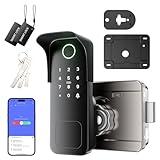
Overview: The Smart Gate Lock is a premium electronic rim lock engineered for outdoor fence applications, offering five convenient unlocking methods including fingerprint recognition, IC card, PIN code, mobile app control, and traditional mechanical key. This versatile system transforms gate security with keyless convenience while maintaining robust protection against unauthorized entry.
What Makes It Stand Out: This lock’s IP65 weatherproof rating and wide operating temperature range (-25°C to 55°C) ensure reliable performance in extreme conditions. The innovative privacy passcode function allows users to add random digits before and after their actual code, preventing code theft from onlookers. Universal compatibility accommodates doors 1.38-2.9 inches thick, while the TUYA app enables remote unlocking, one-time passwords, and comprehensive access management without additional hardware.
Value for Money: At $129.99, this lock delivers exceptional value by combining multiple premium features typically found in more expensive models. The six-month battery life, USB-C emergency power backup, and low-battery alerts minimize maintenance concerns, making it more cost-effective than traditional locks requiring key replacements or professional locksmith services.
Strengths and Weaknesses: Strengths include versatile 5-in-1 access, superior weather resistance, intelligent privacy features, and comprehensive app control. The automatic re-lock function enhances security. Weaknesses include 2.4GHz WiFi limitation (no 5GHz support), batteries not included, and potential complexity for non-tech-savvy users. Installation may require precise measurement and trimming of the square bolt.
Bottom Line: Ideal for homeowners seeking maximum security flexibility, this smart lock excels in harsh outdoor environments. The combination of advanced features and robust construction makes it a worthwhile investment for those comfortable with smart home technology.
2. smart latch double gate lock, electronic gate latch for outdoor fence, waterproof keyless smart rim lock, electric double sided keypad locks, Fingerprint, Passcode, Key, IC Card, Tuya App

Overview: The Smart Latch Double Gate Lock is an electronic gate latch designed specifically for outdoor fence applications, featuring a waterproof construction and five keyless entry methods. This double-sided keypad system provides convenient access from both sides of the gate, making it perfect for shared spaces or double gate configurations where two-way entry is essential.
What Makes It Stand Out: This lock’s primary distinction is its drill-free installation using external wiring and network equipment, significantly simplifying setup for renters or those hesitant to modify their gates. The ability to create custom passwords for different users—permanent codes for family and temporary ones for guests or service personnel—offers exceptional access management flexibility rarely seen in this price range.
Value for Money: Priced at $139.99, this lock sits at the higher end of consumer-grade smart locks but justifies the cost through its double-sided design and simplified installation. The elimination of drilling costs and potential damage to gates adds hidden value, particularly for vinyl or premium wood fences where preserving aesthetics matters.
Strengths and Weaknesses: Strengths include versatile 5-in-1 unlocking, weatherproof durability, flexible user management, and non-destructive installation. The external wiring approach makes network setup straightforward. Weaknesses include potentially less clean aesthetics due to visible wiring, slightly vague specifications compared to competitors, and a price premium over single-sided alternatives. The product description lacks detail on battery life and emergency power options.
Bottom Line: Perfect for renters or homeowners seeking premium smart lock features without permanent gate modifications. The double-sided access and user-specific codes make it excellent for properties requiring frequent visitor access while maintaining security.
3. Gate Lock – Secure Keyless Fence Lock and Latch with 2-Way Access – Strong Durable System for Theft Prevention and Home Security, Easy Installation on Wood or Vinyl Gates/Fences (Regular – 1-Pack)

Overview: The Gate Lock is a mechanical keyless system providing secure two-way access for wood or vinyl gates without batteries, electronics, or keys. This patented solution uses a coded lockbox with an internal wire mechanism that lifts the latch from the outside, while allowing free exit by simply lifting the latch from inside, combining simplicity with effective security.
What Makes It Stand Out: Its purely mechanical design eliminates all power concerns and electronic failure points, offering unmatched reliability. The lock’s protective cover prevents tampering from over the fence—a critical security feature often overlooked in gate locks. With US and Canadian patents, this proven design has established itself as a trustworthy solution for theft prevention and home security in any weather condition.
Value for Money: At $64.99, this represents exceptional value for a maintenance-free, lifetime solution with no battery replacements or software updates required. The one-time investment avoids recurring costs associated with smart locks, making it significantly more economical over time for budget-conscious homeowners who prioritize reliability over connectivity.
Strengths and Weaknesses: Strengths include absolute reliability, simple operation, superior weather resistance without seals to fail, and straightforward installation with included hardware. The lack of electronics means no hacking vulnerabilities. Weaknesses include no remote access capabilities, inability to grant temporary access without sharing the code, and the need to physically change codes by resetting dials. Installation requires drilling, and code changes are less convenient than digital alternatives.
Bottom Line: An outstanding choice for those prioritizing simplicity and reliability over technological convenience. This mechanical lock excels in harsh environments where electronics might fail and serves properties well where consistent, keyless access is needed without smart home integration.
4. Smart Lock,Electronic gate Latch for Outdoor Fence, Waterproof keyless Smart Rim Lock, Smart Latch Double gate Lock, WiFi Double Sided Fingerprint Reader Lock,with Ttlock App
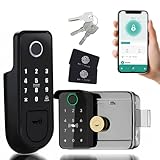
Overview: This Electronic Gate Latch is a WiFi-enabled smart rim lock designed for outdoor fence applications, featuring a double-sided fingerprint reader and keyless entry through multiple methods. It replaces traditional keys with password input and biometric authentication, streamlining daily access for homes and offices while maintaining robust security protocols.
What Makes It Stand Out: The double-sided fingerprint reader provides biometric security from both gate sides—a rare feature that enhances convenience without compromising safety. Its upgraded security protection triggers a 5-minute system lock and alarm after five failed password attempts, offering stronger deterrence than standard 1-minute lockouts. The Ttlock app enables flexible rights management with customizable temporary passwords for visitors and service staff.
Value for Money: At $119.99, this is the most budget-friendly smart lock in this comparison, delivering core smart features without premium pricing. The combination of biometric access, app control, and double-sided operation at this price point represents excellent value for homeowners wanting smart security on a moderate budget without sacrificing essential functionality.
Strengths and Weaknesses: Strengths include affordable smart functionality, double-sided biometric access, robust 5-minute lockdown security, flexible temporary password management, and waterproof construction. The password-only exit option is convenient. Weaknesses include less detailed weatherproof rating specifications (no IP rating mentioned), potential app ecosystem limitations with Ttlock versus TUYA, and fingerprint sensors on both sides may be unnecessary for single-user households. Battery life details are not specified.
Bottom Line: An excellent entry-level smart lock for security-conscious buyers prioritizing biometric access and budget. The double-sided fingerprint reader and enhanced lockdown feature make it particularly suitable for high-traffic gates requiring both convenience and strong deterrence capabilities.
5. Gate Lock XLB – Secure Keyless Fence Lock and Latch with 2-Way Access – Strong Durable System for Theft Prevention and Home Security, Easy Installation on Wood or Vinyl Gates/Fences

Overview: The Gate Lock XLB is an upgraded mechanical keyless system offering secure two-way access for wood or vinyl gates. This larger version of the proven mechanical design uses a personal code to activate a wire mechanism that pulls the latch, enabling keyless entry without batteries, electronics, or keys, focusing on durability and ease of use.
What Makes It Stand Out: The XLB’s enlarged 3" x 5" dimensions feature extra-large dials for easier operation, particularly beneficial for users with limited dexterity or in low-light conditions. The upgraded stainless-steel latch and hardware provide enhanced corrosion resistance compared to standard models, extending longevity in coastal or high-moisture environments while maintaining the same patented security design that prevents over-the-fence tampering.
Value for Money: Priced at $79.99, the XLB commands a $15 premium over the regular model, justified by larger components and stainless-steel hardware. For properties in harsh climates or gates receiving frequent use, the enhanced durability and easier operation deliver worthwhile long-term value despite the higher initial cost, especially when compared to electronic alternatives requiring ongoing maintenance.
Strengths and Weaknesses: Strengths include the larger, more ergonomic dial design, superior stainless-steel corrosion resistance, proven mechanical reliability, and the same effective anti-tamper cover. The system maintains freedom from power concerns and hacking risks. Weaknesses include higher cost than the regular version, no smart features for remote management, and the same installation requirements (drilling needed). Code changes remain manual, and there’s no audit trail of entries.
Bottom Line: The XLB is the premium mechanical choice for those wanting the simplicity and reliability of a non-electronic lock with enhanced usability and durability. Its larger size and stainless components make it ideal for frequently-used gates or challenging weather conditions where robust, maintenance-free operation is paramount.
6. Gate Lock – Secure Keyless Fence Lock and Latch with 2-Way Access – Strong Durable System for Theft Prevention and Home Security, Easy Installation on Wood or Vinyl Gates/Fences (Regular – 2-Pack)

Overview: This mechanical gate lock system offers a refreshingly simple approach to securing your property. The two-pack provides keyed-alike convenience for dual-gate setups or front/back gate applications. Operating without batteries, electronics, or WiFi, it uses a wire-based mechanism triggered by a personal code entered on both sides of the gate. Designed for wood or vinyl gates swinging either direction, it presents a low-maintenance security solution for homeowners seeking reliable perimeter control.
What Makes It Stand Out: The purely mechanical design eliminates battery changes and electronic failures entirely. Its patented 2-way access allows entry and exit using the same code, while the protective latch cover prevents tampering from over the fence. The die-cast construction ensures durability without rust concerns, and the included hardware supports straightforward installation on standard gates. The absence of keys or electronics removes common failure points found in smart locks.
Value for Money: At $123.99 for two units ($62 each), this system offers excellent long-term value. While pricier than basic padlocks, it eliminates recurring costs like battery replacements and potential electronic repairs. Compared to single smart locks at $50-100 each, you’re getting robust mechanical reliability without subscription fees or connectivity issues. The two-pack pricing makes it economical for comprehensive property coverage.
Strengths and Weaknesses: Strengths include weatherproof reliability, no power dependency, patented tamper-resistant design, and straightforward operation. The 2-way access is practical for families. Weaknesses involve less convenience than biometric options, manual code sharing, installation requiring drilling, and no remote monitoring capabilities. The mechanical nature also means no audit trails or temporary digital codes.
Bottom Line: Ideal for homeowners prioritizing reliability over high-tech features. If you want set-it-and-forget-it security without worrying about batteries, connectivity, or electronic malfunctions, this mechanical system delivers dependable protection for wood and vinyl gates.
7. Aurosmart Heavy Duty Fingerprint Padlock with Key, Smart Gate Lock with Keypad, Keyless Entry Digital Combination Lock for Outdoor Fence, Gate, Shed, Storage Unit, Pool, Locker, Tuya App

Overview: The Aurosmart padlock combines biometric security with versatile access options in a rugged outdoor-ready package. Supporting six unlocking methods including fingerprint, RFID, passcode, NFC, mobile app, and traditional key, it caters to diverse user preferences. The Tuya app integration enables remote management, while the hardened steel shackle and zinc-alloy body promise durability. With a 12-month battery life and IP65 rating, it’s engineered for hassle-free outdoor operation.
What Makes It Stand Out: The 0.5-second fingerprint recognition with 360° reading capability offers quick access, storing up to 50 prints and 100 codes/cards. The Tuya app provides comprehensive control—adding users, viewing access logs, and generating time-limited passwords for visitors. The corrosion-resistant construction withstands harsh conditions, while the USB-C emergency port ensures you’re never locked out during battery depletion. This versatility makes it suitable for both personal and light commercial applications.
Value for Money: At $59.99, this lock delivers exceptional feature density. Competing locks with fewer access methods often cost more, and the robust build quality justifies the price point. The rechargeable battery eliminates ongoing costs, and the multi-user support effectively replaces several traditional locks. For those needing flexible access control without professional installation, it represents strong value.
Strengths and Weaknesses: Strengths include six convenient access methods, excellent app functionality, durable construction, long battery life, and strong weather resistance. The quick fingerprint recognition is particularly impressive. Weaknesses involve potential app dependency, electronic component failure risk over time, and fingerprint capacity that may be limiting for larger commercial deployments. Some users may have privacy concerns with app-connected devices.
Bottom Line: A top-tier smart padlock that balances advanced features with user-friendly operation. Perfect for homeowners wanting keyless convenience and remote management for gates, sheds, or storage units. The multiple access methods ensure you’re never stranded without entry options.
8. Anweller Fingerprint Gym Locker Lock with Code Keypad, Waterproof Gate Locks for Outdoor Fence, Keyless Entry Smart Combination Padlock, Pad Lock for Locker Storage Unit Shed Pool School

Overview: The Anweller P7 positions itself as the world’s first fingerprint and passcode padlock with Apple Watch integration. This mid-sized smart lock offers four access methods in a compact, weatherproof design. Constructed from alloy steel and zinc alloy with a hardened steel shackle, it balances security with portability. The IP65 rating and six-month standby battery make it suitable for both indoor lockers and outdoor gates, providing flexible security for various applications.
What Makes It Stand Out: Apple Watch unlocking sets this apart in the budget smart lock category, offering unprecedented convenience for iPhone users. The one-touch fingerprint sensor provides quick access, while mobile app control enables user management without complex setups. The IP65 weatherproofing ensures reliability outdoors, and the 40-minute USB-C fast charging minimizes downtime. Anweller’s lifetime technical support and six-month warranty add confidence to the purchase.
Value for Money: At $49.99, this is one of the most affordable multi-method smart locks available. The Apple Watch feature alone justifies the price for ecosystem users. While the 110mAh battery is smaller than competitors, the six-month standby remains practical. Compared to basic combination locks at $20-30, the biometric and smart features provide significant upgrades without a steep price jump.
Strengths and Weaknesses: Strengths include budget-friendly pricing, Apple Watch integration, IP65 protection, fast charging, and responsive customer support. The keyless design eliminates picking concerns. Weaknesses are the smaller battery capacity, limited fingerprint storage (unspecified but likely modest), fewer access methods than premium alternatives, and a shorter warranty period. The brand is less established than competitors.
Bottom Line: An excellent entry-level smart padlock perfect for Apple users and those wanting basic biometric security without breaking the bank. Ideal for gym lockers, sheds, and gates where convenience trumps advanced management features. The price-to-feature ratio is hard to beat.
9. Pothunder Heavy Duty Smart Padlock, Gate Lock Padlock with Key Code and RFID, Outdoor Weatherproof Biometric Digital Lock for Gate, Sheds, Fence, Garage, Locker, Storage Unit

Overview: Pothunder’s heavy-duty smart padlock targets users demanding maximum durability with five versatile unlocking options. Featuring RFID, passcode, Apple Watch, Bluetooth app, and mechanical key access, it combines modern convenience with traditional backup. The lock boasts military-grade testing, IP67 weatherproofing, and a hardened stainless steel shackle. With an 8000-unlock battery capacity and 12-month standby, it’s built for demanding outdoor environments from gardens to warehouses.
What Makes It Stand Out: The IP67 rating exceeds most competitors’ IP65, offering superior dust and water protection. Military-grade testing claims validate its tamper-proof construction, while the 500mAh battery delivers exceptional longevity. Apple Watch support adds premium convenience, and the crack-resistant zinc alloy body paired with a pick-resistant keyhole creates multiple security layers. The high unlock count makes it suitable for high-traffic applications.
Value for Money: Priced at $55.99, this lock undercuts many premium competitors while offering superior weatherproofing and robust construction. The IP67 rating and military testing claims typically command higher prices. For harsh climates or high-security needs, it delivers professional-grade features at a consumer price point, representing outstanding value for outdoor and commercial applications.
Strengths and Weaknesses: Strengths include exceptional IP67 weatherproofing, military-tested durability, long battery life, five access methods, and Apple Watch compatibility. The high unlock cycle rating ensures longevity. Weaknesses involve unverified “military-grade” marketing claims, fewer access methods than some rivals (no NFC), and a less recognizable brand name. Electronic components may eventually fail where mechanical locks won’t.
Bottom Line: A rugged, weatherproof smart padlock ideal for challenging outdoor environments. If you need reliable operation through extreme conditions without sacrificing smart features, this lock delivers premium protection at a mid-range price. Perfect for gates, sheds, and storage in harsh climates.
10. Qivine Mechanical Keyless Door Lock, Push Button Door Lock Keypad 1-11 Digitals Outdoor Gate Locks with Keypad Anti Theft Codes Lock for Bidirectional Gate (Black)

Overview: The Qivine mechanical keypad lock offers a no-fuss, battery-free security solution for gates and doors. Using a fully mechanical push-button system with 1-11 digit codes, it provides keyless entry without any electronic vulnerabilities. Constructed from high-quality zinc alloy, this rust-proof lock operates silently and requires no wiring. Its bidirectional design allows access from both sides, making it ideal for courtyard gates, warehouse entrances, and commercial applications where reliability trumps technology.
What Makes It Stand Out: The complete absence of batteries or electronics eliminates power concerns and hacking risks entirely. The 1-11 digit code range offers thousands of combinations, while the lack of keyholes makes it inherently pick-proof. Mechanical operation ensures silent function, a unique advantage for residential areas. The all-metal construction withstands weather without degradation, and the simple push-button mechanism remains intuitive for all ages. No app setup, firmware updates, or connectivity issues to manage.
Value for Money: At $61.29, this lock competes directly with basic electronic keypad locks but without ongoing costs. The one-time investment eliminates battery expenses and potential electronic repair costs. Compared to smart locks at $100+, it offers core keyless functionality at a significant discount. For commercial deployments requiring multiple units, the total cost of ownership is substantially lower than powered alternatives.
Strengths and Weaknesses: Strengths include absolute reliability, no power dependency, silent operation, anti-pick design, weather resistance, and simple user interface. It’s immune to electronic hacking and never needs battery changes. Weaknesses involve no remote access, manual code management, inability to grant temporary digital codes, and potential mechanical wear over decades of use. Installation requires precise alignment, and code changes are less convenient than app-based systems.
Bottom Line: Perfect for those who value simplicity and reliability above all else. If you want keyless entry without batteries, apps, or electronic vulnerabilities, this mechanical lock delivers dependable security for gates and doors. An excellent choice for both residential and light commercial applications where “always works” is the primary requirement.
Why Rural Properties Need Specialized Smart Gate Locks
Rural properties operate under a completely different security paradigm than suburban homes. Your gate might be a quarter-mile from your house, completely out of WiFi range and visible only when you make the trek to check it. Standard smart locks designed for front doors lack the power, connectivity, and durability to function reliably in these conditions.
The isolation that makes rural life appealing also makes your property vulnerable. Gates are often targeted for theft, illegal dumping, or unauthorized hunting access. A specialized smart gate lock provides not just convenience, but a digital trail of every entry and exit—critical information when you need to know who accessed your property while you were away at the feed store or on vacation.
Key Differences Between Urban and Rural Smart Lock Requirements
Distance and Range Limitations
Urban smart locks typically assume a router is within 30-50 feet. Rural gate installations often span 500 feet to over a mile from the nearest network connection. This fundamental difference impacts every aspect of your lock selection, from communication protocols to power management. You’ll need systems specifically designed for long-range operation or those that operate independently of traditional network infrastructure.
Power Availability Challenges
Unlike suburban homes where electrical outlets are plentiful, rural gates often lack any power source whatsoever. Running underground conduit for hundreds of yards is prohibitively expensive, making battery and solar-powered solutions not just convenient but essential. Your smart lock must either sip power conservatively or generate its own through renewable sources.
Weather Exposure Severity
A front door smart lock enjoys the protection of a porch or overhang. Gate locks face direct sun, driving rain, snow drifts, and wind-blown dust. Rural environments demand IP ratings of 66 or higher, operating temperature ranges from -40°F to 140°F, and UV-resistant materials that won’t degrade under constant exposure.
Understanding Gate Types and Smart Lock Compatibility
Swing Gates vs. Slide Gates
Swing gates require locks that can handle the dynamic force of wind loading and the mechanical stress of the gate’s weight on hinges. Smart locks for these applications need robust mounting brackets and adjustable latch tolerance to accommodate gate sag over time. Slide gates present different challenges—the lock must engage precisely with a striker plate that moves linearly, requiring millimeter-level alignment that remains consistent across changing temperatures.
Chain Link Fence Gates
The inherent flex in chain link gates demands smart locks with forgiving latch mechanisms. The woven mesh also complicates mounting, as you’ll need reinforcement posts or specialized brackets that distribute the lock’s weight across multiple mesh points. Consider models designed specifically for tubular frames rather than those expecting solid wood or metal surfaces.
Tube Steel and Wrought Iron Gates
These provide the most solid mounting surfaces but often feature ornate designs that complicate installation. You’ll need to assess whether the lock can be mounted on the gate itself or if a ground-mounted post configuration works better for your specific design. The lock’s depth and width must clear any decorative elements when the gate operates.
Power Solutions for Remote Gate Locations
Solar Panel Integration
Solar-powered smart locks represent the gold standard for rural gates, but not all solar systems are equal. Look for panels with at least 10 watts of power generation and integrated battery management systems that prevent overcharging. The panel should mount separately from the lock—ideally on a post angled for optimal sun exposure—while the lock itself runs on a rechargeable battery bank that stores 3-5 days of reserve power.
Battery-Only Systems
High-capacity lithium battery packs can power efficient smart locks for 6-12 months between charges. The key is understanding the lock’s sleep current draw—excellent models use less than 50 microamps in standby. Consider how you’ll access the lock for battery changes; if it’s inside the property, you’ll need to exit and re-enter, making solar a more practical choice.
Hybrid Power Management
The most reliable rural installations combine multiple power sources: solar as primary, battery backup, and sometimes a small wind turbine for cloudy climates. Advanced systems prioritize power consumption based on battery level, disabling non-essential features like LED indicators when reserves drop below 20%.
Connectivity Challenges in Rural Areas
Cellular vs. WiFi vs. LoRaWAN
Cellular connectivity (4G LTE) offers the most reliable long-range communication for gates located far from the house. However, you’ll need to verify carrier coverage at your specific gate location—one bar of signal might suffice for text-based lock commands but fail for firmware updates. WiFi extenders and point-to-point wireless bridges work for distances up to a mile with line-of-sight, requiring professional-grade equipment. LoRaWAN (Long Range Wide Area Network) provides an emerging alternative with 10+ mile range but limited lock model availability.
Antenna Placement and Signal Boosting
External antennas dramatically improve connectivity. Look for locks with detachable antennas you can mount above the gate line for clearer signal path. For cellular systems, consider magnetic-mount antennas placed high on a metal post, connected via low-loss coaxial cable. Some advanced installations use passive repeaters that capture and rebroadcast weak signals without requiring additional power subscriptions.
Offline Operation Modes
Even the best-connected rural gate will experience outages. Your smart lock must store access codes locally and continue functioning during network failures. Verify that scheduled access, temporary codes, and mechanical override keys remain available when connectivity drops. The lock should sync activity logs automatically once connection restores.
Weatherproofing and Durability Standards
IP Ratings Explained
Ingress Protection ratings tell you exactly how well a lock withstands elements. IP65 handles water jets from any direction—suitable for most rain exposure. IP66 withstands powerful water jets and heavy seas. IP67 allows temporary submersion, which matters when snow melts against the lock or flash flooding occurs. For rural gates, accept nothing below IP65, and prefer IP66 or higher.
Material Selection for Longevity
Marine-grade stainless steel (316) resists corrosion from fertilizer, manure, and road salt tracked onto rural properties. UV-stabilized polycarbonate housings prevent sun-induced brittleness. Avoid zinc alloys and standard aluminum in coastal or high-humidity agricultural areas—they’ll oxidize and seize within 18-24 months.
Temperature Compensation Mechanisms
Extreme cold thickens lubricants and contracts metal components; extreme heat expands them and degrades electronics. Quality rural smart locks include temperature-compensating actuators that adjust motor power based on ambient conditions. Some feature heating elements that activate below freezing to ensure reliable latch operation.
Security Features That Matter for Rural Properties
Tamper Detection and Alerts
Rural locks face more sophisticated attacks—angle grinders, pry bars, and extended attempts out of public view. Multi-axis accelerometers should trigger instant alerts if someone attempts to cut, pry, or hammer the lock. Look for models that send immediate notifications with photo snapshots from integrated cameras, not just passive alerts hours later.
Encryption and Hacking Resistance
Your lock’s wireless communication must use AES-256 encryption minimum, with rolling code technology that prevents replay attacks. Bluetooth-only locks are vulnerable to proximity hacking; cellular and WiFi models should support two-factor authentication for administrative access. Ask manufacturers about penetration testing and whether they offer bug bounty programs.
Audit Trails and Activity Logging
Detailed logs become evidence when prosecuting trespassing or theft. The lock should record every attempt—successful or failed—with timestamp, user code, and access method. Exportable logs in CSV format help law enforcement build cases. Some systems integrate with mapping software to show exactly which code opened which gate at what time.
Access Methods and User Management
Temporary Codes for Service Providers
Feed deliveries, veterinarians, and equipment repair technicians need one-time or date-limited access. Your system should generate temporary codes via SMS or email that automatically expire. Better systems allow you to restrict these codes to specific time windows—like Tuesday between 2-4 PM—preventing reuse if shared.
Biometric Options for Family Members
Fingerprint readers work well for immediate family but struggle with dirty or gloved hands common in agricultural work. Consider locks offering multiple credential types: fingerprint for clean-entry situations, code for gloved operation, and RFID fobs for quick access while driving equipment. Each family member should have unique credentials for accountability.
Remote Unlocking Protocols
When a hunter or neighbor needs emergency access, you need secure remote unlocking. Avoid simple app-based buttons that anyone with your phone could press. Look for systems requiring PIN entry in the app, biometric confirmation, or video verification through an integrated camera before remote unlock executes.
Integration with Existing Security Systems
Compatibility with Trail Cameras
Your gate lock should work alongside existing trail cameras, not replace them. Look for systems that trigger camera recording when access is attempted, or that can be triggered by camera motion detection. Some platforms allow camera verification before granting access—seeing who’s at the gate before unlocking remotely.
Connecting to Home Automation Hubs
If you run a smart home system in your main house, your gate lock should integrate via Z-Wave, Zigbee, or MQTT protocols. This allows scenarios like: “When gate unlocks with family code, turn on driveway lights and disable interior motion alarms.” Avoid proprietary systems that lock you into a single ecosystem.
Alarm System Integration
Professional-grade gate locks offer dry contact outputs that connect to traditional alarm panels. When the lock is forced or tampered with, it triggers the same alarm response as a broken window. This integration is crucial for properties with monitored security systems that dispatch law enforcement.
Installation Considerations for Rural Gates
DIY vs. Professional Installation
While many smart locks advertise easy installation, rural gates often require custom fabrication—welding mounting plates, running conduit through metal posts, or configuring solar panels. Professional installation typically costs $300-$800 but includes proper grounding against lightning, which is critical for exposed rural installations. DIY is viable only if you have metalworking skills and understand low-voltage electrical systems.
Gate Alignment and Mechanical Preparation
Even the best smart lock fails on a sagging gate. Before installation, ensure your gate swings true and latches smoothly without the smart lock installed. Install adjustable hinge pins or gate wheels if needed. The strike plate mounting must be reinforced with a steel backing plate—wooden gate posts will split under the concentrated force of a smart lock’s deadbolt.
Lightning and Surge Protection
Rural gates are lightning magnets. Install a grounding rod within 10 feet of the lock, connected with #6 copper wire. Use gas discharge tube surge protectors on all data and power lines. For cellular systems, choose locks with built-in lightning arrestors on antenna cables. One strike can destroy thousands of dollars of equipment without proper protection.
Maintenance and Troubleshooting in Remote Locations
Seasonal Maintenance Schedules
Rural smart locks need pre-winter and post-winter servicing. In fall, clean solar panels, apply fresh dielectric grease to contacts, and check battery capacity. In spring, inspect for rodent damage to wires (mice love nesting in control boxes) and corrosion from road salt. Schedule these tasks alongside other seasonal property maintenance.
Diagnosing Connectivity Issues
When your lock goes offline 300 yards away, you can’t just walk over and check it. Invest in locks with built-in diagnostic modes that report signal strength, battery voltage, and error codes via SMS. Some systems ping a health check daily; if you miss the ping, you know to investigate before the lock actually fails.
Firmware Updates Over-the-Air
Rural locks often miss updates due to poor connectivity, leading to security vulnerabilities. Choose systems that support incremental updates—downloading in small chunks during brief connectivity windows. Verify the lock can’t brick itself if an update interrupts; it should roll back to the previous firmware automatically.
Legal and Insurance Implications
Liability for Unauthorized Access
If you provide a contractor with a smart lock code and they injure themselves, are you liable? Most rural insurance policies require documented access control. Smart locks with audit trails demonstrate due diligence. Some policies offer discounts (5-15%) for properties with monitored electronic access control—contact your agent to verify requirements.
Easement and Right-of-Way Considerations
If your gate controls a shared easement, changing to a smart lock may require neighbor agreement. Some jurisdictions mandate mechanical override access for emergency vehicles. Check local ordinances—your fire department may require a Knox Box integration or a specific type of always-available mechanical key override.
Data Privacy and Storage
Your gate access logs contain sensitive information about your comings and goings. Understand where this data resides—cloud storage in another state vs. local SD card. Some states have data breach notification laws that apply even to personal security systems. If storing video, ensure your system complies with wiretapping laws regarding audio recording.
Cost Analysis and ROI for Rural Smart Locks
Initial Investment Breakdown
A complete rural smart lock system runs $400-$1,200 for the lock mechanism, $200-$500 for solar power kit, $100-$300 for cellular subscription (first year), and $300-$800 for professional installation. Total first-year cost: $1,000-$2,800. This seems steep until you calculate the cost of a single stolen tractor or break-in.
Long-Term Savings
Consider the hidden costs of traditional locks: gas for trips to let someone in ($5 per trip), locksmith fees for lost keys ($150 per incident), and time spent managing access. For properties with frequent service providers, a smart lock pays for itself within 12-18 months. Insurance premium reductions add another $50-$150 annually.
Scalability for Multi-Gate Properties
Many rural properties have multiple access points—main gate, service entrance, barn entrance. Choose a system that supports multiple locks on one subscription plan. Some platforms charge per device ($5-$10/month each), while others offer unlimited device plans ($15-$25/month). The latter becomes economical with three or more gates.
Future-Proofing Your Investment
Emerging Technologies on the Horizon
Matter standard adoption will eventually unify smart home devices, including gate locks. While few gate locks support Matter today, choosing brands that have committed to the standard ensures future compatibility. Satellite connectivity (like Starlink’s direct-to-cell service) promises to eliminate cellular dead zones within 2-3 years—consider locks with upgradable communication modules.
Battery Technology Advances
Lithium iron phosphate (LiFePO4) batteries last 5-7 years versus 2-3 for standard lithium-ion and operate reliably below freezing. While more expensive initially, their longevity makes them ideal for hard-to-access installations. Some manufacturers now offer battery subscription services—they mail you a fresh battery every four years, ensuring you never face a dead lock.
Software Longevity Concerns
Avoid locks requiring proprietary apps that may be abandoned. Look for devices supporting open APIs and integration with platforms like Home Assistant. Check the manufacturer’s track record—have they provided software updates for products over five years old? A lock is a 10-year investment; the company should demonstrate similar stability.
Frequently Asked Questions
How far can a smart gate lock be from my house and still work reliably?
With cellular connectivity, distance is unlimited as long as you have carrier coverage. For WiFi systems, expect 300-500 feet with standard equipment, extendable to 1 mile using point-to-point wireless bridges with line-of-sight. LoRaWAN systems can reach 5-10 miles in open terrain. Always test signal strength at the exact gate location before permanent installation.
What happens to my smart lock during a power outage?
Properly designed solar-battery systems continue operating indefinitely during grid outages—they’re already off-grid. Battery-only locks should last 6-12 months on a charge regardless of house power. Cellular connectivity remains active during outages, though your home WiFi will fail unless backed up. Ensure your lock’s communication method doesn’t depend on house power.
Can I install a smart lock on an existing gate, or do I need a new gate?
Most quality smart locks retrofit to existing gates with custom mounting brackets. However, gates older than 15 years often have excessive sag or misalignment that prevents reliable electronic locking. Budget $200-$400 for gate repairs—new hinges, wheels, or alignment—before installing a smart lock. The lock is only as good as the gate it secures.
How do I prevent my smart lock from freezing in winter?
Choose locks rated to -40°F with temperature-compensating actuators. Apply dielectric grease to all external seams annually. Install a small gasketed hood above the lock to shed water and snow. Some premium locks include internal heating elements that activate below 15°F, consuming minimal battery power. Never use de-icing salts—they’ll corrode the lock housing.
Will wildlife damage or interfere with my smart lock?
Mice and rats love nesting in control boxes for warmth—use steel wool and expanding foam to seal all wire entry points. Cattle and horses may rub against locks; mount them at least 5 feet high or install protective cages. Bears can destroy any lock given time—focus on deterrents like electric fence integration rather than brute-force resistance.
How much data does a cellular smart lock use monthly?
Typical usage runs 50-200 MB monthly for basic access commands and logs. Locks with integrated video streaming use 2-5 GB monthly. Choose plans with rollover data since usage varies seasonally. Some carriers offer IoT-specific plans for $5-$10 monthly with pooled data across multiple devices—ideal for multi-gate properties.
Can I grant access to someone without a smartphone?
Yes. Most rural-focused locks support multiple credential types: PIN codes (entered on a keypad), RFID fobs (hang on a keychain), or even temporary mechanical keys stored in a combination lockbox. Some systems generate temporary codes that work via SMS—users text a code to the lock’s number, which responds with a one-time access PIN.
What’s the realistic lifespan of a rural smart lock?
With proper maintenance, 7-10 years. The mechanical components (motor, gears) typically fail first, especially in dusty environments. Solar panels and batteries need replacement every 3-5 years. Software support from manufacturers often ends after 5 years, though the lock continues functioning. Budget for a full replacement around year 8 to maintain security updates.
Do I need a permit to install a smart lock on my property gate?
Generally no for existing gates on private property. However, if your gate controls a shared easement or accesses a public road right-of-way, you may need approval from neighbors or the county. Gates with automated opening systems (not just locking) often require permits due to safety regulations. Always check local zoning ordinances before installation.
How secure are smart locks compared to traditional heavy-duty padlocks?
A $50 padlock takes 30 seconds to cut with an angle grinder. A $400 smart lock takes the same time to cut—but alerts you instantly, records the attempt, and leaves a digital trail for law enforcement. The security isn’t in preventing determined attacks (nothing does) but in detection and documentation. For true security, combine smart locks with cameras, lighting, and signage—creating layers that deter casual thieves and document professional ones.