That musty smell hitting you at the bottom of the stairs isn’t just unpleasant—it’s a warning sign. Every year, basement water damage costs homeowners billions in repairs, ruined belongings, and health issues from mold growth. The kicker? Most of this devastation is completely preventable with early detection. Modern leak and moisture monitoring kits have evolved from simple battery-powered alarms into sophisticated home protection systems that act as your basement’s immune system, catching problems before they become disasters.
But here’s the challenge: not all monitoring solutions are created equal, and the “best” kit depends entirely on your basement’s unique vulnerabilities, your technical comfort level, and your budget. This guide cuts through the marketing noise to equip you with the knowledge to evaluate systems like a pro, understand which features actually matter, and make an informed decision that protects your home for years to come.
Top 10 Leak & Moisture Monitoring Kits for Basements
Detailed Product Reviews
1. YoLink Water Leak Starter Kit: Hub + 4 Leak Sensor 1 (Silent), LoRa Long-Range, App/SMS/Email Alerts, D2D Offline Triggers, 2 AAA Up to 5-Year Battery, Compatible with Alexa/IFTTT/Home Assistant

Overview: The YoLink Water Leak Starter Kit delivers comprehensive whole-home protection through a sophisticated LoRa-based ecosystem. This plug-and-play bundle includes a central hub and four silent leak sensors designed for strategic placement near toilets, water heaters, laundry areas, and sump pumps. Operating on long-range radio frequencies rather than Wi-Fi, the system reaches up to a quarter-mile in open air, penetrating basement walls where traditional wireless fails. Each sensor runs on two AAA batteries lasting up to five years, minimizing maintenance while providing continuous monitoring through the YoLink app with customizable alerts.
What Makes It Stand Out: The LoRa long-range technology fundamentally distinguishes this kit, offering reliable coverage in sprawling homes or detached structures where Wi-Fi struggles. The innovative Device-to-Device (D2D) offline mode ensures protection during internet outages, allowing sensors to directly trigger YoLink sirens or water shutoff valves without cloud dependency. The platform’s scalability supports over 300 devices, transforming leak detection into a comprehensive smart home backbone. Integration with Alexa, IFTTT, and Home Assistant enables sophisticated automation, while layered app, SMS, and email notifications ensure you never miss critical alerts.
Value for Money: At $54.99 for a hub and four sensors, the kit presents compelling value for smart home enthusiasts. Comparable Wi-Fi systems charge similar prices for just two sensors plus a hub, while professional-grade LoRa solutions often cost triple. The five-year battery life eliminates frequent replacement costs, and the ecosystem approach means future device additions don’t require new hubs. The silent sensor design reduces upfront costs while letting users add audible alerts only where needed.
Strengths and Weaknesses: Strengths include exceptional wireless range, offline functionality, ultra-long battery life, robust third-party integration, and professional-grade scalability. The silent sensors are ideal for avoiding nuisance alarms in quiet areas. Weaknesses involve initial hub setup complexity compared to standalone units, the lack of built-in sirens requiring separate purchases for audible alerts, and potential overkill for apartment dwellers needing only single-room coverage.
Bottom Line: This kit excels for homeowners seeking reliable, whole-property water monitoring with smart home integration. The LoRa technology and offline capabilities justify the premium over basic detectors, making it ideal for larger homes, outbuildings, or users building a comprehensive IoT ecosystem.
2. 5 Pack Water Leak Detectors for Home, Stechro 4 Levels Adjustable Audio 0-120dB Water Sensor Alarm Leak Detector with Leak and Drip Alert, IP66 Water Leak Sensor for Basements Kitchen Sink Laundry

Overview: The Stechro five-pack provides straightforward, budget-conscious leak detection without connectivity complications. Each IP66-rated unit operates independently, eliminating the need for hubs, apps, or Wi-Fi networks. The sensors detect both floor flooding through four bottom probes and overhead drips via a top-mounted sensor, making them versatile for various leak scenarios. With four adjustable volume levels reaching up to 120dB, these alarms ensure alerts are heard throughout the home. The package covers multiple locations simultaneously, offering comprehensive protection for kitchens, bathrooms, basements, and laundry areas without technical setup.
What Makes It Stand Out: The explicit design choice to avoid wireless connectivity becomes its defining strength—no setup, no subscription fees, no network vulnerabilities, and no reliance on internet stability. The IP66 waterproof rating exceeds typical standards, ensuring durability in perpetually damp environments. The dual detection modes (flood and drip) provide layered protection that many basic sensors lack. With five units included, the package enables true whole-home coverage at a price point where competitors offer only one or two devices, maximizing protection per purchase.
Value for Money: At $39.99 for five sensors, each unit costs roughly eight dollars—exceptional value for functional water alarms. Battery life extends up to three years, reducing long-term operating costs. While lacking remote notifications, the absence of monthly fees, hub requirements, or complex installation creates significant savings in time and money. This represents maximum protection per dollar for users prioritizing immediate local alerts over smart features, delivering essential functionality without financial or technical overhead.
Strengths and Weaknesses: Strengths include affordability, extreme loudness, waterproof construction, simple operation, and reliable local alerting. The five-unit quantity enables comprehensive coverage. Weaknesses center on the lack of remote notifications—if you’re away when a leak occurs, you’ll remain unaware. The standalone nature prevents centralized monitoring or integration with other smart devices. Volume adjustment requires physical access to each unit, which may be inconvenient after installation.
Bottom Line: Perfect for renters, budget-conscious homeowners, or those wanting reliable leak detection without technological complexity. The Stechro five-pack delivers essential protection where you need it most, though absence of remote alerts limits its effectiveness for vacation homes or large properties where immediate response isn’t guaranteed.
3. YoLink Water Leak Starter Kit: Hub + 4 Leak Sensor 4 (105 dB Siren), LoRa Long-Range, App/SMS/Email Alerts, D2D Offline, 2 AAA Up to 5-Year Battery, Compatible with Alexa/IFTTT/Home Assistant

Overview: This YoLink starter kit variant combines smart home sophistication with immediate on-site alerts. The bundle includes a central hub and four Leak Sensor 4 units, each equipped with a powerful 105 dB built-in siren for instant local notification. Like its silent sibling, it leverages LoRa technology for quarter-mile wireless range and maintains full functionality during internet outages through Device-to-Device communication. The system integrates seamlessly with Alexa, IFTTT, and Home Assistant while providing app, SMS, and email alerts for comprehensive monitoring of toilets, water heaters, and appliances throughout the property.
What Makes It Stand Out: The integration of loud onboard sirens with long-range LoRa connectivity creates a hybrid solution that satisfies both tech-savvy users and those wanting traditional audible alarms. The D2D offline mode remains a standout feature, enabling sensors to directly trigger water shutoff valves or additional sirens without cloud dependency—a critical failsafe during power or internet failures. The five-year battery life across all sensors minimizes maintenance, while the scalable platform supports expansion to over 300 YoLink devices, from leak detectors to temperature sensors, creating a unified smart home ecosystem.
Value for Money: At $69.99, the kit commands a $15 premium over the silent version, effectively adding a 105 dB siren to each sensor for less than four dollars per unit. Compared to purchasing standalone smart sensors and separate alarms, this integrated approach saves money and reduces clutter. The professional-grade LoRa technology and offline capabilities justify the cost over basic Wi-Fi systems, particularly for larger properties requiring reliable coverage where Wi-Fi signals weaken or fail entirely.
Strengths and Weaknesses: Strengths include dual alerting (local + remote), exceptional wireless range, offline protection, ultra-long battery life, and robust smart home integration. The built-in sirens eliminate need for separate alarm purchases. Weaknesses include higher price point than Wi-Fi alternatives, potential siren redundancy in low-traffic areas like behind appliances, and slightly larger sensor size due to integrated speaker. Setup requires more steps than plug-and-play Wi-Fi devices, potentially challenging less technical users.
Bottom Line: Ideal for homeowners wanting comprehensive protection without compromise. The combination of smart notifications and loud local alarms ensures you’ll never miss a leak, whether you’re home or away. The premium is justified for properties where immediate response matters, making it superior to either silent smart sensors or standalone alarms alone.
4. Govee WiFi Water Sensor 2 Pack, Smart Water Leak Detector, 100dB Adjustable Alarm Suit for Home and Basement, Water Leak Alert with Email & APP Push (Only Support 2.4G Wi-Fi)

Overview: The Govee WiFi Water Sensor kit delivers smart leak detection at an accessible price point, bundling two sensors with a dedicated gateway for seamless app integration. Operating exclusively on 2.4GHz WiFi, the system provides real-time push notifications and email alerts when either sensor detects water contact through its multiple probe groups. The gateway supports up to ten sensors, allowing gradual expansion across your home. Each unit features an adjustable 100dB alarm that can be muted via button press, making it suitable for basements and living areas where immediate local alerting complements remote monitoring capabilities.
What Makes It Stand Out: The gateway-based architecture ensures stable connectivity without taxing your main router, while supporting multiple sensors across a home. The ability to name each sensor by location within the app enables rapid leak source identification—a crucial time-saver during emergencies. The three-level volume adjustment provides flexibility, from subtle alerts to basement-penetrating alarms. At under twenty-five dollars for a complete two-sensor kit, Govee democratizes smart leak detection for budget-conscious consumers who don’t want to sacrifice remote monitoring capabilities.
Value for Money: At $24.22, this represents exceptional entry-level value for WiFi-enabled leak detection. Comparable kits often cost twice as much for similar functionality. The expandability to ten sensors protects your investment, while the absence of subscription fees keeps long-term costs low. However, the 2.4GHz-only limitation may frustrate users with modern mesh networks, and the lack of offline functionality means internet outages create vulnerability windows where leaks could go undetected until connectivity restores.
Strengths and Weaknesses: Strengths include affordable pricing, easy app setup, expandable sensor network, adjustable alarm volume, and clear location naming in the app. The gateway improves connection reliability compared to individual WiFi sensors. Weaknesses involve 2.4GHz WiFi exclusivity, no offline operation during internet failures, limited wireless range compared to LoRa systems, and dependency on cloud services. Battery life details are unspecified, potentially indicating shorter lifespan than competitors advertising multi-year operation.
Bottom Line: An excellent choice for apartment dwellers and small-home owners seeking smart notifications without complexity. The Govee kit balances affordability and functionality, though reliance on stable internet and WiFi range limitations make it less suitable for large properties, detached structures, or areas with poor wireless coverage. It delivers core smart features at a price that’s hard to beat.
5. Topvico Water Alarms for Basements, Heater Leak Detector, Sump Pump Overflow RV Moisture Flood Sensor, 120dB Work Alone Battery Operated 3 Packs

Overview: The Topvico three-pack offers stripped-down, high-decibel leak detection for users prioritizing simplicity and volume over connectivity. Each battery-powered unit operates independently, emitting a piercing 120dB alarm when the premium 24K gold-plated sensor contacts water. The 37.8-inch cable enables placement in hard-to-reach areas like sump pits or behind appliances, with user-extendable wiring up to 150 feet using standard electrical wire. Designed for basements, water heaters, and RVs, these detectors function without hubs, apps, or WiFi, providing straightforward protection through sheer acoustic power and reliable sensor technology.
What Makes It Stand Out: The 120dB alarm volume surpasses most competitors, ensuring alerts penetrate multiple floors and wake sleeping occupants. The 24K gold-plated sensor board maximizes conductivity and corrosion resistance, allowing repeated use after drying—unlike disposable sensors that degrade. The dual mounting options with adhesive backing facilitate installation on walls or floors, while the detachable sensor cable offers unique flexibility for sump pump monitoring. At under five dollars per unit, it’s the most economical leak detection solution available, making widespread deployment financially feasible.
Value for Money: At $14.95 for three units, the cost-per-sensor approaches impulse-purchase territory. The 9V battery operation (not included) provides up to twelve months of service, though frequent alarms reduce lifespan. While lacking remote notifications, the absence of any subscription, hub, or setup costs creates unmatched value for localized protection. The extendable cable design eliminates need for multiple units in some scenarios, further stretching the investment across larger or awkwardly shaped monitoring areas.
Strengths and Weaknesses: Strengths include extreme affordability, loudest-in-class alarm, durable gold-plated sensor, flexible cable mounting, and absolute simplicity requiring zero configuration. The three-pack enables multiple location coverage. Weaknesses involve lack of remote alerting, shorter battery life than lithium competitors, 9V battery cost, and no smart home integration. The alarm continues until manually silenced, which could become nuisance during extended leaks or high-humidity conditions.
Bottom Line: Perfect for specific applications requiring maximum local alert volume without frills. Ideal for sump pumps, utility rooms, and RVs where you need immediate notification and physical presence is likely. Not suitable for vacation homes or large properties where remote monitoring is essential, but unbeatable for targeted, high-decibel protection on a minimal budget.
6. YoLink Water Leak Starter Kit: Hub + 2 Leak Sensor 1 (Silent), LoRa Long-Range, App/SMS/Email Alerts, D2D Offline Triggers, 2 AAA Up to 5-Year Battery, Compatible with Alexa/IFTTT/Home Assistant

Overview: The YoLink Water Leak Starter Kit provides whole-home protection through a sophisticated LoRa-based ecosystem. This plug-and-play bundle includes a central hub and two Leak Sensor 1 units designed for strategic placement near toilets, water heaters, laundry areas, and sump pumps. Unlike conventional WiFi devices, it leverages long-range radio technology to maintain reliable connectivity where wireless signals typically falter, making it ideal for challenging property layouts.
What Makes It Stand Out: The system’s quarter-mile open-air range dramatically outperforms traditional WiFi sensors, making it perfect for detached garages, basements, and outbuildings. Its proprietary D2D (Device-to-Device) technology enables sensors to directly trigger sirens or shutoff valves without internet connectivity, ensuring protection during outages. The remarkable five-year battery life on just two AAA batteries reduces maintenance to nearly zero. The hub supports over 300 devices, creating a true smart building platform.
Value for Money: At $39.99 for a hub and two sensors, this kit delivers exceptional value for smart-home enthusiasts. Comparable WiFi systems often cost more while offering less range and requiring more frequent battery changes. The scalability means you can expand protection incrementally without replacing the hub. When factoring in the professional-grade LoRa technology and offline capabilities, this represents significant long-term savings.
Strengths and Weaknesses: Strengths include unmatched wireless range, offline operation capabilities, extensive smart home integration (Alexa, IFTTT, Home Assistant), and extraordinary battery longevity. The silent sensor design can be a weakness if you don’t purchase the optional SpeakerHub for audible alerts. Initial setup requires more technical comfort than basic standalone units, and the LoRa ecosystem is less familiar to average consumers than WiFi.
Bottom Line: For homeowners seeking a professional-grade, expandable leak detection system that works reliably in challenging environments, the YoLink kit is an outstanding investment. Its offline capabilities and LoRa range make it superior to WiFi alternatives for comprehensive property protection.
7. Topvico Water Leak Sensor Detector Flood Alarm for Basement RV Moisture 120dB Work Alone Battery Operated 3 Packs

Overview: The Topvico Water Leak Sensor Detector offers a straightforward, no-frills approach to flood prevention with three independent battery-powered units. Each device features a 120dB alarm and 24K gold-plated sensors for maximum sensitivity. Designed for immediate local alerts, these detectors require no hub, WiFi, or smartphone app—simply install and forget until needed, making them perfect for technophobes and renters.
What Makes It Stand Out: The ear-piercing 120dB alarm ensures you’ll hear alerts even from basements or remote areas of your home. The premium 24K plated detection board provides superior sensitivity and corrosion resistance compared to standard sensors. Dual mounting options with industrial-strength adhesive make installation effortless on any surface, while the 37.8-inch cable (extendable to 150+ feet) reaches awkward spaces like sump pump basins, a feature rarely seen in budget detectors.
Value for Money: At $15.29 for three units, this represents one of the most cost-effective leak detection solutions available. You’re paying roughly $5 per sensor—a fraction of smart system costs. For renters or those wanting basic protection without recurring fees or complex setup, this price point is unbeatable. The included cables and mounting hardware add further value.
Strengths and Weaknesses: Strengths include extreme affordability, deafening alarm volume, simple installation, and reliable standalone operation. The extendable cable is brilliant for sump monitoring. Weaknesses include lack of remote notifications, 9V battery not included, shorter 6-12 month battery life, and no smart home integration. The high sensitivity might trigger false alarms in humid environments, and there’s no way to identify which sensor triggered without physically checking.
Bottom Line: Perfect for budget-conscious buyers needing reliable local alerts. While lacking smart features, these sensors excel at their core mission: making sure you know immediately when water appears. Ideal for basements, RVs, and rental properties where simplicity and low cost are paramount.
8. Topvico Water Alarm Leak Detector Moisture Sensor for Basements Sump Pump Dishwasher RV Water Heater Pan High Flood Alert, 120dB Work Alone, Battery Operated, 5 Packs

Overview: The Topvico 5-Pack Water Alarm Leak Detector expands on the brand’s basic detection line, offering five standalone units for comprehensive property coverage. Each sensor operates independently with a powerful 120dB alarm and high-sensitivity 24K gold-plated detection surface. This bulk package targets homeowners wanting multiple monitoring points without the complexity or cost of smart systems, delivering consistent performance across all units.
What Makes It Stand Out: Beyond the obvious value of five units, the system maintains the same professional-grade features: dual mounting options, extendable 37.8-inch cables, and premium sensor construction. The ability to place detectors simultaneously at water heaters, washing machines, dishwashers, basement corners, and under sinks provides unparalleled physical coverage for the price. The sensors’ RV-friendly adhesive mounting ensures they stay secure even in mobile environments, a thoughtful touch for vehicle use.
Value for Money: At $22.95 for five sensors, the per-unit cost drops to approximately $4.60—making this one of the most economical ways to protect an entire home. Compared to smart systems requiring $30+ per sensor plus a hub, this package saves significant money while delivering reliable local alerts. The bulk pricing makes whole-home protection accessible on virtually any budget.
Strengths and Weaknesses: Strengths include exceptional bulk pricing, consistent loud alarms, simple operation, and flexible installation. The extendable cable design remains a standout feature for sump pump monitoring. Weaknesses mirror the 3-pack: no remote notifications, batteries not included, limited battery life, and potential for false alarms in damp locations. The lack of interconnectivity means each sensor works in isolation, which can make locating the triggered unit challenging in large properties.
Bottom Line: An outstanding value proposition for whole-home basic protection. If you prioritize immediate local alerts over smartphone notifications, this 5-pack delivers professional-grade hardware at a disposable price point. Perfect for property managers, large homes, and anyone wanting comprehensive coverage without technical complexity.
9. General Tools MMD4E Digital Moisture Meter, Water Leak Detector, Moisture Tester, Pin Type, Backlit LCD Display With Audible and Visual High-Medium-Low Moisture Content Alerts, Grays
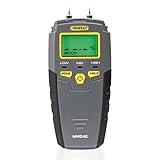
Overview: The General Tools MMD4E Digital Moisture Meter serves a different purpose than automatic leak detectors—it’s a precision measurement tool for assessing moisture content in building materials. This pin-type meter helps homeowners and contractors identify hidden dampness in wood, drywall, and concrete before mold develops. With a backlit LCD and audible alerts, it provides quantitative data rather than simple presence detection, making it essential for investigations.
What Makes It Stand Out: The device offers professional-grade accuracy with a wide detection range (5-50% for wood, 1.5-33% for building materials) and three-tier moisture level indicators. The included calibration checker ensures ongoing precision, while the stainless steel pins penetrate surfaces for deep readings. Large, backlit digits make readings easy in dark crawlspaces, and the HOLD function freezes measurements for documentation, features typically found on more expensive meters.
Value for Money: At $38.78, this meter sits in the sweet spot for serious DIYers—far more accurate than bargain models yet affordable compared to industrial equipment. It prevents costly mistakes by verifying material dryness before painting, flooring installation, or mold remediation. The included 9V battery and extra pins add value, making it ready to use out of the box.
Strengths and Weaknesses: Strengths include exceptional accuracy, versatile material settings, built-in calibration verification, included battery, and professional build quality. It’s invaluable for diagnosing the extent of water damage and tracing leak sources. Weaknesses: pin-type design leaves small holes, requires manual operation at each spot, and cannot provide continuous monitoring. It’s a diagnostic tool, not an alarm system, so it won’t alert you to new leaks.
Bottom Line: An essential instrument for anyone investigating water damage, but not a substitute for automated leak detectors. Use it to verify problems identified by sensors or to inspect before purchasing a home. For continuous protection, pair it with automatic detectors. It’s a specialized tool that excels at its intended purpose.
10. Smart Water Leak Detectors for Home WiFi with App Alerts, Stechro Ajustable 120dB Water Sensor Alarm Leak Detector for Basements Sink Kitchen Laundry, 4 Water Sensors & 1 Gateway

Overview: The Stechro Smart Water Leak Detector system bridges the gap between basic alarms and premium smart platforms. This kit includes four wireless sensors and a W13 gateway that connects to 2.4GHz WiFi networks. Through the TUYA app, users receive instant smartphone notifications when sensors detect water on their four floor probes or top drip sensor, enabling rapid response to plumbing failures even when away from home.
What Makes It Stand Out: The adjustable 120dB alarm provides both local and remote notification capabilities, ensuring alerts reach you regardless of location. The gateway supports up to 24 sensors, making expansion affordable. With 32 customizable ringtones and location naming, the TUYA app offers surprising personalization. The dual-detection design (floor probes + drip sensor) catches both pooling water and overhead leaks, a feature often missing in budget smart detectors.
Value for Money: At $49.99 for four sensors plus gateway, this kit offers competitive pricing against similar WiFi systems. While more expensive than basic standalone units, the smartphone alerts and expandability justify the premium for tech-savvy users. Avoiding a single water damage incident can save thousands, making this a wise insurance policy. The free app notifications keep ongoing costs zero.
Strengths and Weaknesses: Strengths include app-based remote monitoring, adjustable alarm volume, good sensor count, expandability, and dual detection zones. The system works well in apartments and average homes. Weaknesses: 2.4GHz WiFi only (no 5GHz), potential subscription fees for SMS/phone alerts, WiFi range limitations compared to LoRa, and dependency on internet connectivity. Setup may challenge less tech-comfortable users, and the gateway requires a power outlet.
Bottom Line: An excellent mid-tier choice for homeowners wanting smartphone alerts without breaking the bank. It successfully balances affordability and smart features, though WiFi limitations should be considered for large properties. Ideal for apartments and average-sized homes with reliable internet where LoRa systems would be overkill.
Why Basement Moisture Monitoring Matters
Your basement sits in a constant battle with hydrostatic pressure, seasonal weather shifts, and aging infrastructure. Unlike main living areas where water issues become obvious quickly, basements can harbor slow leaks for months, silently compromising structural integrity. A monitoring kit serves as your 24/7 sentinel, detecting moisture before it saturates drywall, warps flooring, or triggers mold colonization. The real value isn’t just in alerting you to catastrophic pipe bursts—it’s in catching the subtle seepage that insurance often won’t cover but will still cost you thousands.
Understanding Different Types of Leaks
Before investing in any monitoring system, you need to understand what you’re actually guarding against. Different leak types require different sensor strategies.
Foundation Seepage
Water finds the path of least resistance through microscopic cracks in your foundation. This typically appears as damp spots on walls or floors after heavy rain. Capillary action draws water through concrete, making it invisible to the naked eye until saturation occurs. Monitoring for foundation seepage requires sensors with probes that can detect moisture in porous materials, not just standing water.
Plumbing Failures
From aging copper pipes to modern PEX connections, your basement’s plumbing network is a failure point waiting to happen. Pinhole leaks can release gallons over weeks, while water heater failures dump 40-50 gallons instantly. These events demand rapid-response sensors placed near appliances, shutoff valves, and along pipe runs.
Condensation Issues
High humidity meeting cool basement surfaces creates condensation that mimics active leaks. This is particularly problematic in summer when warm, moist air descends from upstairs. While not a “leak” per se, condensation creates identical damage patterns and requires humidity sensors, not just contact sensors.
External Water Intrusion
Sump pump failures, window well overflows, and sewer backups represent the most dramatic water events. These require multiple sensor types: float switches for rising water levels, moisture sensors at entry points, and backup power solutions since these often occur during storms when electricity fails.
Core Components of Monitoring Kits
Every effective monitoring system consists of four essential elements working in concert. Understanding each component helps you evaluate whether a kit is truly comprehensive or just a collection of parts.
Primary Sensors
The frontline soldiers in your defense system. Look for kits offering multiple sensor types: conductive probes for standing water, capacitive sensors for moisture in materials, and hygrometers for humidity tracking. Sensor cable length matters—flexibility to reach corners and wrap around appliances separates robust systems from limited ones.
Control Hub/Panel
The brain that processes sensor data and triggers alerts. A quality hub manages multiple sensors simultaneously, stores configuration settings, and maintains communication during power outages. Evaluate hub capacity: can it handle 4 sensors or 40? Does it offer local alarm sounds in addition to remote notifications?
Alert Mechanisms
How the system reaches you determines response time. Basic systems emit a local siren. Better systems add phone calls, texts, push notifications, and email alerts. The gold standard includes escalation protocols—if you don’t acknowledge an alert, it contacts your backup person. Some systems integrate with professional monitoring services for vacation homes.
Power Solutions
Battery backup isn’t optional—it’s essential. Water events often coincide with power loss. Evaluate battery type (user-replaceable AA vs. sealed lithium), expected lifespan, and low-battery warning systems. The best kits use multiple power sources: AC primary with battery backup, and some even include solar options for extreme reliability.
Key Features to Evaluate
When comparing systems, these technical specifications separate premium protection from basic notification.
Sensitivity Levels
Adjustable sensitivity prevents false alarms from minor humidity fluctuations while ensuring legitimate threats aren’t missed. Look for systems letting you set different thresholds per sensor—your sump pit needs different parameters than your water heater pan. Some advanced systems use machine learning to establish baseline “normal” conditions and alert only on anomalous patterns.
Connectivity Options
Wi-Fi connectivity offers convenience but fails when routers go down during storms. Cellular backup provides reliability but adds monthly fees. Z-Wave or Zigbee mesh networks create local reliability but require compatible hubs. The smartest approach? Systems offering multiple connectivity paths with automatic failover.
Integration Capabilities
Your leak detector shouldn’t exist in isolation. Integration with smart water shutoff valves enables automatic supply cutoff when leaks detected. Connection to dehumidifiers allows humidity-based automation. API access lets tech-savvy users create custom responses. Evaluate whether the system plays nice with your existing smart home ecosystem or creates another siloed platform.
Battery Life Expectations
Manufacturers’ battery life claims often assume optimal conditions. Real basements experience temperature extremes that drain batteries faster. Look for systems specifying expected life at both 40°F and 90°F. User-replaceable batteries with 2+ year life strike the best balance between convenience and maintenance burden.
Environmental Durability
Basements challenge electronics with moisture, dust, and temperature swings. IP67-rated sensors withstand immersion and dust intrusion. Operating temperature ranges should cover at least 32°F to 120°F. Check for corrosion-resistant contacts on probes—cheap sensors fail within a year in damp conditions.
Wired vs. Wireless Systems
The connectivity backbone of your monitoring system impacts reliability, installation complexity, and expandability.
Pros and Cons of Wired Systems
Hardwired sensors offer unlimited power and unhackable communication—ideal for new construction where you can run cables before drywall. They never suffer from interference or dead batteries. However, retrofitting wired systems into finished basements involves drilling, fishing wires, and potential drywall repair. Wired systems also risk damage during future renovations.
Pros and Cons of Wireless Systems
Wireless installation takes hours, not days. Sensors place anywhere within range, easily repositioned as needs change. Modern mesh networks eliminate single-point-of-failure concerns. The trade-off? Battery maintenance and potential interference from metal ductwork or thick concrete walls. Wireless signals also struggle penetrating underground basements, requiring strategic hub placement.
Hybrid Approaches
The most robust systems combine both: wired sensors for critical infrastructure (main water line, water heater) with wireless sensors for remote corners and easy expansion. This approach provides reliability where it matters most while maintaining flexibility. Some systems use wired power with wireless data transmission—best of both worlds for permanent installations.
Smart Home Integration
Modern monitoring kits should enhance your entire home’s intelligence, not just guard the basement. True integration means more than a smartphone app—it means actionable data flow between devices.
Look for systems with IFTTT support, native Alexa/Google Assistant compatibility, or Matter certification for future-proof connectivity. The real power emerges when your leak sensor triggers your smart lighting to flash red throughout the house, or when high humidity automatically activates your HVAC system’s dehumidification mode. Avoid systems requiring proprietary hubs if you’re already invested in a smart home platform—duplicate hubs create network congestion and app clutter.
Installation Considerations
Even the best equipment fails if installed incorrectly. Your basement’s layout and construction type dictate installation strategy.
DIY-Friendly Features
Magnetic mounting bases, adhesive strips, and plug-and-play sensor pairing make installation accessible to non-technical homeowners. Systems with auto-calibration eliminate guesswork. Look for kits including installation templates showing optimal sensor placement for various basement configurations. Video tutorials and comprehensive documentation indicate a manufacturer that respects your time.
Professional Installation Scenarios
If your basement has radiant floor heating, you need professional installation to avoid damaging embedded pipes. Complex integrations with existing security systems or whole-home automation platforms also benefit from professional setup. Budget 2-3 hours of electrician or smart home installer time for comprehensive installations, more if running wires through finished ceilings.
Optimal Sensor Placement
Place sensors within 3 inches of potential leak sources but not directly under drip points where condensation creates false alarms. Position sensors on the floor near water heaters, washing machines, and sump pits. For foundation walls, mount sensors 6-12 inches above floor level to catch rising dampness. In unfinished basements, create a perimeter grid with sensors every 8-10 feet along exterior walls.
Monitoring and Alert Features
The notification layer determines whether your system prevents damage or just documents it.
Real-Time Notifications
Speed matters—a system that alerts you within 30 seconds of detection versus 5 minutes can mean the difference between mopping up a puddle and replacing flooring. Evaluate notification pathways: push notifications are fastest but unreliable if your phone is in Do Not Disturb mode. Phone calls cut through silence but can be annoying for minor alerts. The best systems use smart notification routing—critical leaks trigger phone calls, while humidity warnings send silent push notifications.
Threshold Customization
One-size-fits-all thresholds create alert fatigue. Your system should allow different trigger levels per sensor type: perhaps 45% humidity near your HVAC system but 60% near the sump pit where some moisture is expected. Time-based thresholds prevent brief spikes from triggering alerts—a sensor showing 95% humidity for 2 minutes might be fine, but sustained high humidity for 30 minutes needs attention.
Historical Data Tracking
Understanding patterns prevents future problems. Systems logging temperature, humidity, and moisture events over time reveal seasonal trends. You might discover your foundation seeps only during specific weather conditions or that your dehumidifier cycles inefficiently. Exportable data helps contractors diagnose persistent issues and proves due diligence to insurance companies after claims.
Maintenance and Upkeep
A monitoring system is only effective when maintained. Neglect turns your investment into a false sense of security.
Sensor Calibration
Conductivity sensors drift over time as mineral deposits build up on probes. Test sensors quarterly using a damp cloth—does the system alert within 10 seconds? Annual professional calibration ensures accuracy, especially for systems tied to automatic shutoff valves. Some self-calibrating systems run diagnostic cycles monthly, alerting you to sensor degradation before it becomes critical.
Battery Replacement
Don’t wait for low-battery warnings. Mark your calendar for annual battery replacement on all sensors, ideally before seasonal high-risk periods (spring thaw, hurricane season). Use only manufacturer-recommended battery types—cheap alkalines leak and damage sensors. Pro tip: replace batteries when you change smoke detector batteries for easy memory association.
Software Updates
Firmware updates patch security vulnerabilities and improve detection algorithms. Enable automatic updates for the hub but schedule sensor updates manually to avoid simultaneous downtime. Review update logs—manufacturers often sneak in feature improvements that enhance functionality beyond the original purchase.
Cost vs. Value Analysis
Price tags range from $30 for basic battery alarms to $1,500+ for integrated smart systems. The true cost includes hardware, installation, and ongoing monitoring fees. A $200 system catching one plumbing leak pays for itself immediately. Factor in potential insurance discounts—some providers offer 5-10% reductions for professionally monitored leak detection. Consider the cost of not monitoring: average basement water damage claims exceed $10,000, and mold remediation can easily surpass $5,000. The sweet spot for most homeowners falls between $200-$400 for a expandable wireless system with cellular backup.
Common Mistakes to Avoid
Even informed buyers stumble on these pitfalls. First, placing sensors only where leaks have occurred before—water finds new paths as structures age and settle. Second, ignoring hub placement—burying it in a utility room corner creates wireless dead zones. Third, buying based on app aesthetics rather than sensor quality—a beautiful interface means nothing if sensors corrode in six months. Fourth, failing to test the complete system monthly—press the test button, but also simulate real leaks. Finally, not having a response plan—knowing about a leak at 2 AM is useless if you don’t know who to call or where your main shutoff valve is located.
Frequently Asked Questions
How many sensors do I actually need for my basement?
Start with one sensor per major water appliance (water heater, washing machine, HVAC) plus one every 10 feet along exterior walls. A typical 800-square-foot unfinished basement needs 6-8 sensors; finished basements require fewer but more strategically placed units.
Can these systems detect leaks behind finished walls?
Standard surface sensors cannot detect leaks within walls. For finished basements, consider systems with in-wall moisture probes that install behind drywall during construction or renovation. Alternatively, monitor humidity spikes in adjacent rooms, which often indicate hidden leaks.
What’s the lifespan of a quality monitoring system?
Expect 5-7 years from the control hub and 3-5 years from sensors in damp environments. Replace sensors showing corrosion or inconsistent readings. Software support typically lasts 3-4 years before manufacturers discontinue updates for older models.
Do leak monitoring systems work during power outages?
Only if they include battery backup. Verify battery capacity—some systems last 24 hours, others 72+ hours. Systems with cellular backup remain fully functional; Wi-Fi-only systems alert locally but can’t send remote notifications until power and internet restore.
Will my pets trigger false alarms?
Unlikely with modern systems. Pets don’t create sustained moisture or humidity changes. However, place sensors away from water bowls and litter boxes. Some systems offer “pet mode” that ignores brief moisture events under 30 seconds.
Can I install sensors in my crawl space?
Yes, but verify the operating temperature range. Crawl spaces often drop below freezing, requiring industrial-grade sensors. Wireless range also becomes challenging through multiple floor layers—consider a dedicated hub placed nearby with cellular backup.
How do I prevent sensor corrosion in high-moisture environments?
Choose sensors with gold-plated or stainless steel contacts. Apply dielectric grease to probe contacts annually. Elevate sensors slightly off concrete floors using the included mounting feet to improve air circulation and reduce constant moisture exposure.
Are there privacy concerns with smart leak detectors?
Any internet-connected device poses some risk. Choose systems with local processing options that don’t require cloud connectivity. Review privacy policies—reputable manufacturers encrypt data and don’t sell usage information. Disable features you don’t need, like voice assistant integration, to minimize exposure.
Can I integrate leak detection with my existing security system?
Many modern security panels include Z-Wave or Zigbee radios that can pair with third-party leak sensors. Check your panel’s compatibility list. Some security companies offer their own leak detection modules that integrate seamlessly but may cost more than standalone systems.
What should I do when I receive a leak alert?
First, verify it’s not a false alarm by checking the sensor location. If legitimate, shut off the main water supply if the source is plumbing-related. For foundation seepage, check sump pump operation and exterior drainage. Document everything with photos for insurance. Call a professional if you can’t identify the source within 30 minutes—waiting allows damage to compound.