Laundry day in a large household can feel like orchestrating a small-scale military operation—piles of clothes multiply overnight, bedding towers threaten to topple, and someone always needs their favorite jersey cleaned before tomorrow’s game. Traditional washers and dryers simply weren’t designed for the relentless demands of five, six, or seven-person homes. This is where smart washers and dryers transform from luxury items into essential household infrastructure. These appliances don’t just clean clothes; they actively manage the complex logistics of high-volume laundry, learning your family’s patterns, optimizing resources, and freeing up precious hours in your week.
But not all smart laundry appliances are built for the unique pressures of large households. A machine that works perfectly for a couple might buckle under the strain of daily triple-load cycles. This guide cuts through the marketing noise to focus specifically on what matters when you’re buying for high-capacity needs. We’ll explore the engineering details, connectivity features, and performance metrics that separate genuinely useful smart laundry systems from gimmicks that’ll let you down when you need them most.
Top 10 Smart Washers & Dryers for Large Households
Detailed Product Reviews
1. Samsung Smart 4.7 Cu Ft Top Load Washer & 7.4 Cu Ft Electric Dryer, Sensor Stops Overdrying, Low Vibration Quiet Wash, WaterJet w/Power Cords, Hoses, Vent Duct, 1 Year CPS Protection Bundle (Black)

Overview: This Samsung laundry pair delivers a complete solution with its 4.7 cubic foot top-load washer and 7.4 cubic foot electric dryer, both finished in sleek black. The bundle includes all essential installation components—3-prong and 4-prong dryer cords, washer hoses, an 8-foot vent duct, plus a 1-year CPS protection plan—eliminating separate purchases and guesswork.
What Makes It Stand Out: The integrated WaterJet faucet inside the washer tub lets you pretreat stains without messy external sinks. SmartThings Wi-Fi connectivity enables remote cycle monitoring and control from your phone, while the dryer’s sensor technology prevents overdrying. Vibration reduction technology ensures quiet operation, making it suitable for main-floor laundry rooms.
Value for Money: At $1,589, this bundle offers significant savings compared to purchasing units and accessories separately. The inclusion of both power cord types and hoses adds approximately $100-150 in value, while the CPS protection plan provides peace of mind. For those needing full-size capacity and traditional vented drying, the price undercuts many comparable smart sets by $200-300.
Strengths and Weaknesses: Strengths include comprehensive installation accessories, generous capacity, smart home integration, and quiet operation. The WaterJet feature adds genuine utility for stain treatment. Weaknesses involve requiring dedicated venting and more floor space than all-in-one units. Top-load design may be less water-efficient than front-load alternatives, and the black finish shows dust more readily than white or stainless.
Bottom Line: This Samsung bundle excels for homeowners seeking a traditional, full-capacity laundry pair with modern smart features and hassle-free installation. The included accessories and protection plan make it a practical, cost-effective choice for houses with existing venting.
2. 5.0 cu. ft. Mega Capacity Smart Front Load Electric All-in-One Washer Dryer Combo with TurboWash360 WiFi in Black Steel

Overview: LG’s all-in-one combo unit revolutionizes compact laundry with its 5.0 cubic foot capacity and ventless design. Operating on a standard 120-volt outlet, this black steel appliance washes and dries sequentially in the same drum, eliminating load transfer and making it perfect for apartments and condos where space and venting are limited.
What Makes It Stand Out: The TurboWash360 technology delivers a thorough clean in under 30 minutes, while the ventless condensing drying system requires no external vent installation. SmartThinQ app integration offers remote monitoring, cycle customization, and downloadable programs. ENERGY STAR certification ensures efficient water and electricity usage despite the all-in-one convenience.
Value for Money: Priced at $1,735, this unit costs less than many separate washer-dryer pairs while saving thousands in installation expenses. The 120V compatibility avoids costly electrical upgrades, and ventless operation eliminates ductwork. For urban dwellers, the space savings alone justifies the premium over traditional units.
Strengths and Weaknesses: Strengths include true all-in-one convenience, simple installation, large capacity for a combo, and smart features. The ventless system offers placement flexibility. Weaknesses involve longer total cycle times compared to separate units, and drying capacity is slightly less than washing capacity. Condensation drying may leave clothes slightly damper than vented systems.
Bottom Line: Ideal for space-constrained living, this LG combo delivers full-size capacity and genuine convenience. The 120V operation and ventless design make it a game-changer for apartment residents seeking laundry independence without renovation costs.
3. GE Profile PFQ97HSPVDS 28 Inch Smart Front Load Washer/Dryer Combo with 4.8 cu.ft. Capacity, 12 Wash Cycles, 14 Dryer Cycles
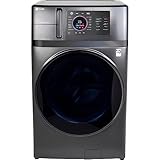
Overview: The GE Profile all-in-one unit combines a 4.8 cubic foot front-load washer with an integrated ventless heat pump dryer. This 28-inch appliance offers extensive cycle customization with 12 wash and 14 dry cycles, controlled via smart connectivity. The heat pump technology delivers energy-efficient drying without external venting requirements.
What Makes It Stand Out: The Fast Airflow Drying System utilizes heat pump technology to dry clothes at lower temperatures, reducing energy consumption by up to 50% compared to conventional condenser dryers. The extensive cycle selection includes specialized settings for everything from delicates to bulky items. SmartHQ integration enables remote control and maintenance diagnostics.
Value for Money: At $1,929, this premium combo commands a higher price than traditional units but delivers substantial long-term savings through heat pump efficiency. The ventless design eliminates installation costs, while the robust cycle options replace multiple specialized appliances. Energy-conscious buyers will recoup costs through reduced utility bills over 5-7 years.
Strengths and Weaknesses: Strengths include exceptional energy efficiency, comprehensive cycle variety, and gentle heat pump drying. The ventless operation provides installation freedom. Weaknesses involve premium pricing, longer drying cycles typical of heat pumps, and smaller capacity than separate units. The complex interface may overwhelm users preferring simple controls.
Bottom Line: This GE Profile combo suits environmentally conscious consumers prioritizing energy savings over speed. The heat pump technology and extensive cycle options justify the investment for those seeking premium, flexible laundry performance in a single unit.
4. LG WM6998HVA 27 Inch Smart Front Load Washer/Dryer Combo with 5.0 cu ft. Capacity, Stainless Steel

Overview: LG’s WM6998HVA offers a generous 5.0 cubic foot capacity in a sleek stainless steel package with fingerprint-resistant finish. This 27-inch all-in-one unit handles large loads while fitting standard cutouts. The front-load design combines powerful cleaning jets with a Deep Water Wash option, delivering thorough cleaning without compromising delicate fabrics.
What Makes It Stand Out: The stainless steel construction ensures durability and premium aesthetics, while the fingerprint-resistant coating maintains appearance with minimal maintenance. Powerful jet spray technology enhances cleaning performance, and the large capacity accommodates king-size comforters. Simple controls and a wide door opening streamline loading and unloading.
Value for Money: At $1,941.99, this unit sits at the premium end of all-in-one combos. The stainless steel finish and large capacity justify the price compared to smaller or plastic-trimmed alternatives. While more expensive than basic combos, it costs less than high-end separate pairs, delivering value through space savings and build quality.
Strengths and Weaknesses: Strengths include largest-in-class capacity, durable stainless construction, user-friendly interface, and effective jet cleaning system. The fingerprint-resistant finish is practical for busy households. Weaknesses involve premium pricing, potentially long combined cycle times, and the absence of advanced AI features found in newer models. Ventless drying may require adjustment expectations.
Bottom Line: Perfect for families needing large-capacity laundry in a single unit, this LG combo balances size, durability, and simplicity. The stainless steel build and generous capacity make it a worthwhile investment for space-conscious homeowners unwilling to compromise on load size.
5. LG WM3555HVA 2.4 Cu. Ft. Smart Wi‑Fi Enabled Front-Load All-in-One Washer/Dryer Combo – Compact, Energy-Efficient Laundry Solution, White

Overview: LG’s compact 2.4 cubic foot all-in-one combo delivers full laundry functionality in a closet-depth design ideal for tight spaces. This white unit fits virtually anywhere while offering smart capabilities and advanced fabric care. The compact footprint makes it perfect for apartments, tiny homes, or secondary laundry areas where space is at a premium.
What Makes It Stand Out: Built-in AI technology automatically detects fabric texture and load size, selecting optimal wash motions and settings without manual programming. The AAFA-certified Allergiene cycle uses steam to eliminate over 95% of allergens, making it ideal for sensitive individuals. Wi-Fi connectivity enables remote monitoring and cycle management via the ThinQ app.
Value for Money: Priced at $1,599, this compact combo carries a premium per-cubic-foot cost but delivers unmatched space efficiency. The AI features and allergen certification add value rarely found in compact appliances. For urban dwellers or those with limited square footage, the installation flexibility and full functionality justify the investment over portable or separate compact units.
Strengths and Weaknesses: Strengths include true compact design, intelligent fabric care, allergen removal capability, and standard 120V operation. The closet-depth profile maximizes placement options. Weaknesses involve limited capacity unsuitable for families, longer cycle times, and premium pricing relative to size. The small drum challenges bulky item cleaning.
Bottom Line: This LG compact combo excels for singles, couples, or space-restricted households prioritizing smart features and allergen control. The AI technology and steam cleaning deliver premium care in a truly space-saving package.
6. LG Matte Black Mega Capacity Top Load Washer and Dryer Pair with TurboWash Technology SmartThinQ WiFi Connectivity Steam Dry Sensor Dry Dryer Vent Power Cable and 12 Month CPS Protection Plan (White)

Overview: The LG Matte Black Mega Capacity Top Load Washer and Dryer Pair delivers a comprehensive laundry solution for large households. This matching set combines an ultra-spacious washer with an advanced dryer, both featuring cutting-edge technology. With TurboWash, SmartThinQ WiFi connectivity, steam drying capabilities, and intelligent sensors, this pair handles heavy fabrics, bedding, and daily loads with ease. The inclusion of a 12-month CPS Protection Plan adds peace of mind to this significant investment.
What Makes It Stand Out: This pair’s mega capacity stands out immediately—perfect for families tired of multiple laundry cycles. The TurboWash technology significantly reduces wash times while maintaining cleaning performance. SmartThinQ WiFi integration allows remote cycle management and maintenance alerts via smartphone. The dryer’s steam function refreshes clothes, reduces wrinkles, and eliminates odors without rewashing. Sensor Dry technology automatically adjusts drying time based on moisture levels, preventing fabric damage and saving energy. These features work together to create a truly connected, efficient laundry experience.
Value for Money: At $2,049, this pair represents solid value when compared to purchasing separate premium units. Individual high-capacity washers and dryers with smart features often cost $1,200-$1,500 each. You’re getting advanced technology, matching aesthetics, and a protection plan bundled together. The energy and water savings from TurboWash and Sensor Dry will offset costs over time, making it a smart long-term investment for busy households.
Strengths and Weaknesses: Strengths include massive capacity for large families, time-saving TurboWash cycles, excellent smart home integration, steam refresh capabilities, and energy-efficient sensor drying. The protection plan adds security. Weaknesses: top-load design uses more water than front-load alternatives, requires significant floor space, and the product title’s color description (Matte Black/White) is confusing. The price may stretch budgets despite the feature set.
Bottom Line: This LG pair is ideal for large families prioritizing capacity and convenience over compactness. The smart features and steam functions deliver genuine utility, while the protection plan mitigates investment risk. If you have the space and budget, this set will transform your laundry routine.
7. LG WM3555HWA 24 Inch Smart All In One Washer/Dryer with 2.3 cu. ft. Capacity, Wi-Fi Enabled, 14 Wash Cycles, 1400 RPM, Ventless, NeveRust Stainless Steel Drum, Quiet Operation, TrueBalance
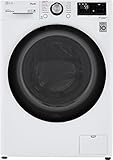
Overview: The LG WM3555HWA is a 24-inch smart all-in-one washer/dryer designed for compact living spaces where traditional laundry setups won’t fit. Combining both functions in a single front-load unit with 2.3 cubic feet capacity, this ventless appliance eliminates the need for external venting. With Wi-Fi connectivity, 14 wash cycles, and a 1400 RPM spin speed, it delivers flexible cleaning performance while the TrueBalance system ensures quiet operation—ideal for apartments or closet installations.
What Makes It Stand Out: The ventless design is the standout feature, using condensation drying that requires no external ductwork, opening installation possibilities anywhere with a water connection. The compact 24-inch footprint saves precious floor space while still offering smart connectivity through LG ThinQ. The high 1400 RPM spin speed extracts more water, reducing drying time. With 14 customizable wash cycles, it handles various fabrics intelligently. The NeveRust stainless steel drum ensures durability, while TrueBalance anti-vibration technology makes it remarkably quiet—perfect for nighttime operation in small homes.
Value for Money: At $1,579, you’re paying a premium for compact versatility. Separate compact washer and dryer units cost $800-$1,000 each but require venting and more space. This all-in-one solution justifies its price for urban dwellers, RV owners, or apartment residents where installation constraints make traditional pairs impossible. The convenience of single-unit operation and smart features adds value, though capacity limitations mean more frequent loads.
Strengths and Weaknesses: Strengths include space-saving design, ventless flexibility, smart app control, quiet operation, high spin efficiency, and quality stainless steel construction. It’s perfect for singles or couples. Weaknesses: the 2.3 cu ft capacity is too small for families, combined cycles take significantly longer than separate units, and the price is high relative to capacity. You can’t wash while drying another load.
Bottom Line: This LG all-in-one excels in space-constrained environments. If you prioritize compactness and installation flexibility over capacity, it’s an excellent choice. However, families should look elsewhere. For apartments, condos, or secondary laundry locations, the ventless design and smart features make it a worthwhile investment.
8. Kenmore 7.0 cu. ft. Front Load Electric Dryer - with Guard to Reduce Wrinkles & Static - Smart Sensor Drying - LED - White

Overview: The Kenmore 7.0 cu. ft. Front Load Electric Dryer offers a budget-friendly solution for households needing reliable drying capacity without premium price tags. This white dryer features Smart Sensor Drying technology and a Wrinkle Guard option that intermittently tumbles clothes post-cycle. With 10 drying cycles, 6 options, and LED touch controls, it covers essential drying needs. The Energy Saver mode reduces consumption by up to 7.6%, making it an efficient choice for cost-conscious consumers.
What Makes It Stand Out: The Wrinkle Guard function is a standout feature at this price point, automatically tumbling clothes to prevent set-in wrinkles—typically found on more expensive models. The Smart Sensor Drying technology automatically adjusts cycle time based on moisture levels, preventing over-drying and fabric damage. With 10 cycles including specialty options for non-washable items like pillows and plush toys, it offers unexpected versatility. The LED controls are intuitive and modern for a budget appliance, displaying cycle status and time remaining clearly.
Value for Money: At $699.99, this dryer delivers exceptional value. Competitors with sensor drying and similar capacity often start at $900+. You’re getting core premium features—large capacity, moisture sensors, and wrinkle prevention—without paying for unnecessary frills. The energy savings from the sensor drying and Energy Saver mode will reduce utility bills, further improving long-term value. For budget-focused buyers, it’s hard to beat this combination of size and smart features.
Strengths and Weaknesses: Strengths include very affordable pricing, generous 7.0 cu ft capacity, effective sensor drying, practical Wrinkle Guard, easy-to-use LED controls, and energy-saving options. It’s a workhorse for families. Weaknesses: lacks steam refresh capabilities, no Wi-Fi connectivity, basic design aesthetics, and Kenmore’s brand stability concerns given Sears’ financial troubles. It’s also less feature-rich than LG or Samsung equivalents.
Bottom Line: This Kenmore dryer is perfect for value-seeking families who need capacity and reliability over cutting-edge technology. It handles large loads efficiently with smart sensor technology that protects clothes. While it won’t win beauty contests or connect to your phone, it delivers where it counts—dry clothes, wrinkle reduction, and energy savings—at a price that’s hard to argue with.
9. Samsung Bespoke 7.6 cu. ft. Ultra Capacity Electric Dryer with Super Speed Dry and AI Smart Dial, Brushed Black, DVE53BB8700VA3

Overview: The Samsung Bespoke 7.6 cu. ft. Ultra Capacity Electric Dryer reimagines laundry with its flat-panel design and AI-powered features. The brushed black finish adds premium style to any laundry space. With Super Speed Dry technology that completes a full load in just 30 minutes and an AI Smart Dial that learns your preferences, this dryer targets tech-savvy users who value both aesthetics and performance. Wi-Fi connectivity through SmartThings provides remote control and monitoring capabilities.
What Makes It Stand Out: The AI Smart Dial is genuinely innovative, simplifying the control panel by learning and recommending your favorite cycles while allowing customization. The Super Speed Dry is a game-changer for busy households, drying full loads in half the time of conventional dryers. The Bespoke design philosophy offers premium color options and a clean, modern aesthetic that elevates the laundry room. With 7.6 cu. ft. ultra capacity, it handles king-size comforters and family-sized loads effortlessly. SmartThings integration enables end-of-cycle alerts, remote start, and scheduling from your smartphone.
Value for Money: At $1,097.98, this dryer sits in the premium mid-range category. While more expensive than basic models, it’s competitively priced against LG and other high-end brands offering similar capacity and smart features. The time savings from Super Speed Dry alone justify the premium for busy families. You’re paying for design innovation and AI convenience rather than just raw capacity, making it a worthwhile investment for those who value technology integration and modern aesthetics.
Strengths and Weaknesses: Strengths include stunning Bespoke design, genuinely useful AI Smart Dial, incredibly fast Super Speed Dry, generous capacity, robust smart home integration, and premium build quality. It makes laundry less of a chore. Weaknesses: Samsung appliances have mixed reliability reports, AI features may feel unnecessary to traditional users, and the price is significantly higher than non-AI alternatives. Some may prefer simpler interfaces.
Bottom Line: This Samsung Bespoke dryer excels for design-conscious consumers who embrace smart home technology. The Super Speed Dry and AI features deliver real-world convenience, not just gimmicks. If you’re willing to pay for style and innovation, it’s a fantastic choice. However, budget buyers or those preferring mechanical simplicity should look elsewhere. For tech-forward homes, it’s a perfect fit.
10. LG DLGX4201B / DLGX4201B / DLGX4201B 7.4 Cu. Ft. Black Steel Smart Front Load Gas Dryer with TurboSteam

Overview: The LG DLGX4201B is a 7.4 cu. ft. gas dryer featuring a premium black steel finish and advanced TurboSteam technology. This smart front-load unit connects via LG ThinQ, offering remote control and Proactive Customer Care. Designed for efficiency-conscious households, the gas operation reduces drying costs while delivering powerful performance. The spacious drum accommodates large loads, and the steam function refreshes clothes and reduces wrinkles without a full wash cycle.
What Makes It Stand Out: TurboSteam technology sets this dryer apart, generating steam quickly to sanitize garments, reduce allergens, and refresh clothes in minutes. The Proactive Customer Care feature is unique, using smart diagnostics to predict maintenance needs and optimize performance before issues arise. The black steel finish offers a modern, premium look that resists fingerprints better than traditional stainless. Gas operation provides faster drying times and lower utility costs compared to electric models. ThinQ integration allows cycle monitoring, remote start, and energy usage tracking from your smartphone.
Value for Money: At $1,241.02, this gas dryer is competitively priced for its feature set. Gas dryers typically cost $100-$200 more upfront than electric but save 30-50% on operating costs, paying back the difference within 2-3 years for average families. You’re getting premium steam capabilities, smart features, and large capacity at a price point where competitors often charge more. The long-term energy savings make this a financially sound choice for those with existing gas lines.
Strengths and Weaknesses: Strengths include cost-effective gas operation, effective TurboSteam refresh, intelligent Proactive Customer Care alerts, large 7.4 cu ft capacity, attractive black steel finish, and comprehensive smart controls. It dries faster than electric equivalents. Weaknesses: requires professional gas line installation, higher initial cost than electric models, LG’s ThinQ app can be unreliable, and the black steel finish still shows some smudges. It’s also heavier and has specific ventilation requirements.
Bottom Line: This LG gas dryer is an excellent choice for households with natural gas access wanting premium features and lower operating costs. The TurboSteam and Proactive Care add genuine value, while the large capacity handles family needs efficiently. If you have the gas line, the long-term savings justify the upfront premium. Electric-only homes should consider LG’s electric equivalent, but for gas-ready spaces, this is a top-tier option.
Why Smart Appliances Are Essential for Large Household Laundry Management
Managing laundry for a large family involves more than just bigger drums. It requires coordination between multiple users, predictable scheduling to avoid bottlenecks, and intelligent resource allocation. Smart washers and dryers address these challenges through connected ecosystems that adapt to your household’s rhythm rather than forcing you to work around their limitations.
The real value emerges in how these machines handle the invisible workload: tracking maintenance needs before breakdowns occur, automatically adjusting cycles for different fabric types across diverse loads, and managing energy consumption during peak utility hours. For households running 10-15 loads weekly, these micro-optimizations compound into significant time savings, reduced utility bills, and dramatically extended appliance lifespans. The connectivity isn’t about novelty—it’s about distributed intelligence that makes the entire laundry process more resilient under heavy use.
Decoding Capacity: Finding Your Family’s Sweet Spot
Understanding Cubic Feet and Load Types
Manufacturers advertise capacity in cubic feet, but these numbers don’t tell the complete story for large families. A 5.5 cubic foot washer might handle 25-30 pounds of dry laundry, but the real question is how that translates to your actual items. Comforters, sleeping bags, and bulky winter coats consume space differently than t-shirts and jeans. For households of five or more, you’ll want to think in terms of “real-world loads” rather than manufacturer specifications.
Consider your heaviest regular items. Can the machine wash a king-size comforter without cramming? Will it handle a week’s worth of towels from multiple bathrooms in one go? The best high-capacity machines maintain cleaning performance even when loaded to 80-90% capacity, while lesser models require you to underfill to achieve proper agitation and rinsing.
The Real-World Math: How Much Can You Actually Wash?
Let’s break down the numbers practically. A family of six generates roughly 8-10 pounds of laundry per person weekly, totaling 50-60 pounds. If your washer handles 25 pounds per load, you’re looking at 2-3 loads minimum per week just for basics. Add in bedding, sports gear, and seasonal items, and you’re easily hitting 10-12 weekly cycles.
For true efficiency, target washers in the 5.0-6.0 cubic foot range and dryers with at least 7.5-9.0 cubic feet. This sizing allows you to consolidate loads meaningfully—combining two smaller loads into one efficient cycle—reducing your total weekly cycles by 30-40%. The time savings alone justify the larger capacity, but the reduced water and energy consumption per pound of laundry creates compounding benefits.
Must-Have Smart Features for High-Volume Families
Remote Monitoring and Multi-User Access
The ability to check cycle status from your phone becomes indispensable when coordinating between multiple family members. Smart laundry apps should offer customizable notifications—alerting you when a cycle finishes, if there’s an imbalance issue, or when it’s time to transfer loads. More importantly, look for multi-account access that lets different family members receive relevant alerts without overwhelming everyone with notifications.
Advanced systems allow you to queue loads remotely, so you can start a cycle while commuting home, ensuring the washer finishes precisely when you arrive. This eliminates the damp-load-left-too-long problem that plagues busy households and creates musty odors requiring re-washing.
AI-Powered Fabric Recognition and Cycle Optimization
High-volume households wash everything from delicate baby clothes to mud-caked soccer uniforms. AI-powered fabric recognition uses sensors to detect load composition and soil levels, automatically adjusting water temperature, cycle length, and agitation intensity. This technology prevents the common mistake of overwashing everyday items—a practice that wastes resources and wears out clothes prematurely.
The best systems learn from your adjustments. If you consistently modify the AI’s recommended cycle for your teenager’s gym clothes, the machine will eventually suggest your preferred settings automatically. This adaptive intelligence becomes increasingly valuable as your family’s wardrobe and activity patterns evolve.
Automatic Detergent Dispensing Systems
Manual detergent measuring becomes a significant pain point when you’re running multiple loads daily. Automatic dispensers store enough detergent for 20-40 loads, dispensing precise amounts based on load size and soil level. This eliminates waste from over-pouring and prevents under-cleaning from skimping.
For large families, dual-dispenser systems that handle both detergent and fabric softener—or separate dispensers for different detergent types (regular and gentle)—add flexibility. Some advanced models even integrate with subscription services to automatically reorder supplies when running low, ensuring you never discover an empty bottle mid-laundry marathon.
Connectivity and Smart Home Integration
Wi-Fi Standards and App Reliability
Not all smart laundry connections are created equal. Look for appliances supporting dual-band Wi-Fi (2.4GHz and 5GHz) for more stable connectivity, especially if your laundry room is far from your router. The app experience matters tremendously—read recent reviews focusing on reliability, update frequency, and customer support responsiveness.
The best apps provide detailed cycle customization, usage analytics, and maintenance reminders. They should work consistently without requiring frequent reconnection or troubleshooting. For large households, reliability trumps flashy features—an app that crashes during a cycle selection is worse than no app at all.
Voice Assistant Compatibility
Voice control offers genuine utility when your hands are full of laundry. Simple commands like “start the washer,” “how much time left on the dryer,” or “pause the cycle” streamline workflow. However, evaluate the depth of integration—can you initiate specific cycles by voice, or only basic start/stop functions?
Consider privacy implications and household dynamics. Voice commands work best when the system can distinguish between authorized users, preventing toddlers from accidentally starting machines while allowing teenagers to check cycle status.
Integration with Home Energy Management Systems
For eco-conscious large families, integration with home energy management platforms allows you to schedule cycles during off-peak hours automatically. This can reduce electricity costs by 20-30% in regions with time-of-use pricing. The system should coordinate between washer and dryer, ensuring the dryer starts immediately after the washer finishes during your designated low-rate window.
Performance Metrics That Matter for Large Loads
Cleaning and Drying Efficacy on Bulk Items
Large capacity means nothing if performance degrades with full loads. Investigate cleaning performance metrics specifically for large, mixed loads. Look for washers with powerful spray jets that penetrate dense loads and dryers with moisture sensors that detect damp pockets in bulky items.
The key specification is “load evenness”—how consistently the machine performs from edge to center of the drum. Poor designs leave center items under-washed and outer items over-agitated. Advanced models use reversing drum motions and targeted water jets to ensure uniform treatment throughout the entire load.
Spin Speed and Moisture Extraction
Higher spin speeds (measured in RPM) extract more water, reducing dryer time and energy consumption. For large households, aim for washers reaching 1300-1600 RPM. The critical factor isn’t just maximum speed, but how the machine maintains stability during high-speed spins with unbalanced loads.
Advanced vibration control systems use sensors to detect imbalance and adjust spin patterns dynamically, preventing the machine from walking across the floor or shutting down mid-cycle. This technology is non-negotiable for second-floor laundry rooms or homes where laundry runs overnight.
Cycle Time Efficiency
When you’re running multiple loads back-to-back, cycle length directly impacts your daily schedule. Smart washers optimize cycle times by adjusting water fill rates, ramping up to full spin speed faster, and using precise temperature control. Look for “fast wash” options that clean effectively in under 30 minutes without sacrificing results for lightly soiled items.
The dryer should complement this with rapid heating elements and intelligent moisture sensing that stops the cycle exactly when clothes are dry—not when a timer expires. This prevents over-drying, which damages fabrics and wastes energy.
Efficiency at Scale: Water, Energy, and Cost Savings
Understanding Energy Star Ratings for Large Capacity Models
Energy Star certification means different things at different capacities. A large washer uses more total water and electricity than a compact model, but should demonstrate lower consumption per cubic foot. Look for “Integrated Modified Energy Factor” (IMEF) and “Integrated Water Factor” (IWF) ratings—the higher the IMEF and lower the IWF, the better.
For dryers, focus on Combined Energy Factor (CEF). Heat pump dryers, while more expensive initially, use 50-60% less energy than conventional vented models. In households running 10+ loads weekly, the energy savings typically recoup the premium within 3-4 years.
Water Usage Patterns in High-Frequency Homes
Smart washers excel at water optimization through precision fill technology. Rather than guessing load size, they weigh the load and adjust water levels to the exact gallon. Over a year of heavy use, this can save thousands of gallons compared to traditional top-loaders with fixed water levels.
Consider models with recirculation pumps that filter and reuse water during cycles. This technology reduces total water usage by 30-40% while improving cleaning performance through continuous filtration that removes lint and debris.
Calculating Real-World Operating Costs
To calculate true cost of ownership, factor in your local utility rates and actual usage. A large household might run 500+ cycles annually. If a smart washer saves $0.50 per cycle in water, energy, and detergent compared to a standard model, that’s $250 yearly savings. Over a 10-year lifespan, you’re looking at $2,500 in operational savings—often exceeding the initial price premium.
Durability Engineering: Built to Last
Motor Types and Drive Systems
For high-use scenarios, direct-drive motors outperform belt-driven systems. With fewer moving parts, they experience less wear and operate more quietly. Brushless DC motors offer superior longevity, often rated for 10,000+ cycles compared to 5,000-7,000 for conventional motors.
Inverter technology allows motors to operate at variable speeds without the stress of constant start-stop cycling, reducing mechanical fatigue. This is particularly important for households that run multiple consecutive loads, where motors stay warm and active for extended periods.
Drum Materials and Construction
Stainless steel drums are standard, but thickness and welding quality vary significantly. Look for drums with reinforced spider arms (the support structure behind the drum) and bearings rated for heavy loads. Some premium models use carbon-infused stainless steel that resists bacterial growth and odors—valuable when machines rarely sit idle long enough to dry completely between uses.
For dryers, drum coatings matter. Non-stick finishes reduce lint adhesion and prevent fabric damage, while specialized paddle designs create better tumbling action that reduces drying time and extends clothing life.
Warranty Considerations for Heavy Use
Standard warranties often exclude commercial use, and heavy household use can sometimes void coverage. Look for manufacturers offering extended warranties specifically covering residential high-use scenarios. The best warranties cover motors, drums, and control boards for 5-10 years, acknowledging that large families stress components differently than typical users.
The Noise Factor: Maintaining Household Peace
Decibel Levels and What They Mean
Washer noise during spin cycles typically ranges from 50-75 decibels. For context, 50 dB is comparable to a quiet conversation, while 70 dB is like a vacuum cleaner. In large households where laundry runs during homework time, early mornings, or late evenings, aim for machines operating under 55 dB during wash cycles and under 65 dB during spin.
Dryer noise is generally less intrusive (40-60 dB), but vibration can transmit through floors. Pay attention to “perceived noise” ratings that account for frequency patterns, as high-pitched whines are more disruptive than low rumbles even at the same decibel level.
Anti-Vibration Technologies
Modern smart washers employ multiple vibration reduction strategies: active balancing systems that redistribute loads in real-time, shock absorbers with adaptive damping, and reinforced frames that prevent resonance. Some models even use algorithmic spin patterns that gradually ramp up speed, allowing the machine to find optimal balance points before reaching maximum RPM.
For second-floor installations, consider platforms with integrated vibration isolation. These bases absorb vibrations before they transmit to floor joists, preventing the rhythmic thumping that can permeate an entire house during spin cycles.
Strategic Placement Tips
Even the quietest machines benefit from thoughtful placement. Position washers near load-bearing walls rather than spanning floor joists. Ensure all four feet are perfectly level—smart washers often include built-in level indicators in their apps. Leave adequate clearance around machines to prevent sound amplification from enclosed spaces, and consider acoustic panels in laundry rooms adjacent to bedrooms or home offices.
Installation Requirements and Space Optimization
Venting vs. Ventless Systems
Traditional vented dryers exhaust hot, moist air outside, requiring ductwork and limiting placement options. Ventless heat pump dryers recirculate air, collecting moisture in a reservoir or draining it away. While ventless models cost more upfront, they offer placement flexibility crucial for large families repurposing closets or converting spaces into laundry areas.
For vented systems, minimize duct length and bends. Each 90-degree bend reduces efficiency by 5-10%, and long duct runs increase fire risks from lint accumulation. Smart dryers can monitor exhaust back-pressure and alert you when ducts need cleaning—a critical safety feature for high-use households.
Electrical and Plumbing Considerations
Large-capacity smart washers typically require 120V outlets, but dryers need 240V service. Ensure your electrical panel has adequate capacity, as running both simultaneously with other household loads can trip breakers. Some smart dryers offer “eco modes” that reduce peak power draw by extending cycle times—useful for homes with older electrical systems.
For plumbing, verify water pressure meets manufacturer specifications (typically 20-120 PSI). Low pressure extends fill times, negating cycle efficiency gains. Install stainless steel braided hoses rather than rubber, and consider automatic shutoff valves that detect leaks—a wise investment when machines run frequently and unattended.
Stacking and Side-by-Side Configurations
Stacking kits save floor space but require front-loading configurations and can make dryer controls difficult to reach. For large households, side-by-side setups often prove more practical, allowing simultaneous loading/unloading and providing a folding surface above the machines.
If stacking is necessary, ensure the dryer (always on top) has a control lock feature and that the washer’s vibration control is robust enough to support the stacked weight. Some manufacturers design integrated stacking systems where the machines communicate to coordinate cycles and balance loads collectively.
Budgeting for High-Capacity Smart Laundry
Initial Investment vs. Long-Term Savings
Entry-level large-capacity smart washers start around $1,200, with premium models reaching $2,500+. Dryers add $1,000-$2,000. While this represents significant upfront cost, calculate the value of time saved. If smart features save 30 minutes weekly through faster cycles, remote monitoring, and eliminated re-washes, that’s 26 hours annually—equivalent to several days of recovered personal time.
Factor in clothing longevity benefits. Proper fabric care from AI-optimized cycles extends garment life by 20-30%, significant when outfitting multiple growing children. Reduced shrinkage, color fading, and fabric wear translate to hundreds of dollars in saved replacement costs yearly.
Financing Options and Rebates
Many utility companies offer $200-$500 rebates for Energy Star certified appliances, with additional incentives for heat pump dryers. Some manufacturers provide 0% financing for 12-24 months, making premium models more accessible. Check for seasonal promotions during major shopping holidays, when package deals on washer-dryer pairs can save $300-$600.
Consider the tax implications if you have a home office or rental units—appliance depreciation may be deductible. Consult a tax professional about Section 179 deductions for business-use portions of your home.
When to Invest in Premium Features
Prioritize features based on your pain points. If laundry scheduling chaos is your main issue, invest in superior connectivity and cycle programming. If utility bills are crushing, prioritize heat pump technology and water recirculation. If machine reliability keeps you up at night, extend your warranty and choose models with proven direct-drive motors.
Avoid paying premiums for features you’ll rarely use. Steam cycles sound impressive but see limited use in most households. Sanitize functions are valuable for families with infants or immunocompromised members but overkill for general use.
Maintenance Strategies for Maximum Longevity
Preventative Care Schedules
High-use households should perform maintenance monthly rather than quarterly. Clean washer door seals and detergent dispensers weekly to prevent mold buildup from constant moisture. Run cleaning cycles with specialized washer cleaner every 30 loads—roughly monthly for large families.
For dryers, clean lint screens after every cycle (not just when full). Vacuum the lint trap housing monthly, and schedule professional duct cleaning annually. Smart dryers with airflow sensors will alert you to restrictions, but don’t wait for warnings in high-use scenarios.
Smart Diagnostic Features
Modern smart appliances run hundreds of self-diagnostic checks per cycle, detecting anomalies in motor resistance, water flow rates, and temperature consistency. When issues arise, they generate error codes that technicians can access remotely, often resolving problems without a service visit.
The best systems provide predictive maintenance alerts—warning you that a drain pump is showing early signs of wear or that bearing noise levels are increasing. This allows you to schedule service during convenient times rather than experiencing catastrophic failures during busy periods.
Common Wear Points in Large Households
Door latches and hinges experience thousands of cycles in high-use homes—inspect them quarterly for looseness. Water inlet valves accumulate mineral deposits faster with constant use; install whole-house water softeners if your water is hard. Dryer drum seals wear from abrasion; listen for squeaking that indicates seal deterioration.
Safety and Accessibility for Multi-Generational Homes
Child Lock Features and Usage Tracking
Comprehensive child lock systems should lock the control panel, door, and detergent dispenser. Advanced models allow you to set up user profiles, restricting certain cycles (like sanitize or hot water) for younger users while granting full access to adults.
Usage tracking provides accountability—knowing who started a cycle and when helps resolve disputes about forgotten loads. Some systems even estimate cost per user, useful for teaching teenagers about resource consumption or managing blended family dynamics.
ADA Compliance and Ergonomic Design
If your household includes elderly members or individuals with mobility limitations, prioritize ADA-compliant designs. Front-load washers with 15-34 inch high openings, accessible controls within forward reach ranges, and audio/visual feedback for all operations ensure everyone can participate in laundry tasks.
Consider pedestal drawers that raise machines to comfortable heights while providing storage for supplies. These also reduce bending and lifting injuries, common in households processing heavy laundry volumes.
Environmental Considerations and Sustainable Practices
Microfiber Filtration and Plastic Pollution
Each wash cycle releases thousands of microfibers from synthetic clothing. For large families, this accumulates significantly. Some advanced washers now include integrated microfiber filters that capture these particles before they enter wastewater systems. External filtration accessories offer retrofit options for existing machines.
This technology is particularly relevant for families with active children wearing performance athletic wear—materials that shed disproportionately high amounts of microplastics. While not yet standard, it’s worth prioritizing if environmental impact influences your purchasing decisions.
Greywater Compatibility
Large households generate substantial greywater that can irrigate landscaping. Smart washers with greywater-compatible outlets and biodegradable detergent dispensing help you reclaim this resource. Some models include built-in surge tanks and pumps designed specifically for greywater systems.
Check local regulations—many jurisdictions require permits for greywater systems. Smart washers with water quality sensors can help you monitor detergent levels to ensure discharged water remains plant-safe.
End-of-Life Recycling Programs
When your machine eventually reaches end-of-life (typically 10-15 years in high-use households), responsible disposal matters. Many manufacturers now offer take-back programs, recycling 90%+ of materials. Some even provide credits toward new purchases.
Inquire about these programs at purchase time. Planning for eventual replacement ensures your appliance’s environmental impact remains positive throughout its entire lifecycle, not just during operation.
Frequently Asked Questions
1. How much capacity do I really need for a family of six?
For a family of six, aim for a washer with at least 5.0 cubic feet and a dryer with 7.5 cubic feet. This allows you to wash king-size comforters and combine smaller loads, typically reducing weekly cycles from 12-15 to 8-10. If you have teenagers involved in sports or regularly wash bulky items, consider moving up to 5.5-6.0 cubic feet.
2. Will smart features actually save me time or are they just gimmicks?
Legitimate time savings come from remote monitoring (preventing forgotten loads), AI-optimized cycles (eliminating re-washes), and faster cycle times through intelligent water heating and load balancing. Most large families save 30-45 minutes weekly—over 24 hours annually. However, basic smart features like remote start provide minimal value if you already have good laundry habits.
3. Are heat pump dryers worth the premium for large households?
Yes. Heat pump dryers use 50-60% less energy than conventional models. For families running 10+ loads weekly, this translates to $150-$250 annual savings. The longer cycle times (often 60-90 minutes vs. 45-60) are offset by lower operating costs and gentler fabric care. Most families recover the $500-$800 premium within 3-4 years.
4. How reliable are smart washers and dryers compared to traditional models?
Smart appliances have more potential failure points (sensors, control boards, connectivity modules), but their self-diagnostic capabilities often catch issues before catastrophic failure. The key is choosing models with proven motor and drum designs—smart features layered onto solid mechanical foundations are reliable. Avoid first-generation features; wait until technologies have 2-3 years of market testing.
5. Can I use regular detergent in smart washers with auto-dispensing?
Most auto-dispense systems require high-efficiency (HE) detergent, but work with any HE brand—no need for proprietary products. The key is using liquid detergent; powders can clog dispensers. Some premium dispensers handle both liquid and pods, but check specifications. Always use HE detergent in front-load smart washers to prevent excessive sudsing that confuses sensors.
6. How do I prevent mold and odors in a front-load smart washer that runs constantly?
Leave the door ajar between cycles to allow drying, even if it seems counterintuitive with frequent use. Wipe the door seal and glass after your last daily cycle—this takes 30 seconds but prevents buildup. Run a cleaning cycle with washer cleaner monthly, and use the machine’s fan-fresh feature if available. Smart washers with automatic drum drying cycles after each use significantly reduce mold risks.
7. What’s the lifespan difference between high-use and normal-use scenarios?
Standard household use is defined as 4-6 loads weekly. At 12-15 loads weekly, you’re effectively doubling the cycles, which can halve the lifespan if the machine isn’t designed for it. However, commercial-grade components in premium residential models are engineered for 10,000+ cycles—equivalent to 15-20 years at high-use rates. Proper maintenance and avoiding overloading are critical for reaching these lifespans.
8. Do smart washers and dryers work during power outages or Wi-Fi disruptions?
Yes, all core functions operate normally without connectivity. You simply lose remote monitoring and control. Machines store cycle data locally and sync when connectivity returns. However, some advanced features like automatic cycle scheduling based on utility rates or voice control require continuous connectivity. Always ensure you can manually select all cycles directly on the machine.
9. How important is steam functionality for large families?
Steam cycles are genuinely useful for sanitizing items (children’s toys, bedding during illness) and reducing allergens. However, they’re used infrequently—perhaps monthly in most households. Don’t pay a large premium specifically for steam, but consider it a valuable bonus on models you’re already considering. The real workhorse features are capacity, efficiency, and smart scheduling.
10. Can smart laundry appliances help with allergies in a large household?
Absolutely. Smart washers with allergen cycles use precise temperature control to maintain 130°F+ for sustained periods, killing dust mites and pollen. Advanced models offer extended rinse options that remove more detergent residue—a common irritant. Pair this with dryers featuring steam sanitize cycles and HEPA filtration (available on some ventless models) to create a comprehensive allergen reduction system for bedding and clothing.