You’ve probably noticed the shift. After years of strapping devices to our wrists and charging yet another gadget nightly, the future of health tracking is becoming invisible—woven into the fabric of our daily lives where our beds themselves become our wellness partners. Smart mattress sensors represent this quiet revolution, transforming the one place we reliably spend a third of our lives into a passive, comprehensive health monitoring system.
Unlike wearables that require discipline and charging routines, mattress-based tracking works whether you remember it or not, capturing rich biometric data during our most vulnerable and restorative hours. But beneath the sleek marketing promises lies a complex landscape of sensor technologies, data interpretation challenges, and genuine health insights that separate gimmicky gadgets from legitimate health tools. This guide cuts through the noise to help you understand what these systems can actually do, what to look for when investing, and how to separate meaningful health data from digital snake oil.
Top 10 Sleep Tracking Sensors for Smart Mattresses
Detailed Product Reviews
1. Withings Sleep - Sleep Tracking Pad Under The Mattress With Sleep Cycle Analysis

Overview: The Withings Sleep transforms any bed into a smart sleep laboratory. This slender pad slides discreetly under your mattress to monitor sleep cycles, detect snoring, track heart rate, and analyze sleep depth without any wearable devices. The pneumatic sensor technology captures micro-movements and cardiovascular signals, transmitting comprehensive data to your smartphone for detailed analysis.
What Makes It Stand Out: Pioneering the world’s first under-mattress sleep sensor category, Withings employs revolutionary pneumatic technology that measures mechanical waves propagating through your body with each heartbeat. This enables unprecedented cardiovascular health monitoring alongside automatic snoring detection and detailed sleep phase analysis, offering personalized recommendations to improve sleep quality.
Value for Money: At $159.95, it competes directly with premium fitness trackers while eliminating wearable discomfort. The one-time installation provides continuous, unobtrusive monitoring that doesn’t require nightly charging or remembering to wear a device, delivering superior long-term value for dedicated sleep optimizers compared to subscription-based services.
Strengths and Weaknesses: Strengths include completely non-contact operation, highly accurate cardiovascular insights, reliable snoring detection, and seamless Wi-Fi connectivity. The zero-sleep-disturbance design is ideal for sensitive sleepers. Weaknesses include potential compatibility limitations with very thick mattresses or platform beds, requiring careful placement for optimal accuracy, and a price point that may exceed casual users’ budgets.
Bottom Line: Ideal for health-conscious individuals seeking comprehensive sleep analytics without lifestyle changes. The cardiovascular monitoring capabilities and snoring detection features make it a worthwhile investment, though verify mattress compatibility before purchasing.
2. Beautyrest Sleeptracker Monitor – Wearable-Free Sleep Tracker – Intuitive App and Alexa Enabled

Overview: The Beautyrest Sleeptracker brings AI-powered sleep monitoring to any bed without wearables. This smart device works with all mattress types, analyzing respiration, heart rate, and movement patterns. The Alexa integration and intuitive app provide personalized sleep data and coaching, making it a versatile addition to modern smart homes.
What Makes It Stand Out: As the only Alexa-enabled sleep monitor, it seamlessly integrates into smart home ecosystems. The AI processor continuously learns your unique sleep patterns and rhythms, delivering increasingly accurate insights over time. Its universal compatibility with any bedding setup eliminates installation concerns.
Value for Money: At $62.99, it significantly undercuts competitors while offering comparable accuracy. The powerful AI learning capabilities and smart home integration provide features typically found in premium devices at a fraction of the cost, making advanced sleep tracking accessible to budget-conscious consumers.
Strengths and Weaknesses: Strengths include exceptional affordability, Alexa voice control, universal mattress compatibility, and adaptive AI that improves with use. The sleep cycle alarm wakes you at optimal times. Weaknesses include potential accuracy limitations compared to direct-contact sensors, dependence on power outlets, and possible Wi-Fi connectivity issues in some environments.
Bottom Line: An outstanding value proposition for smart home enthusiasts seeking entry-level sleep tracking. The AI learning and Alexa integration make it highly convenient, though those requiring medical-grade precision may need more advanced options.
3. CuboAi Sleep Sensor Pad - Real-Time Baby Micro Movement Tracking & Motion Detection with Proactive AI Baby Safety Alerts, Non-Contact | Must be Paired with Cubo Ai Plus Smart Baby Monitor

Overview: The CuboAi Sleep Sensor Pad is a specialized monitoring solution designed exclusively for infants. Featuring four advanced motion sensors, this non-contact pad tracks micro-movements across a four-times-wider coverage area than competitors. It must be paired with the Cubo Ai Plus Smart Baby Monitor, creating a comprehensive AI-powered safety system for nurseries.
What Makes It Stand Out: The quad-sensor array provides unprecedented coverage of the entire crib mattress, detecting even the slightest movements. When combined with the Cubo Ai camera’s AI, it creates an intelligent safety net: if the camera confirms the baby is present but sensors detect no motion, it triggers immediate alerts. This dual-verification system significantly reduces false alarms while enhancing safety.
Value for Money: At $129.00, it’s a premium add-on that requires the separate Cubo Ai Plus monitor purchase. However, for parents already invested in the Cubo ecosystem, it provides specialized infant monitoring capabilities that general sleep trackers cannot match. HSA/FSA eligibility improves affordability for many families.
Strengths and Weaknesses: Strengths include expansive sensor coverage, AI-enhanced accuracy, completely non-contact design preserving natural sleep environment, and medical spending account eligibility. The one-time installation is parent-friendly. Weaknesses include ecosystem lock-in requiring Cubo Ai Plus, limited utility beyond infant monitoring, and relatively high cost for a single-function accessory.
Bottom Line: Essential for Cubo Ai Plus users seeking maximum nursery safety. The AI integration and wide sensor coverage justify the investment for anxious parents, though it’s not a standalone solution and offers no value without the main camera system.
4. EMAY Sleep Breathing Monitor for Airflow Tracking | Record Breathing Continuously On The App | Monitor Sleep Quality and Respiratory Events | Generate Professional Sleep Report with Data Analysis

Overview: The EMAY Sleep Breathing Monitor takes a direct approach to sleep analysis by measuring actual airflow through a lightweight nasal mask. This medical-inspired device continuously records breathing patterns using three built-in sensors, transmitting real-time data to a companion app. It generates professional-grade respiratory reports, making it unique among consumer sleep trackers.
What Makes It Stand Out: Unlike movement or heart-rate-based trackers, EMAY directly measures airflow, providing definitive data on respiratory events. The smooth waveform display offers immediate visual feedback on breathing patterns, while the AI algorithm analyzes anomalies to detect potential issues. The food-grade silicone mask ensures safety during extended use.
Value for Money: At $159.00, it occupies the premium tier but delivers specialized respiratory insights that general sleep trackers cannot. For individuals concerned about breathing irregularities, it provides clinical-quality data at a fraction of polysomnography costs, though its single-focus approach limits overall sleep analysis breadth.
Strengths and Weaknesses: Strengths include direct airflow measurement for unmatched respiratory accuracy, lightweight 10g design, professional report generation, and comfortable food-grade silicone construction. It works immediately upon wearing. Weaknesses include mask discomfort for some users, ineffectiveness for mouth breathers, inability to replace medical diagnosis, and potential sleep disturbance from wearing a device.
Bottom Line: Ideal for those specifically tracking respiratory health concerns. The direct airflow measurement provides unparalleled breathing data, but the mask-based design may not suit everyone. Consider only if breathing analysis is your primary priority.
5. Lunderg Early Alert Bed Alarm for Elderly Adults - Wireless Sensor Pad & Pager - with Pre-Alert Smart Technology - Safety Bed Alarms and Fall Prevention for Elderly and Dementia Patients

Overview: The Lunderg Early Alert Bed Alarm addresses critical caregiver needs by providing advanced fall prevention for elderly and dementia patients. This wireless system combines a pressure-sensitive pad with a portable pager, using patented Pre-Alert Smart Technology to detect the standing motion before a patient leaves the bed, offering precious seconds to intervene.
What Makes It Stand Out: The revolutionary Pre-Alert system distinguishes itself by identifying the process of standing rather than just weight removal, dramatically reducing false alarms from repositioning while providing timely warnings. The improved sensor pad lasts 15 months—far exceeding the 45-day to 12-month lifespan of competitors—delivering reliable long-term performance.
Value for Money: At $124.95, this specialized medical device offers exceptional value through its extended pad lifespan and intelligent alert system. The comprehensive package includes all batteries and mounting hardware, eliminating hidden costs. Compared to standard bed alarms with frequent replacement needs, the long-term savings justify the initial investment.
Strengths and Weaknesses: Strengths include patented Pre-Alert technology that detects standing motion, exceptional 15-month pad lifespan, portable pager with adjustable volume/vibration, easy wireless setup, and incontinence-resistant design. The system works immediately out of box. Weaknesses include single-purpose functionality limited to fall prevention, specific placement requirements between mattress and fitted sheet, and potential false alarms if installation instructions aren’t precisely followed.
Bottom Line: An indispensable tool for caregivers seeking proactive fall prevention. The Pre-Alert technology and extended pad lifespan make it superior to conventional bed alarms, though proper installation is crucial for optimal performance. Essential for dementia care safety.
6. Smart Caregiver Bed Alarm for Elderly Adults – Fall Prevention System with 10"x30" Weight-Sensing Bed Pad – Automatically Alerts Caregiver When They Get Up

Overview: The Smart Caregiver Bed Alarm provides essential fall prevention for elderly adults, particularly those with dementia. This system uses a pressure-sensitive pad placed under the fitted sheet to immediately alert caregivers when a patient attempts to leave bed, offering peace of mind during nighttime monitoring.
What Makes It Stand Out: Its simplicity shines—this is a straightforward, no-frills solution that prioritizes reliability over complexity. The sealed vinyl pad offers incontinence protection, a critical feature often missing in budget alternatives. The flexible alert system allows either an in-room reminder for the patient or, with an optional wireless kit, discreet caregiver notifications to avoid startling confused individuals.
Value for Money: At $49.95, this system dramatically undercuts wireless alternatives while delivering core functionality. Comparable basic systems range from $60-80, making this an excellent entry point for budget-conscious families or facilities needing multiple units. The included 9-volt battery and durable construction ensure immediate deployment without hidden costs.
Strengths and Weaknesses: Strengths include affordability, easy setup, incontinence-resistant pad, and dual-volume settings. The primary weakness is the wired connection between pad and monitor, which may limit placement options and create tripping hazards. The basic alarm tone may be jarring, and the optional wireless kit adds expense. Battery dependency requires regular monitoring.
Bottom Line: This alarm excels as a cost-effective, reliable fall prevention tool for home caregivers. While lacking wireless convenience, its durability and essential features make it ideal for those prioritizing function over frills. Perfect for first-time users testing bed alarm effectiveness before investing in premium systems.
7. JUST ON SLEEP–Smart Sleep Tracker with AI Sound Therapy & Emergency Notifier (Non-Wearable) (Blue Station)
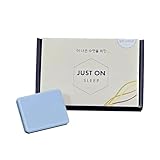
Overview: The JUST ON SLEEP tracker offers comprehensive sleep monitoring without wearable discomfort. Placed under your mattress, it tracks sleep patterns, heart rate, and breathing while providing AI-powered sound therapy for better rest and emergency alerts for health anomalies.
What Makes It Stand Out: This system uniquely combines sleep tracking with emergency notification, monitoring vital signs and alerting caregivers to irregularities—a feature rarely found in consumer sleep trackers. The AI sound therapy provides scientifically-designed audio for both sleep induction and gentle wake-up, creating a holistic sleep improvement ecosystem.
Value for Money: At $250, this premium device sits between basic sleep trackers ($100-150) and medical-grade monitors ($500+). The emergency alert capability justifies the price for users with health concerns or elderly individuals living alone, offering safety beyond standard sleep metrics.
Strengths and Weaknesses: Strengths include non-wearable convenience, comprehensive vital sign monitoring, emergency alerts, and portable USB-C power. Weaknesses involve the high price point, dependency on smartphone app, and potential privacy concerns with continuous monitoring. The single included audio track may feel limited over time.
Bottom Line: Ideal for tech-savvy users seeking more than basic sleep tracking, especially those with health vulnerabilities or caregivers wanting remote monitoring. The emergency alert feature distinguishes it from competitors, making the premium price worthwhile for peace of mind. Not for those wanting simple sleep scores without complexity.
8. Lunderg Under Mattress Bed Alarm for Elderly Adults - Wireless Sensor Pad with Early Alert & Pager - Bed Alarms and Fall Prevention for Elderly and Dementia Patients - Reduces False Alarms

Overview: The Lunderg Under Mattress Bed Alarm provides advanced fall prevention through a wireless sensor pad and early-alert technology. Designed for elderly and dementia patients, it notifies caregivers before a patient fully exits bed, reducing fall risks and false alarms common with traditional systems.
What Makes It Stand Out: Its early-alert system detects movement patterns before standing, giving caregivers precious seconds to respond—unlike competitors that only alarm after exit. The completely wireless pad eliminates cord hazards and allows discreet under-mattress placement without patient awareness, maintaining dignity while ensuring safety.
Value for Money: At $199.95, this premium system costs significantly more than basic wired alarms but justifies the price with wireless convenience, early detection, and a portable pager. Comparable wireless systems exceed $250, making this competitively priced for facilities and serious home caregivers prioritizing reliability.
Strengths and Weaknesses: Strengths include early-alert innovation, wireless connectivity up to 300 feet, portable pager with vibration mode, and included batteries with 1-year warranty. Weaknesses involve the 13-inch mattress thickness limitation and incompatibility with Sleep Number beds. The higher price may deter budget-conscious buyers.
Bottom Line: This is the best wireless fall prevention solution for caregivers willing to invest in premium safety. The early-alert feature and patient-friendly design make it superior to basic alarms. Highly recommended for dementia care where every second counts, provided your mattress meets thickness requirements.
9. Mavaol 9 Sensing Zones Pressure Sensor, Ultra Fast Response, High Sensitivity, Flexible Design, for Sleep Tracking, Body Position Analysis, Smart Mattresses

Overview: The Mavaol pressure sensor is a specialized technical component engineered for developers and manufacturers creating smart mattress and sleep tracking systems. With nine independent sensing zones, it delivers professional-grade pressure mapping capabilities for precise body position analysis and sleep monitoring applications.
What Makes It Stand Out: This sensor’s sub-1ms response time and nine discrete zones provide laboratory-level precision rarely available to hobbyists. Its robust construction withstands over 1 million cycles while maintaining sensitivity from 20g to 6kg+, making it ideal for both research institutions and commercial smart bed manufacturers requiring reliable, long-term data collection.
Value for Money: Priced at $103.29, this component targets a niche market of developers and OEMs rather than casual consumers. For DIY smart home enthusiasts or startup mattress companies, it offers substantial savings compared to industrial sensors costing $200-500. However, the hidden costs include significant integration time and required technical expertise.
Strengths and Weaknesses: Strengths include exceptional technical specifications, remarkable durability, flexible thin-film design, and wide pressure sensitivity range. Weaknesses involve the steep learning curve, absence of consumer-friendly software, limited documentation, and lack of end-user warranty support. This is fundamentally a component, not a finished product.
Bottom Line: Ideal for engineers, developers, or advanced hobbyists building custom sleep monitoring or smart mattress solutions. Completely unsuitable for average consumers wanting plug-and-play functionality. Its high sensitivity and multi-zone architecture excel in specialized applications but demand substantial technical competence to implement successfully.
10. SM SEVENMORE Health Smart Ring Fitness Tracker with GPS Route for Men Women, Step/Heart Rate/Blood Oxygen/Blood Pressure/Sleep Monitoring for iPhone & Andriod, No App Subscription (Rose Gold, #9)

Overview: The SM SEVENMORE Smart Ring delivers comprehensive health tracking in a sleek, wearable form factor at a fraction of competitor prices. It monitors heart rate, blood oxygen, blood pressure, sleep, and activity while offering GPS route tracking and family care features without requiring monthly subscriptions.
What Makes It Stand Out: The no-subscription model distinguishes it from market leaders like Oura that require ongoing fees. The integrated GPS route tracking is rare in smart rings, appealing to runners and cyclists. Family Care Mode allows remote monitoring of loved ones’ health data, adding unique caregiving functionality uncommon in fitness wearables.
Value for Money: At $63.99, this ring dramatically undercuts premium smart rings ($300-400) while offering comparable features. The included charging box providing 10 charges (30 days total) adds exceptional value. However, the low price raises questions about sensor accuracy and long-term durability compared to established brands.
Strengths and Weaknesses: Strengths include affordability, no subscription fees, GPS tracking, comprehensive health metrics, and family monitoring. Weaknesses involve potential accuracy limitations at this price point, unspecified water resistance, and reliance on a proprietary app. Battery life claims may be optimistic under heavy use.
Bottom Line: An outstanding value for budget-conscious users wanting smart ring functionality without financial commitment. Ideal for first-time wearable buyers or as a secondary tracker. While it may not match premium brand accuracy, the feature set and subscription-free model make it a compelling entry-level choice for health tracking enthusiasts.
What Are Smart Mattress Sensors and How Do They Work?
Smart mattress sensors are sophisticated monitoring systems embedded within or placed beneath your mattress that capture physiological signals through highly sensitive pressure, temperature, and electrical impulse detectors. These systems operate on the principle that your body constantly emits subtle mechanical and thermal signatures with every heartbeat, breath, and movement—signatures that propagate through your mattress and become detectable to the right equipment.
The magic happens through piezoelectric sensors, ballistocardiography, or micro-electromechanical systems (MEMS) that translate these microscopic vibrations into digital data streams. Unlike wearables that require direct skin contact, mattress sensors capture signals through multiple layers of fabric and foam, using algorithms sophisticated enough to isolate individual biometrics from the complex noise of a sleeping body. This passive approach eliminates compliance issues while providing continuous monitoring that wearables simply cannot match during overnight charging periods.
The Evolution From Wearables to Passive Tracking
The journey from fitness trackers to invisible monitoring reflects our growing understanding that consistent, long-term data trumps sporadic measurements. Early wearable devices taught us that heart rate variability and sleep stages matter, but they also introduced “wearable fatigue”—the gradual abandonment of devices that require daily interaction. Smart mattress sensors solve this by disappearing into your existing routine.
This evolution mirrors clinical polysomnography’s move toward home sleep testing. Hospitals have long recognized that sleeping in your own bed provides more representative data than a single night in a lab. Modern sensor technology brings this philosophy home, capturing weeks and months of patterns rather than isolated snapshots. The data becomes a longitudinal health record, revealing trends that episodic testing misses entirely.
Core Sensor Technologies Explained
Understanding the underlying technology helps you evaluate claims and choose the right system. Piezoelectric sensors generate electrical charge in response to mechanical stress, making them exquisitely sensitive to cardiac vibrations and respiratory movements. These are typically found in premium under-mattress pads and offer the highest fidelity for heart rate detection.
Ballistocardiography (BCG) measures the mechanical force of blood ejection from the heart as it reverberates through the body. This non-contact method excels at capturing heart rate and respiration through mattress layers but requires sophisticated filtering to remove movement artifacts. MEMS accelerometers, similar to those in smartphones but far more sensitive, detect micro-movements and position changes.
The most advanced systems employ hybrid sensor arrays combining multiple modalities. They might layer temperature sensors for environmental monitoring, humidity detectors for comfort optimization, and acoustic sensors for snoring detection. This multi-modal approach creates redundancy—if one sensor pathway is compromised, others can validate or supplement the data, dramatically improving accuracy.
Key Health Metrics Your Smart Mattress Can Track
The true value of these systems lies not in raw data collection but in the clinically relevant metrics they extract from hours of passive monitoring. Modern algorithms can derive over two dozen health indicators, but several stand out as particularly valuable for long-term wellness tracking.
Sleep Architecture and Stages Detection
Your mattress sensors detect subtle changes in movement patterns, heart rate variability, and respiratory rate to estimate sleep stages with surprising accuracy. During deep sleep, your body becomes nearly motionless while heart rate drops to its lowest point. REM sleep shows increased variability and occasional muscle twitches. Light sleep demonstrates more frequent position shifts and higher baseline heart rates.
The system pieces together these clues to construct a hypnogram—a visual map of your night’s sleep architecture. Over time, this reveals your true sleep efficiency (time asleep versus time in bed), sleep onset latency (how quickly you fall asleep), and wake after sleep onset (mid-night awakenings). These metrics correlate strongly with daytime cognitive performance and long-term cardiovascular health.
Cardiovascular Monitoring Through the Night
Nighttime offers a unique window into cardiac function free from daytime activity confounders. Smart sensors track resting heart rate, which trends upward with overtraining, illness, and cardiovascular stress. More importantly, they measure heart rate variability (HRV)—the millisecond variations between beats that reflect autonomic nervous system balance.
High HRV during sleep indicates robust recovery and parasympathetic dominance, while suppressed HRV can signal stress, inflammation, or impending illness. Some systems now detect nocturnal arrhythmias like atrial fibrillation, though you should always confirm such findings with medical-grade equipment. The longitudinal view is key: a single night’s data means little, but watching your cardiovascular patterns shift over months reveals your true baseline and concerning deviations.
Respiratory Health and Sleep Apnea Indicators
Perhaps the most clinically significant application, respiratory monitoring detects breathing rate, depth, and regularity. Advanced algorithms identify apnea events—pauses in breathing lasting 10 seconds or more—by recognizing the characteristic absence of chest movement coupled with cardiac changes. While not diagnostic, the apnea-hypopnea index (AHI) estimates from consumer devices strongly correlate with clinical sleep studies.
These systems also track respiratory rate variability and effort, potentially flagging conditions like COPD exacerbations or asthma flare-ups before symptoms become severe. The data becomes particularly powerful when combined with snoring detection, creating a comprehensive picture of upper airway health that you can share with sleep specialists.
Movement Analysis and Restlessness
Beyond simple step counting, mattress sensors quantify restlessness through micro-movement analysis. They distinguish between purposeful position changes (normal every 15-20 minutes) and involuntary movements like periodic limb movements or restless leg syndrome. The system calculates a restlessness index that, when elevated, can indicate pain, anxiety, or neurological conditions.
This metric also proves invaluable for athletes monitoring recovery. Excessive movement suggests poor sleep quality despite adequate duration, helping identify overtraining or nutritional issues affecting restorative sleep. The granular data reveals whether that 8-hour sleep was truly restful or fragmented into dozens of mini-awakenings you don’t consciously remember.
Advanced Features That Separate Premium From Basic Systems
As the market matures, feature differentiation becomes less about basic tracking and more about intelligent interpretation and ecosystem integration. The gap between entry-level and premium systems now reflects genuine utility differences rather than just marketing polish.
AI-Powered Sleep Coaching and Insights
Basic systems dump data into graphs and leave interpretation to you. Premium platforms employ machine learning models trained on millions of nights of sleep data to provide actionable, personalized recommendations. These AI coaches identify patterns invisible to human analysis—like the 45-minute delay in your deep sleep onset on nights you eat after 8 PM, or the correlation between your afternoon caffeine and suppressed REM sleep.
The best systems contextualize your data against population norms while respecting your individual baseline. They might notice your HRV drops consistently on Sunday nights (work anxiety) or that your respiratory rate increases when the bedroom temperature exceeds 68°F. This moves beyond simple reporting to genuine health guidance, though you should view it as augmenting, not replacing, medical advice.
Smart Home Integration and Automation
Your mattress knows when you’re asleep—information that can trigger an entire nighttime routine. Integration with platforms like Apple HomeKit, Google Home, or Amazon Alexa enables sophisticated automation: lights dim as you drift off, thermostat adjusts to your optimal sleep temperature, doors lock automatically, and white noise machines activate.
Morning routines become equally intelligent. The system can trigger a “gentle wake” sequence, gradually increasing lights and adjusting temperature 15 minutes before your lightest sleep phase ends. Some systems even communicate with smart coffee makers, starting your brew when they detect you’re in the final sleep cycle. This ecosystem approach transforms raw data into lifestyle improvements.
Multi-User Detection and Couple-Friendly Features
Sharing a bed introduces significant technical challenges. Advanced systems use sensor arrays with spatial resolution to create separate profiles for each sleeper, preventing data contamination. This means your partner’s midnight bathroom trip won’t corrupt your sleep efficiency score, and their snoring won’t trigger false apnea events in your data.
Premium systems offer “couple insights” showing how your sleep patterns interact. Does your restless leg syndrome correlate with their lighter sleep? Does one partner’s variable schedule disrupt the other’s circadian rhythm? Some platforms even provide a “relationship sleep score,” quantifying how compatible your sleep styles are and suggesting compromises—like separate blankets or staggered bedtimes—to improve both partners’ rest.
Installation Options: Built-In vs. Aftermarket Solutions
Your existing mattress and budget largely dictate which installation path makes sense. Each approach carries distinct trade-offs in accuracy, convenience, and longevity that extend far beyond the initial purchase price.
Under-Mattress Pads vs. Integrated Systems
Aftermarket under-mattress pads offer the lowest barrier to entry. These thin sensor mats slide between your mattress and foundation, connecting to a power source and your Wi-Fi network. They work with nearly any bed, making them ideal for renters or those with high-end traditional mattresses. However, their position beneath the mattress reduces signal fidelity, requiring more aggressive algorithmic filtering that can sometimes misinterpret movements.
Integrated systems built into the mattress itself position sensors at optimal depths—typically within the comfort layers where body contact is closest. This placement dramatically improves signal-to-noise ratio, enabling more accurate biometric extraction. The downside? You’re locked into the mattress lifespan, and replacement costs include both the bed and the technology. These systems also tend to use proprietary sensor designs that can’t be upgraded independently of the mattress.
Compatibility Considerations for Your Existing Bed
Before purchasing any aftermarket system, assess your bed’s characteristics. Memory foam and latex mattresses dampen vibrations more than innerspring designs, potentially reducing sensor effectiveness. Very thick mattresses (over 14 inches) may attenuate signals to the point where accuracy suffers. Most manufacturers specify compatible mattress types and thickness ranges.
Foundation type matters too. Solid platform beds provide stable baselines for sensor calibration, while adjustable bases introduce movement artifacts that can confuse basic systems. Premium aftermarket pads include accelerometer-based compensation for adjustable beds, but this remains a differentiator. For integrated systems, ensure the mattress works with your existing frame or be prepared for a complete bedroom overhaul.
Privacy, Data Security, and Ownership Concerns
Your sleep data reveals intimate details—stress levels, relationship status, potential illnesses, even sexual activity. This biometric goldmine attracts hackers, advertisers, and potentially insurers. Understanding data handling practices isn’t paranoid; it’s essential due diligence.
Understanding Data Encryption and Storage
Investigate whether data encrypts end-to-end, both in transit from sensor to cloud and at rest on servers. Look for AES-256 encryption standards and transparent security audits. Some premium systems now offer local processing options where raw data never leaves a hub device in your home, with only anonymized insights transmitted to the cloud.
Ask critical questions: Can you export your complete raw data? What happens to your data if the company goes bankrupt? Do they sell anonymized data to third parties? Reputable companies maintain clear data retention policies and allow full deletion upon request. Be wary of “free” platforms that monetize your biometric information—your sleep data is valuable, and you should control its use.
GDPR, HIPAA, and Regulatory Compliance
Consumer sleep trackers exist in a regulatory gray area. They’re not medical devices, so FDA oversight is minimal. However, companies serving European customers must comply with GDPR, which provides robust data protection rights. Some manufacturers voluntarily pursue HIPAA-compliant infrastructure, treating your data with the same security as medical records.
Look for transparent privacy policies written in plain language, not legal jargon. The best companies undergo third-party security certifications like SOC 2 Type II. Remember: if a service is free, you’re likely the product. Premium subscription models often indicate a healthier business model where you pay for service, not your data.
Making Sense of Accuracy: What the Research Says
Consumer sleep trackers have historically overpromised and underdelivered on accuracy. Early validation studies showed sleep stage agreement with polysomnography as low as 60%—barely better than chance. Modern multi-modal sensor arrays have improved this dramatically, with recent peer-reviewed studies showing 85-90% agreement for sleep/wake detection and 75-80% for stage classification.
Heart rate accuracy typically falls within 3-5 beats per minute of medical-grade ECG during stable sleep, though accuracy degrades during movement. Respiratory rate tracking shows similar performance. The critical insight: these devices excel at longitudinal trends, not single-night precision. A 5% error rate matters little when you’re tracking 100 nights of data—the trends and patterns emerge clearly despite individual measurement noise.
Be skeptical of accuracy claims lacking peer-reviewed validation. Reputable manufacturers publish white papers and submit devices for independent testing. Look for studies comparing the device against polysomnography or actigraphy, not just other consumer products. The gold standard is multi-night validation across diverse populations, not single-night studies in young, healthy participants.
The Real Benefits Beyond the Marketing Hype
The true power of smart mattress sensors emerges not from individual metrics but from the longitudinal patterns they reveal over months and years. This temporal depth transforms novelty into genuine health monitoring.
Consider the insidious onset of sleep apnea. A single night in a sleep lab might miss intermittent events, but six months of data showing gradually increasing apnea indices provides compelling evidence for medical consultation. Similarly, tracking your resting heart rate’s slow climb over a year can motivate cardiovascular lifestyle changes long before a crisis occurs.
The technology excels at quantifying interventions. Did that new magnesium supplement actually improve your deep sleep percentage? Is the white noise machine reducing your nighttime awakenings? Objective data replaces subjective guesswork, letting you optimize your sleep environment with scientific precision. For athletes, the correlation between training load and HRV recovery becomes a powerful tool for preventing overtraining.
Perhaps most importantly, these systems democratize sleep health awareness. Millions suffer from undiagnosed sleep disorders simply because they’ve never had access to monitoring. While not diagnostic, consistent screening raises questions that lead to proper medical evaluation, potentially catching conditions like atrial fibrillation or severe sleep apnea that would otherwise remain hidden until catastrophic events occur.
Limitations and When to See a Real Doctor
No consumer device replaces medical evaluation. Smart mattress sensors generate hypotheses, not diagnoses. A high AHI estimate suggests you should see a sleep specialist, but it doesn’t confirm sleep apnea. Similarly, irregular heart rate notifications warrant a clinical ECG, not panic or reassurance from an app.
These systems struggle with certain populations. Very low or high body weights can affect signal quality. Movement disorders like Parkinson’s disease overwhelm sensors with constant artifact. Pregnancy changes biometric baselines in ways most algorithms don’t account for. And if you share your bed with pets or children, data contamination becomes nearly unavoidable.
Know the red flags that require immediate medical attention regardless of what your sleep tracker says: witnessed apneas where you stop breathing, severe daytime sleepiness affecting driving, chest pain, or sustained resting heart rates over 100 BPM. Use your device as a screening tool and health optimization aid, but maintain a relationship with healthcare providers who can interpret data within a full clinical context.
Integration With Health Ecosystems and Apps
Data silos kill utility. The most valuable sleep data integrates seamlessly with your broader health picture—nutrition logs, workout tracking, blood pressure monitors, and mental health apps. Look for platforms with robust API access or native integrations with Apple Health, Google Fit, Samsung Health, and specialized platforms like MyFitnessPal or Strava.
This integration enables powerful correlations. Your sleep data might reveal that workouts within three hours of bedtime delay your deep sleep onset, or that high-carb dinners increase your nighttime heart rate. Some platforms now incorporate weather data, correlating barometric pressure changes with joint pain-related sleep disruption.
For users with chronic conditions, integration becomes critical. Diabetics might correlate sleep quality with morning glucose readings. Hypertension patients can track how blood pressure medication timing affects overnight heart rate. The goal is a unified health dashboard where sleep serves as the foundational recovery metric influencing all other health domains.
Price vs. Value: Investment Considerations
Entry-level under-mattress pads start around $100-200, while integrated smart mattresses can exceed $5,000. The price spread reflects genuine capability differences, but the best value depends entirely on your use case.
A $150 sensor pad might provide 70% of the accuracy and insight of a premium system—sufficient for general wellness tracking and curiosity. The law of diminishing returns applies heavily here. Spending $500 gets you better accuracy and AI insights, but the additional medical value may be marginal for healthy individuals.
Consider total cost of ownership. Subscription models ($5-15/month) provide ongoing algorithm updates and cloud storage but add up over years. Integrated systems bundle technology into the mattress replacement cycle you already face, potentially offering better long-term value. Calculate the per-night cost over the expected lifespan: a $2,000 smart mattress used for 8 years costs about $0.68 per night—less than many sleep supplements with questionable efficacy.
Future Trends in Sleep Sensor Technology
The next generation of sleep sensors moves beyond passive monitoring toward active intervention. Closed-loop systems will adjust mattress firmness, temperature, and elevation in real-time based on detected sleep stages. Imagine a bed that automatically elevates your head when it detects snoring or apnea events, or warms your feet to hasten sleep onset based on circadian timing.
Chemical sensing represents the frontier. Early prototypes detect volatile organic compounds in exhaled breath, potentially monitoring blood glucose, hydration status, or even early infection biomarkers. Combined with existing biometric tracking, this creates a comprehensive metabolic picture without a single drop of blood.
Distributed sensor networks will expand beyond the mattress to smart pillows, sheets, and even bedroom walls, creating a holistic sleep environment that optimizes air quality, lighting, sound, and temperature based on your real-time physiological state. The ultimate vision is a bedroom that functions as a personalized recovery pod, continuously tuning itself to your body’s needs.
Frequently Asked Questions
How accurate are smart mattress sensors compared to medical sleep studies?
Consumer sensors show 85-90% accuracy for sleep/wake detection compared to polysomnography but only 75-80% for sleep stage classification. They’re excellent for longitudinal trends and screening but cannot diagnose sleep disorders. Think of them as sophisticated screening tools that help you decide when to pursue formal medical evaluation, not replacements for clinical testing.
Do these sensors work for two people sharing a bed?
Premium systems with multi-zone sensor arrays can separate two sleepers’ data effectively, but entry-level pads often struggle. Look for systems specifically marketed for couples with independent profiles. Even the best systems experience some data bleed, so take individual metrics with a grain of salt, though overall trends remain valid.
Can smart mattress sensors detect sleep apnea?
They can estimate apnea-hypopnea index (AHI) by detecting breathing pauses and related cardiac changes, showing strong correlation with clinical measures. However, they cannot definitively diagnose sleep apnea or its type (obstructive vs. central). Use high AHI estimates as a red flag to consult a sleep specialist for proper polysomnography.
Will my pets or children sleeping in the bed affect the data?
Yes, significantly. Most systems can’t distinguish between human and animal movements, and even small dogs create substantial artifacts. Some premium systems allow you to manually flag nights with pet interference, but for accurate data, you’ll need to keep animals off the bed during tracking periods.
How long does it take to get meaningful insights from sleep tracking?
Plan for at least two weeks of consistent data to establish your personal baseline. Meaningful pattern recognition—like weekly cycles or responses to interventions—requires 30-90 days. The real value emerges after 6+ months when you can observe seasonal changes, long-term trends, and the subtle impact of lifestyle modifications.
Do I need to pay a monthly subscription for these devices to work?
Many systems require subscriptions for full feature access, especially AI insights and cloud storage. However, some premium integrated mattresses include lifetime service in the purchase price. Evaluate whether ongoing algorithm updates and advanced analytics justify the recurring cost, or if basic tracking without a subscription meets your needs.
Can these sensors integrate with my existing smart home setup?
Most modern systems offer integration with major platforms like Apple HomeKit, Google Home, and Amazon Alexa. Check for specific compatibility with your devices before purchasing. The most useful integrations include thermostat control, lighting automation, and smart alarm clocks that wake you during light sleep phases.
What happens to my sleep data if the company goes out of business?
This significant risk affects cloud-dependent devices. Reputable companies offer data export options, allowing you to download your historical data. Some premium systems provide local storage hubs that retain functionality even if the company fails. Always verify data portability before investing, and consider it a red flag if export options aren’t clearly documented.
Are there any health risks from sleeping on electronic sensors every night?
The sensors use minimal power (typically less than a smartphone) and emit no ionizing radiation. They pose no known health risks and actually reduce electromagnetic exposure compared to wearing a smartwatch 24/7. The primary “risk” is psychological—becoming overly fixated on perfectionist sleep scores that paradoxically increase anxiety and worsen sleep.
How do I know if a smart mattress sensor is right for me?
Consider one if you’re optimizing health and performance, suspect undiagnosed sleep issues, or want to quantify lifestyle interventions. They’re less valuable if you have severe insomnia (the data may increase anxiety) or already sleep excellently without technology. Start with a lower-cost under-mattress pad to test whether tracking provides actionable insights before investing in an integrated system.